Al Maghreb sits in Islamabad’s government-quarter orbit, opposite the Convention Centre, where dining is shaped as much by access and occasion as by cuisine. With few public details on menu format or pricing, the useful read is contextual: treat it as part of the capital’s formal dining circuit, then compare it with better-documented Islamabad rooms before deciding where it fits your evening.
Pearl is the En Primeur Club membership app — saves, bookings, and concierge access live there. Same editors, same standards.
- Address
- Khayaban-e-Suhrwardy Rd, opposite Convention Centre, G-5/1 G-5, Islamabad, 44000
- Directions
- Get directions
 Saves & bookings on Pearl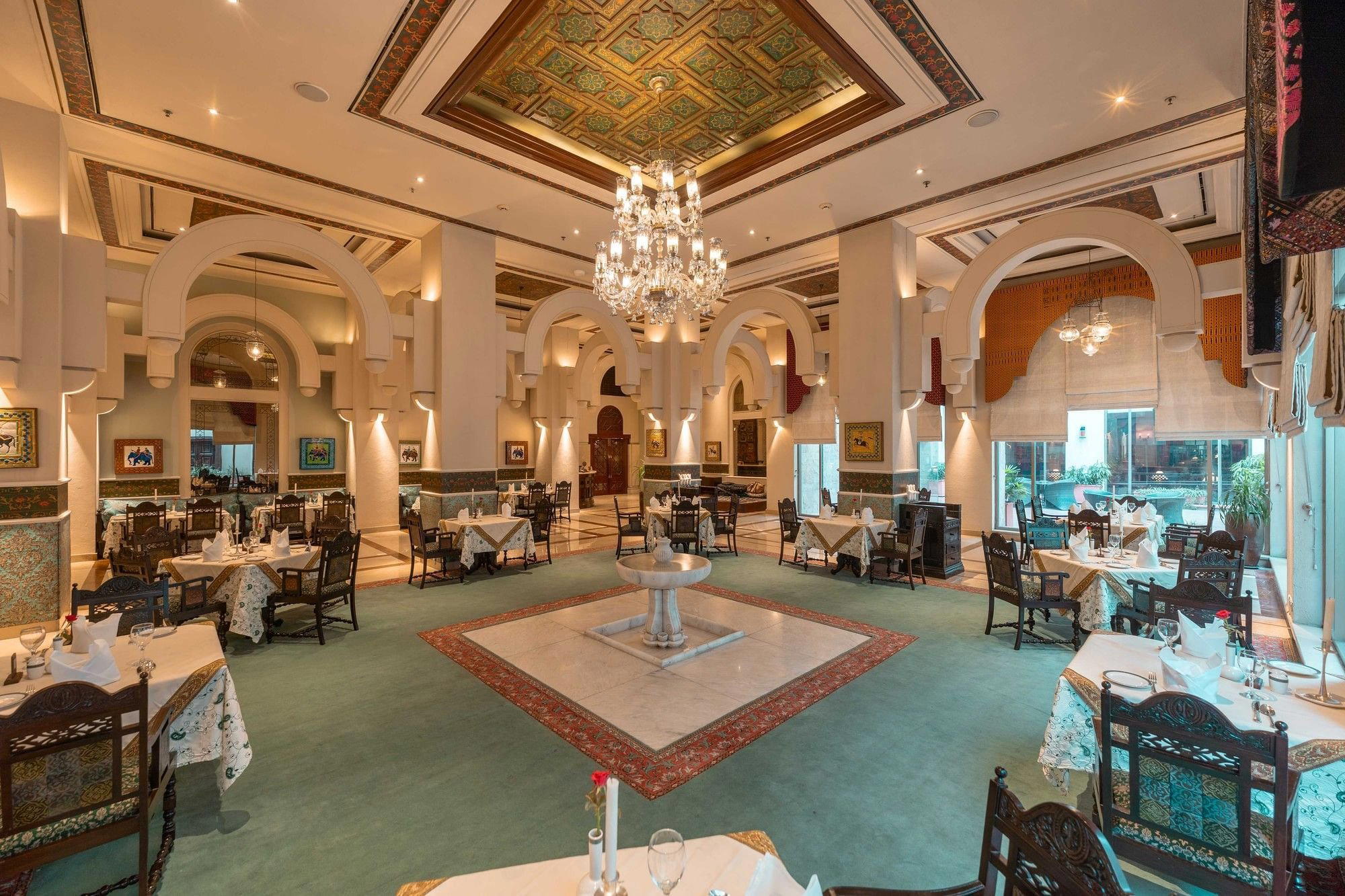
Approaching Al Maghreb means entering one of Islamabad’s more official-feeling pockets: Khayaban-e-Suhrwardy Road, the Convention Centre opposite, the broad avenues of G-5 around it, and the Margalla Hills never far from the mental map of the city. This is not the lane-by-lane restaurant culture of Lahore or the late-night grill sprawl of Karachi. Islamabad dining often works through planned districts, hotel dining rooms, diplomatic traffic, and restaurants built for families, delegations, and large-table meals. In that context, location does a large part of the talking before the menu does.
The sourcing question in the capital is different from the one in older food cities. Islamabad’s restaurant culture sits close to Punjab’s grain, dairy, and meat networks, with northern produce and regional cooking traditions feeding into the city’s kitchens through markets rather than through a single culinary identity. A restaurant here is judged less by theatrical provenance language and more by whether ingredients make sense for the occasion: rice served with structure, breads handled at the right pace, grilled or stewed proteins not treated as afterthoughts, and spice calibrated for a mixed dining room rather than a niche audience.
Islamabad's formal-dining belt rewards occasion over novelty
Al Maghreb belongs to a part of the city where restaurants are read through use case first. The address places it near state, conference, and hotel traffic, so the likely comparison is not a tiny chef-counter or a street-food specialist but the capital’s broader occasion-dining circuit. That includes rooms such as Baradari, Dawat, Rakaposhi, Wild Rice, and Capital View Restaurant, each useful less as a like-for-like culinary match than as a signal of how Islamabad sorts dining by setting, group size, and formality.
That matters because the capital’s better meals are often decided before anyone opens a menu. A family dinner, a business table, a post-conference meal, and a visitor’s first night in town all demand different tolerances for noise, service rhythm, and culinary risk. In Islamabad, restaurants near administrative and hotel zones tend to favor legibility: familiar formats, broad appeal, and enough structure for mixed groups. If Al Maghreb is under consideration, the editorial question is not whether it offers a heavily documented chef narrative, but whether its location and format suit a meal where convenience and composure carry weight.
Ingredient logic matters more than menu mythology
Pakistan’s stronger restaurant cooking is often built from supply chains that predate restaurant branding: wheat for breads, dairy for yogurt and paneer preparations, rice traditions tied to household and banquet cooking, and meat cookery that depends on timing rather than decoration. Islamabad adds a northern-capital filter to that base. The city draws residents, officials, and visitors from across the country, which pushes many kitchens toward broad regional intelligibility rather than narrow provincial specialization.
That is why ingredient sourcing is a practical lens here. Without a published chef profile, awards trail, or named signature dishes, the smarter assessment avoids invented mythology and focuses on the category. A convincing restaurant in this part of Islamabad should make staple ingredients feel handled, not merely assembled. Bread should arrive as part of the meal’s rhythm, rice should not be filler, and proteins should justify their place at the table through cookery rather than portion size alone. Those are the standards that separate serious formal dining from a room that only has a formal address.
For a wider read on the city, Our full Islamabad restaurants guide gives the better overview than judging one address in isolation. The surrounding hospitality circuit also matters: Our full Islamabad hotels guide helps explain why certain dining rooms cluster around official and visitor-heavy districts, while Our full Islamabad bars guide, Our full Islamabad wineries guide, and Our full Islamabad experiences guide show how limited or specialized some adjacent categories can be in the capital.
How to place it within a Pakistan dining itinerary
The restaurant makes the greatest sense when the evening is anchored in Islamabad itself: official appointments, hotel stays, the Convention Centre area, or a need for a composed meal without crossing the city. It is less useful as a stand-alone reason to rework a Pakistan itinerary. Travelers building a broader food route should keep the capital in conversation with places that express other parts of the country more directly, from Buqayvia Restaurant in Lahore and Butt Karahi in لاہور to Butt Karahi by Usman Tahir in Gujar Khan and Hunza Food Pavilion in Karimabad.
That contrast is useful. Lahore carries density, appetite, and old-city momentum; northern destinations often foreground altitude, produce, and travel logistics; Islamabad is cleaner-lined and more institutional, with dining that frequently serves the calendar of the capital. Even out-of-category references, such as China Hot Pot in اسلام آباد, Mountain Pizzeria in Bulchi Das, Jōdo Saké Bar in Los Angeles, and Onigiri Time in Pasadena, underline the same point: a restaurant should be judged against the job it is doing in its own city, not against a generic global checklist.
The verdict is therefore measured. The restaurant is a situational Islamabad choice, strongest on location and formal-dining context rather than documented culinary authorship. For readers who value a clearly published menu, named chef, awards history, or transparent pricing before committing, better-documented alternatives may be easier to assess. For a meal tied to the Convention Centre side of the capital, it belongs on the shortlist of practical options, with expectations set by Islamabad’s occasion-led dining culture rather than by chef-driven destination dining.
How It Stacks Up
Comparable venues by cuisine and price in the same metro.
| Venue | Cuisine |
|---|---|
| Al Maghreb | This venue |
Continue exploring
More in Islamabad
Restaurants in Islamabad
Browse all →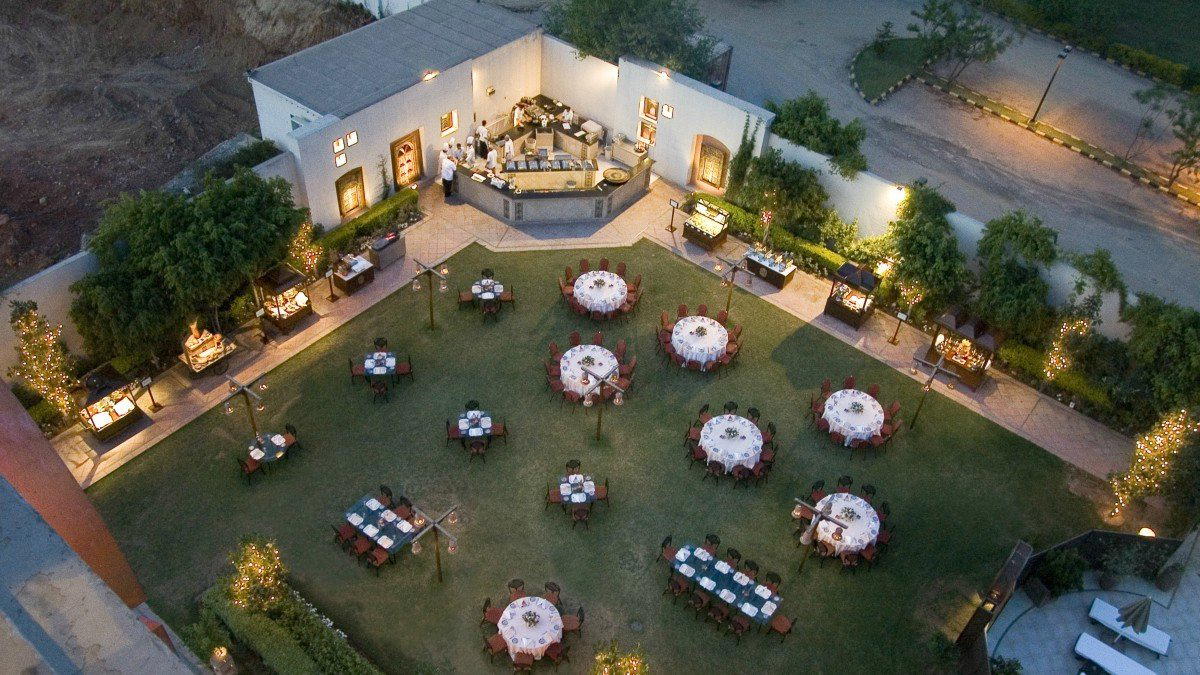
Hotels in Islamabad
Browse all →
At a Glance
- Ornate
- Elegant
- Sophisticated
- Classic
- Group Dining
- Celebration
- Special Occasion
- Casual Hangout
- Business Dinner
- Hotel Restaurant
- Design Destination
- Zero Proof
- Local Sourcing
Current opening hours
- Monday
- 10 AM–11 PM
- Tuesday
- 10 AM–11 PM
- Wednesday
- 10 AM–11 PM
- Thursday
- 10 AM–11 PM
- Friday
- 10 AM–11 PM
- Saturday
- 10 AM–11 PM
- Sunday
- 10 AM–11 PM
Hours can change for holidays and private events. Last verified .
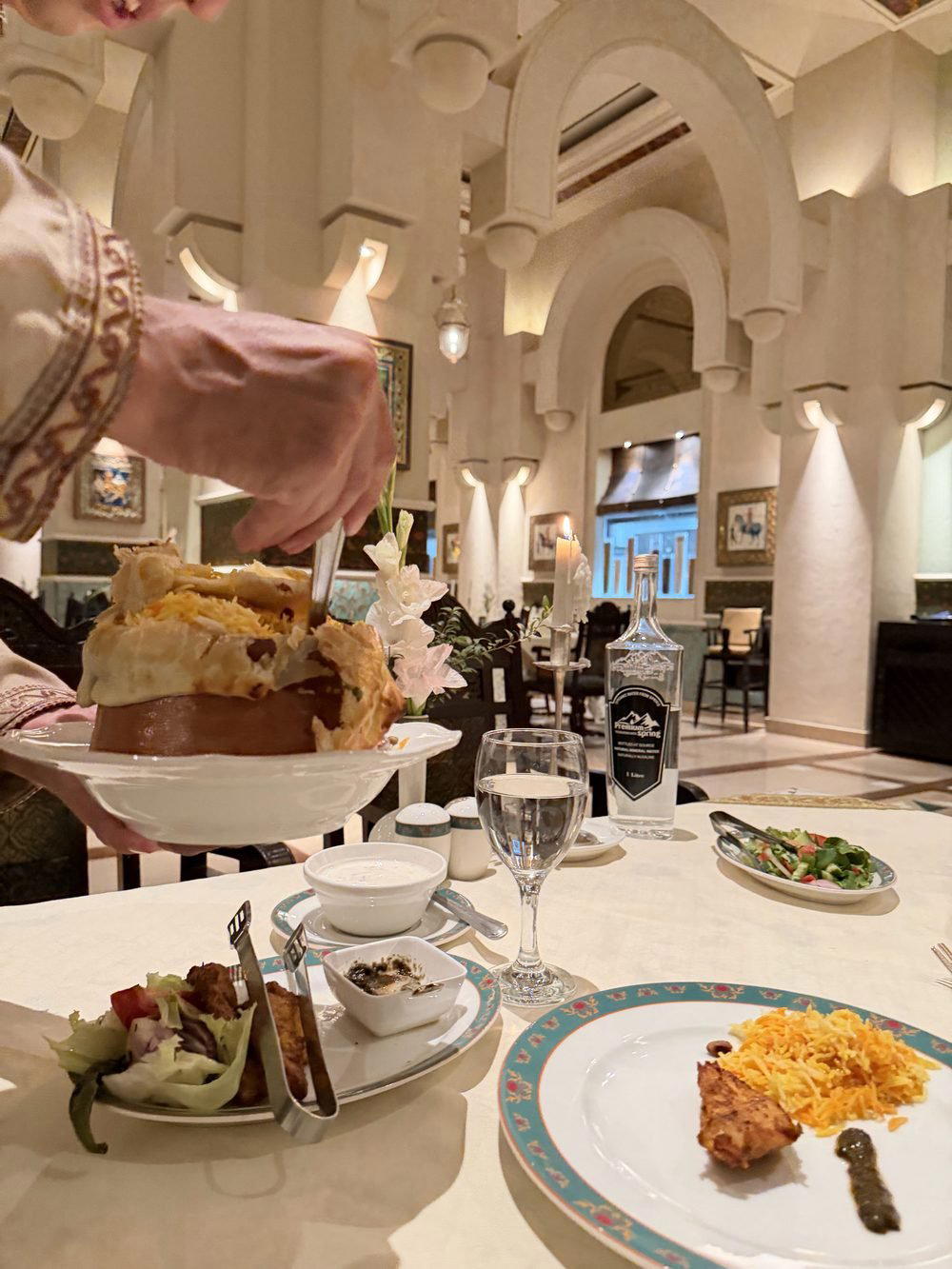
Elegant and sophisticated, with intricate ceramic wall tiles, arched ceilings, chandeliers, and a warm traditional Middle Eastern design that feels luxurious yet welcoming.