Bar Brava

James Beard Award Semi Finalist
Our verdict
Bar Brava belongs to Minneapolis’s more serious beverage conversation: a wine-led room recognized as a 2025 James Beard Award semifinalist for Outstanding Wine and Other Beverages Program. The draw is not spectacle but sourcing logic, with the beverage program carrying the editorial weight in a city where independent restaurants and bars increasingly define taste through producers, farming, and low-intervention choices.

Pearl is the En Primeur Club membership app — saves, bookings, and concierge access live there. Same editors, same standards.
- Address
- 1914 N Washington Ave, Minneapolis, MN 55411
- Phone
- (612) 208-1270
- Hours
- Mon–Tue ClosedWed–Sat 5–10 PMSun Closed
- Website
- barbravamn.com
- Directions
- Get directions
- Booking
- Book on Resy
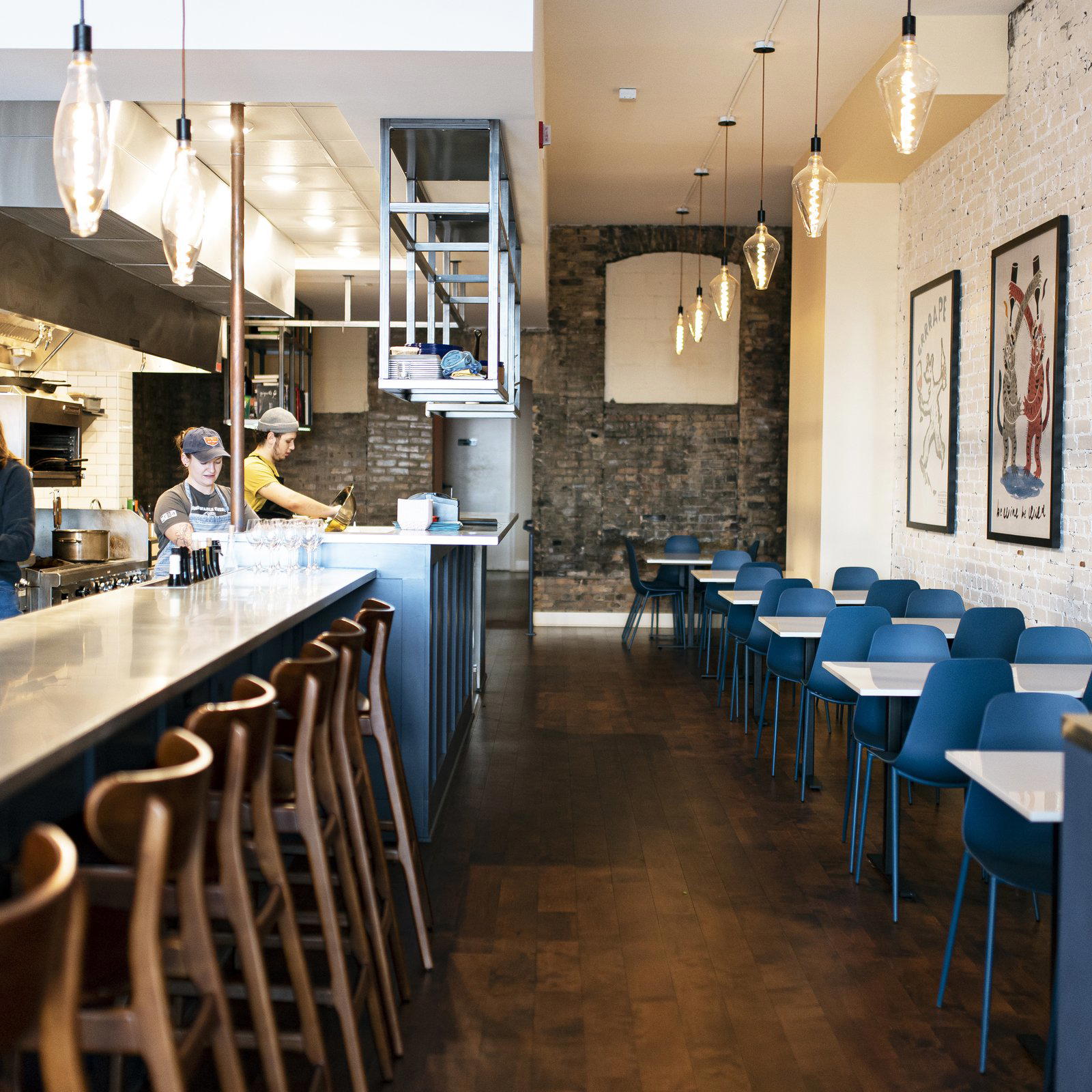
Minneapolis drinking has shifted from the old binary of brewery taproom or cocktail bar into a more granular culture of small producers, careful imports, and rooms where beverages are treated as agricultural products rather than luxury props. Bar Brava sits inside that movement. Its 2025 James Beard Award semifinalist recognition for Outstanding Wine and Other Beverages Program matters because the category rewards judgment: buying, serving, storing, and explaining drinks in a way that gives a city a point of view.
The ingredient-sourcing story here begins with the glass. In contemporary beverage-led rooms, provenance is the menu: who farmed the raw materials, how they were treated, how much intervention happened before service, and whether the result belongs with food rather than collector display. That is the difference between a drinks list that merely stocks labels and one that argues for a way of eating and drinking. Minneapolis has the climate and dining culture for that argument: long winters reward intimate rooms, while the city’s independent restaurant scene has trained diners to pay attention to farms, milling, fermentation, and regional supply chains.
A Minneapolis beverage program measured by sourcing rather than flash
The James Beard nod places Bar Brava in a national beverage conversation, but the more useful reading is local. Minneapolis has long had serious dining without behaving like a coastal capital; its better rooms often favor utility over theater. In that context, a beverage program gains authority by showing its work quietly: producer selection, staff fluency, pairing range, and a willingness to let less obvious choices carry the evening.
That is why sourcing matters more than decor vocabulary. Beverage programs that survive beyond trend cycles usually build trust through repeatable choices. A list can lean toward small producers, careful farming, distinctive styles, or classic regions, but the governing question is the same: does the program connect what is in the glass to how people eat? Recognition from the James Beard Foundation signals that this program has been noticed for exactly that kind of discipline, not for scale alone.
For travelers mapping Minneapolis by appetite, Bar Brava fits the same independent-city logic that makes the city’s other dining rooms and older tavern traditions useful reference points. Minneapolis dining is not a single lane. It moves from counter breakfasts to serious beverage service, from neighborhood institutions to more formal rooms. A bar with national beverage recognition gives that range a sharper contemporary edge.
The drinking culture is the main course
The relevant question is not whether Bar Brava functions like a restaurant or a bar, but how Minneapolis now uses beverage-led venues. In many U.S. cities, the serious drinks room has become a middle category: less formal than tasting-menu dining, more curated than a neighborhood pour, and often more revealing about local taste than a high-cost room with a long cellar. That format rewards editing. A shorter list with conviction can tell the reader more than a large one built on prestige labels.
Food, when attached to this kind of program, usually plays a supporting but consequential role. The stronger model favors dishes that tolerate acidity, texture, salt, and temperature shifts, because drinks need partners rather than decorative plates. Without needing a named signature dish, the sourcing frame remains clear: beverage programs like this ask diners to think about supply chains in liquid form. Ingredients have origins, farming decisions are flavor decisions, and buying choices shape the city’s palate as directly as any kitchen’s produce order.
That lens also separates Bar Brava from generic “bar” shorthand. The category can mean anything from a few by-the-glass pours to a deeply edited beverage program. A James Beard semifinalist mention narrows the interpretation. It indicates a program judged within a national field for beverage direction, not simply a pleasant room with drinks service. In a city where hospitality often avoids self-importance, that kind of recognition carries weight precisely because it is attached to execution rather than noise.
How to place it in a Minneapolis itinerary
Bar Brava makes the most sense for travelers who plan a city through producers, independent operators, and the conversation between food and drink. It belongs on the same research path as Our full Minneapolis restaurants guide and Our full Minneapolis bars guide, especially for readers who want the city’s current drinking culture rather than a checklist of landmarks. For broader planning, pair that with Our full Minneapolis hotels guide, Our full Minneapolis wineries guide, and Our full Minneapolis experiences guide.
The wider EP Club map helps clarify the category. Beverage-led dining takes different forms across the country, from highly specialized drinks rooms to casual formats, plant-forward localism, island-influenced dining, neighborhood cooking, and focused service built around a single ingredient or technique. Minneapolis’s version is colder-climate, less theatrical, and more tied to the city’s habit of letting substance beat display.
There is also a useful local caution: do not read national recognition as a promise of formality. The smarter expectation is focus. Bar Brava is for people who care about how drinks reach the table, why a beverage program earns attention, and how a Midwestern city can express taste without importing another city’s dining script. That is the reason to put it on a Minneapolis shortlist.
For a broader city sweep, Minneapolis offers other reference points beyond the beverage-led lane.
Frequently asked questions
Is Bar Brava child-friendly?
Bar Brava reads as an adult-focused Minneapolis bar, shaped by its 2025 James Beard semifinalist nod for Outstanding Wine and Other Beverages Program. Families may still stop in, but the room is better suited to a beverage-led evening than a casual children’s outing.
How would you describe the vibe at Bar Brava?
Expect a drink-driven room in Minneapolis, not a venue defined here by a long menu. The 2025 James Beard semifinalist recognition points to a bar where the beverage program carries the main argument.
What's Bar Brava known for in terms of accolades?
Bar Brava has received recognition including: James Beard Award 2025 Bar Brava was named a 2025 James Beard Award semifinalist for Outstanding Wine and Other Beverages Program. Location: Minneapolis. Source: https://www.jamesbeard.org/stories/the-2025-james-beard-award-semifi….
What's the best way to book Bar Brava?
Use the venue’s official reservation channel if it is offered, and plan ahead around its Minneapolis setting and 2025 James Beard semifinalist status. For a place recognized for Outstanding Wine and Other Beverages Program, advance planning is the sensible approach.
What is Bar Brava known for?
Bar Brava is known for its beverage program, specifically its 2025 James Beard Award semifinalist recognition for Outstanding Wine and Other Beverages Program. That places the Minneapolis bar in the conversation for serious beverage-led hospitality.
Do they accommodate allergies at Bar Brava?
Allergy handling should be confirmed directly before a visit, especially at a Minneapolis bar centered on drinks rather than a fixed dining format. The James Beard semifinalist recognition tells you the program is taken seriously, but it does not speak to allergy procedures.
Recognition history
Dated appearances from independent guides and award organizations, with the underlying list record or original source where available.
James Beard Award Semi Finalist
James Beard Award
Continue exploring
More in Minneapolis
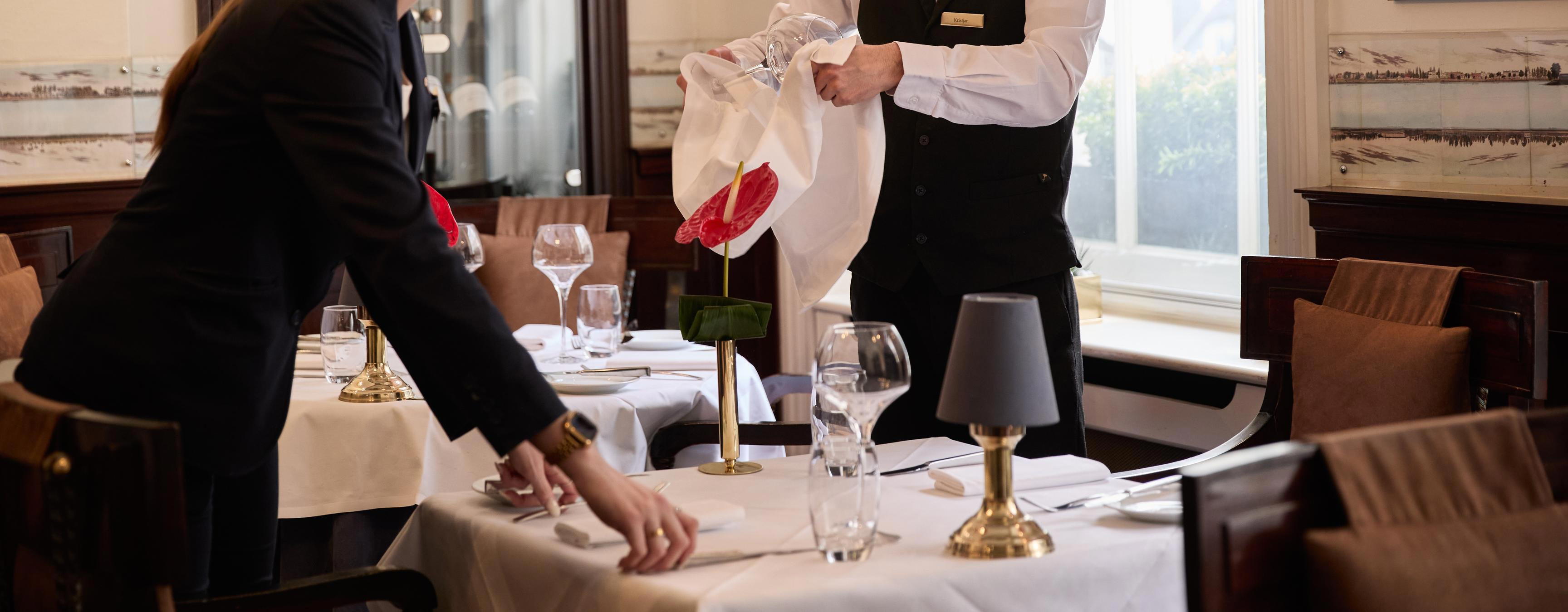
Restaurants in Minneapolis
Browse all →
Bars in Minneapolis
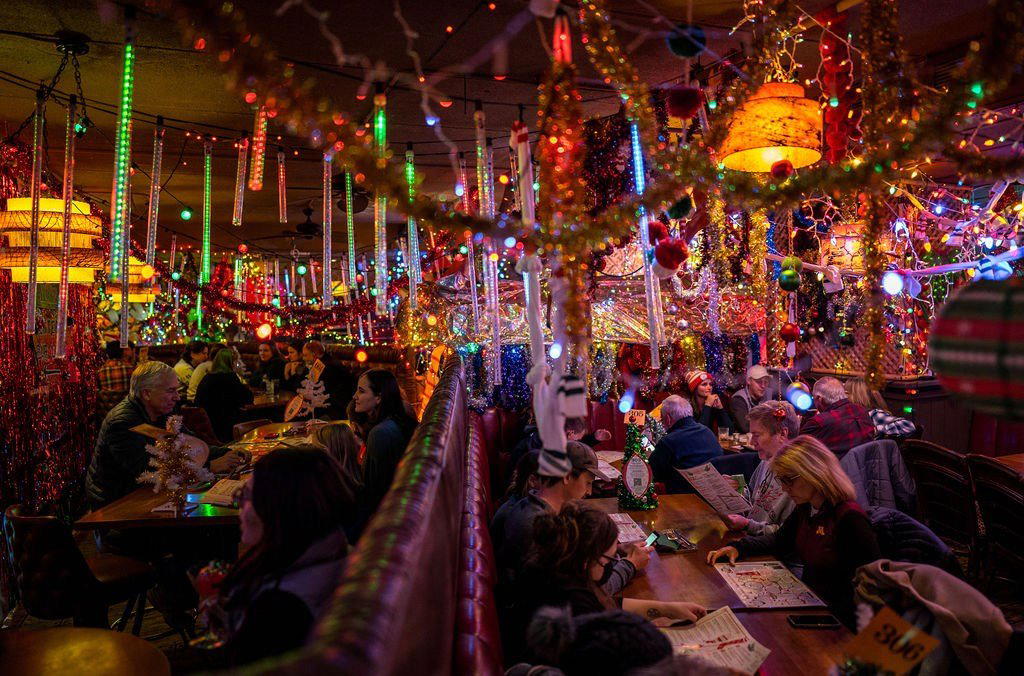
Browse all →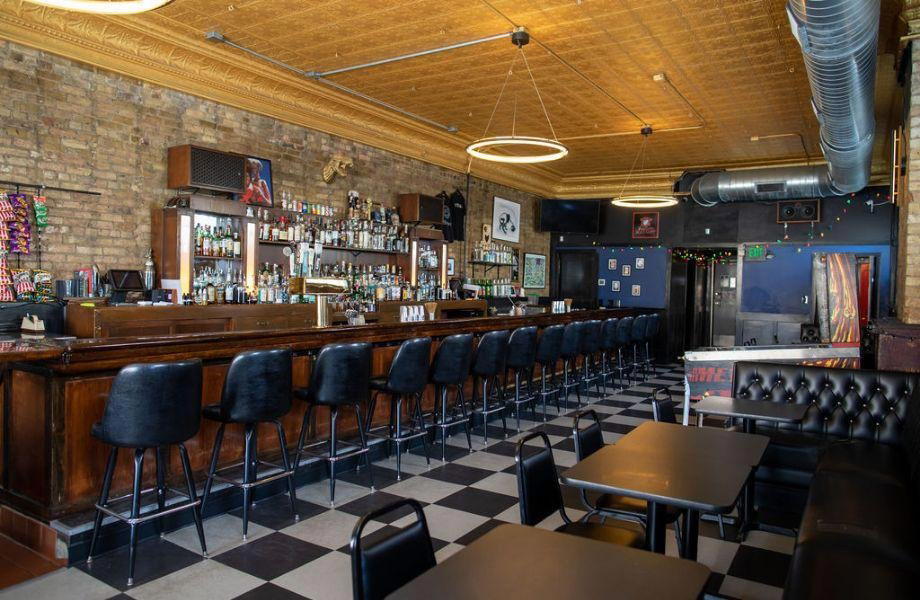
Details
- Trendy
- Cozy
- Lively
- Intimate
- Industrial
- Date Night
- After Work
- Casual Hangout
- Group Dining
- Solo
- Private Event
- Standalone
- Wine Cellar
- Private Dining
- Natural Wine
- Extensive Wine List
- Beer Program
- Natural Wine
- Small Plates
- A La Carte
- Wine
- Beer
- Cider
- Vegetarian Friendly
Current opening hours
- Monday
- Closed
- Tuesday
- Closed
- Wednesday
- 5–10 PM
- Thursday
- 5–10 PM
- Friday
- 5–10 PM
- Saturday
- 5–10 PM
- Sunday
- Closed
Hours can change for holidays and private events. Last verified .
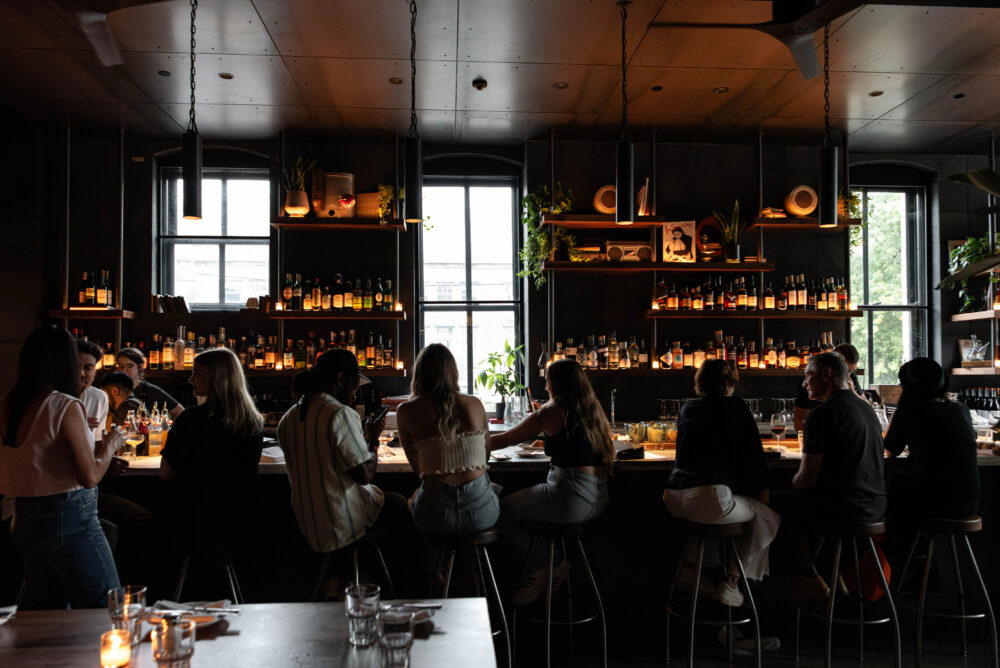
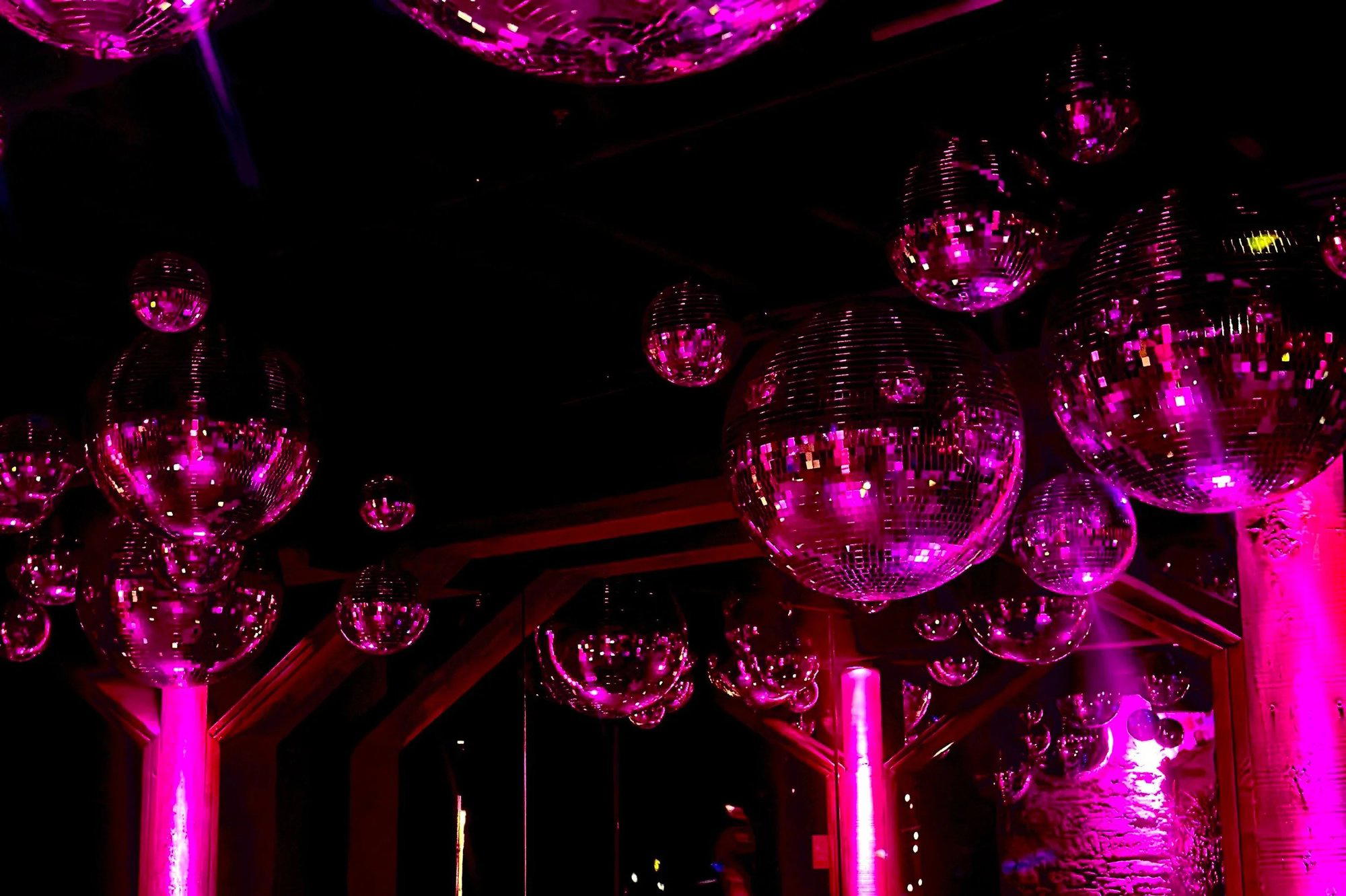
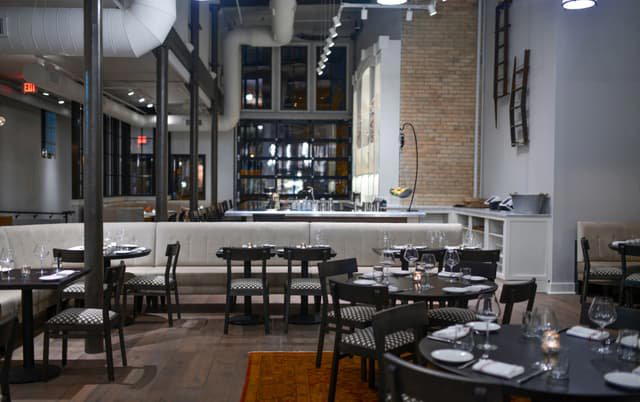
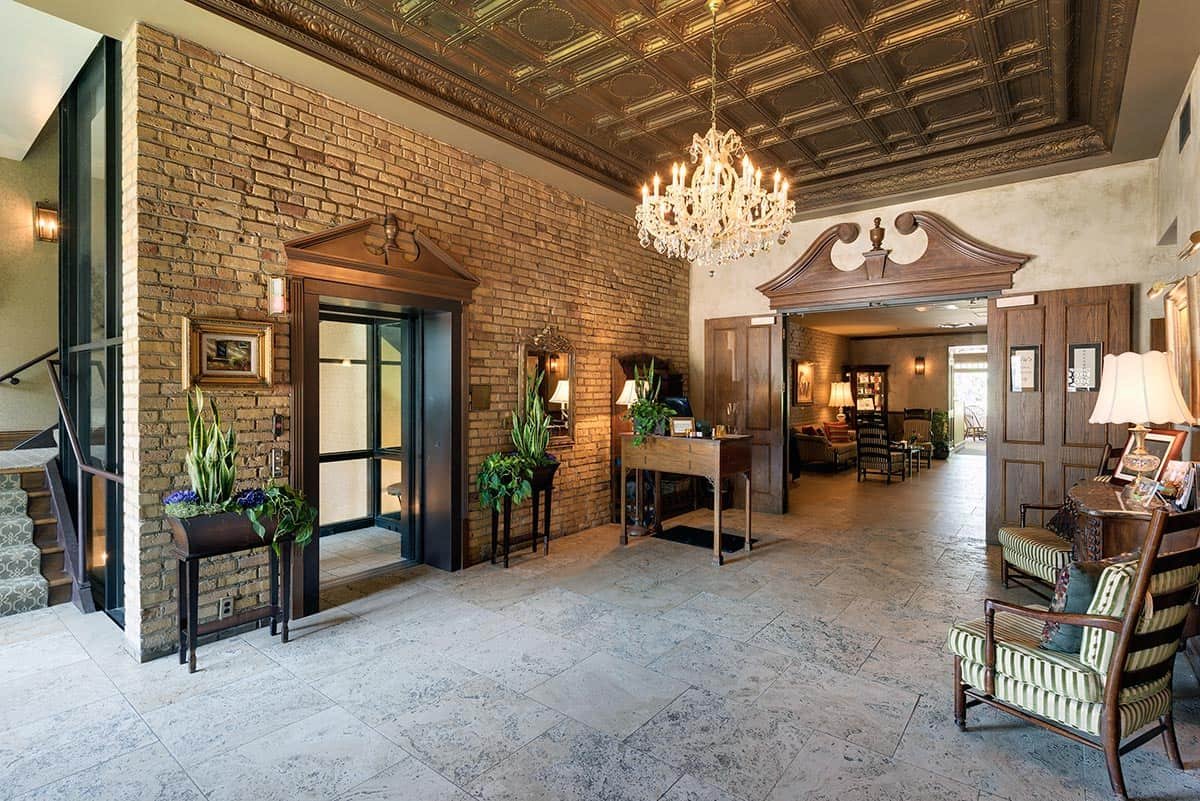
Casual, intimate neighborhood wine bar feel with dim bar-style lighting, a cozy but lively atmosphere, and an industrial-leaning, minimalist design focused on wine and small plates.