Bamboo Restaurant
Bamboo Restaurant sits on Akoni Pule Highway in Hawi, a North Kohala town that operates well outside the resort-corridor rhythms of the Kohala Coast. The address places it in one of the Big Island's more quietly consequential dining corridors, where locally sourced ingredients and a relaxed but deliberate approach to Pacific Rim cooking define the prevailing standard. For visitors driving the northern tip, it reads as a reliable stopping point rather than an afterthought.
Pearl is the En Primeur Club membership app — saves, bookings, and concierge access live there. Same editors, same standards.
- Address
- 55-3415 Akoni Pule Hwy, Hawi, HI 96719
- Phone
- +18088895555
- Website
- bamboorestauranthawaii.com
- Directions
- Get directions
 Saves & bookings on Pearl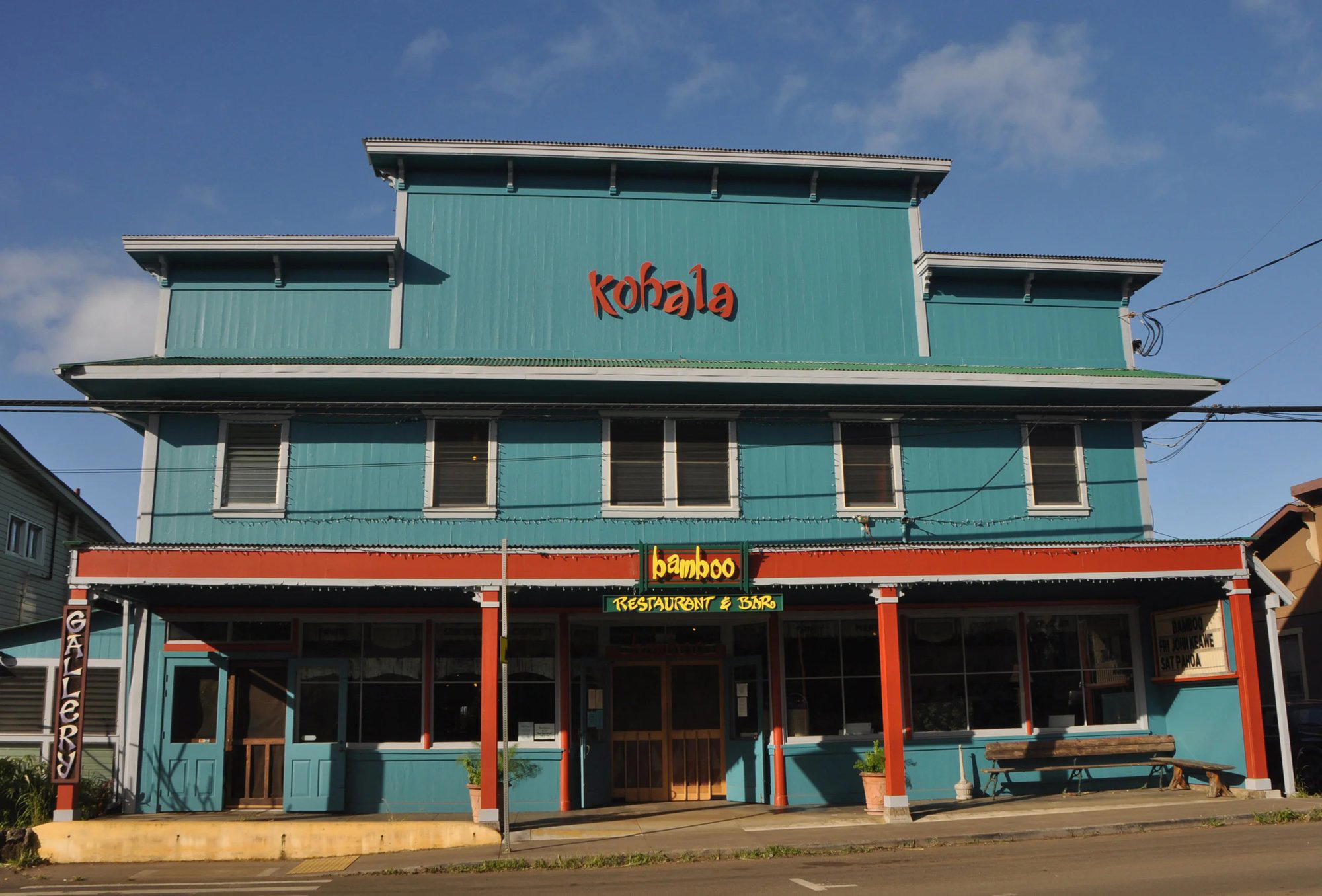
North Kohala's Dining Register
Hawi sits at the far northern tip of the Big Island, past the resort clusters of Waikoloa and Mauna Kea, past the macadamia orchards and cattle ranches that define the Kohala uplands. The town's commercial strip runs only a few blocks along Akoni Pule Highway, but it punches above its size in terms of dining options. That pattern is not accidental. North Kohala's agricultural base, which includes coffee farms, tropical fruit growers, and grass-fed cattle operations, gives local kitchens direct access to ingredients that restaurants in Honolulu or Kona pay a premium to source. Bamboo Restaurant occupies a position inside that corridor, at 55-3415 Akoni Pule Hwy, operating within a town where the food scene is shaped more by what grows nearby than by tourist-facing trends.
Nearby spots like Kohala Coffee Mill and Kohala Grown Market illustrate the same locally rooted logic, where producers and kitchens exist in close proximity and the supply chain is short by design.
Pacific Rim Cooking and Its Hawaiian Expression
The culinary tradition most associated with Hawaii's independent restaurant scene is neither strictly American nor straightforwardly Asian. It draws from the archipelago's layered immigration history: Japanese plantation workers who brought bento disciplines and soy-based seasoning, Filipino families whose adobo and rice preparations entered the local pantry, Portuguese settlers whose sweet bread and sausage still appear on breakfast menus across the islands, and Native Hawaiian preparations built around taro, breadfruit, and fresh fish from surrounding waters. What emerged over generations is a regional cooking vernacular that mainland critics often shorthand as Pacific Rim but which, at its grounded end, is something more specific: a cuisine shaped by proximity to the ocean, access to volcanic-soil produce, and a preference for abundance over restraint.
That stands in deliberate contrast to the tasting-menu format that defines much of American fine dining's current conversation. Restaurants like Le Bernardin in New York City or The French Laundry in Napa operate within a European-derived framework of sequential small courses and rigorous technique. Meanwhile, places like Lazy Bear in San Francisco or Smyth in Chicago push toward hyper-local sourcing within an avant-garde structure. Hawaii's independent dining rooms rarely pursue either of those models. The portion logic, the flavor profile, and the relationship between kitchen and diner are calibrated differently, oriented toward generosity and familiarity rather than precision and ceremony.
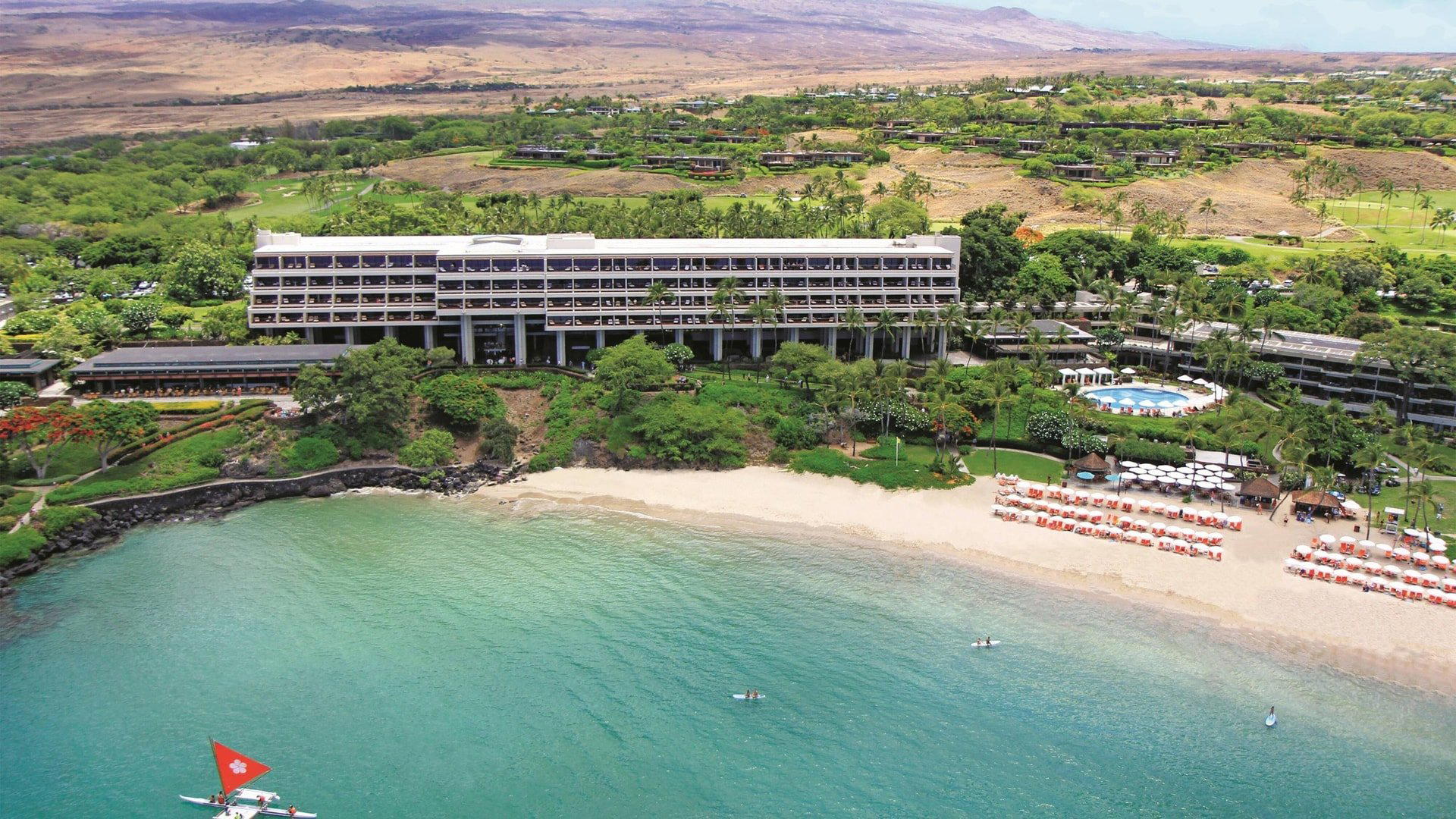
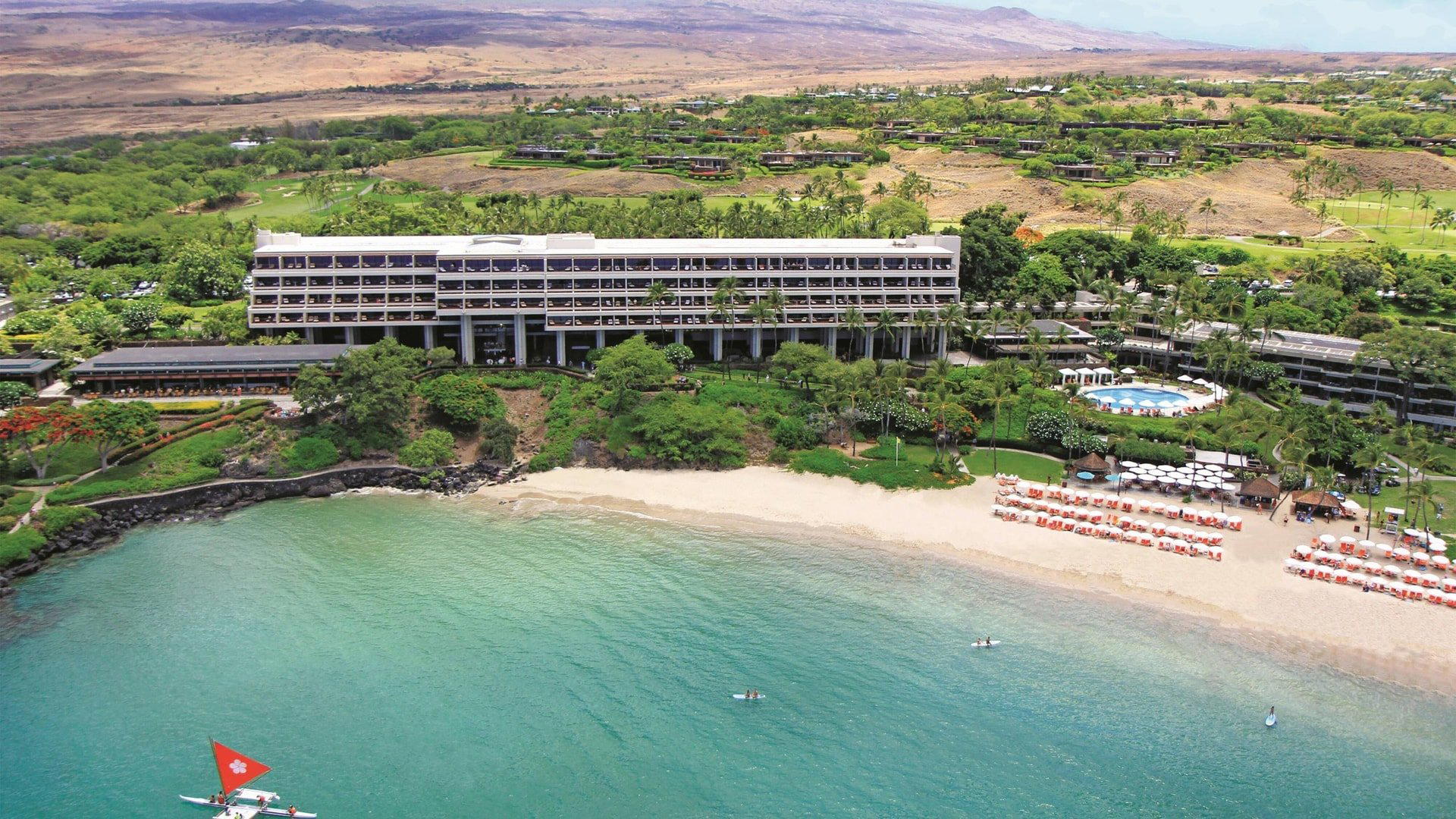
Across the state, a generation of cooks trained at mainland and Japanese institutions has returned to apply technical discipline to local ingredients. The result is a mid-tier that sits between the resort buffet economy and the white-tablecloth formats found at properties like the Mauna Kea Beach Hotel. Hawi's leading independent kitchens operate in that space: informed cooking, locally sourced where possible, served in settings that do not require a dress code or a reservation weeks in advance.
The Setting Along Akoni Pule Highway
The physical character of Hawi's dining strip owes something to the town's history as a sugar plantation hub. The buildings along the highway retain a low-slung, plantation-era architectural vernacular: wooden storefronts, covered walkways, and interiors that feel rooted in place rather than imported. That context shapes the atmosphere of any restaurant operating along this stretch. Natural light, open-air or semi-open layouts, and a background of trade winds moving through the Kohala hills are part of the dining environment by default, not by design affectation.
Bamboo Restaurant sits within this environment. The address on Akoni Pule Highway places it in the heart of Hawi's walkable commercial block, accessible to both the small local population and to visitors making the scenic drive around the island's northern tip. The timing of that drive matters: most touring visitors reach Hawi between late morning and mid-afternoon, which influences when the town's restaurants see their busiest service periods.
How Hawi Fits the Broader American Independent Scene
American dining in 2024 runs on two largely separate tracks. The first is the nationally recognized, awards-driven circuit, where restaurants like Providence in Los Angeles, Addison in San Diego, or Atomix in New York City compete for Michelin recognition and placement on the World's 50 Best list. The second is the much larger world of independent restaurants that serve their communities without external validation, often with more personality and a clearer sense of place than their more decorated counterparts. Hawi's dining scene belongs entirely to the second category. The town is too remote and too small to attract the kind of critical attention that reaches Blue Hill at Stone Barns in Tarrytown or Single Thread Farm in Healdsburg, but that distance from the awards circuit also means kitchens here answer to their regulars rather than to a rotating jury of inspectors.
For comparison: restaurants in food-destination cities like Emeril's in New Orleans or The Inn at Little Washington carry institutional weight accumulated over decades of national recognition. Places like Frasca Food and Wine in Boulder or The Wolf's Tailor in Denver have built reputations through a combination of technique and local sourcing that earns press outside their immediate markets. ITAMAE in Miami and Atelier Moessmer Norbert Niederkofler in Brunico represent the international end of that recognition spectrum. Bamboo Restaurant in Hawi operates on a different scale and with different ambitions, but in a town with limited options and a strong local food culture, that scale is appropriate rather than limiting.
Planning a Visit
Hawi is roughly a 45-minute drive north from Waimea and around 90 minutes from Kailua-Kona, depending on the route. Visitors driving the Kohala scenic loop typically arrive without reservations, which is consistent with how most of the town's restaurants operate. Given the small number of full-service dining options in Hawi, arriving before peak midday hours is a practical consideration, particularly on weekends when touring traffic from the Kohala Coast resorts increases. The town itself is compact enough to walk between the handful of restaurants and shops on the main strip, making Bamboo a natural part of a broader afternoon in North Kohala.
Price Lens
Comparable venues nearby, for context on price, style, and recognition.
| Venue | Cuisine | Price | Notes |
|---|---|---|---|
| Bamboo RestaurantThis venue — the venue you are viewing | Not listed | $$ | Not listed |
| Kohala Coffee Mill | Hawi, Hawaiian Cafe & Creamery | $$ | Not listed |
| Kohala Grown Market | Hawi, Local Hawaiian Deli | $ | Not listed |
| Kaleo's Bar & Grill | Not listed | $$ | Pahoa Town, Hawaiian-Inspired American Grill |
| Splashers Grill | Not listed | $$ | Kailua-Kona, American Grill with Local Seafood |
| Castaway Cafe | Lahaina, Hawaiian Casual Cafe | $$ | Not listed |
Continue exploring
More in Hawi
Restaurants in Hawi
Browse all →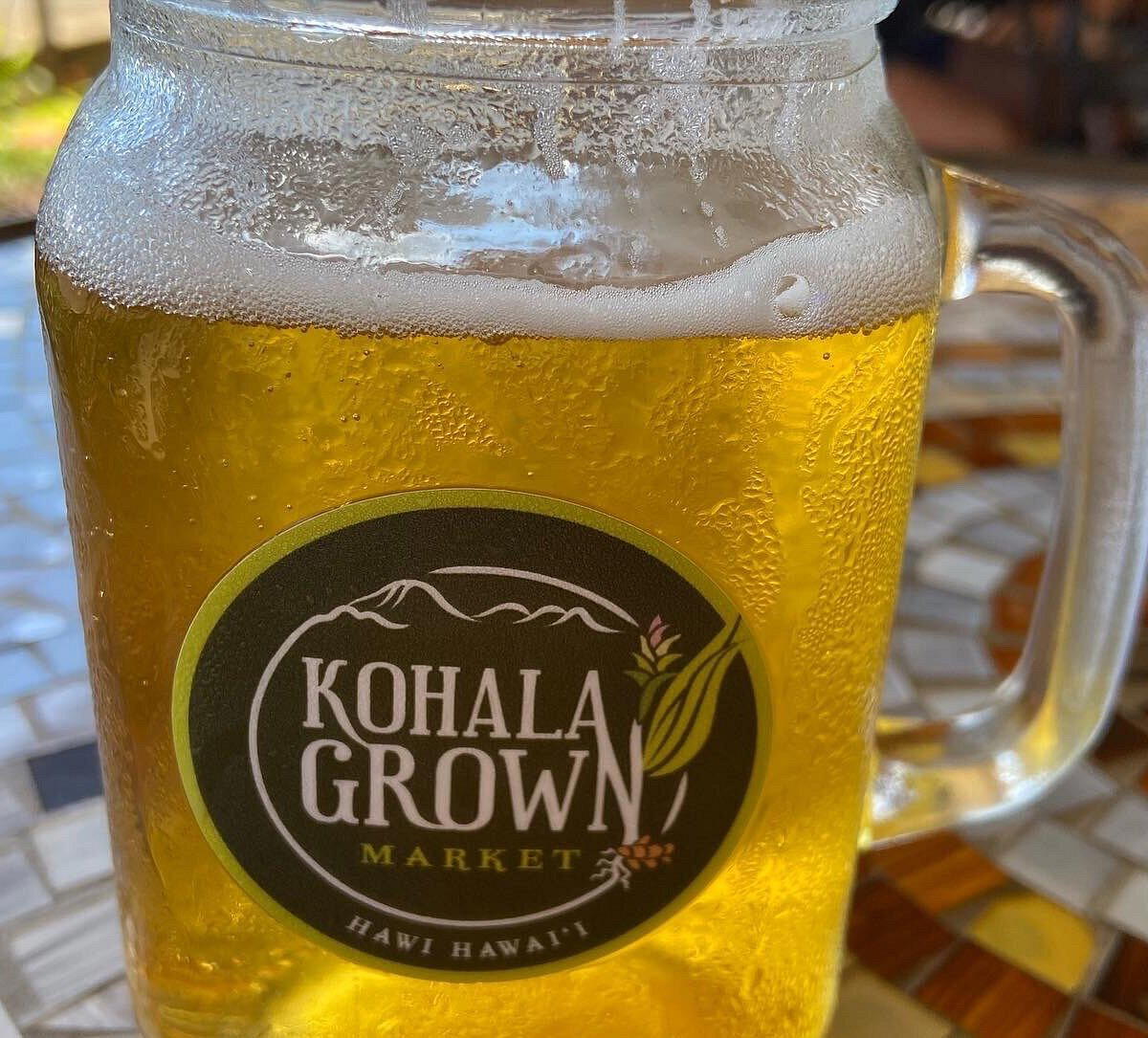
At a Glance
- Classic
- Rustic
- Whimsical
- Brunch
- Casual Hangout
- Family
- Celebration
- Live Music
- Historic Building
- Standalone
- Craft Cocktails
- Local Sourcing
- Organic
- Farm To Table
Current opening hours
- Monday
- Closed
- Tuesday
- 11:30 AM–2 PM
- Wednesday
- 11:30 AM–2 PM
- Thursday
- 11:30 AM–2 PM, 6–8 PM
- Friday
- 11:30 AM–2 PM, 6–8 PM
- Saturday
- 11:30 AM–2 PM
- Sunday
- 11:30 AM–2 PM
Hours can change for holidays and private events. Last verified .
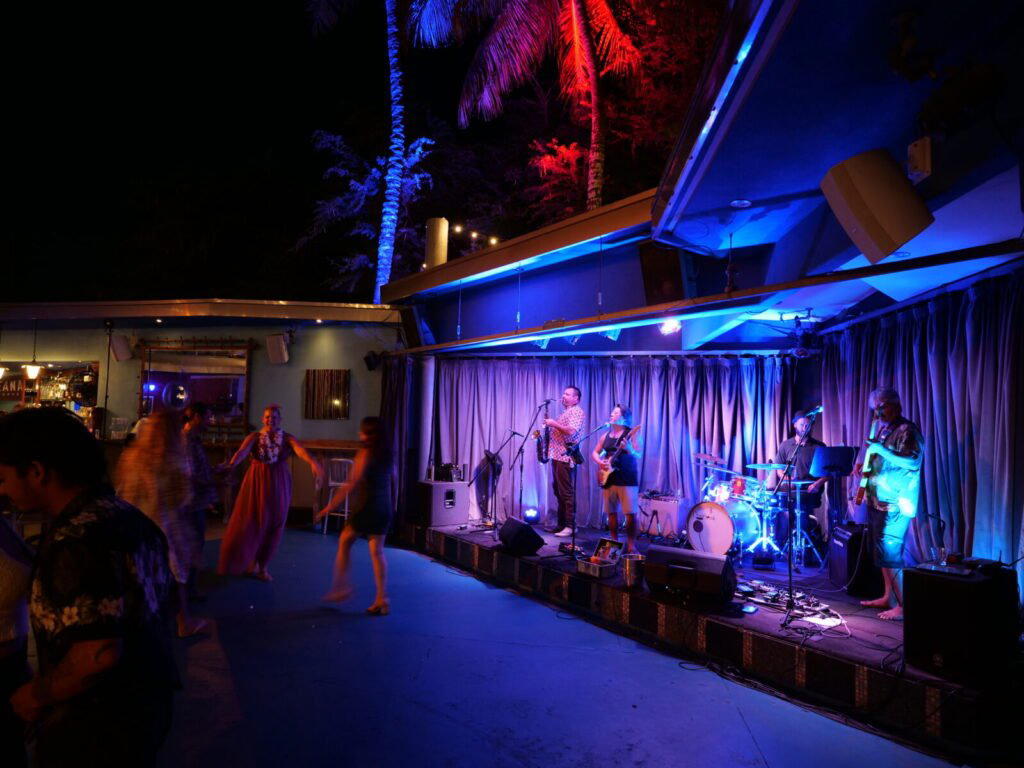
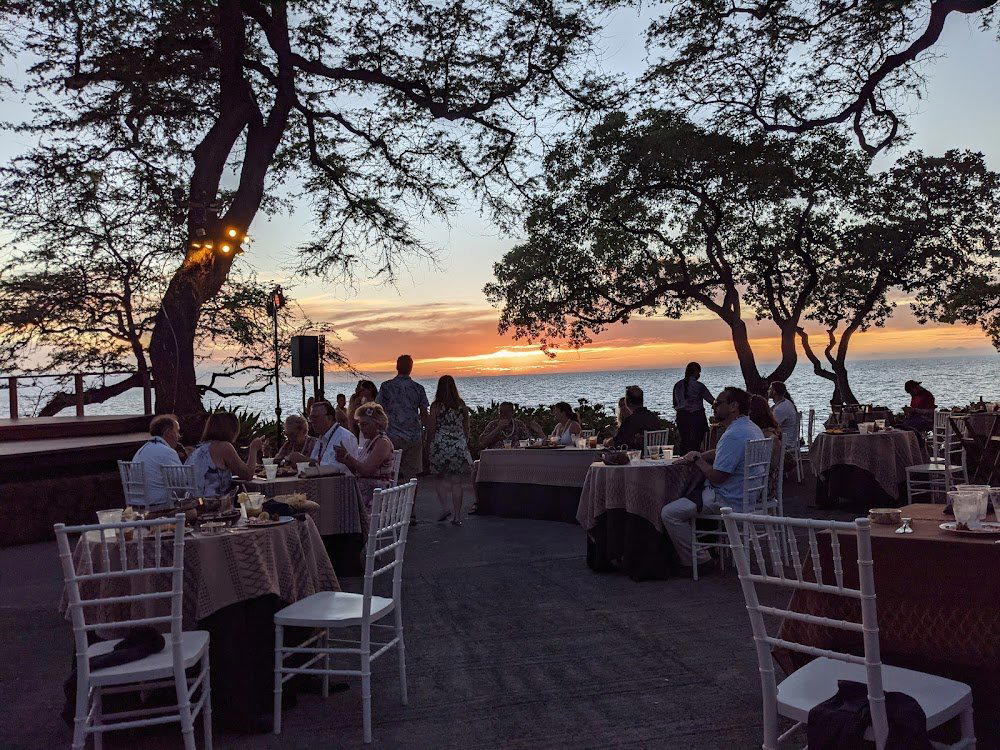
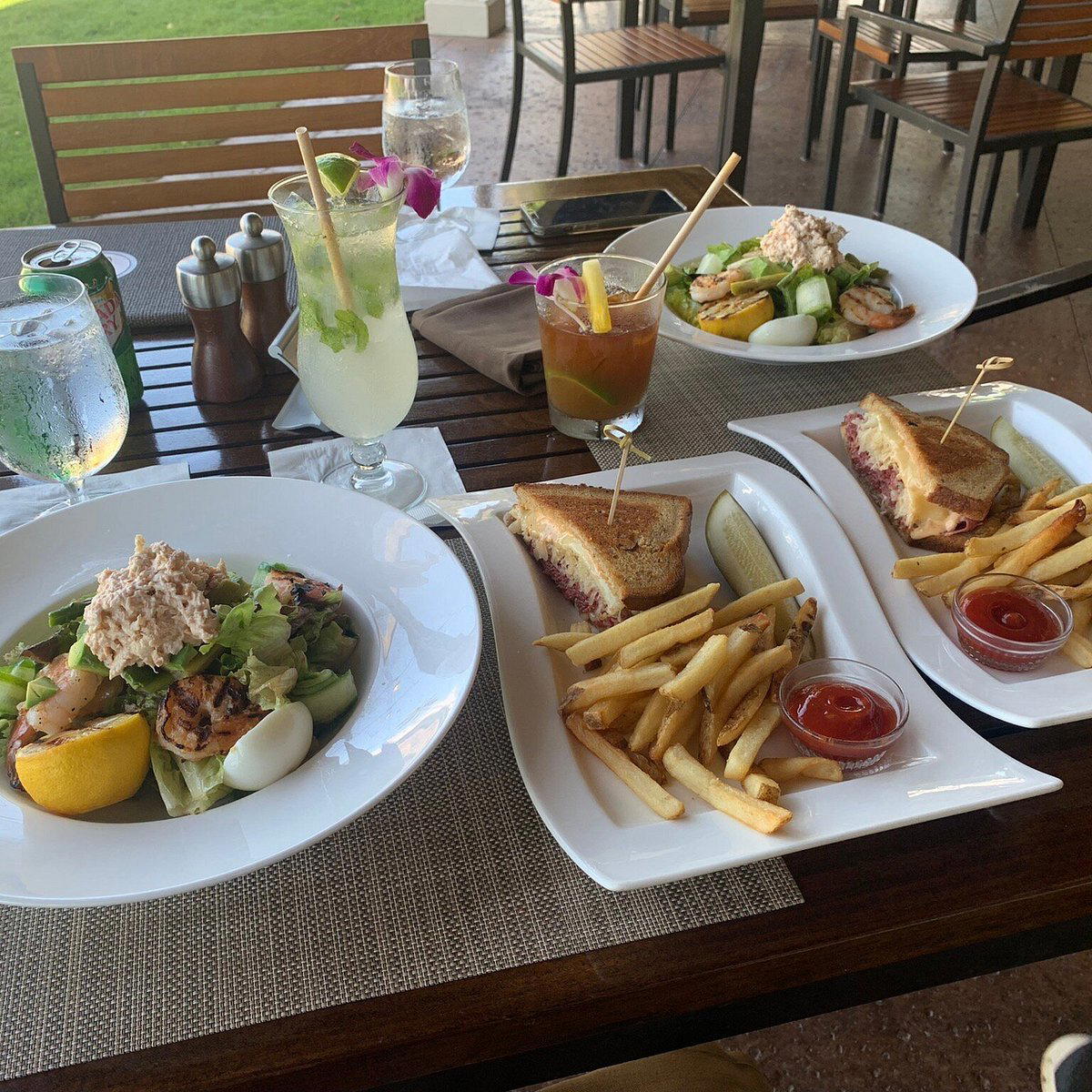
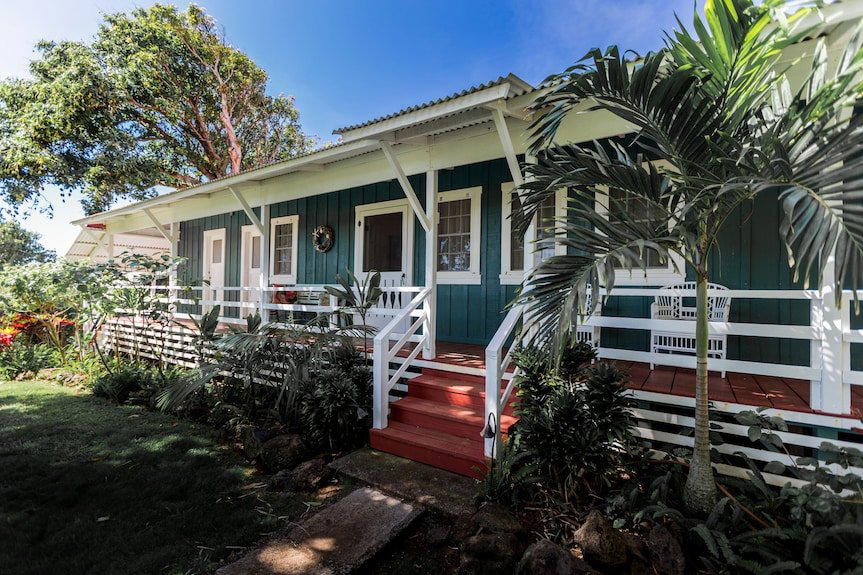
Warm, colorful, and nostalgic 1920s-era setting with lively decor that transports guests to old Hawaii; bright and welcoming atmosphere enhanced by personal touches from owner Joan Steffy Channon.