Baires Grill - Miami Beach
Our verdict
Baires Grill brings the Argentine asado tradition to Collins Avenue, where the smoke and ceremony of wood-fire cooking meet the easy energy of Miami Beach. Positioned at 2200 Collins Ave, the restaurant draws on South American grilling culture to offer a contrast to the seafood-heavy dining that dominates this stretch of the city.

Pearl is the En Primeur Club membership app, where members save venues, book tables and use the concierge.
Wood Fire on Collins Avenue
Collins Avenue in Miami Beach runs a long, dense corridor of restaurants that lean heavily on oceanic themes: ceviche, stone crab, grilled fish. The Argentine grill format sits at an angle to all of that. Where most of the strip orients itself toward the Atlantic and the cuisine that comes with it, the South American asado tradition is land-facing by nature, built around cattle, fire, and the patient architecture of a proper parrilla. At 2200 Collins Ave, Baires Grill occupies that contrarian position, offering Miami Beach a smoke-and-ember format that reads as a clear counterpoint to its neighbours. For context on the full range of what this stretch of the city offers, our full Miami Beach restaurants guide maps the breadth of the dining scene.
The Atmosphere: Heat, Smoke, and the Ritual of the Grill
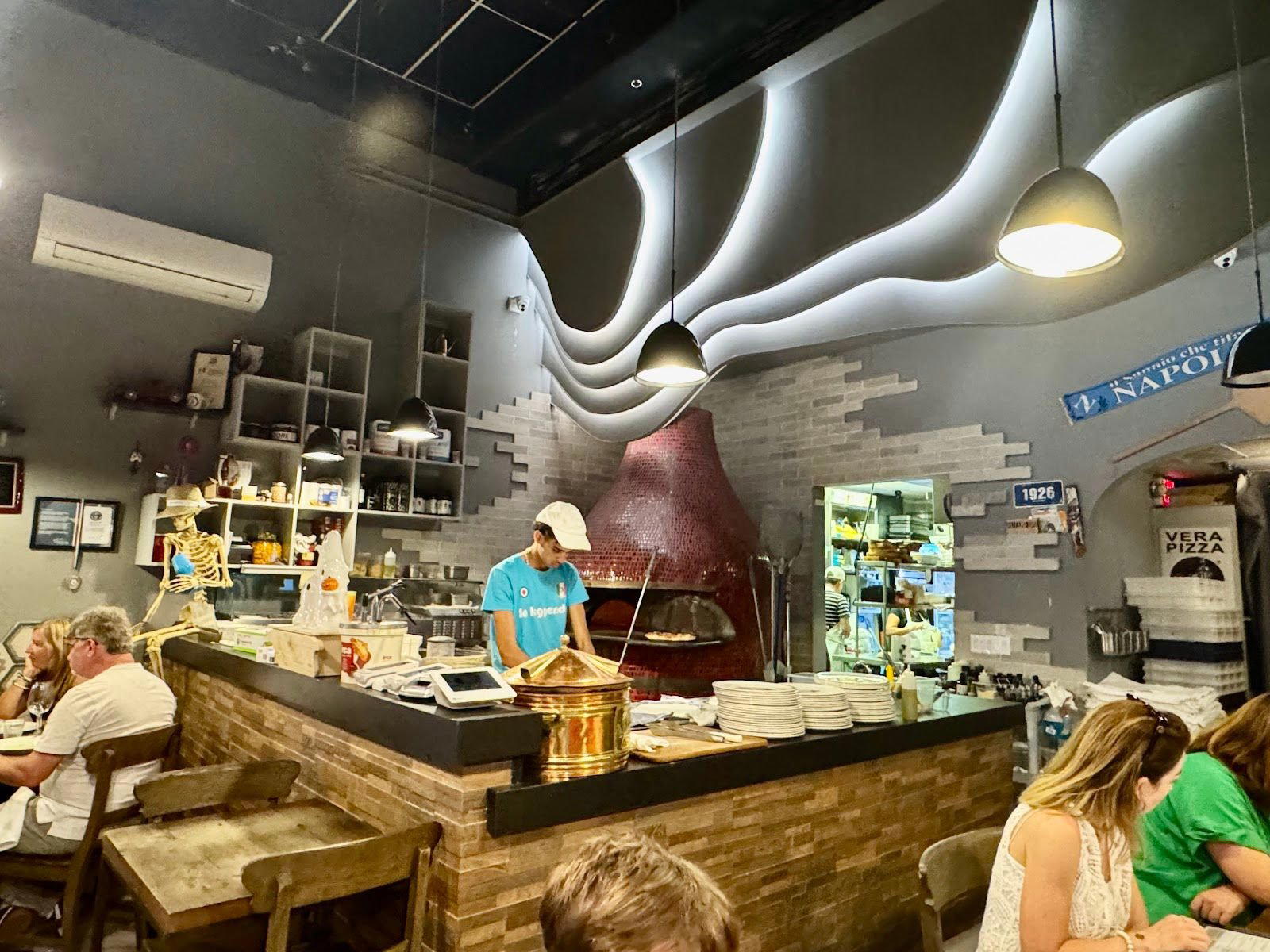
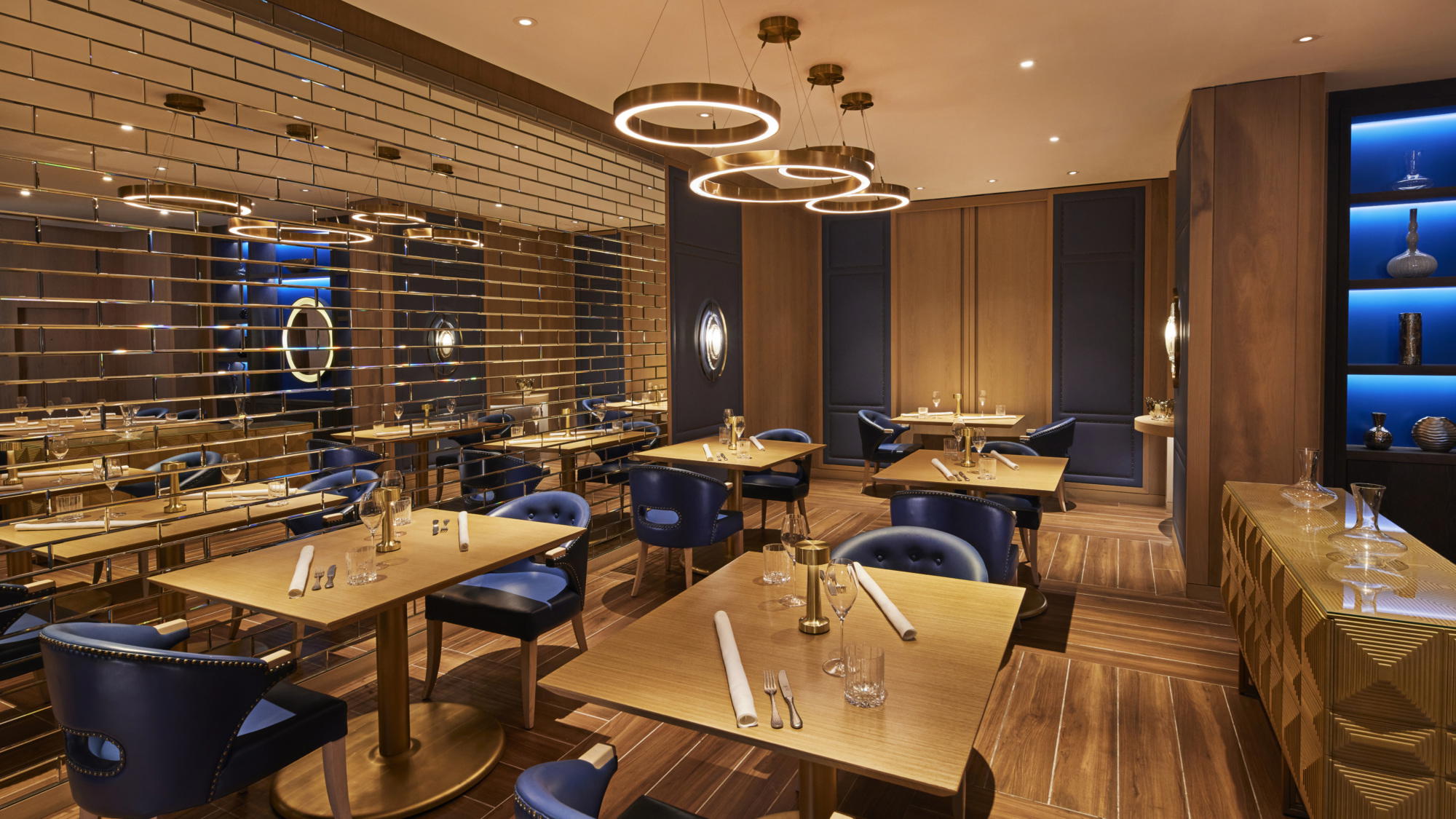
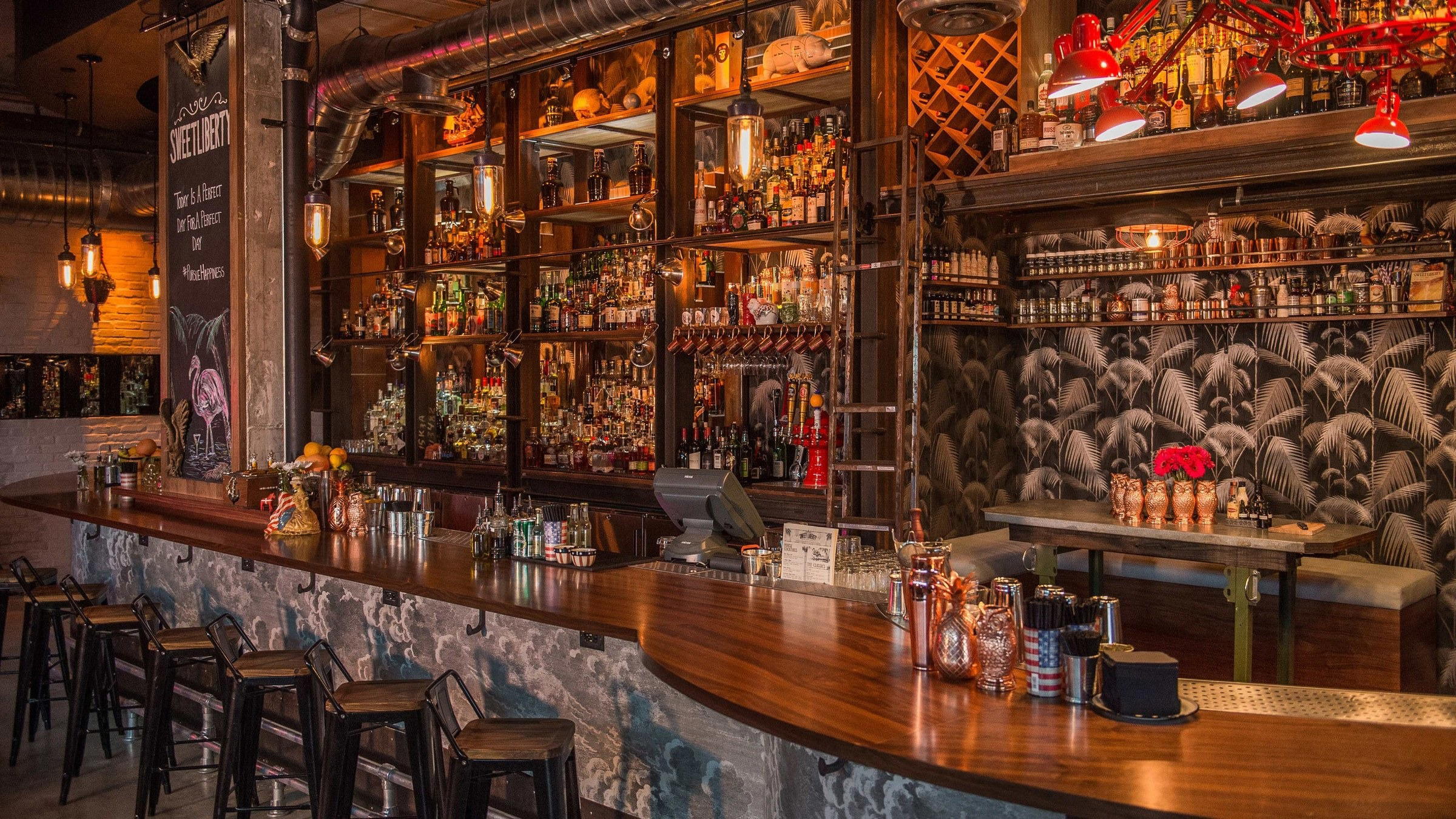
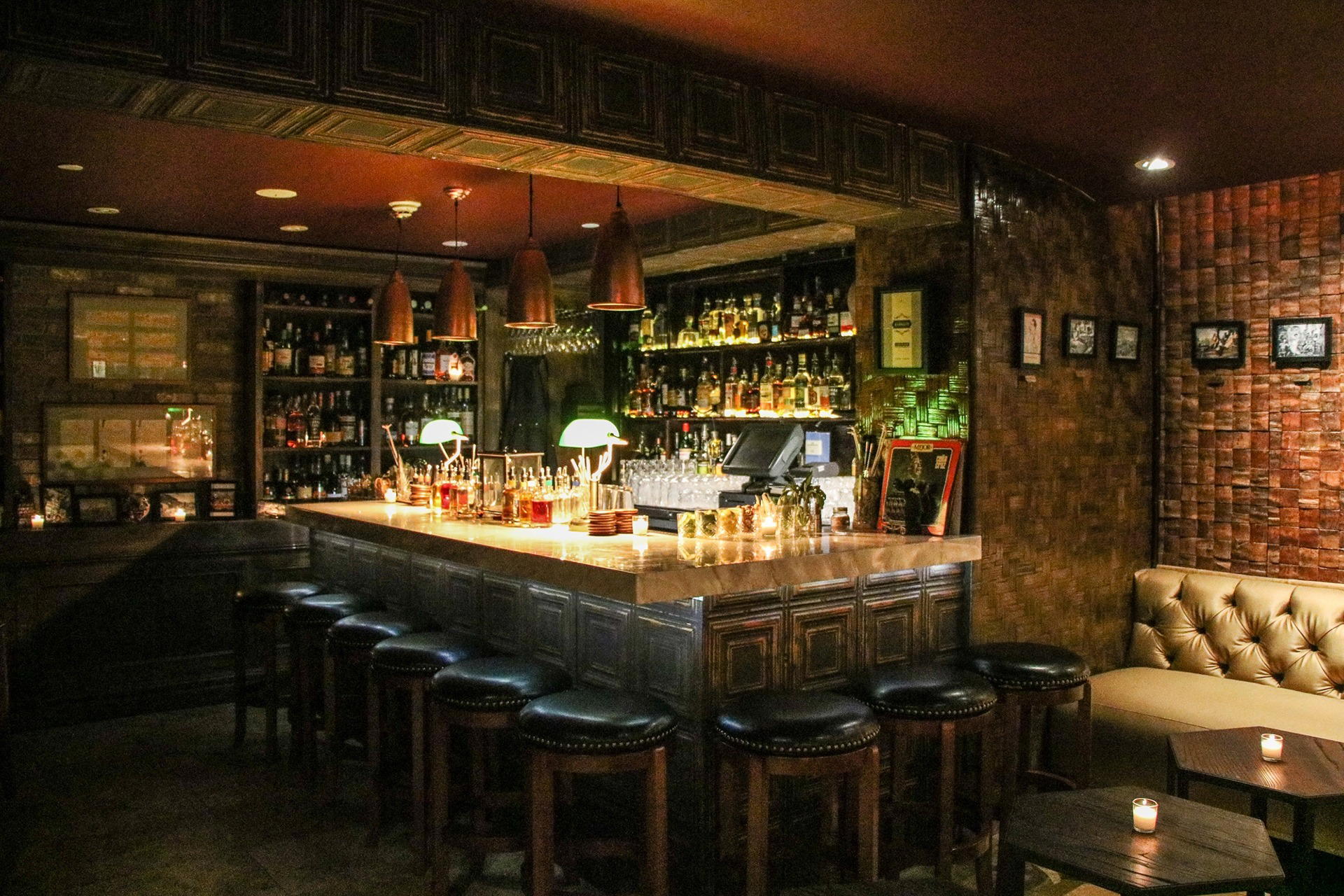
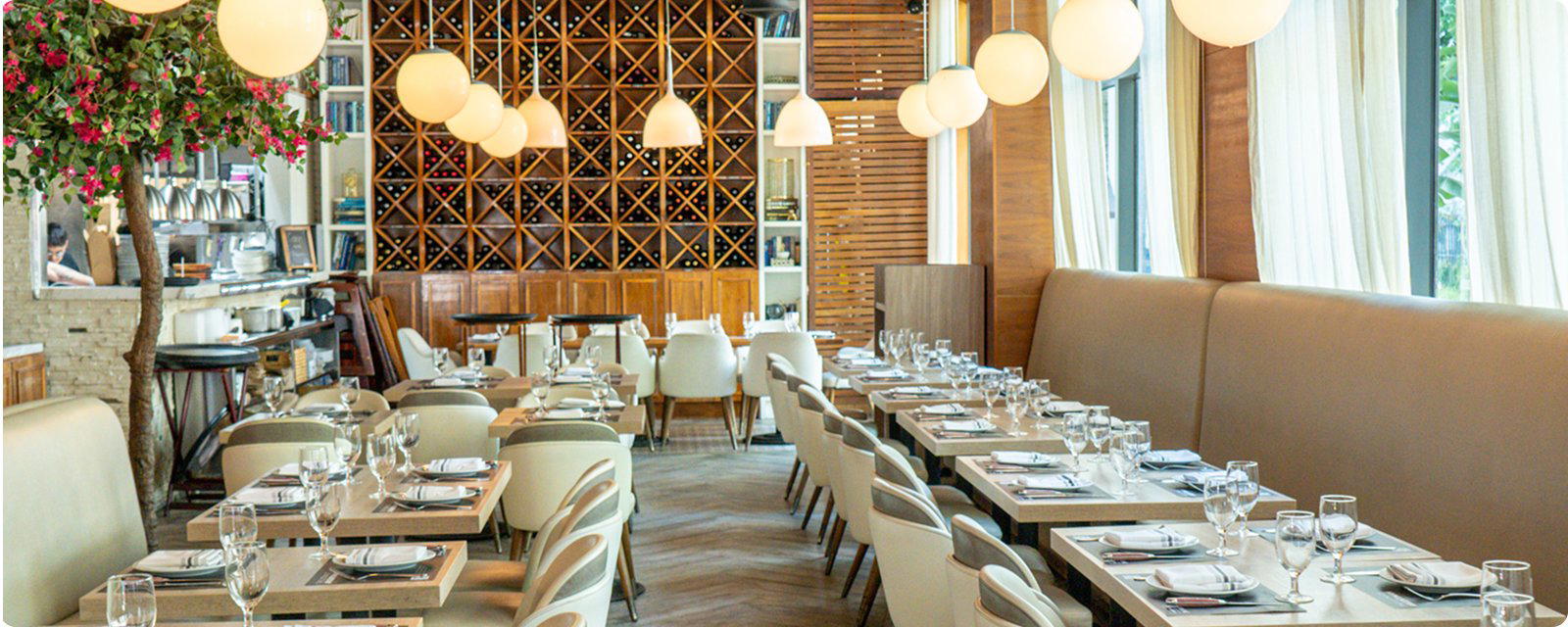
The sensory grammar of a proper Argentine grill is specific. The cooking medium is wood or hardwood charcoal, not gas, and that distinction carries forward into the dining room in the form of faint smoke that clings to the air, the low crackle audible from the open kitchen, and the amber light that tends to gather around fire-based cooking stations. In Buenos Aires, the parrillero is a visible, presiding figure; the grill itself is the architectural centrepiece of the restaurant rather than something concealed behind a wall. That format, when transported to Miami Beach, meets a city whose dining culture privileges spectacle and energy. The result is a register that balances the slower, more deliberate rhythms of South American grilling against the upbeat social tempo that Collins Avenue demands after dark.
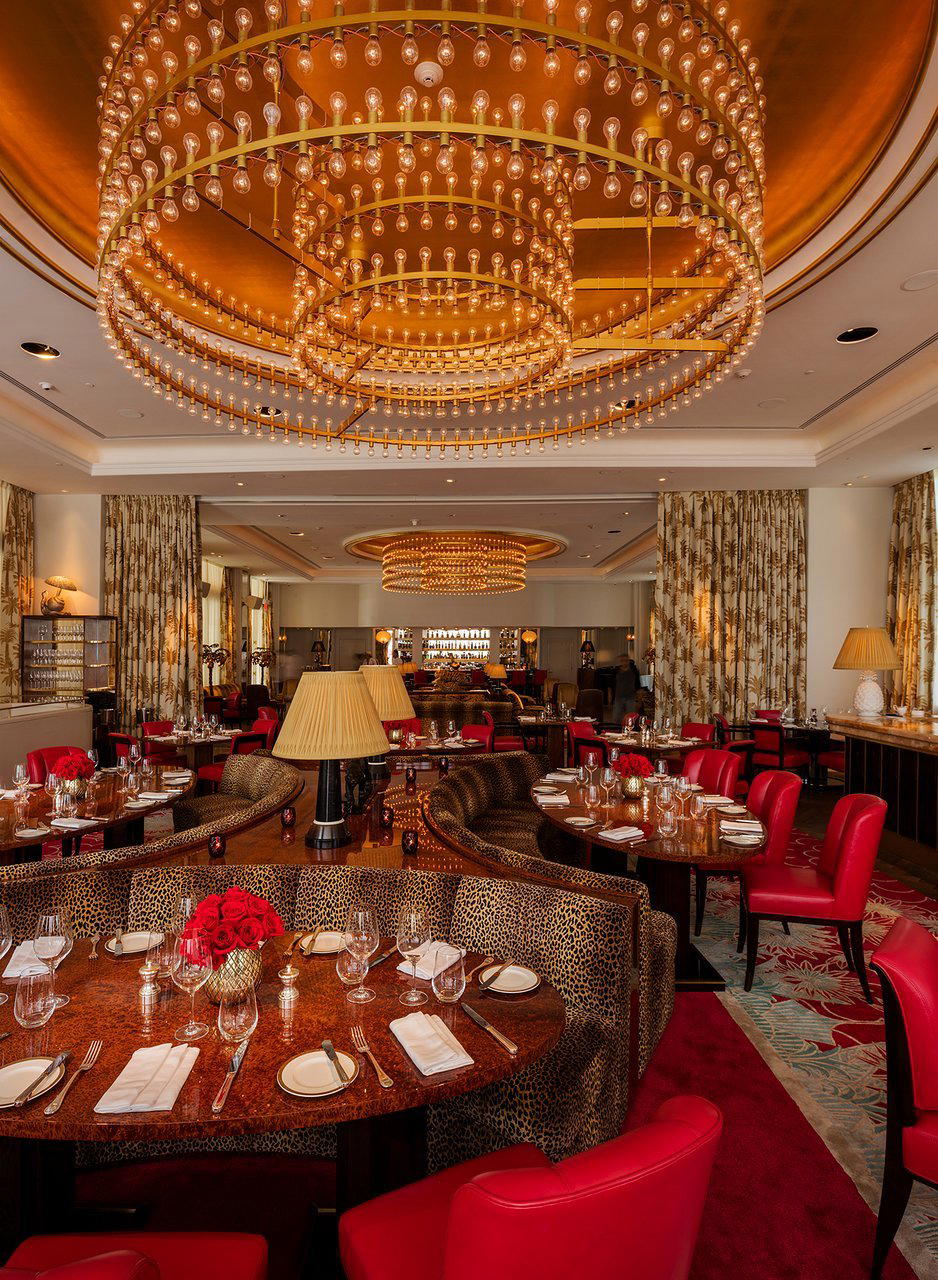
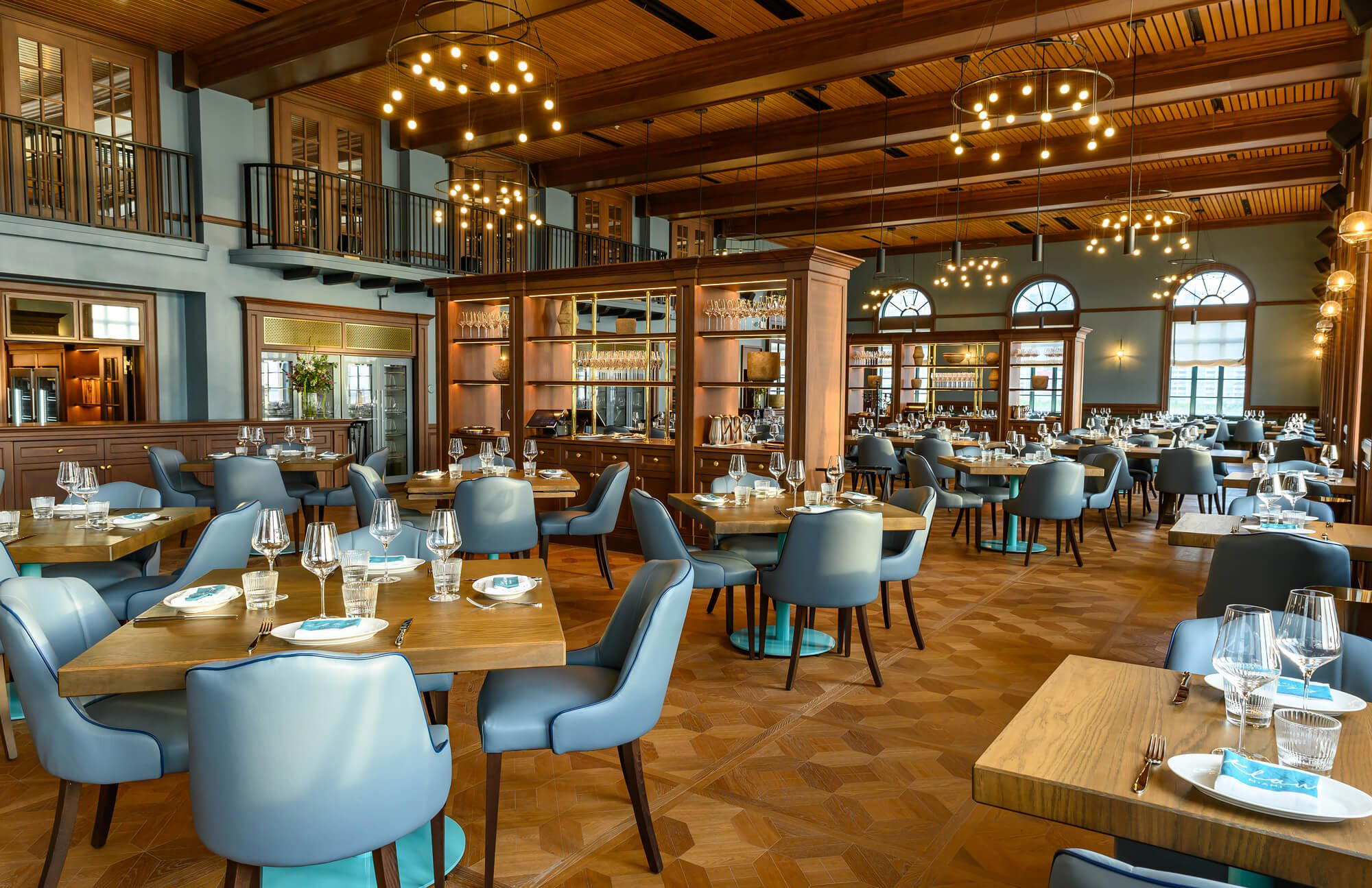
The neighbourhood immediately around 2200 Collins is mid-Beach, where the hotel density is high and the pedestrian traffic moves at a tourist pace. That context shapes who walks through the door: the crowd at a Miami Beach parrilla tends to skew toward visitors looking for something more structured than casual poolside dining, alongside locals who find the format a reliable alternative to the city's more style-driven openings. The atmosphere lands somewhere between a working-class Buenos Aires parrilla and a properly presented Miami dining room, which is a combination that works in a city where international dining traditions regularly get recalibrated for a North American market.
Argentine Grilling in the American Context
Asado tradition is one of the few global grilling cultures with a codified vocabulary as specific as Japan's yakitori or Korea's barbecue formats. Cuts are sequenced deliberately, chimichurri arrives as condiment rather than marinade, and the relationship between fire temperature and resting time is taken seriously. In the United States, Argentine-style grilling has established a strong presence in cities with significant Latin American populations, with Miami operating as one of the primary nodes alongside New York and Los Angeles. The South Florida dining market has enough familiarity with the format that a proper parrilla here doesn't require the explanatory framing it might need in other cities.
That familiarity raises the bar for execution. Miami Beach diners who know Argentine food will notice quickly whether a kitchen is sourcing appropriately, whether the fire management is disciplined, and whether the secondary cuts, not just ribeye and tenderloin, are represented. The classic Argentine sequence runs from achuras (offal) and morcilla (blood sausage) through to the primary beef cuts, and the depth of that range is usually a fair indicator of how seriously a kitchen is engaging with the tradition rather than approximating it for a tourist audience. For reference points on how serious culinary programs operate at the upper end of the American market, the work coming out of places like Smyth in Chicago, Providence in Los Angeles, and Blue Hill at Stone Barns in Tarrytown illustrates the level of sourcing and technique discipline that the American dining public has come to associate with credible kitchen programs.
Miami Beach in the Broader American Dining Picture
Miami Beach punches above its size in the national dining conversation, partly because of its hotel infrastructure and partly because the tourist volume sustains restaurants that would struggle in lower-traffic markets. The city's strongest dining is concentrated in a handful of formats: high-end hotel restaurants, seafood-forward independents, and Latin American concepts that range from Cuban to Peruvian to Argentine. The Argentine grill format fits neatly into that last category and represents one of the more coherent traditions within it, given the strong cultural and gastronomic ties between South Florida and the Southern Cone. Nearby on the Miami Beach dining circuit, restaurants like A Fish Called Avalon and a'Riva represent the seafood-forward side of the equation, while Alma Cubana anchors the Cuban end of the Latin American range. The 11th Street Diner and A La Folie fill different segments of the casual daytime market. Baires Grill positions itself as the distinctly Argentine option in that range of Latin American dining.
The broader American fine dining circuit, represented by destinations like The French Laundry in Napa, Le Bernardin in New York City, Atomix in New York City, Lazy Bear in San Francisco, Addison in San Diego, Emeril's in New Orleans, Single Thread Farm in Healdsburg, The Inn at Little Washington, and internationally, Atelier Moessmer Norbert Niederkofler in Brunico, operates at a different tier of formality and tasting-menu structure. Baires Grill's register is closer to the shareable, meat-centred format that defines Buenos Aires dining: generous, convivial, and calibrated for groups rather than for the two-leading tasting-menu experience.
Planning Your Visit
The address at 2200 Collins Ave places the restaurant in mid-Beach, walkable from several major hotel clusters and accessible by the Collins Avenue bus corridor for those staying further south in South Beach proper. The parrilla format is well-suited to group dining, and the Argentine tradition of extended meals over multiple courses and cuts makes this a better fit for an unhurried evening than a tight pre-show window. Visitors coming from the hotel strip should note that Collins Avenue dining tends to fill early on weekends given the tourist volume in the area.
Frequently asked questions
Is Baires Grill Miami Beach okay with children?
An Argentine grill centered on wood-fire cooking and the communal ritual of the asado is generally a format that accommodates families. The mid-Beach location at 2200 Collins Ave sits near several hotel clusters, meaning the surrounding clientele skews mixed rather than exclusively adult. That said, the experience is built around slow-cooked proteins and a grill-forward menu rather than a dedicated children's program, so it suits kids comfortable with a sit-down, full-service pace.
What's the overall feel of Baires Grill Miami Beach?
The atmosphere tracks closely with the sensory logic of a proper Argentine parrilla: wood smoke, open flame, and a cooking process that is visible and unhurried. Collins Avenue's density of seafood-forward restaurants makes a wood-fire grill operation a distinct presence on the strip. Expect a room oriented around the ritual of the grill rather than ocean views or hotel-lobby polish.
What should I order at Baires Grill Miami Beach?
The menu at Baires Grill follows the Argentine asado format, which means the wood-fire grill is the central instrument rather than a side technique. In that tradition, the emphasis falls on beef cuts cooked low and slow over hardwood or hardwood charcoal, a method that distinguishes the kitchen from the gas-fired competition on Collins Avenue. For a representative experience, the rational move is to anchor your order around whatever the grill is producing that evening and let the cuts, rather than supplementary dishes, drive the meal.
How does Baires Grill differ from other steakhouses in Miami Beach?
The distinction is in the cooking method: Baires Grill operates within the Argentine asado tradition, which uses wood or hardwood charcoal rather than the gas grills common in American-style steakhouses along the Miami Beach corridor. Asado is one of the few global grilling cultures with a codified approach as specific as Japan's yakitori or Korea's barbecue formats, and that specificity shapes both the flavor profile and the pacing of the meal. For Miami Beach, where the dining scene is dominated by oceanic themes and hotel-driven concepts, a parrilla-format restaurant at 2200 Collins Ave occupies a genuinely distinct category.
Accolades, Compared
Comparable venues nearby, for context on price, style, and recognition.
| Venue | Cuisine | Price | Notes |
|---|---|---|---|
| Baires Grill - Miami BeachThis venue (the venue you are viewing) | Authentic Argentine Steakhouse | $50–100 | Not listed |
| Españolita Miami | Spanish Seafood & Tapas | $30–50 | South Beach |
| Osteria del Mar | Italian Coastal with American Influences | $50–100 | South Beach |
| PLANTA | Plant-Based Vegan Sushi and Fusion | Not listed | South of Fifth |
| Lola Restaurant & Grill | Argentine-Italian Steakhouse with Mediterranean Fusion | $50–100 | Miami Beach |
| Cafe del Mar Miami | Mediterranean Seafood | $30–50 | South Beach |