Badmaash
Badmaash brings a Modern Indian gastropub lens to Venice, a city better known for beach-adjacent casual dining than formal tasting-menu ritual. The appeal is less about ceremony than translation: Indian flavors placed in the social grammar of pub eating, built for shared plates, quick decisions, and a room that belongs to the neighborhood rather than a hotel dining circuit.

Pearl is the En Primeur Club membership app — saves, bookings, and concierge access live there. Same editors, same standards.
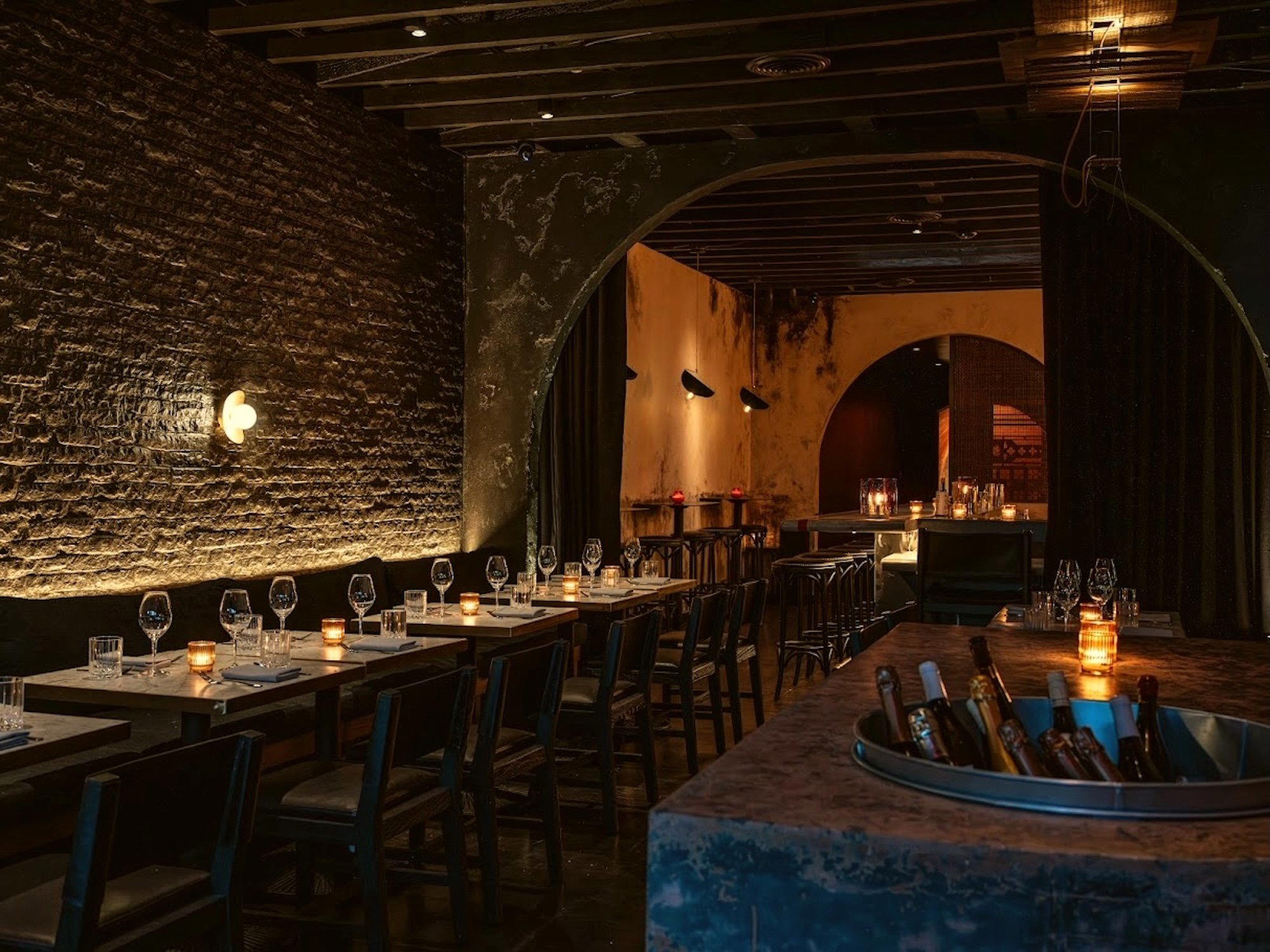
Venice dining often announces itself before the table: sidewalk movement, surf-town informality, the spillover of studio workers, beach traffic, and late-afternoon diners who do not dress for the room. In that setting, Badmaash reads as part of a broader Los Angeles correction to the old idea that Indian cooking in America must choose between banquet-hall formality and takeout utility. The modern Indian gastropub format gives the cuisine a different civic role. It becomes social, loud enough for groups, flexible enough for weeknights, and comfortable with the casual codes that define this side of the city.
The useful frame is not fusion for its own sake. Gastropub dining, at its better end, takes familiar drinking-food architecture and asks what happens when the seasoning logic comes from somewhere else. Indian cooking has always been strong on snack culture, heat management, breads, pickles, fried textures, and shared abundance. Those strengths map cleanly onto a pub model, where the table builds momentum through contrast rather than courses. In Venice, that matters: the neighborhood rewards restaurants that feel informal without being careless.
Indian cooking in a Venice room built for shared plates
The city’s casual restaurant culture has become more serious about format than formality. A place can be relaxed and still have a clear argument. Badmaash sits in that lane, using Modern Indian cooking as the anchor while borrowing the rhythm of a gastropub: order across the table, mix richer dishes with sharper flavors, and let the meal move at the pace of conversation rather than a fixed sequence. That approach makes more sense in Venice than a hushed dining room would. The neighborhood is built around movement, and restaurants here compete for attention against the beach, retail corridors, and a long-standing appetite for unfussy food.
That does not make the format lightweight. Indian food in Los Angeles has often been judged through narrow expectations: curry-house comfort, buffet familiarity, or regional authenticity tests that flatten a much larger cuisine. A gastropub model changes the question. Instead of asking whether the restaurant reproduces a single regional canon, the reader should ask whether the cooking understands the grammar it is borrowing from: spice as structure, acidity as relief, bread as tool, and heat as pacing rather than stunt. When that logic is present, the format earns its place in a city that has grown more confident about hybrid dining rooms.
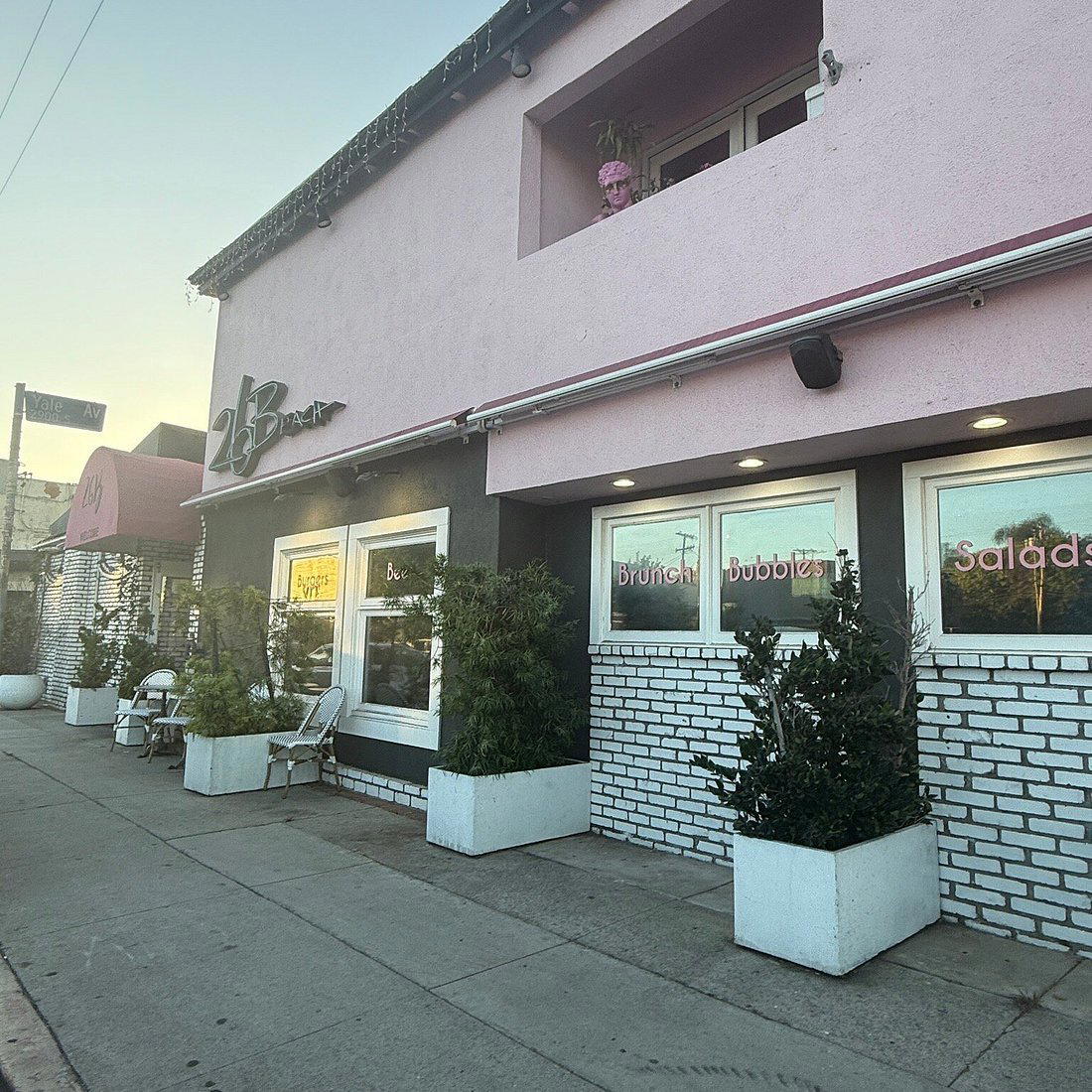
Beach-casual landmarks, pizza counters, seafood rooms, hotel terraces, and modern neighborhood restaurants all operate within a few dining temperaments. Nearby listings such as 26 Beach, Abbot's Pizza Company, AcquaStanca, Acquerello Restaurant, and Adriatico Terrace show how broad the local search pattern can be, from comfort-led meals to more composed hotel-adjacent dining.
The gastropub idea works when the room does not over-explain itself
Modern Indian restaurants can lose focus when the concept becomes the meal. The stronger version is simpler: a table understands how to eat within minutes. Share, repeat, add bread or rice where the meal needs ballast, and keep the order loose enough for second decisions. That is the intelligence of the gastropub revolution when applied to Indian food. It lowers the barrier to entry without flattening the cuisine. It also suits Venice’s democratic dining habits, where a restaurant has to serve locals, visitors, families, and groups without turning into a themed performance.
Badmaash has no public awards listed here, which places the editorial emphasis on category and city fit rather than trophy language. That is not a weakness in this context. Venice has long supported restaurants whose value comes from repeatability, atmosphere, and a clear point of view rather than formal recognition. Modern Indian cooking in a pub-adjacent frame belongs to that pattern: it gives the neighborhood an option that is neither a conventional Indian dining room nor another coastal-Californian template.
The decision case is direct. Choose this kind of room when the meal needs energy and flexibility rather than ceremony. It is a stronger fit for a shared dinner than for a quiet, course-by-course occasion, and the cuisine style gives the table enough range for mixed appetites. Families can usually read a gastropub format more easily than a tasting-menu room, though dietary needs are better handled before arrival when no public contact details or policy language are supplied here.
How to place it in a wider Los Angeles itinerary
For travelers using Venice as a base, the restaurant belongs to a broader Los Angeles pattern: immigrant cooking translated through casual American service formats without surrendering identity. That same pattern appears across the EP Club map in different cuisines and cities, from Jōdo Saké Bar in Los Angeles to Onigiri Time in Pasadena, and farther afield at ¿Por Qué No? in Portland, 'Ai Love Nalo in Waimanalo Beach, 'āina in San Francisco, 'Ama 'Ama in Kapolei, -Grilled beef Sukiyaki- KAMAKURA TANUKIAN 鎌倉 たぬき庵 in Kamakura, and ¡Salud! in Los Angeles. The common thread is not similarity of cuisine; it is the way casual formats can carry serious cultural signals when the kitchen knows its vocabulary.
Venice also works better when dining is planned with the rest of the day rather than isolated as an evening event. Pair restaurant research with Our full Venice hotels guide if staying locally, Our full Venice bars guide for a drinking route, Our full Venice wineries guide for bottle-led planning, and Our full Venice experiences guide when the meal is part of a longer day on the Westside. Badmaash makes the strongest editorial sense in that rhythm: not a shrine to dine around, but a sharp expression of how Venice absorbs global cooking into its own casual, social register.
- Butter Chicken
- Dad’s Famous Coconut Curry Mussels
- Chicken Tikka Poutine
- Hamachi Crudo
- Lamb Neck Korma
- Steak Frites with masala au poivre
Comparable venues nearby, for context on price, style, and recognition.
| Venue | Cuisine | Price | Notes |
|---|---|---|---|
| BadmaashThis venue — the venue you are viewing | Modern Indian with natural wine & cocktails | $$$ | Not listed |
| 26 Beach | New American Cafe | $$ | Venice |
| Wallflower | Indonesian-Inspired Southeast Asian | $$ | Venice |
| La Cabana | Traditional Mexican | $$ | Venice |
| Gran Blanco | Modern Japanese Izakaya | $$ | Venice |
| Alisa | Modern Greek & Mediterranean | $$$ | Abbot Kinney |
At a Glance
- Trendy
- Modern
- Sophisticated
- Industrial
- Cozy
- Intimate
- Date Night
- Business Dinner
- Group Dining
- Celebration
- Special Occasion
- After Work
- Design Destination
- Private Dining
- Standalone
- Natural Wine
- Craft Cocktails
- Beer Program
- Extensive Wine List
- Natural Wine
- Street Scene
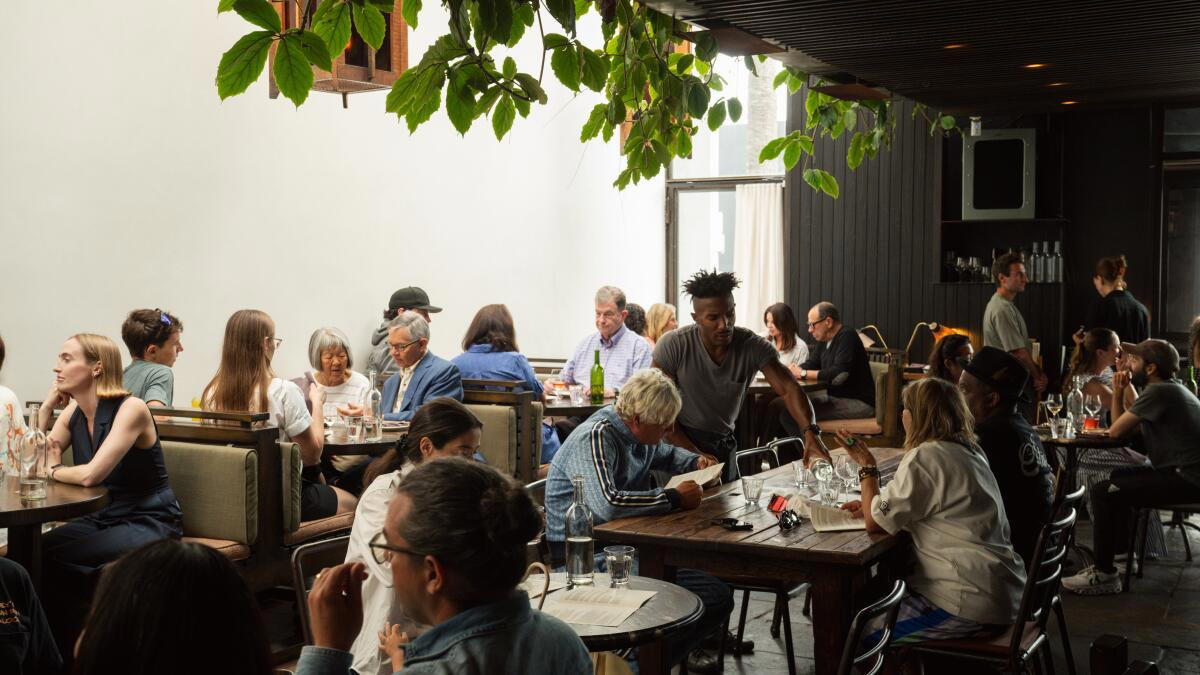
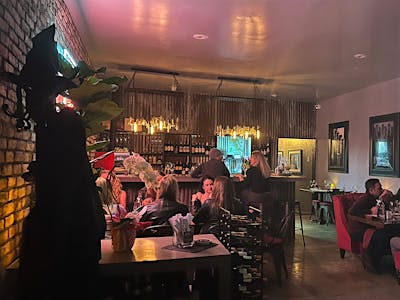
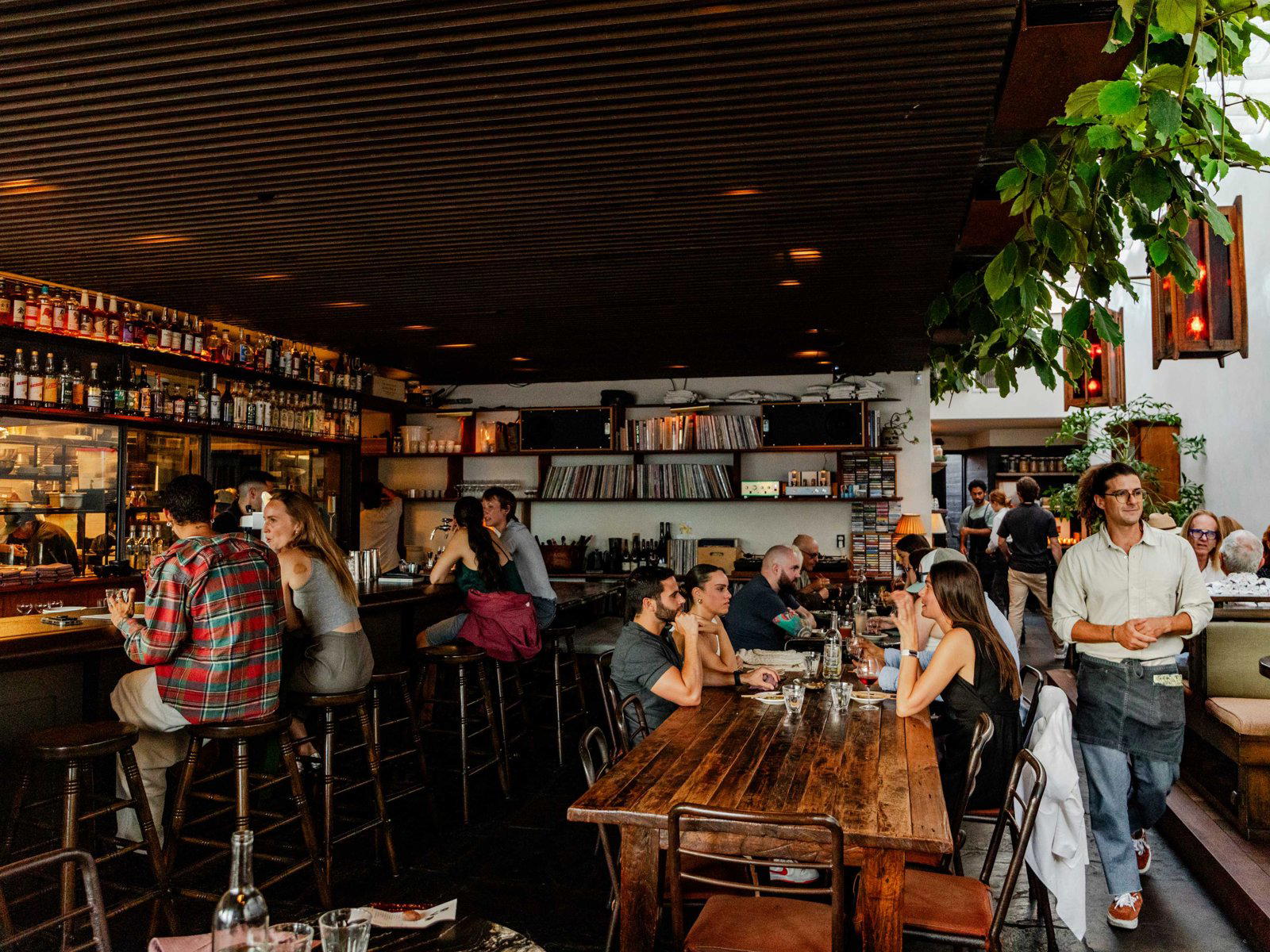
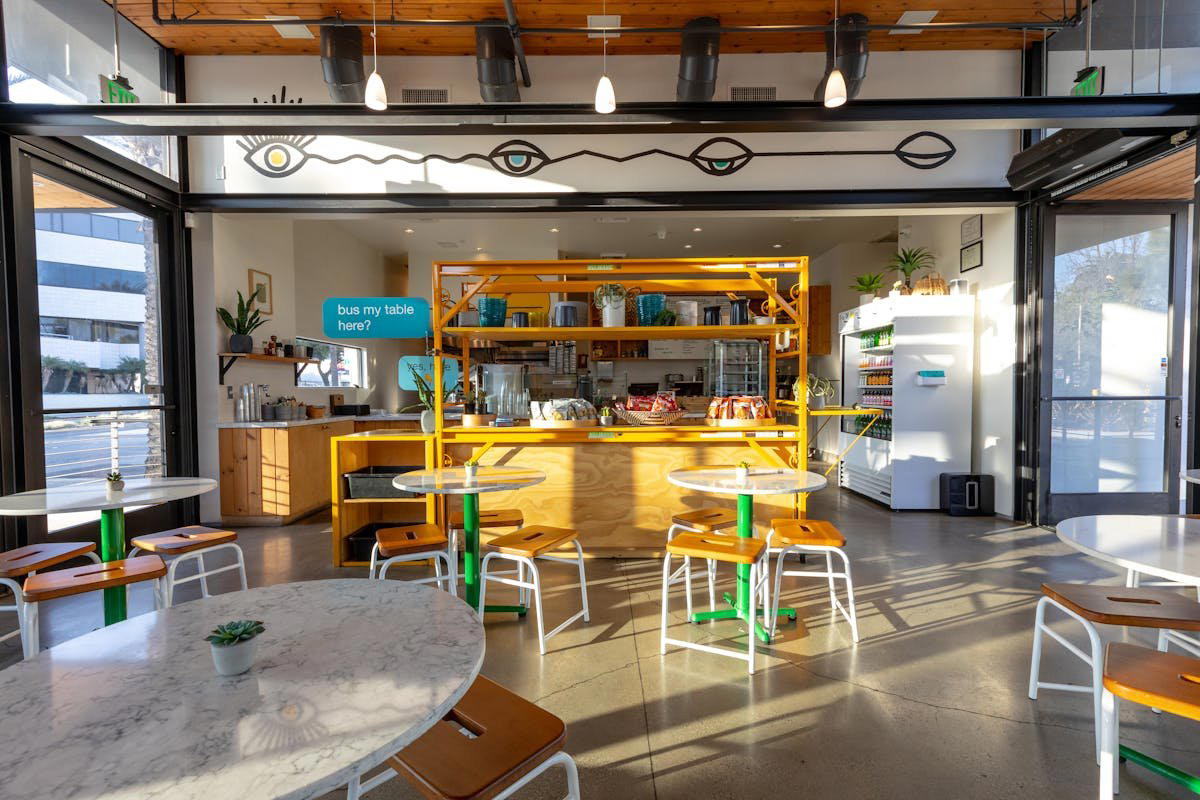
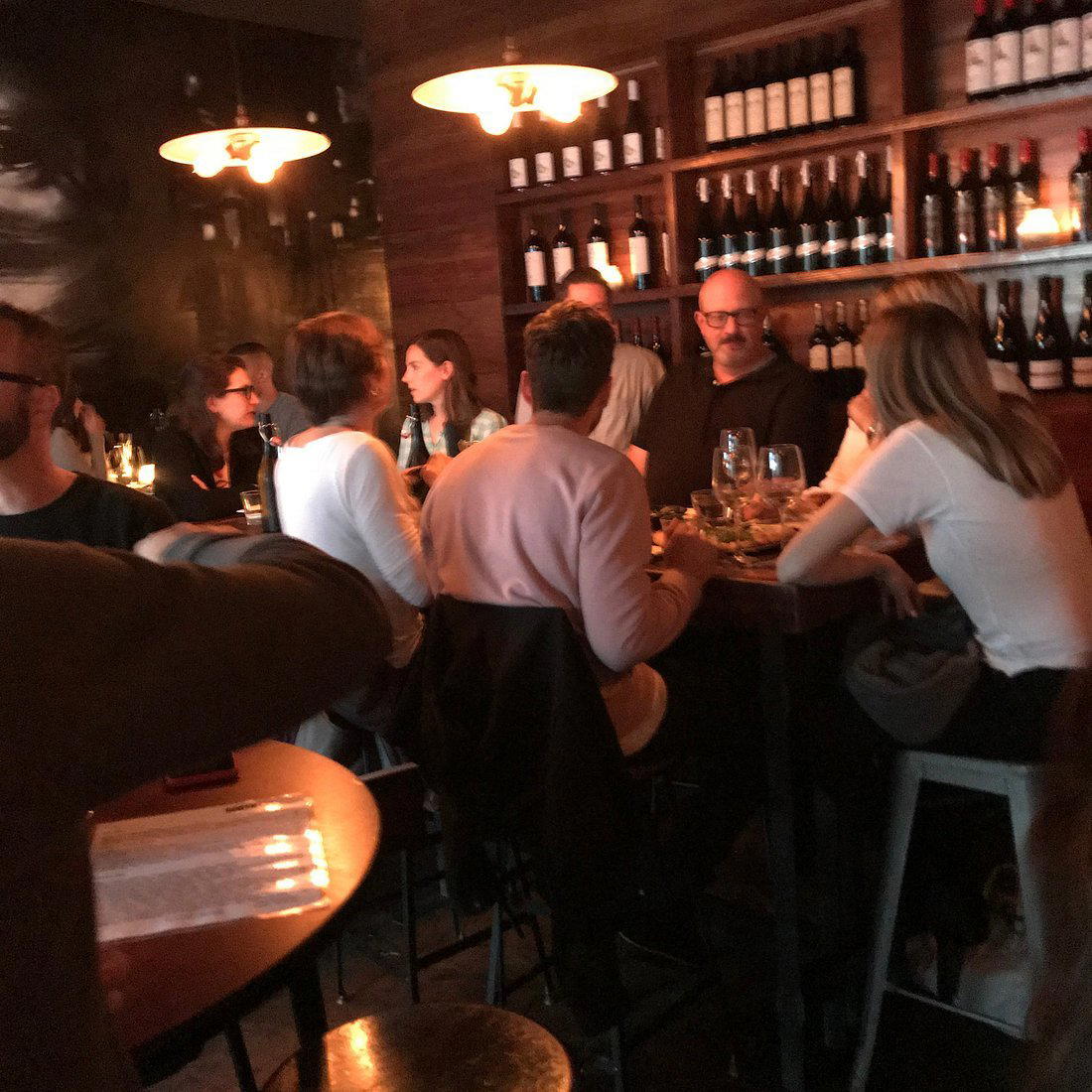
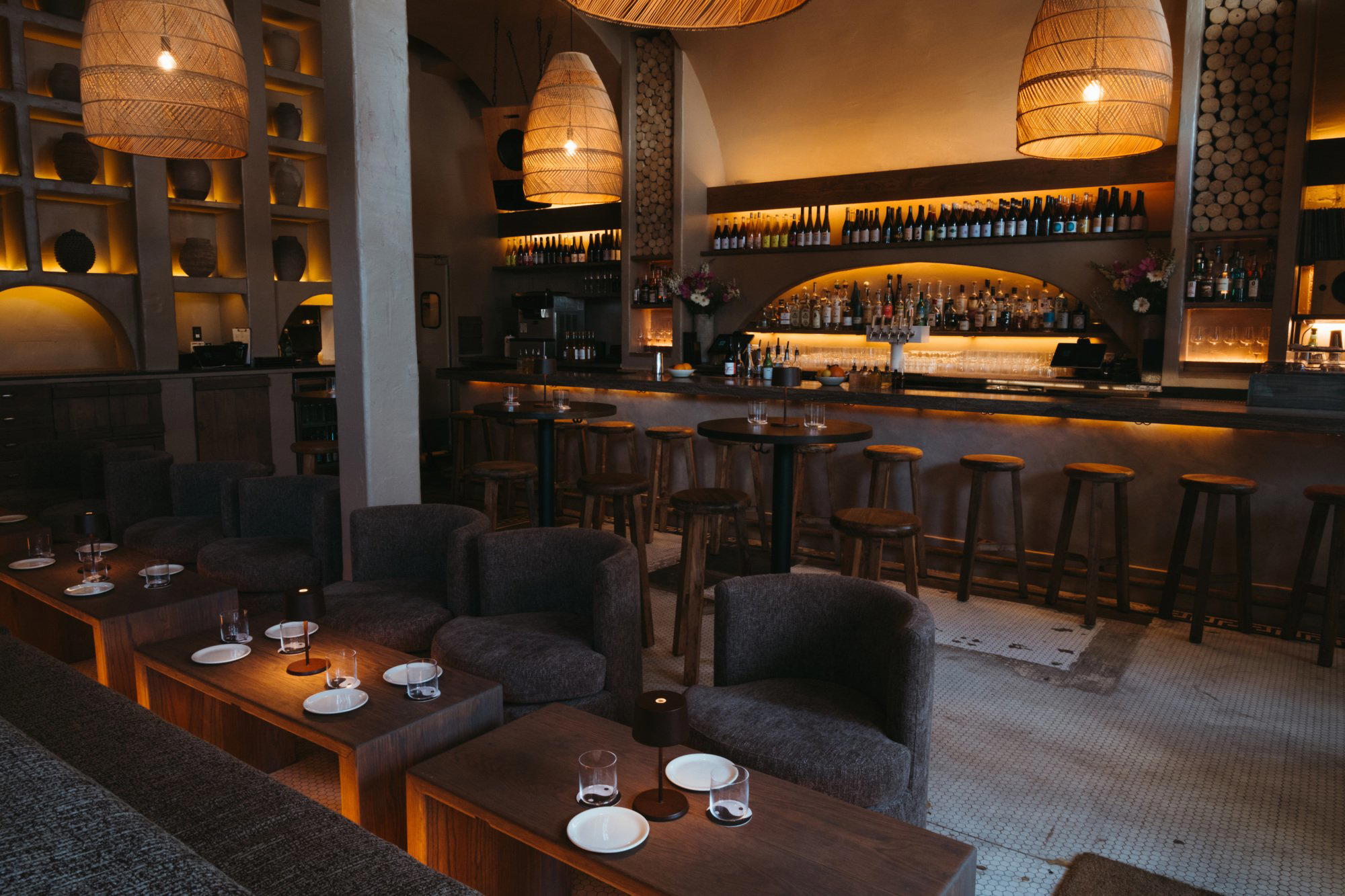
Dark, moody and art-filled with blackened brick, marble and bone-inlay tables, denim and distressed leather banquettes, and layered lighting that creates a polished ‘Brutalist hideaway’ feel with semi-secluded gallery and cave-like rooms.