RVR





James Beard Award Semi Finalist · Esquire Best New Restaurants · New York Times America's Best Restaurants
Our verdict
Named Esquire's Restaurant of the Year for 2025, RVR is Travis Lett's Japanese-California izakaya on Abbot Kinney Boulevard in Venice, CA. Opened in October 2024, it brings together small plates, ramen, yakitori, and a vegetable-forward menu that draws as much from seasonal California produce as from the izakaya tradition. The drinks program pulls equal weight alongside the food.

Pearl is the En Primeur Club membership app — saves, bookings, and concierge access live there. Same editors, same standards.
The menu
What to order
- House pickles
- Japanese sweet potato
- Duck meatballs
- Chicken karaage
Abbot Kinney After Dark: What RVR Says About Where L.A. Dining Is Heading
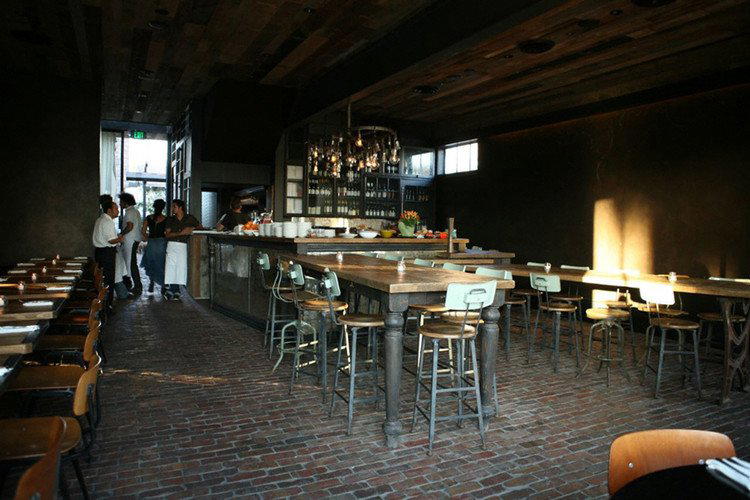
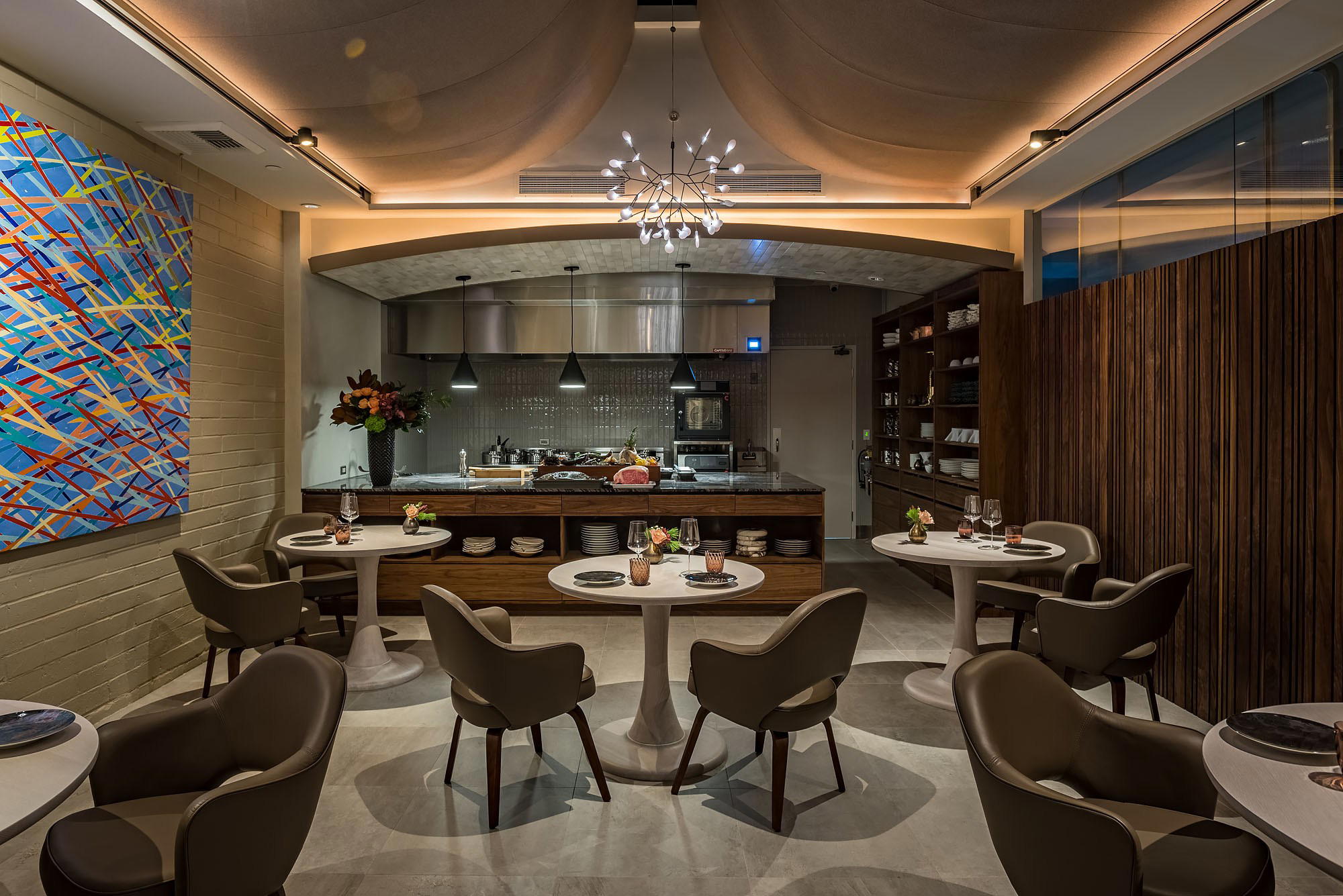
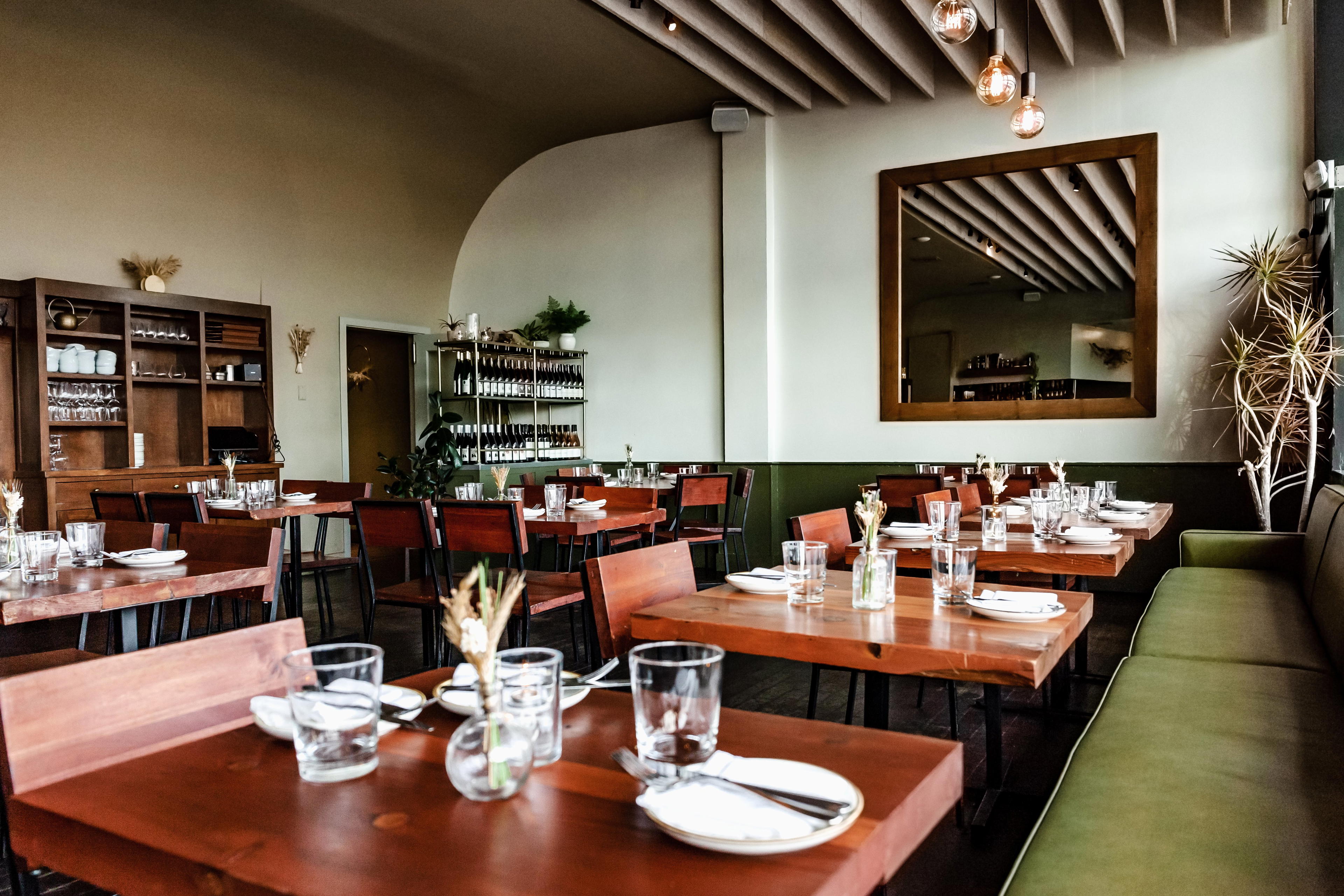
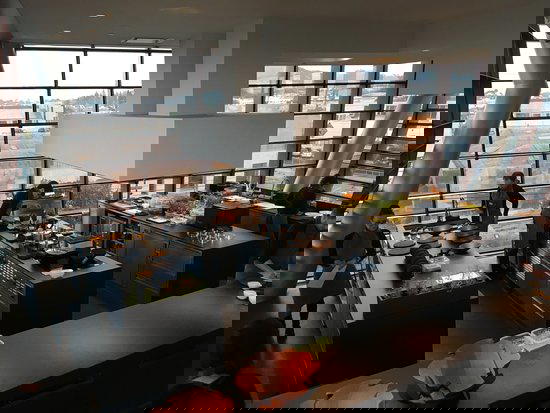
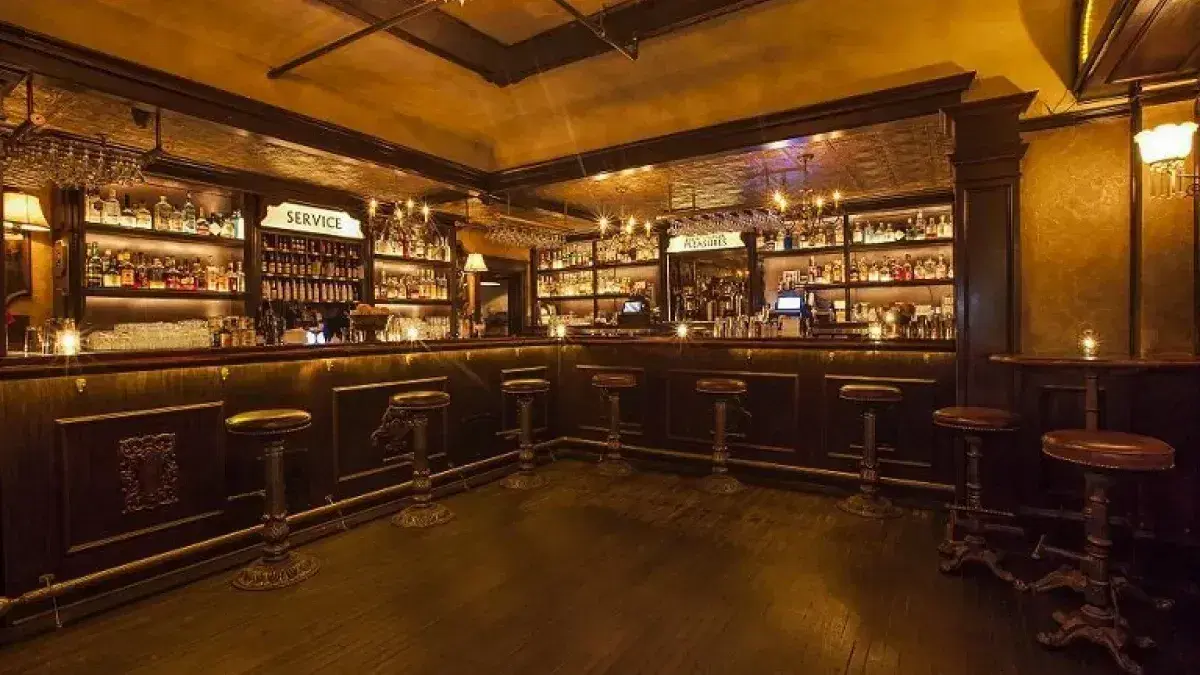
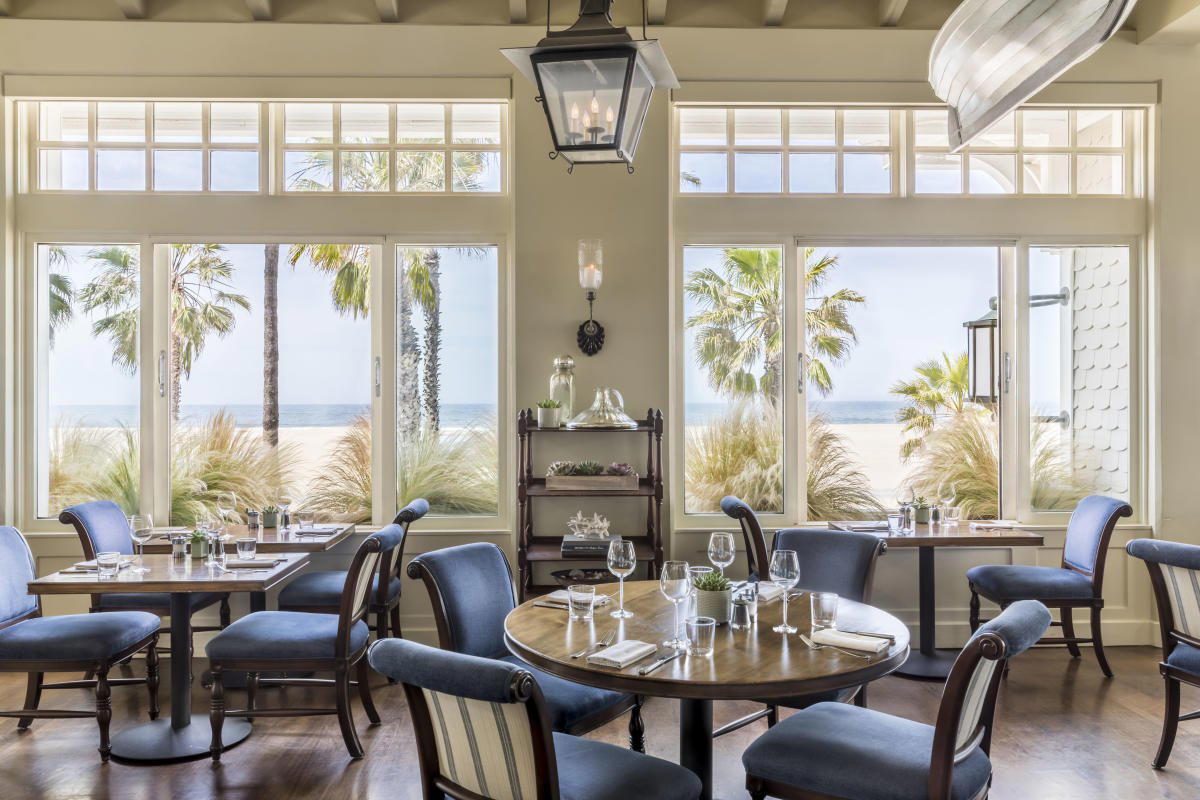
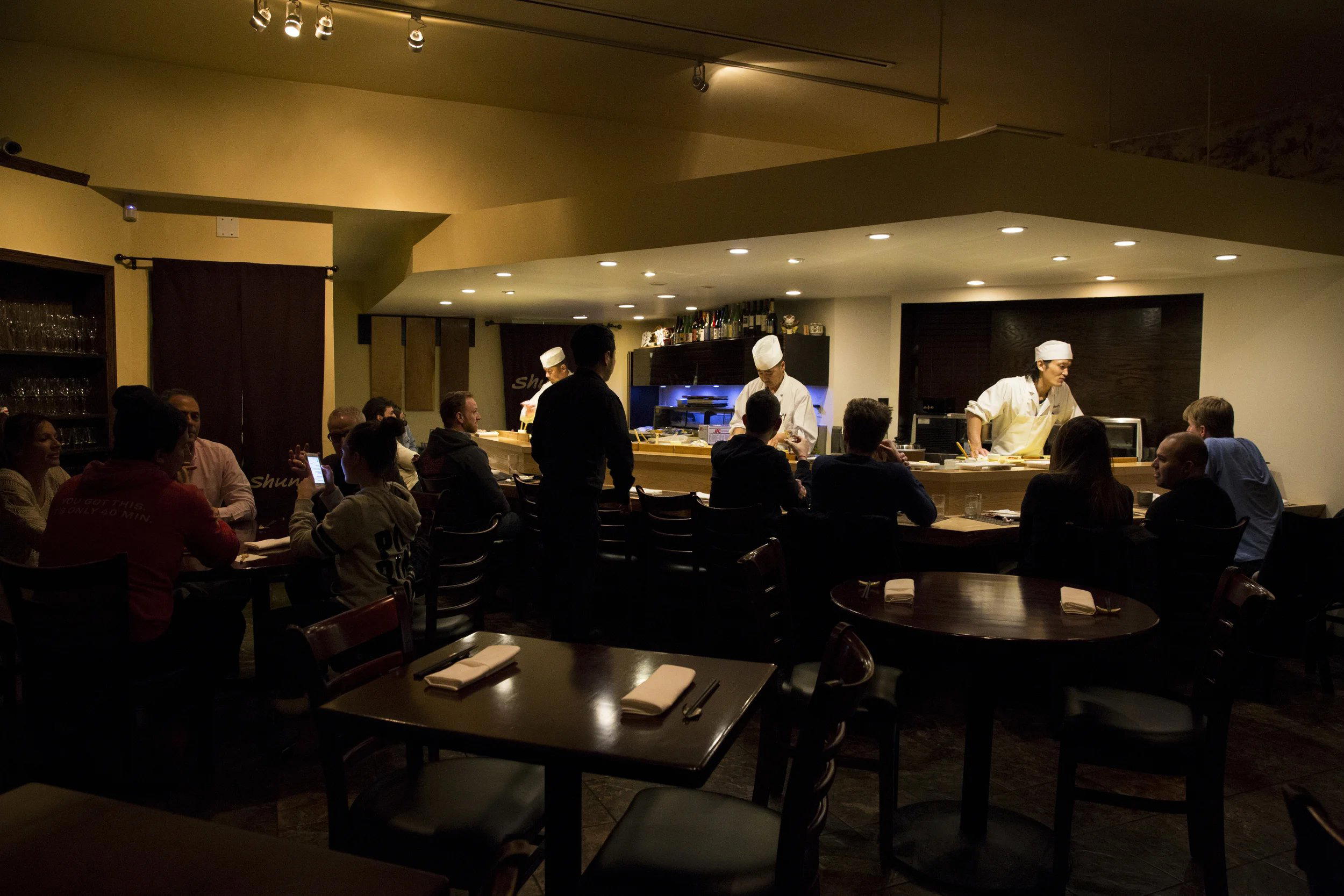
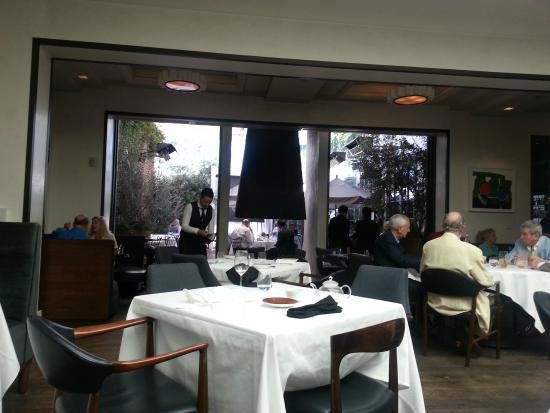
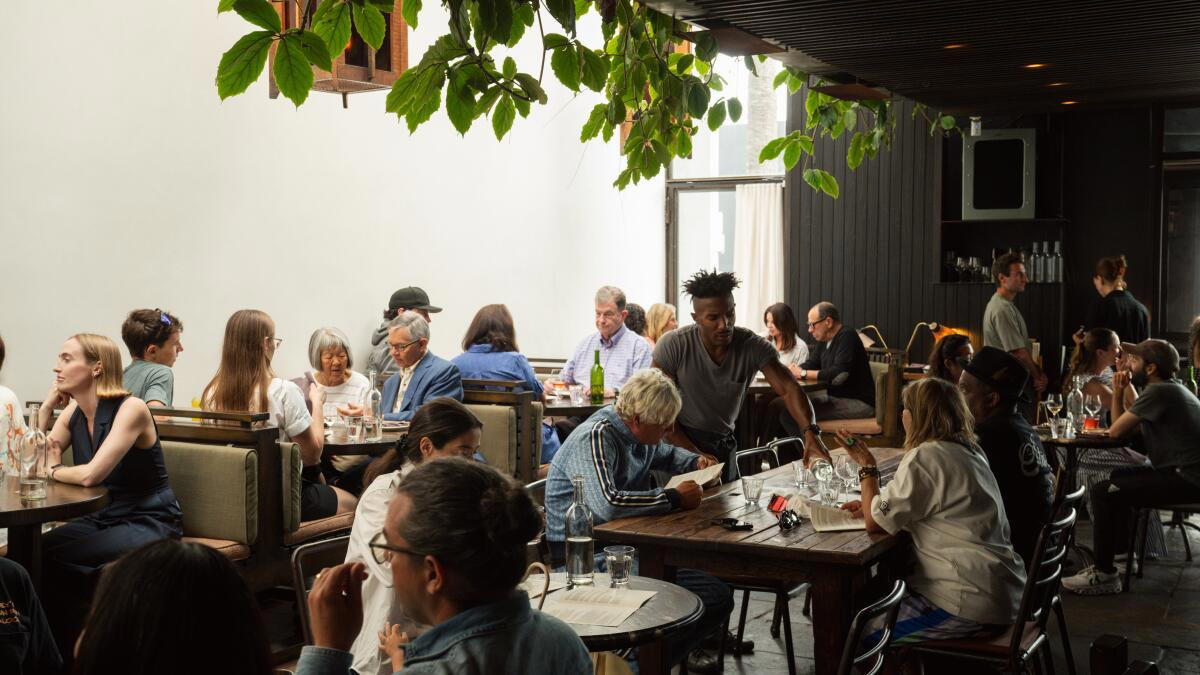
Abbot Kinney Boulevard has a particular quality in the early evening: the boutiques are closing, the pedestrian traffic slows to a stroll, and the restaurants start to fill with a crowd that comes for the food rather than the scene. RVR, which opened in October 2024 at 1305 Abbot Kinney, slots into this rhythm with unusual ease. The warmth registers before the menu does. It's a room that communicates intention without announcement, the kind of place that makes you want to stay for another round rather than photograph the space and leave.
The Izakaya Form in a California Context
The izakaya is one of Japan's most durable dining formats precisely because it resists formality. It is a drinking place that happens to serve serious food, with a menu built for sharing and an atmosphere calibrated to linger. The format has crossed into American restaurants in waves, often diluted into bar-snack territory or inflated into omakase-adjacent tasting experiences. What RVR attempts, and largely achieves, is something closer to the original register: food that commands attention without demanding ceremony, and a drinks program that matches the kitchen's ambition.
This particular California iteration is worth placing in the broader context of what has happened to Japanese-influenced cooking on the West Coast over the past decade. At one end, you have the tightly controlled kaiseki and omakase formats, where technique and sourcing are the stated subject matter, and where a seat at a counter functions as a kind of ritual. At the other end, there is a sprawling category of casual ramen shops and sushi counters that absorb Japanese aesthetics without much of the underlying discipline. RVR sits between those poles, using izakaya's inherent flexibility to hold both technical precision and genuine accessibility in the same room.
The Vegetable Section Is the Argument
The menu structure at RVR reflects a considered position on where California-Japanese cooking should sit in 2024. Small plates, ramen, and yakitori are the scaffolding, but the vegetables are the editorial. The vegetable section of the menu runs longer than some restaurants' entire menus, which is not an incidental detail but a statement about what the kitchen considers its strongest voice. This is a sensibility that Travis Lett established at nearby Gjelina, where seasonal produce was treated with the same seriousness that most kitchens reserve for protein. At RVR, that approach has been filtered through an izakaya lens, and the combination produces something genuinely particular to this neighbourhood and this moment in Los Angeles dining.
Plant-centered cooking in a Japanese-California context carries its own set of cultural references. Japanese cuisine has always had a sophisticated vegetarian tradition, rooted partly in Buddhist practice and partly in the restraint that defines kaiseki at its most rigorous. California's farm-to-table movement, meanwhile, has moved through several cycles of self-definition since Chez Panisse set the terms in the 1970s. RVR draws from both inheritances without performing either of them.
Esquire's Restaurant of the Year, 2025
Named awards are useful not because they settle arguments but because they mark where critical consensus has landed at a given moment. For context, that award has previously recognised restaurants that went on to define dining conversations for years. The designation is also a signal about the direction Esquire's food coverage sees American restaurant culture moving: toward formats that are approachable in posture but serious in execution, and toward kitchens that treat the full menu, including vegetables and snacks, as worthy of the same craft as a headline protein dish.
For a restaurant that opened in October 2024, the recognition is early and specific. It confirms that RVR's critical reception is not local or provisional but reflects a national editorial judgment about what the restaurant represents as a category statement.
Travis Lett and the Gjelina Legacy on Abbot Kinney
Founding chefs carry institutional memory into new projects. Travis Lett's founding role at Gjelina defined a particular Abbot Kinney sensibility: generous, seasonal, produce-led, and comfortable with abundance without formality. That sensibility has shaped Venice dining culture in ways that persist across the neighbourhood, and RVR can be understood partly as a recalibration of those principles through a different culinary framework. The izakaya format gives Lett's kitchen permission to be more focused and technically precise than Gjelina's broad menu allowed, while the California sourcing instinct remains the foundation. RVR is co-run with Ian Robinson, and the drinks program reflects that partnership in its ambition and range.
RVR is also a development of the former MTN, which occupied a similar conceptual space but was described as less fully resolved. The current iteration, from available accounts, represents a more coherent vision of what a Japanese-California izakaya can be when the kitchen and the room are working in the same direction.
Where RVR Sits in the Los Angeles and National Dining Context
Los Angeles has a distinctive relationship with Japanese culinary influence, partly because of its geography and demographics, and partly because its dining culture has long tolerated genre-crossing in ways that New York or Chicago sometimes resist. Restaurants like Atomix in New York City demonstrate how Korean-inflected fine dining can achieve critical mass in a major market; Lazy Bear in San Francisco shows how a communal format can sustain serious culinary ambition. RVR's position is different from both: it is neither a tasting-menu operation nor a high-concept experience, but an izakaya that uses the format's inherent openness to hold a large amount of culinary intelligence without making a performance of it.
Nationally, the restaurants that tend to define their moment are not always the most technically ambitious. Le Bernardin in New York City and The French Laundry in Napa represent one tradition: the masterwork format where technique is the explicit subject. Alinea in Chicago and Single Thread Farm in Healdsburg represent another: the total-experience format where every element is authored. RVR's critical moment arrives precisely because it is neither of those things. It is a neighbourhood restaurant with national-level execution, and that combination is harder to achieve than it looks.
Planning Your Visit
RVR is at 1305 Abbot Kinney Boulevard in Venice, California, on the commercial strip that runs through the neighbourhood's most active dining corridor. The restaurant opened in October 2024, which means it is still establishing its booking rhythms. Given the Esquire recognition and the Gjelina pedigree, demand has moved quickly; reservations are advisable, particularly for weekend evenings. Abbot Kinney is walkable from several Venice accommodation options and accessible from Santa Monica and West Hollywood by rideshare. The format is suited to groups of two to four who want to move across multiple menu sections, including the vegetable dishes, ramen, and yakitori, over the course of an unhurried evening.
For a broader picture of dining in the area, our full Venice restaurants guide covers the neighbourhood in depth. If you are building a longer itinerary, our Venice hotels guide, bars guide, wineries guide, and experiences guide cover the full range of options.
Frequently asked questions
What style of cooking does RVR do?
What distinctions does RVR have?
RVR has received recognition including: RVR is a dynamic twenty-first-century Japanese-California izakaya from chef Travis Lett, who was the founding chef of Gjelina. It was named Esquire's Restaurant of the Year for 2025.; RVR is a Japanese-California izakaya in Venice, led by c….
What's the best thing to order at RVR?
The vegetable section draws the most critical attention — Travis Lett, who built Gjelina's reputation on seasonal abundance, has assembled a produce-focused portion of the menu that runs longer than many restaurants' full menus. The clam ramen and grilled duck tsukune are both specifically cited by reviewers as standout dishes. If you eat nothing else, start with the vegetables and order one bowl.
How do I find RVR?
RVR is located at 1305 Abbot Kinney Blvd, Venice, CA 90291, Venice.
Is RVR reservation-only?
RVR opened in October 2024 at 1305 Abbot Kinney Boulevard and, as Esquire's Restaurant of the Year for 2025, demand is high.
Nearby-ish Comparables
| Venue | Cuisine | Price | Awards |
|---|---|---|---|
| RVRThis venue (the venue you are viewing) | Modern California Izakaya | $50–100 | James Beard Award Semi Finalist · Esquire Best New Restaurants |
| Local | Modern Italian, Contemporary | Not listed | Not listed |
| Ristorante Quadri | Modern Cuisine | Not listed | Not listed |
| Osteria alle Testiere | Venetian | Not listed | Not listed |
| Al Covo | Trattoria, Venetian | Not listed | Not listed |
| Corte Sconta | Trattoria, Seafood | Not listed | Not listed |
Recognition history
Dated appearances from independent guides and award organizations, with the underlying list record or original source where available.
James Beard Award Semi Finalist
James Beard Award
Opinionated About Dining Casual in North America Highly Recommended
Opinionated About Dining
Esquire Best New Restaurants
Esquire
LA Times 101 Best Restaurants #38
LA Times
New York Times America's Best Restaurants
New York Times