Bacio
Our verdict
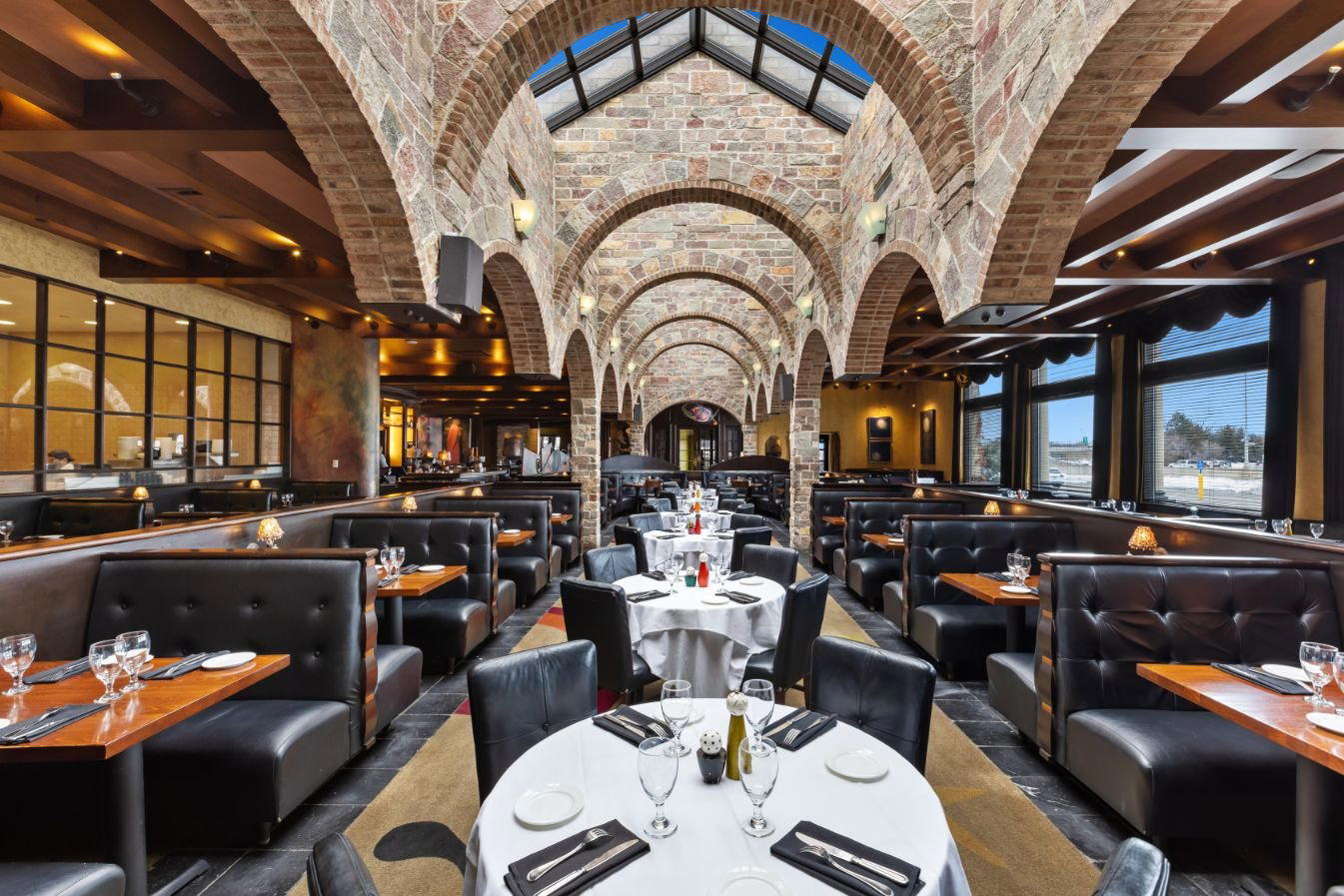
Bacio is an Italian-American trattoria in Minnetonka with an extensive wine list, craft cocktails, and smart casual service for lunch or dinner at a standard pace.

Pearl is the En Primeur Club membership app, where members save venues, book tables and use the concierge.
The menu
What to order
- Lamb Linguini
- Matchstick Zucchini
- Pot Roasted Heirloom Carrots
- Parmesan Shrimp
Plymouth Road, Positioned
Minnetonka sits in the western ring of the Twin Cities metro, a suburb that tends to get filtered out of conversations about serious dining in favor of downtown Minneapolis anchors. That filtering is, at least partially, worth reconsidering. The stretch of Plymouth Road where Bacio operates at 1571 is the kind of address that rewards drivers willing to look past the strip-mall adjacency that defines much of suburban Minnesota's commercial corridor. The exterior gives little away. What draws attention here is the pattern of return visits from a local clientele that treats the place as a standing commitment rather than an occasional outing, a distinction that matters more than any number of social media flags in assessing where a restaurant actually sits in a neighborhood's dining hierarchy.
Italian-rooted cooking in American suburbs occupies a specific and often underestimated tier. At the lower end, it defaults to red-sauce comfort with little provocation. At the upper end, it positions sourcing and regional specificity as the organizing logic, letting the provenance of ingredients carry the argumentative weight that tasting menus carry elsewhere. Bacio operates in a city context where the competition for that upper tier is genuinely thin. The comparable local alternatives, including Blue Birch, Duke's on 7, El Bodegon, Gold Nugget Tavern & Grille, and Ike's Minnetonka, each occupy distinct niches but largely leave the Italian-serious space uncontested at the neighborhood level.
What Ingredient-Led Cooking Looks Like in the Midwest
The broader argument in American fine dining over the past decade has been about source transparency: whether a kitchen can trace its proteins, its produce, and its dairy to a specific farm or region, and whether that traceability translates into something detectable on the plate. This argument has played out most loudly at destination restaurants. Blue Hill at Stone Barns in Tarrytown made it the central thesis of its entire format. Single Thread Farm in Healdsburg built farm-to-table sourcing into its name and its legal structure. Smyth in Chicago has pursued a version of the same logic in a Midwest urban context, earning Michelin recognition for the discipline of its approach.
The question worth asking of any suburban Italian kitchen operating outside that destination tier is whether ingredient sourcing functions as genuine editorial logic or as ambient decoration. In Minnesota, the answer matters more than it might in coastal states, because the supply chain for quality Italian-adjacent ingredients, aged charcuterie, imported DOP-certified cheeses, cold-water fish, and heritage-breed pork, runs through a smaller set of distributors, and the gap between kitchens that treat those relationships as foundational and kitchens that treat them as optional is wider than it appears on any menu. The Midwest's short growing season concentrates the window for locally grown produce into a fraction of the calendar, which means a kitchen that commits to sourcing seasonally has to plan with more discipline than its coastal counterparts, where the growing year is longer and the margin for sourcing improvisation is greater.
Placing a Minnetonka address against the national benchmark for ingredient-driven American dining is an exercise in understanding tiers rather than making equivalence claims. At the top of the national conversation, places like The French Laundry in Napa, Le Bernardin in New York City, Atomix in New York City, and Providence in Los Angeles operate with sourcing programs that are themselves public-facing narratives, covered in the press as discrete stories. Further down the tier structure but still operating with genuine sourcing discipline, Lazy Bear in San Francisco, Addison in San Diego, Emeril's in New Orleans, and The Inn at Little Washington have each built sourcing into their restaurant identity in ways that survive changes in ownership or personnel. Internationally, Atelier Moessmer Norbert Niederkofler in Brunico has taken the regional-sourcing argument to a methodological extreme, restricting its menu almost entirely to Alpine ingredients.
Bacio does not compete in that tier, nor would it claim to. Its competitive frame is the western Twin Cities suburb, where the standard for what counts as serious sourcing is calibrated differently. For a fuller picture of where it sits within that local frame, the EP Club Minnetonka restaurants guide maps the category more completely.
The Seasonal Calculus of Minnesota Dining
Minnesota winters run from November through March with genuine severity, and the local restaurant economy reflects this in predictable ways. Lighter, produce-forward menus shift toward richer preparations in the colder months; sourcing patterns that lean on local farms in summer pivot toward preserved, imported, or greenhouse-grown ingredients through the long freeze. For a kitchen with Italian reference points, this seasonal rhythm is not necessarily a constraint. Italian regional cooking has always accommodated preservation, whether through cured meats, dried pastas, aged cheeses, or long-cooked braises, in ways that map coherently onto a Minnesota winter menu. The result, in a kitchen that handles the transition deliberately, is not a compromise menu but a regionally logical one. Summer in Minnetonka, with access to western Minnesota vegetable farms and local dairy, opens a different set of options: lighter preparations, fresh herb work, and produce that competes on quality with what coastal markets can offer.
Visiting patterns at restaurants in this category tend to cluster on Thursday through Saturday evenings, when suburban dining traffic is highest and kitchen output is most consistent. Walk-in availability is more realistic on early weeknights; weekend reservations, where a booking system is in place, typically fill with more lead time than casual visitors expect.
Planning Your Visit
Bacio is located at 1571 Plymouth Road, Minnetonka, MN 55305, accessible by car from Minneapolis in under thirty minutes via I-394. Street-level parking is available in the surrounding commercial area. Given the limited verified data in the public record for this address, confirming current hours, booking method, and any seasonal menu changes directly before visiting is the reliable approach. The broader Minnetonka dining corridor offers enough adjacent options that an evening built around the area rather than a single address is a reasonable strategy if availability is uncertain.
Frequently asked questions
How do I find Bacio?
Bacio is located at 1571 Plymouth Rd, Minnetonka, MN 55305, Minnetonka.
Is Bacio a good option for dinner before or after events at nearby venues in the western Twin Cities?
Bacio's address at 1571 Plymouth Road, Minnetonka puts it within a short drive of several western metro event venues and the I-394 corridor, making it a practical pre- or post-event choice for groups coming from Minneapolis or the inner suburbs. Italian kitchens at this neighborhood tier generally handle pacing well enough for time-sensitive reservations, though confirming your schedule with the restaurant directly is advisable. The suburban Minnetonka setting means parking is not a constraint the way it would be in downtown Minneapolis.
What do regulars order at Bacio?
At Italian-rooted restaurants in Minnetonka's upper dining tier, regulars tend to build loyalty around pasta and protein combinations that hold up across multiple visits. Dishes grounded in seasonal sourcing reward repeat ordering as the kitchen refines them over time. Checking with the server on current house strengths is the most reliable approach given the ingredient-driven orientation.
Can I walk in to Bacio?
Walk-in availability at Bacio is more realistic on weeknights than on Friday or Saturday evenings, when suburban Minnetonka restaurants at this level fill with reservation holders. Located at 1571 Plymouth Road, the room is accessible and worth a call ahead if you are aiming for a specific evening. Weekend walk-ins carry genuine risk of a wait or a turn-away.
What's the signature at Bacio?
Restaurants with an ingredient-sourcing orientation tend to develop signatures around whatever the kitchen has had the most time to refine against a consistent supply. In Minnetonka's dining context, that typically means pasta or a protein anchored by regional producers. Asking the server what the kitchen is currently running with gives a more accurate read than any static list.
Quick Comparison
Comparable venues nearby, for context on price, style, and recognition.
| Venue | Cuisine | Price | Notes |
|---|---|---|---|
| BacioThis venue (the venue you are viewing) | Italian-American Trattoria | $50–100 | Not listed |
| Blue Birch | Modern Minnesota-Inspired American | $20–30 | Opus II Business Park |
| El Bodegon | Mexican & Spanish Tapas | Not listed | Wayzata / Long Lake |
| The Social | Modern American Comfort | Not listed | Ridgedale |
| Ruscello at Nordstrom | American Mediterranean | $20–30 | Ridgedale Center |
| Gold Nugget Tavern & Grille | American Grill | $10–20 | Minnetonka |
Continue exploring
More in Minnetonka
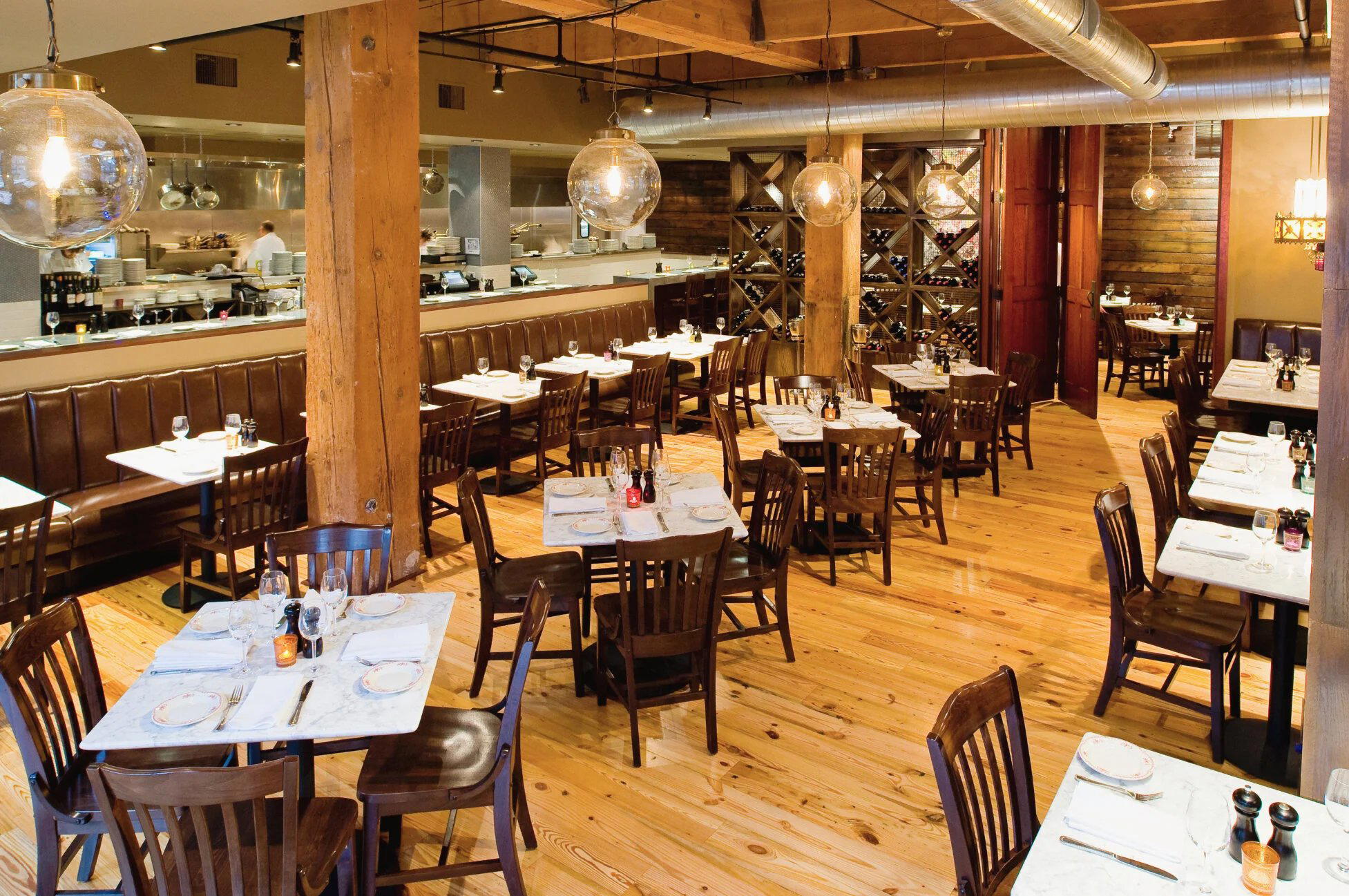
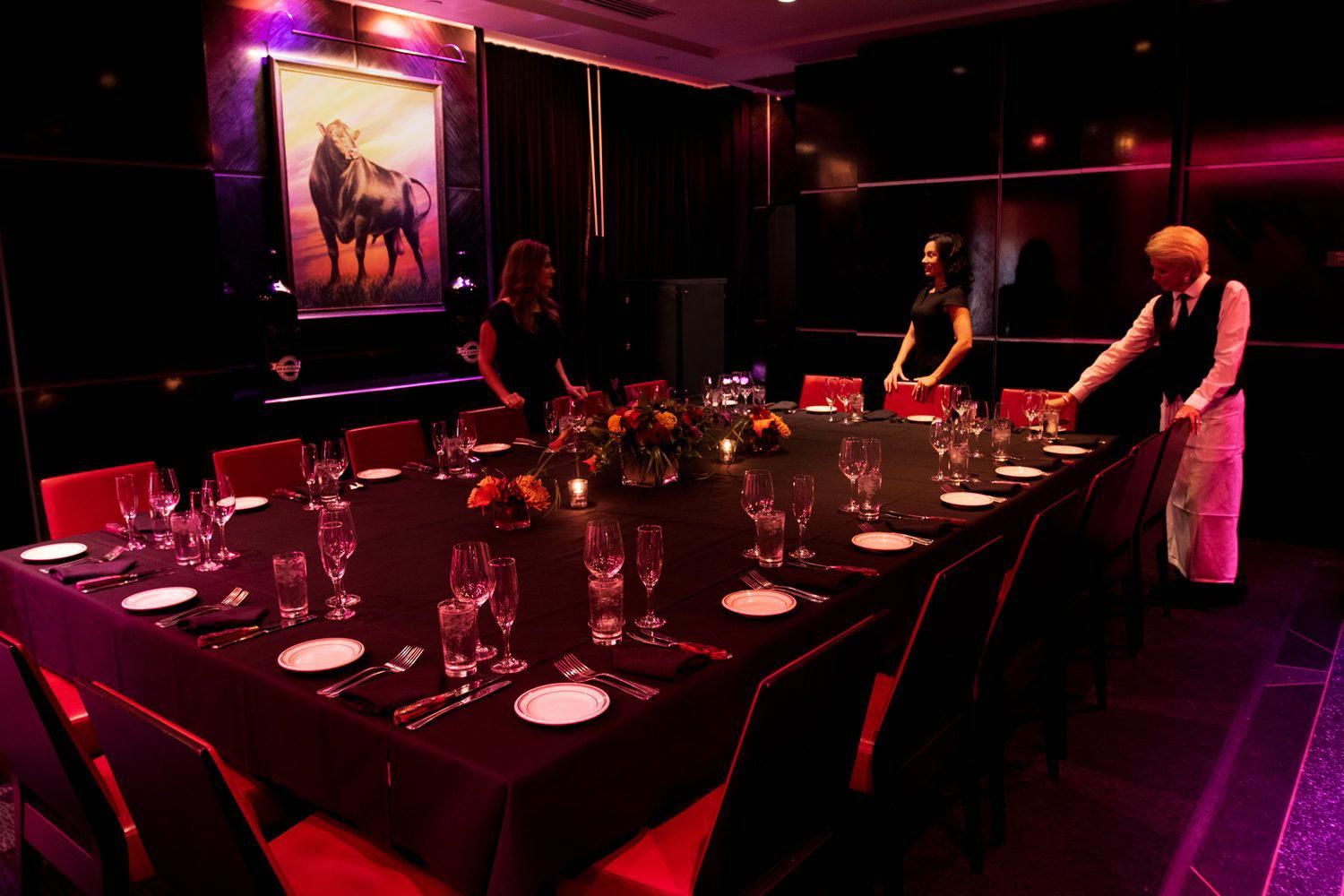
Restaurants in Minnetonka
All restaurants in Minnetonka →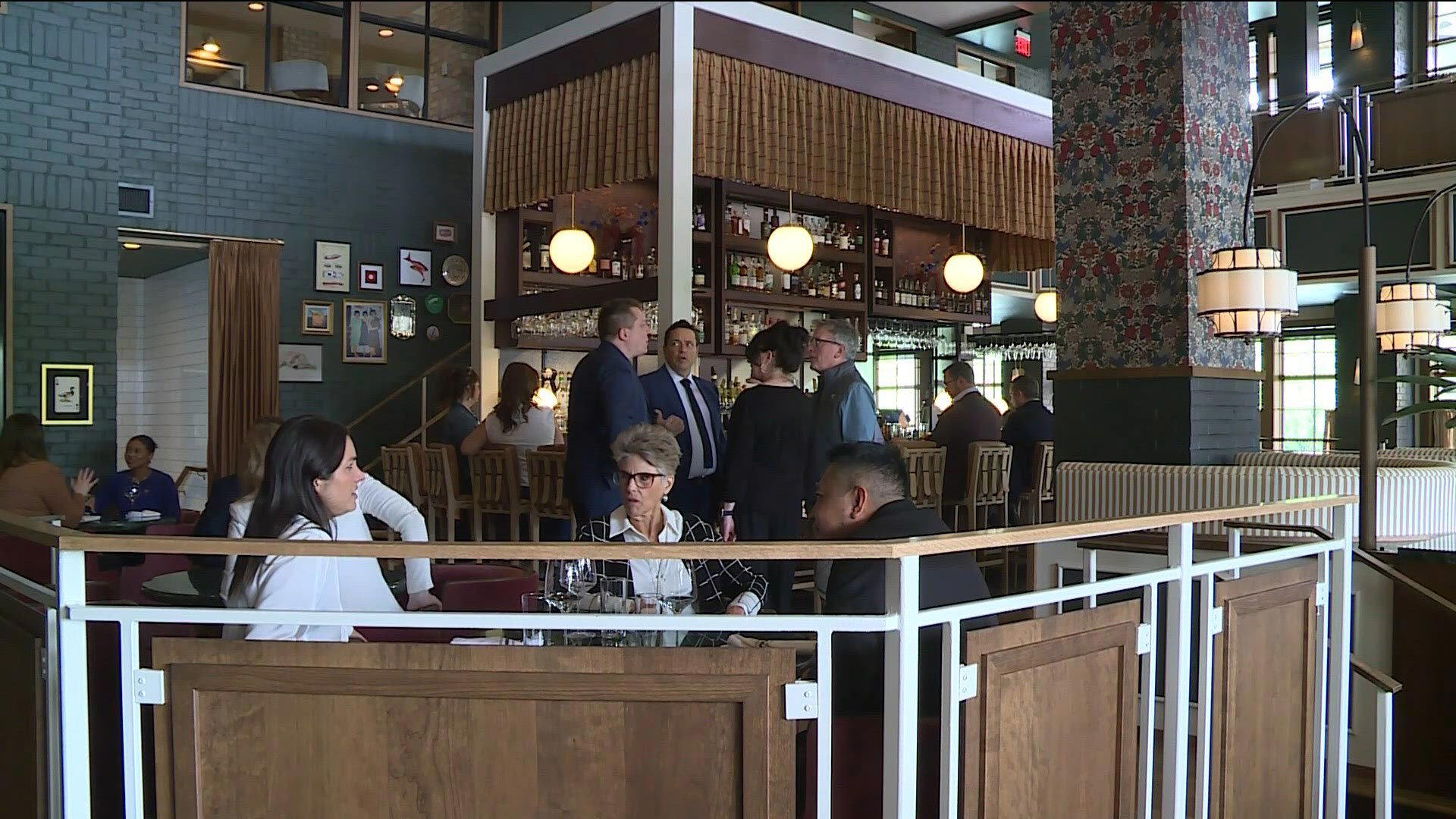
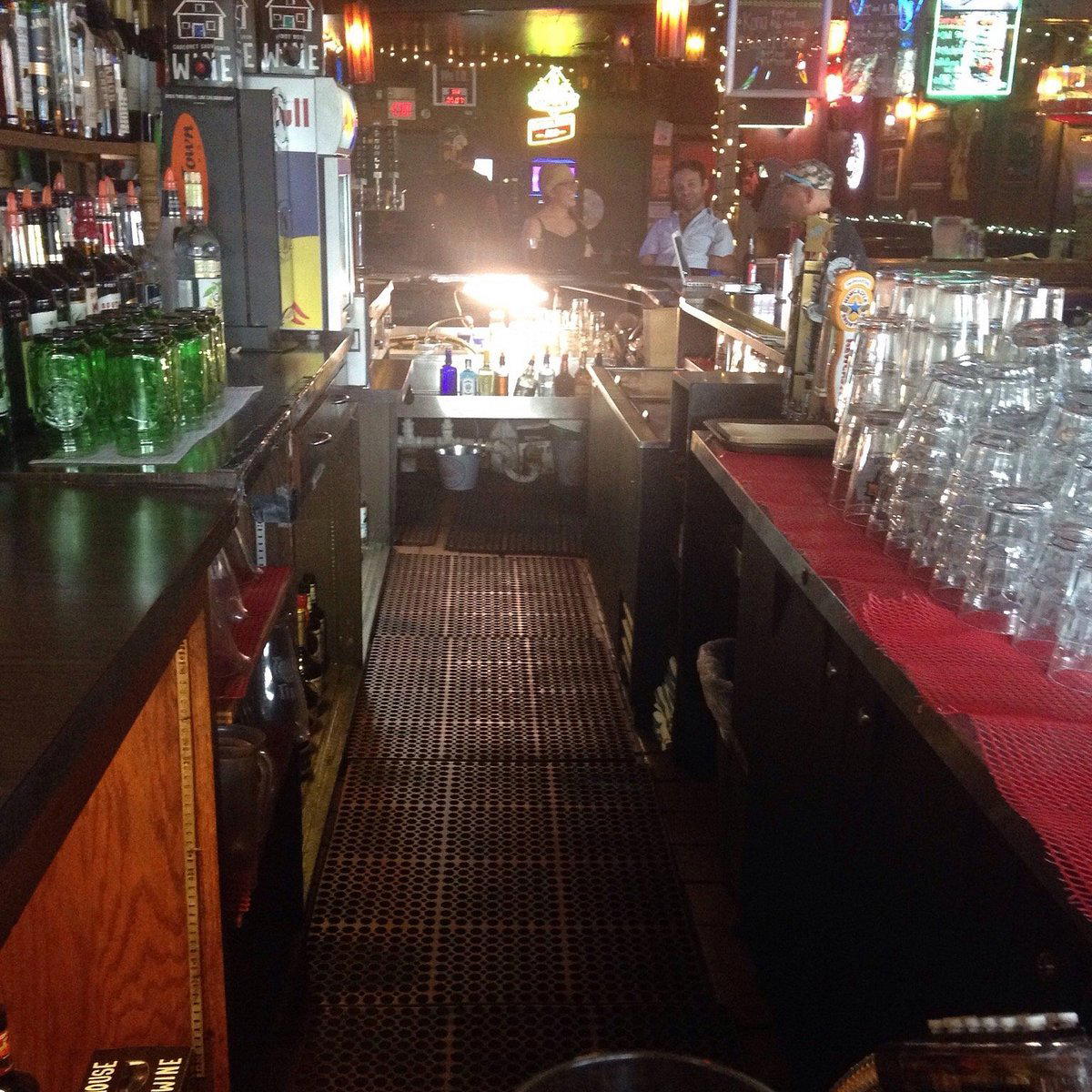
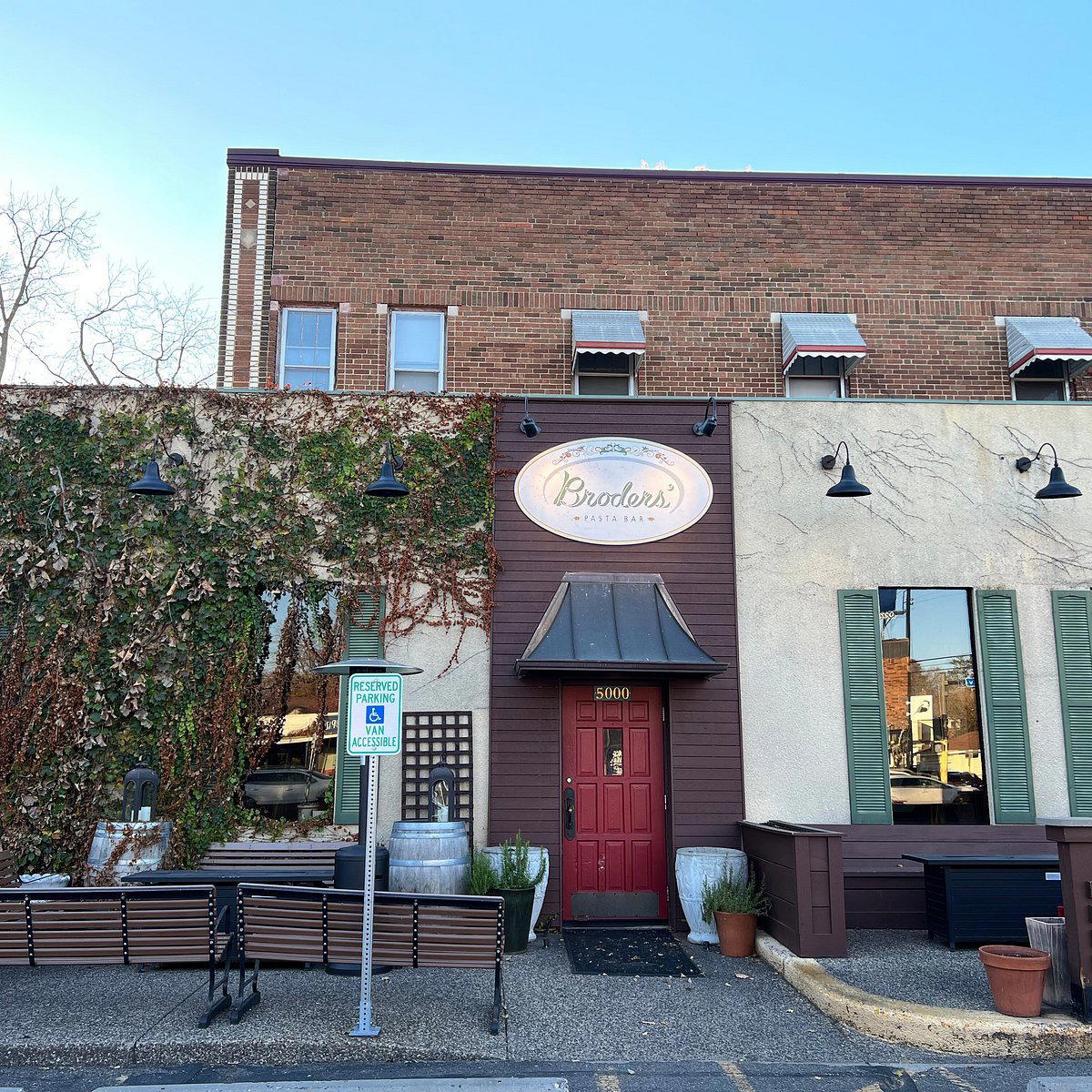
Bars in Minnetonka
Browse all →
Details
- Elegant
- Lively
- Cozy
- Sophisticated
- Date Night
- Business Dinner
- Group Dining
- Family
- Celebration
- Special Occasion
- Private Dining
- Standalone
- Extensive Wine List
- Craft Cocktails
- Farm To Table
- Local Sourcing
- A La Carte
- Family Style
- Wine
- Cocktails
- Vegetarian Friendly
- Vegan Options
- Gluten Free Options
Current opening hours
- Monday
- 11 AM–9 PM
- Tuesday
- 11 AM–10 PM
- Wednesday
- 11 AM–10 PM
- Thursday
- 11 AM–10 PM
- Friday
- 11 AM–10 PM
- Saturday
- 10 AM–10 PM
- Sunday
- 10 AM–9 PM
Hours can change for holidays and private events. Hours as of .
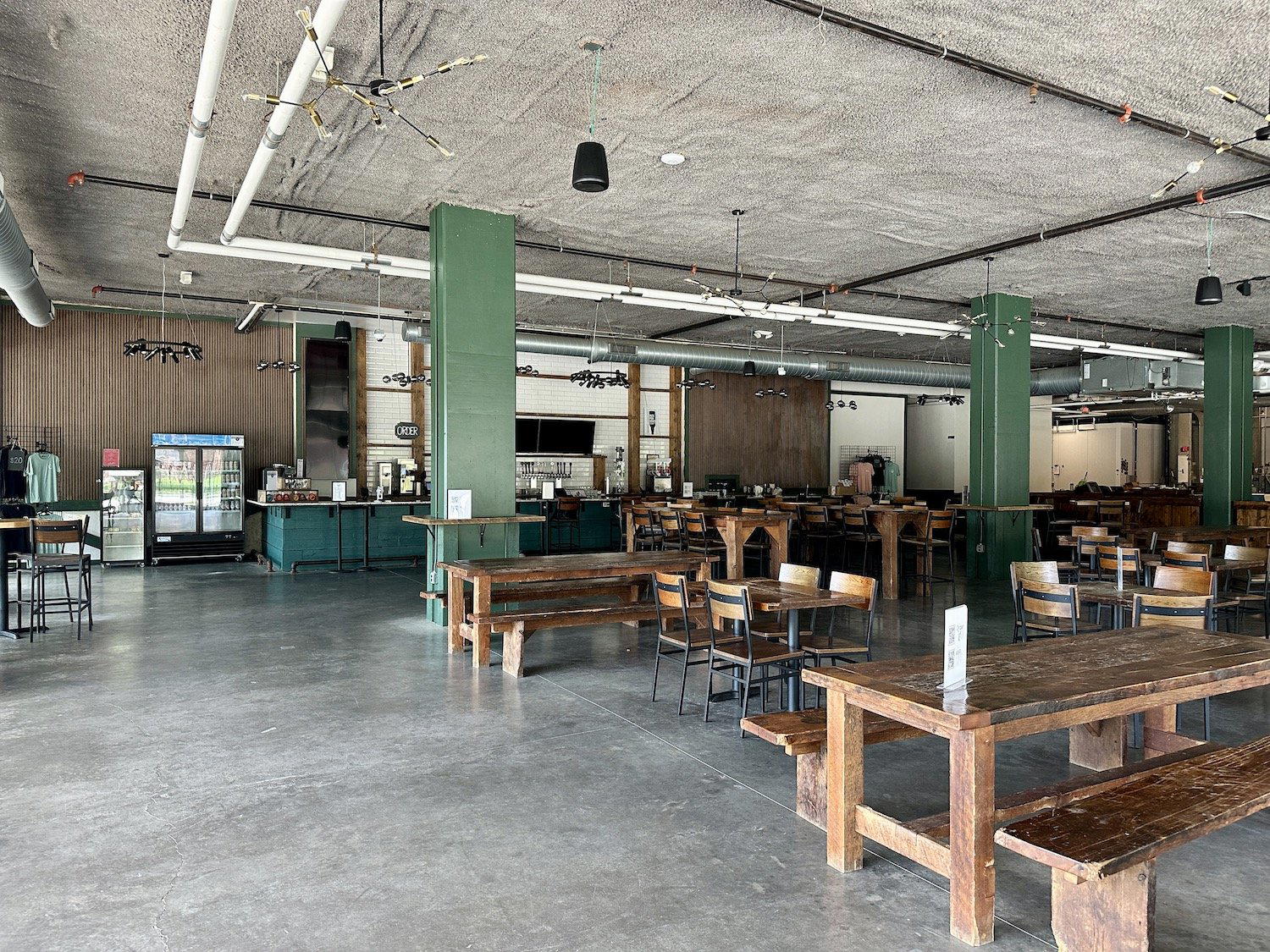
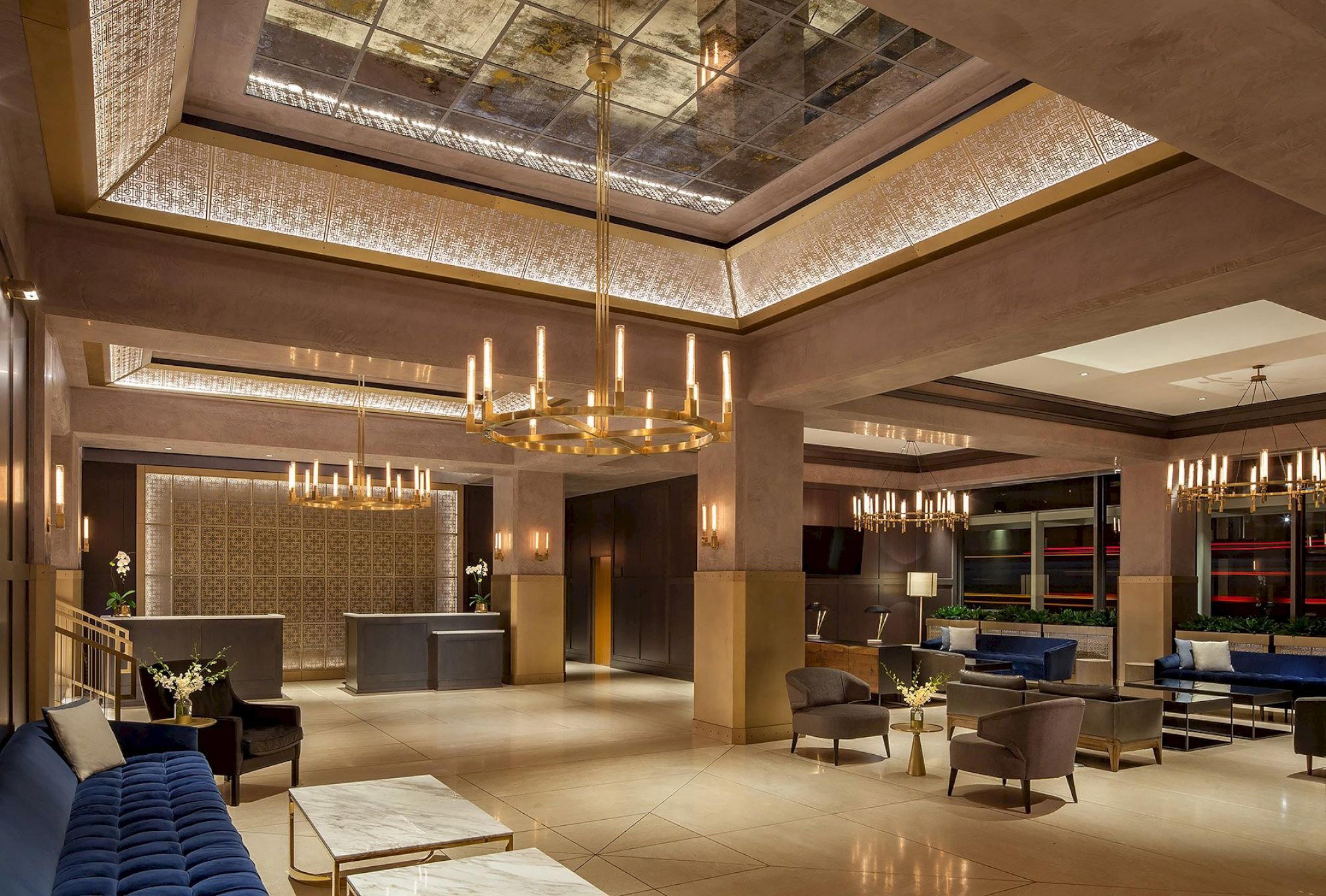
Warm and inviting with a lively yet intimate setting; described as elegant with cozy decor and a busy energy, particularly during peak dining hours.