Auberge du Poids Public

Michelin Plate
Our verdict
Auberge du Poids Public holds consecutive Michelin Plate recognition (2024 and 2025) in the hilltop village of Saint-Félix-Lauragais, deep in the Lauragais grain country southeast of Toulouse. The kitchen works within the traditional cuisine register that defines this part of Occitanie, drawing on the agricultural character of a region that fed medieval Cathar country for centuries.

Pearl is the En Primeur Club membership app, where members save venues, book tables and use the concierge.
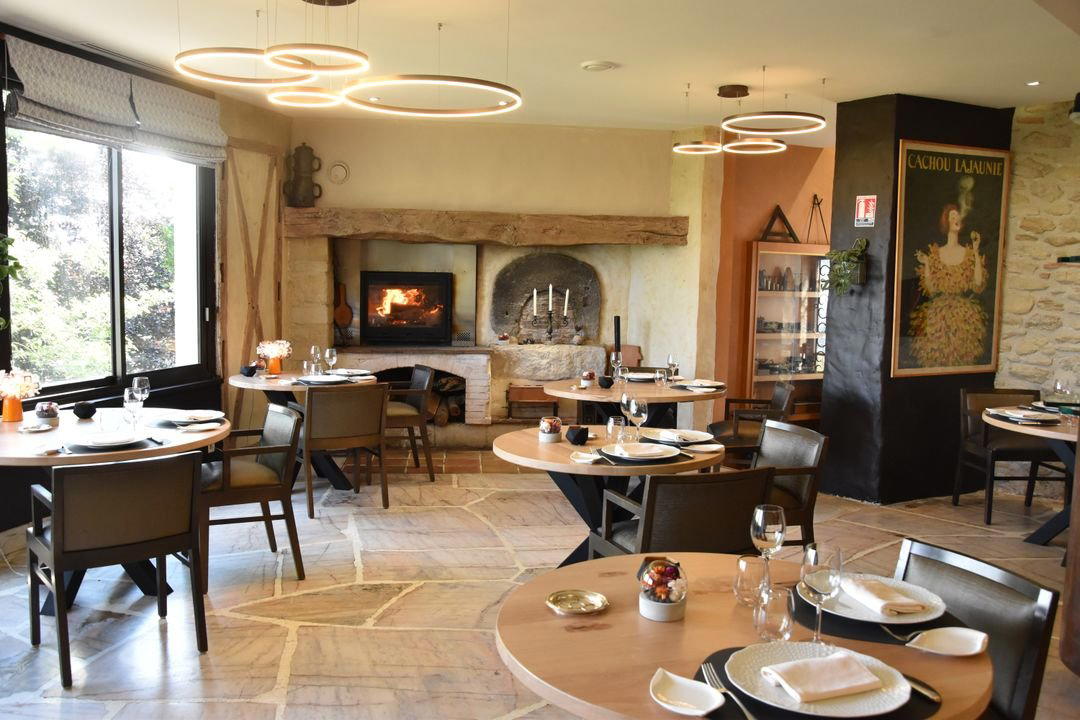
The menu
What to order
- Cassoulet Saint-Félicien
- Foie gras de la Ferme du Roc de Cambiac
- Gigotin d’agneau de lait des Pyrénées
Where the Lauragais Feeds Itself
The road into Saint-Félix-Lauragais climbs through rolling wheat and sunflower fields that stretch toward the Pyrenean foothills on clear days. This is the Lauragais, a corridor of agricultural land between Toulouse and Castelnaudary long associated with cassoulet country, duck fat, and the slow-cooked logic of southwestern French cooking. The village itself perches on a ridge, and the auberge format here is not decorative nostalgia but an honest description of what this kind of establishment has always done: feed people passing through, feed locals returning, and anchor a community around a table. Arriving at Auberge du Poids Public, the physical setting reinforces the editorial point. The building sits at 26 Route de Toulouse, a working address on a road that still functions as a route rather than a destination, which is the point.
Ingredient Country: What the Lauragais Puts on the Plate
The traditional cuisine designation that defines Auberge du Poids Public places it within a broader pattern visible across rural southwest France, where kitchen identity flows from geography rather than from imported technique. The Lauragais produces duck in volume, the region is one of the key foie gras and confit supply zones for Occitanie, and the grain fields that surround Saint-Félix-Lauragais support the legume and pork culture that underlies cassoulet and its variations. For a kitchen working in this register, the sourcing argument is almost self-proving: the ingredients that define the cuisine exist within a short radius of the kitchen door.
This is a different category of sourcing story from the kind that now drives high-investment tasting menus at addresses like Mirazur in Menton or Flocons de Sel in Megève, where provenance has become an explicit part of the menu narrative and a signal of premium positioning. In the Lauragais, provenance is structural rather than performative. The local duck farmer, the nearby cereal fields, the producer networks that have supplied regional kitchens for generations, these are not marketing assets but operational facts. Traditional cuisine in this context means cooking that treats those facts as the starting point rather than the finish line.
Compare this to the auberge tradition in other parts of rural France. Auberge du Vieux Puits in Fontjoncouse, across the Aude to the southeast, has built Michelin recognition at a considerably higher level from a similarly remote village base, demonstrating that the format can sustain serious critical attention when the kitchen pushes beyond regional comfort. Auberge Grand'Maison in Mûr-de-Bretagne operates a comparable model in Brittany, grounding its menu in the agricultural and coastal produce of its immediate territory. The pattern across these addresses is consistent: geographic remoteness and ingredient fidelity are not obstacles to recognition but the source of it.
The Michelin Plate Signal and What It Implies
Michelin awarded Auberge du Poids Public its Plate distinction in both 2024 and 2025. The Plate, introduced as a formal category, denotes restaurants where the inspectors find cooking of good quality, a step above the general listing but below the starred tier. For a small-village auberge in a non-tourist agricultural commune, consecutive Plate recognition is a meaningful signal. It confirms that the kitchen maintains a standard that Michelin's inspection cycle finds worth noting across multiple visits and years, which is a different claim from the kind of single-year recognition that can reflect a good moment rather than a sustained baseline.
The competitive context matters here. The Plate tier in rural Occitanie sits well below the starred French addresses that attract international travel, Alléno Paris au Pavillon Ledoyen, Bras in Laguiole, or Assiette Champenoise in Reims occupy a different register entirely. Within that set, the €€€ price range positions the auberge as a considered lunch or dinner rather than a casual stop, which the Michelin attention justifies.
In rural French dining, that kind of sustained satisfaction often comes from a kitchen that knows its audience and its ingredients rather than one chasing critical novelty.
The Atmosphere and Who Eats Here
The auberge typology in France carries a specific atmosphere signal. These are not bistros in the urban sense, nor gastronomic restaurants performing for critics. They are rooms where the architecture, the service register, and the pace of eating all reflect the rhythms of the surrounding countryside. In Saint-Félix-Lauragais, that means a dining room likely shaped by the village's modest civic scale and the agricultural calendar that still governs the area's economy. The price point at €€€ means this is a deliberate choice for most visitors, a Sunday lunch or a midweek dinner with purpose, rather than a convenience stop. For anyone driving between Toulouse and the Aude or approaching from the Tarn, the auberge sits on Route de Toulouse in a way that makes the detour logical.
For context on what else the area offers, our full Saint-Félix-Lauragais restaurants guide covers the local options across price tiers. Those planning an overnight stay can cross-reference our Saint-Félix-Lauragais hotels guide, and for a broader picture of what to do in and around the village, our experiences guide maps the area's cultural and outdoor offer. Wine drinkers should note that the Lauragais sits close to the Malepère, Cabardès, and Fronton appellations; our wineries guide covers what's worth seeking out nearby, and our bars guide fills in the rest of the evening.
Practical Notes for Planning
Frequently Asked Questions
In Context: Similar Options
| Venue | Cuisine | Price | Awards | Notes |
|---|---|---|---|---|
| Auberge du Poids PublicThis venue (the venue you are viewing) | Traditional French Gastronomic with Regional Specialties | $50–100 | Michelin Plate | Not listed |
| Alléno Paris au Pavillon Ledoyen | Modern French Fine Dining | $150–200 | 3 Michelin Stars · World's 50 Best #79 | Creative |
| Kei | Contemporary French, Modern Cuisine | Not listed | Michelin 3 Star | Not listed |
| L'Ambroisie | Classic French Haute Cuisine | $300–500 | 2 Michelin Stars · World's 50 Best #23 | French, Classic Cuisine |
| Le Cinq - Four Seasons Hôtel George V | Modern French Fine Dining | $300–500 | 3 Michelin Stars · World's 50 Best #24 | French, Modern Cuisine |
| Plénitude | Modern French Sauce-Led Fine Dining | $300–500 | 3 Michelin Stars · World's 50 Best #10 | Contemporary French |
Recognition history
Dated appearances from independent guides and award organizations, with the underlying list record or original source where available.
Michelin Plate
Michelin
Full recognition history (3 entries)
Michelin Plate
Michelin
Michelin Plate
Michelin
Continue exploring
More in Saint-Félix-Lauragais
Restaurants in Saint-Félix-Lauragais
All restaurants in Saint-Félix-Lauragais →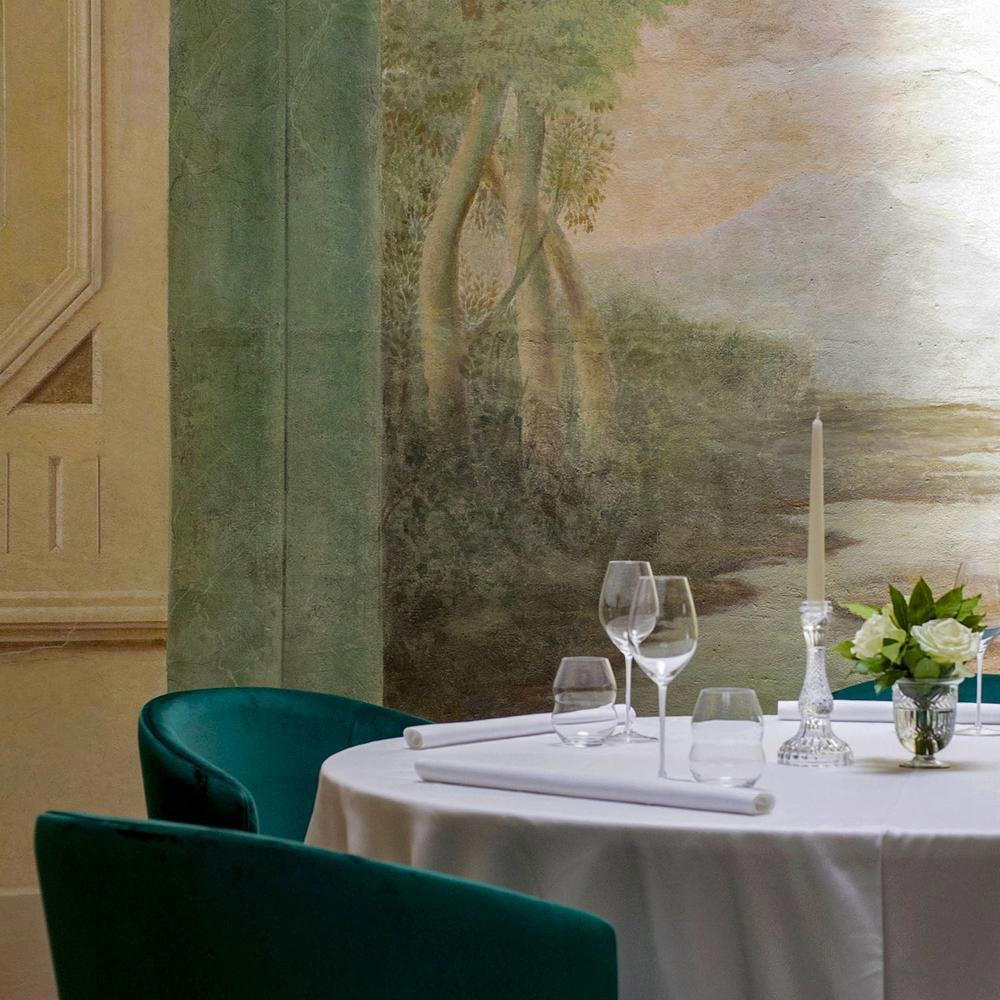
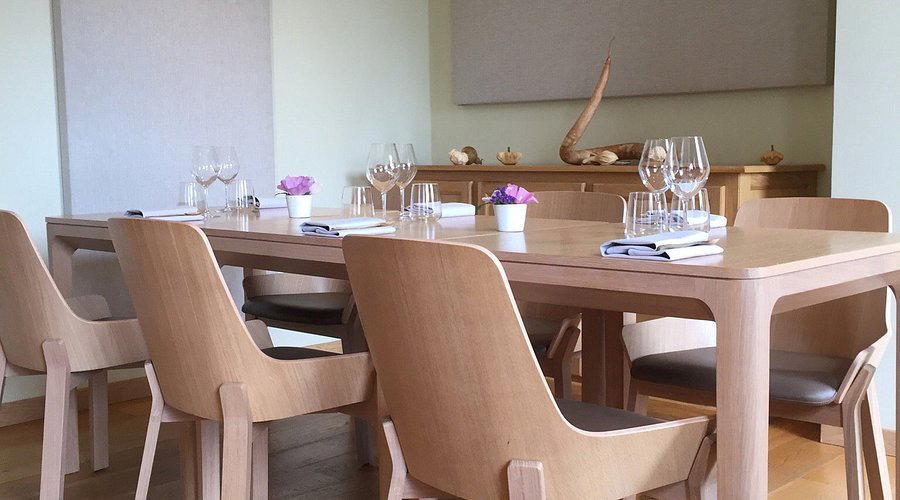
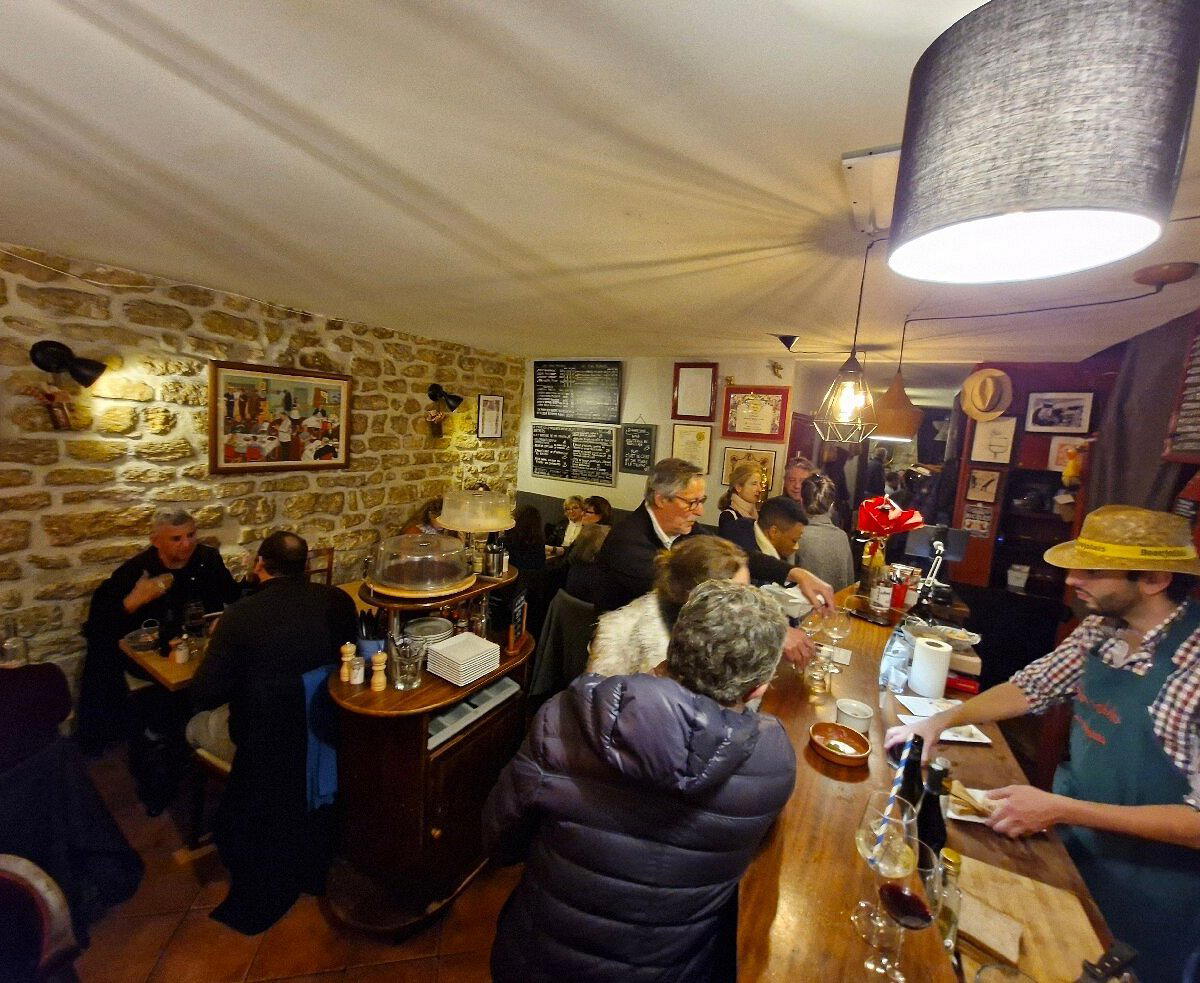
Bars in Saint-Félix-Lauragais
Browse all →

Auberge du Poids Public
The wine
- Wine program
- Deep wine list
- Extensive wine list
- Sommelier-led
Details
- Elegant
- Rustic
- Cozy
- Scenic
- Sophisticated
- Special Occasion
- Business Dinner
- Group Dining
- Family
- Terrace
- Historic Building
- Private Dining
- Extensive Wine List
- Sommelier Led
- Local Sourcing
- Street Scene
- A La Carte
- Prix Fixe
- Vegetarian Friendly
- Gluten Free Options
- Allergy Accommodating
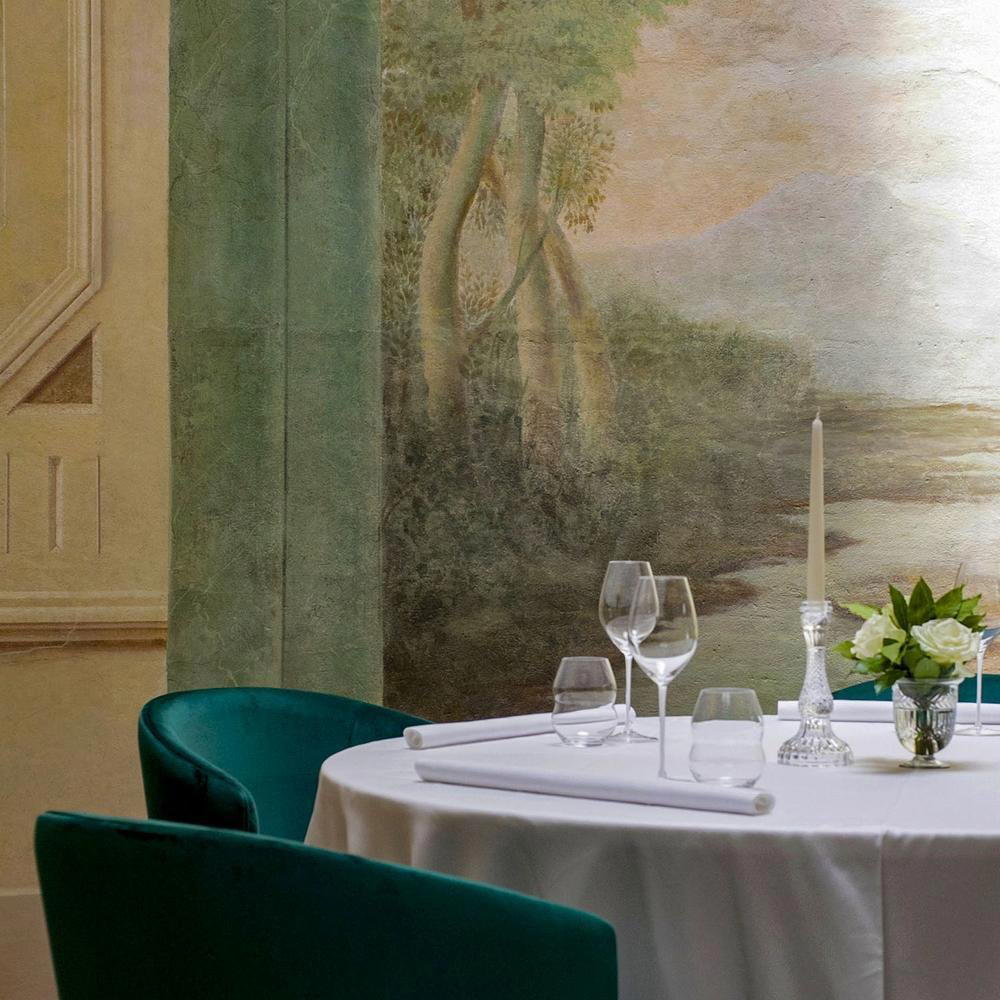
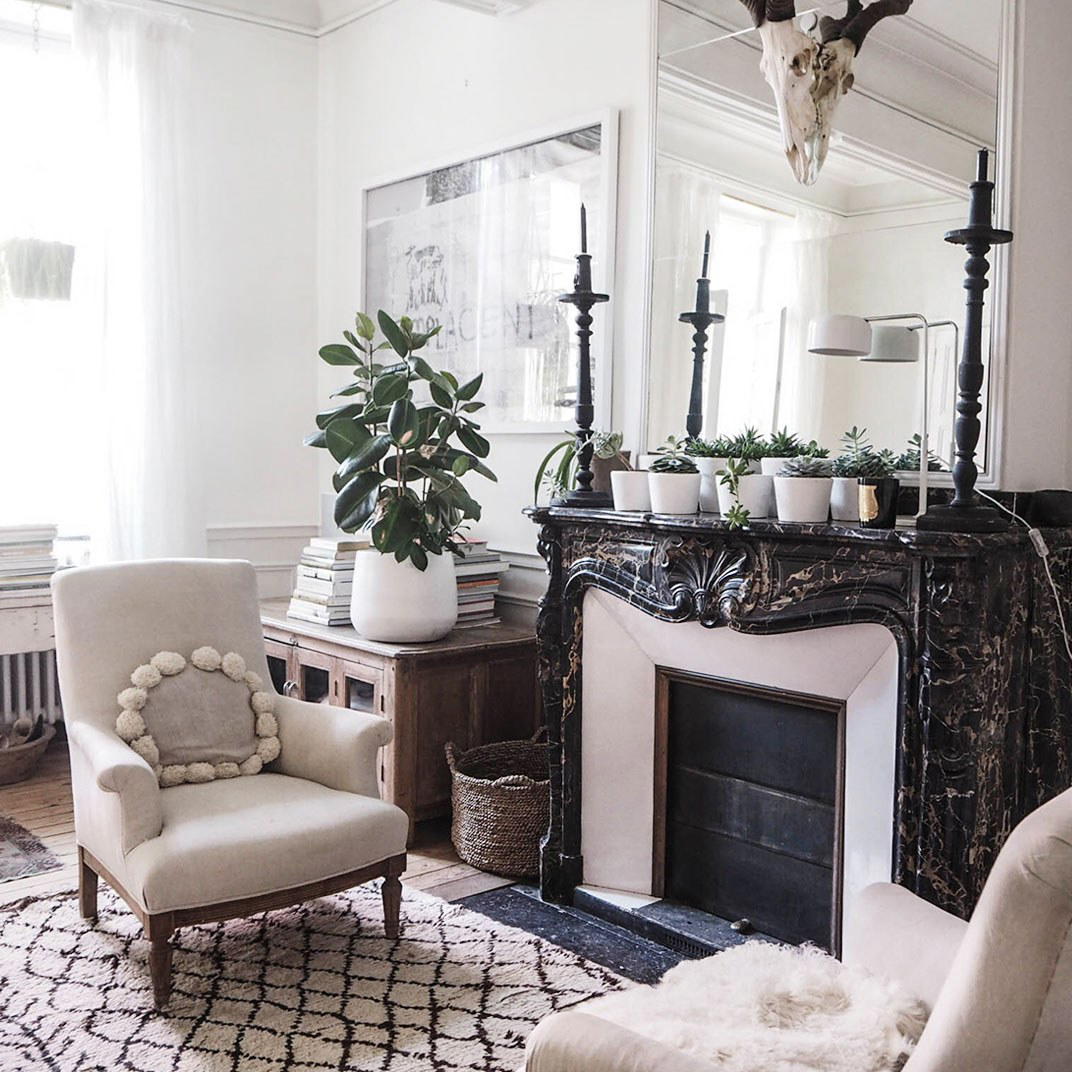
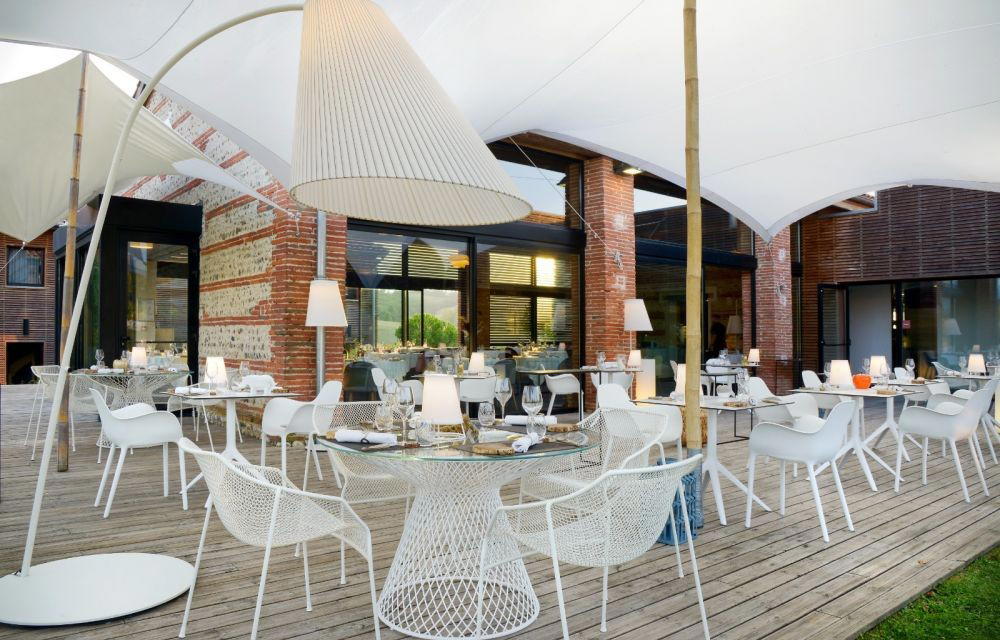
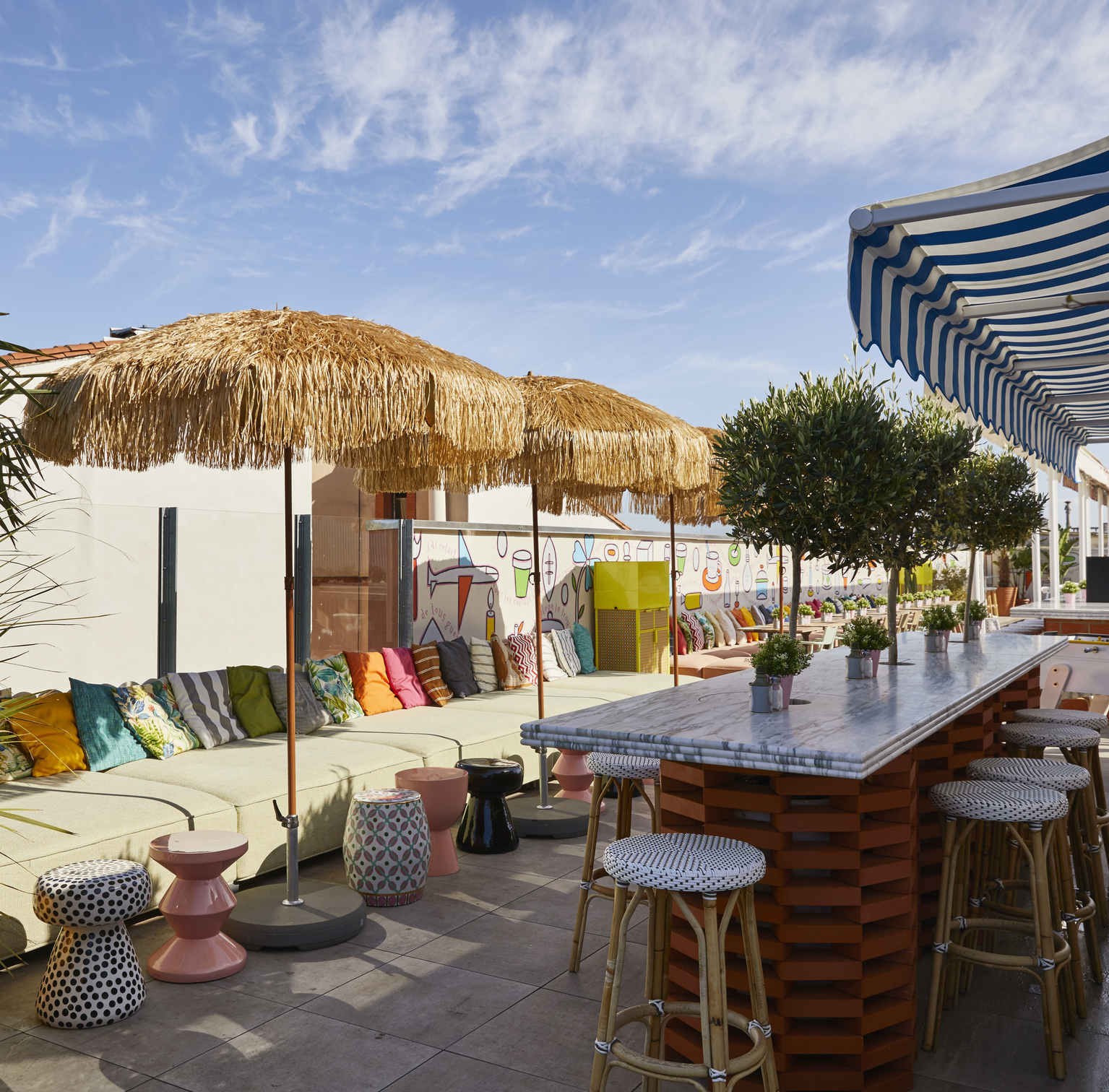
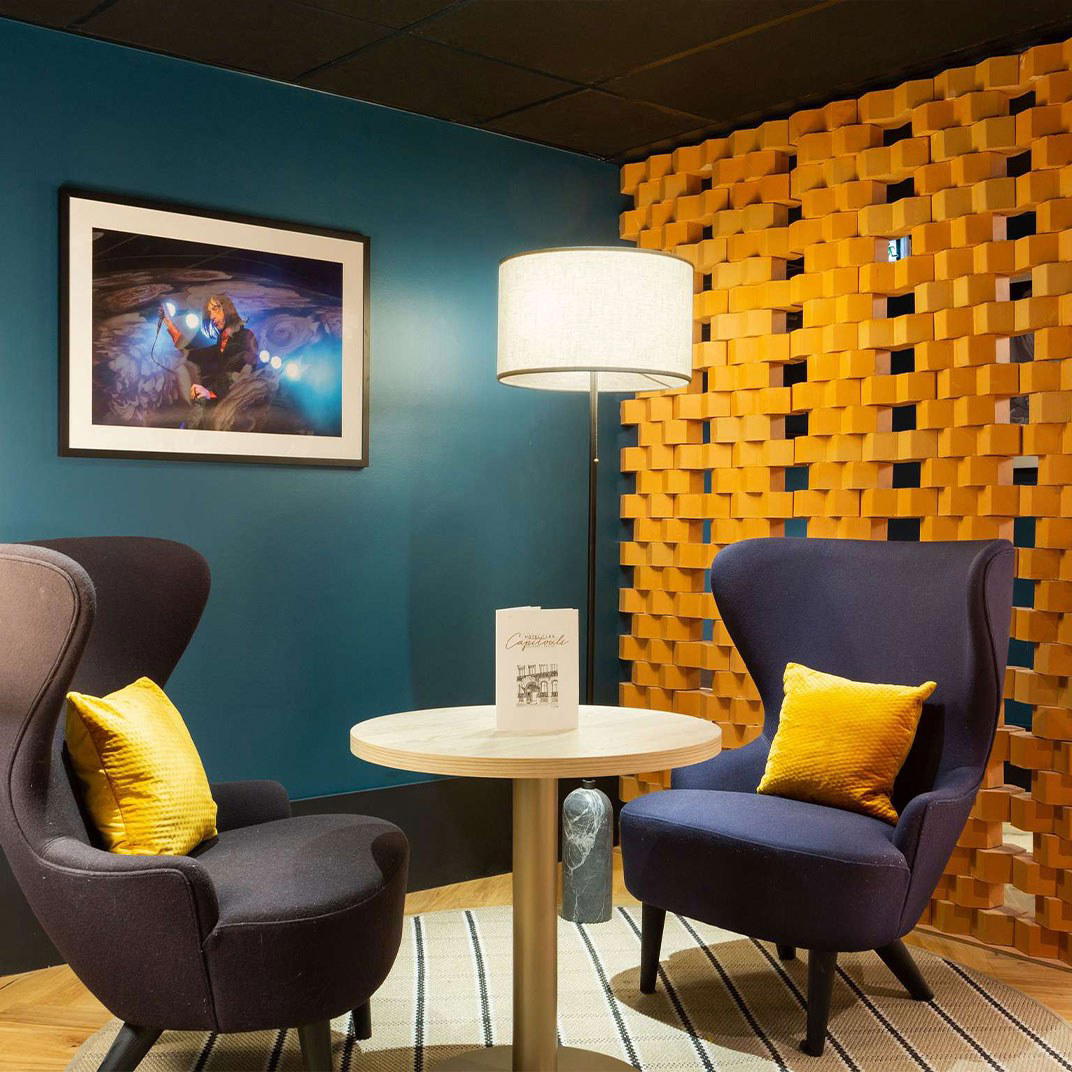
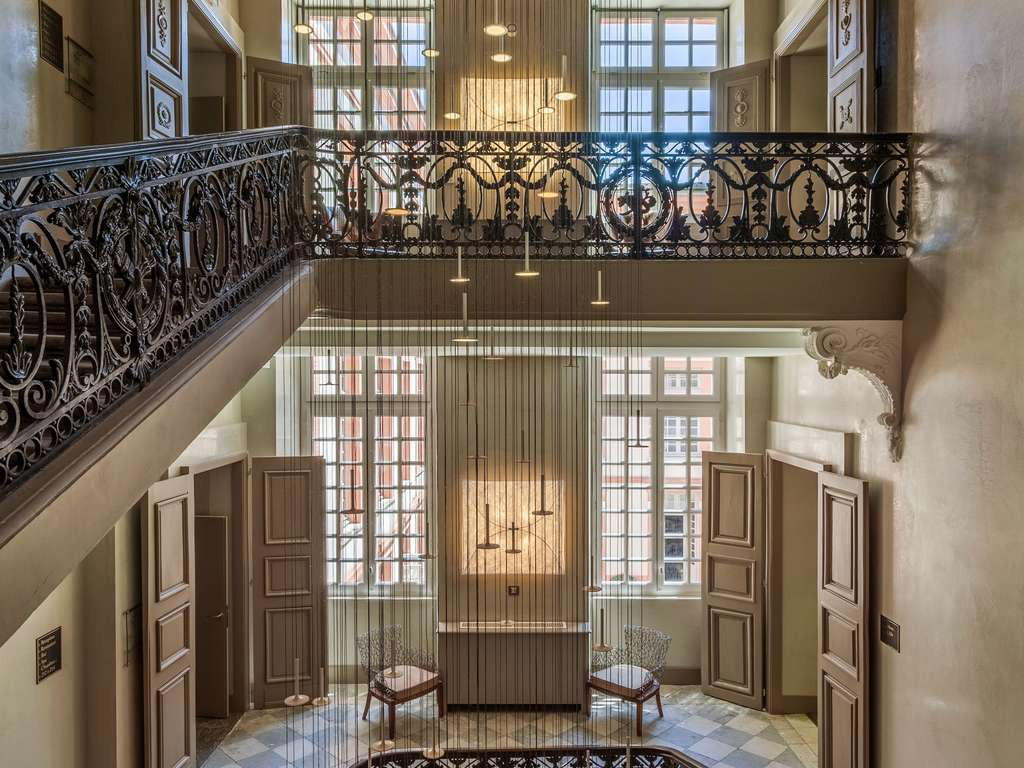
Sobriously renovated dining room with exposed stones, light wood contemporary furniture, soundproofed ceiling, warm chimney fireplace in winter, and a shaded terrace with dramatic countryside vistas.