
In the Loire-Atlantique village of Gétigné, Auberge de la Madeleine sits at the intersection of serious cooking and serious wine, a combination that places it in a distinct tier among France's chef-owner restaurants. Jean-René Pelletier has built a reputation grounded in both disciplines, making this address a reference point for the Muscadet region's growing fine-dining credibility.
Pearl is the En Primeur Club membership app — saves, bookings, and concierge access live there. Same editors, same standards.
- Address
- 3 Rue de la Navette, 44190 Gétigné, France
- Phone
- +33 9 61 62 03 92
- Website
- aubergedelamadeleine.fr
- Directions
- Get directions
 Saves & bookings on Pearl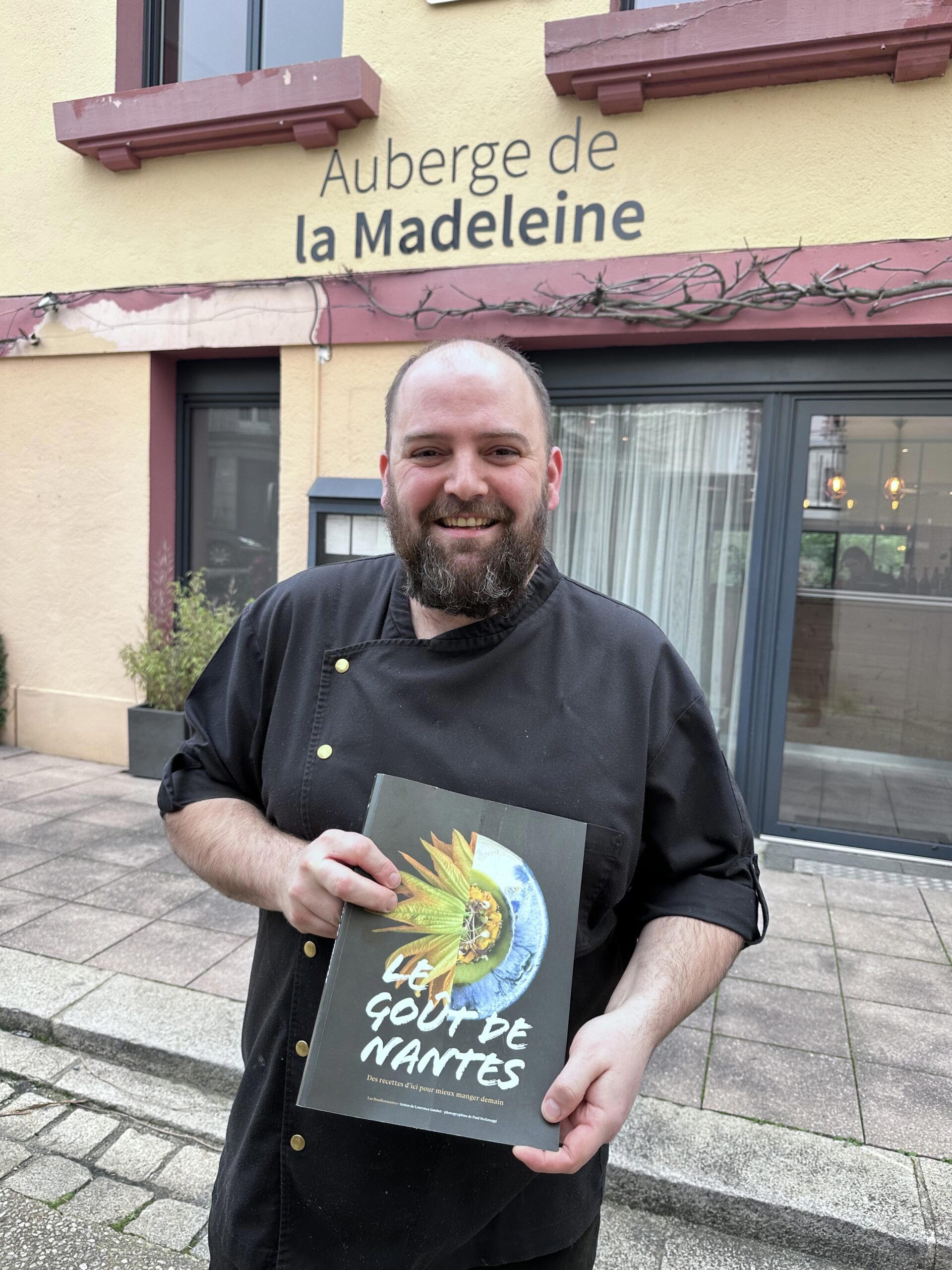
Where the Loire's Wine Country Meets the Chef-Owner Table
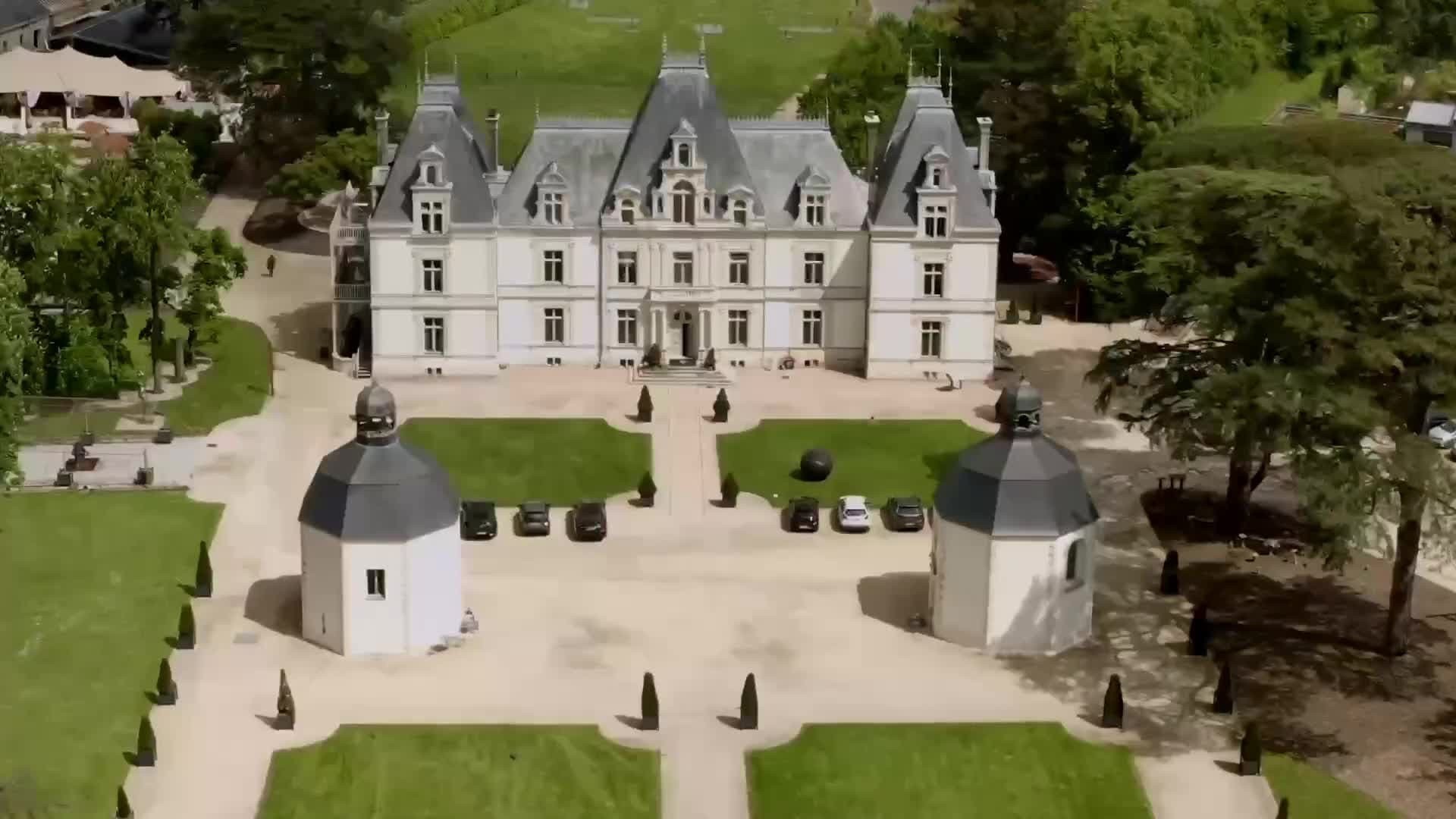
Auberge de la Madeleine is a restaurant in Gétigné, France, offering traditional French bistro cooking. Away from the Parisian grands restaurants, the Alléno Paris au Pavillon Ledoyen tier and its city-block-sized reputations, a quieter circuit of destination auberges has operated for generations: places where a single chef-owner anchors a room, a wine list, and often an entire local food culture. Gétigné, a small commune on the southern fringe of the Loire-Atlantique, is not where most international visitors begin their search for serious French cooking. That oversight is what makes Auberge de la Madeleine, at 3 Rue de la Navette, a more interesting address than its postcode might suggest.
Arriving in Gétigné, the surrounding Muscadet vineyards set an immediate frame of reference. This is Loire country in its quieter register, not the grand château corridor of Touraine, but the granite and gneiss soils of the Sèvre et Maine, where winemaking has outlasted every trend in the national market. The auberge format itself carries that same resistance to novelty. At its leading, it implies a relationship between kitchen and land that the metropolitan tasting-menu circuit rarely achieves.
The Sourcing Argument
The chef-owner model that defines Auberge de la Madeleine, with Jean-René Pelletier running both kitchen and wine program, is most effective when the surrounding region delivers seasonal material that cannot be replicated at urban scale. The Loire-Atlantique and its adjacent Vendée and Pays de la Loire departments produce some of France's most underrated larder goods: Challans duck and chicken with genuine appellation weight, Atlantic fish landed at Saint-Gilles-Croix-de-Vie and Saint-Jean-de-Monts, salt-marsh lamb from the Guérande peninsula, and the Muscadet-cured freshwater traditions of the river itself.
This matters in practice because a chef who is both cooking and selecting wine in a region this agriculturally specific has structural advantages over a city kitchen buying through intermediaries. Compare this to the sourcing operations at destination restaurants in isolated French villages that have become international references, Bras in Laguiole, the Aubrac plateau as pantry; Auberge du Vieux Puits in Fontjoncouse, the Corbières garrigue as kitchen garden, and the template becomes clear. The ingredient is the editorial. Everything else follows.
The Wine-Kitchen Axis
What separates the restaurant from a competent provincial restaurant is the dual expertise of its operator. A chef-owner with genuine wine knowledge, not a curated list assembled with a consultant, but a working passion that shapes both buying decisions and menu architecture, is rarer than France's depth of talent would imply. The Muscadet region immediately surrounding Gétigné offers a wine program baseline that most restaurants in France cannot match: old-vine Melon de Bourgogne aged on lees for years, a tradition that the appellation has spent two decades reclaiming from bulk production's shadow.
The Loire Valley at large runs from Muscadet in the west through Anjou, Saumur, Chinon, Bourgueil, and Vouvray to Sancerre and Pouilly-Fumé in the east, a span of grape varieties, soil types, and register shifts that provides a wine list architecture unavailable to restaurants outside the region. A chef who understands that architecture and builds kitchen decisions around it is working in a specifically French tradition: the sommelier-chef, the cuisinier-vigneron, the patron who treats the cave as a second kitchen. Among France's rural fine-dining references, this dual competence is what earns a place in the same conversation as Auberge de l'Ill in Illhaeusern or Flocons de Sel in Megève, restaurants where the sense of place extends beyond the plate.
Gétigné in Context
Fine dining in rural France tends to cluster around two justifications: scenic spectacle (alpine, coastal, river-valley) or agricultural specificity (truffle country, game estates, wine appellations). Gétigné qualifies primarily on the second count. The Sèvre Nantaise river, which runs nearby, connects the village to the larger Muscadet appellation's geography. It is not destination scenery in the way that Mirazur in Menton commands the Côte d'Azur or Troisgros in Ouches rewrites a Roannais village around itself. What Gétigné offers is proximity to Nantes, roughly 20 kilometres southeast of France's sixth-largest city, which means the auberge functions as a genuine countryside escape without requiring a full day's travel from an urban base.
Nantes itself has become a more serious food city over the past decade, with a restaurant culture that extends beyond the famous beurre blanc tradition into contemporary cooking with genuine ambition. The Gétigné address draws on that urban population while maintaining the physical remove that justifies the auberge format. It occupies a position that metropolitan fine dining cannot replicate: close enough to a city for weekday bookings, far enough into wine country to make the drive feel intentional.
Given the village scale and the nature of chef-owner restaurants at this level across France, compare the booking patterns at Assiette Champenoise in Reims or Au Crocodile in Strasbourg, advance reservation is the operational assumption. Walk-in availability at this tier is the exception, not the structure. Contact directly through the address at 3 Rue de la Navette, 44190 Gétigné, to confirm current availability and service schedules.
How It Stacks Up
Comparable venues nearby, for context on price, style, and recognition.
| Venue | Cuisine | Price | Notes |
|---|---|---|---|
| Auberge de la MadeleineThis venue — the venue you are viewing | Traditional French Bistro | $$ | Not listed |
| Bistrot de la Comédie | French Bistro | $$ | Mellinet |
| Bistro Melon | French Bistro | $$ | Copernic |
| André | French Seafood Brasserie | $$ | Vieux Port |
| Le Reflet | Modern French Bistro | $$ | Decré |
| Simone | Creative French Bistro | $$ | Graslin |
Recognition history
Dated appearances from independent guides and award organizations, with the underlying list record or original source where available.
Star Wine List
Star Wine List
Continue exploring
More in Gétigné
Restaurants in Gétigné
Browse all →
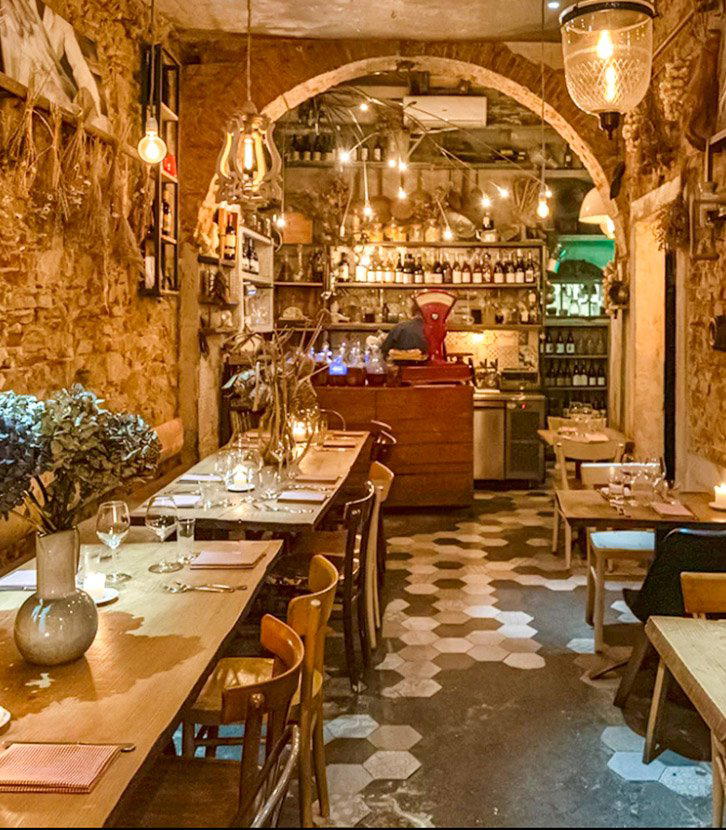
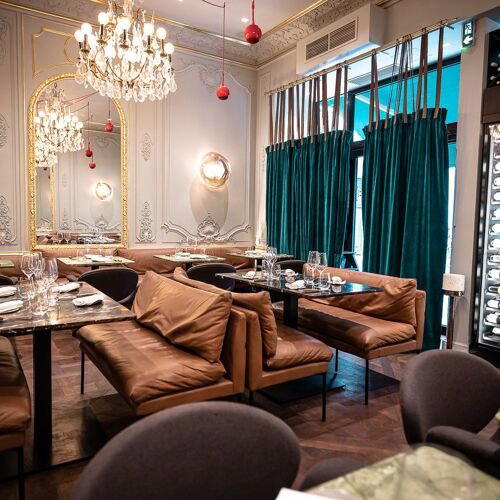
Bars in Gétigné
Browse all →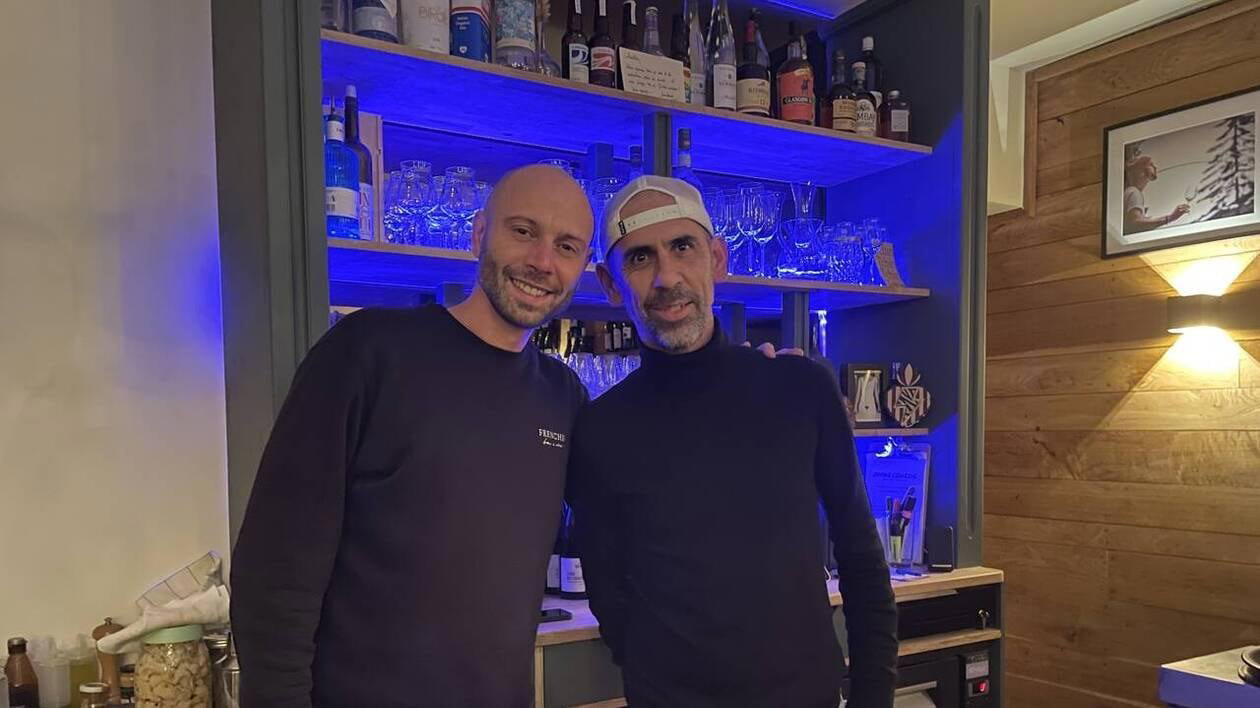
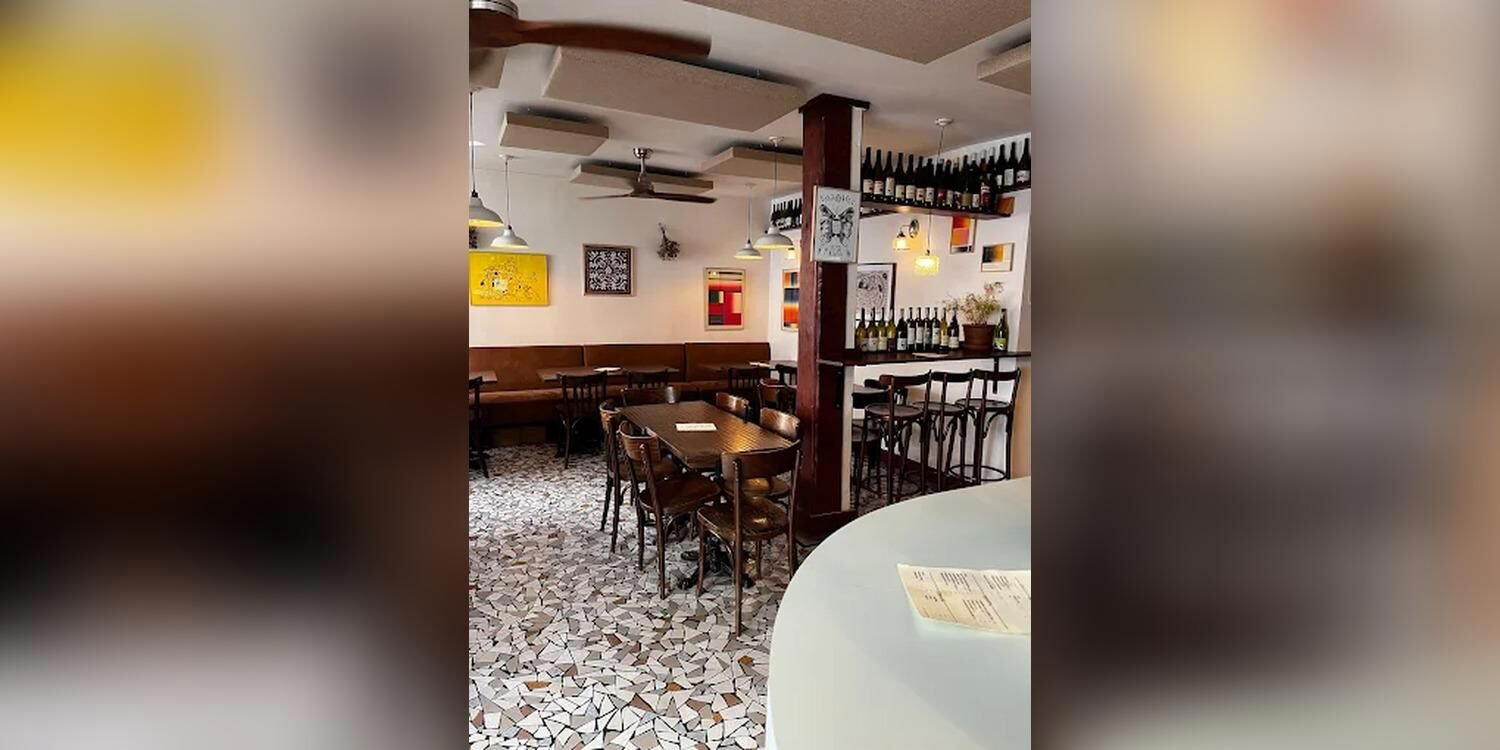
Hotels in Gétigné
Browse all →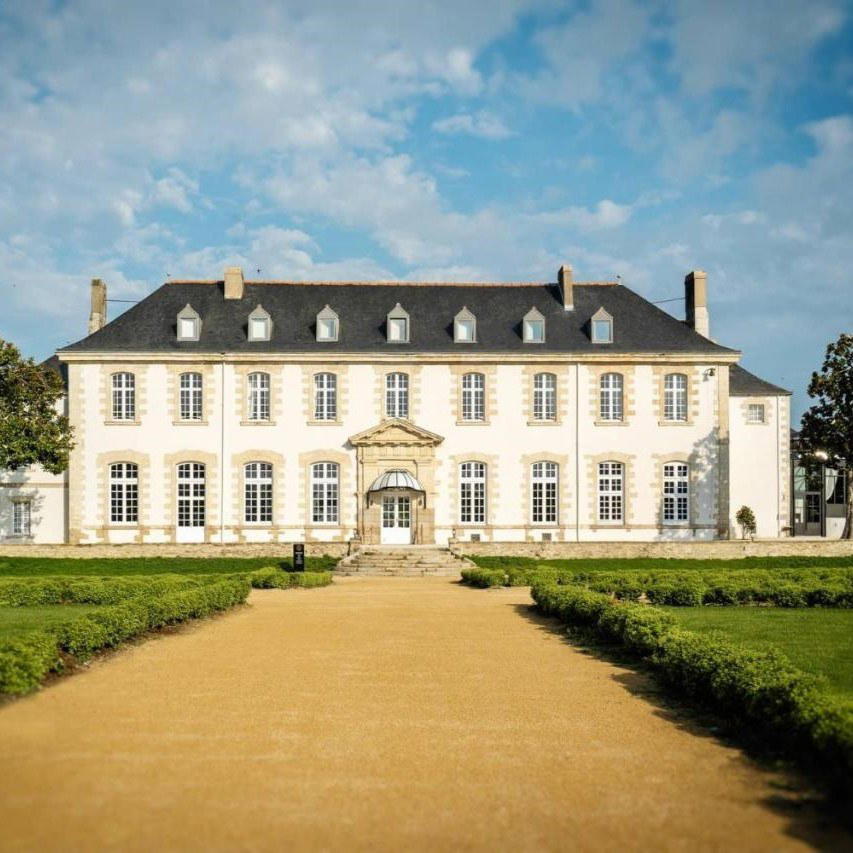
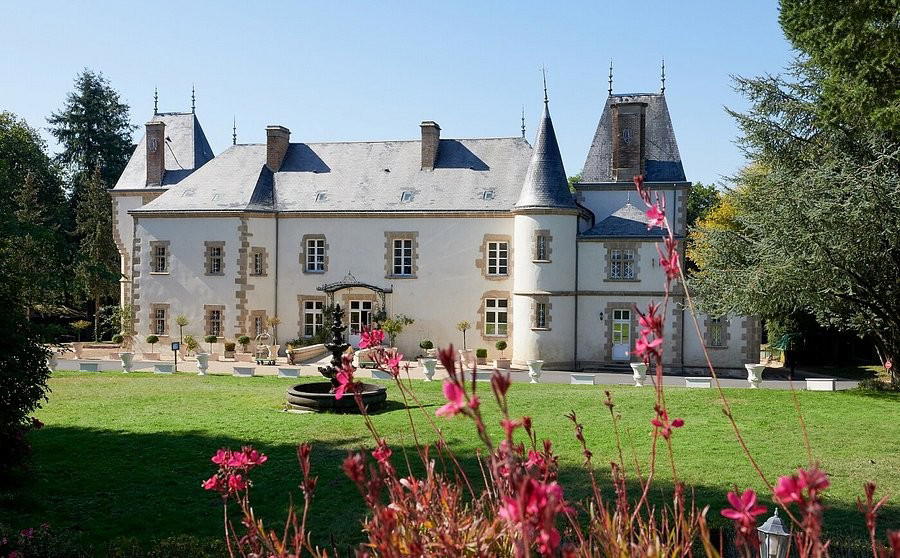
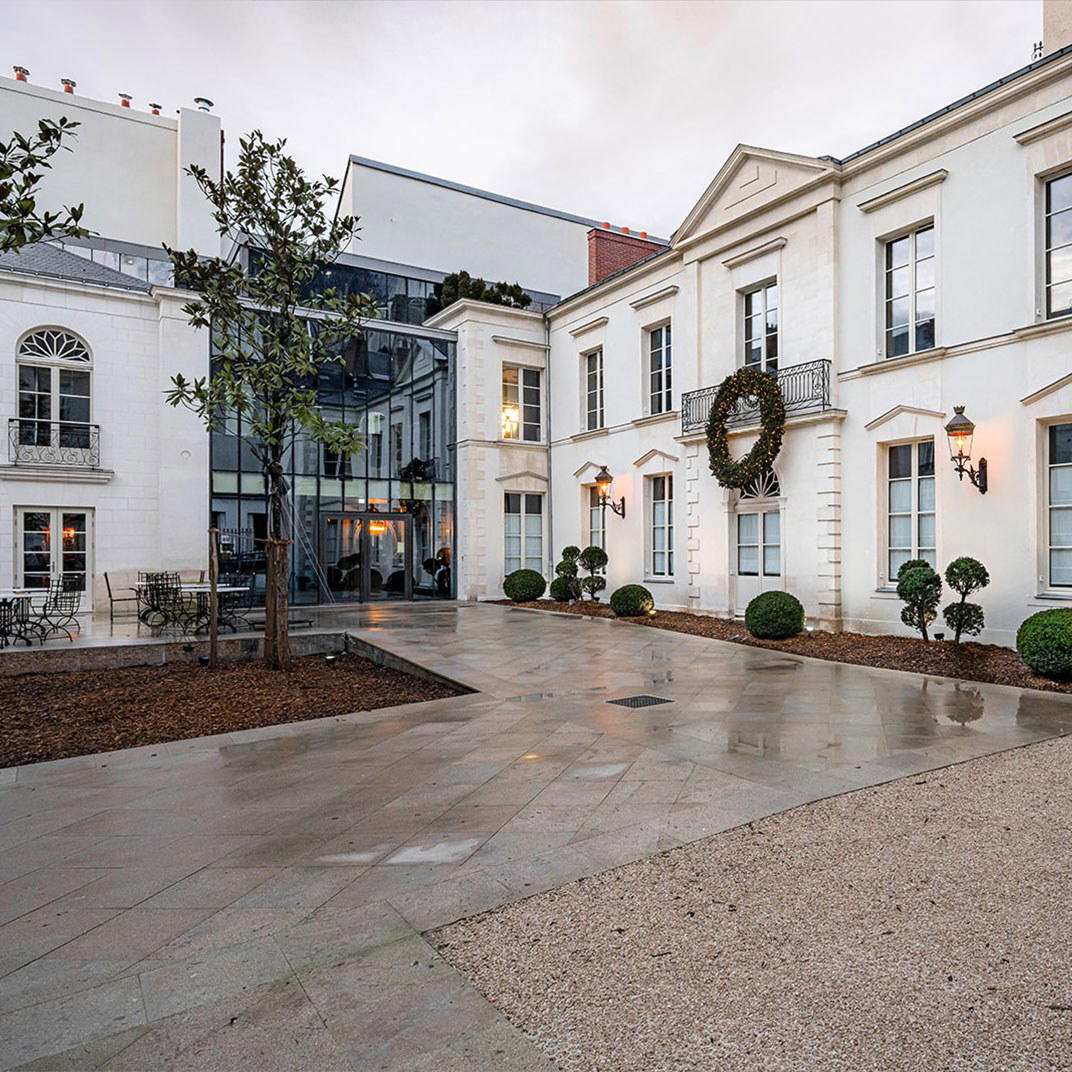
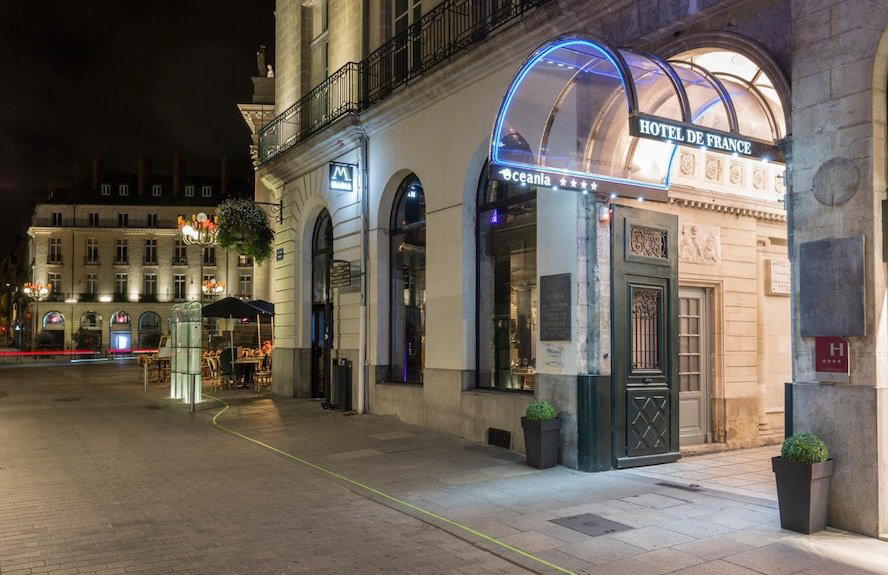

At a Glance
- Cozy
- Rustic
- Elegant
- Date Night
- Special Occasion
- Standalone
- Extensive Wine List
- Local Sourcing
Current opening hours
- Monday
- Closed
- Tuesday
- 12–1:30 PM
- Wednesday
- 12–1:30 PM, 7:30–9 PM
- Thursday
- 12–1:30 PM
- Friday
- 12–1:30 PM, 7:30–9 PM
- Saturday
- 12–1:30 PM, 7:30–9 PM
- Sunday
- Closed
Hours can change for holidays and private events. Last verified .
Warm, convivial village atmosphere with clean modern decor and smiling efficient service.