Auberge d’Aillon et d’Ailleurs
.png)
A Michelin Plate-recognised address in the Massif des Bauges, Auberge d'Aillon et d'Ailleurs brings modern cuisine to one of Savoie's quieter Alpine valleys. Rated 4.8 across 246 Google reviews, it operates at the €€€ price point, placing it comfortably above typical mountain auberge fare while remaining far removed from the circuit of destination restaurants that dominate France's fine-dining conversation.
 Discover on Pearl
Pearl is the En Primeur Club membership app — saves, bookings, and concierge access live there. Same editors, same standards.
- Address
- 795 Rte De La Correrie, 73340 Aillon-le-Jeune, France
- Phone
- +33 4 58 39 01 30
- Website
- aillon-ailleurs.com
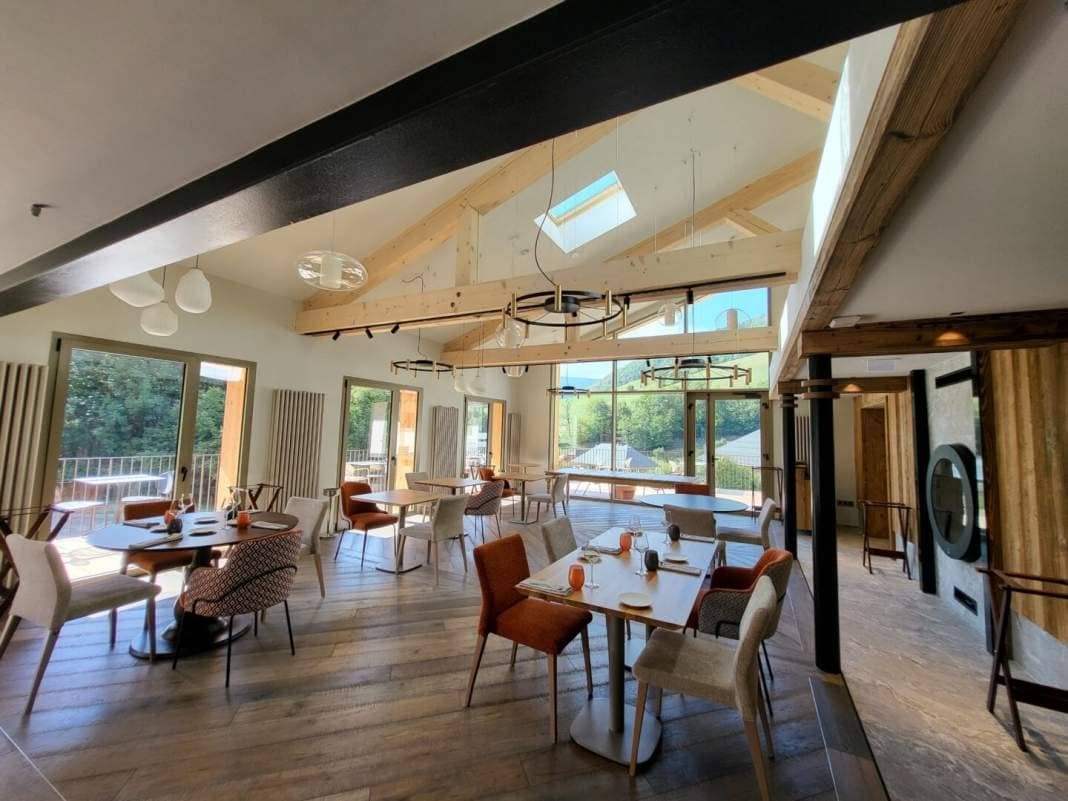
Where the Bauges Plateau Meets the Plate
The Massif des Bauges does not announce itself. There are no motorway signs counting down to it, no international airport nearby, and no celebrity chef empire attached to its slopes. What this protected natural area in Savoie offers instead is a coherent range of small-scale farming, mountain pasture, and a silence that urban France has largely traded away. Arriving at Aillon-le-Jeune along the winding road through the beech forests, the setting frames the meal before a single dish arrives. Auberge d'Aillon et d'Ailleurs sits within that context, and the name itself signals the tension at the heart of modern Alpine cooking: somewhere between here (d'Aillon) and elsewhere (d'Ailleurs).
That duality is a useful frame for understanding what happens at the better end of Savoyard mountain dining today. The old auberge formula, cheese-heavy, meat-forward, proudly local, has given way in some kitchens to a more outward-looking approach: local ingredients read through modern French technique, seasonal produce anchored to the plateau but finished with ideas that travel further. Auberge d'Aillon et d'Ailleurs sits in that evolving tier, holding Michelin Plate recognition in both 2024 and 2025, which places it in Michelin's quality-assured category below star level but clearly above the undifferentiated mass of regional restaurants.
The Sourcing Logic of a Mountain Table
Alpine cuisine at its most coherent is ingredient-led almost by necessity. The Massif des Bauges is designated as a Regional Natural Park, with production systems that favour small herds, short supply chains, and seasonal rhythm. Dairy is the signature output of this plateau: Tome des Bauges holds AOP status, one of the few Alpine cheeses with a protected designation tied to a specific mountain massif. The farms that supply restaurants in this area tend to operate at scales where the relationship between kitchen and producer is direct rather than mediated through distribution.
Modern cuisine in a setting like this works well when it treats those sourcing realities as structural rather than decorative. The risk in mountain cooking is always the reverse: importing prestige ingredients from elsewhere and using the Alpine address as atmosphere rather than substance. The Michelin Plate signal, earned consecutively, suggests the kitchen here has found a workable position. A Plate designation in the current Michelin framework indicates food quality worth a stop on a journey, assessed annually and awarded independently of setting or service theatrics. Holding it in back-to-back years points to consistency, which in a remote seasonal address is a more demanding achievement than it sounds.
For reference on how ingredient-driven mountain kitchens have scaled into full recognition, Flocons de Sel in Megève represents the upper end of that Alpine tradition, with three Michelin stars built around Haute-Savoie terrain. At the opposite extreme of setting and philosophy, Bras in Laguiole has spent decades demonstrating how a remote French landscape can generate a kitchen of international weight. Auberge d'Aillon et d'Ailleurs operates at a different altitude of ambition and price, but the underlying logic of rooting the plate in the specific territory around it belongs to the same tradition.
The Room and the Rhythm
Auberge-format dining in rural France carries specific expectations. The pace is slower, the room is typically embedded in a building with functional history rather than designed-for-purpose interiors, and the relationship between guest and kitchen is closer than in a city restaurant with separated brigade and dining room. The auberge classification itself implies a degree of integration between accommodation and restaurant culture.
A Google rating of 4.8 from 296 reviews is a meaningful signal in a village-scale setting, where the audience skews local, regional, and repeat rather than tourist-heavy. In larger cities, high review volumes can reflect marketing footprint as much as quality. In Aillon-le-Jeune, a rating sustained across that many reviews suggests genuine local confidence, the kind that builds through word-of-mouth in the valleys rather than viral visibility. That pattern matters when assessing whether a restaurant at this price point is delivering against its positioning or simply benefiting from limited competition.
France has a long tradition of auberges in remote settings that punch well above their geographic profile. Auberge de l'Ill in Illhaeusern and Auberge du Vieux Puits in Fontjoncouse are two of the clearest examples of how the format scales toward serious recognition. Auberge d'Aillon et d'Ailleurs operates in a different tier, but the category itself carries a lineage worth noting.
Planning a Visit
Aillon-le-Jeune sits within the Parc Naturel Régional du Massif des Bauges, roughly an hour from Chambéry and accessible by road through the Col du Frêne or via the valley approaches. The area functions as a ski station in winter and a hiking and cycling destination in warmer months, which means visitor flow is seasonal and the restaurant's operating calendar likely reflects that pattern. Booking ahead is advisable given the limited dining options at this altitude and the restaurant's consistent recognition. At about $60 per person, it is a deliberate dining choice rather than an incidental stop.
For those building a wider French Alpine or regional fine-dining itinerary, the comparison set extends in several directions. Troisgros in Ouches, Paul Bocuse in Collonges-au-Mont-d'Or, and Assiette Champenoise in Reims anchor the upper tier of French regional dining outside Paris. At the creative end of the spectrum, Mirazur in Menton and AM par Alexandre Mazzia in Marseille show how terrain-rooted cooking translates into international recognition. Urban anchors like Alléno Paris au Pavillon Ledoyen and Au Crocodile in Strasbourg complete a picture of the range within French fine dining. For context beyond France altogether, Frantzén in Stockholm and FZN by Björn Frantzén in Dubai illustrate how modern cuisine has extended the same sourcing logic across very different geographies.
At-a-Glance Comparison
Comparable venues nearby, for context on price, style, and recognition.
| Venue | Cuisine | Price | Awards | Notes |
|---|---|---|---|---|
| Auberge d’Aillon et d’AilleursThis venue — the venue you are viewing | Modern French Savoyard | $$$ | Michelin Plate | |
| Au Chamois d'Or | Alpine French Bistro | $$$ | Michelin Plate | L'Alpe d'Huez |
| La Fine Fourchette | Modern French Fine Dining | $$$ | Michelin Plate | Virignin |
| Mazette ! | French Bistro with Alsatian Influences | $$$ | Michelin Plate | Faubourg Sainte-Claire |
| Bec | Modern French Savoie Cuisine | $$$ | Michelin Plate | Duingt |
| Choral | Modern French with Asian Fusion | $$$ | Michelin Plate | Romains |
Continue exploring
More in Aillon-le-Jeune
Restaurants in Aillon-le-Jeune
Browse all →
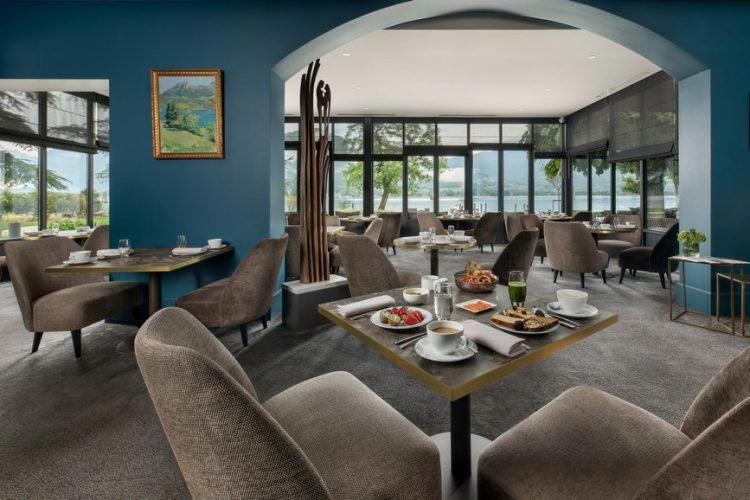
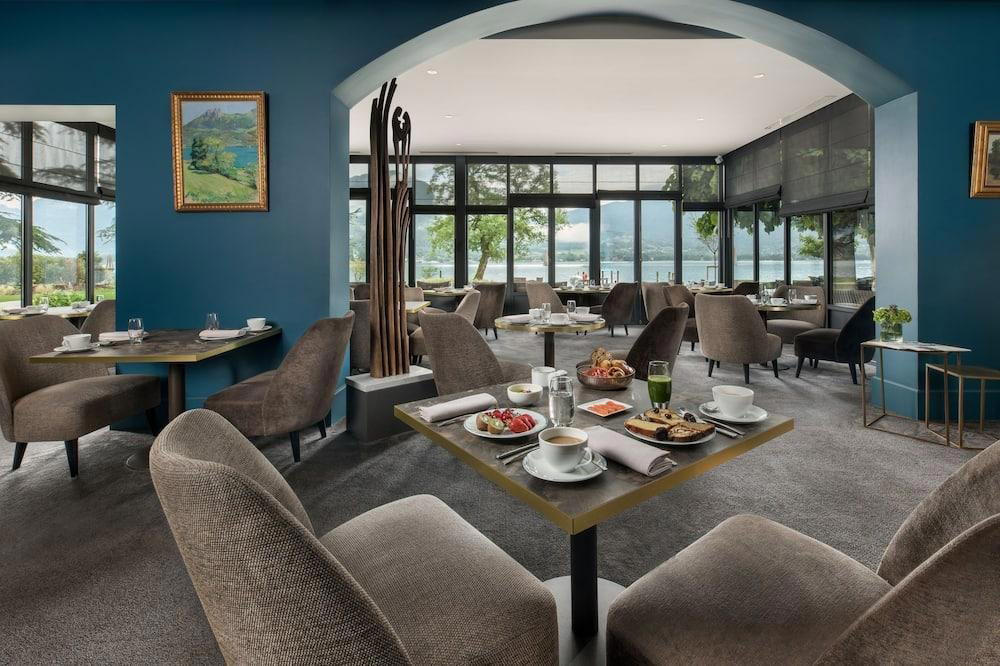
Bars in Aillon-le-Jeune
Browse all →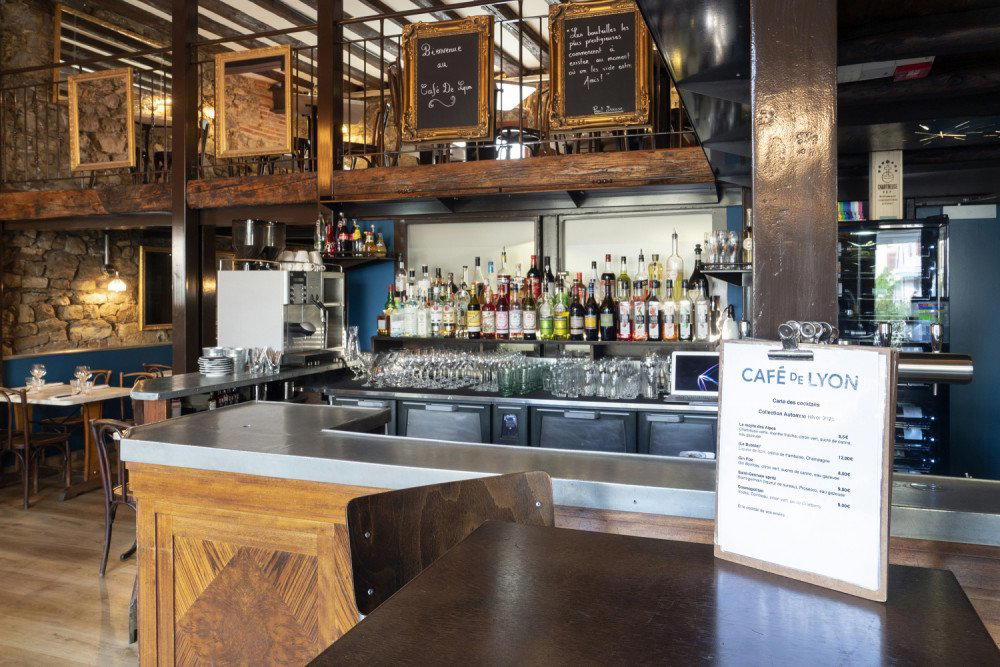
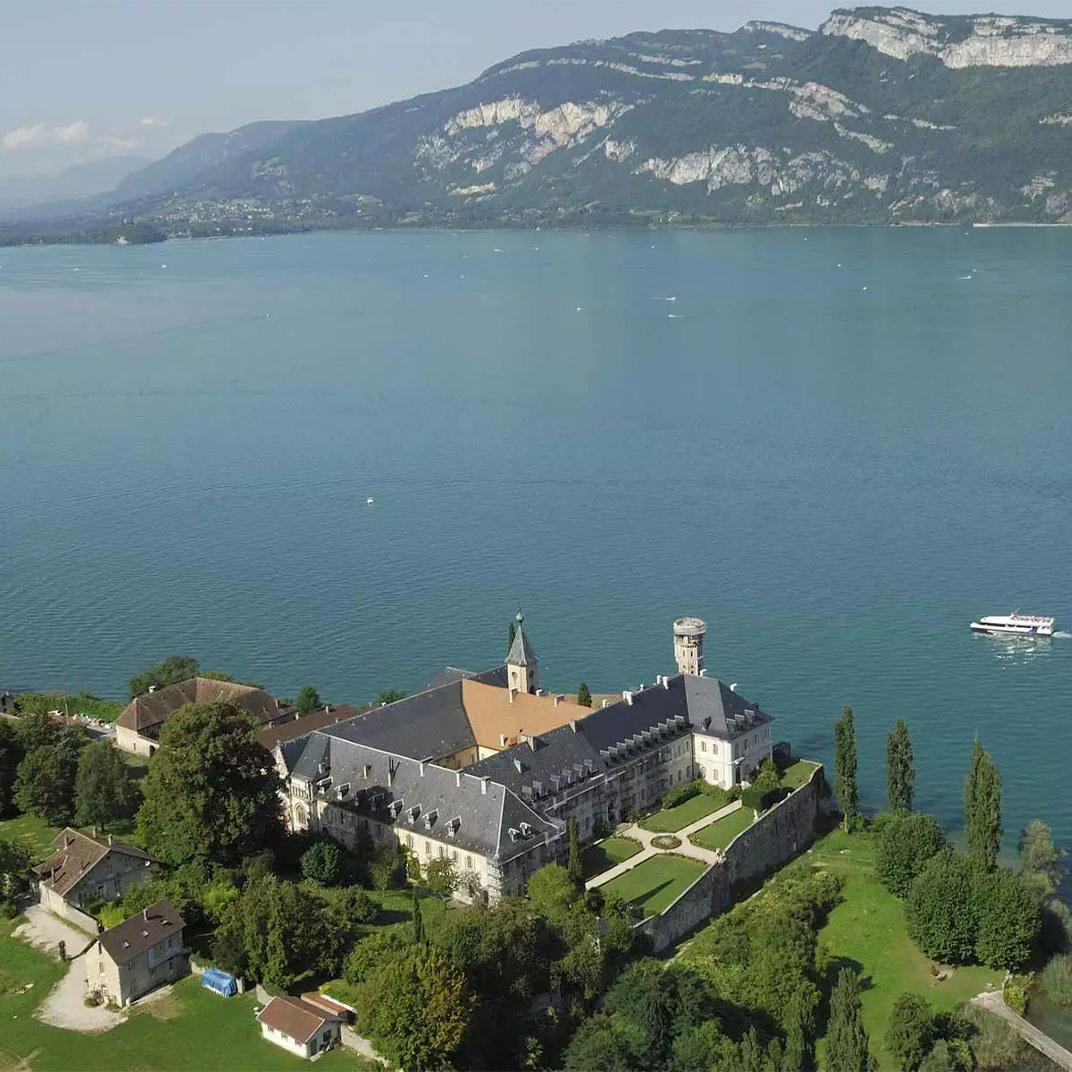
At a Glance
- Rustic
- Cozy
- Elegant
- Scenic
- Special Occasion
- Date Night
- Hotel Restaurant
- Garden
- Terrace
- Local Sourcing
- Mountain
- Garden
Ambiance chaleureuse et rustique avec bois et pierre, calme et accueillante comme à la maison, terrasse en été.