Attrå occupies a corner of Storgata in Larvik, a coastal town in Vestfold where proximity to the Oslofjord and surrounding farmland shapes what ends up on the plate. The restaurant sits within Norway's growing circuit of regionally grounded destination dining, where sourcing geography rather than chef celebrity defines the editorial story.
 Discover on Pearl
Pearl is the En Primeur Club membership app — saves, bookings, and concierge access live there. Same editors, same standards.
- Address
- Storgata 41, 3256 Larvik, Norway
- Phone
- +4792021374
- Website
- attraarestaurant.no
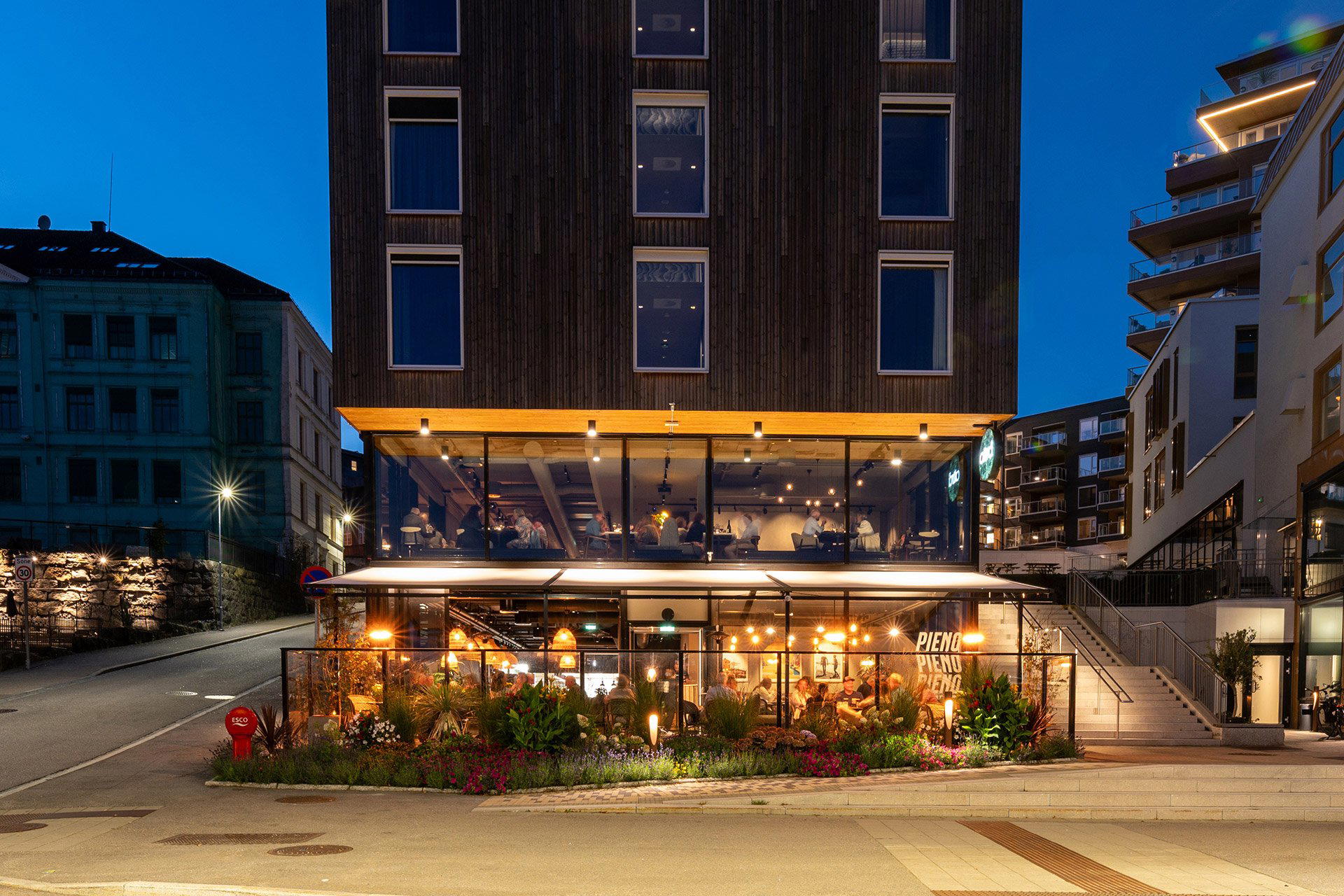
Larvik and the Coastal Larder
Vestfold, the narrow coastal county stretching south of Oslo along the western shore of the Oslofjord, has quietly built one of Norway's more coherent regional food identities. Cold, clean water produces shellfish and fish of notable quality; the farmland inland from the fjord yields dairy, grain, and game that track the seasons in ways supermarket supply chains cannot replicate. Larvik sits at the county's southern edge, a working harbour town with a shipbuilding past and a growing reputation as a place where the supply chain between producer and plate is short enough to matter.
The address, Storgata 41, places Attrå on the main commercial artery running through the town centre. Arriving on foot from the harbour, you pass the kind of low-brick architecture that typifies Norwegian coastal towns built out in the nineteenth century, functional and without ornament. The dining room registers as a departure from that register: interior temperature, the quality of ambient light, and the pace of service signal intention before the menu arrives.
Where Attrå Sits in the Norwegian Dining Circuit
Norway's fine dining conversation has been shaped for more than a decade by a handful of restaurants in the major cities: Maaemo in Oslo, RE-NAA in Stavanger, and Speilsalen in Trondheim represent the award-holding tier that draws international attention. Bergen's Lysverket and the architecturally singular Under in Lindesnes have extended that conversation into new geography and format. What has followed, across the last several years, is a second wave of serious kitchens operating outside those anchor cities, places where the sourcing argument is local enough to be verifiable and the cooking ambitious enough to warrant the trip.
Attrå belongs to that second wave. Larvik is not Oslo, and the restaurant does not position itself against the capital's multi-Michelin tier. The more relevant comparable set includes destination kitchens in similarly sized Norwegian towns: Glime Restaurant in Hardanger Fjord, MiraBelle by Ørjan Johannessen in Bekkjarvik, and Restaurant 1893 in Stokmarknes, each operating in a smaller city or coastal settlement where the surrounding landscape functions as both larder and argument. The same pattern holds further inland: Vianvang in Vågå and Buer Restaurant in Odda make related cases for mountain and valley sourcing. Across all of them, the editorial logic is consistent: the distance between ingredient origin and kitchen is kept short enough that the season is the menu.
The Sourcing Frame: Why Geography Precedes Technique
Norway's New Nordic framework, which has now been in circulation long enough to have its own critical literature, made a structural argument about sourcing before it made any argument about technique. The claim was that Northern European ingredients, treated with the right level of skill and without reference to French classical hierarchy, could produce cooking that was both rigorous and specific to place. That argument has held more convincingly in restaurants with a demonstrable, short-radius supply chain than in those that adopted the aesthetic vocabulary without the underlying geography.
Vestfold's position makes the geographical argument direct. The Oslofjord system produces flatfish, crustaceans, and cold-water species that carry the salinity and texture of their environment. The county's farms, operating in a climate mild enough by Norwegian standards to support varied cultivation, supply vegetables, dairy, and meat on seasonal cycles that a kitchen this size can track closely. Restaurants like Sjøslag, also in Larvik, work the same supply network, which suggests the town has developed enough supplier infrastructure to support more than one kitchen with genuine regional ambition.
The sourcing frame matters for how you read a meal here. Dishes change with the season in ways that are consequential rather than cosmetic, because the underlying ingredient changes. A spring plate built around early coastal herbs and cold-water species carries different structural logic than an autumn plate anchored by root vegetables and aged dairy. The kitchen's job, in this framework, is to make that logic legible on the plate without overstating it.
The Broader Pattern: Small-City Destination Dining in Norway
The growth of serious kitchens in smaller Norwegian towns reflects two pressures converging. The first is economic: rents and labour costs in Oslo and Bergen have compressed the margin available to ambitious independent restaurants. The second is editorial: the sourcing argument that underpins New Nordic cooking is more convincing when the restaurant is physically proximate to its suppliers. A kitchen in a coastal or rural town can make credible claims about ingredient provenance that a city-centre restaurant, regardless of its supplier relationships, cannot quite replicate in terms of narrative distance.
This shift has created a circuit of destination dining that runs along Norway's coastline and into its inland valleys. Readers making a dedicated food trip to Norway increasingly plan itineraries that connect multiple cities and regions rather than concentrating exclusively in Oslo. Lily Country Club in Kløfta, Boen Gård in Tveit, Smag & Behag Grimstad in Grimstad, and Hvelvet in Lillehammer are each part of that extended circuit, as are international reference points for the same format logic: Le Bernardin in New York City built its identity around a single-category sourcing commitment, and Lazy Bear in San Francisco shows what a ticketed, communal-format kitchen can do with a tight, seasonal supply chain. The underlying principle travels across geographies: when sourcing is the primary editorial statement, proximity to origin is the credential.
Planning Your Visit
Larvik is accessible by train from Oslo, with journey times on the Vestfold line running under two hours from Oslo Central Station. The town is compact enough that Storgata 41 is walkable from the railway station. Attrå is recommended for reservations and follows these opening hours: Mon: Closed; Tue: 5–10 PM; Wed: 5–10 PM; Thu: 5–10 PM; Fri: 5 PM–1 AM; Sat: 5 PM–1 AM; Sun: Closed. For visitors planning a wider sweep of Vestfold dining, the county's road network connects Larvik to Tønsberg and Sandefjord within thirty minutes, making it feasible to anchor a two-night stay and cover multiple restaurants across the region.
Quick Comparison
Comparable venues nearby, for context on price, style, and recognition.
| Venue | Cuisine | Price | Awards |
|---|---|---|---|
| AttråThis venue — the venue you are viewing | |||
| Maaemo | New Nordic, Modern Cuisine | €€€€ | Michelin 3 Star |
| RE-NAA | New Nordic, Creative | €€€€ | Michelin 3 Star |
| Kontrast | New Nordic, Scandinavian | €€€€ | Michelin 2 Star |
| Speilsalen | Nordic , Contemporary | €€€€ | Michelin 1 Star |
| FAGN | Nordic , Modern Cuisine | €€€ | Michelin 1 Star |
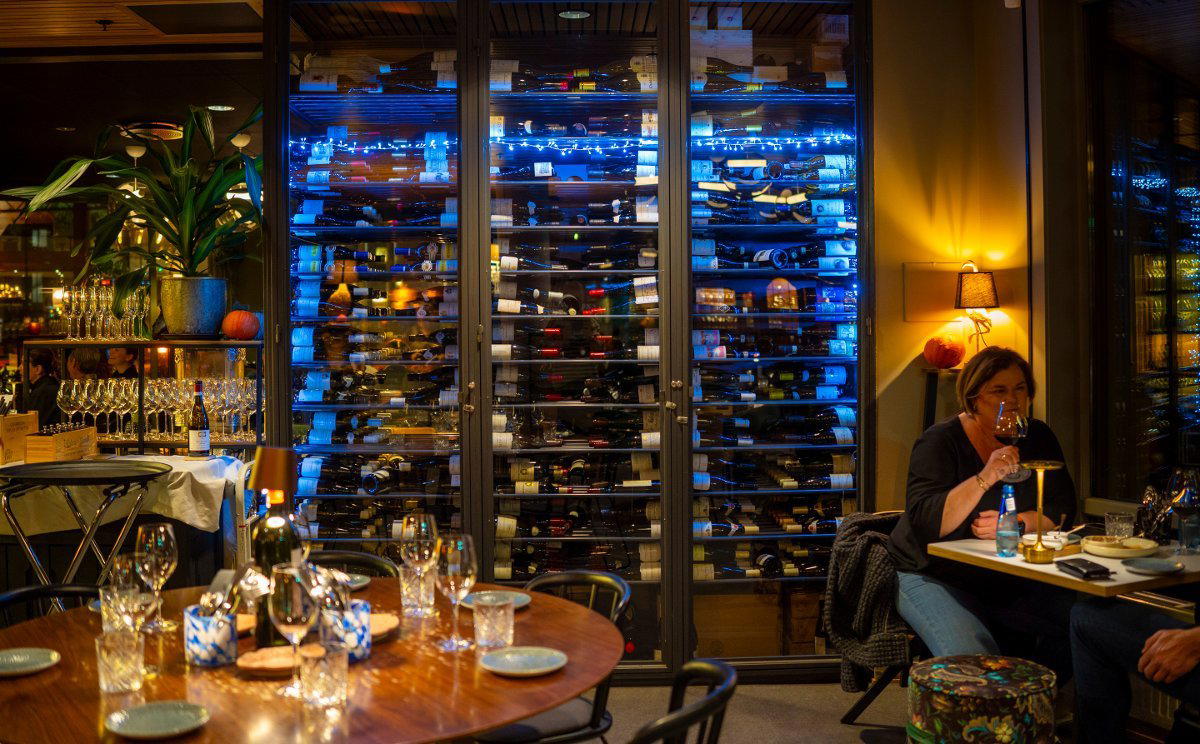
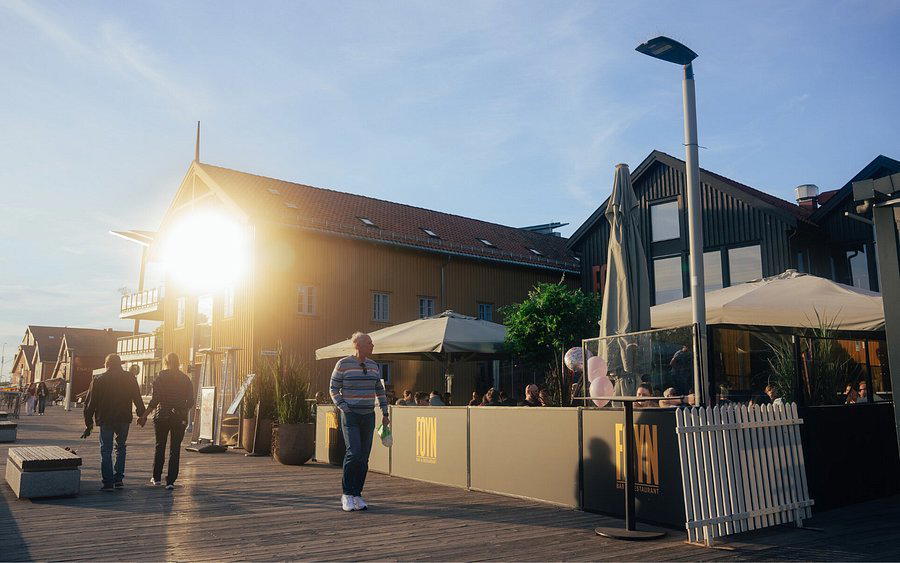
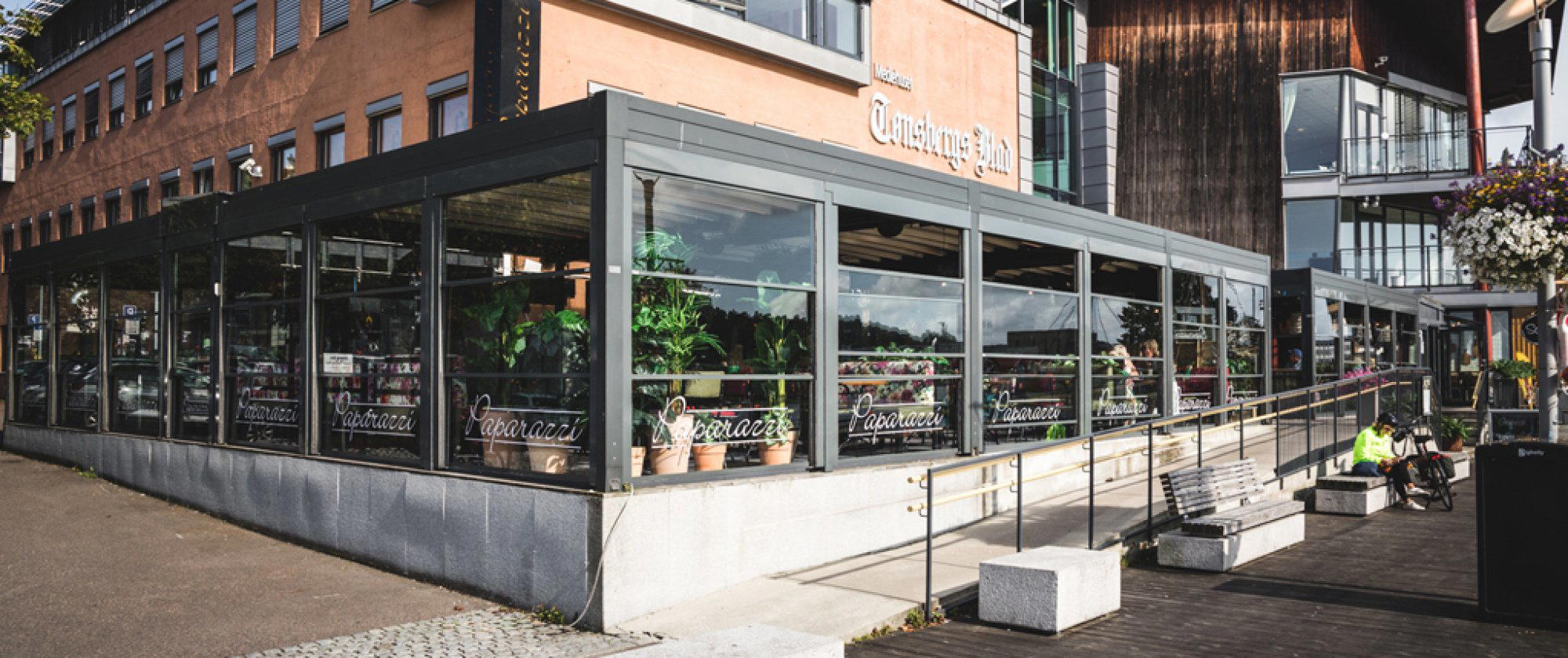
At a Glance
- Elegant
- Modern
- Intimate
- Sophisticated
- Date Night
- Special Occasion
- Open Kitchen
- Extensive Wine List
- Waterfront
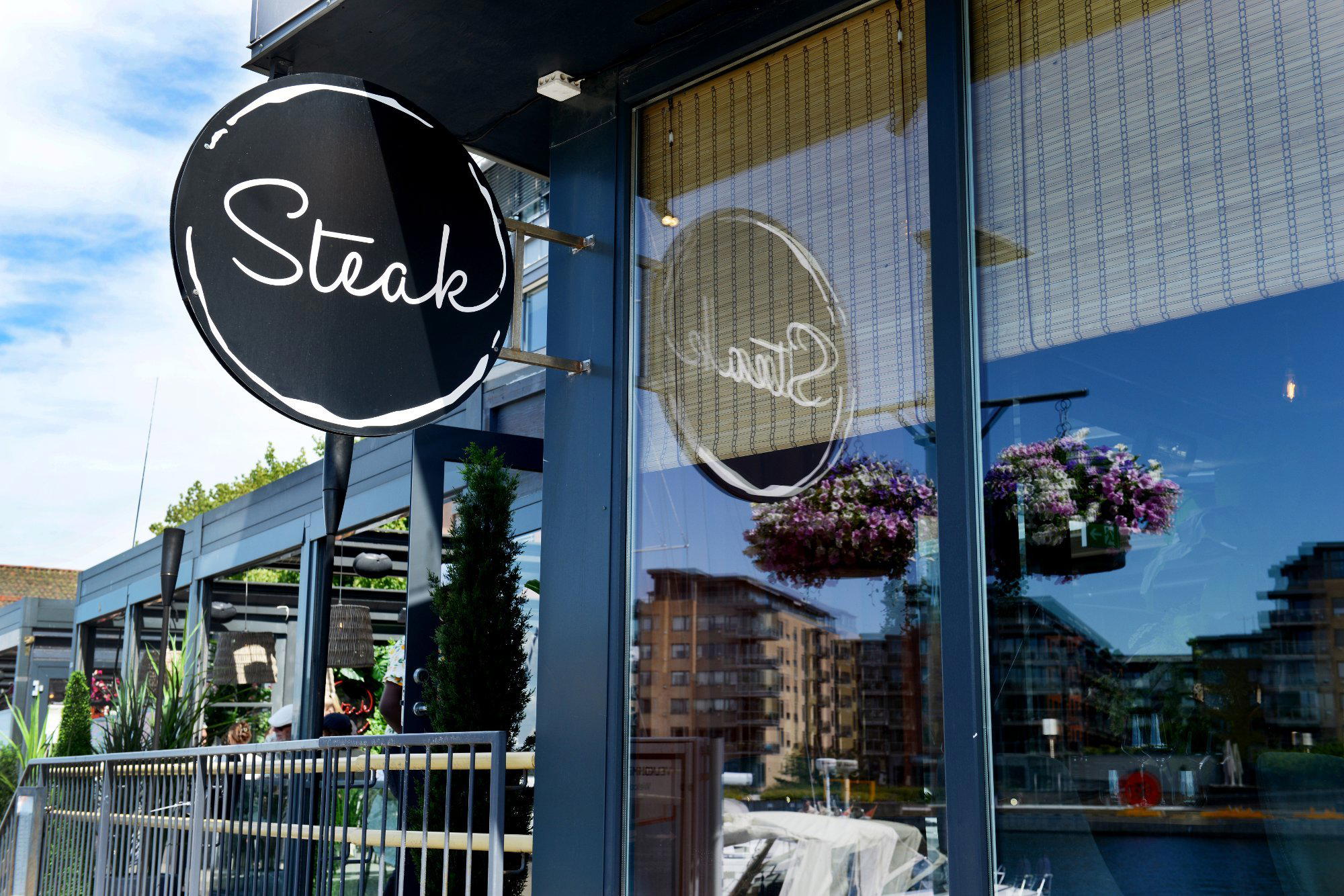
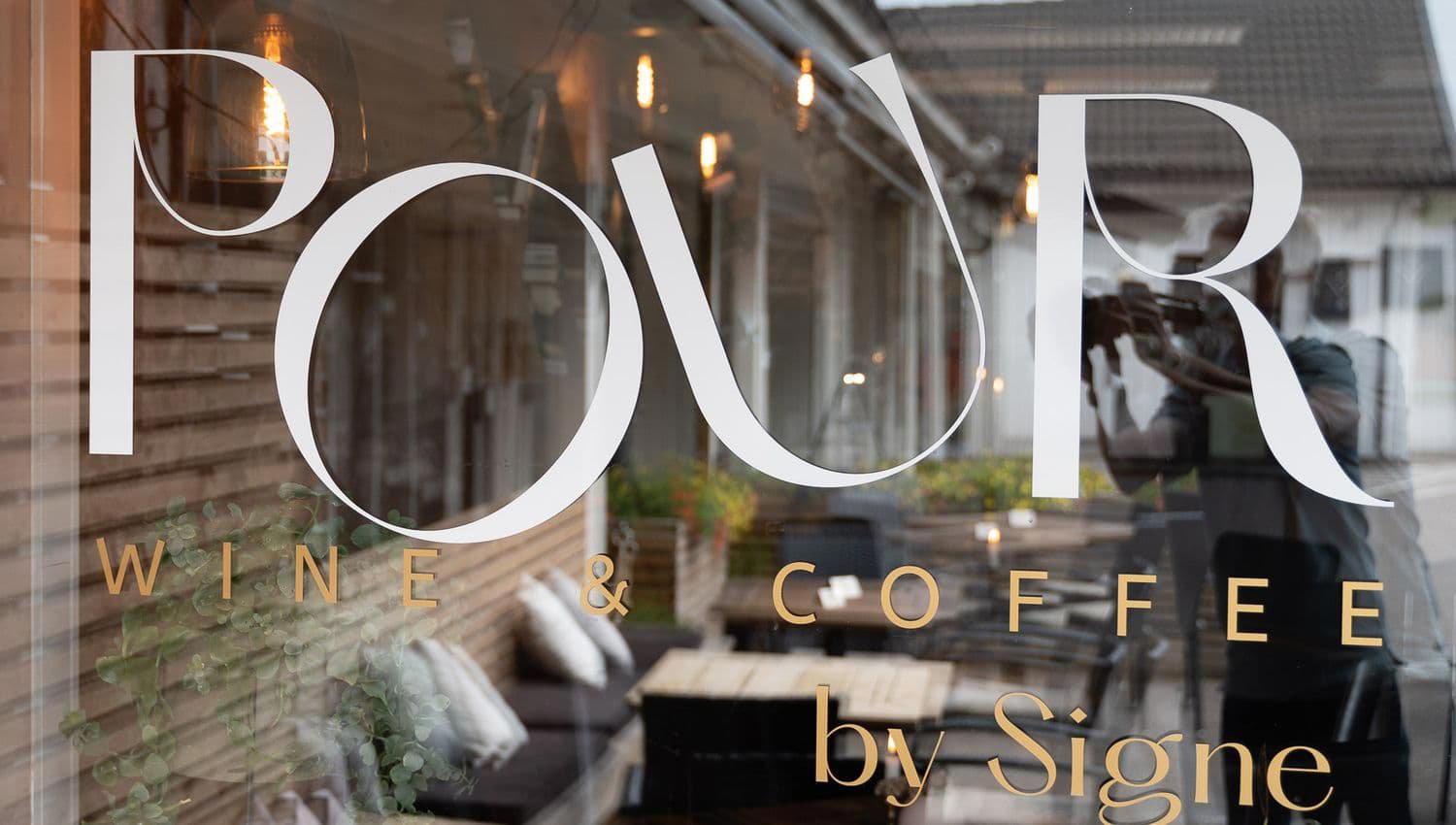
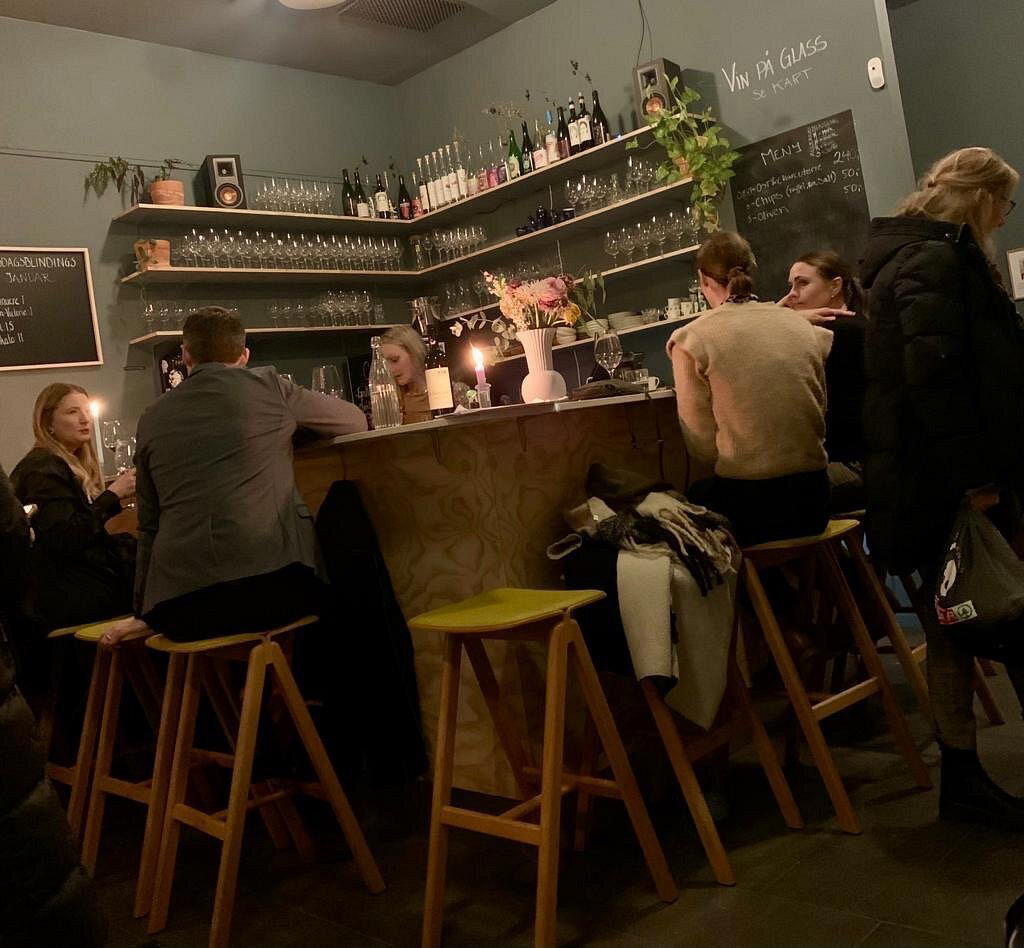
Cozy and atmospheric with carefully designed lighting enhancing distinct dining experiences across floors, complemented by sea views and a welcoming vibe.