
Set within The St. Regis Mauritius Resort on the Le Morne Peninsula, Atsuko occupies a corner of the island where resort dining has quietly become a serious proposition. The restaurant sits in a competitive tier defined by sourcing discipline and setting, placing it alongside a small cohort of Indian Ocean tables where geography shapes the menu as much as the kitchen does.
Pearl is the En Primeur Club membership app — saves, bookings, and concierge access live there. Same editors, same standards.
- Address
- The St. Regis Mauritius Resort, Le Morne Peninsula, Le Morne, Mauritius, MU
- Directions
- Get directions
 Saves & bookings on Pearl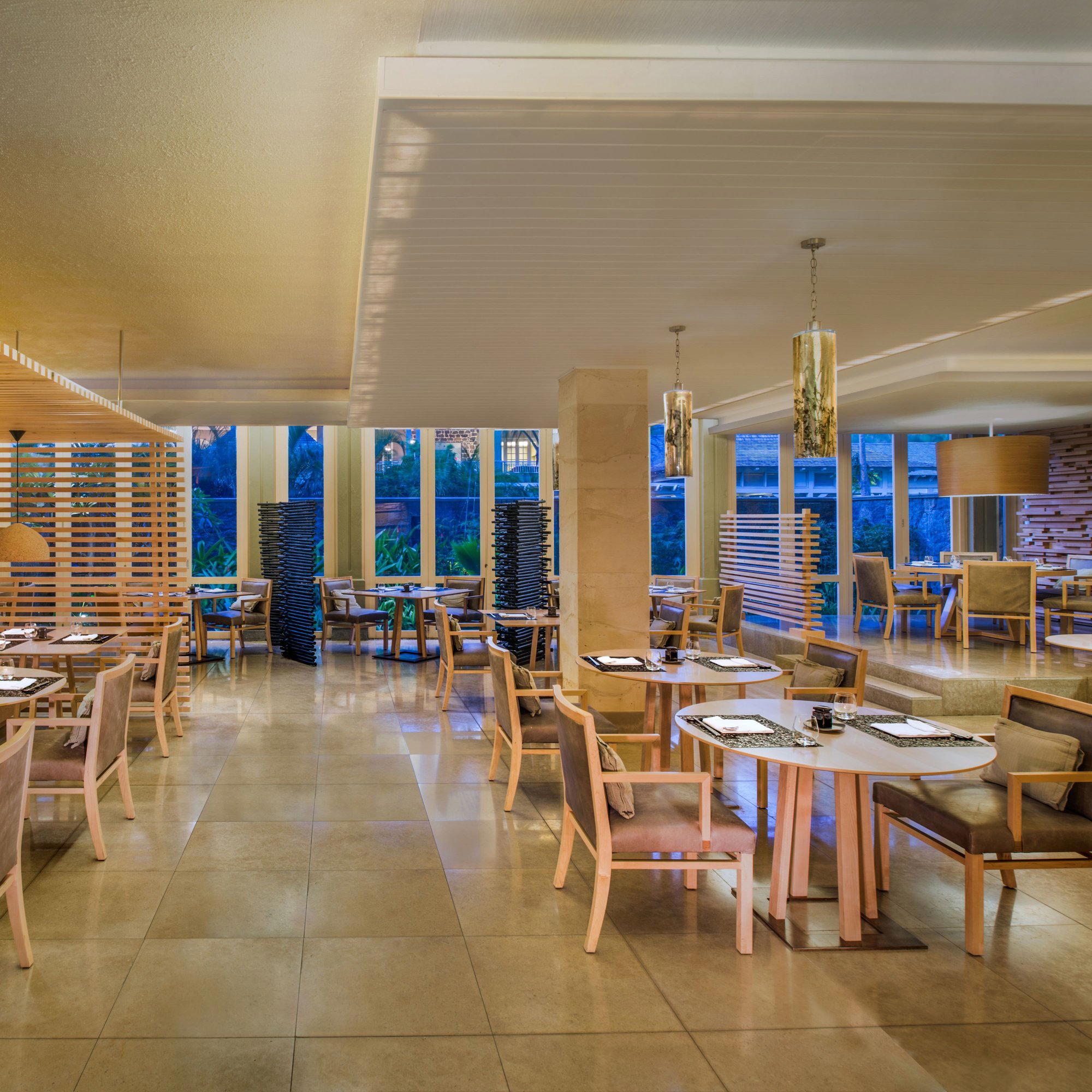
Where the Indian Ocean Shapes the Plate
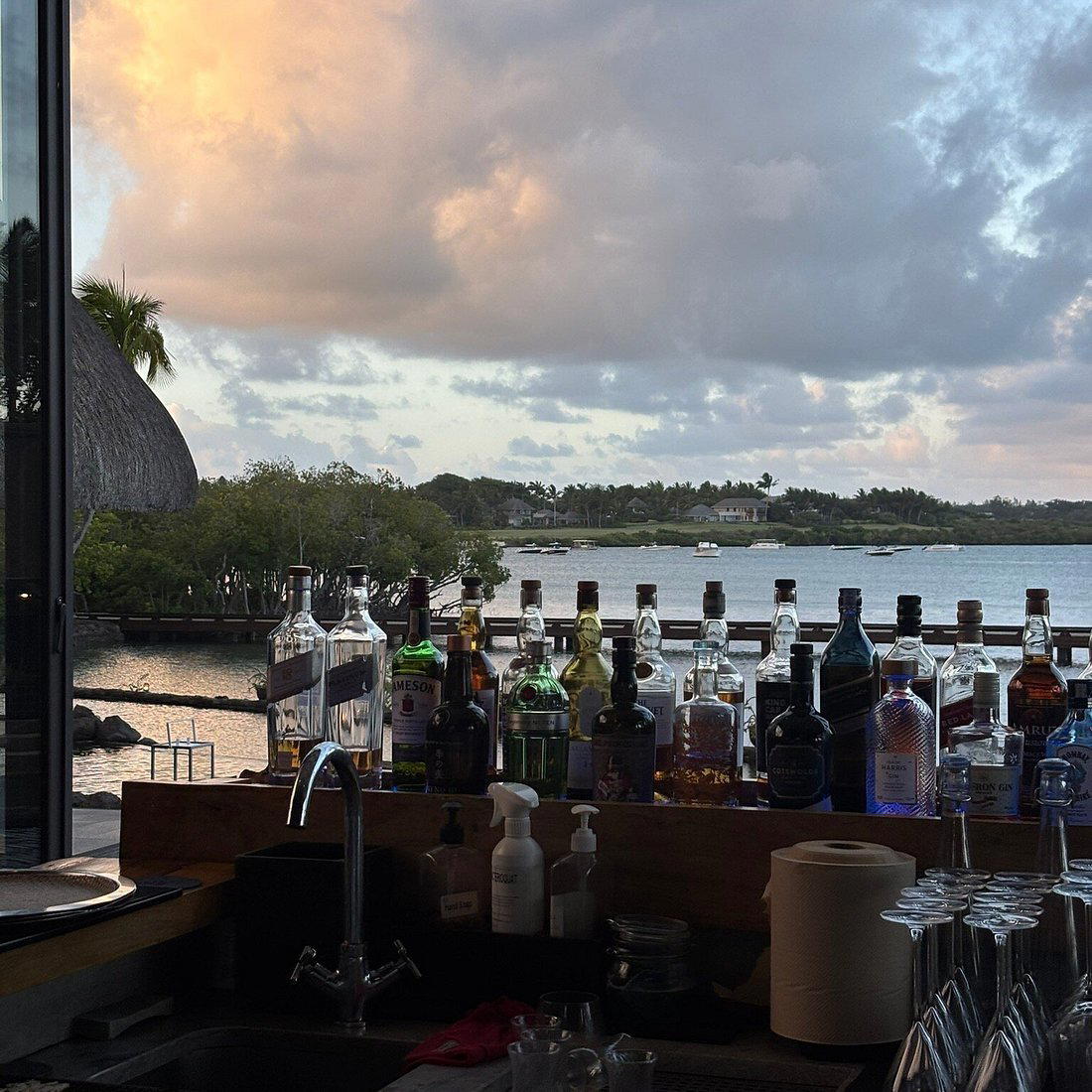
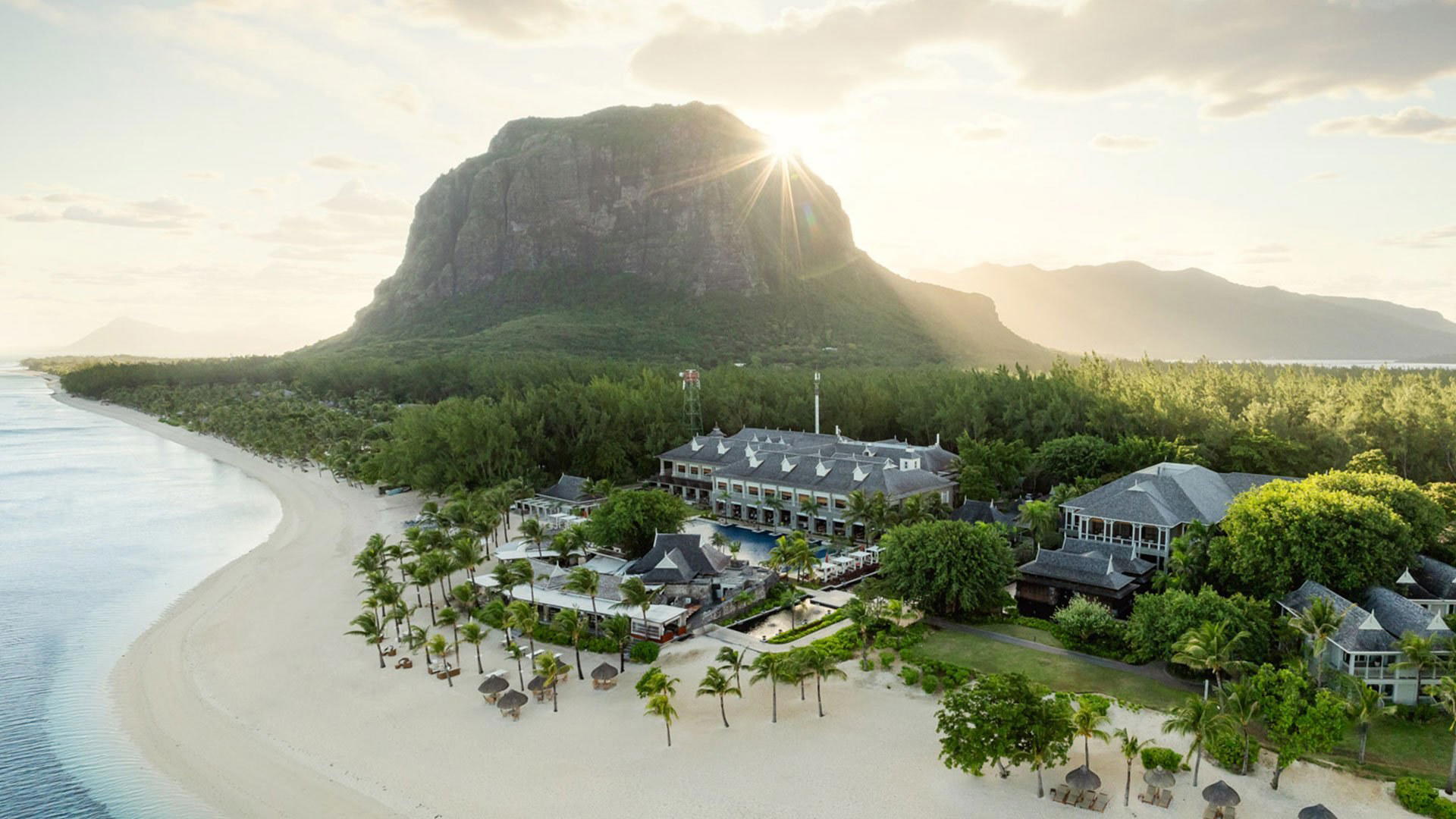
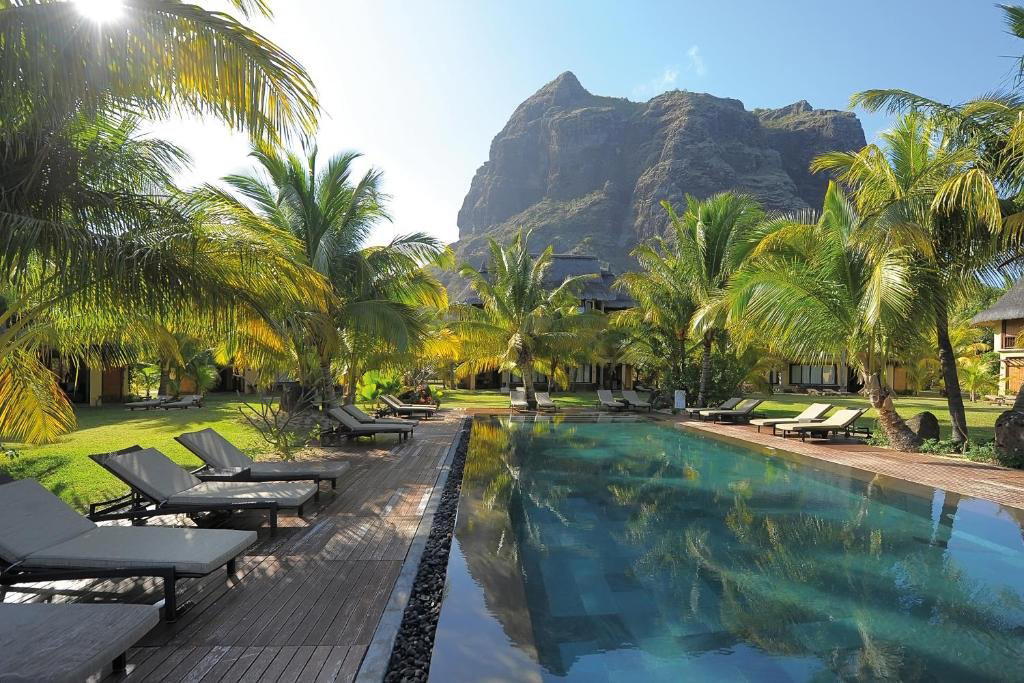
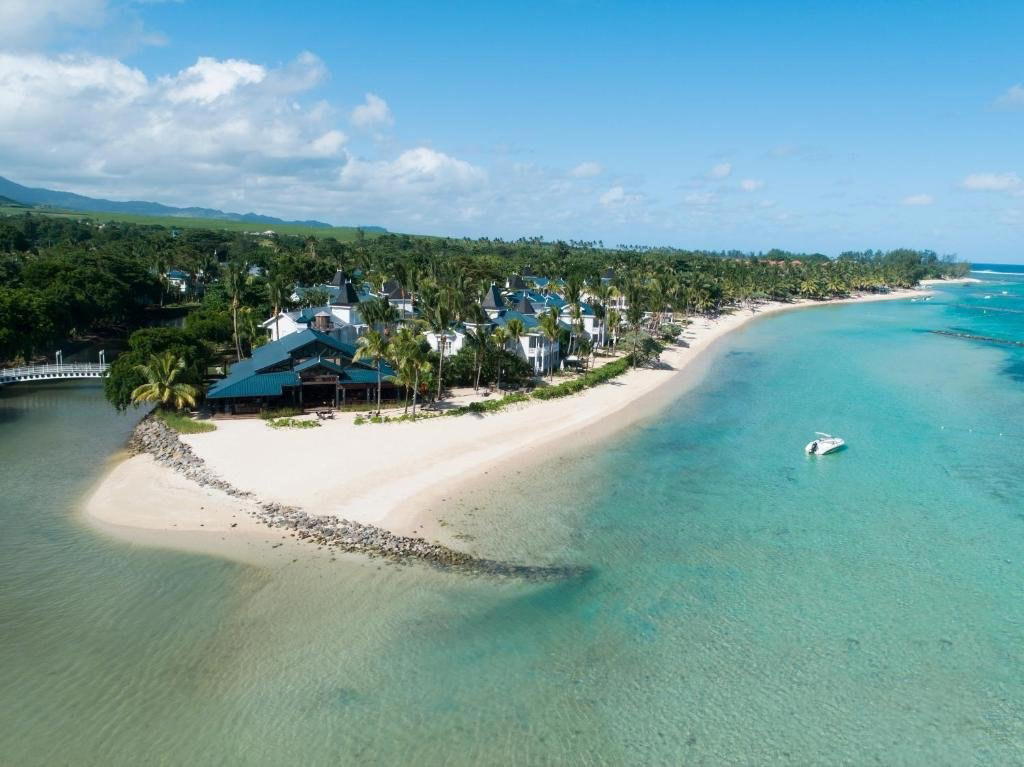
The Le Morne Peninsula is one of those geographical conditions that forces a kitchen to reckon with its surroundings. The basalt mountain behind, the lagoon in front, the reef beyond that, the physical facts of the location are not decoration. For a restaurant operating within The St. Regis Mauritius Resort on this peninsula, they are constraints and opportunities in equal measure. Atsuko is a restaurant at The St. Regis Mauritius Resort in Le Morne, Mauritius. It serves Japanese with Teppanyaki in a smart casual setting, with dinner shaped by the peninsula's geography and island sourcing.
That question matters more in Mauritius than in most places. The island sits roughly 900 kilometres east of Madagascar, which means everything imported arrives at a cost, logistical, financial, and increasingly, reputational. The dining rooms that have earned lasting regard in this region, whether at properties along the east coast or at restaurants like Archipel at Constance Prince Maurice, tend to be the ones that have stopped treating local sourcing as a compromise and started treating it as a credential.
The Sourcing Logic of Island Cooking
Mauritius has a genuine larder, though it takes effort to map. The waters around the peninsula yield skipjack, wahoo, marlin, and red snapper depending on season and weather. The island's volcanic interior supports vanilla cultivation, palm hearts, and a range of tropical produce that rarely makes it into resort kitchens unchanged. The Creole tradition, itself a layered synthesis of African, Indian, French, and Chinese influences, has always known how to work with these ingredients. What changes at the level of a St. Regis property is the expectation of formal technique meeting that local base material.
This is the same dynamic you see in ambitious resort restaurants elsewhere: at One & Only Le Saint Géran in Belle Mare, where the east-coast setting shapes a similar sourcing conversation, or further afield at properties in Southeast Asia where local ingredients have been reframed through European technical frameworks. The risk in that approach is always the same, that the technique overwhelms the ingredient's identity. The reward, when it works, is a menu that could not have been assembled anywhere else.
Within Le Morne itself, the dining options spread across a spectrum. Simply India addresses the peninsula's significant Indian culinary heritage directly, while The Boathouse Bar & Grill takes a more relaxed, water-adjacent approach. Atsuko sits in a different register, the kind of formal dining room that a luxury resort of this tier fields as its flagship or near-flagship table.
The St. Regis Context
Resort restaurants carry a particular burden: they must function both as destination dining for guests already on property and as a reason to travel for those who are not. The St. Regis brand operates globally in a tier where food and beverage programming is treated as a serious component of the overall offer, not a hospitality afterthought.
Mauritius has seen more resort dining rooms take sourcing and technique seriously in recent years. Properties on the east and north coasts have invested in wine programs, tasting menu formats, and ingredient-forward approaches that would have seemed ambitious for the island twenty years ago. Archipel Wine Cellar in Pointe de Flacq represents one end of that maturation, a dedicated wine-led experience that signals how seriously the island's premium hospitality sector has started treating the full dining proposition. Spoon des Iles offers another reference point, with its Creole inflection on a more internationally framed format.
What distinguishes the Le Morne end of the island is the setting's drama. The UNESCO-listed mountain looming over the peninsula creates an atmosphere that the east coast's flatter, more manicured resort zones simply cannot replicate. Approaching or sitting within a restaurant here, the landscape insists on itself in a way that shapes the experience before a single dish arrives.
Planning a Visit
Atsuko sits within The St. Regis Mauritius Resort, and reservations are recommended. The remote position of the resort is part of its proposition: the peninsula offers a degree of seclusion that more centrally located properties cannot.
Those familiar with the ambition levels at rooms like Alain Ducasse's Louis XV in Monte Carlo, 8½ Otto e Mezzo Bombana in Hong Kong, or Amber in Hong Kong will arrive with calibrated expectations. Atsuko is a serious resort restaurant in a location that gives it both constraints and advantages that a city room never has.
At-a-Glance Comparison
Comparable venues nearby, for context on price, style, and recognition.
| Venue | Cuisine | Price | Notes |
|---|---|---|---|
| AtsukoThis venue — the venue you are viewing | Japanese with Teppanyaki | $$$$ | Not listed |
| Simply India | Modern Indian Cuisine | $$$$ | Le Morne |
| The Boathouse Bar & Grill | Mediterranean Beach Grill | $$$$ | Le Morne |
| Archipel Wine Cellar | Contemporary International with Mauritian Twist | $$$$ | Pointe de Flacq |
| La Maison 20 Degrés Sud | Fusion with local and international influences | $$$$ | Pointe aux Canonniers |
| Floating Market | Pan-Asian Fusion (Thai, Malay, Vietnamese, Indonesian, Singaporean) | $$$ | Le Morne Peninsula |
Recognition history
Dated appearances from independent guides and award organizations, with the underlying list record or original source where available.
World Culinary Awards Mauritius's Best Hotel Restaurant 2025 #1
World Culinary Awards
At a Glance
- Serene
- Elegant
- Intimate
- Date Night
- Special Occasion
- Open Kitchen
- Hotel Restaurant
- Waterfront
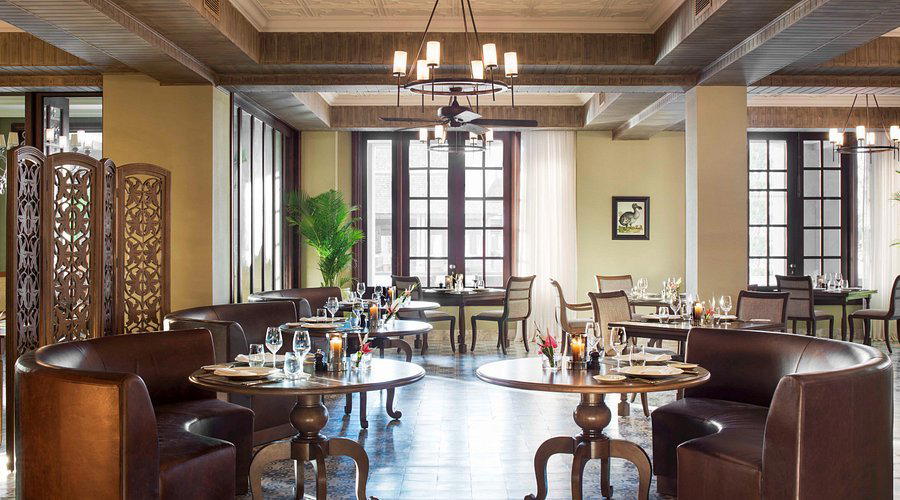
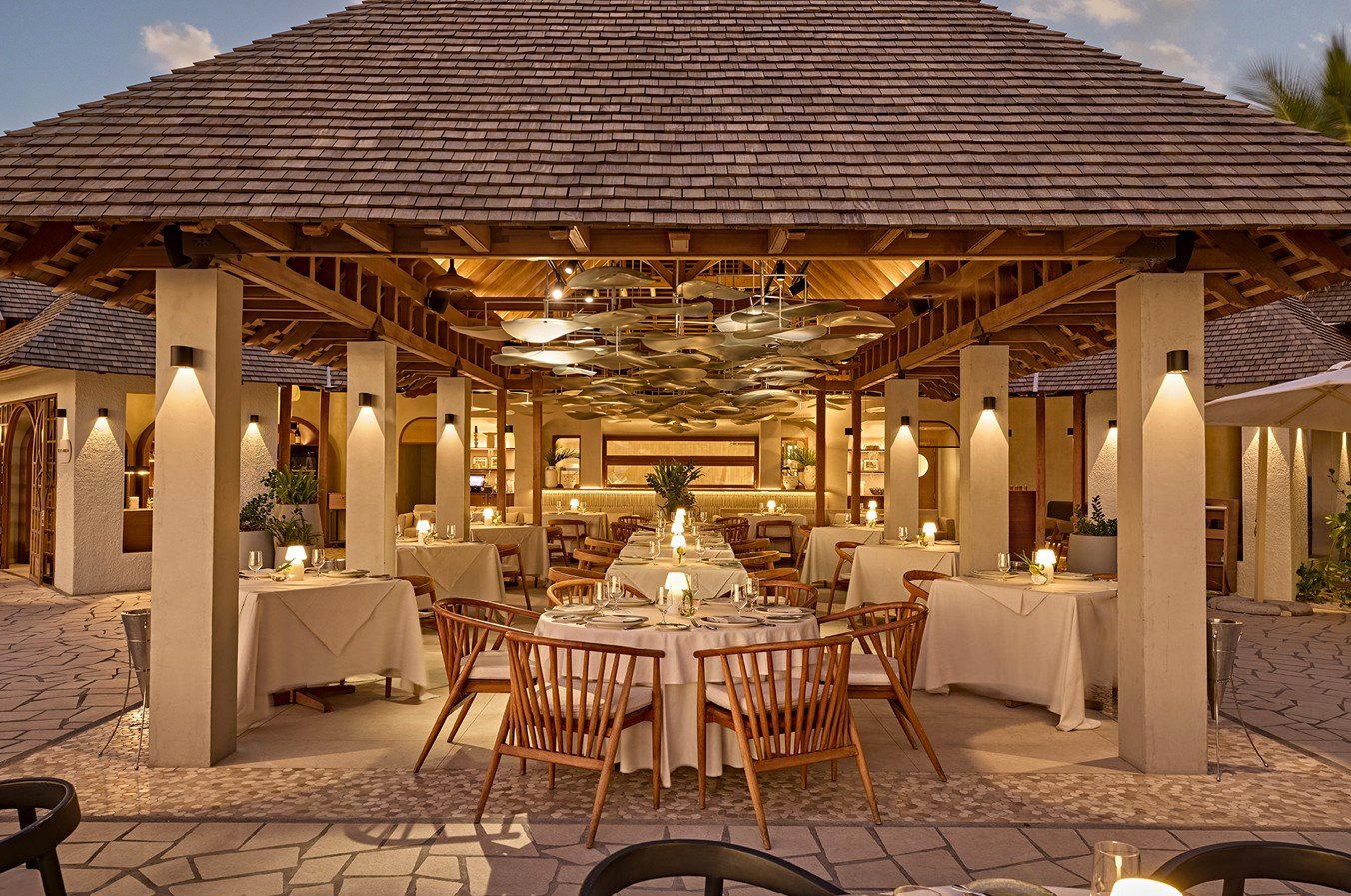
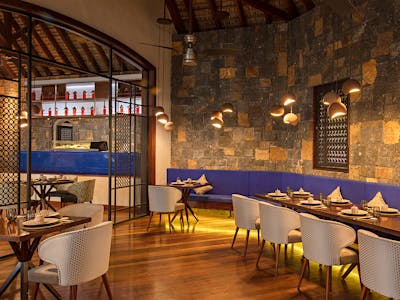
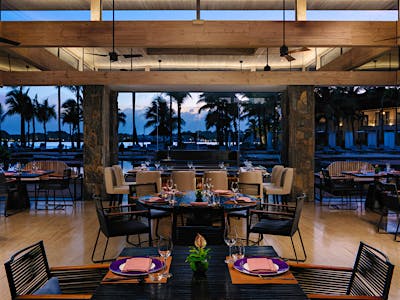
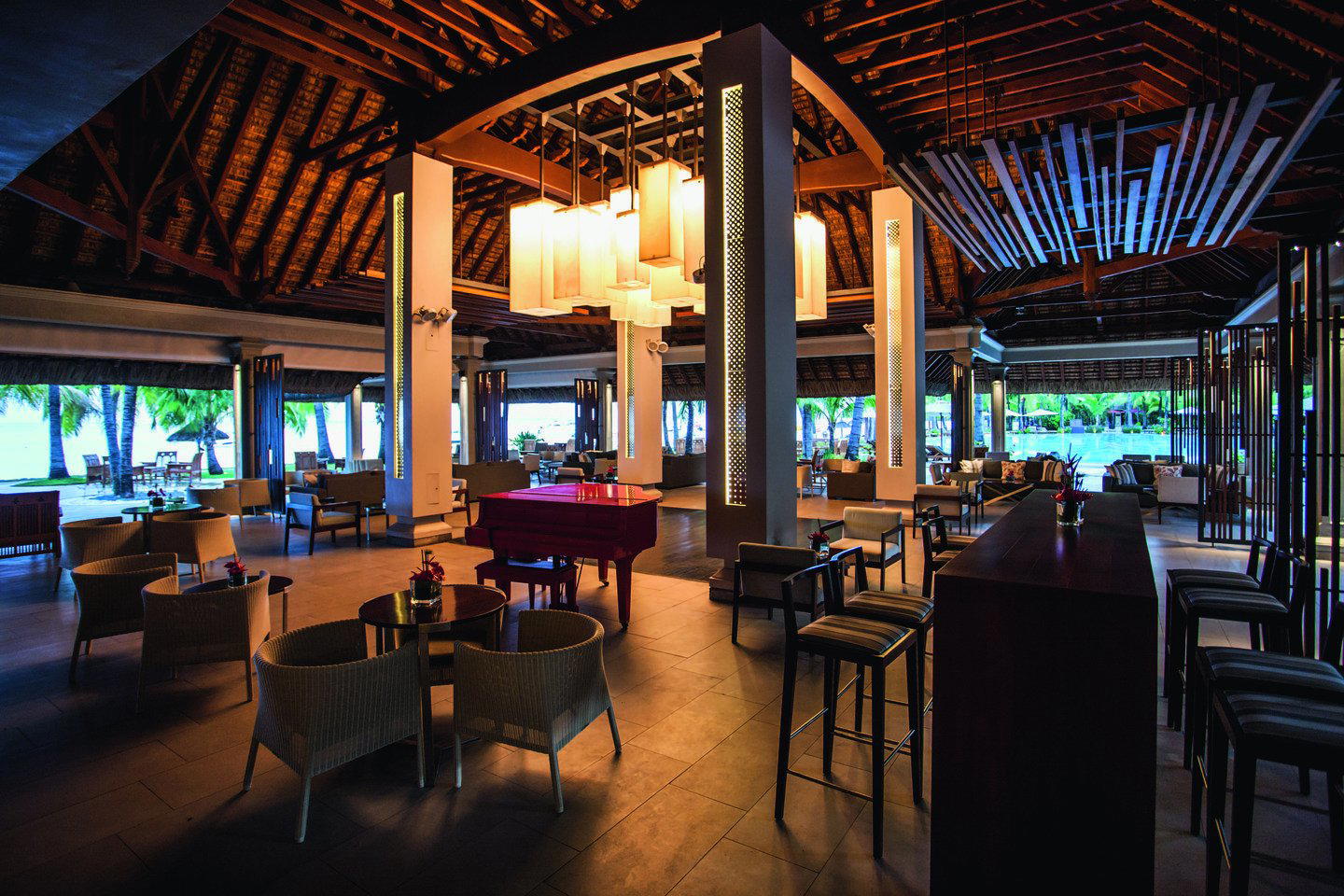
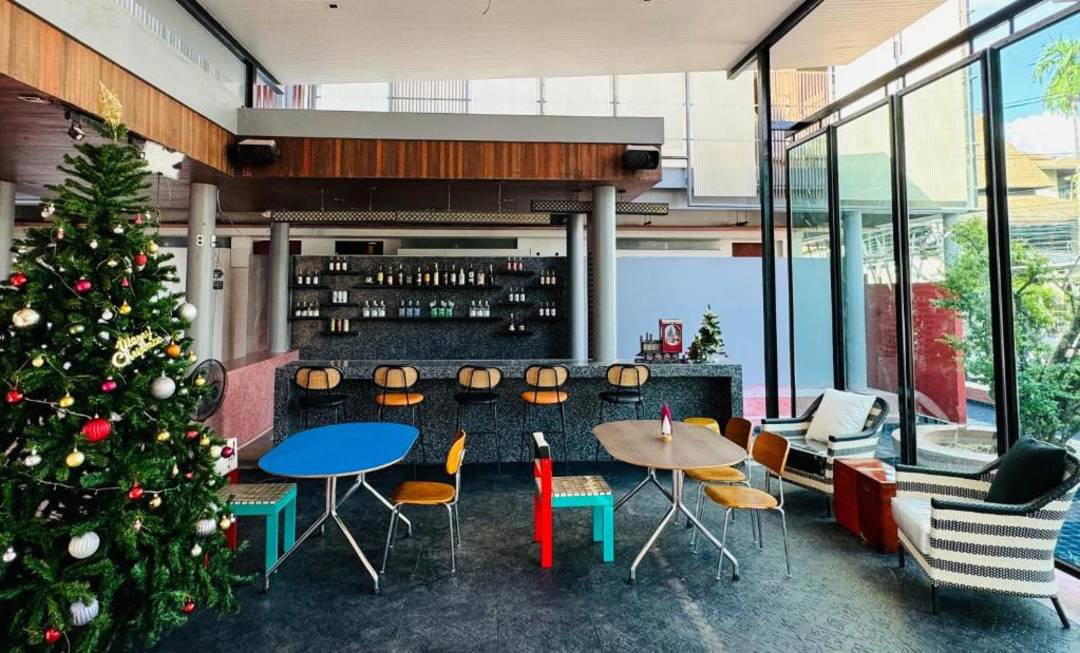
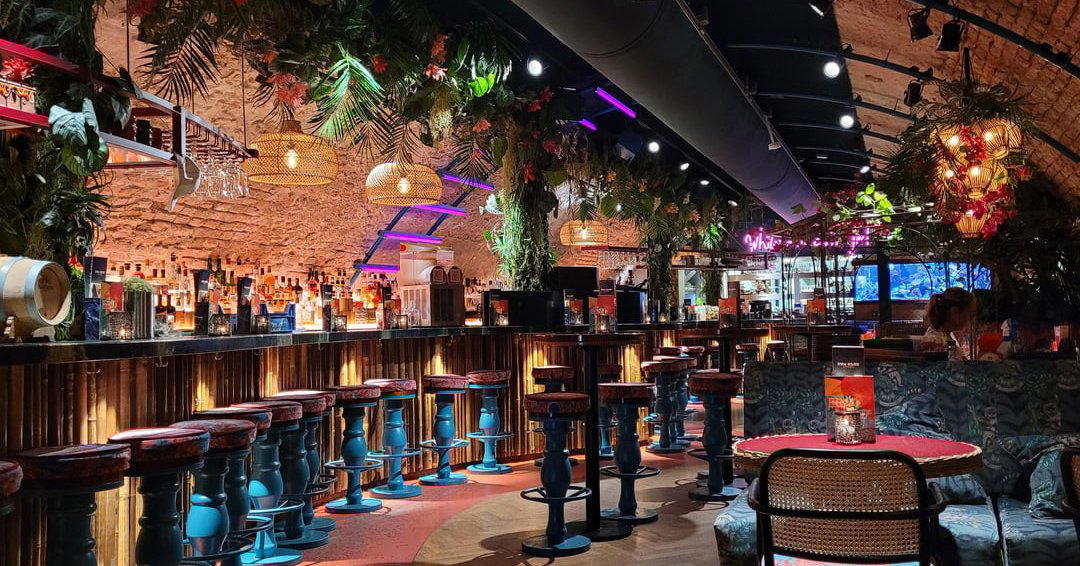
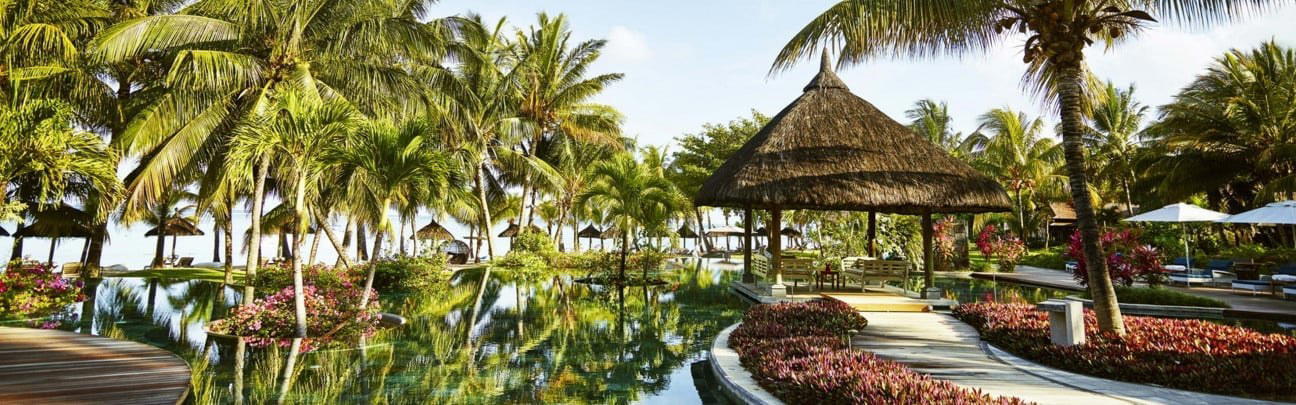
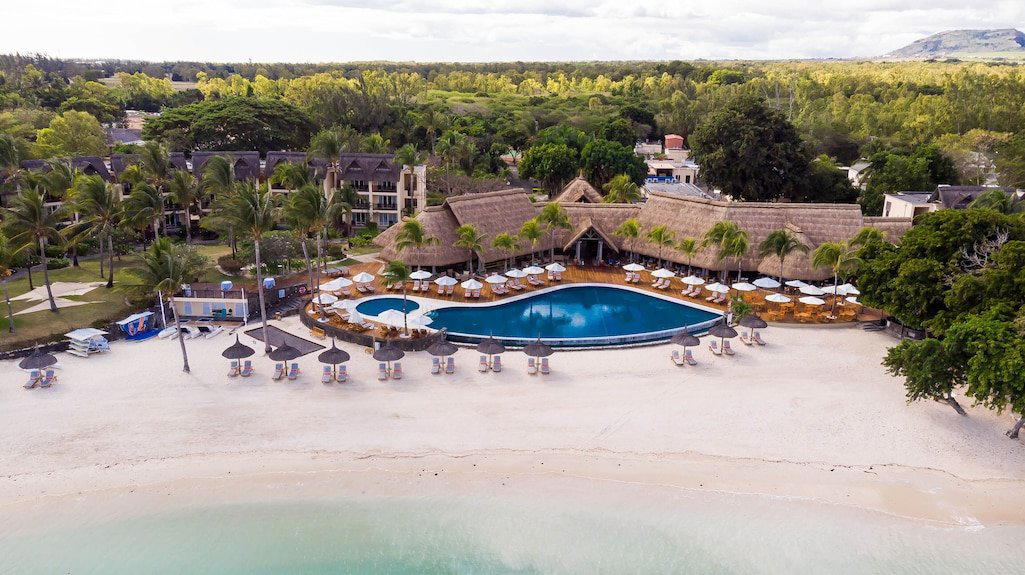
Calm, serene atmosphere with feelings of warmth, inspired by surrounding waters, nice poolside ambience.