Spoon des Iles

Spoon des Iles in Flic en Flac holds a notable place in Mauritian dining history, having reached number five on the World's 50 Best Restaurants list in 2002. The kitchen draws on the island's Creole culinary tradition, rooted in the convergence of African, Indian, French, and Chinese influences..
Pearl is the En Primeur Club membership app — saves, bookings, and concierge access live there. Same editors, same standards.
- Address
- P998+WFR, Flic en Flac, Mauritius
- Directions
- Get directions
 Saves & bookings on Pearl
Where the Indian Ocean Meets the Table
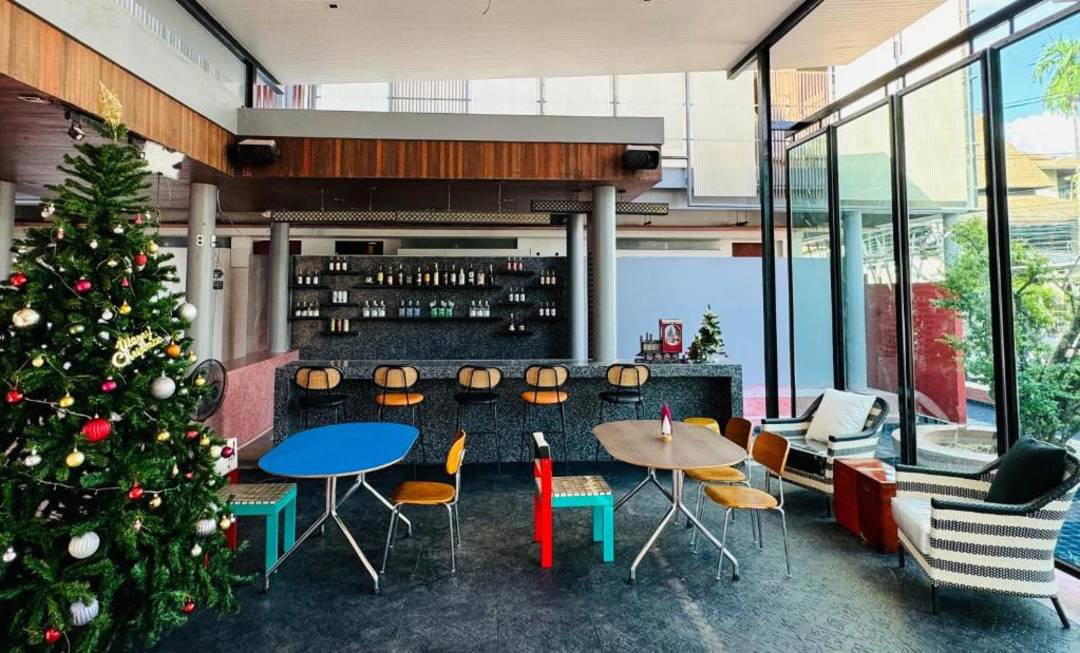
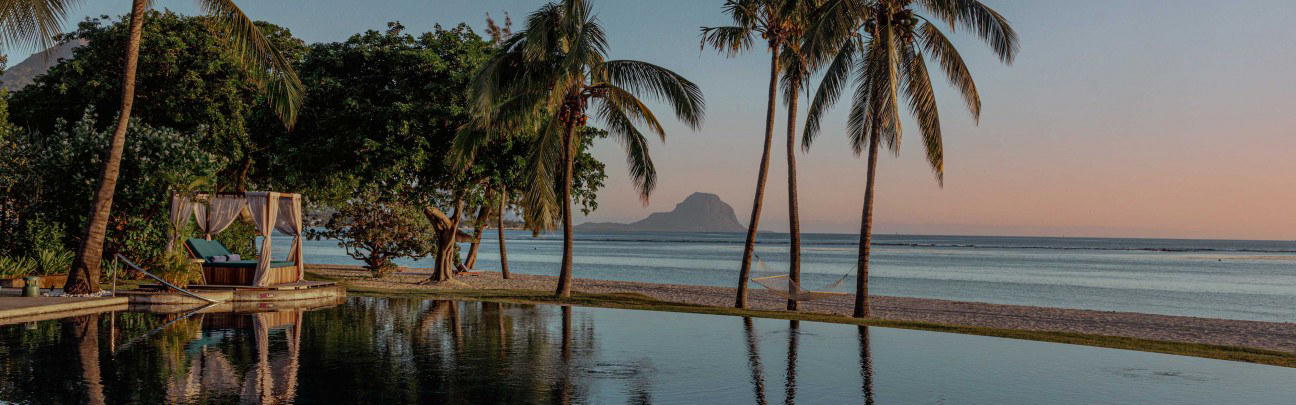
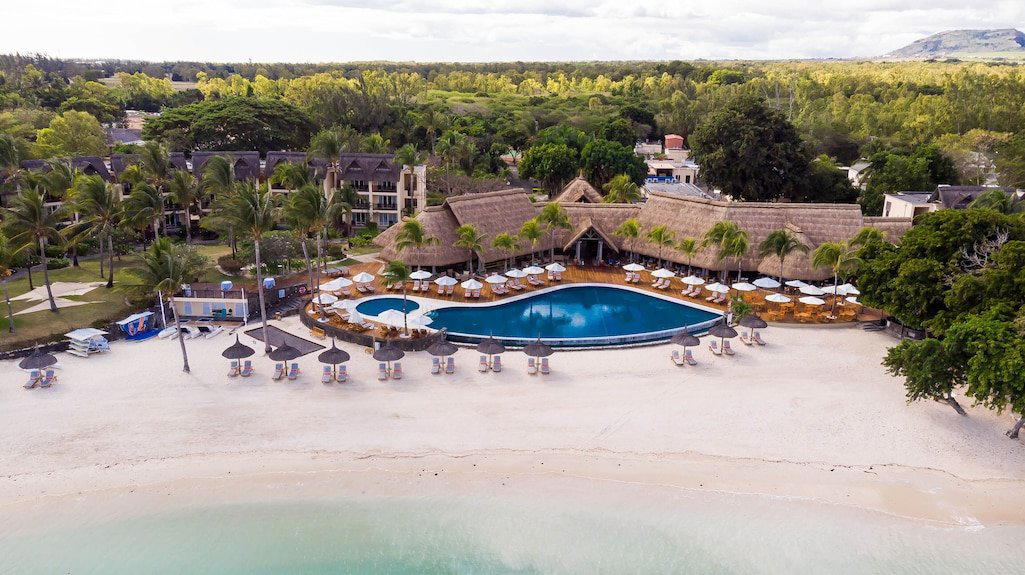
Flic en Flac sits on Mauritius's western coast, where the lagoon runs shallow and the light turns amber well before sunset. This stretch of coastline has historically attracted a more local crowd than the resort-heavy northeast, and the restaurants here tend to reflect that, less performance, more substance. Spoon des Iles is a restaurant in Flic en Flac, Mauritius, known for Traditional Mauritian Hindu Cuisine and a number-five finish on the World's 50 Best Restaurants list in 2002. Spoon des Iles occupies that character faithfully. The physical address on the Flic en Flac seafront places it within a neighbourhood where the dining culture is shaped by proximity to the catch, the market, and the domestic kitchen rather than the hotel buffet. Approaching the restaurant, you encounter the kind of unpretentious coastal setting that defines this side of the island: the sea is close enough that the air carries salt, and the pace of the street suggests a village rather than a resort strip.
The Source Behind the Plate: Mauritian Creole Cooking
Mauritian Creole cuisine is one of the more complex culinary traditions in the Indian Ocean, and understanding it requires tracing several centuries of population movement. African, Indian, French, Chinese, and Malagasy influences did not simply layer on top of each other, they merged inside a domestic kitchen culture where spice logic from Chennai sits alongside French braising technique, and where saffron, thyme, and tamarind appear in the same pot. The result is a cuisine that cannot be accurately described as a derivative of any single tradition. It is its own system.
The ingredient sourcing logic of this cuisine is inseparable from its character. Mauritian Creole cooking at its most grounded works from what the island produces: the tuna and marlin hauled in from deep Atlantic and Indian Ocean waters, the octopus fished in the lagoons, the breadfruit and jackfruit grown inland, the chillies and curry leaves cultivated in household gardens. What Spoon des Iles represents, in this context, is a kitchen that participates in that sourcing tradition rather than bypassing it in favour of imported luxury product. For a restaurant that appeared at number five on the World's 50 Best Restaurants list in 2002, that local sourcing orientation was a significant editorial statement from the list itself.
A 2002 Ranking in Its Proper Context
The World's 50 Best Restaurants list began in 2002, and the restaurant appeared in that inaugural edition at fifth position. To appreciate what that placement meant, consider the comparable set: the list was weighted heavily toward European fine dining institutions, houses with decades of Michelin recognition and the kind of international name recognition that venues like Le Bernardin in New York and 8½ Otto e Mezzo Bombana in Hong Kong carry. A Creole restaurant on a small island in the Indian Ocean occupying fifth place in that company was anomalous, and that anomaly reflects something genuine about the restaurant's quality at that moment.
For comparison, venues like Aponiente in El Puerto de Santa María and Atelier Moessmer Norbert Niederkofler in Brunico represent the kind of regionally rooted, ingredient-led cooking that the 50 Best has come to champion more explicitly in recent years. The restaurant was doing something structurally similar with Mauritian Creole cooking two decades earlier, before that framing existed.
Mauritian Creole on Its Own Terms
One of the consistent distortions in how island cuisines get written about is the tendency to present them as simplified or rustic relative to continental European fine dining. Mauritius complicates that framing. The cuisine's spice vocabulary is sophisticated, the cooking techniques draw from multiple professional traditions, and the ingredient quality, when the kitchen is using what the island actually produces, is genuinely high. The Indian Ocean supports a diversity of seafood that European coastal restaurants work hard to access, and the tropical growing conditions produce aromatics at a quality and freshness that change how a dish reads on the palate.
Creole cooking in Mauritius also has a structural complexity that rewards attention. A daube of octopus, for instance, is not simply braised seafood, it carries a spice profile shaped by the Indian and African communities who developed it, a texture that depends on extended cooking with precise timing, and a sauce logic derived from French technique applied to non-European ingredients. This is the kind of cuisine that venues like Dal Pescatore in Runate or Alléno Paris au Pavillon Ledoyen would recognise as serious, even if the reference points are different. For broader context on what Mauritius offers across dining styles and settings, the island's range from coastal Creole to hotel dining.
Flic en Flac and the Western Coast Dining Scene
Mauritius's dining reputation has historically clustered around the northern and eastern coasts, where the large resort hotels concentrate. The western coast, and Flic en Flac specifically, represents a different dining register: smaller operations, more local clientele, and a kitchen culture closer to the domestic traditions the cuisine emerged from. In this sense, the restaurant is positioned within a neighbourhood that reinforces rather than contradicts its culinary identity.
For visitors building a broader picture of the island, L'Atlas in Pointe aux Canonniers offers a reference point for Mauritian seafood in the northern zone. The contrast between the two coasts is instructive: the north skews toward the resort economy, while the west, including Flic en Flac, retains more of the local character that makes Mauritian Creole cooking legible on its own terms.
Planning Your Visit
The restaurant is open Monday through Friday and Sunday from 12 PM to 6 PM, and is closed on Saturday. Reservations are recommended.
Side-by-Side Snapshot
Comparable venues nearby, for context on price, style, and recognition.
| Venue | Cuisine | Price | Awards | Notes |
|---|---|---|---|---|
| Spoon des IlesThis venue — the venue you are viewing | Traditional Mauritian Hindu Cuisine | $$ | World's 50 Best #5 | Not listed |
| Blue Penny Cellar | Bistronomy in Wine Cellar | $$$$ | Not listed | Poste de Flacq |
| Blue Penny Cellar at Constance Belle Mare Plage | French Bistronomy with Wine Cellar Experience | $$$$ | Not listed | Pointe de Flacq |
| One & Only Le Saint Geran | Modern Fusion with Asian and Mauritian Influences | $$$$ | Not listed | Belle Mare |
| Simply India | Modern Indian Cuisine | $$$$ | Not listed | Le Morne |
| Archipel Restaurant | International Fine Dining with Mauritian Twist | $$$$ | Not listed | Pointe de Flacq |
Recognition history
Dated appearances from independent guides and award organizations, with the underlying list record or original source where available.
World's 50 Best Best Restaurants #5
World's 50 Best
Continue exploring
More in Ile Maurice
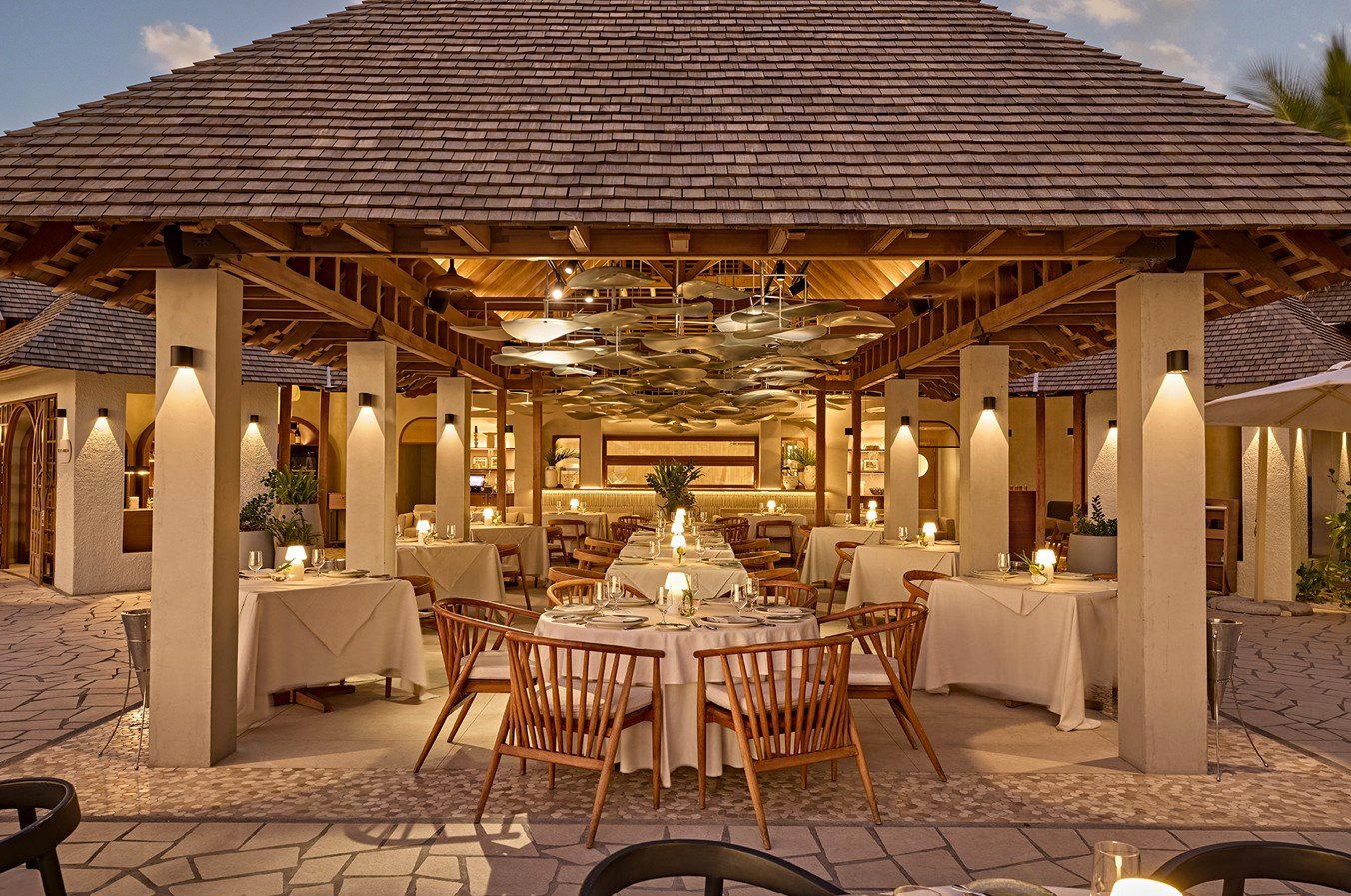
Restaurants in Ile Maurice
Browse all →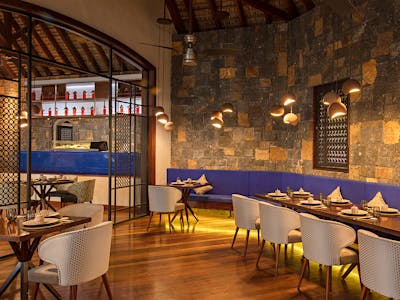
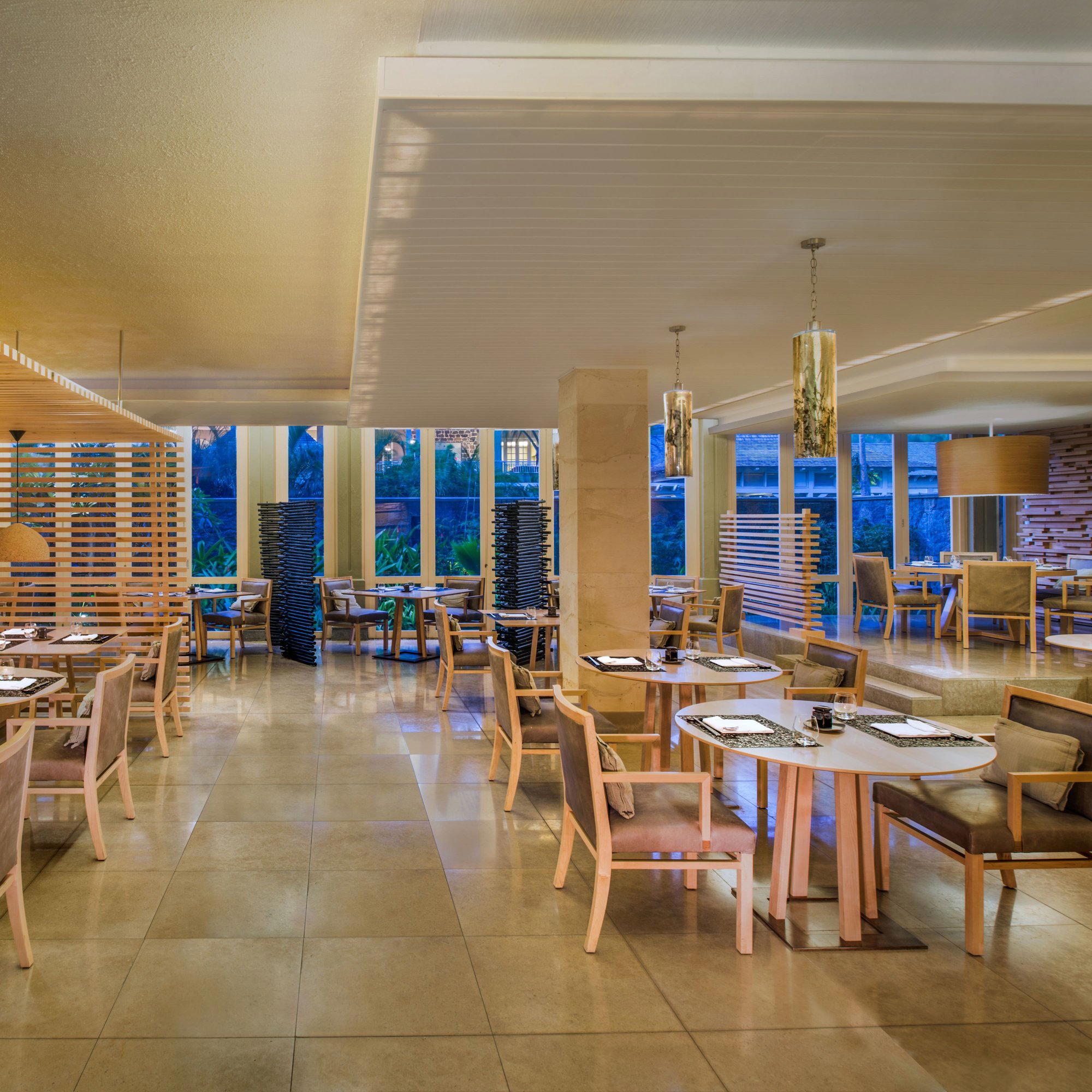
Bars in Ile Maurice
Browse all →
At a Glance
- Cozy
- Intimate
- Family
- Celebration
- Special Occasion
- Group Dining
- Private Dining
- Open Kitchen
- Local Sourcing
Current opening hours
- Monday
- 12–6 PM
- Tuesday
- 12–6 PM
- Wednesday
- 12–6 PM
- Thursday
- 12–6 PM
- Friday
- 12–6 PM
- Saturday
- Closed
- Sunday
- 12–6 PM
Hours can change for holidays and private events. Last verified .
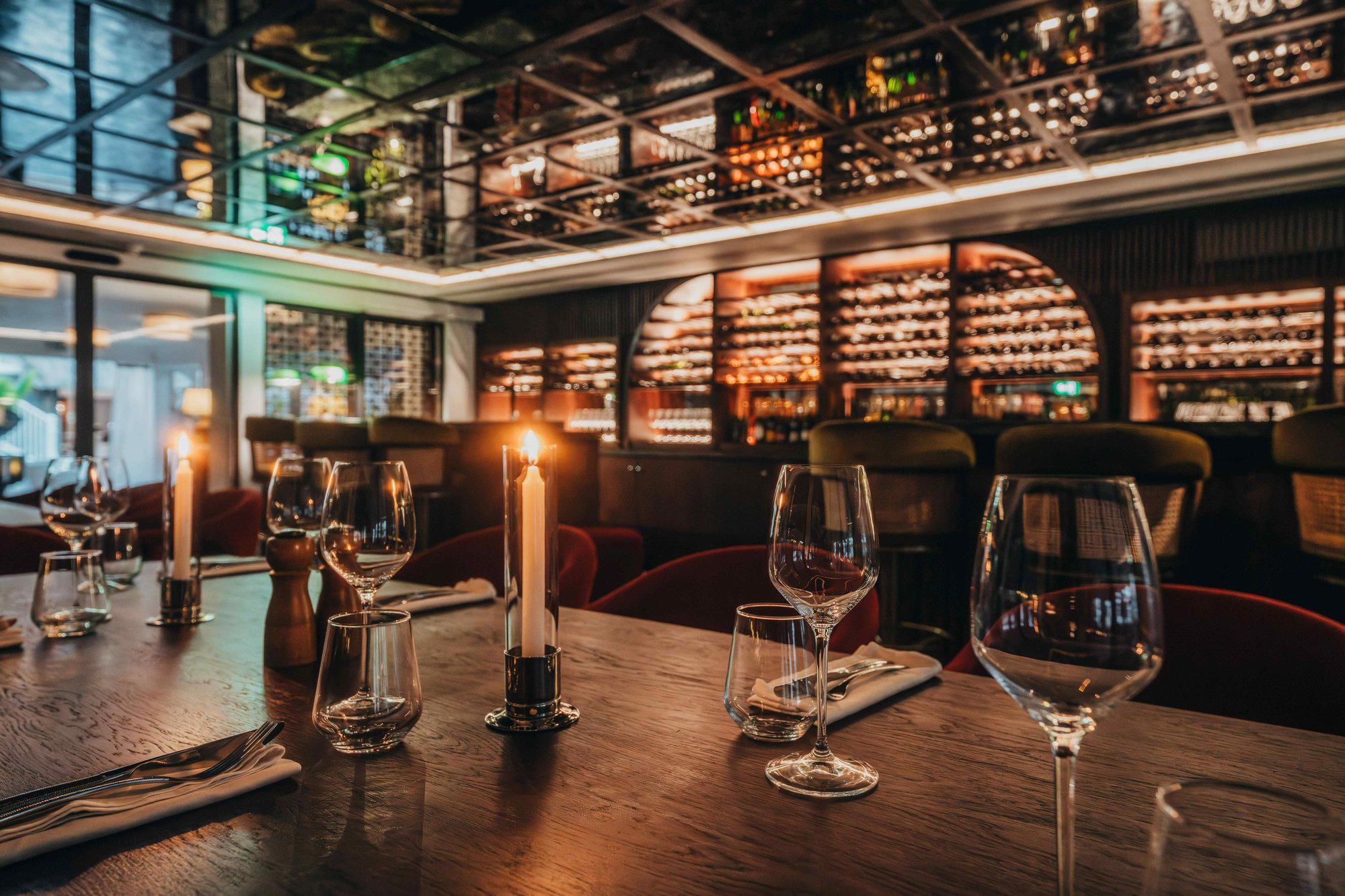
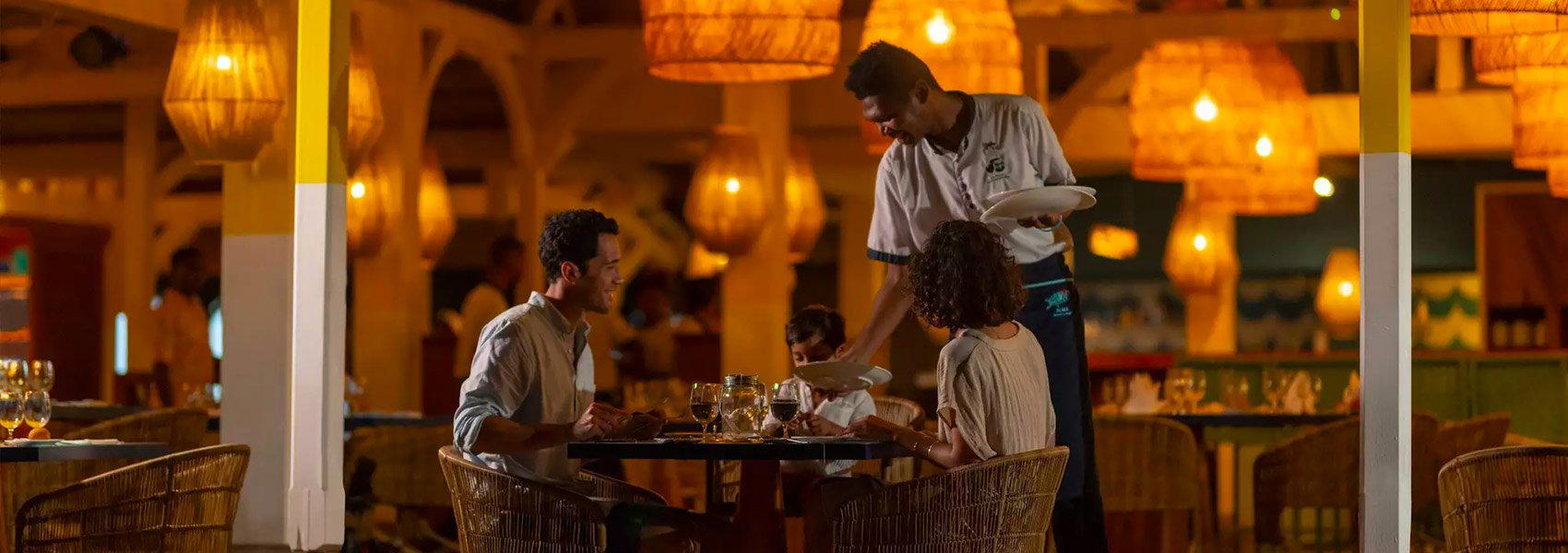
Warm, welcoming home environment with authentic family atmosphere; intimate dining at a shared family table with genuine hospitality.