Cornwall's Larder and Why It Changes Everything
The editorial argument for any restaurant in this county begins with sourcing. Cornwall sits at the end of Britain geographically, which means supply chains are shorter and the relationship between kitchen and producer tends to be more direct than in urban centres. The Fowey estuary, less than two miles from Lostwithiel, produces shellfish that reaches restaurants the same morning it is landed. The market gardens of the Tamar Valley, which separate Cornwall from Devon, supply brassicas, roots, and salads across a network of small growers who have been farming the same alluvial soil for generations. Further west, the Newlyn fishing fleet lands day-boat fish that circulates through the county's kitchens in a distribution model that would be commercially unworkable in London but functions here because of proximity.
This is the infrastructure that the leading small-county kitchens in the United Kingdom are built on. Compare the position to a kitchen like L'Enclume in Cartmel, which draws from the Lake District's farms and fell, or Moor Hall in Aughton, which has absorbed its own kitchen garden entirely into the menu structure. The pattern is the same: exceptional regional restaurants tend to grow out of exceptional regional ingredients, and the Cornish larder is among the strongest in Britain. A kitchen in Lostwithiel that connects to those local supply lines is working with raw material that restaurants in the four-star tier elsewhere actively chase. Places like Gidleigh Park in Chagford, just across the county border in Devon, have built their entire identity on similar proximity to exceptional West Country produce.
The Dining Room in Context
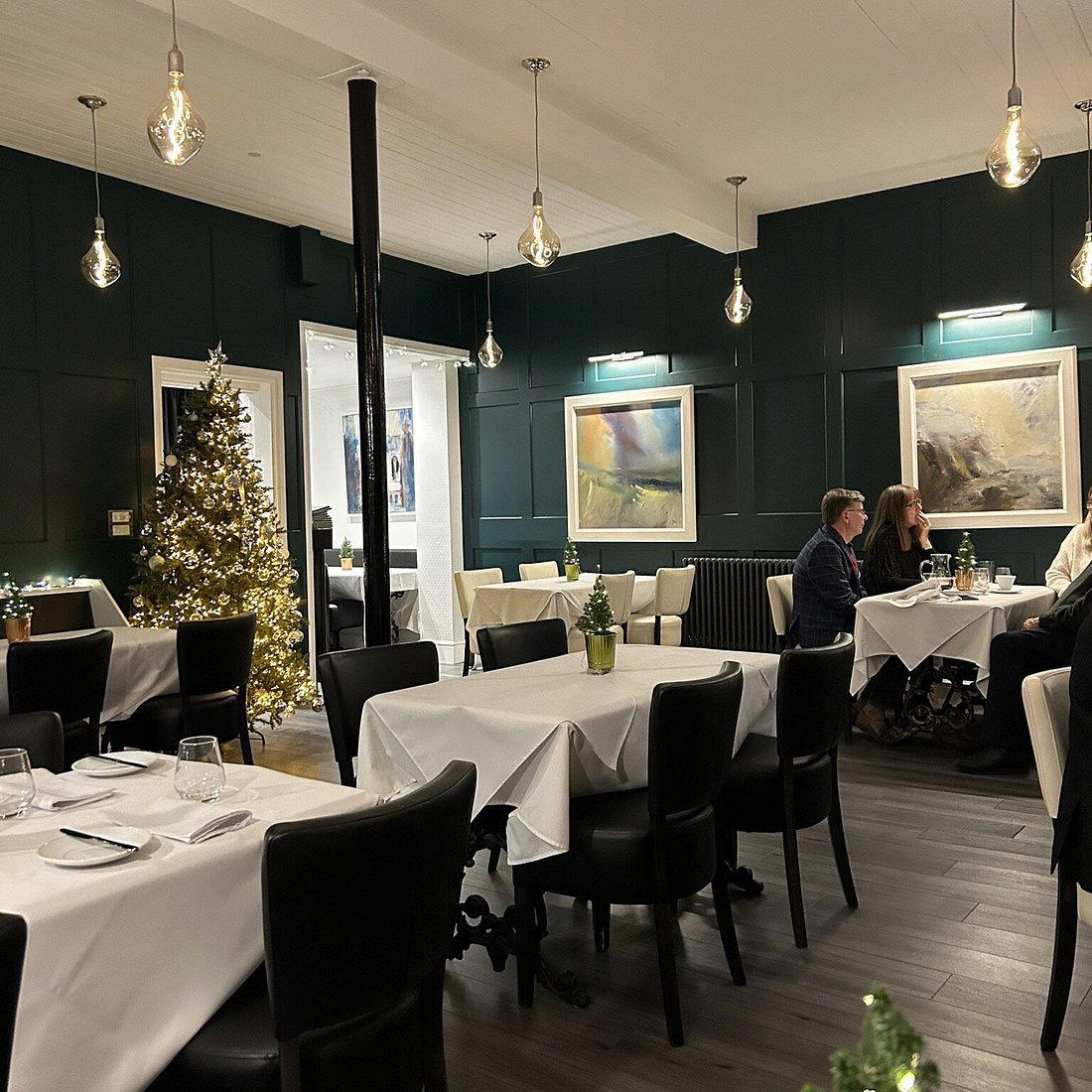
Lostwithiel is not a big town. Its population sits well below three thousand, and the restaurant density reflects that. What you find here is not a competitive dining cluster but a small number of places that need to serve the local community across lunch, dinner, and the shoulder seasons when tourism drops. That shapes the format. A Lostwithiel restaurant cannot sustain the kind of long-form tasting menu architecture that defines destination dining in Britain's formal upper tier. The comparison points in that tier, from Waterside Inn in Bray to CORE by Clare Smyth in London, operate in densely populated areas with a visitor catchment that funds multiple sittings and premium pricing. Asquiths operates in a different commercial reality, and the format almost certainly reflects it.
That is not a criticism. Some of the most consistent cooking in Britain happens in small-town rooms where the kitchen has to satisfy regulars rather than perform for first-time visitors. The discipline required to keep a local customer returning across years is more demanding in some ways than the single-visit theatre of a destination restaurant. Regional dining rooms of this type, whether you look at Artichoke in Amersham or hide and fox in Saltwood, tend to earn their reputation through longevity and consistency rather than spectacle.
Planning a Visit: What to Know Before You Go
Lostwithiel is accessible by rail: it sits on the main Paddington to Penzance line and has its own station, which makes it reachable without a car, an unusual advantage for a town of its size in rural Cornwall. The A390 connects it westward to the clay country around St Austell and eastward toward Liskeard. For visitors combining a meal with wider mid-Cornwall exploration, the town is within comfortable range of the Eden Project, Lanhydrock House, and the Fowey estuary walking trails, which adds context for timing a visit around a longer stay in the region.
Booking ahead is advisable for any Lostwithiel restaurant given the small number of covers that most rooms in this town can accommodate. As with any restaurant where venue-specific details such as hours, pricing, and seasonal menus are best confirmed directly, contacting Asquiths at 19 North Street before travelling is the practical approach.
Where Asquiths Sits in the Wider British Dining Picture
British dining has split into clear tiers over the past decade. At the upper end, award-driven destination restaurants, among them Restaurant Sat Bains in Nottingham, Ynyshir Hall in Machynlleth, and Le Manoir aux Quat' Saisons in Great Milton, command national attention and international visitors. Below that tier, a substantial cohort of regional kitchens, often without Michelin recognition or major press profiles, does the practical work of feeding a community while maintaining quality standards that the destination tier often cannot match on value. Cornwall has several kitchens that sit in this functional-but-serious middle tier, and Asquiths on North Street occupies that space in Lostwithiel.
For reference, the international dining tier includes venues like Le Bernardin in New York City and Lazy Bear in San Francisco, kitchens that have codified sourcing and seasonal cooking into formal, internationally recognised programmes. The principles that animate those rooms, direct sourcing, seasonal menus, regional identity, translate down through the tiers. A small North Street dining room in a Cornish market town with access to day-boat fish and Tamar Valley vegetables is working with versions of the same logic, at a very different scale and price point, and is the better for it.
Other British kitchens worth contextualising against this tier include Midsummer House in Cambridge, Opheem in Birmingham, Restaurant Andrew Fairlie in Auchterarder, The Glenturret Lalique in Crieff, and Hand and Flowers in Marlow, each of which has built a distinct identity around place and produce rather than metropolitan visibility. The pattern is consistent: the kitchens that last in regional Britain do so by cooking the county, not performing a generic version of restaurant food.