Asakusa
Asakusa belongs to Astana’s international-dining circuit, where Japanese cues meet a city shaped by business traffic, government schedules, and a climate that rewards controlled indoor hospitality. With few public signals on format, pricing, or awards, the useful way to read it is by context: a central Astana restaurant whose value depends on ingredient handling, consistency, and how clearly the kitchen treats imported pantry staples alongside local supply.
Pearl is the En Primeur Club membership app — saves, bookings, and concierge access live there. Same editors, same standards.
- Address
- Qabanbay Batyr Ave 1, Astana 010000
- Directions
- Get directions
 Saves & bookings on Pearl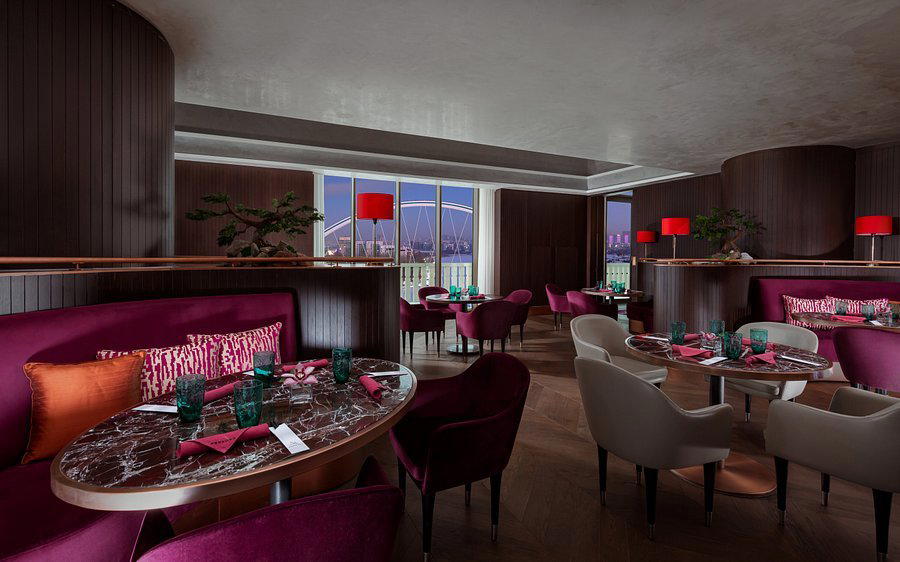
Astana’s restaurant rooms often announce themselves before the first plate: broad avenues, glass frontage, heavy outerwear in winter, and dining rooms designed as shelter from a capital built on scale. In that setting, Asakusa reads less as a standalone curiosity than as part of the city’s wider appetite for international formats. The useful question is not whether a Japanese-named restaurant can reproduce Tokyo, but how well it adapts a precision-led food culture to a landlocked city where sourcing, storage, and kitchen discipline matter more than decorative signals.
That sourcing question is the serious one. Japanese cooking, when treated with respect, depends on rice texture, soy balance, vinegar control, clean frying oil, knife work, and the condition of seafood or vegetables at the point of service. Astana adds pressure to that equation. The city’s distance from maritime supply chains means any restaurant working in a Japanese register has to win through logistics and restraint rather than abundance. Imported pantry items can give structure; local meat, greenhouse vegetables, and regional produce can give freshness if the kitchen avoids overloading them with sweet sauces or generic fusion habits.
Japanese cues in a capital built around international dining
Astana’s dining scene is young compared with older commercial cities in the region, and its stronger restaurants often serve a mixed audience: officials, visiting executives, families, and residents who treat dinner as both social rhythm and climate-controlled refuge. That creates a broad middle ground between casual cafés and formal destination dining. Asakusa sits inside that middle ground, where the room has to work for more than one use case: weekday lunch, family dinner, and a slower evening meal.
The comparison set matters because Astana does not sort neatly by cuisine alone. Cantinetta Antinori points toward branded Italian comfort, while Di Wang and Korean House show how East Asian formats have found an audience in the capital. Cloud9 and Cafe Momona occupy other parts of the same citywide dining map. Against that field, a Japanese-leaning address has to justify itself through consistency rather than novelty.
There is also a regional lens. Kazakhstan’s dining culture is comfortable with meat, broth, wheat, dairy, and generous tables; Japanese restaurant logic often asks for smaller calibrations: temperature, seasoning, and sequence. The tension can be productive. When a kitchen understands both expectations, it can offer a meal that feels lighter than the city’s steakhouse or banquet formats without becoming austere. When it does not, the result can collapse into pan-Asian shorthand. That is the line any Astana restaurant in this idiom has to hold.
Ingredient discipline matters more than theatrics here
The name carries a Tokyo reference, but the more practical editorial test is ingredient discipline. Rice should be treated as a foundation, not filler. Noodles need timing. Broths need clarity. Raw or lightly handled seafood, if present, depends on cold-chain confidence. Fried items reveal oil management quickly. These are not luxury details; they are the mechanics that separate a credible Japanese meal in a landlocked capital from a menu that merely borrows the vocabulary.
Astana’s climate sharpens that point. Winter dining rewards warmth and comfort, but heavy sauces and oversized portions can blur a cuisine built on proportion. Summer brings more daylight and a different pace, with lighter ordering and longer evenings. Restaurants that manage both seasons well tend to keep their identity through technique rather than menu sprawl. For Asakusa, the stronger reading is as a place to assess execution: how cleanly the kitchen handles staples, how confidently it seasons, and whether the meal feels composed rather than assembled from imported labels.
For a wider view of the city, our full Astana restaurants guide maps the capital’s dining spread, while our full Astana hotels guide, our full Astana bars guide, our full Astana wineries guide, and our full Astana experiences guide give the broader travel frame. Travellers comparing Asian-leaning formats across regions can also look at Abay & Inzhu in Almaty, Lanzhou in Алма-Ата, Lanzhou in Shymkent, Jōdo Saké Bar in Los Angeles, Onigiri Time in Pasadena, -Grilled beef Sukiyaki- KAMAKURA TANUKIAN 鎌倉 たぬき庵 in Kamakura, ¡Salud! in Los Angeles, and ¡Toma! in Liège as points of contrast rather than direct substitutes.
How to read the meal before committing the evening
With no public awards, chef attribution, price band, or booking format attached to the listing, the sensible approach is to judge the restaurant through signals visible at the table. A compact menu usually suits this category better than an encyclopedic one. Clear separation between Japanese dishes and broader Asian crowd-pleasers is another useful sign. So is attention to basics: rice, broth, grill work, frying, and the freshness of vegetables. In Astana, where international restaurants often serve mixed groups, clarity is a stronger asset than range.
The editorial case for Asakusa is therefore conditional but legitimate. It makes sense for diners who want a central Japanese-leaning option in Astana and are prepared to evaluate it on execution rather than reputation. It is less compelling for travellers seeking a documented chef-led counter, a tasting-menu format, or award-backed destination dining. The city has room for both categories; this one belongs to the practical, ingredient-sensitive side of the map.
Comparable Spots, Quickly
Comparable venues by cuisine and price in the same metro.
| Venue | Cuisine |
|---|---|
| Asakusa | This venue |

At a Glance
- Modern
- Lively
- Elegant
- Scenic
- Sophisticated
- Date Night
- Business Dinner
- Group Dining
- Family
- Celebration
- After Work
- Late Night
- Hotel Restaurant
- Design Destination
- Waterfront
- Panoramic View
- Sake Program
- Craft Cocktails
- Extensive Wine List
- Waterfront
- Skyline
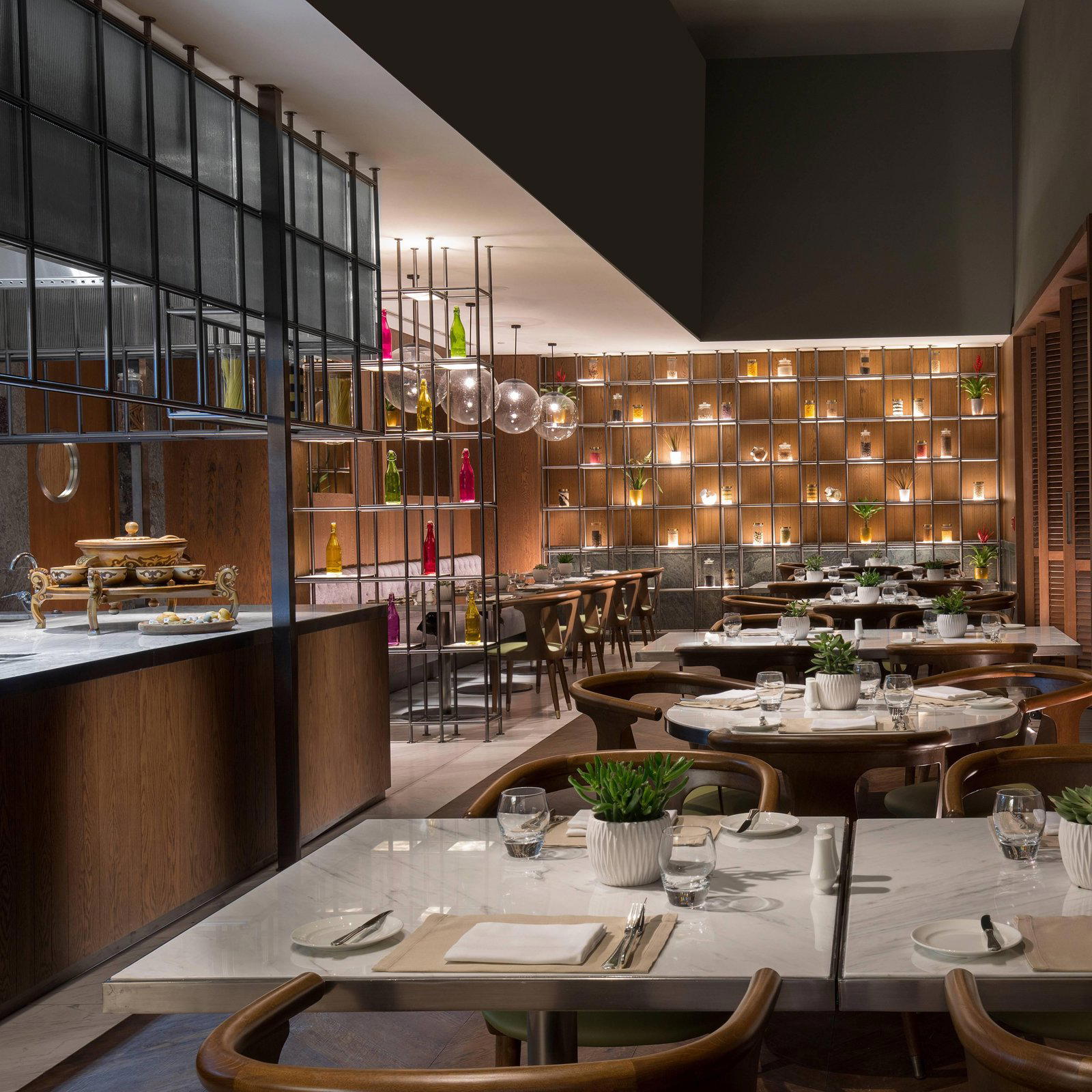
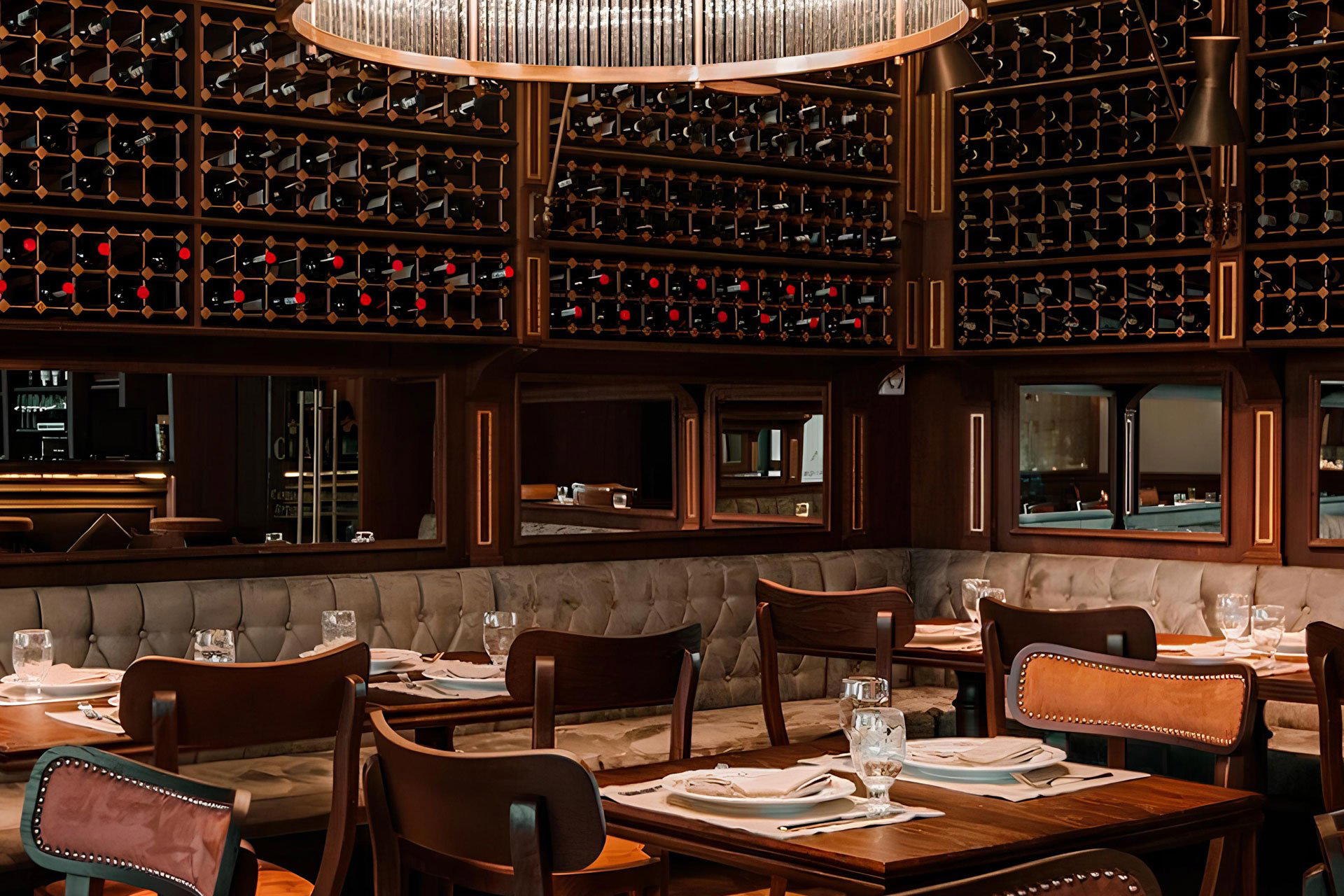
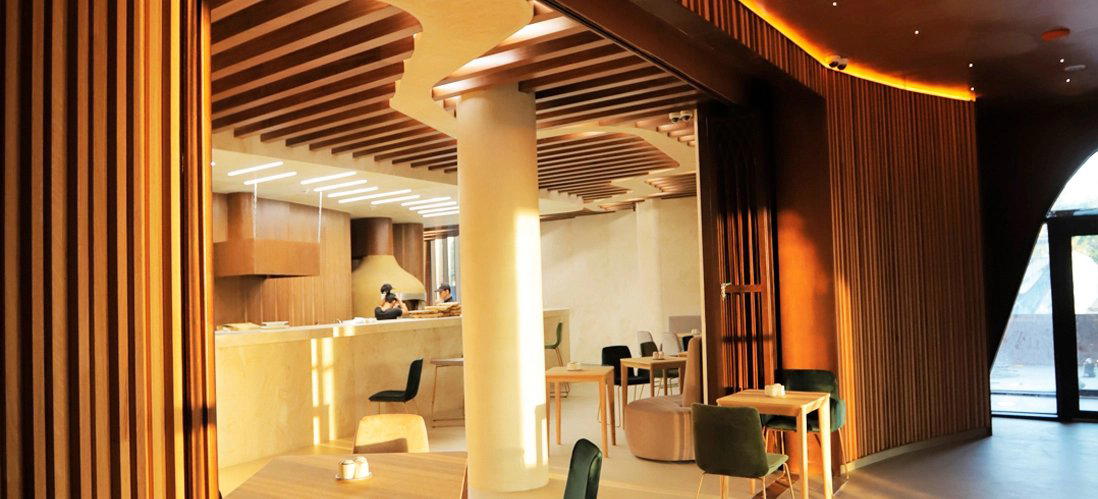
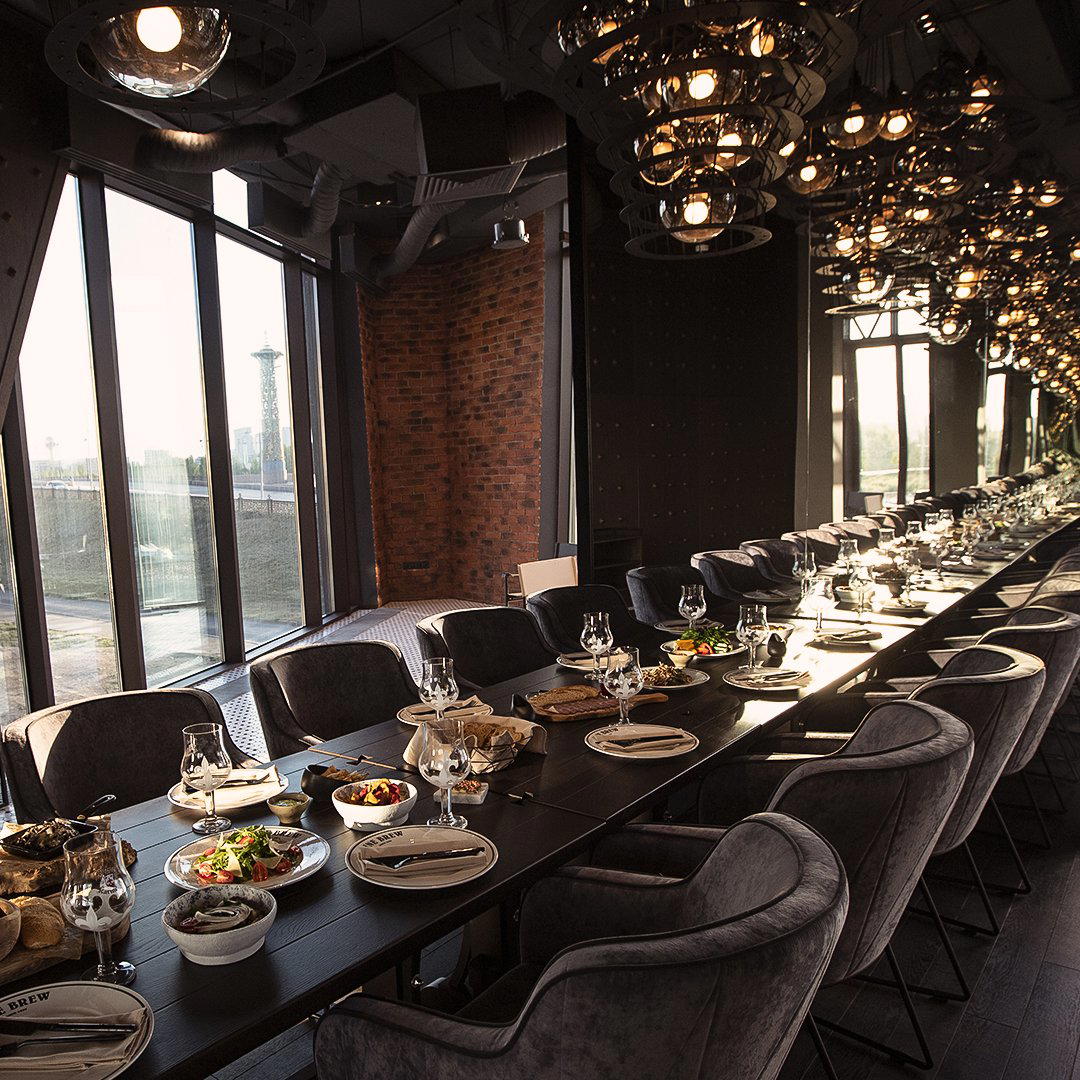
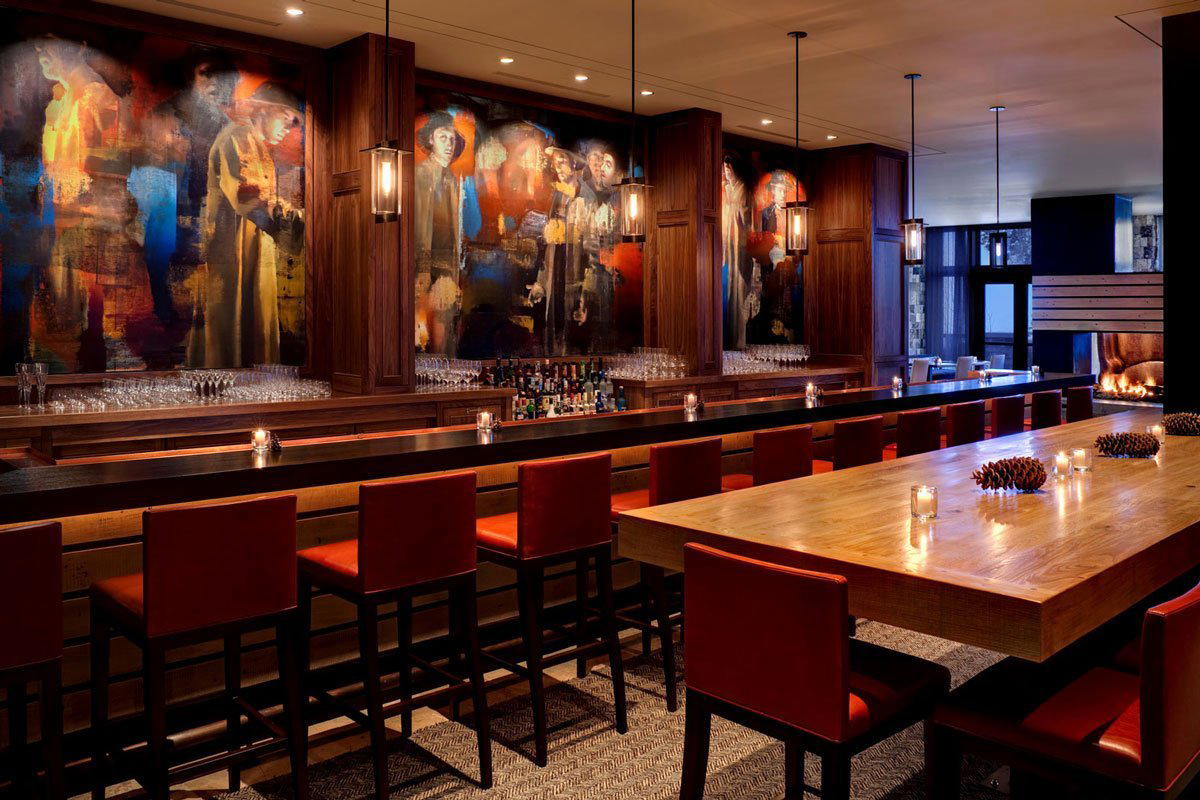
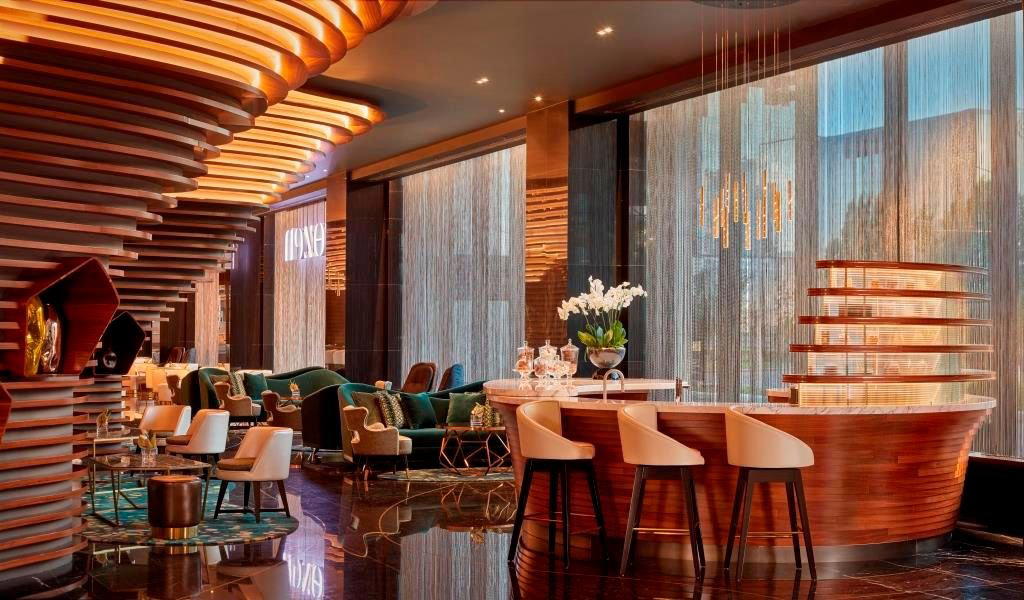
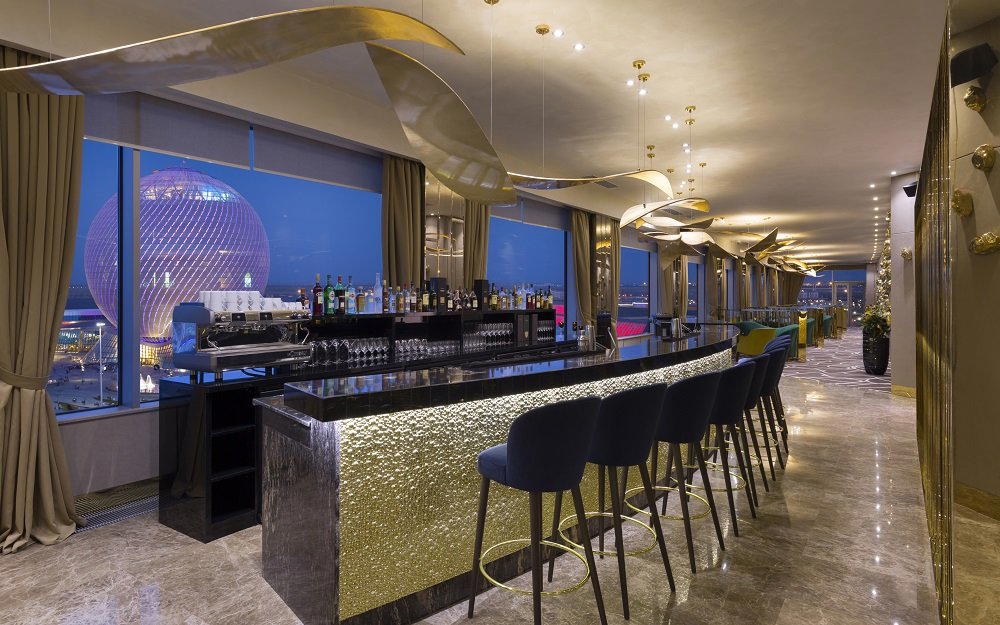
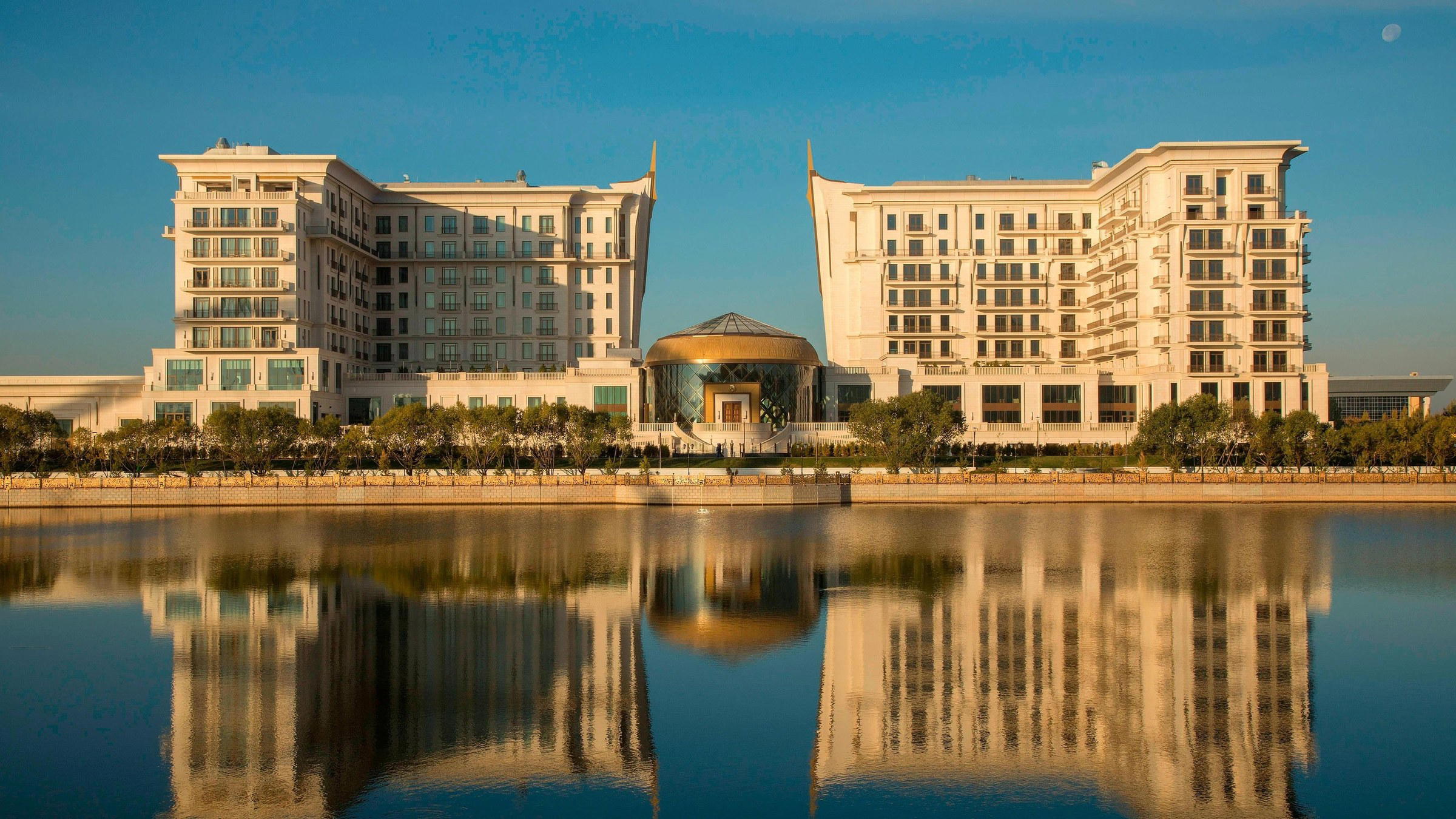
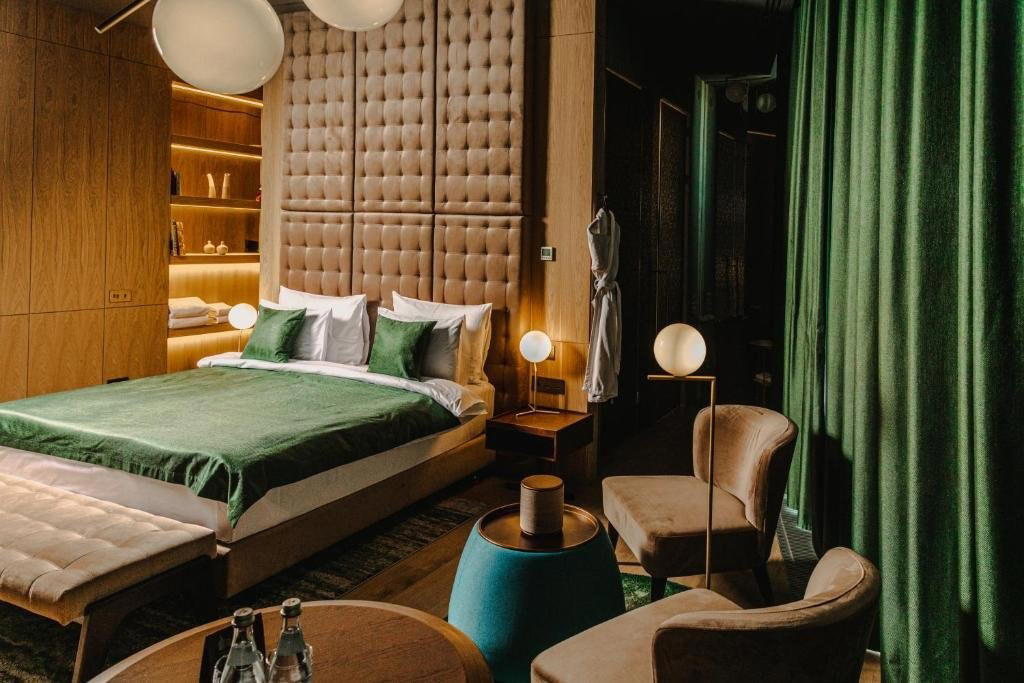
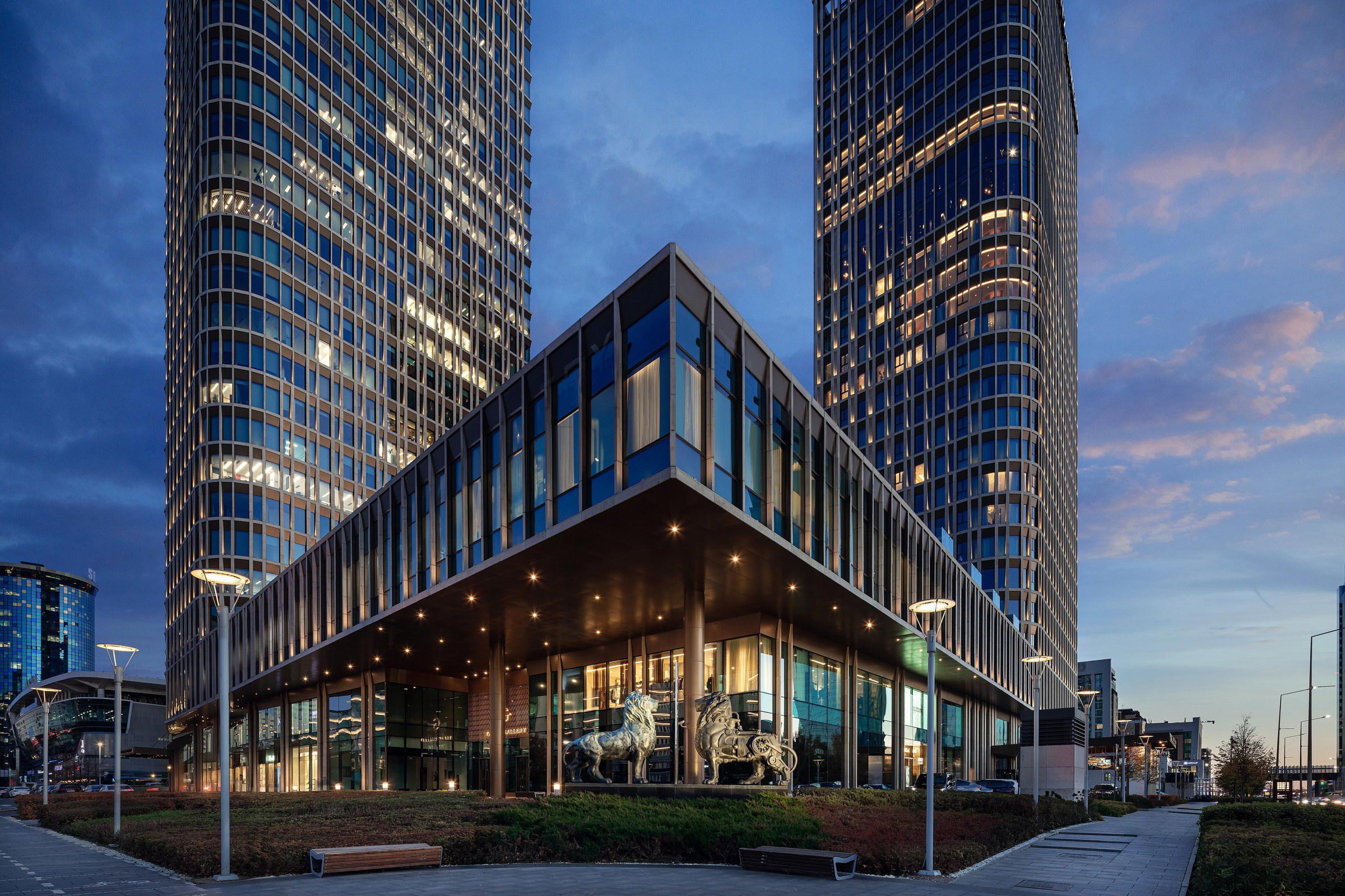
Modern, stylish hotel-restaurant setting with lively izakaya energy, polished service, and views over the river and city skyline creating an upscale yet relaxed atmosphere.