Cantinetta Antinori
Our verdict
Cantinetta Antinori brings an Italian reference point to Astana’s international dining circuit, useful for readers comparing the capital’s polished hotel-adjacent rooms with its Japanese, Chinese, Korean, and café formats. The appeal sits less in spectacle than in the sourcing question behind Italian cooking: olive oil, wine, pasta, cheese, and produce only work when the supply chain is treated seriously.

Pearl is the En Primeur Club membership app — saves, bookings, and concierge access live there. Same editors, same standards.
- Address
- Комплекс The Veil, Qadyrghali Zhalayyri St 4, Astana 010000, Kazakhstan
- Phone
- +7 701 080 8508
- Hours
- Daily 12 PM–12 AM
- Website
- theveil.kz
- Directions
- Get directions
- Booking
- Book on the venue's website
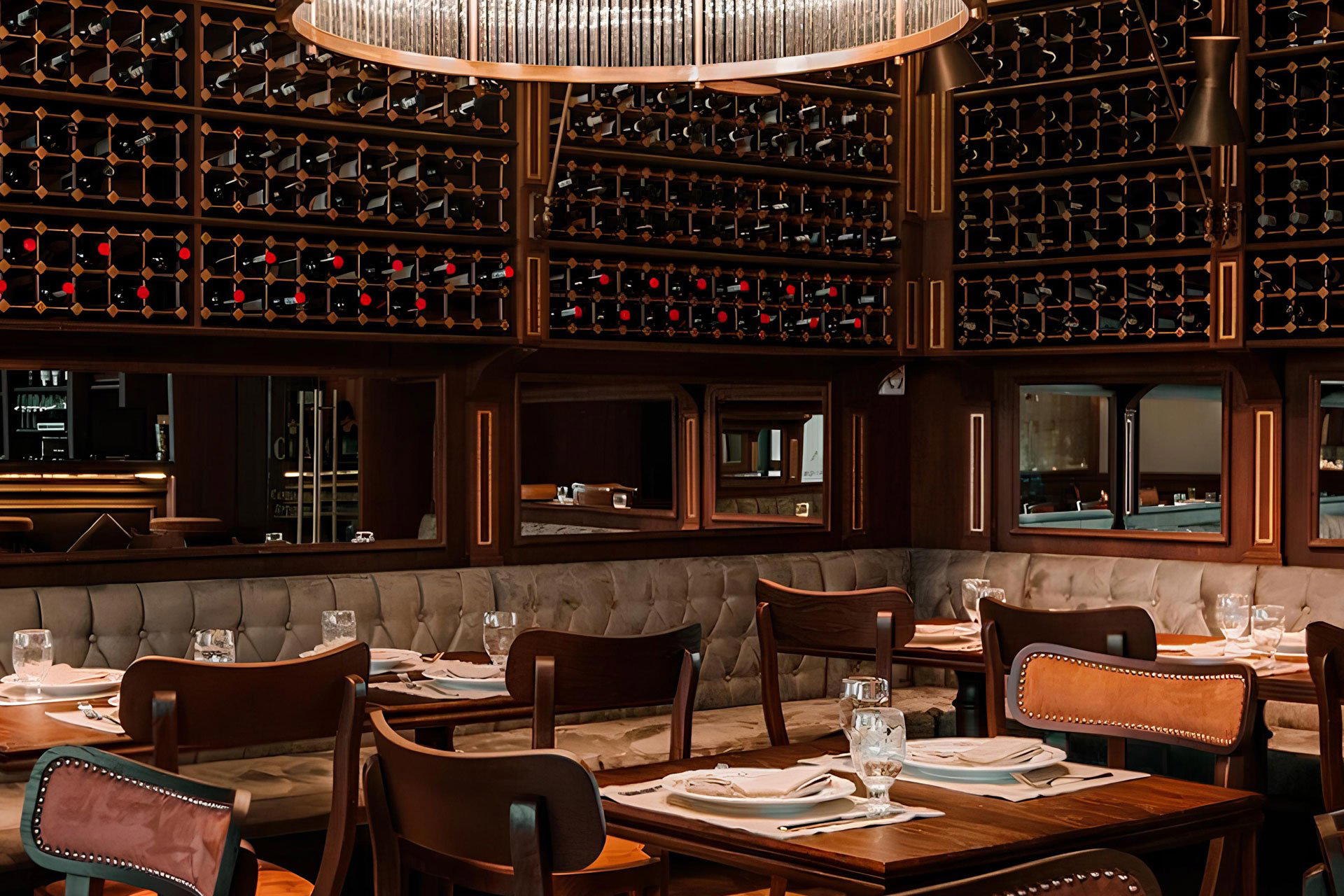
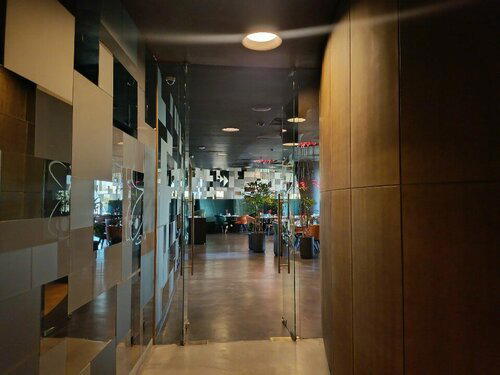
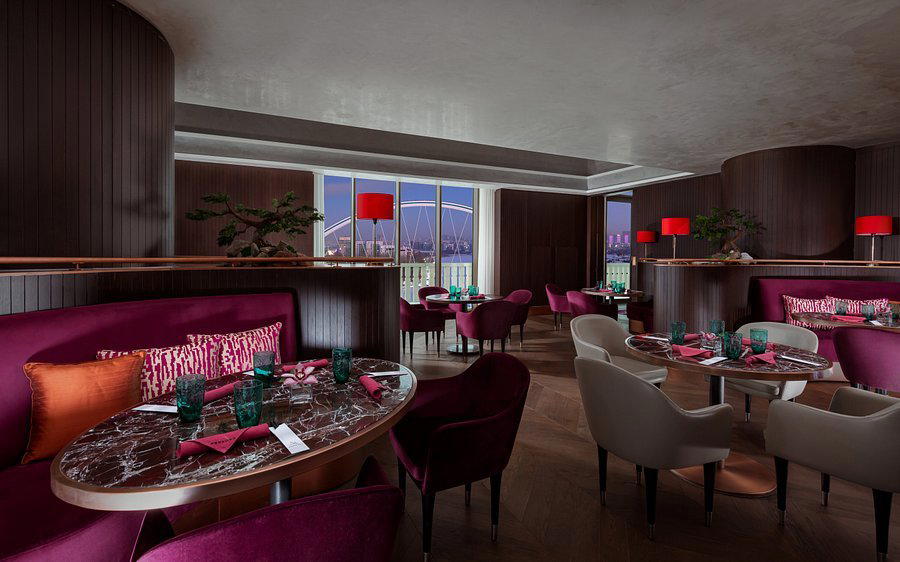
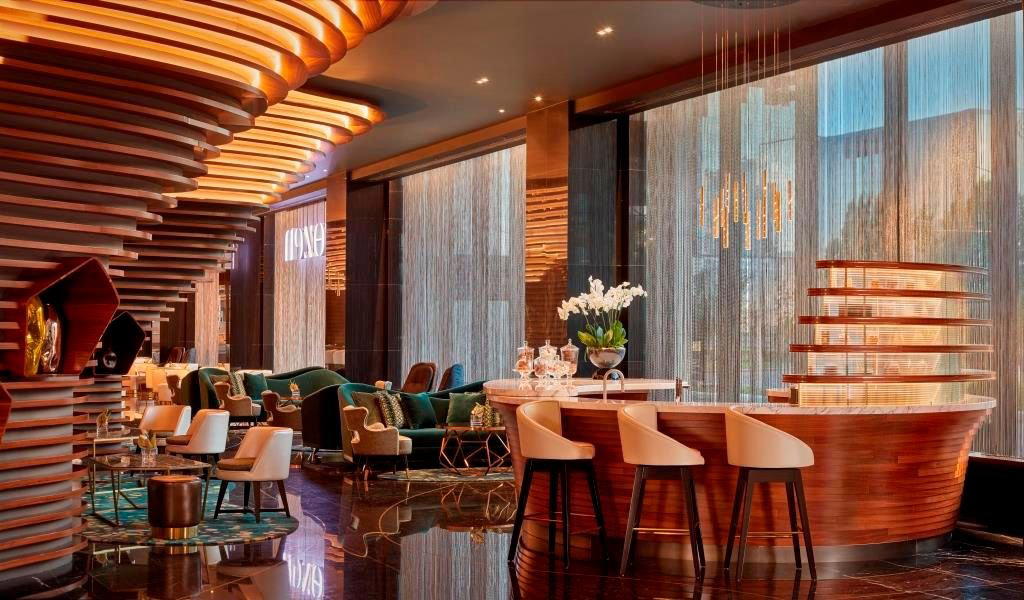
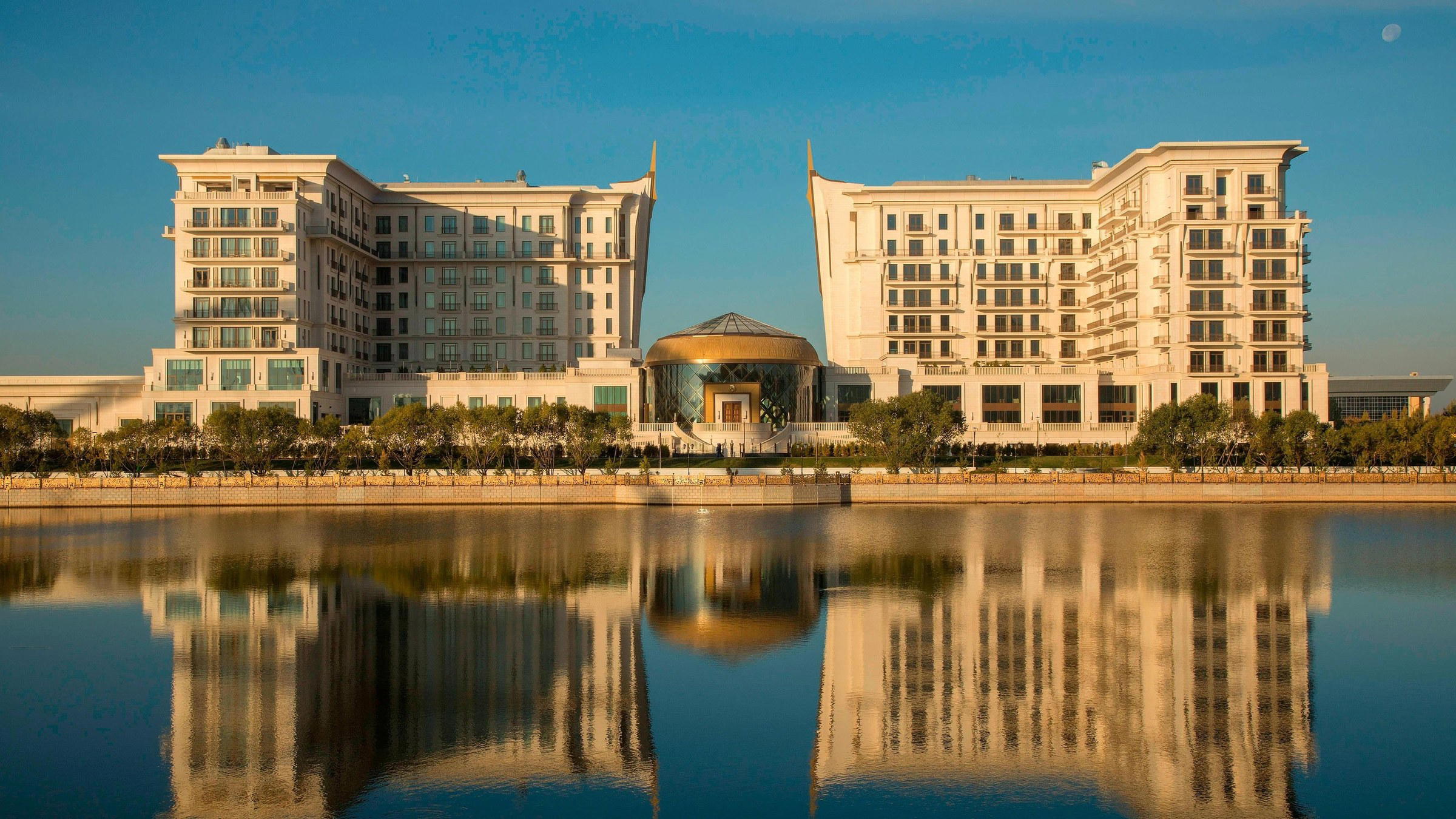
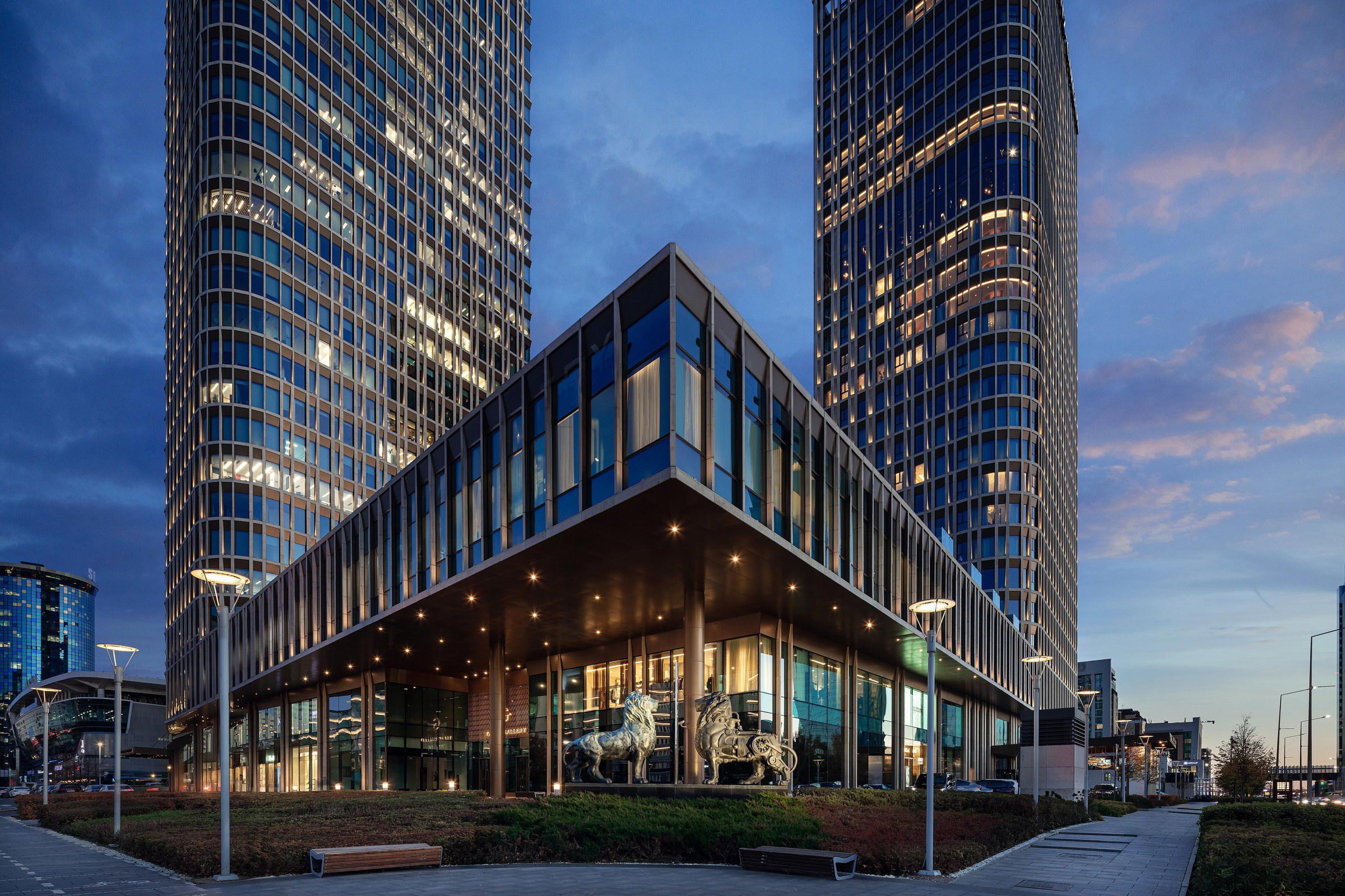
Approaching Cantinetta Antinori means entering Astana’s newer language of polished dining: glass, controlled lighting, and the sense of a capital city still deciding how formal its international restaurants should feel. Italian dining occupies a particular role in that conversation. It is familiar enough for mixed-age tables and business dinners, but it becomes revealing when the kitchen has to answer a harder question: how carefully does the restaurant handle sourcing, pacing, and the expectations attached to the name?
Italian cooking in Astana depends on the supply chain, not theatre
In cities far from the Mediterranean, Italian restaurants rise or fall on procurement. Some staples can be made locally, while other products force a restaurant into a different logistical category from a grill or pan-Asian room. The point is not whether every ingredient is imported; it is whether the menu respects the products that need provenance and uses local produce where it makes sense. That distinction matters in Astana, where winter, distance, and customs flows shape what reaches a dining room as much as culinary ambition does.
The Cantinetta Antinori name places the restaurant in a tradition associated with Italian dining rather than generic comfort food. That frame matters because the format is often built around bread, grilled dishes, cheeses, and wine-friendly pacing. In a city where international restaurants often read as status rooms first and kitchens second, this format gives diners a useful test: does the meal feel driven by ingredients and structure, or by imported-brand shorthand?
Astana’s restaurant scene is broad enough now that Italian dining has to compete with several kinds of precision. Japanese formats such as Asakusa set expectations around restraint and product handling. Chinese rooms such as Di Wang test consistency across larger menus. Other Astana dining rooms bring heat, shared-table pacing, and broader international habits into the comparison. Café-led dining, including Cafe Momona and other local cafés, answers a different Astana demand: flexible rooms that work across dayparts. Against that spread, Italian cooking has to justify itself through sourcing discipline and wine logic rather than novelty.
The room suits Astana's business-dinner rhythm
The capital’s dining culture is shaped by government schedules, corporate hosting, family tables, and hotel-adjacent entertaining. That creates demand for restaurants that can feel composed without becoming ceremonial. Cantinetta Antinori fits that lane: an Italian room for diners who want recognisable structure, a wine-compatible meal, and a setting that does not require decoding. The stronger choice here is not to treat it as a destination for experimental cooking, but as a measured option within Astana’s international restaurant tier.
Ingredient sourcing is the editorial lens to use when reading the menu. Astana restaurants can draw on local strengths, but Italian cooking asks for acidity, fat, grain, and dairy to be calibrated with particular care. A sauce, a cheese course, a bowl of pasta, or a grilled dish each exposes whether the kitchen is leaning on product quality or on generic luxury cues. In this category, restraint is not minimalism; it is proof that the kitchen trusts its suppliers.
For travellers mapping the city, Cantinetta Antinori works well as part of a broader Astana itinerary rather than as a standalone thesis on the capital’s food culture. Use Our full Astana restaurants guide for the dining circuit, then cross-check the surrounding hospitality scene through Our full Astana hotels guide, Our full Astana bars guide, Our full Astana wineries guide, and Our full Astana experiences guide. The comparison is useful: Astana’s dining identity is not a single cuisine story, but a set of imported formats adapting to climate, clientele, and supply.
How it compares beyond the capital
Kazakhstan’s restaurant map changes sharply once Astana is compared with other cities. Some dining rooms elsewhere in the country belong to places with a different social tempo and deeper legacy of leisure dining, while more everyday regional formats show how international food cultures travel through Kazakhstan in direct, practical form. Astana’s Italian tier is more tied to diplomatic, corporate, and premium social dining; the decision is less about discovery and more about reliability within a formal-capital setting.
Internationally, the comparison widens the point. Specialist drinking and snack formats, casual grain-led formats, and focused meat traditions each depend on product specificity. Broader international references make the same case in other registers. A restaurant like Cantinetta Antinori should be judged by that standard: not by how Italian the room looks, but by how convincingly the food and wine preserve the logic of the cuisine after crossing borders.
Frequently asked questions
Is Cantinetta Antinori child-friendly?
The Astana setting can suit family meals as well as more formal dinners. For younger children, the fit depends on timing and how polished the meal feels on the night.
Is Cantinetta Antinori formal or casual?
It reads as polished rather than casual, which suits Astana’s business-dinner pace. The Italian positioning points to a place for seated meals, not quick drop-in dining.
What's the address for Cantinetta Antinori?
Cantinetta Antinori is located in Astana.
How hard is it to get a table at Cantinetta Antinori?
No reservation policy is listed in the public record, so table demand cannot be stated with precision. In Astana, a polished Italian restaurant is generally a better candidate for planning ahead than for walk-in timing. Check the venue's official channels for the latest details.
What's the standout thing about Cantinetta Antinori?
The strongest draw is the combination of Italian dining and an Astana setting. That pairing gives it more weight as a dinner address than a simple neighborhood trattoria.
What if I have allergies at Cantinetta Antinori?
With allergies, the safest approach is to speak directly with the restaurant before ordering, especially given the Italian menu style implied by the name and setting. Astana is the clearest location anchor for confirming arrangements in person.
Snapshot
Comparable venues by cuisine and price in the same metro.
| Venue | Cuisine | Price |
|---|---|---|
| Cantinetta AntinoriThis venue — the venue you are viewing | Tuscan Italian Fine Dining | Not listed |
| Di Wang | Premium Pan‑Asian & Chinese | $50–100 |
| The Veil Café | Italian Trattoria Café and Pizzeria | Not listed |
| Line Brew Reserve | Steakhouse and Brew Pub | Not listed |
| Cafe Momona | Japanese Home Cooking | Not listed |
| Asakusa | Pan-Asian Japanese Izakaya | $30–50 |
Cantinetta Antinori
The wine
- Wine program
- Exceptional wine program
- Extensive wine list
- Sommelier-led
Details
- Elegant
- Classic
- Sophisticated
- Cozy
- Intimate
- Date Night
- Business Dinner
- Group Dining
- Celebration
- Special Occasion
- Hotel Restaurant
- Standalone
- Design Destination
- Extensive Wine List
- Sommelier Led
- A La Carte
- Wine
Current opening hours
- Monday
- 12 PM–12 AM
- Tuesday
- 12 PM–12 AM
- Wednesday
- 12 PM–12 AM
- Thursday
- 12 PM–12 AM
- Friday
- 12 PM–12 AM
- Saturday
- 12 PM–12 AM
- Sunday
- 12 PM–12 AM
Hours can change for holidays and private events. Last verified .
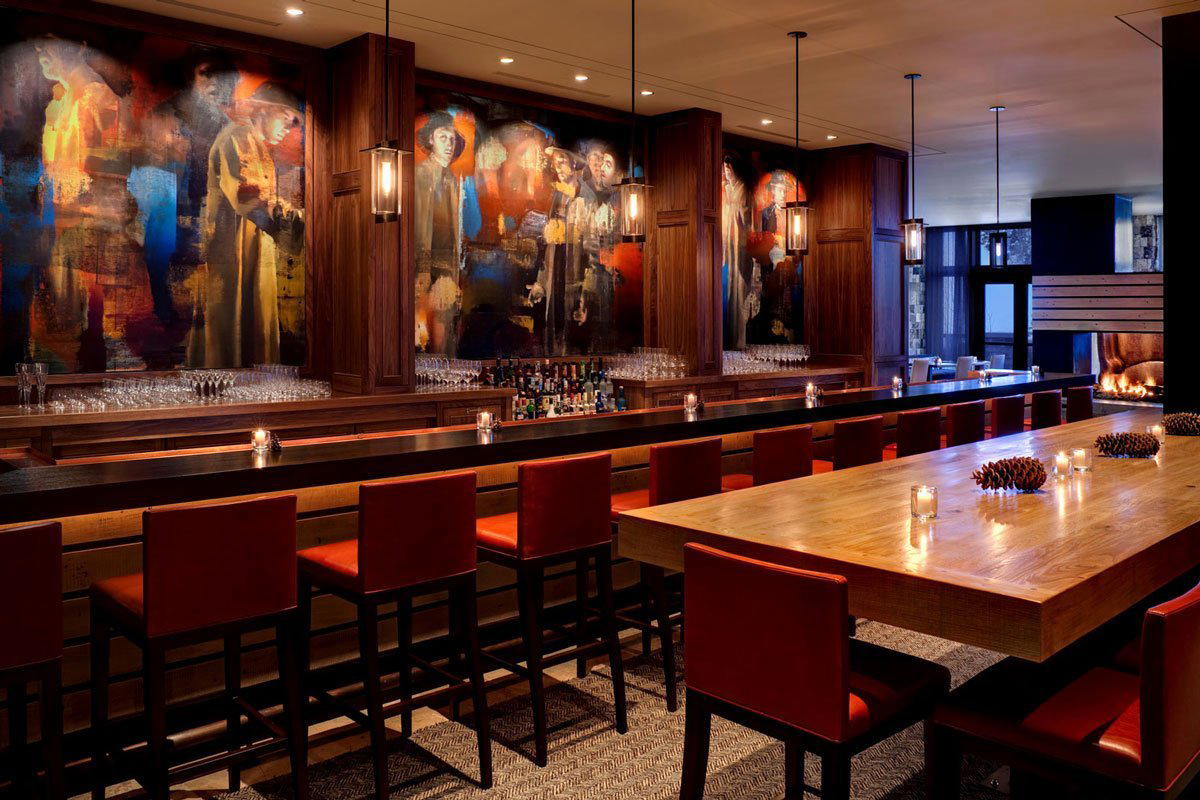
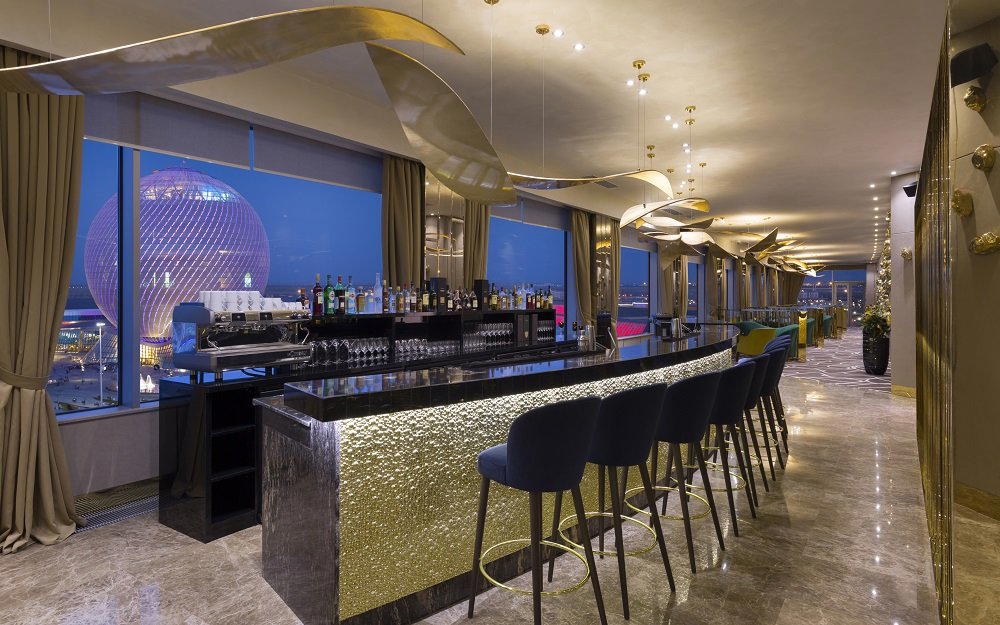
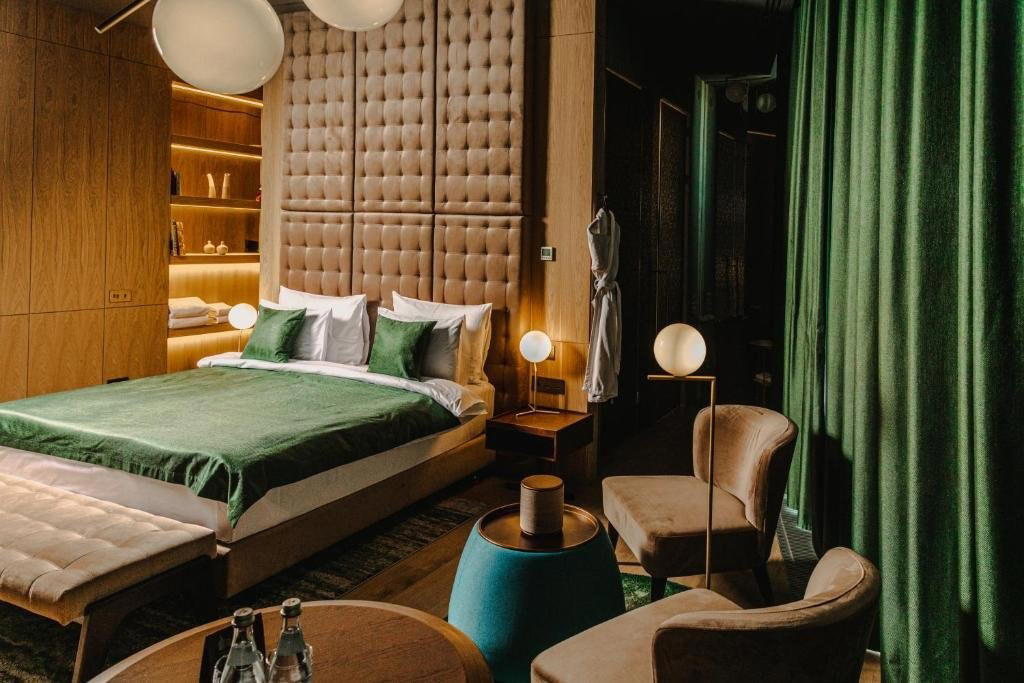
A comfortable, welcoming, high-design setting with an Italian hospitality focus, elegant styling, and a warm Tuscan atmosphere.