

Michelin Plate · Macarfi 7.6 Food Rating
Our verdict
Occupying an old mansion at the edge of La Zubia, Asador de la Reina anchors its menu in the oldest grammar of Andalusian cooking: select red meats grilled over wood and roasted in an olive-wood-fired oven. Two maturing chambers visible from the bar signal the kitchen's commitment to provenance. Chef Sergio Lara runs a traditional grill format backed by an extensive wine cellar.

Pearl is the En Primeur Club membership app — saves, bookings, and concierge access live there. Same editors, same standards.
- Address
- C. Laurel de la Reina, 15, 18140 La Zubia, Granada, Spain
- Phone
- +34 858 69 72 92
- Hours
- Daily 1 PM–12 AM
- Website
- asadordelareina.es
- Directions
- Get directions
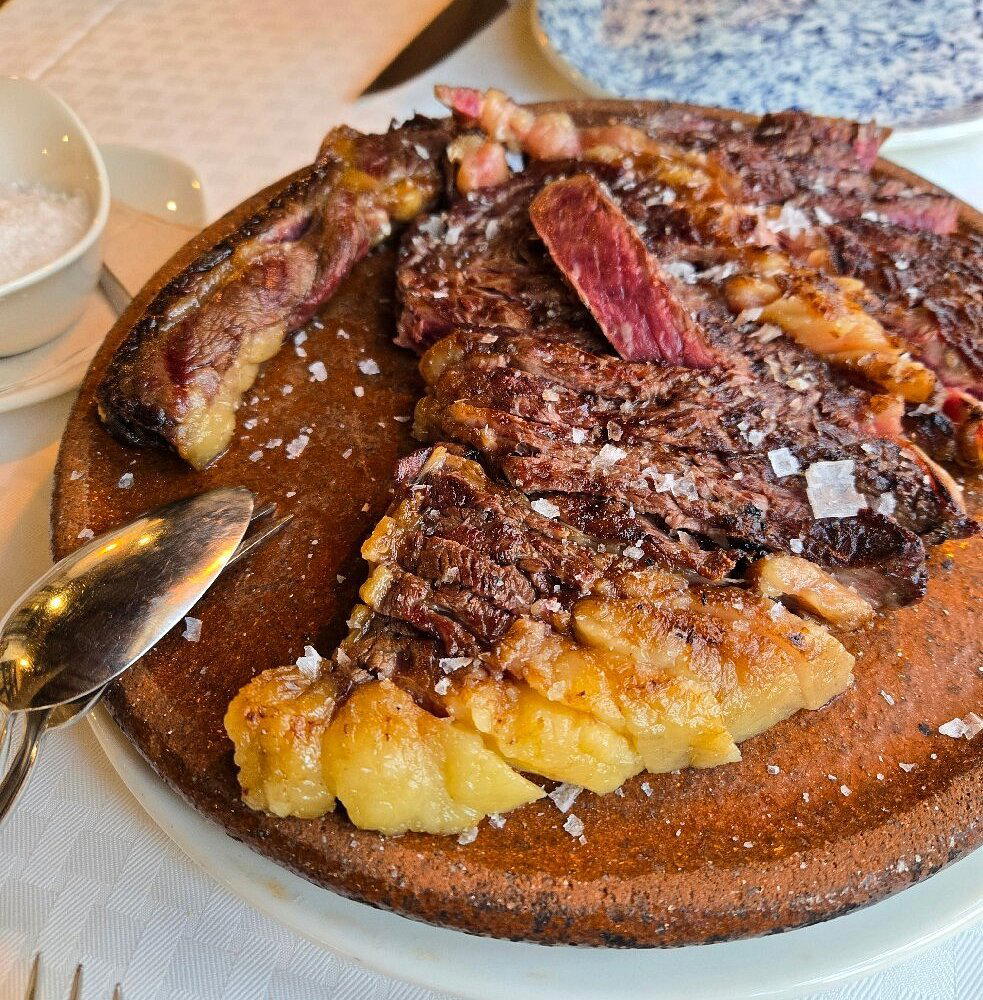
Fire, Wood, and the Architecture of a Spanish Grill
Wood-fired asadores occupy a particular corner of Spain's dining culture, one that the modernist wave of Adrià and his inheritors never fully displaced. While three-Michelin-star operations like El Celler de Can Roca in Girona or Azurmendi in Larrabetzu have defined Spain's international culinary reputation for two decades, they represent one tradition among several. The asador tradition, rooted in live fire, aged meat, and regional provenance, has its own lineage and its own practitioners who have never needed a tasting menu format to validate what they do. Asador de la Reina sits squarely in that second tradition.
The approach at a wood-fired grill house is inseparable from its materials. In Andalusia, olive wood is the dominant fuel for asadores that take their sourcing seriously. It burns hotter and longer than many alternatives, imparts a subtler smoke than fruitwoods, and is historically tied to the agricultural range of Granada province, where olive groves have shaped both the economy and the kitchen for centuries. The choice of olive wood at Asador de la Reina is not incidental decoration; it is an ingredient in the cooking itself.
Approaching the Old Mansion
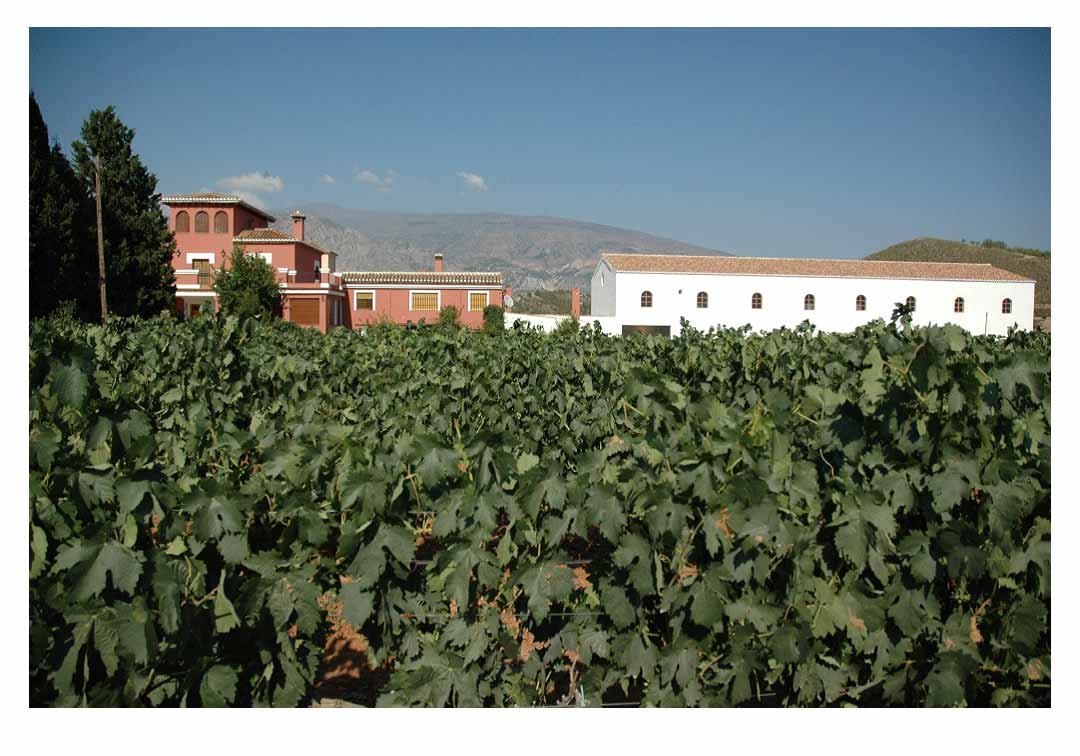
The building that houses Asador de la Reina predates the restaurant and sets an immediate register. An old mansion at the northern entrance to the Reina Isabel campsite outside La Zubia carries the weight of a structure that was not built for the restaurant trade. High ceilings, the particular light of southern Spanish interiors, and a sense of scale that a modern fit-out cannot replicate: these are the atmospheric conditions the kitchen works within. The bar area is shaped by two maturing chambers, visible to anyone who walks through, making the aging process part of the front-of-house experience rather than something hidden in a back corridor.
Two dining rooms carry what the venue's own description calls a regional feel, which in practical terms means this is not a room dressed to signal contemporary fine dining. The design references Granada's traditions rather than the interiors that accompany Spain's progressive urban restaurants like DiverXO in Madrid or Cocina Hermanos Torres in Barcelona. The contrast is worth noting: where those rooms construct an atmosphere around the chef's concept, here the building and its provenance do the atmospheric work.
What the Maturing Chambers Signal
In the contemporary Spanish grill category, the decision to make maturing chambers visible is both a practical and an editorial one. Dry-aging red meat is a time-intensive process that requires consistent temperature and humidity management, and the investment in dedicated chambers signals that the kitchen is selecting and holding its own product rather than buying ready-to-cook cuts from a central supplier. The two chambers dominating the bar communicate that protein provenance is the central argument of the menu, before a single plate has been ordered.
This is consistent with a broader shift across Iberian asadores over the past fifteen years, where provenance credentials, breed traceability, and in-house aging have become the primary differentiators between grill houses operating at different levels. The select red meats that Chef Sergio Lara, known locally as 'the crab,' places on the grill are the product of that sourcing work. The grill and the wood-fired oven where roasting happens with olive wood are the delivery mechanism for ingredients that have been chosen and prepared with care before they reach the fire.
The Wine Cellar as a Structural Element
Pairing grilled red meat with the right wine is a specific editorial problem, and extensive wine cellars at serious asadores are not incidental. Andalusia produces some of Spain's most underrated red wines, and Granada province in particular has seen a resurgence in high-altitude viticulture that has attracted attention from Spanish wine critics in recent years. An asador with a wine cellar structured to support pairing decisions at a grill-focused menu is offering something distinct from the wine programs at Spain's progressive tasting-menu restaurants, which tend to align with natural wine movements or produce-focused biodynamic cellars.
For reference, the tasting-menu format at Arzak in San Sebastián or Martin Berasategui in Lasarte-Oria typically involves a sommelier-driven wine flight tied to a fixed sequence. At a grill house, the cellar serves a different function: it needs depth and breadth across both Spanish regions and international selections so that a table ordering à la carte red meat can be guided toward a pairing that matches the weight and char of the specific cut. An extensive cellar at this format is a functional asset, not window dressing.
La Zubia and the Granada Context
La Zubia sits south of Granada city, in the foothills of the Sierra Nevada. The town has a local restaurant scene shaped by its proximity to a provincial capital with serious food traditions, without the tourist pricing pressure that affects dining in the Albaicín or the centro histórico. An asador operating at the entrance to a campsite, occupying a mansion, and running independently of any hotel or group structure is a particular kind of establishment: one that has found its audience through word of mouth and local reputation rather than through aggregator exposure or press cycles.
This is worth contextualising against Spain's broader restaurant scene. The country's most decorated restaurants — Mugaritz in Errenteria, Quique Dacosta in Dénia, Aponiente in El Puerto de Santa María, Ricard Camarena in València, Atrio in Cáceres — operate at a level of media visibility that the provincial asador tradition does not match and does not need to. Asador de la Reina operates in a different register entirely, one where a local nickname for the chef is a trust signal, the physical building has more authority than any award, and the menu has not changed format because the format works.
Planning Your Visit
Asador de la Reina is located at C. Laurel de la Reina, 15, 18140 La Zubia, Granada, and is accessible from Granada city by road. Given the format, the local reputation, and the limited capacity suggested by a two-dining-room mansion setting, booking ahead is advisable, particularly on weekends when Granada's dining population moves toward the surrounding towns. The restaurant operates independently, which means there is no group booking infrastructure or online reservation system to rely on; contact by phone or in person is the practical approach. For context on the wider La Zubia dining scene, our full La Zubia restaurants guide covers the town's options across formats and price points. If you are extending the trip, our La Zubia hotels guide, bars guide, wineries guide, and experiences guide provide broader planning support for the area.
Frequently asked questions
Does Asador de la Reina work for a family meal?
The two dining rooms carry a regional character that suits unhurried, multi-generational meals. A traditional grill menu built around select red meats and wood-fired roasts gives the table a shared focal point rather than a fragmented set of options. The mansion setting adds occasion without formality.
What's the vibe at Asador de la Reina?
The atmosphere is shaped by the building itself: an old mansion at the northern entrance to La Zubia, operating as a standalone restaurant detached from the Reina Isabel campsite beside it. The bar is anchored by two visible maturing chambers, which set an immediate, no-frills confidence about what the kitchen prioritises. Regional dining rooms, wood smoke, and an extensive wine cellar complete the picture.
What distinctions does Asador de la Reina have?
Asador de la Reina has received recognition including: Utterly unique, as it occupies an old mansion located at the entrance to the Reina Isabel campsite, north of the town, this restaurant operates completely independently. The bar is dominated by two evocative maturing chambers and has two di….
What do people recommend at Asador de la Reina?
The kitchen's identity centres on grilled red meats and wood-fired roasting with olive wood — two techniques that reward the best primary ingredients rather than masking them. The maturing chambers visible from the bar signal where the sourcing investment goes. Chef Sergio Lara, widely known as 'the crab', has built his reputation on this grill-led format.
What's Asador de la Reina's location?
Asador de la Reina is located at C. Laurel de la Reina, 15, 18140 La Zubia, Granada, Spain, La Zubia.
Should I book Asador de la Reina in advance?
Given the format — a dedicated asador with two dining rooms operating independently on the edge of La Zubia — advance booking is advisable, particularly for weekend evenings when the Granada dining crowd heads out of the city. Contact details are not listed publicly, so arriving via the address at C. Laurel de la Reina, 15 or checking locally is the practical route.
What's the defining dish or idea at Asador de la Reina?
The core idea is fire as the primary technique: select red meats grilled over wood and roasted in an olive-wood oven. The two maturing chambers in the bar are not decorative — they represent the kitchen's commitment to dry-aged product as the foundation of the menu. Everything else, including the extensive wine cellar, is structured around that central argument.
In Context: Similar Options
Comparable venues nearby, for context on price, style, and recognition.
| Venue | Cuisine | Price | Awards | Notes |
|---|---|---|---|---|
| Asador de la ReinaThis venue — the venue you are viewing | Spanish Steakhouse | Not listed | Michelin Plate · Macarfi 7.6 Food Rating | Not listed |
| Leña by Dani García | Contemporary Fire-Grilled Steakhouse | Not listed | Not listed | Calvià |
| Promesa | Contemporary Málaga & Andalusian Cuisine | $30–50 | Michelin Plate · Guía Repsol 1 Sol | La Malagueta |
| Clómada | Modern International with Ecuadorian Influences | $50–100 | Michelin Plate · Macarfi 7.6 Food Rating | Centro Historico |
| Erre & Urrechu | Grilled Mediterranean with Northern Spanish Influence | Not listed | Michelin Plate · Macarfi 7.4 Food Rating | Marbella |
| Arbequina | Modern Spanish Fusion | Not listed | Michelin Plate | city center |
Recognition history
Dated appearances from independent guides and award organizations, with the underlying list record or original source where available.
Michelin Plate
Michelin
Macarfi 7.6 Food Rating
Macarfi
Continue exploring
More in La Zubia
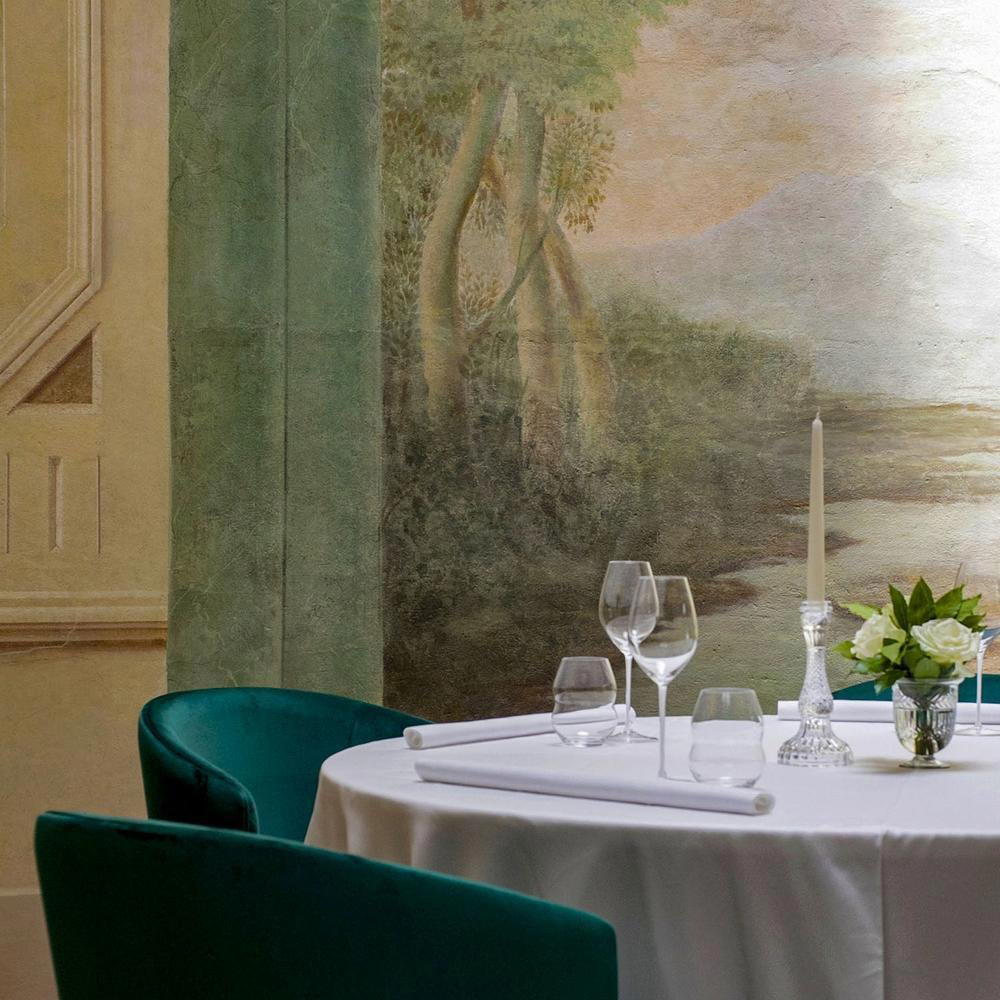
Restaurants in La Zubia
Browse all →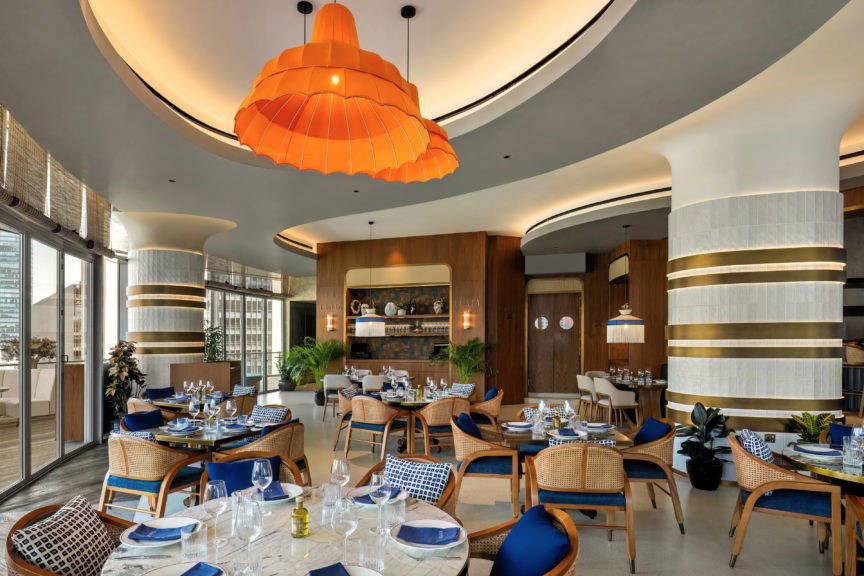
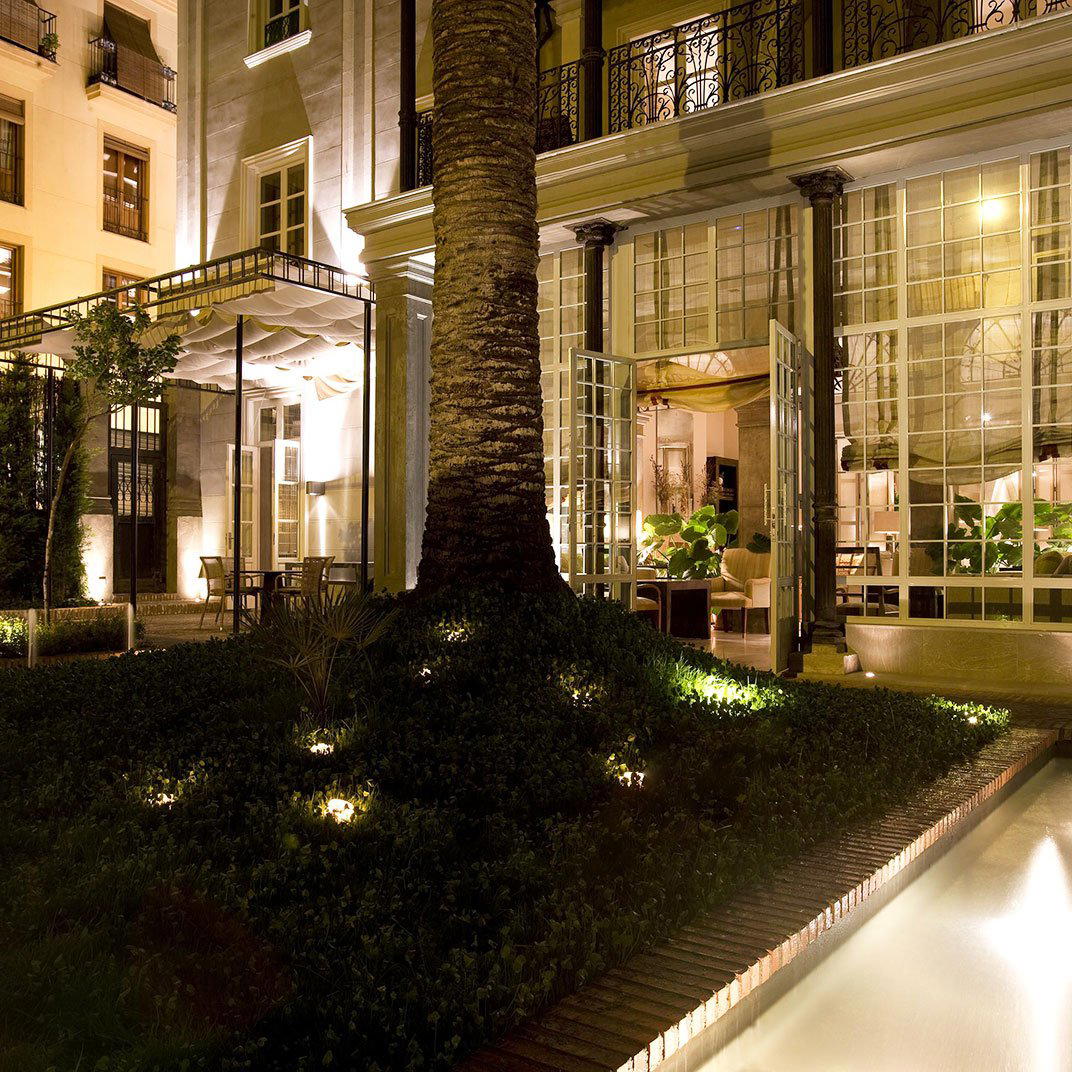
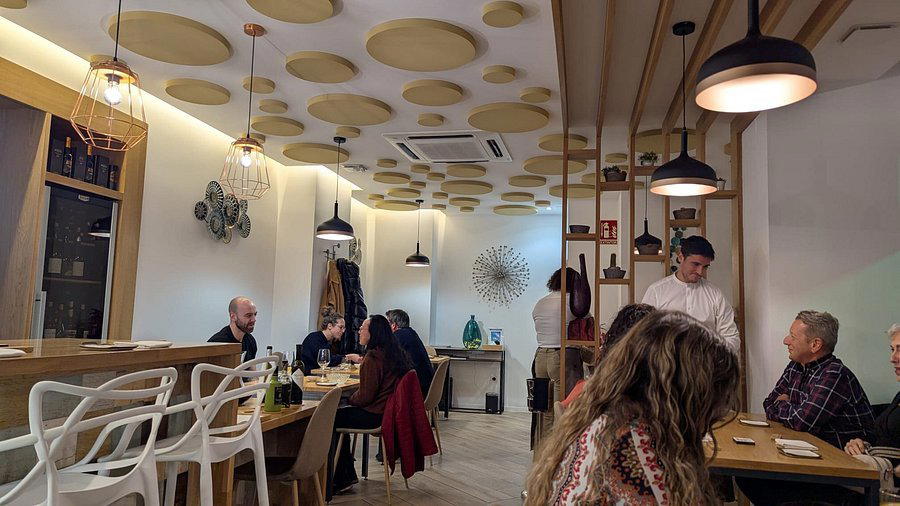
Bars in La Zubia
Browse all →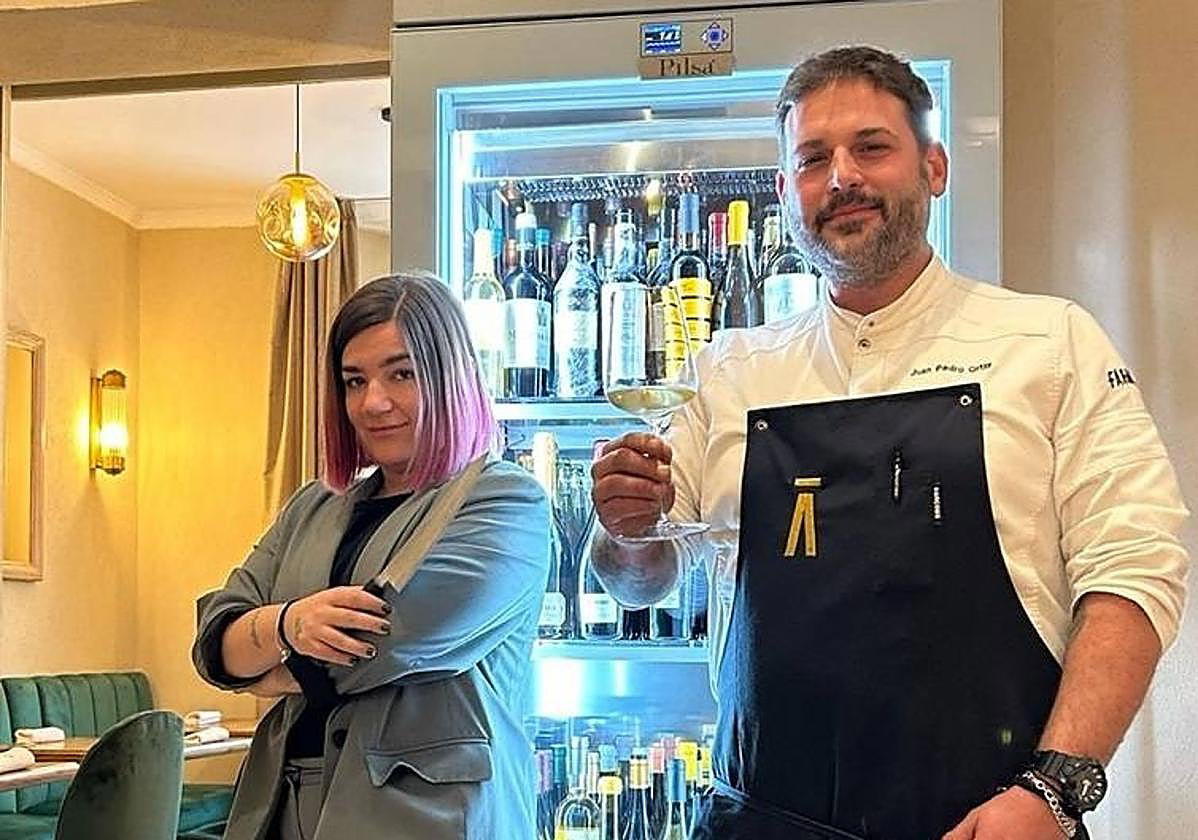
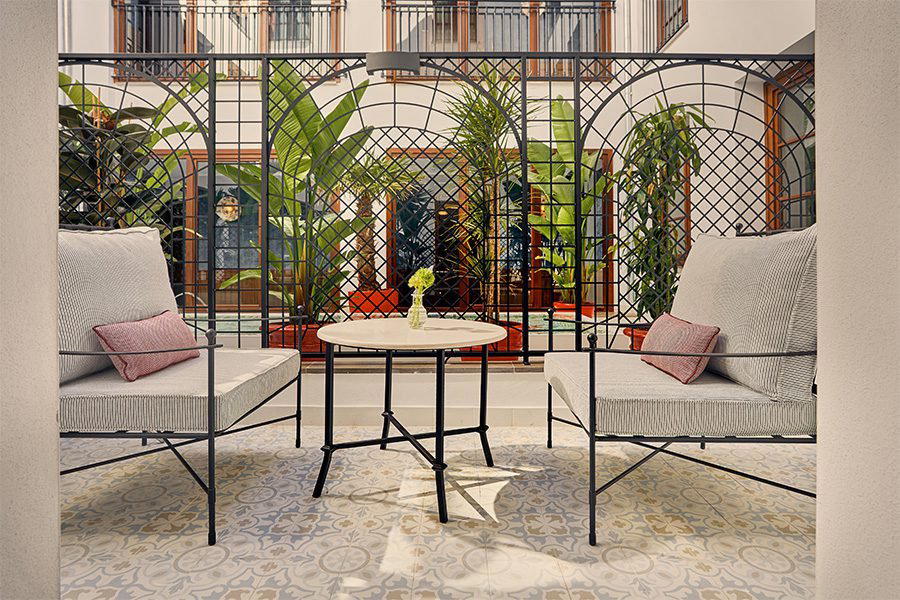
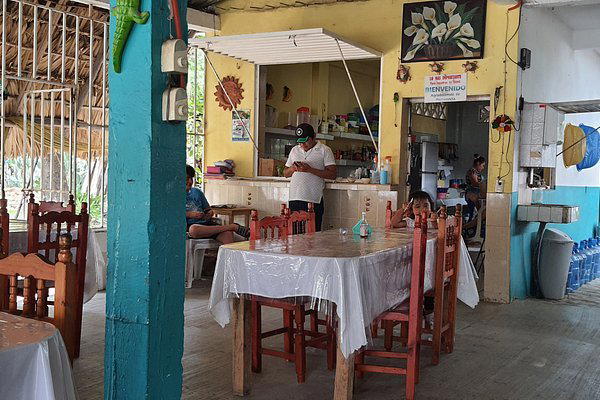
Hotels in La Zubia
Browse all →

Details
- Elegant
- Rustic
- Cozy
- Date Night
- Family
- Celebration
- Special Occasion
- Open Kitchen
- Extensive Wine List
- A La Carte
Current opening hours
- Monday
- 1 PM–12 AM
- Tuesday
- 1 PM–12 AM
- Wednesday
- 1 PM–12 AM
- Thursday
- 1 PM–12 AM
- Friday
- 1 PM–12 AM
- Saturday
- 1 PM–12 AM
- Sunday
- 1 PM–12 AM
Hours can change for holidays and private events. Last verified .
Regional feel with two dining rooms, comfortable atmosphere, and professional service as noted in guest reviews.