
Wine Spectator Best of Award of Excellence
Our verdict
Arva belongs to the Fifth Avenue end of New York dining, where hotel restaurants are judged by sourcing discipline as much as room polish. The useful lens here is Italian cooking through a luxury-hospitality filter: ingredient-led, restrained, and aimed at diners who want Midtown convenience without the looseness of a neighborhood trattoria.

Pearl is the En Primeur Club membership app — saves, bookings, and concierge access live there. Same editors, same standards.
- Address
- 730 5th Ave, New York, NY 10019
- Phone
- (207) 074-9858
- Hours
- Mon–Fri 7–10 AM, 12–3 PM, 5:30–11 PMSat–Sun 7–10:30 AM, 12–3 PM, 5:30–11 PM
- Website
- arvabyaman.com
- Directions
- Get directions
- Booking
- Book on the venue's website
The menu
What to order
- Vitello tonnato
- Tagliatelle alla bolognese
- Risotto allo zafferano
- Linguine all’astice
- Cotoletta alla milanese
New York City luxury dining has its own acoustics: polished entrances, measured arrivals, and a room calibrated for travelers who arrive between cultural appointments, business meetings, and late flights. Arva sits inside that version of New York City, where the cooking is presented not as rustic escape but as a controlled restaurant language. The relevant question is not whether the room feels like one district or another; it belongs firmly to the polished side of the city’s dining map. The better question is whether ingredient-led cooking can keep its clarity when placed inside a luxury setting built for international guests.
Ingredient-led cooking filtered through New York City discipline
New York has several restaurant traditions running at once. Some rooms reward density: tight spaces, loud tables, wine-led energy, and menus that treat specificity as social energy. Luxury dining asks for a different grammar. Service has to work for business meals, visiting guests, evening timing, and diners who want a composed room rather than a scene that spills onto the pavement. Arva operates in that second register, closer to the polished dining category than to the city’s casual counter-and-bar culture.
The ingredient-sourcing angle matters because cooking becomes exposed when the room gets quieter. Produce, seafood, oils, grains, dairy, and proteins do not have many places to hide behind technique or theatre. In New York City, where restaurants can draw on local produce, regional distributors, coastal suppliers, and international pantry networks, the distinction between competent and serious cooking often appears in restraint: fewer components, cleaner seasoning, and less dependence on luxury garnish. That is the standard Arva invites by choosing an ingredient-conscious identity in this city.
Its nearest context is not a nostalgic room or a downtown counter. The comparison is with polished New York City dining, restaurants with international service expectations, and luxury rooms built for guests who value pacing and privacy. San Pietro provides one useful New York reference point for classic formality, while The Whitby Bar & Restaurant and Blue Box Café by Daniel Boulud show how nearby luxury dining often serves a mixed audience of locals, hotel guests, shoppers, and cultural visitors. Arva’s position is quieter: more dependent on the kitchen’s sourcing judgment than on spectacle.
Why sourcing carries the meal here
Ingredient-led dining is a crowded claim, but in New York City it has a concrete meaning. The city can support high-grade imported staples and local seasonal produce in the same kitchen, yet the stronger rooms decide when not to overwork either. A vegetable course, a seafood preparation, a composed plate, or a simple protein only reads as luxurious if the buying is disciplined. Otherwise, luxury dining becomes expensive comfort food with better lighting.
Arva’s editorial value is that it belongs to a category where the ingredients have to justify the setting. New York City diners already have access to a wide range of ambitious counters, casual neighborhood cooking, wine-led rooms, and polished restaurants. That range matters: a luxury restaurant cannot rely on setting familiarity alone. It has to make a case through produce quality, execution, and a wine-and-service rhythm suited to a dining room where tables are often using dinner as part of a larger evening.
The broader American pattern is similar. Ingredient-first restaurants across New York City and other dining cities show how sourcing can define a meal more clearly than format. The same is true across more casual or specialized rooms, where the strongest experiences are often the ones that make sourcing legible without turning it into a lecture. Arva plays in a more formal lane, but the same test applies: the sourcing has to be evident on the plate, and the room has to let that clarity carry the meal.
How to read it within New York's luxury dining map
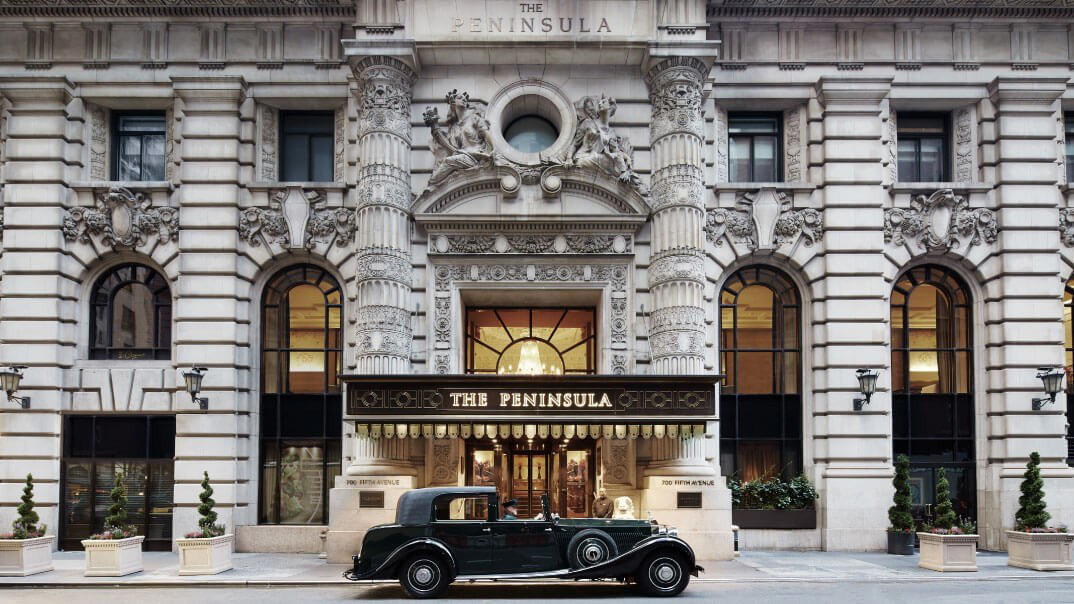
New York luxury restaurants have changed. The old model treated the dining room as a convenience, useful for flexible timing and guests who preferred not to make the meal its own production. The newer model asks the restaurant to compete with independent rooms nearby. Aman New York and The Peninsula New York sit in the same New York City luxury orbit, where dining is part of a larger hospitality ecosystem rather than a stand-alone neighborhood habit. That context explains Arva’s appeal and its limitation: it is better understood as polished, ingredient-conscious dining for a controlled New York City evening than as a loose, high-volume night out.
For travelers building a wider itinerary, the restaurant belongs beside the city’s broader dining, hotel, bar, winery, and experience circuits rather than apart from them. Use Our full New York City restaurants guide for restaurant comparisons, Our full New York City hotels guide for the surrounding hospitality tier, Our full New York City bars guide for after-dinner planning, Our full New York City wineries guide for wine-led context, and Our full New York City experiences guide for cultural pairings around the city. The strongest case for Arva is not novelty. It is the fit between sourcing discipline, luxury restraint, and a city dining culture that increasingly judges polished restaurants by demanding standards.
Frequently asked questions
Is Arva good for families?
Arva’s New York City setting makes it a workable choice for families who want a more polished meal. The room is likely to suit diners who prefer a composed setting over a casual all-day cafe.
Is Arva better for a quiet night or a lively one?
It leans quiet rather than lively. In New York City, this kind of polished luxury dining room usually points to a more formal experience than a high-noise bar scene.
Where do I go for Arva?
New York City.
Do I need a reservation for Arva?
Planning ahead is the sensible move. In New York City, prime dinner times at polished restaurants are typically organized in advance.
Side-by-Side Snapshot
Nearby venues at a similar price tier for orientation.
| Venue | Cuisine | Price | Awards |
|---|---|---|---|
| ArvaThis venue — the venue you are viewing | Italian | Not listed | Wine Spectator Best of Award of Excellence |
| The Whitby Bar & Restaurant | Modern American and International All-Day Dining | Not listed | Not listed |
| Blue Box Café by Daniel Boulud | French-Accented American Café | $50–100 | Not listed |
| San Pietro | Southern Italian Fine Dining | $50–100 | Not listed |
Recognition history
Dated appearances from independent guides and award organizations, with the underlying list record or original source where available.
Wine Spectator Best of Award of Excellence
Wine Spectator
Continue exploring
More in New York City
Restaurants in New York City
Browse all →
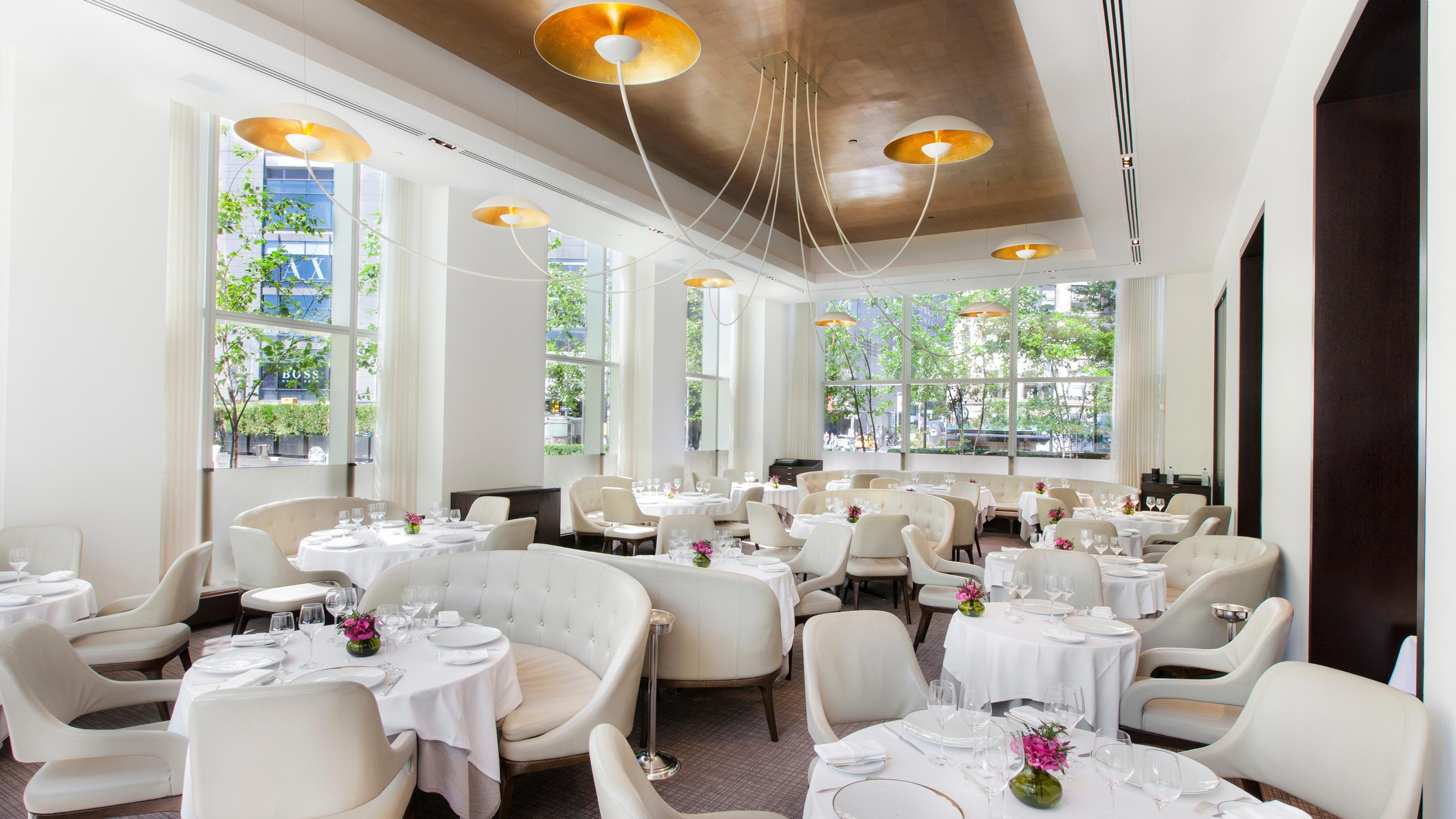
Bars in New York City
Browse all →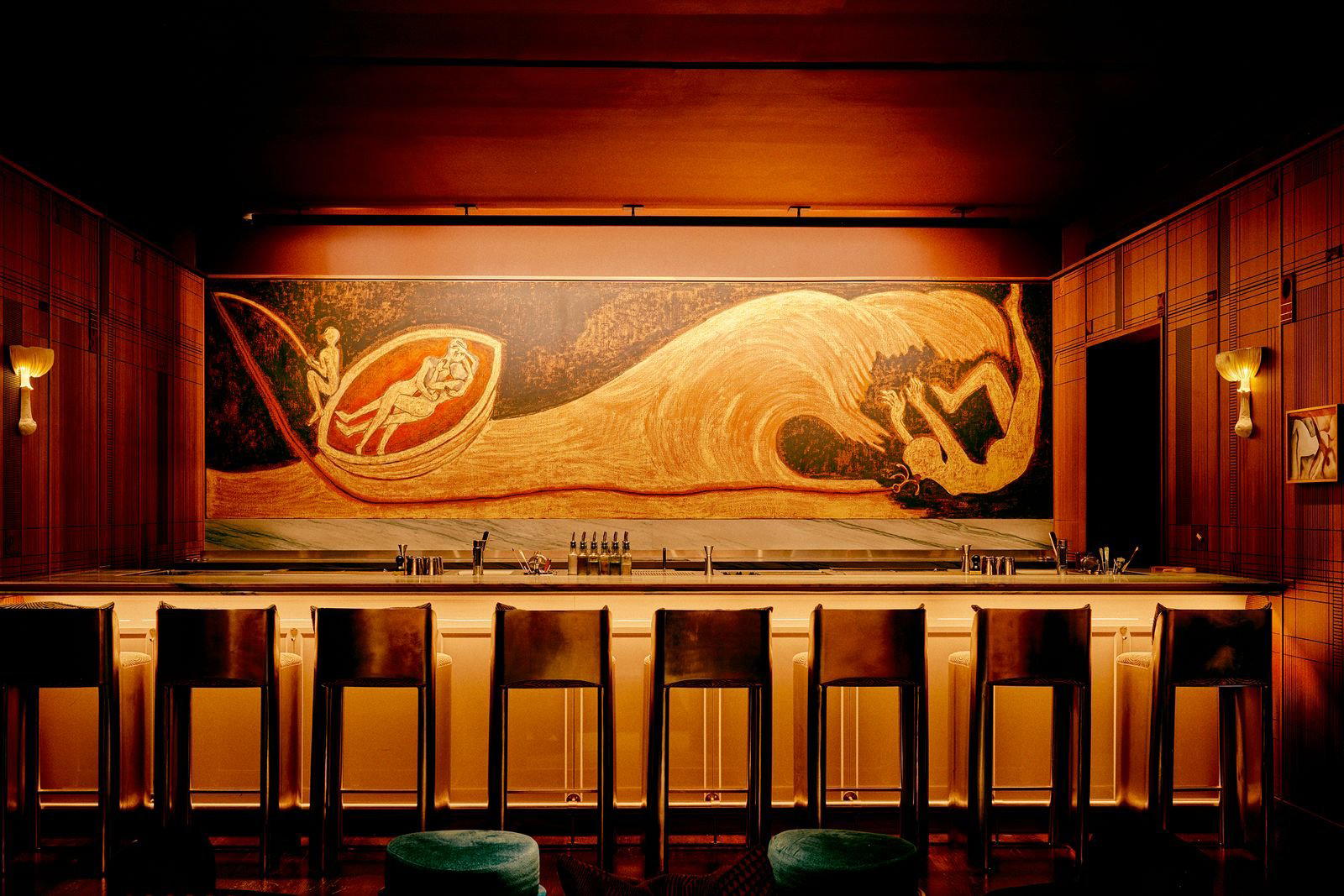
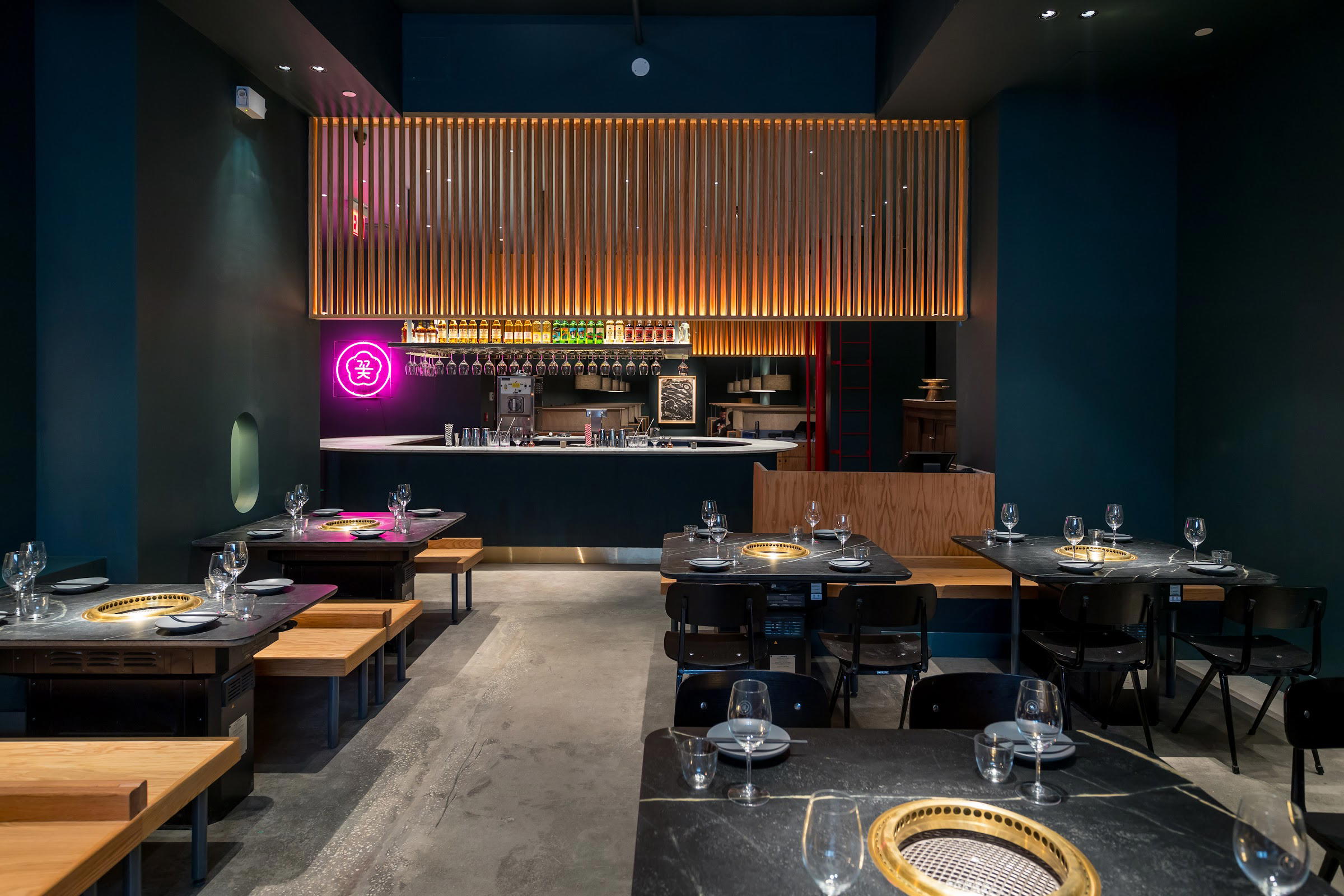
Hotels in New York City
Browse all →

Arva
The wine
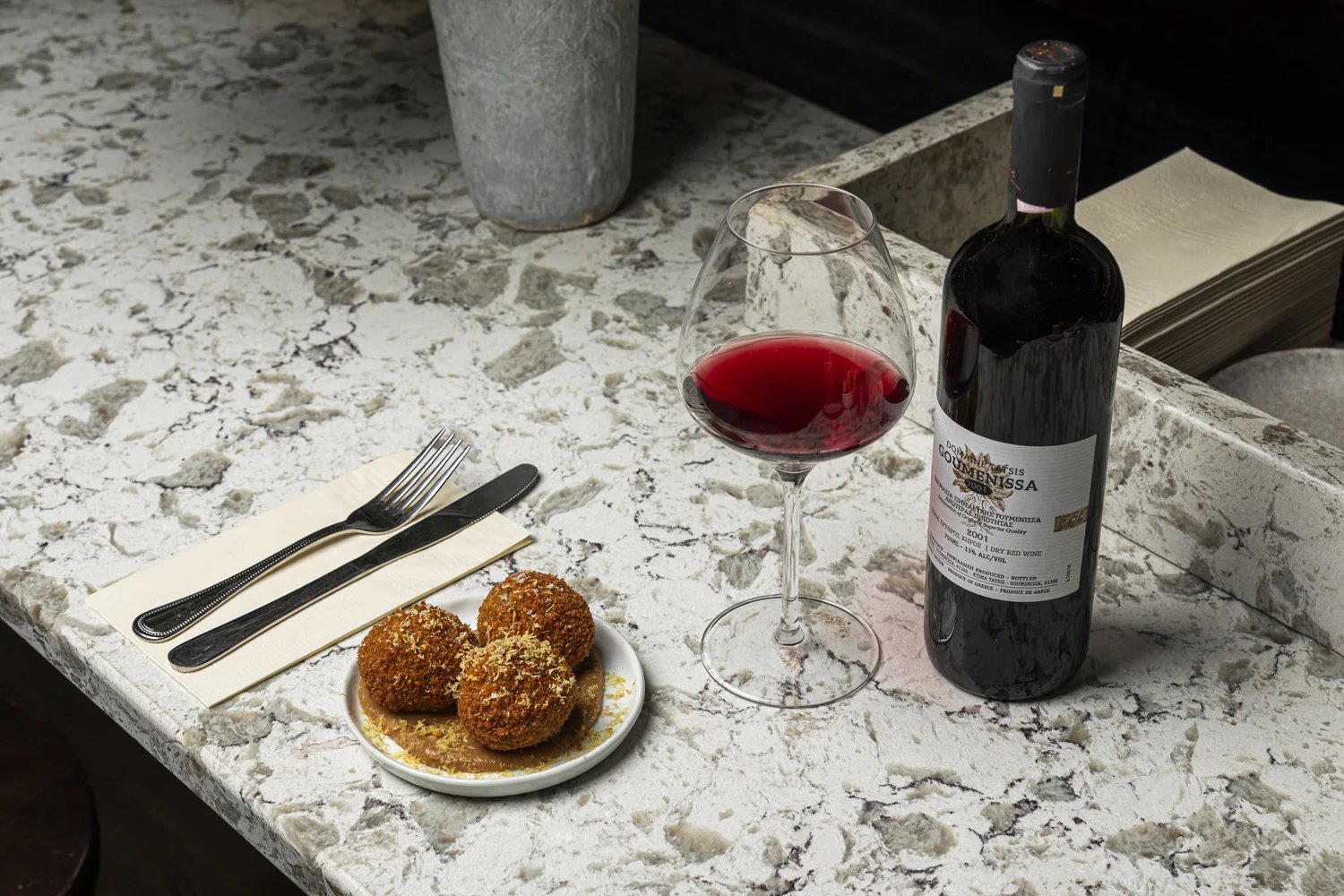
Arva holds the Wine Spectator Best of Award of Excellence, which Wine Spectator gives to lists of usually 350 or more selections.
- Wine program
- Curated wine list
- Wine Spectator
- Wine Spectator Best of Award of Excellence
- Sommelier-led
Details
- Elegant
- Sophisticated
- Modern
- Rustic
- Business Dinner
- Date Night
- Special Occasion
- Group Dining
- Hotel Restaurant
- Design Destination
- Sommelier Led
- Local Sourcing
- Street Scene
- A La Carte
- Wine
- Vegetarian Friendly
- Gluten Free Options
Current opening hours
- Monday
- 7–10 AM, 12–3 PM, 5:30–11 PM
- Tuesday
- 7–10 AM, 12–3 PM, 5:30–11 PM
- Wednesday
- 7–10 AM, 12–3 PM, 5:30–11 PM
- Thursday
- 7–10 AM, 12–3 PM, 5:30–11 PM
- Friday
- 7–10 AM, 12–3 PM, 5:30–11 PM
- Saturday
- 7–10:30 AM, 12–3 PM, 5:30–11 PM
- Sunday
- 7–10:30 AM, 12–3 PM, 5:30–11 PM
Hours can change for holidays and private events. Last verified .
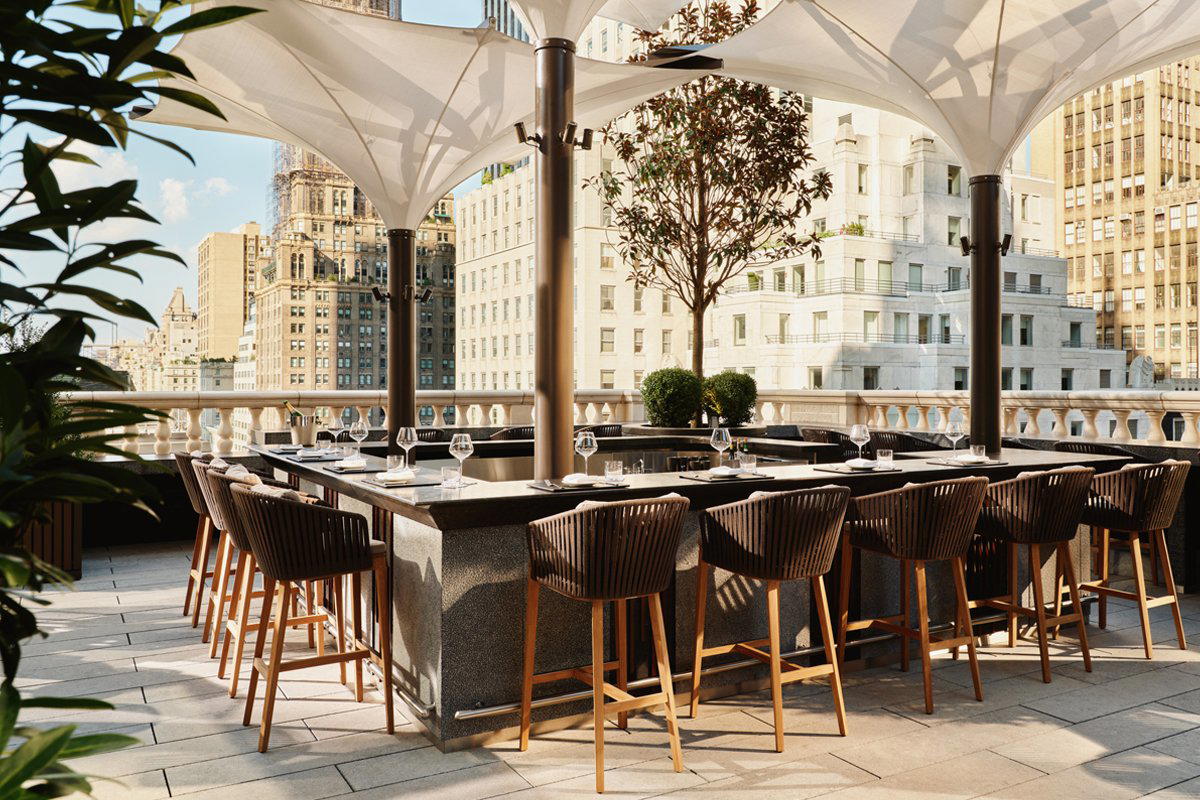
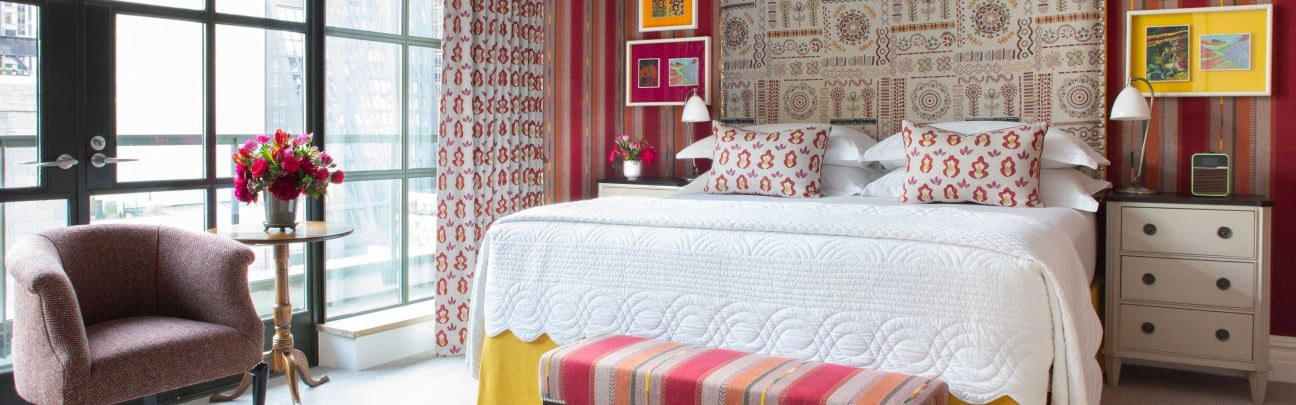
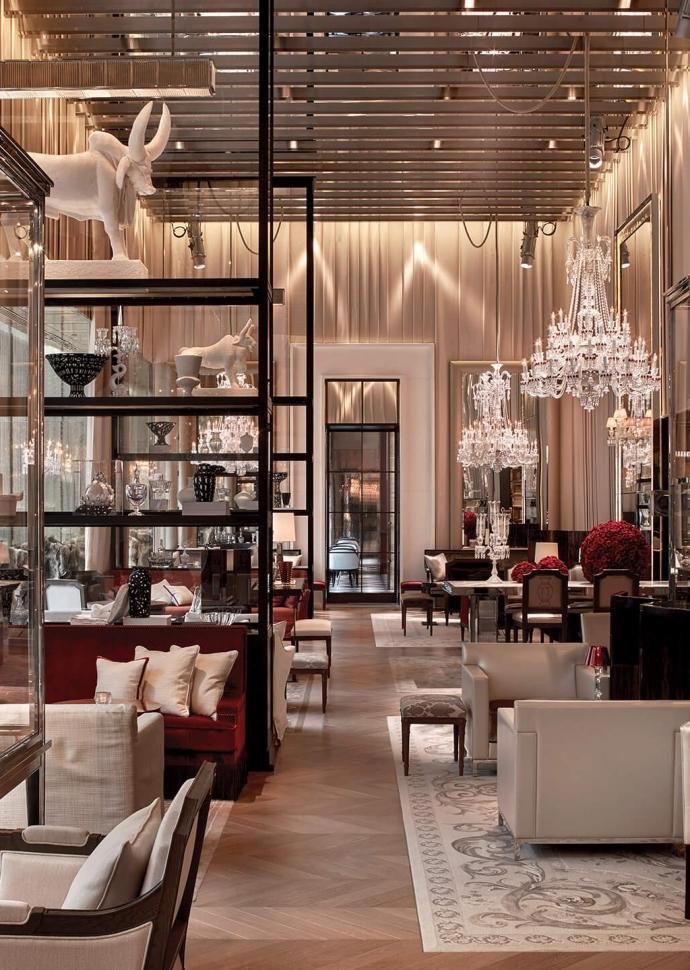
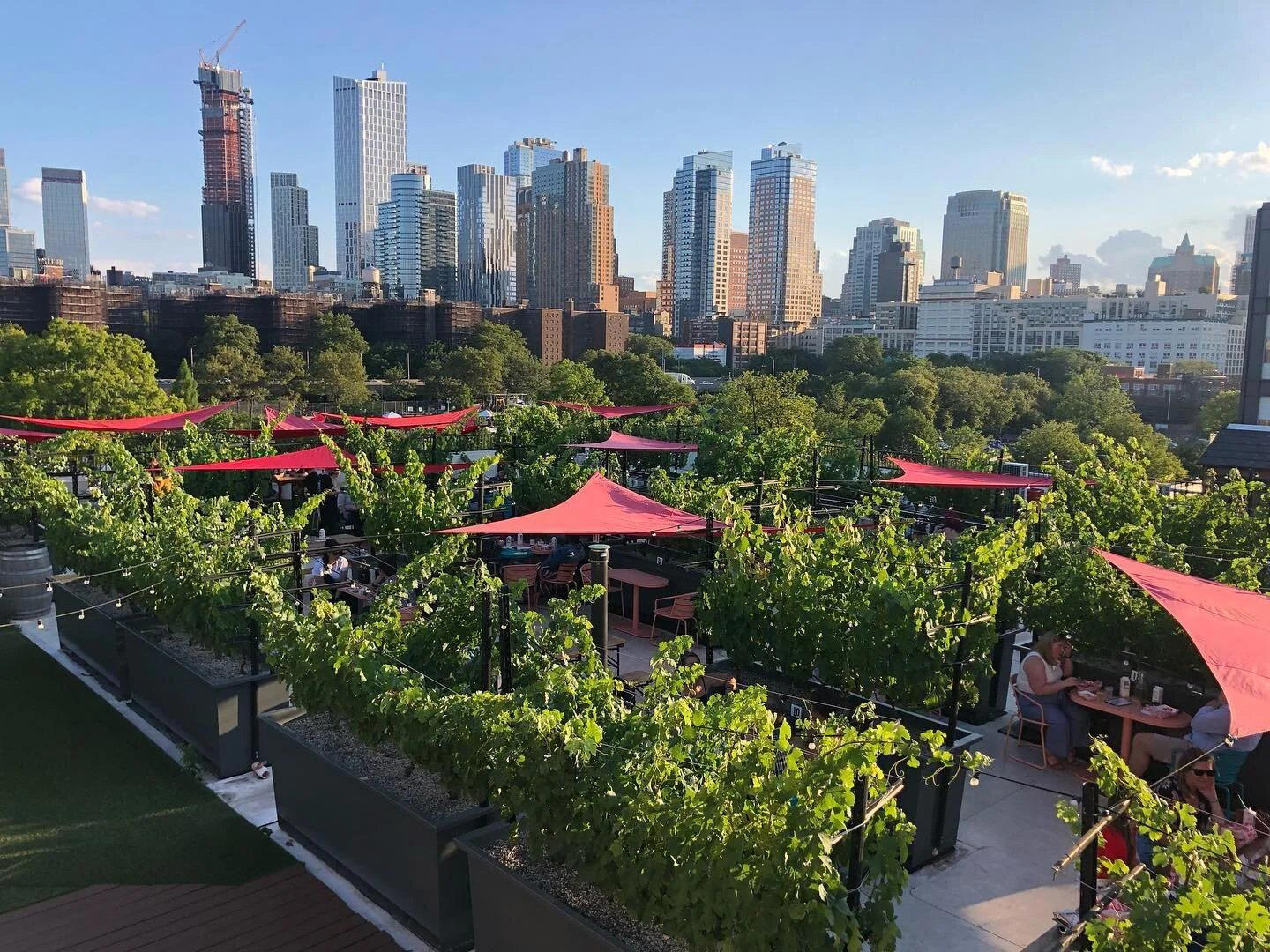
Modern, elegant, and rustic-leaning Italian dining atmosphere with an alfresco option overlooking Fifth Avenue.