Aroma Mediterranean Cuisine
Our verdict
Mediterranean cooking in King of Prussia that draws on the ingredient traditions of the Levant, North Africa, and the Aegean. Aroma Mediterranean Cuisine at Valley Forge Circle occupies a dining niche where sourcing decisions and regional specificity matter more than format spectacle. For a suburban Philadelphia corridor that runs from steakhouses to pan-Asian, the kitchen's focus on Mediterranean staples offers genuine contrast.

Pearl is the En Primeur Club membership app — saves, bookings, and concierge access live there. Same editors, same standards.
- Address
- 10104 Valley Forge Cir, King of Prussia, PA 19406
- Phone
- (610) 337-9300
- Hours
- Mon ClosedTue–Thu 11 AM–9 PMFri 11 AM–10 PMSat 12–10 PMSun 12–9 PM
- Website
- aromamedcuisine.com
- Directions
- Get directions
- Booking
- Book on OpenTable
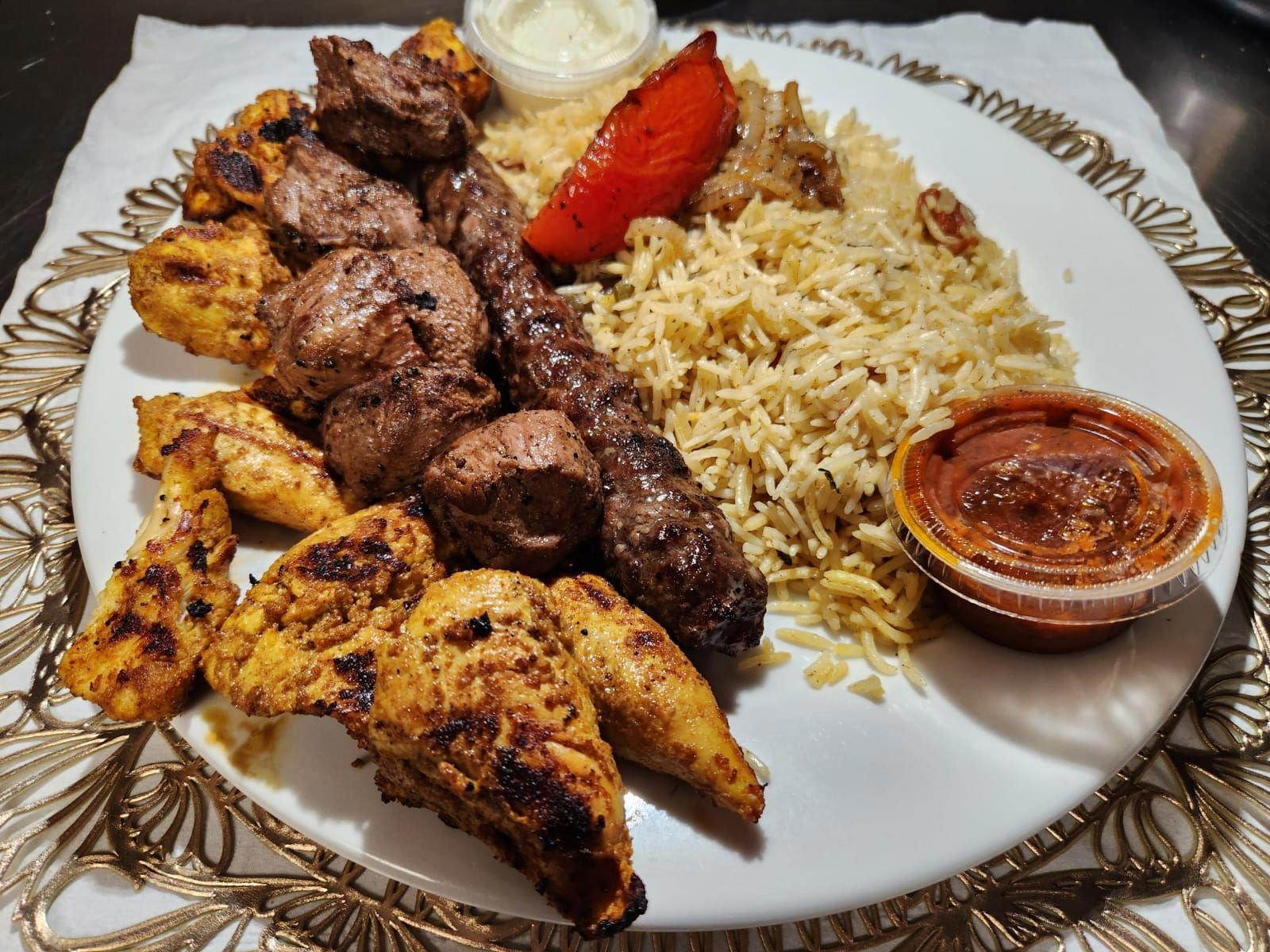
The menu
What to order
- Hummus
- Baba ghannouj
- Kibbeh
- Kafta
- Lamb kabobs
- Mixed kebab
- Mixed shawarma
- Shawarma salad
Where the Suburban Strip Meets the Mediterranean Shore
King of Prussia's dining scene is built, in large part, around the commercial gravity of one of the largest retail complexes on the East Coast. That gravitational pull has filled the surrounding streets with steakhouses, sushi bars, and Italian-American chains — the kind of mix that serves volume and convenience above almost anything else. Against that backdrop, a kitchen oriented around Mediterranean cooking represents something more considered. Aroma Mediterranean Cuisine, located at Valley Forge Circle, sits inside that counterweight tradition: a style of cooking defined less by format drama and more by the quality and provenance of what arrives on the plate.
Mediterranean cuisine as a category has become easier to caricature than to cook well. Hummus and flatbread have been commoditized across casual dining chains from Philadelphia to Phoenix. What separates a kitchen that takes the tradition seriously from one that simply borrows its aesthetics is, almost always, ingredient sourcing: the grade of the olive oil, the freshness of the herbs, whether the lamb has been selected with any regional intention. Those decisions are invisible on a menu but immediately legible at the table.
The Sourcing Logic Behind Mediterranean Kitchens
The Mediterranean basin is one of the world's most codified ingredient geographies. Specific olive varieties from particular valleys in Crete, Kalamata, or Jaén produce oils with measurable flavor profiles that diverge sharply from generic blends. Za'atar harvested wild from the Levantine hills carries a different aromatic register than the dried commercial herb mix. Preserved lemons cured for the right length of time have an acid depth that fresh citrus cannot replicate. These are not romanticized distinctions — they are functional ones that determine whether a dish arrives with the layered complexity the tradition demands or simply approximates its outline.
American Mediterranean restaurants of the last decade have split into two recognizable camps. One borrows the sun-drenched visual language and delivers a broadly accessible product calibrated for suburban American expectations, gentle spicing, familiar proteins, ample portion size. The other camp, smaller and less commercially dominant, treats the sourcing side as a non-negotiable commitment: regional grains, imported dry goods where no domestic equivalent exists, and proteins handled with attention to how they were raised. Kitchens in the second camp produce food that reads differently from the first, not necessarily more elaborate, but more specific.
Mediterranean cooking works a different axis entirely: its identity is built not around a dominant protein but around an ingredient logic that privileges oil, acid, legume, and herb as structural elements rather than supporting characters. That distinction shapes what the kitchen is doing at a foundational level.
King of Prussia's Dining Context
The restaurant corridor around Valley Forge Circle draws from a wide catchment, corporate travelers staying near the interchange, suburban Philadelphia families, and the daytime retail workforce that the mall complex generates. That audience mix tends to favor accessible formats and predictable experiences. Mediterranean cooking, at its better end, asks slightly more of the diner: a willingness to engage with unfamiliar cuts, unfamiliar spicing hierarchies, and dishes where the vegetable component is as carefully considered as the protein.
In that context, Aroma occupies a position comparable to what La Pizza e La Pasta - King of Prussia and Kooma - King of Prussia hold in their respective categories: an option that gives local diners a format with genuine regional roots rather than a simplified interpretation built around maximum accessibility. Davio's- King of Prussia operates at the premium end of the local Italian steakhouse format, a different competitive set altogether.
Among American cities where Mediterranean sourcing has been taken most seriously, the reference points tend to be coastal: Los Angeles, New York, and to some extent Chicago. Kitchens like Smyth in Chicago and Providence in Los Angeles demonstrate what happens when sourcing rigor is applied at the fine-dining tier. Further along that continuum, places like Blue Hill at Stone Barns in Tarrytown and Single Thread Farm in Healdsburg have turned ingredient provenance itself into the editorial premise of the dining experience. At Atelier Moessmer Norbert Niederkofler in Brunico, Alpine sourcing discipline shapes every course. These are extreme examples, but they illustrate where the sourcing argument has travelled at its most developed end. A suburban Philadelphia Mediterranean kitchen operates in a different register, but the underlying logic, that what you source determines what you can cook, runs through all of them.
Planning Your Visit
Aroma Mediterranean Cuisine is located at 10104 Valley Forge Circle, King of Prussia, PA 19406, accessible from the Route 202 corridor that serves as the spine of the area's commercial dining strip. Visitors to the broader King of Prussia restaurant scene should consult our full King Of Prussia restaurants guide for comparative context across categories.
Frequently asked questions
Where exactly is Aroma Mediterranean Cuisine?
Aroma Mediterranean Cuisine is located at 10104 Valley Forge Cir, King of Prussia, PA 19406, King Of Prussia.
Is Aroma Mediterranean Cuisine a good option for a business dinner near King of Prussia?
Located at 10104 Valley Forge Circle in King of Prussia, PA, Aroma Mediterranean Cuisine sits within a dining corridor that serves the Route 202 interchange, making it accessible for corporate travelers staying near the Valley Forge interchange hotels. Mediterranean-format restaurants in this setting typically offer a format conducive to shared plates and extended conversation, which suits business dining. Confirming hours and reservation availability directly with the restaurant before scheduling is recommended.
What should I order at Aroma Mediterranean Cuisine?
The menu at Aroma Mediterranean Cuisine draws from the broader Mediterranean canon, meaning dishes rooted in olive oil, fresh herbs, legumes, and grilled proteins are the likely anchors. At a Mediterranean table in this price corridor, shared plates and dips typically represent the kitchen's range most clearly. Arrive with appetite for the mezze-style options before committing to a main.
Do they take walk-ins at Aroma Mediterranean Cuisine?
Aroma Mediterranean Cuisine is located at 10104 Valley Forge Circle, King of Prussia, PA 19406, a corridor that draws both corporate travelers and suburban diners from across the Philadelphia catchment. Walk-in availability will depend on the day and time, so contacting the restaurant directly before arriving is advisable, particularly on weekday evenings when the business-dining crowd peaks.
What's the signature at Aroma Mediterranean Cuisine?
Mediterranean kitchens in this region tend to build their identity around a particular regional tradition, whether Levantine, Greek, or North African. At Aroma, the name suggests a kitchen where aromatics, spice layering, and herb-forward cooking define the plate. Without a disclosed tasting menu or published chef profile, the signature is best established on arrival by asking staff which dishes represent the kitchen's core preparation style.
In Context: Similar Options
Comparable venues nearby, for context on price, style, and recognition.
| Venue | Cuisine | Price | Notes |
|---|---|---|---|
| Aroma Mediterranean CuisineThis venue — the venue you are viewing | Syrian Mediterranean Cuisine | $20–30 | Not listed |
| Charkoal's Brazilian Steakhouse | Brazilian Rodízio Steakhouse | $30–50 | King of Prussia |
| NM Cafe | Contemporary American Café | $30–50 | King of Prussia |
| Kooma - King of Prussia | Asian Fusion Sushi Bar | $50–100 | King of Prussia Town Center |
| La Pizza e La Pasta - King of Prussia | Neapolitan Pizza & Artisanal Pasta | $30–50 | King of Prussia |
| The Kibitz Room King of Prussia | Classic Jewish Deli | Not listed | King of Prussia |
Continue exploring
More in King of Prussia
Restaurants in King of Prussia
Browse all →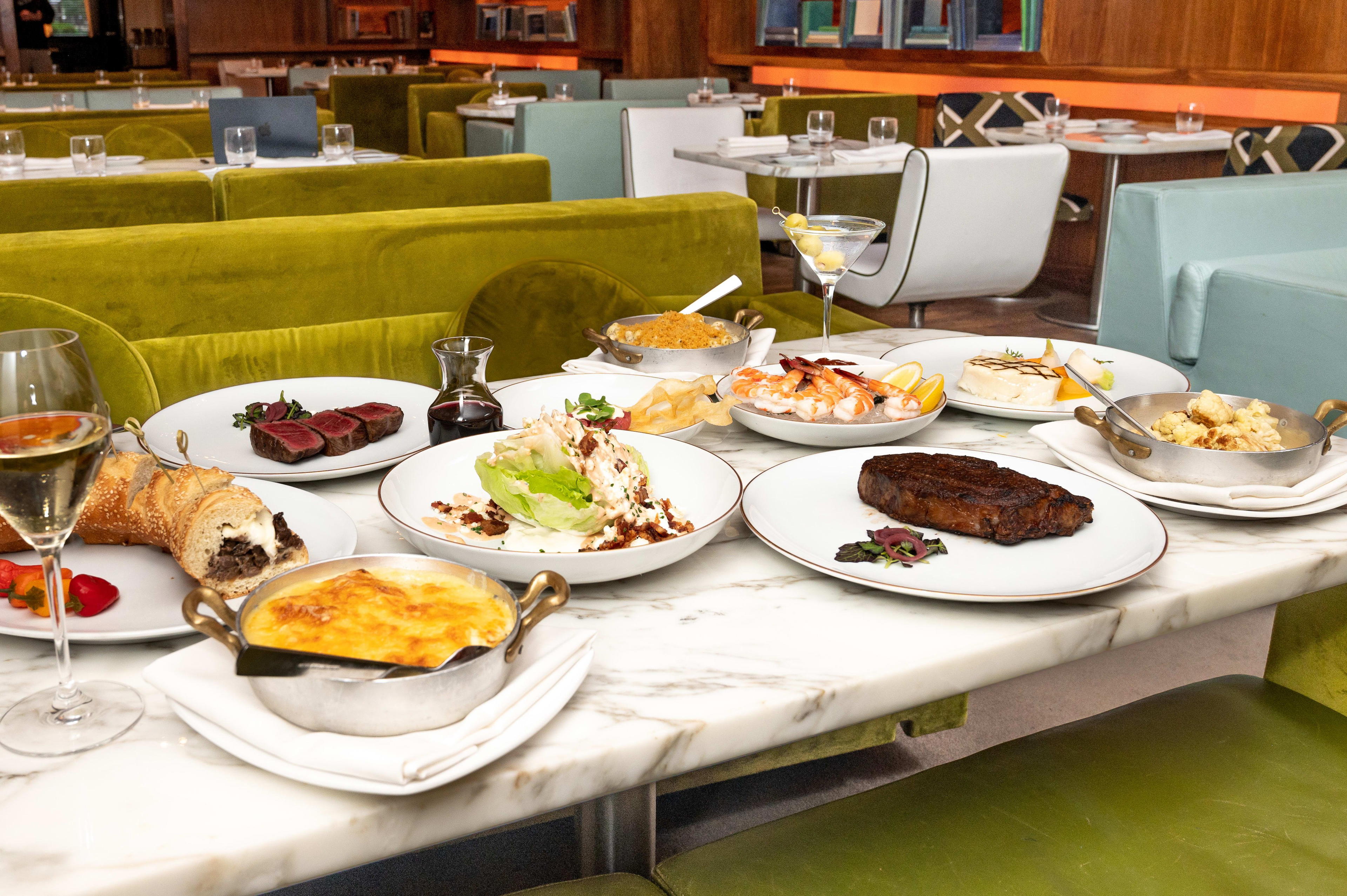
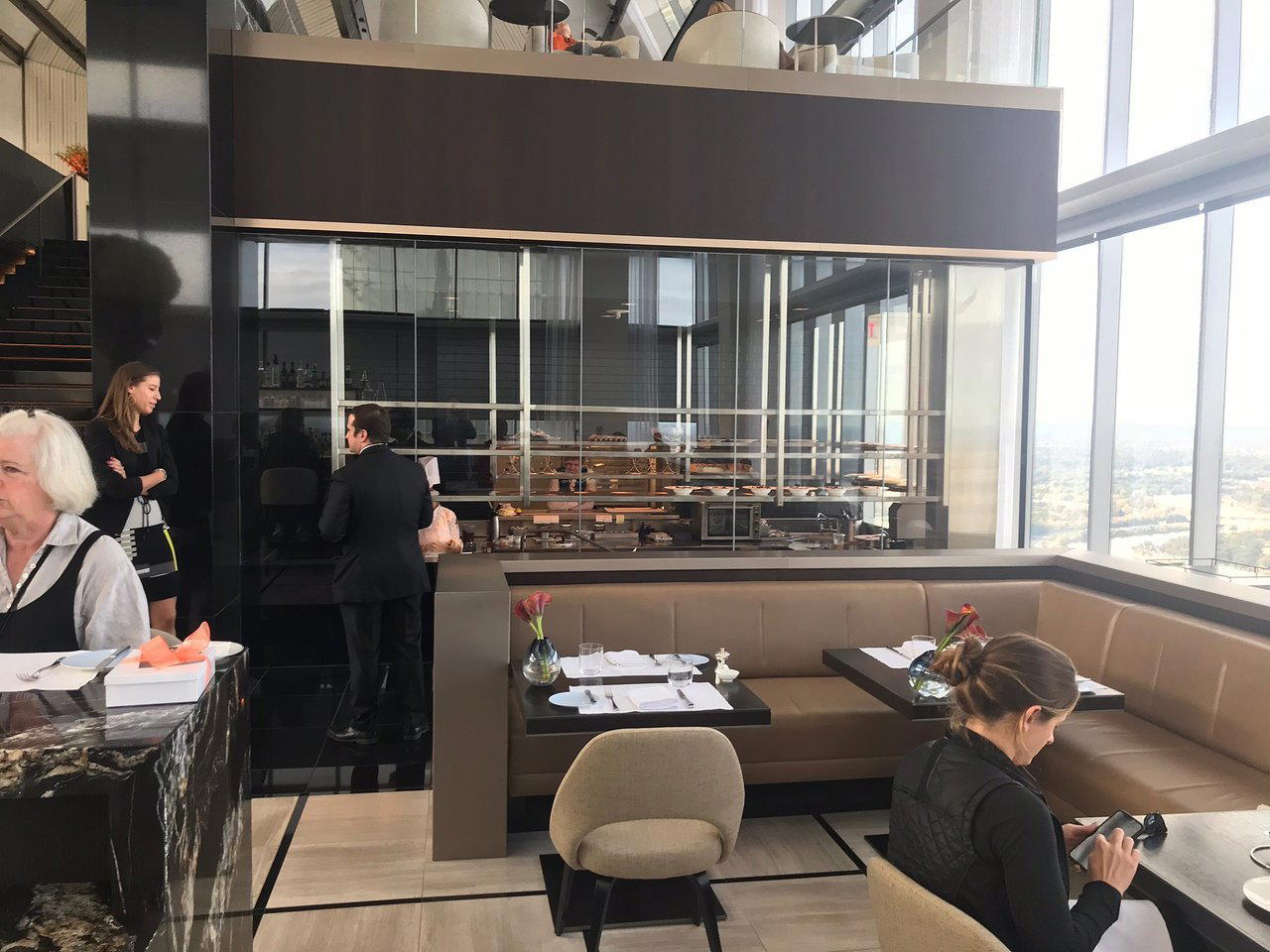
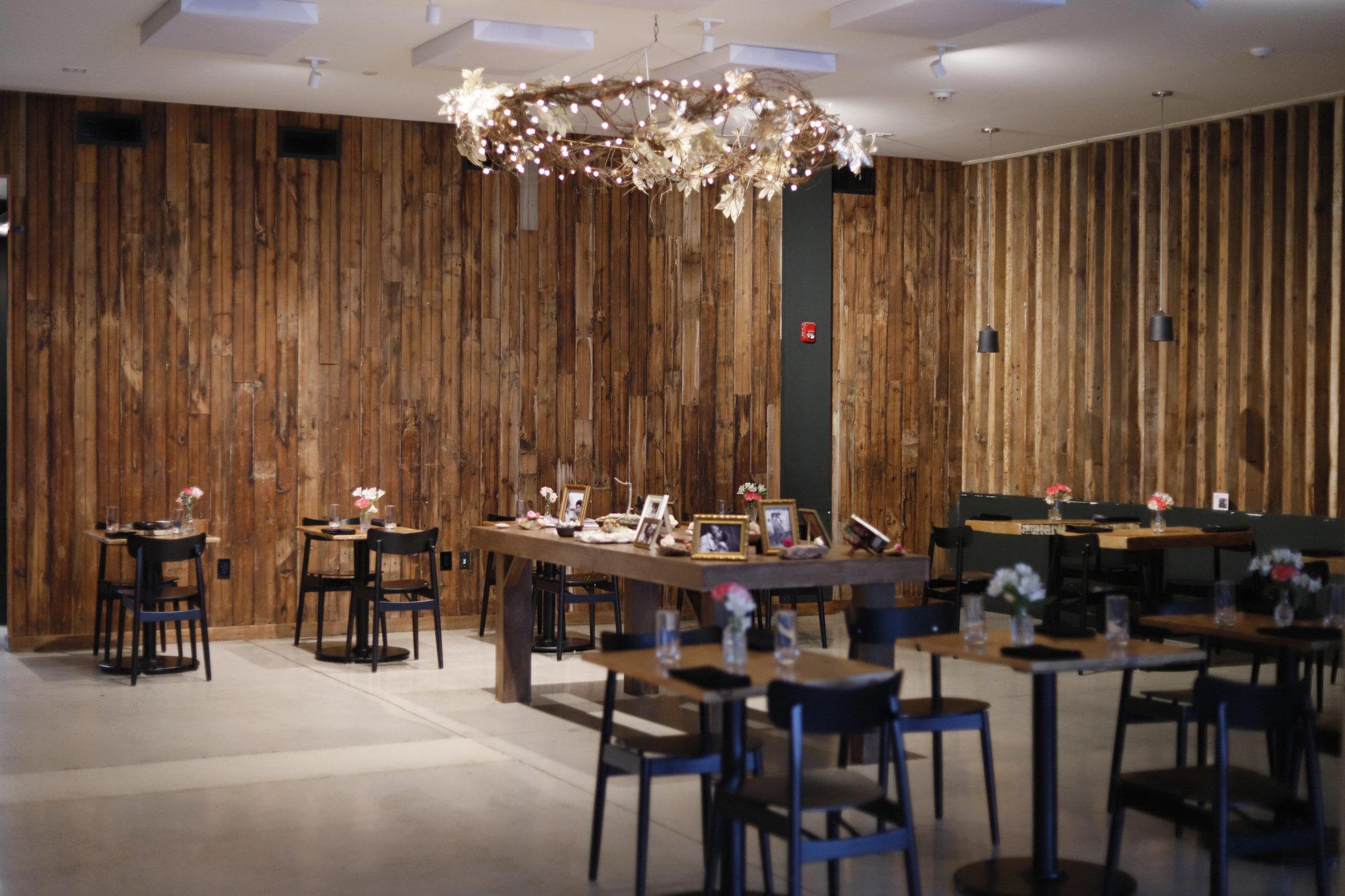
Bars in King of Prussia
Browse all →
Hotels in King of Prussia
Browse all →
Wineries in King of Prussia
Browse all →
Details
- Cozy
- Classic
- Family
- Group Dining
- Casual Hangout
- Private Dining
- Byob
- A La Carte
- Family Style
- Soft Drinks
- Vegetarian Friendly
- Halal
- Gluten Free Options
Current opening hours
- Monday
- Closed
- Tuesday
- 11 AM–9 PM
- Wednesday
- 11 AM–9 PM
- Thursday
- 11 AM–9 PM
- Friday
- 11 AM–10 PM
- Saturday
- 12–10 PM
- Sunday
- 12–9 PM
Hours can change for holidays and private events. Last verified .
Warm and welcoming family atmosphere with a focus on authentic hospitality and cultural heritage.