Area 337
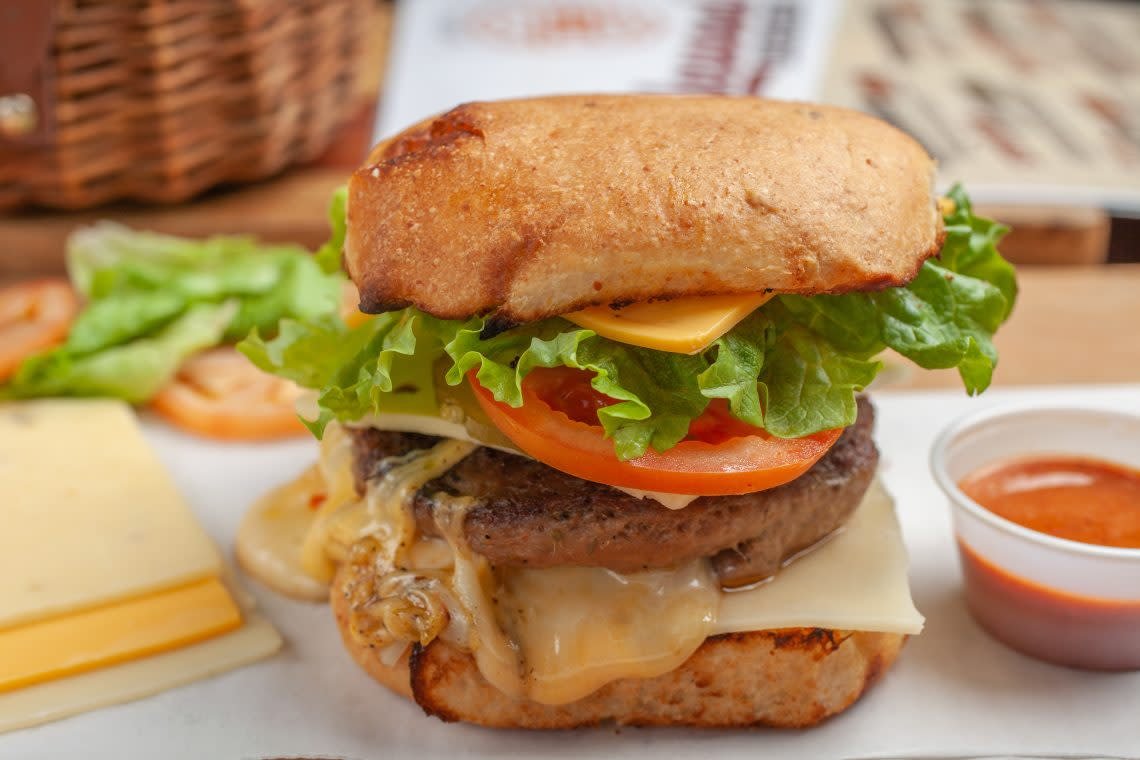
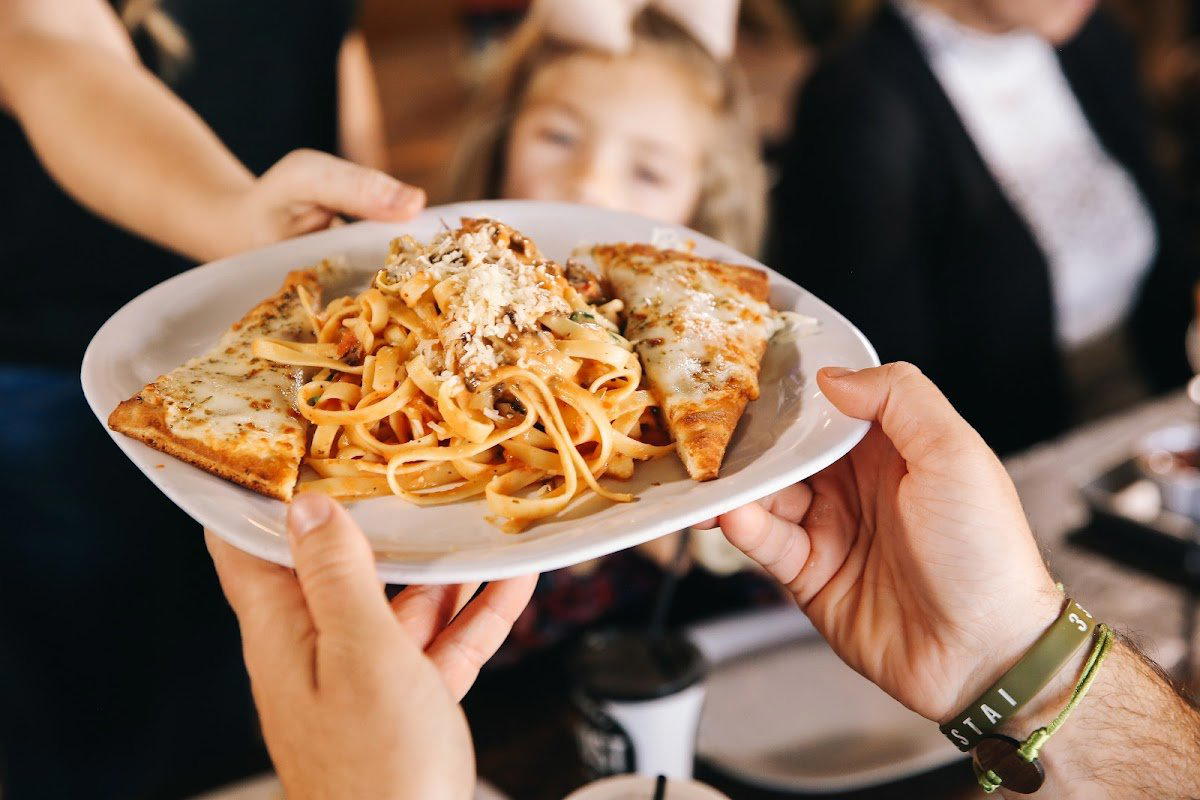
Area 337 serves Authentic Latino/Caribbean food with craft cocktails in a casual, lively setting at 710 Dr Michael Debakey Dr in Lake Charles.
Pearl is the En Primeur Club membership app — saves, bookings, and concierge access live there. Same editors, same standards.
- Address
- 710 Dr Michael Debakey Dr, Lake Charles, LA 70601
- Phone
- +13374888464
- Website
- area337.com
- Directions
- Get directions
 Saves & bookings on Pearl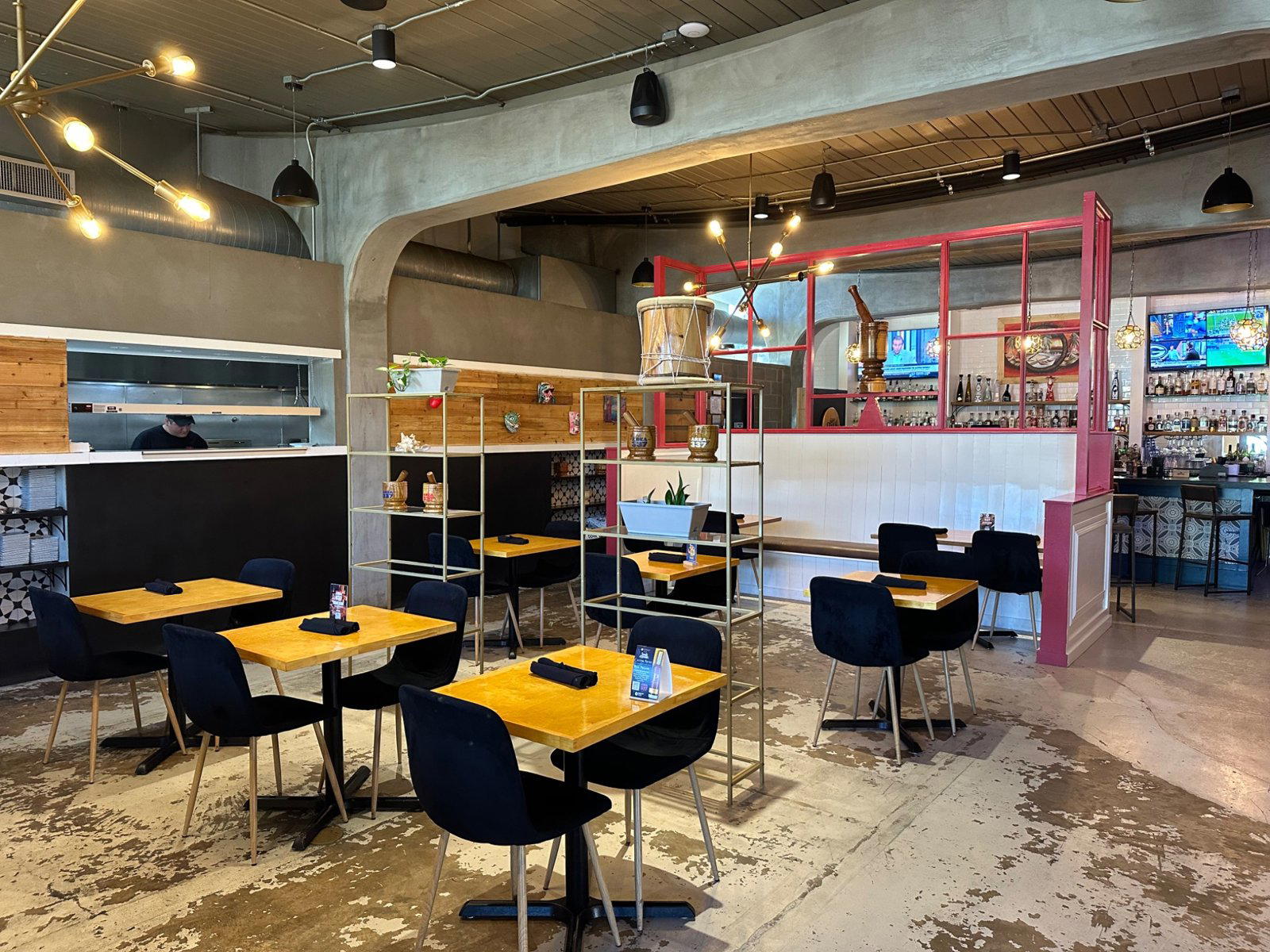
Where Lake Charles Sits in Louisiana's Dining Story
Southwest Louisiana has long occupied an underexamined position in the broader narrative of Southern cooking. While New Orleans draws the critical attention and Baton Rouge anchors the state's institutional food culture, cities like Lake Charles have developed their own cooking traditions shaped by Gulf Coast proximity, Cajun heritage, and a regional ingredient base that most national food media overlooks. Area 337, addressed at 710 Dr Michael Debakey Dr in Lake Charles, operates inside that context. The name references the local area code, a signal of deliberate regional identity in a dining culture where provenance increasingly defines credibility.
Across American dining, the question of where ingredients come from has moved from marketing language to structural expectation. Restaurants anchored to regional sourcing, from Blue Hill at Stone Barns in Tarrytown to Single Thread Farm in Healdsburg, have demonstrated that the most coherent cooking comes from menus built around a specific geography rather than a globalized supply chain. Southwest Louisiana offers a compelling geography for that argument: Gulf shrimp, crawfish, oysters from nearby estuaries, rice from the Cajun Prairie, and game from wetlands that extend toward the Texas border. Any restaurant in Lake Charles that takes its sourcing seriously is working with one of the more distinctive regional pantries in the American South.
The Ingredient Logic of Southwest Louisiana
The Gulf Coast corridor running from the Texas border through Vermilion Bay is among the most productive seafood zones in the continental United States. Lake Charles sits near that corridor, which means access to ingredients that chefs in coastal-adjacent cities pay a premium to import. Speckled trout, redfish, blue crab, and Gulf oysters form the backbone of local seafood traditions here, while the surrounding wetlands and rice fields feed a culture of wild game, smoked meats, and long-cooked rice dishes that traces back generations. This is not a region that needs to look far for seasonal specificity; it is already inside it.
That ingredient density is part of what makes dining in Lake Charles a more interesting proposition than the city's national profile might suggest. The Cajun cooking tradition was never about minimalism, but it was always about precision: knowing which crawfish are running, when the oysters are fat, how long the boudin needs to smoke. Restaurants that connect to those rhythms tend to produce more honest food than those approximating regional style through imported product. For visitors arriving from cities like Houston or New Orleans, the cooking in Lake Charles can read as closer to the source precisely because it often is.
For broader context on where Lake Charles dining fits alongside Louisiana's other food cities, our full Lake Charles restaurants guide maps the local scene across price tiers and neighborhoods. And for a sense of what Gulf Coast ingredient discipline looks like at the highest formal register nationally, Providence in Los Angeles and Le Bernardin in New York City both demonstrate how rigorously sourced seafood programs translate into sustained critical recognition.
Area 337 in the Local Context
Lake Charles has seen a gradual broadening of its restaurant range over the past decade, moving from a base of Cajun family dining and casino-adjacent hospitality toward a more varied scene that includes independent operators with distinct points of view. Area 337 addresses that shift.
Restaurants that commit to place-based identity face a consistent tension: how to translate genuine regional character into a format that reads as considered rather than casual. In Southwest Louisiana, that tension is particularly sharp because Cajun and Creole cooking traditions are both widely beloved and widely misunderstood. The versions that travel farthest from the source often achieve the broadest recognition. Restaurants like Emeril's in New Orleans have navigated that tension by grounding bold flavors in documented technique. The more interesting local operators tend to take a different approach: less spectacle, more fidelity to what the surrounding landscape actually produces in a given season.
Other Lake Charles options worth considering alongside Area 337 include Blazin' Hot Chicken, which operates at a different register but speaks to the city's appetite for direct, ingredient-driven cooking without fine-dining formality.
How to Approach a Visit
Area 337 is located at 710 Dr Michael Debakey Dr in Lake Charles, within reach of the city's central corridors. As with many independent operators in mid-sized Southern cities, the practical logistics, current hours, booking method, and pricing, are best confirmed directly before visiting, as these details shift more frequently than those of large hotel-group restaurants. The address places it within a short drive of Lake Charles's main hotel districts, making it a reasonable dinner destination for visitors already in the city for the gaming corridor or regional business travel.
For travelers comparing Lake Charles to other American dining destinations with strong regional sourcing credentials, the conversation naturally includes Addison in San Diego, Frasca Food and Wine in Boulder, The Wolf's Tailor in Denver, ITAMAE in Miami, Oyster Oyster in Washington D.C., The Inn at Little Washington, Atomix in New York City, The French Laundry in Napa, and Atelier Moessmer Norbert Niederkofler in Brunico. What connects the strongest entries in that list is not price point or formality but a clear line between what grows or runs nearby and what ends up on the plate. That is the benchmark against which any sourcing-led restaurant in Southwest Louisiana should be measured.
How It Stacks Up
| Venue | Cuisine | Price | Awards |
|---|---|---|---|
| Area 337This venue — the venue you are viewing | This venue | Not listed | Not listed |
| Le Bernardin | French, Seafood | $$$$ | Michelin 3 Star |
| Lazy Bear | Progressive American, Contemporary | $$$$ | Michelin 2 Star |
| Atomix | Modern Korean, Korean | $$$$ | Michelin 2 Star |
| Per Se | French, Contemporary | $$$$ | Michelin 3 Star |
| Masa | Sushi, Japanese | $$$$ | Michelin 3 Star |
Continue exploring
More in Lake Charles
Restaurants in Lake Charles
Browse all →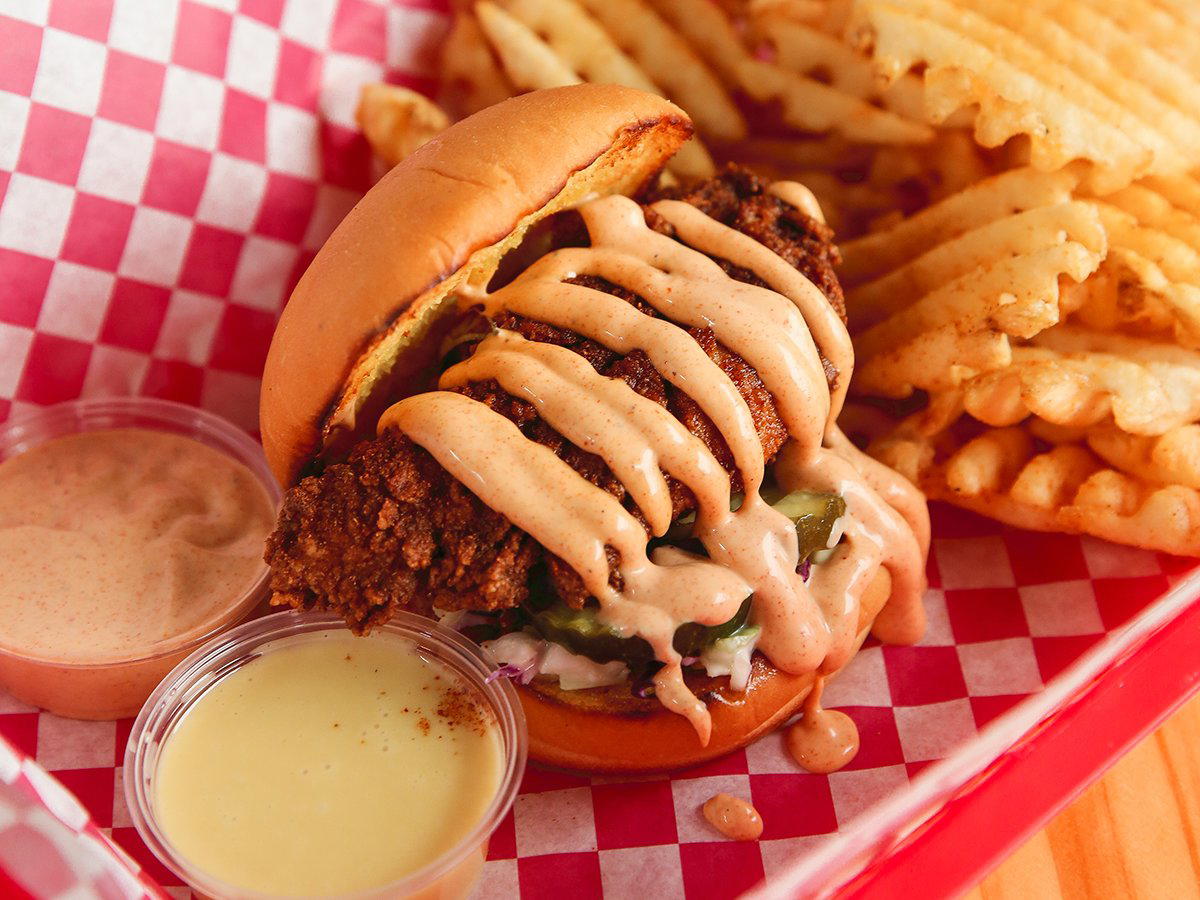
Bars in Lake Charles
Browse all →At a Glance
- Lively
- Energetic
- Group Dining
- Casual Hangout
- Craft Cocktails
Current opening hours
- Monday
- 11 AM–9 PM
- Tuesday
- 11 AM–9 PM
- Wednesday
- 11 AM–9 PM
- Thursday
- 11 AM–9 PM
- Friday
- 11 AM–9 PM
- Saturday
- 11 AM–9 PM
- Sunday
- 11 AM–4 PM
Hours can change for holidays and private events. Last verified .
Lively atmosphere with salsa and merengue dancing on Tuesdays, fostering community spirit.
Know Before You Go
- Getting there
- 710 Dr Michael Debakey Dr, Lake Charles, LA 70601