Apicius

Michelin Plate
Our verdict
Apicius holds a Michelin Plate (2025) in Montbrison, Loire's understated market town, where modern cuisine meets the agricultural rhythms of the Forez plain. For travellers moving between Lyon and the Auvergne highlands, it reads as a considered stop rather than an afterthought.

Pearl is the En Primeur Club membership app — saves, bookings, and concierge access live there. Same editors, same standards.
- Address
- 29 Rue Martin Bernard, 42600 Montbrison, France
- Phone
- +33 9 82 38 34 65
- Hours
- Mon–Thu 12–2 PMFri 12–2 PM, 7:30–9:30 PMSat 12–2 PMSun Closed
- Directions
- Get directions
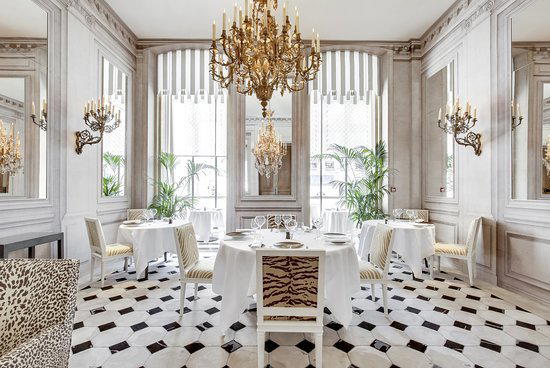
Where the Forez Plain Sets the Plate
Montbrison sits in a geographical corridor that rarely appears on gastronomy itineraries, yet the Loire department's interior has long supplied some of France's most consistent agricultural output. The Forez plain, which wraps around the town, produces grain, livestock, and orchard fruit across a wide basin sheltered by the Massif Central to the west and the Monts du Lyonnais to the east. That agricultural geography shapes what ends up on the table at Apicius, located at 29 Rue Martin Bernard, in a town where the weekly market still reflects the season more faithfully than most urban equivalents.
France's provincial modern cuisine tier has been quietly reshaping itself over the past decade. While three-star destinations such as Mirazur in Menton or Alléno Paris au Pavillon Ledoyen command international attention, the more instructive story is happening in smaller towns where kitchens work within tighter supplier networks and narrower budgets. In those conditions, ingredient sourcing is not a marketing choice; it is a structural necessity. Apicius occupies this space at the €€ price point, which in France's current dining economy represents genuine accessibility for serious cooking.
The Michelin Signal and What It Actually Means Here
Apicius carries a Michelin Plate for 2025, a designation that Michelin reserves for restaurants where inspectors find quality cooking without the formal ceremony of star candidacy. In provincial France, the Plate functions as a more useful signal than it might appear. It marks a threshold: the kitchen is doing something consistent and considered enough to merit inspection attention, even in a town that is not on Michelin's primary circuit. Across the broader French modern cuisine field, addresses at this level often supply the regional cooking that underpins the country's gastronomic reputation without receiving equivalent credit. Compare the Plate designation here against the three-star context of Troisgros - Le Bois sans Feuilles in Ouches, another Loire address, and the distance between the two in terms of prestige is obvious. The distance in terms of what they share — a rooting in regional product — is less obvious but more interesting.
In a town of Montbrison's size, that volume also suggests a loyal local base alongside the occasional passing traveller, which is a more reliable sign of quality than a high score driven by novelty.
Ingredient Logic in the Forez Context
The editorial angle on modern French cuisine in smaller regional centres like Montbrison is fundamentally about supply chains. Lyon, roughly 70 kilometres to the northeast, has built its culinary identity on the efficiency of its market access: Bresse poultry, Dombes fish, Rhône valley vegetables arriving within hours. Montbrison operates within a related but distinct orbit. The Forez plain's agricultural character leans toward cattle farming and mixed arable land, with the surrounding hills adding game, mushrooms, and foraged herbs across the relevant seasons.
Modern cuisine as a category in France has increasingly moved toward this kind of hyper-regional logic, particularly since the mid-2010s when the sourcing conversation shifted from aspiration to expectation. Kitchens operating at the Michelin Plate level in Loire's interior towns are, by practical necessity, working with suppliers whose names most diners will never know, small farms, individual growers, local cooperatives, rather than the consolidated wholesale networks that supply volume-driven restaurants. The result, when it works, is cooking that reflects a specific geography rather than a generic idea of French cuisine.
For context on how this principle operates at the highest levels elsewhere in France, addresses like Bras in Laguiole or Auberge du Vieux Puits in Fontjoncouse have built their entire identities around the landscapes that feed them. Provincial Michelin Plate restaurants operate on the same principle at a different scale and budget.
Positioning Within the Regional Dining Scene
The Loire department and the adjacent Auvergne-Rhône-Alpes territory contain a wider range of serious cooking than most travellers account for when planning itineraries through central France. The gravitational pull of Lyon tends to absorb dining attention that might otherwise distribute across the region. Montbrison, as a prefecture-level town with a functioning market economy and agricultural hinterland, supports a dining scene that rewards the traveller who moves off the main axis. Apicius sits at a price point, €€, that makes it accessible for a weekday lunch or an unplanned evening stop, rather than a destination that requires advance commitment.
Within the Loire department specifically, modern cuisine addresses at this tier compete quietly against traditional brasseries and bistros that serve the local population on different value terms. The Michelin recognition shifts Apicius into a distinct bracket: it is no longer simply a neighbourhood restaurant, but it is also not asking visitors to organize a trip around it in the way that Paul Bocuse - L'Auberge du Pont de Collonges or Flocons de Sel in Megève might. It occupies a middle ground that is increasingly scarce in France: serious cooking at a price that doesn't require planning a budget category around a single meal.
Planning a Visit
Apicius is at 29 Rue Martin Bernard, 42600 Montbrison. The town is served by rail from Lyon, making it a realistic half-day excursion from the city, or a natural stop for travellers moving through the Loire department by road. At the €€ price tier, the spend per head sits well below the major regional destinations, which makes it a practical choice for travellers who want considered cooking without the ceremony of a starred room. Checking directly or arriving early for lunch service is the direct approach. For accommodation and other planning needs in the area, see our full Montbrison hotels guide. For the broader dining picture across the town, our full Montbrison restaurants guide covers the range of options. Those spending longer in the region may also want to consult our Montbrison bars guide, our Montbrison wineries guide, and our Montbrison experiences guide.
Frequently asked questions
What is the overall feel of Apicius?
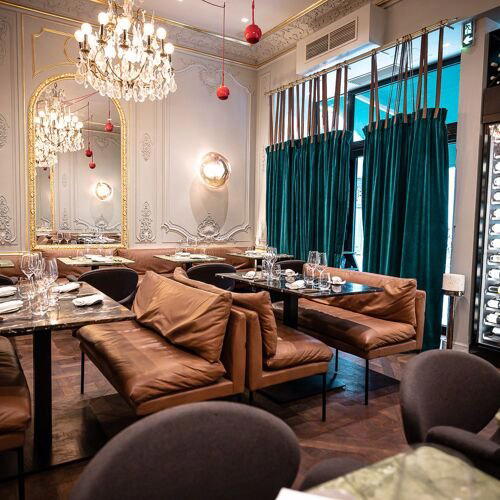
In a town like Montbrison, that combination produces a room that reads as serious without being formal: the kind of address where the cooking takes precedence over the ceremony. It is not a destination restaurant in the way that three-star addresses in the broader Auvergne-Rhône-Alpes region position themselves, but it carries more culinary intention than its price point might initially suggest.
Is Apicius child-friendly?
Montbrison is a functional market town rather than a tourist centre, and restaurants at the €€ level in French provincial settings generally accommodate families without difficulty. The Michelin Plate designation suggests a degree of kitchen seriousness, but at this price tier the format is unlikely to be rigid tasting-menu-only. Specific family policies are not confirmed in current listings, so contacting the venue directly is the practical step if a family booking is the plan.
What do regulars order at Apicius?
What the 2025 Michelin Plate recognition and the modern cuisine classification together suggest is a kitchen focused on technique applied to regional product. Given the Forez plain context, seasonal and locally sourced ingredients are the logical foundation. For broader regional reference points on what modern French cuisine at this level tends to prioritise, addresses like AM par Alexandre Mazzia in Marseille or Assiette Champenoise in Reims illustrate the range of the category at higher price tiers.
How It Stacks Up
Comparable venues nearby, for context on price, style, and recognition.
| Venue | Cuisine | Price | Awards | Notes |
|---|---|---|---|---|
| ApiciusThis venue — the venue you are viewing | Modern French Market Cuisine | $30–50 | Michelin Plate | Not listed |
| À la Table des Lys | Modern French Fine Dining | Not listed | Michelin Plate | Saint-Étienne heights |
| La Maison Forte | Contemporary French Gastronomy with Local Terroir | $50–100 | Michelin Plate | Farnay, Loire |
| Accentué | Modern French with Global Spices | $50–100 | Michelin Bib Gourmand | Quartier Gerland |
| Alquimia | Franco-Paraguayenne Fusion | $50–100 | Michelin Plate | centre ancien |
| Söma | Modern Franco-Algerian Bistro | $30–50 | Michelin Plate | Quartier Quartiers Anciens |
Recognition history
Dated appearances from independent guides and award organizations, with the underlying list record or original source where available.
Michelin Plate
Michelin
Full recognition history (2 entries)
Michelin Plate
Michelin
Continue exploring
More in Montbrison
Restaurants in Montbrison
Browse all →
Hotels in Montbrison
Browse all →
Wineries in Montbrison
Browse all →
Details
- Elegant
- Modern
- Sophisticated
- Cozy
- Date Night
- Special Occasion
- Open Kitchen
- Extensive Wine List
- Local Sourcing
- Prix Fixe
- A La Carte
- Vegetarian Friendly
Current opening hours
- Monday
- 12–2 PM
- Tuesday
- 12–2 PM
- Wednesday
- 12–2 PM
- Thursday
- 12–2 PM
- Friday
- 12–2 PM, 7:30–9:30 PM
- Saturday
- 12–2 PM
- Sunday
- Closed
Hours can change for holidays and private events. Last verified .
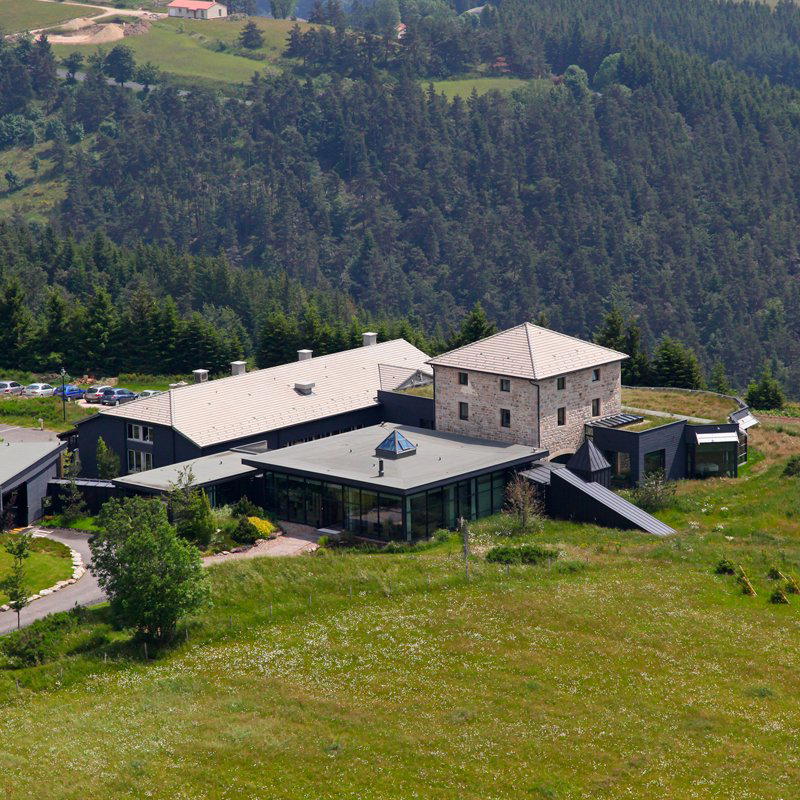
Chic, recently refurbished trendy interior with stylish, comfortable, soundproofed rooms and pleasant, warm atmosphere.