Apicine sits poolside at Pantai Karoso in southwest Sumba, where dining is inseparable from coast, heat, salt air, and the island’s slower supply rhythm. The editorial value here is the setting as much as the plate: a resort-adjacent table that belongs to Sumba’s small, ingredient-led dining circuit rather than Indonesia’s big-city restaurant race.
Pearl is the En Primeur Club membership app — saves, bookings, and concierge access live there. Same editors, same standards.
- Address
- Pantai Karoso, Ate Dalo, Kec. Kodi, Kabupaten Sumba Barat Daya, Nusa Tenggara Tim. (poolside)
- Directions
- Get directions
 Saves & bookings on Pearl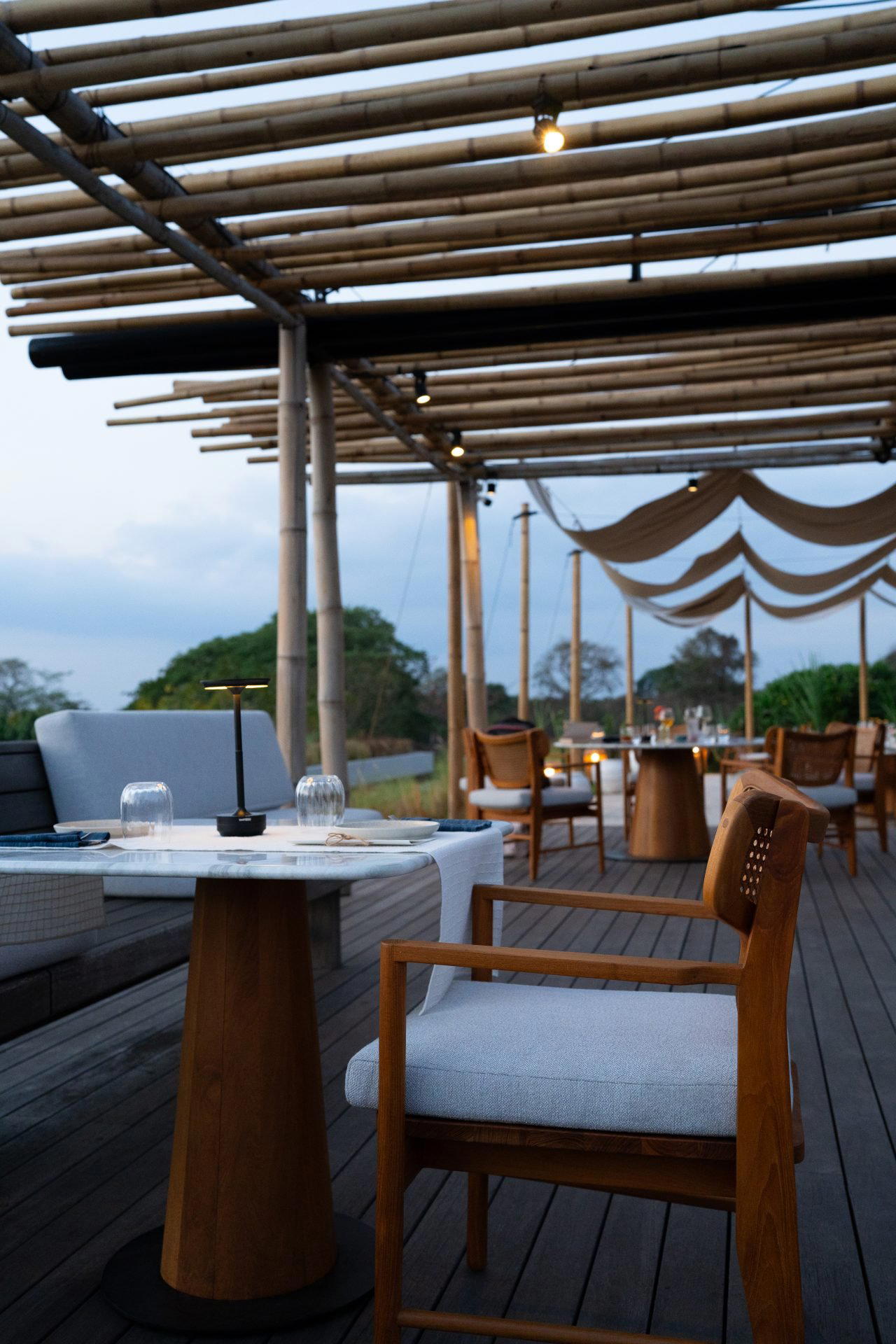
Approaching Apicine means entering the quieter end of Sumba’s dining map: Pantai Karoso, poolside, with the Indian Ocean climate shaping the appetite before any menu does. In this part of Indonesia, restaurants cannot lean on the dense supplier networks that feed Jakarta, Bali, or Singapore. The stronger tables tend to read the island first, then build around what can be sourced with discipline: coastal produce, tropical fruit, rice, spice, smoke, and the day-to-day realities of a remote island kitchen.
That sourcing question matters more in Sumba than it does in easier restaurant cities. A table here is judged less by how many imported luxury signals it can display and more by whether it makes sense in place. Apicine belongs in that conversation because of where it sits: not in a metropolitan dining district, but at Pantai Karoso in Kodi, where the meal is tied to weather, resort rhythms, and the western edge of the island. For readers mapping the wider scene, Our full Sumba restaurants guide gives the useful spread, while nearby island names such as Julang, Kaboku Restaurant, Nio Beach Club, and Ombak Restaurant show how compact the serious Sumba dining circuit remains.
Why Sumba sourcing changes the meal
Remote-island restaurants are often misunderstood by travelers arriving from larger Indonesian dining centers. The question is not whether a kitchen can imitate Bali’s polished wellness menus or Jakarta’s high-spend dining rooms. The sharper question is whether it can cook with enough restraint to let the location carry weight. Sumba’s food culture has long been shaped by agriculture, livestock, fishing, and ceremony; contemporary hotel and resort restaurants add a newer layer, where international guests meet local supply chains through a more edited format.
Apicine’s poolside position makes that edit visible. The room belongs to leisure rather than street-life theatre, so the food has to do the anchoring. In a destination where transport times, seasonality, and kitchen scale all affect what reaches the pass, ingredient sourcing becomes a measure of seriousness. Imported ingredients may appear in this category, but the restaurants with a stronger sense of place use them carefully, leaving room for island-grown and coastal elements to define the experience.
That is also why comparisons should stay local before they go national. Sumba is not competing directly with the volume and polish of Bali addresses such as Akar in Bali, Akademi in Badung, Aira Cafe in Gianyar, or Alu in Jimbaran. Nor does it resemble city-driven Indonesian dining such as Abunawas Restaurant - Kemang Branch in Jakarta, Aer Restaurant in Lombok, or Agreya Coffee Bogor in Bogor. The Sumba lens is narrower and more revealing: fewer venues, longer supply lines, and a clearer test of whether a restaurant feels grounded or merely transplanted.
A poolside format in a small island dining circuit
The poolside address places Apicine in a specific travel rhythm. This is not a quick urban table between meetings, and it is not a late-night bar substitute. It suits the slower arc of a Sumba stay, when meals are planned around beach time, transfers, and the fatigue that comes with heat and distance. That matters for expectations: the appeal is in a composed setting and a kitchen that can translate place into a polished resort context.
Sumba’s hospitality scene is still compact enough that restaurants, hotels, bars, wineries, and experiences overlap in the traveler’s planning. The island does not divide as neatly into standalone dining neighborhoods as larger destinations do. Use Our full Sumba hotels guide alongside the restaurant map, then check Our full Sumba bars guide, Our full Sumba wineries guide, and Our full Sumba experiences guide for the broader trip structure.
Outside Indonesia, compact specialist venues such as Jōdo Saké Bar in Los Angeles or Onigiri Time in Pasadena show a different kind of focus: product specificity in dense cities. Apicine’s focus is geographic instead. Its usefulness for travelers lies in how it places dinner within the island rather than apart from it.
Side-by-Side Snapshot
Comparable venues by cuisine and price in the same metro.
| Venue | Cuisine |
|---|---|
| Apicine | This venue |
Continue exploring
More in Sumba
Restaurants in Sumba
Browse all →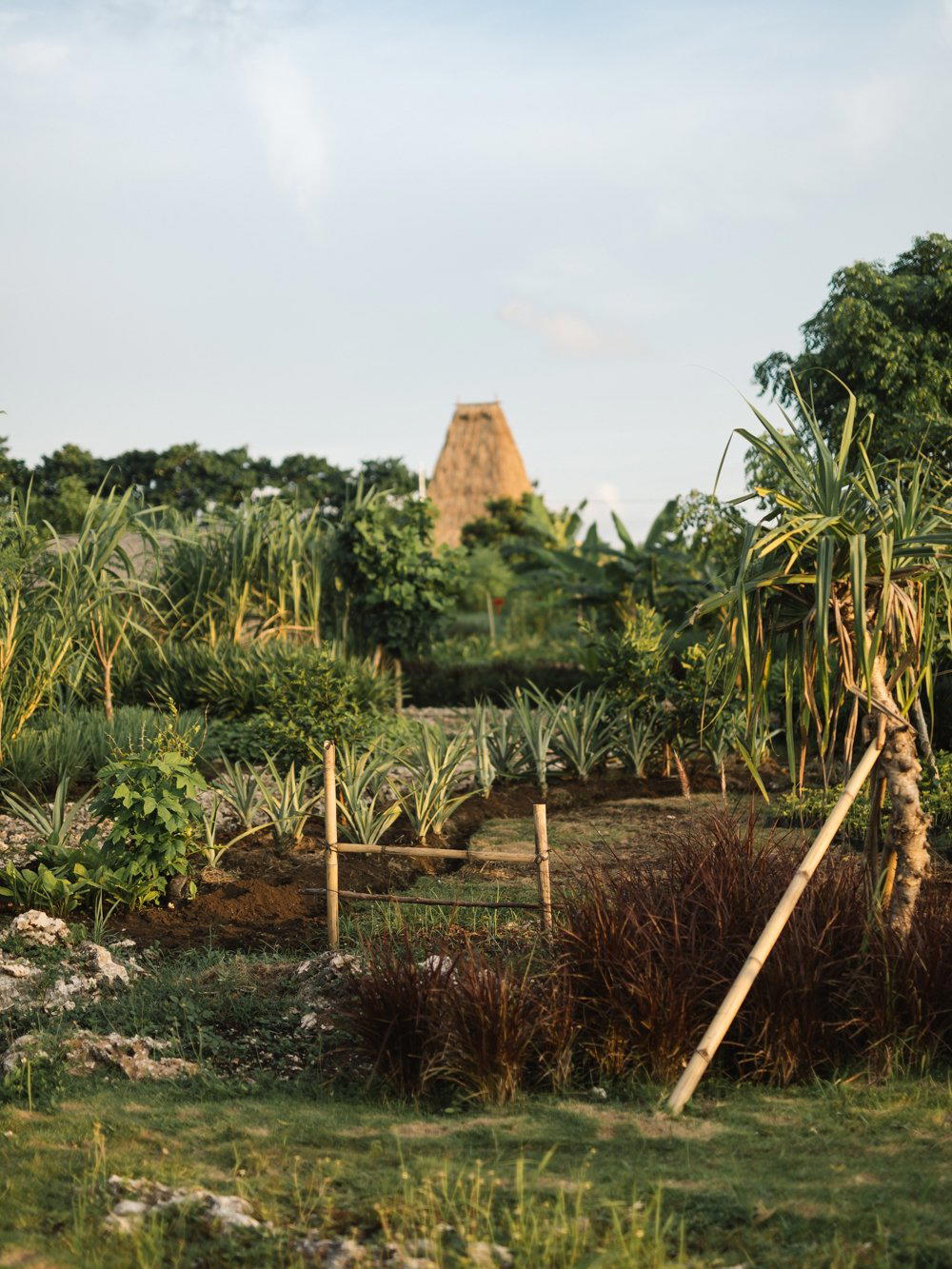
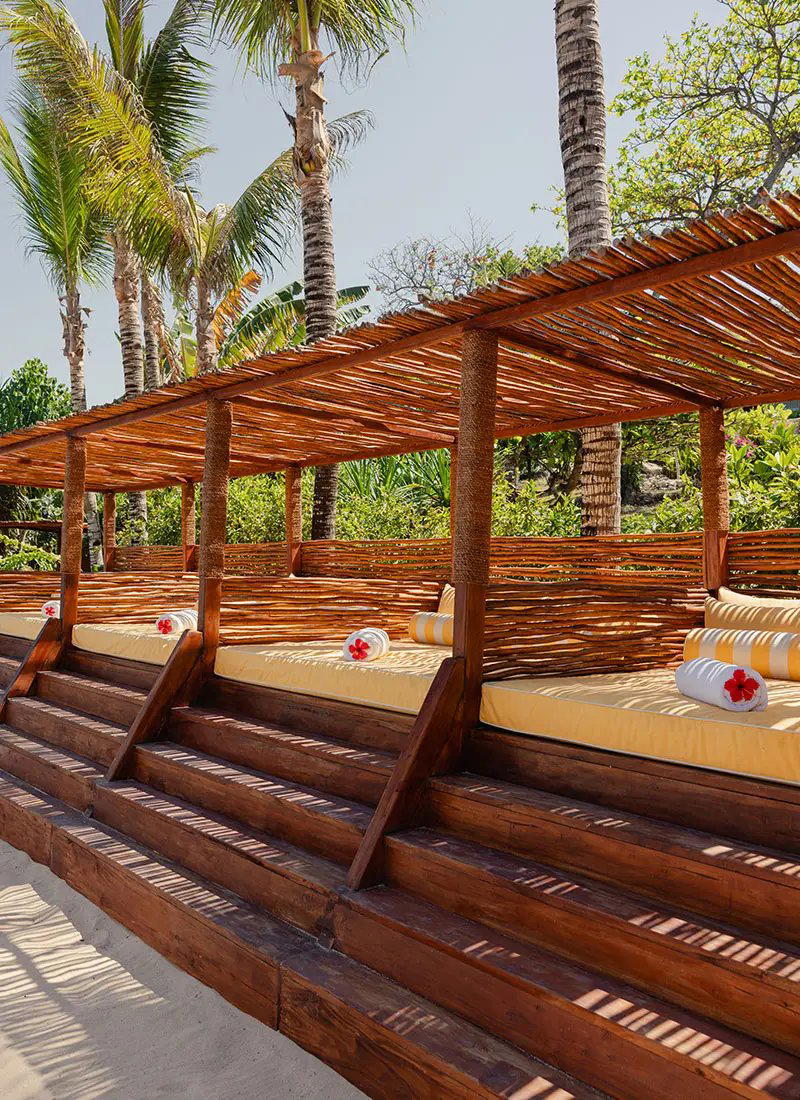
Bars in Sumba
Browse all →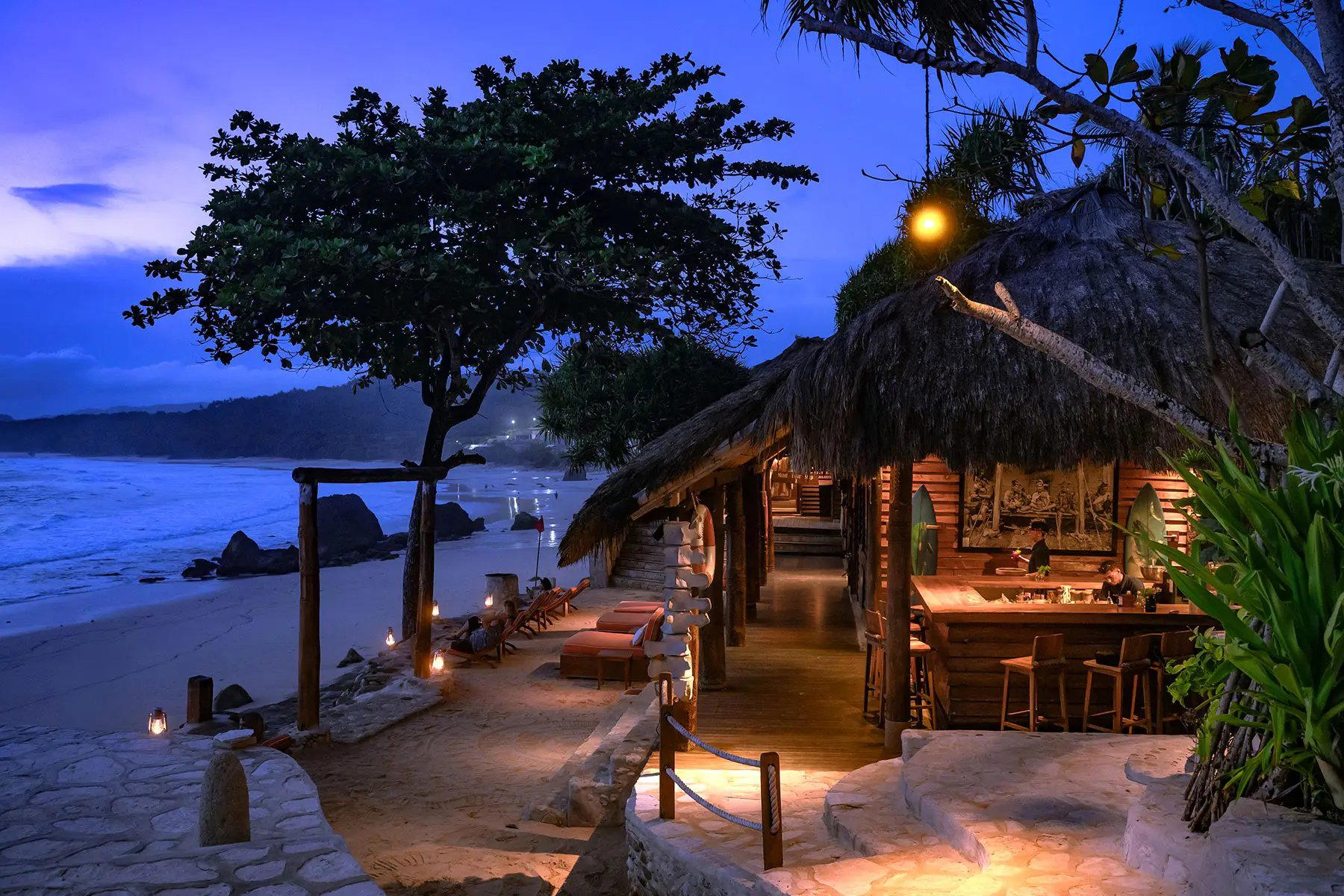
Hotels in Sumba
Browse all →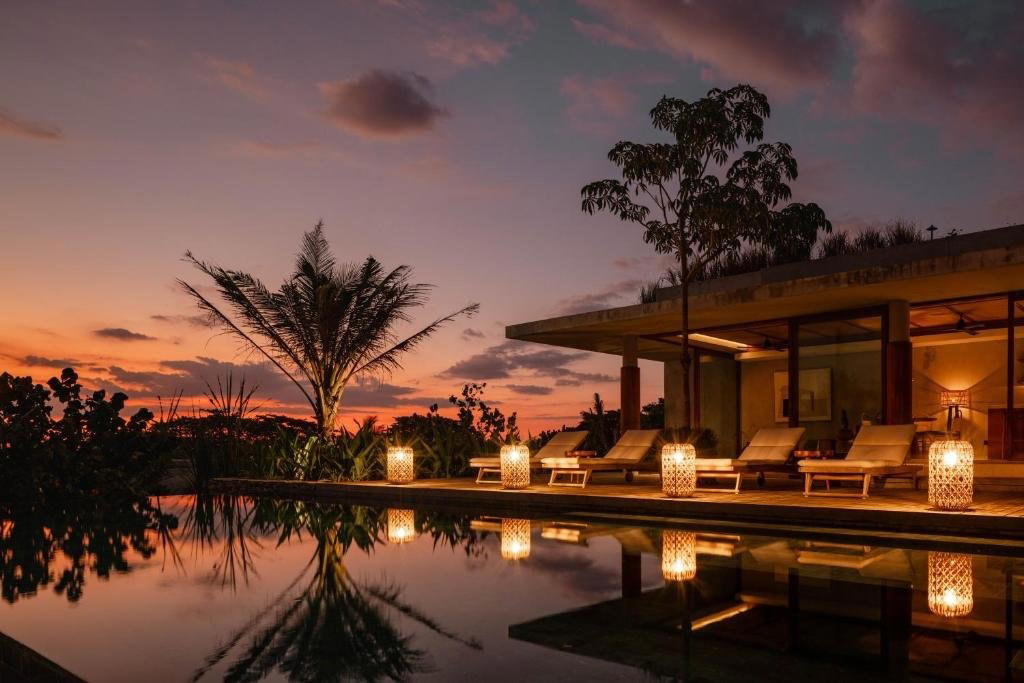
At a Glance
- Romantic
- Scenic
- Modern
- Elegant
- Intimate
- Date Night
- Celebration
- Group Dining
- Casual Hangout
- Special Occasion
- Waterfront
- Terrace
- Hotel Restaurant
- Design Destination
- Panoramic View
- Craft Cocktails
- Local Sourcing
- Farm To Table
- Sustainable Seafood
- Waterfront
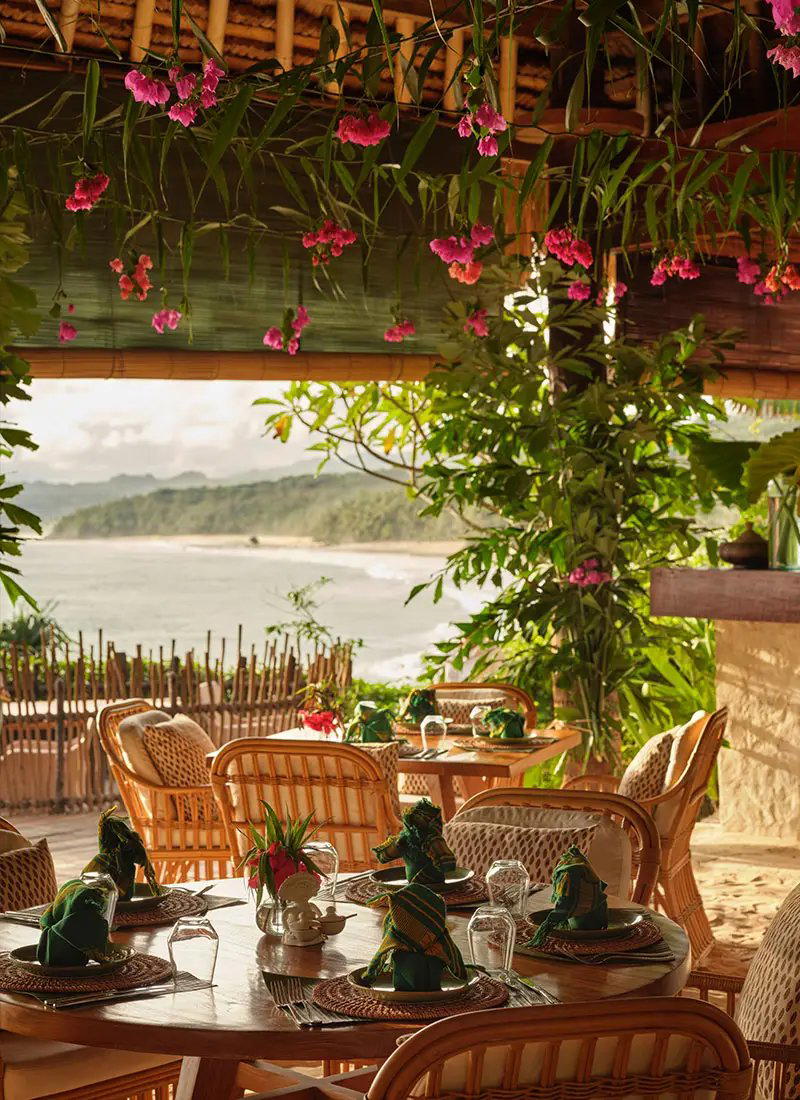
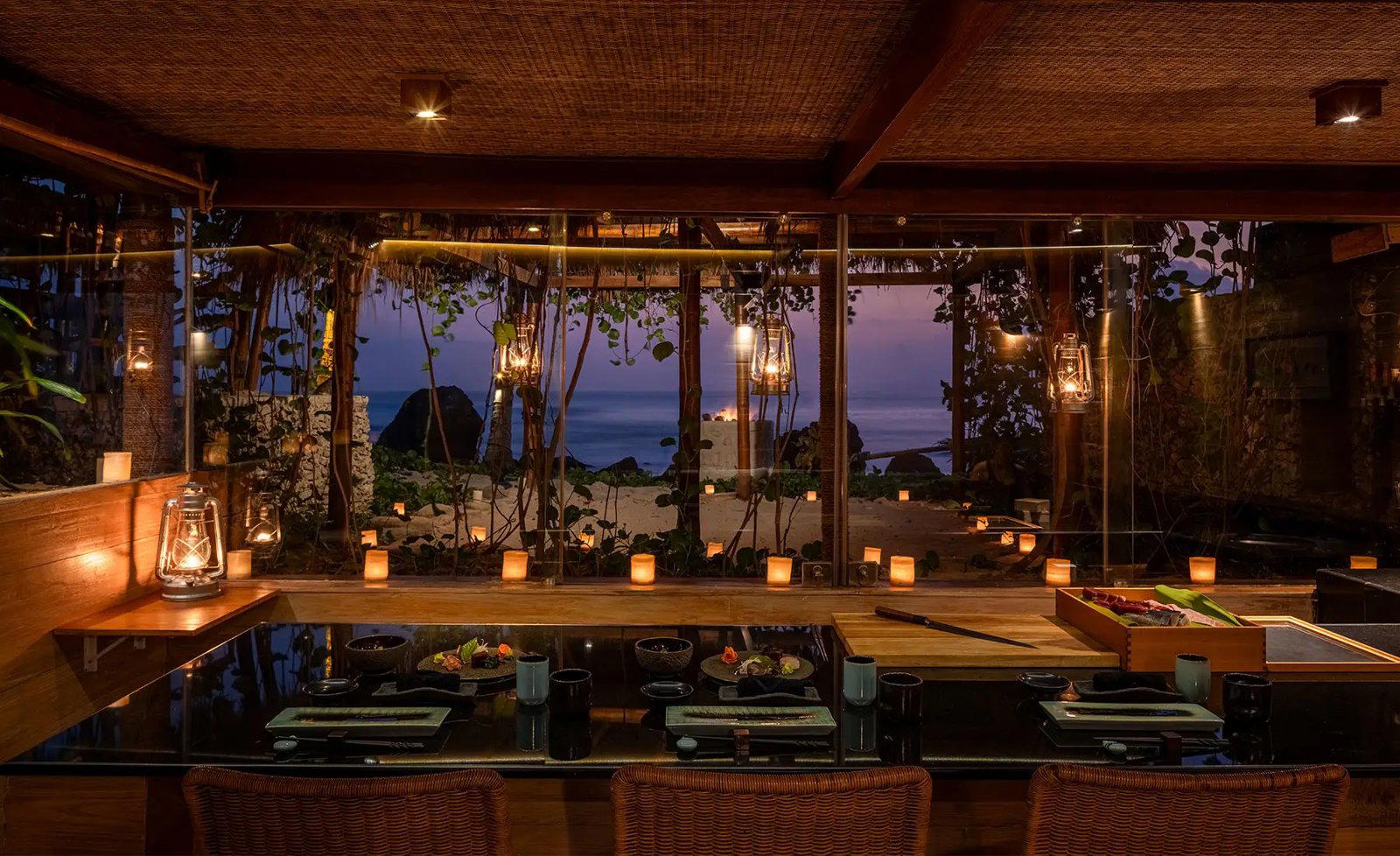
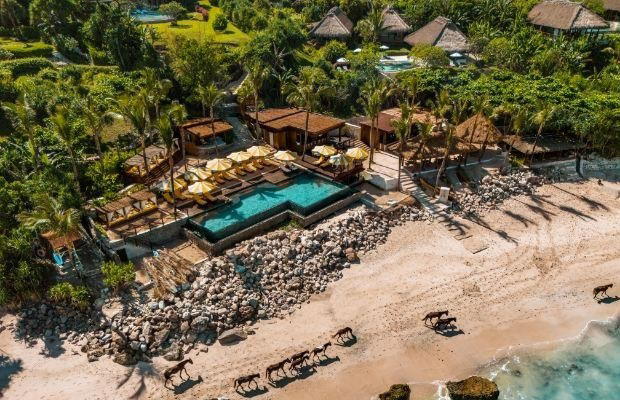
Elegant yet relaxed poolside setting with open-air seating overlooking the ocean; contemporary design, warm lighting at sunset, and a romantic, intimate atmosphere in the evenings within a design-led resort.