Aoki Teppanyaki
Our verdict
Aoki Teppanyaki belongs to Waikiki’s performance-dining lane, where the grill is part kitchen, part stage, and ingredient handling matters more than ceremony alone. With no public award trail or listed chef attached, the useful lens is format: a resort-district teppanyaki meal built around heat, timing, and the sourcing expectations of Honolulu diners.

Pearl is the En Primeur Club membership app — saves, bookings, and concierge access live there. Same editors, same standards.
- Address
- 2005 Kālia Rd, Honolulu, HI 96815
- Phone
- (808) 955-5955
- Hours
- Daily 12–10 PM
- Website
- aokiteppanyaki.com
- Directions
- Get directions
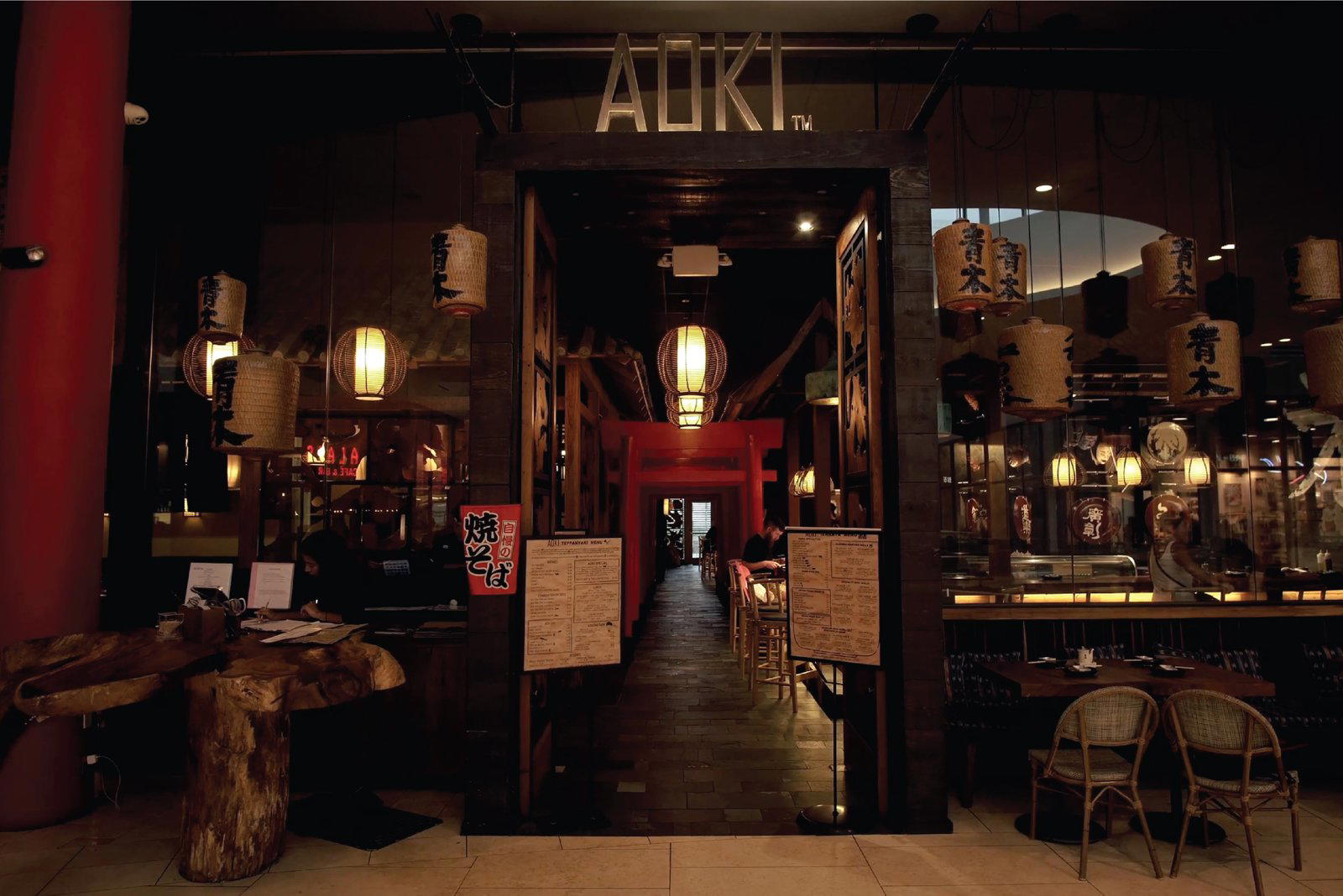
The menu
What to order
- Filet Mignon teppanyaki
- Lobster teppanyaki
- A5 Wagyu beef
- Jidori chicken
- Kobe beef
In Urban Honolulu, dinner often begins before the first plate lands: hotel corridors, visitor crowds, the low churn of foot traffic, and the quick shift from open-air leisure to polished dining room. A grill-side meal fits that setting because it compresses spectacle and supper into the same sightline. The grill is visible, the cooking is immediate, and the meal asks guests to watch technique rather than decode a long menu.
That format has particular force in Urban Honolulu. The city sits at a busy dining crossroads, with resort expectations, group dinners, everyday meals, and visitor itineraries all competing for attention. Aoki Teppanyaki is better understood through that intersection than through a chef-led tasting-menu frame. The point is not culinary autobiography. It is the way a hot steel cooking surface can translate ingredients, timing, and social dining into an Urban Honolulu-compatible rhythm.
Urban Honolulu teppanyaki works when the grill makes sourcing visible
Teppanyaki can drift into empty theater when the performance outruns the plate. In Urban Honolulu, the stronger version is ingredient-first: the food should feel considered rather than generic, vegetables should not feel like garnish, and proteins need enough restraint to survive direct heat. The format rewards clarity. Guests see what is cooked, when it is cooked, and how quickly it moves from grill to table.
Aoki Teppanyaki sits in a city where many dining habits overlap across Urban Honolulu. Counter meals, casual rooms, group-friendly restaurants, hotel-area dinners, and resort-style expectations all share the same evening map. That makes teppanyaki less about novelty than calibration. The cooking has to satisfy diners who know the format, travelers who want a social meal, and families looking for a room that does not require silent reverence.
The ingredient-sourcing question matters because Hawaii restaurants operate under visible constraints. Island supply chains are expensive, seasonal shifts can affect menus, and product language can become vague if a kitchen does not define it. Without a published tasting structure or named signature dishes, the sharper editorial read is to treat the meal as a format check: order in a way that lets the grill reveal product quality, not just knife work and flame.
The useful comparison is not fine dining; it is Honolulu's casual-special occasion middle
Urban Honolulu’s dining map has several lanes. There are ambitious rooms, casual comfort stops, hotel-area restaurants, and neighborhood-leaning dining rooms across the city. Teppanyaki occupies a different lane: more communal than a conventional quiet dinner, less formal than a long tasting room, and more structured than a casual counter.
That middle tier explains the appeal. A grill-table meal gives groups a shared focal point, which is useful in a city where parties often include different ages, appetites, and levels of interest in the local dining scene. It also places Aoki Teppanyaki closer to occasion dining than grab-and-go eating. The value test is how the cooking, pacing, and room experience align with the performance element.
Honolulu’s broader food culture also keeps this category honest. Diners can compare group-friendly formats across the city, then look more widely at casual dining, resort dining, or Hawaii-linked cooking elsewhere. Those comparisons underline a basic point: dining with a sense of place is strongest when it is expressed through product and restraint, not decorative references.
How to read the room before committing the evening
The practical decision is simple. Choose Aoki Teppanyaki for a group-friendly Urban Honolulu dinner where the cooking process is part of the entertainment, not for a quiet, chef-counter meal built around rare bottles or a long seasonal progression. The Urban Honolulu setting suits visitors staying in the city and makes less sense for diners seeking a multi-stop neighborhood crawl elsewhere.
That is especially true in Urban Honolulu, where dining patterns can shift around holidays, convention weeks, and family travel seasons. For a broader read on the city’s food and drink options, use Our full Urban Honolulu restaurants guide, then compare nearby hotel planning through Our full Urban Honolulu hotels guide, drinking routes via Our full Urban Honolulu bars guide, producer-led listings at Our full Urban Honolulu wineries guide, and activity-led planning in Our full Urban Honolulu experiences guide.
For readers mapping group-friendly and island-adjacent formats beyond Aoki Teppanyaki, the useful parallel is not a single named peer but a spread of formats: focused bar dining, rice-centered casual eating, grill traditions, and relaxed coastal rooms. Back in Urban Honolulu, lighter daytime references and casual dining options show how varied the city’s everyday side has become. Against that field, teppanyaki remains a social dinner format first: direct heat, visible sourcing choices, and a room designed around the table as audience.
Frequently asked questions
Can I bring kids to Aoki Teppanyaki?
Teppanyaki in Urban Honolulu is usually an easy format for families, since the grill-side cooking holds attention without needing a formal pace. Aoki Teppanyaki fits that group-dinner style well.
What's the overall feel of Aoki Teppanyaki?
The feel is casual-special occasion rather than hushed dining room formality. In Urban Honolulu, the teppanyaki format makes the table itself the focus, which suits a lively dinner.
Where exactly is Aoki Teppanyaki?
Urban Honolulu.
Do I need a reservation for Aoki Teppanyaki?
A teppanyaki room in Urban Honolulu is the kind of dinner many guests plan ahead for, especially when arriving with a group. Evening dining traffic can vary, so advance planning is prudent.
What's the standout thing about Aoki Teppanyaki?
The main appeal is the teppanyaki format: the grill is the point, and the meal unfolds in front of the table. In Urban Honolulu, that setup gives the evening its structure.
At-a-Glance Comparison
Comparable venues by cuisine and price in the same metro.
| Venue | Cuisine | Price |
|---|---|---|
| Aoki TeppanyakiThis venue — the venue you are viewing | Modern Japanese Teppanyaki | $50–100 |
| Blue Water Shrimp & Seafood | Local-style seafood and garlic shrimp plates | $20–30 |
| Chee Hoo Patisserie | Not listed | $10–20 |
| DQ/Orange Julius | Frozen Treats & Fast Food | $1–10 |
Continue exploring
More in Urban Honolulu
Restaurants in Urban Honolulu
Browse all →
Bars in Urban Honolulu
Browse all →
Details
- Lively
- Energetic
- Rustic
- Trendy
- Well Known
- Group Dining
- Family
- Celebration
- Special Occasion
- Date Night
- Private Event
- Open Kitchen
- Private Dining
- Hotel Restaurant
- Standalone
- Craft Cocktails
- Local Sourcing
- A La Carte
- Family Style
- Counter Dining
- Whiskey
- Cocktails
- Pescatarian Friendly
Current opening hours
- Monday
- 12–10 PM
- Tuesday
- 12–10 PM
- Wednesday
- 12–10 PM
- Thursday
- 12–10 PM
- Friday
- 12–10 PM
- Saturday
- 12–10 PM
- Sunday
- 12–10 PM
Hours can change for holidays and private events. Last verified .
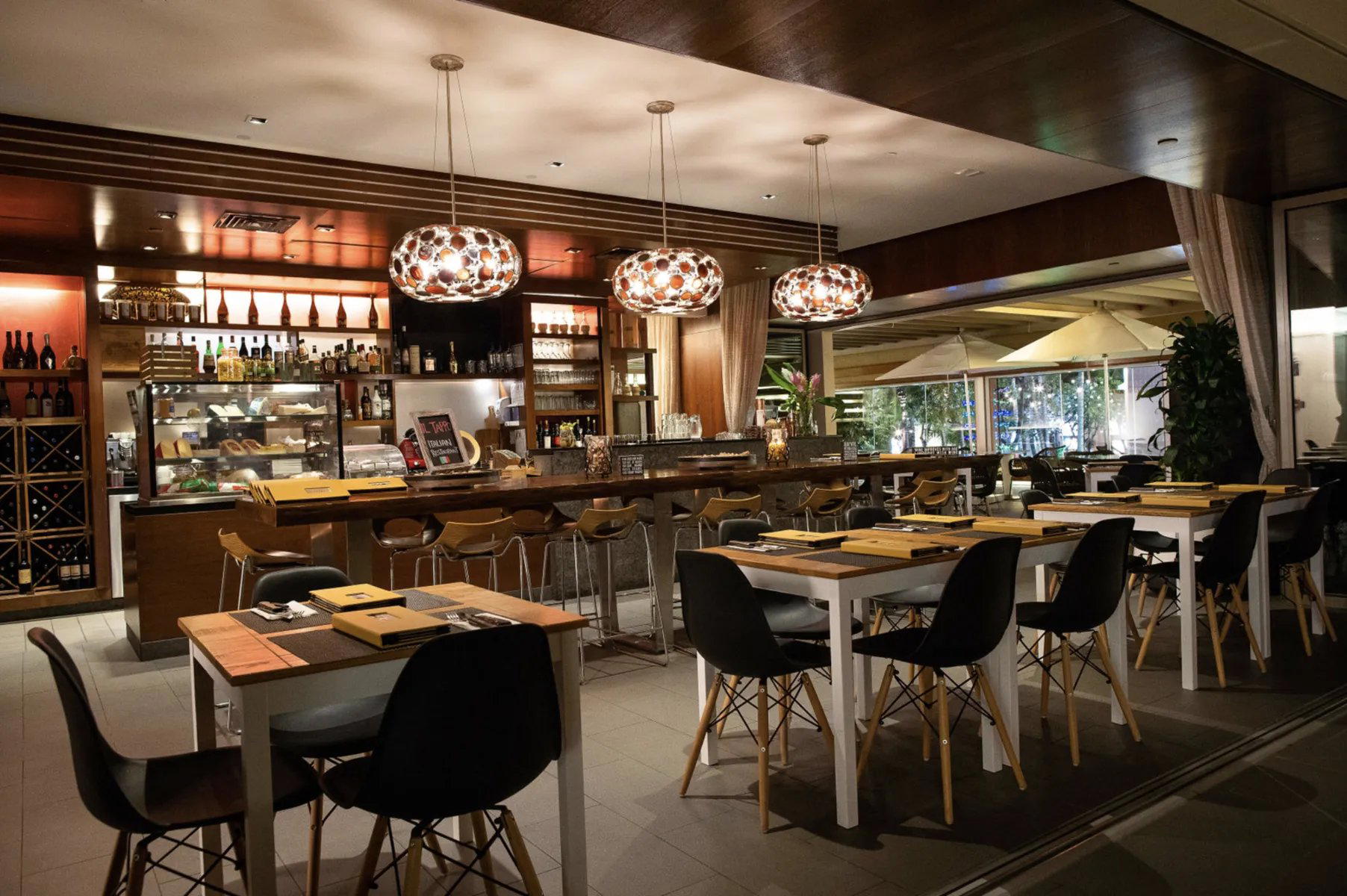
A lively, show-driven teppanyaki room with large communal tables, fiery grill theatrics, and a rustic Japanese countryside 'Inaka' design that feels warm, social, and energetic rather than quiet or intimate.