Anglo
Our verdict
Anglo in London, United Kingdom was a Modern British restaurant known for ingredient-led tasting menus and a quietly confident approach to seasonal produce. Must-try plates included kabocha squash dumplings with a soft hen's egg, spring asparagus with wild garlic, and pristine day-boat fish served with seasonal vegetables. The kitchen combined Le Manoir-trained technique with weekly-changing 5- and 7-course menus that highlighted small farms, heritage breeds and day-boat catches. Anglo earned industry recognition during its run, including a Michelin-starred pedigree noted by local guides and Mark Jarvis’s 2017 Cateys Newcomer Award. Expect careful textures, bright vegetable flavors, and tightly composed plates that made dining here tactile and memorable.
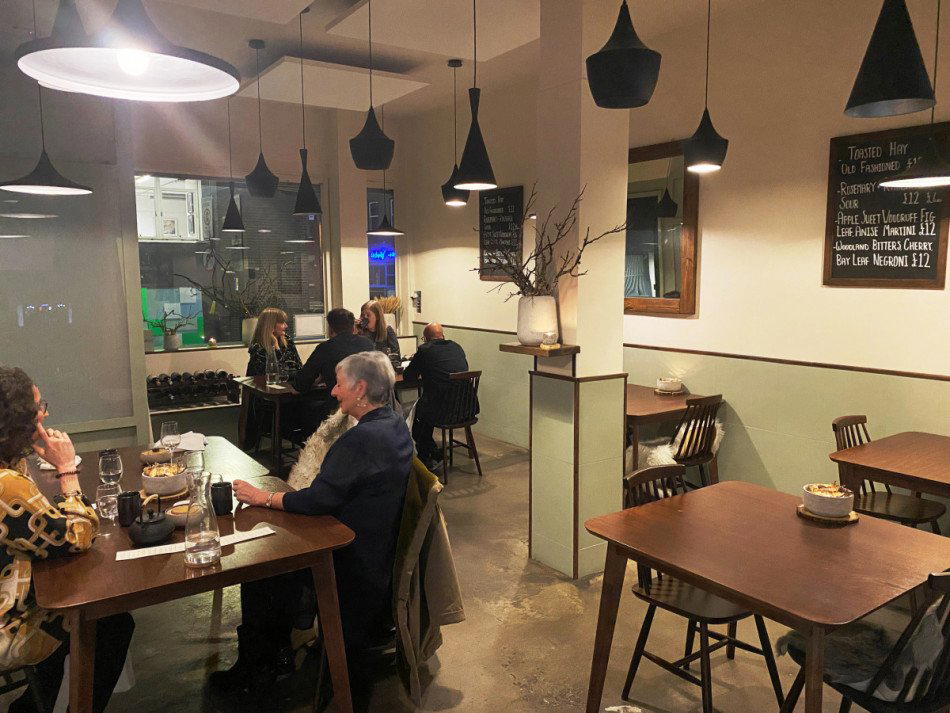
Anglo in London opened in March 2016 and quickly established a reputation for Modern British tasting menus delivered in an intimate Farringdon setting. From the first course, the kitchen focused on simple, clear flavors: seasonal vegetables from small farms, day-boat fish, and heritage-breed meats prepared with restraint and technical control. Anglo’s service felt attentive without ceremony, and the 40-seat dining room kept the evening focused on the meal itself. The restaurant’s weekly-changing menus made each visit feel like a new conversation with British ingredients.
Even after its closure in 2024, Anglo’s approach to ingredient-led cooking remains a reference for London dining. Anglo positioned itself within London’s fine dining scene by delivering reliable technique and direct flavors that appealed to both food-savvy locals and visiting gourmets. Mark Jarvis founded Anglo after training at Le Manoir aux Quat’Saisons, bringing classic technique and discipline to a neighborhood venue. Jarvis’s early work and the team’s execution earned industry attention; he received the 2017 Cateys Newcomer Award, and guides noted Anglo’s Michelin-starred pedigree during its operation.
Anthony Raffo later served as head chef for roughly 4.5 years, steering the weekly menus and maintaining the restaurant’s voice until his departure. The philosophy remained consistent: highlight British producers, respect seasonal cycles, and keep presentations focused on texture and clarity. That clarity, combined with the compact scale of the dining room, made Anglo a place where technique amplified—not masked—ingredient quality.
The culinary journey at Anglo moved deliberately through the seasons. Early spring menus leaned on asparagus with wild garlic and finely tuned herb sauces; a signature plate was kabocha squash dumplings topped with a runny hen’s egg, offering a contrast of silky egg yolk and sweet squash. Summer service emphasized peas and green vegetables paired with precise preparation of day-boat fish, while autumn shifted to game and wild mushrooms carried by reduced jus and roasted roots. The menu offered 5- and 7-course tasting options and an à la carte lunch, with dishes changing weekly to reflect supplier deliveries and market availability.
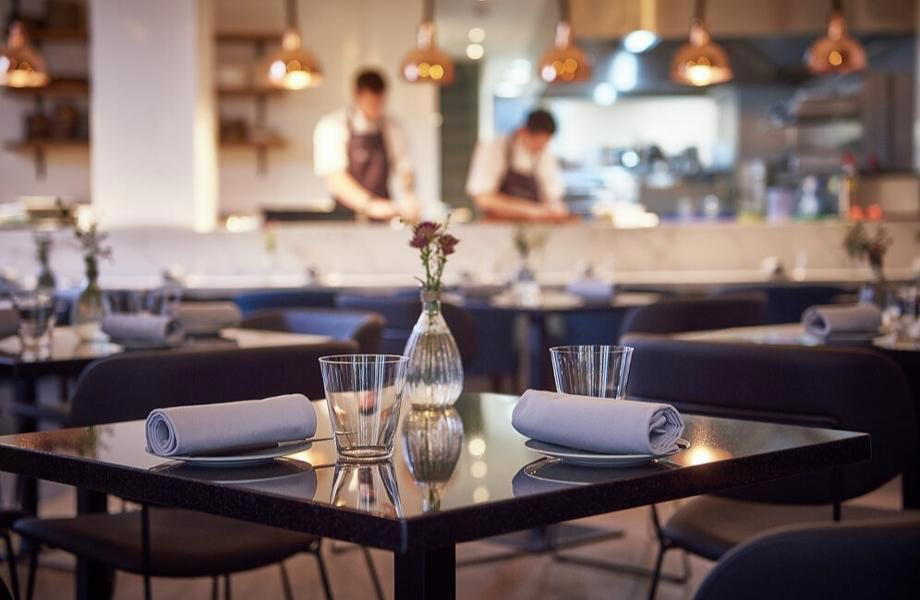
Techniques ranged from low-temperature poaching and careful reductions to restrained roasting that preserved natural juices. The kitchen favored vegetable-led courses as much as meat and fish, so a tasting menu often read as a sequence of textural contrasts and bright, immediate flavors rather than heavy, overworked plates. Inside the restaurant the atmosphere was warm and practical. The dining room seated about 40 guests, creating a focused and convivial environment where plates arrived in rhythm.
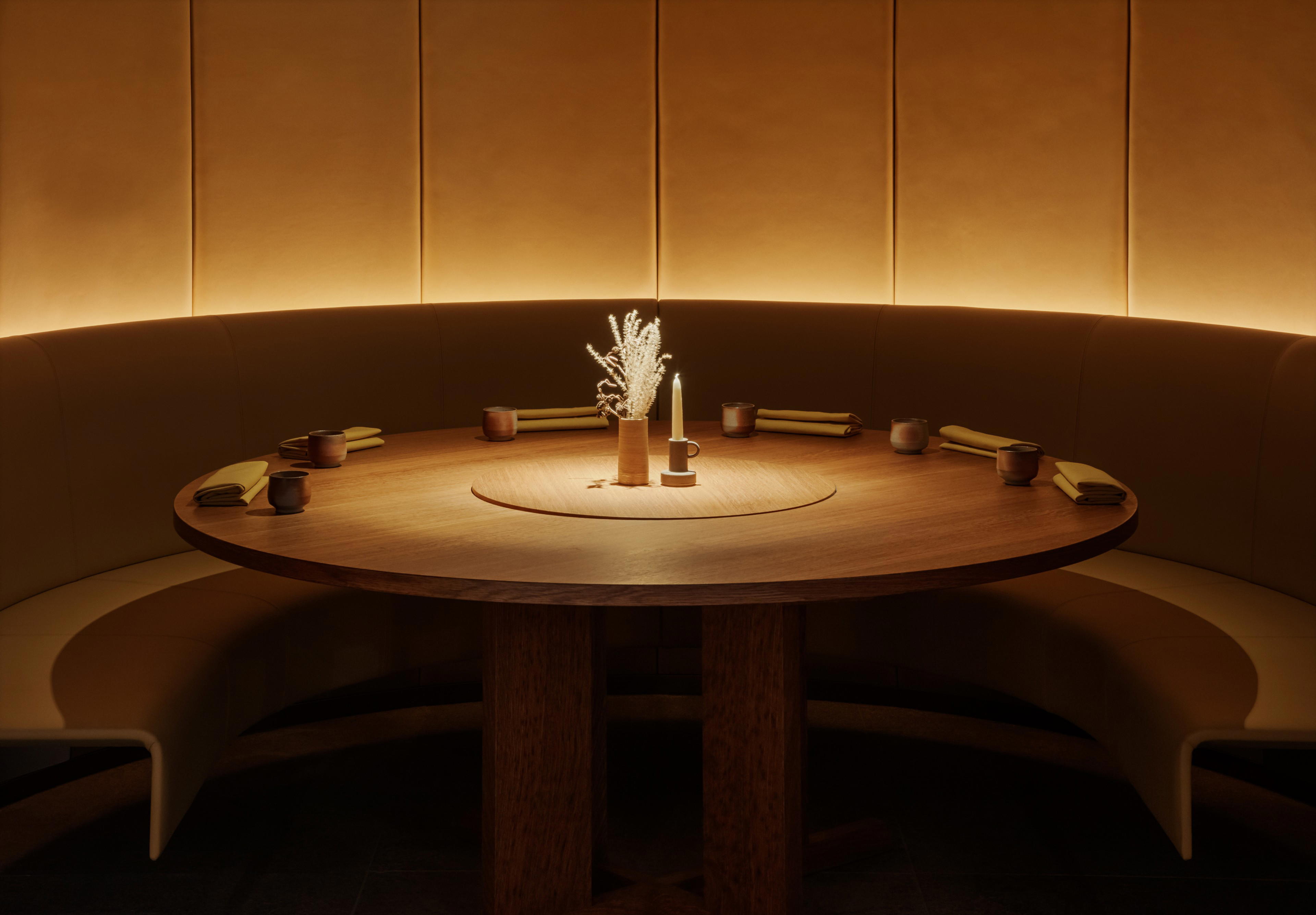
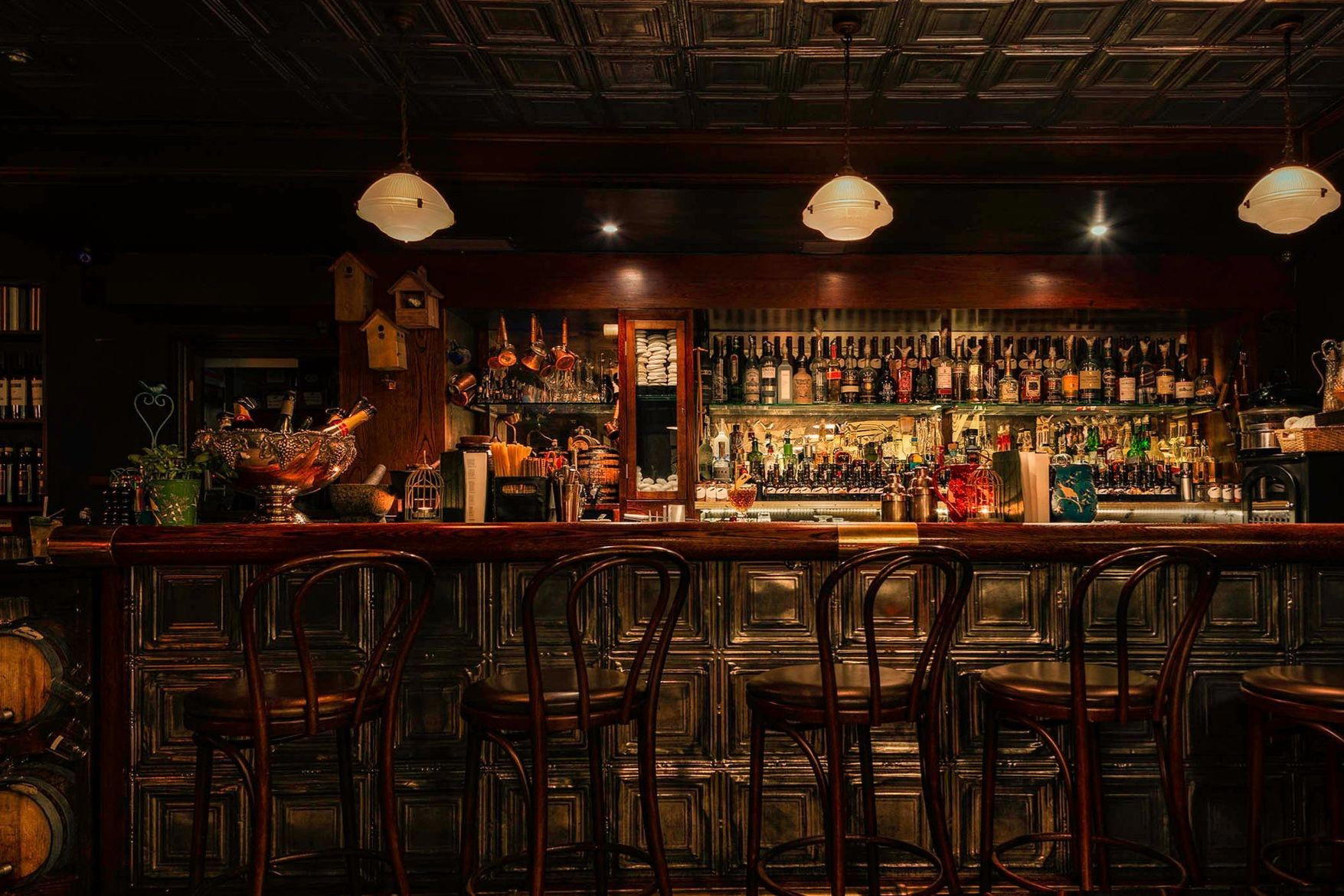
Design notes emphasized comfort over spectacle: simple tables, attentive front-of-house, and an open line of sight to kitchen activity when the service allowed. The service style stayed unobtrusive and precise, offering wine pairings and clear explanations of sourcing and technique. Noise levels stayed moderate, and the compact footprint of the space encouraged conversation at the table while keeping the meal the main event. For visiting diners in London, Anglo felt like a confident neighborhood fine-dining room rather than a formal, distant temple of haute cuisine.
Best times to visit were early in the week for quieter service and when menus rotated in spring and autumn for the most striking seasonal turns. Dress code leaned smart casual; guests often chose refined but comfortable outfits suitable for a 5- or 7-course tasting experience. Reservations were typically required during peak evenings and for weekend service; during its operation Anglo recommended booking in advance due to limited seating and weekly menu changes. Expect clear communication from the front of house about dietary needs and potential substitutions.
Anglo’s run from 2016 through 2024 left a clear mark on London’s Modern British scene. The restaurant showed how small-scale, seasonally driven tasting menus could deliver technical polish and direct flavor without excess. While Anglo is permanently closed as of 2024, its meals, menus, and the team’s approach remain influential; follow announcements from former chefs and look for successor projects from Mark Jarvis and his alumni to experience the same ingredient-first ethos that defined Anglo.
Reputation & Price
Comparable venues nearby, for context on price, style, and recognition.
| Venue | Cuisine | Price | Notes |
|---|---|---|---|
| AngloThis venue — the venue you are viewing | Holborn, Dining | Not listed | Not listed |
| Shawarma Bar | Levantine Rotisserie | $20–30 | Clerkenwell, Levantine Rotisserie |
| Malibu Kitchen | Californian Health-Conscious | $30–50 | Cheapside, Californian Health-Conscious |
| Il Cucciolo | Traditional Italian Trattoria | $30–50 | St Giles, Traditional Italian Trattoria |
| Arya Bhavan Leicester Square | Authentic South Indian Vegetarian | $10–20 | Leicester Square, Authentic South Indian Vegetarian |
| Circolo Popolare | Sicilian Trattoria & Neapolitan Pizzeria | $30–50 | Fitzrovia, Sicilian Trattoria & Neapolitan Pizzeria |
Continue exploring