Alu Alu Seafood
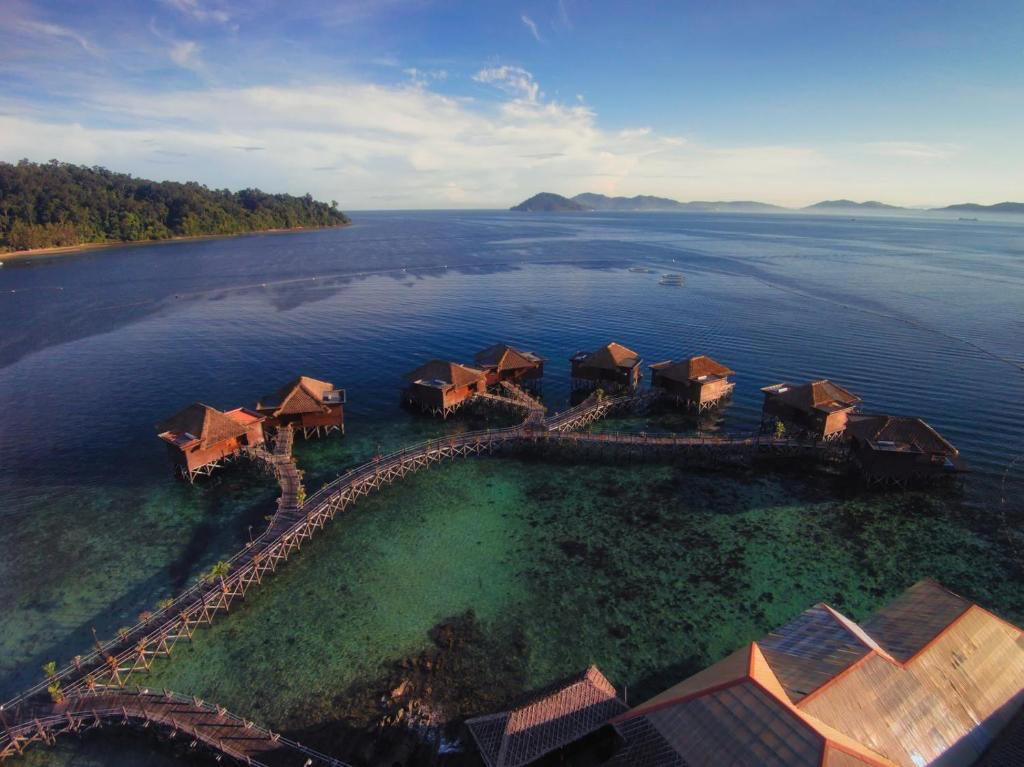
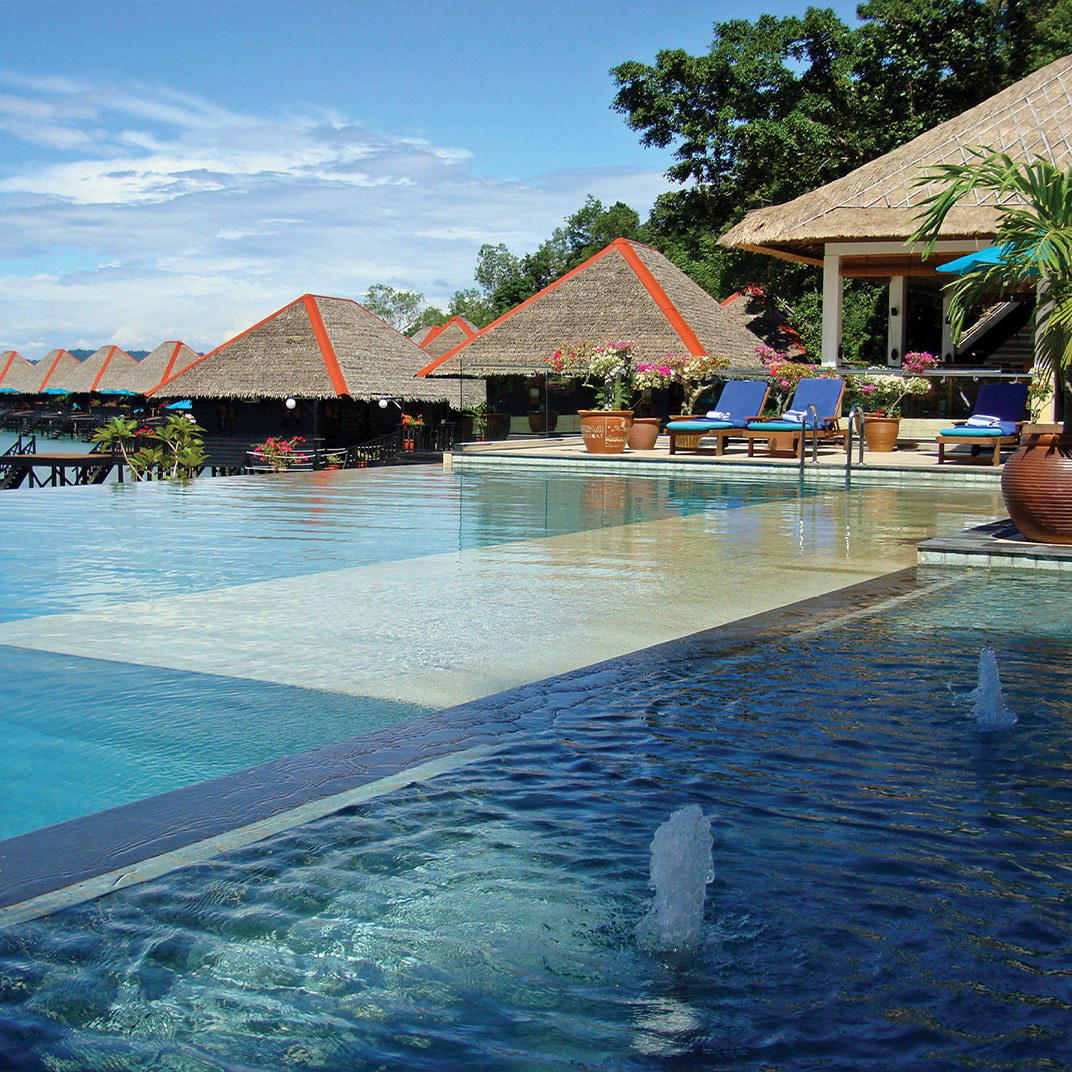
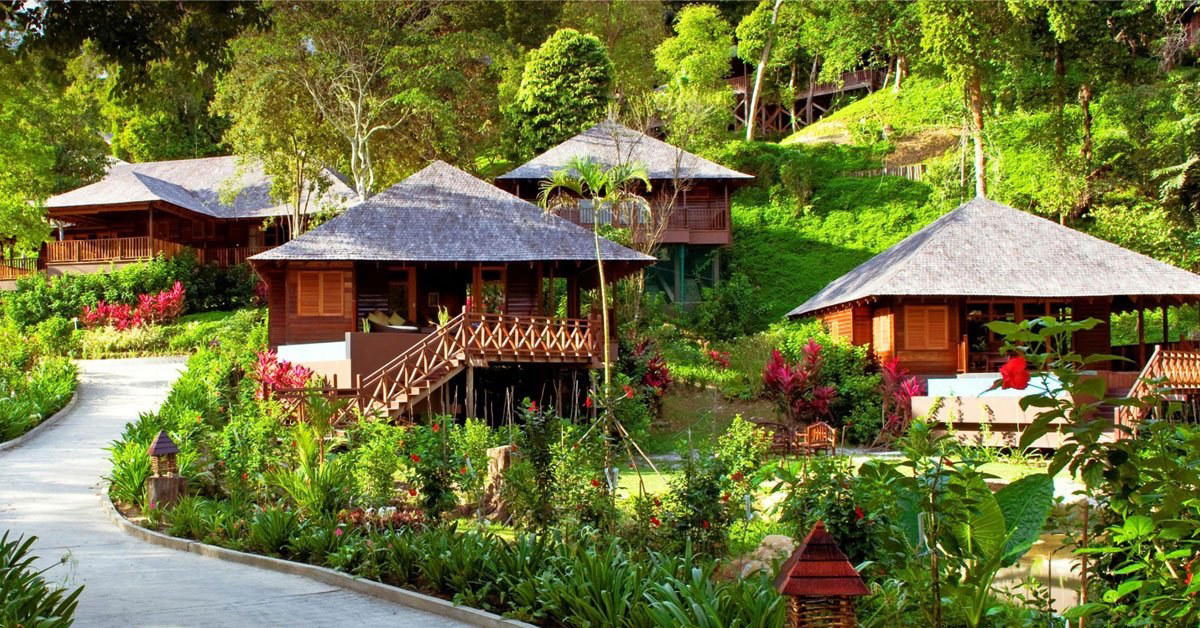
Alu Alu Seafood belongs to Kota Kinabalu’s island-resort seafood circuit, where the appeal is less about ceremony than proximity to Sabah’s waters. Its setting on Pulau Gaya gives the meal a marine-park frame, making it a useful counterpoint to the city’s bak kut teh shops, hotel dining rooms, and Japanese-leaning counters.
Pearl is the En Primeur Club membership app — saves, bookings, and concierge access live there. Same editors, same standards.
- Address
- Gaya Island Resort, Tunku Abdul Rahman Park, Pulau Gaya, Kota Kinabalu, 88778, Sabah, 88778 Kota Kinabalu, Malaysia
- Phone
- +60 19-881 6527
- Directions
- Get directions
 Saves & bookings on Pearl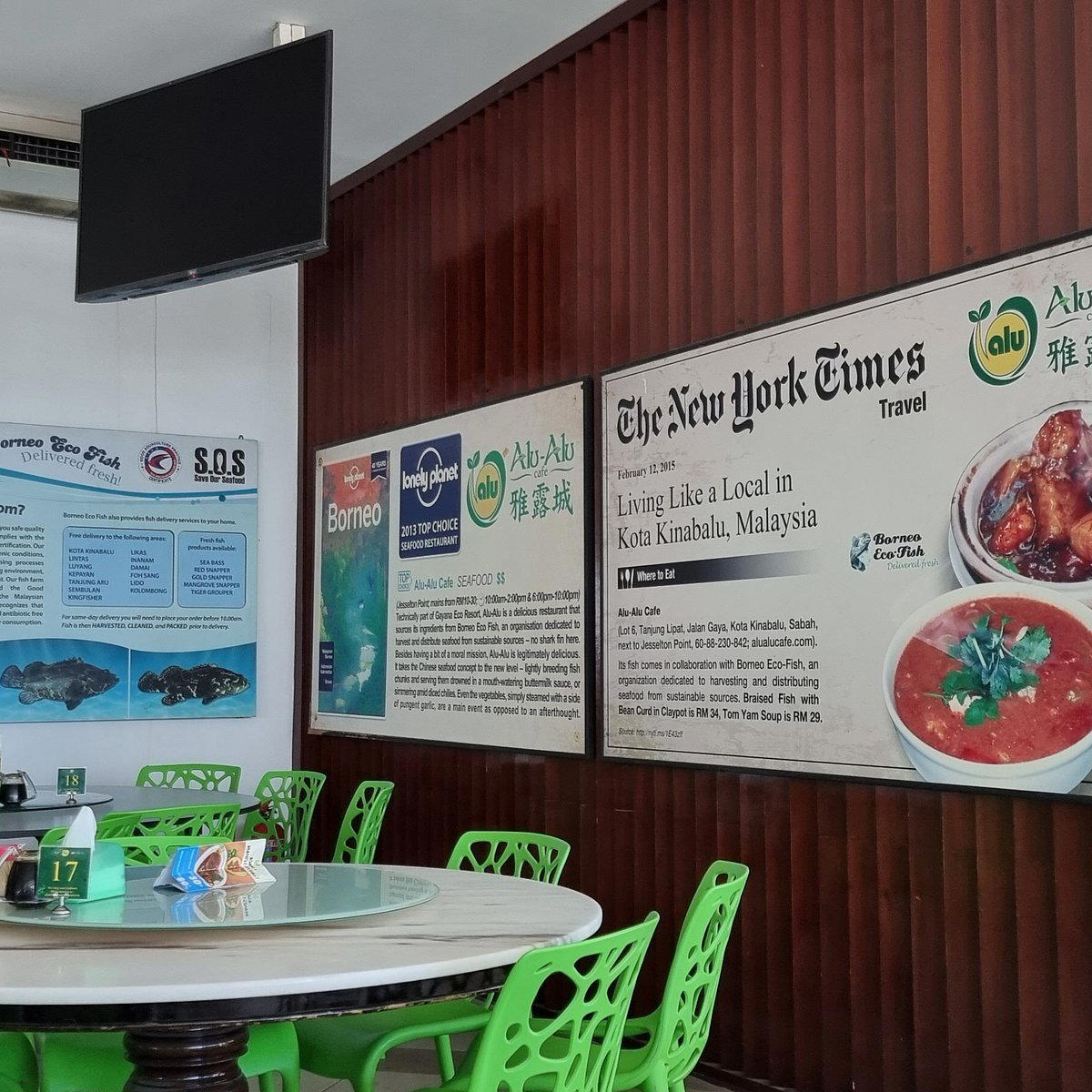
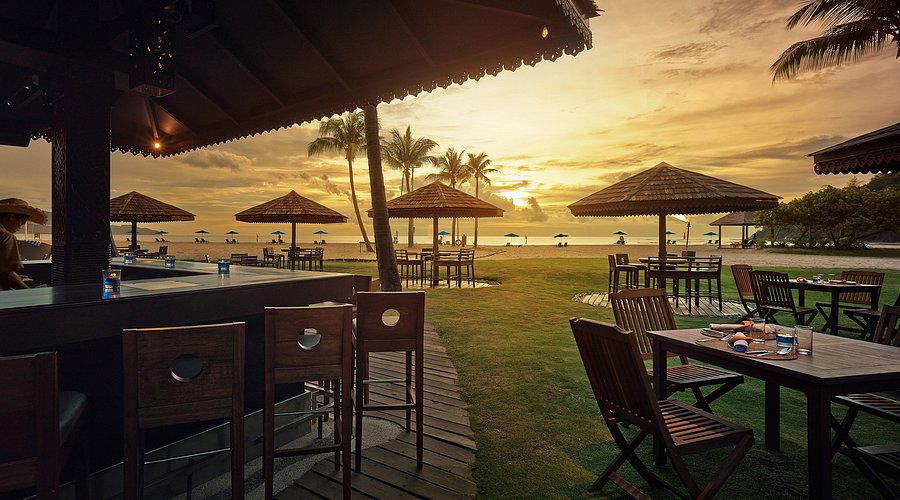
The first cue is the water. Kota Kinabalu’s seafood culture makes more sense when the meal is framed by the islands off Sabah’s west coast: boats moving across the channel, humid air coming off the South China Sea, and a dining rhythm shaped by what a coastal city expects from fish, shellfish, and simple handling. Alu Alu Seafood sits in that island-resort version of the scene, away from the shoplot energy of the mainland and closer to the marine setting that gives Sabah seafood its strongest argument.
Sabah seafood, viewed from the island side
Kota Kinabalu is not a city that needs seafood explained. The local grammar is direct: live tanks, steamed fish, shellfish with ginger or garlic, and preparations that protect texture rather than bury it. In town, that often means fluorescent dining rooms and family tables; on Pulau Gaya, the same ingredient logic reads differently. The island setting slows the pace and shifts attention from market bustle to provenance: nearby waters, reef-fringed geography, and the expectation that freshness does more work than embellishment.
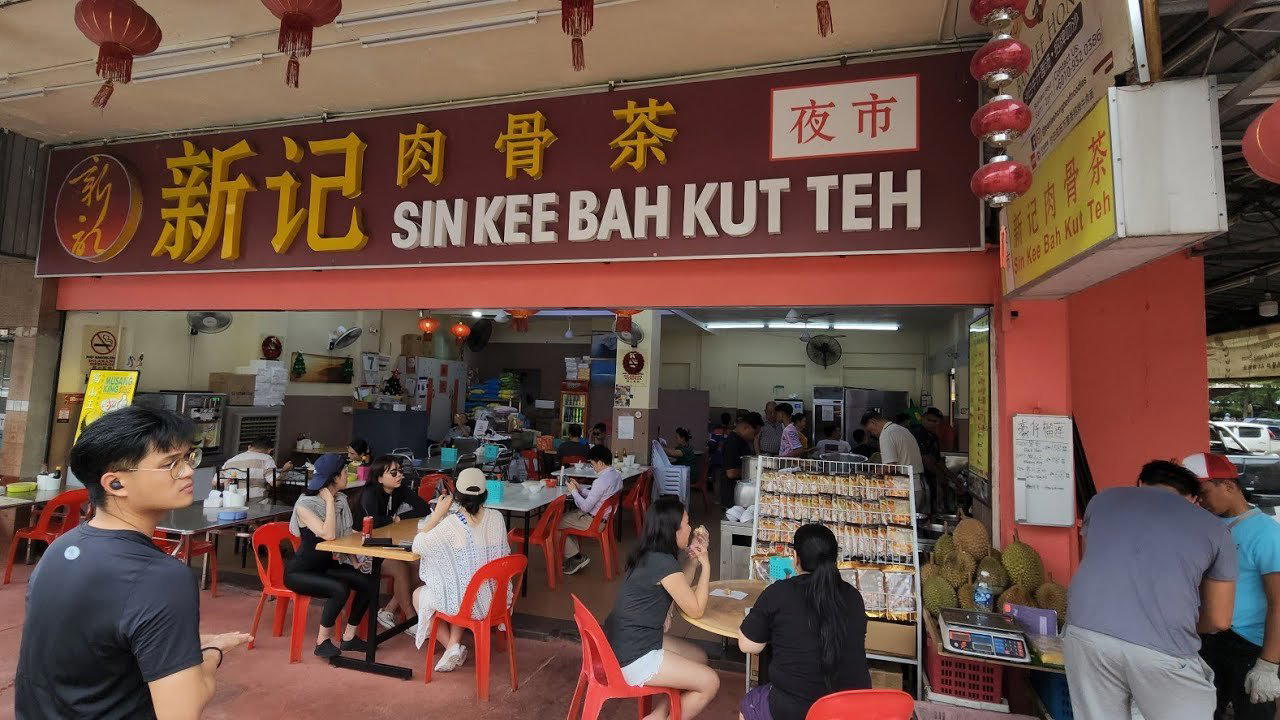
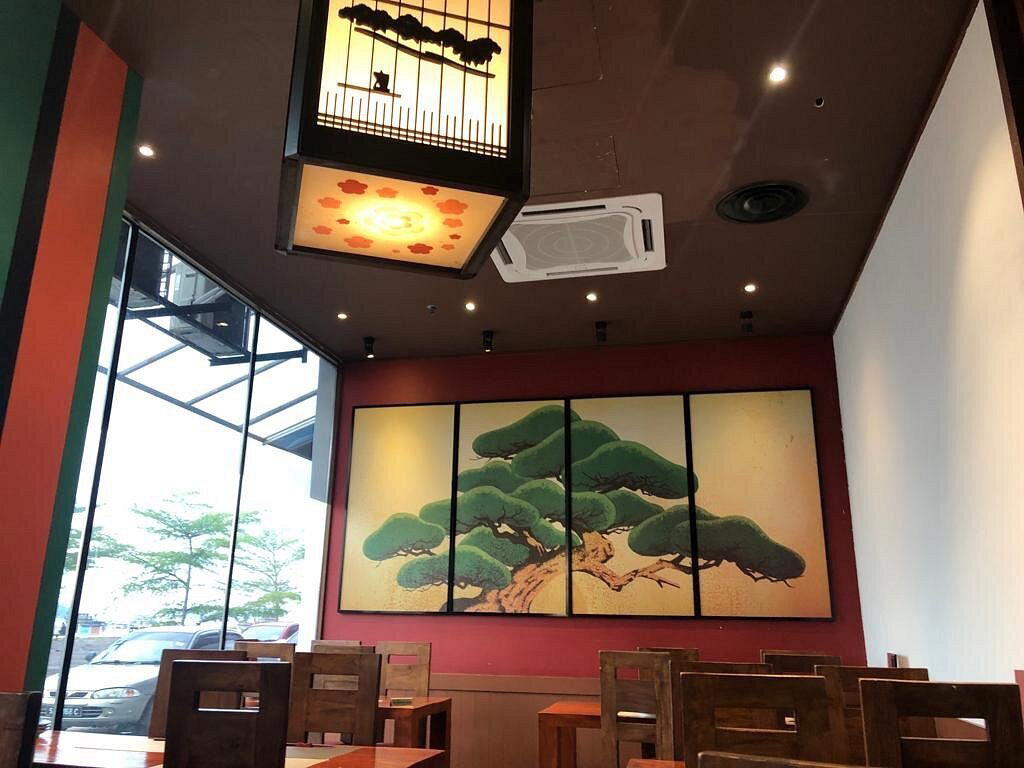
That distinction matters for travellers choosing where to spend a limited number of meals. A mainland dinner at Sin Kee Bah Kut Teh (新記肉骨茶) or Da De Bah Kut Teh 大德古早味肉骨茶 speaks to Kota Kinabalu’s pork-rib broth tradition and Chinese-Malaysian comfort cooking. Sakagura and Macac pull the city in other directions, toward imported technique or contemporary dining. Alu Alu Seafood is more elemental: seafood in a resort context, with the setting carrying part of the meal’s logic.
Ingredient sourcing is the point, not the decoration
The stronger Sabah seafood meals tend to be ingredient-led rather than chef-led. That is a useful lens here because no public chef narrative or award trail defines the restaurant. The editorial question is simpler: does the format put marine produce at the centre, and does the room make sense for the way people actually eat in Kota Kinabalu? In this case, the island location gives the restaurant a clear role in the city’s dining map. It is not competing with a street-side noodle shop or a late-night broth specialist; it belongs to the slower, destination-dining end of the local seafood spectrum.
That makes it particularly relevant for travellers already crossing to Pulau Gaya or staying within the resort orbit. The value is logistical as much as culinary: seafood without returning to the mainland, in a setting where a long lunch or early dinner can sit naturally around the day’s movement between beach, boat, and parkland. For a broader read on how the city balances resort dining with small-shop cooking, use Our full Kota Kinabalu restaurants guide, then compare the hospitality context through Our full Kota Kinabalu hotels guide, Our full Kota Kinabalu bars guide, Our full Kota Kinabalu wineries guide, and Our full Kota Kinabalu experiences guide.
How it fits a Kota Kinabalu itinerary
Alu Alu Seafood makes the strongest case when the meal is treated as part of an island day rather than a standalone city detour. Kota Kinabalu rewards contrast: a morning around the water, a seafood meal with a view of the region’s source material, then a return to the mainland for broth, noodles, or a different register of cooking. Pantai Restaurant and Bar offers another resort-adjacent comparison within the city’s dining orbit, while The Longhouse Restaurant sits in the comparison set for travellers reading Kota Kinabalu through hotel and resort formats.
For readers building a wider Malaysia route, the contrast sharpens further. Penang’s hawker grammar appears in 888 Hokkien Mee (Lebuh Presgrave) in George Town and Air Itam Asam Laksa, Chong Char Koay Teow, and 888 Hokkien Mee in Penang; mall hotpot culture shows up at æµ·åºæç«é çåæ¹¾åº Haidilao Huo Guo @Queensbay Mall in Bayan Lepas and æµ·åºæç«é è±éåº Haidilao Huo Guo @Dataran Pahlawan Melaka Megamall Malaysia in Malacca; Kuala Lumpur and Selangor bring different everyday registers through Ah Fook Yong Tau Fu Cheong Fun in Kuala Lumpur and Al-Sultan Restaurant - Glenmarie in Shah Alam. Even farther afield, Jōdo Saké Bar in Los Angeles and Onigiri Time in Pasadena underline how format changes the reading of familiar ingredients. In Kota Kinabalu, seafood gains force when the geography is part of the meal; that is the cleanest reason to place the restaurant on the itinerary.
Side-by-Side Snapshot
Comparable venues by cuisine and price in the same metro.
| Venue | Cuisine |
|---|---|
| Alu Alu Seafood | This venue |
Continue exploring
More in Kota Kinabalu
Restaurants in Kota Kinabalu
Browse all →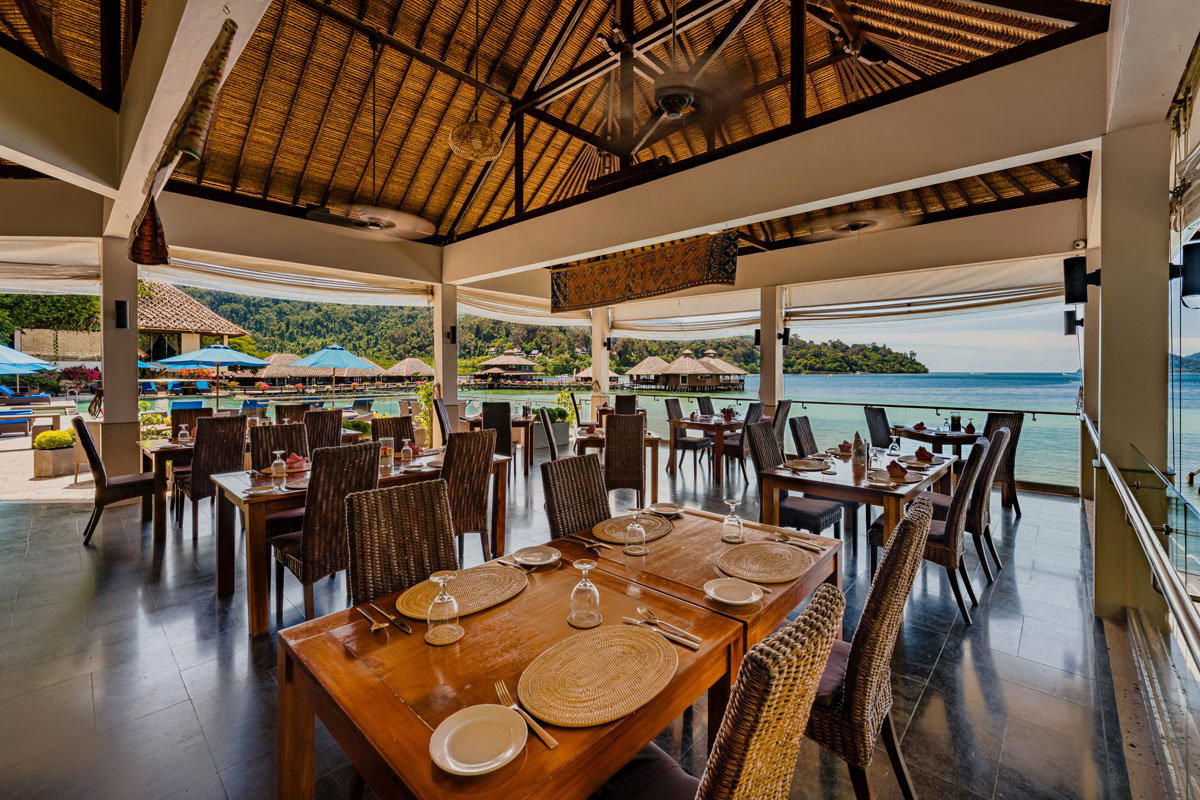
Bars in Kota Kinabalu
Browse all →
At a Glance
- Casual
- Group Dining
- Family
- Casual Hangout
- Standalone
- Local Sourcing
- Sustainable Seafood
- Waterfront
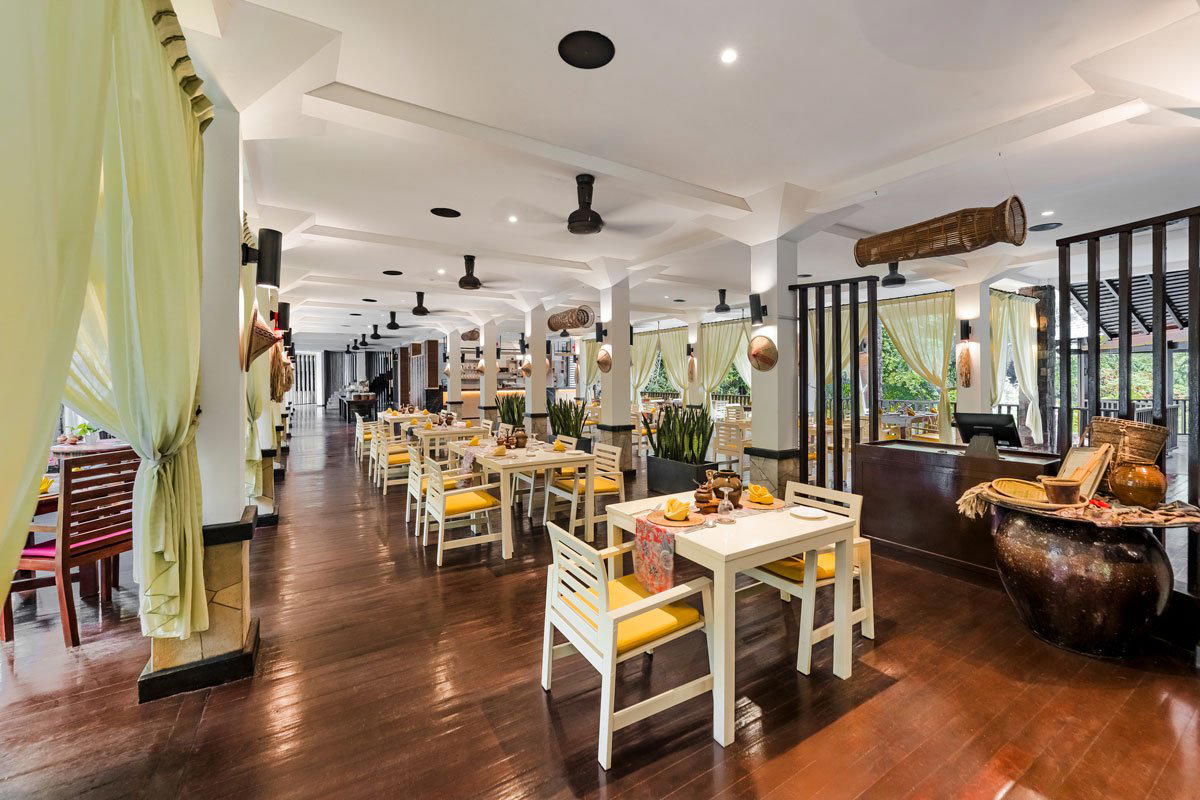
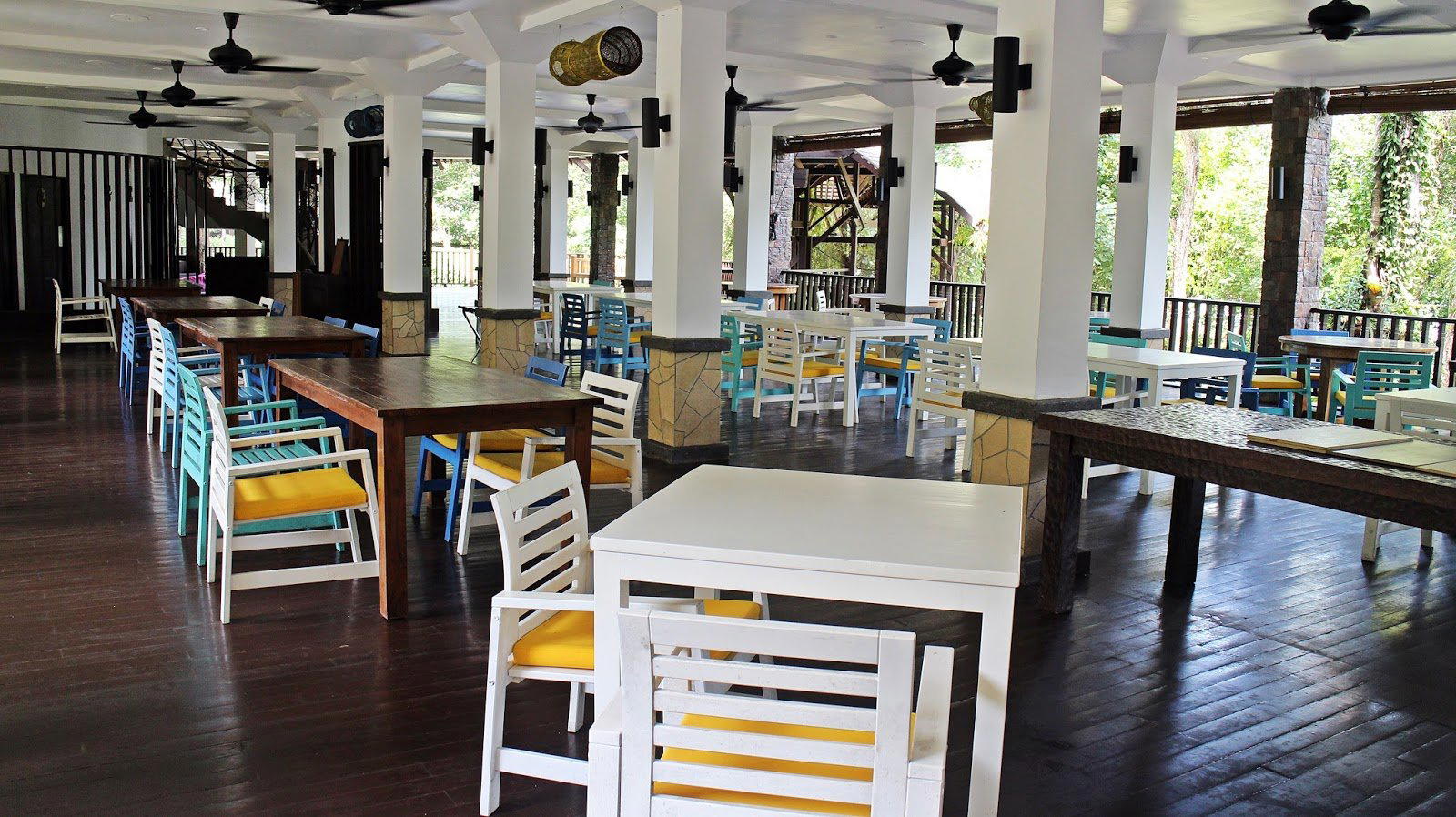
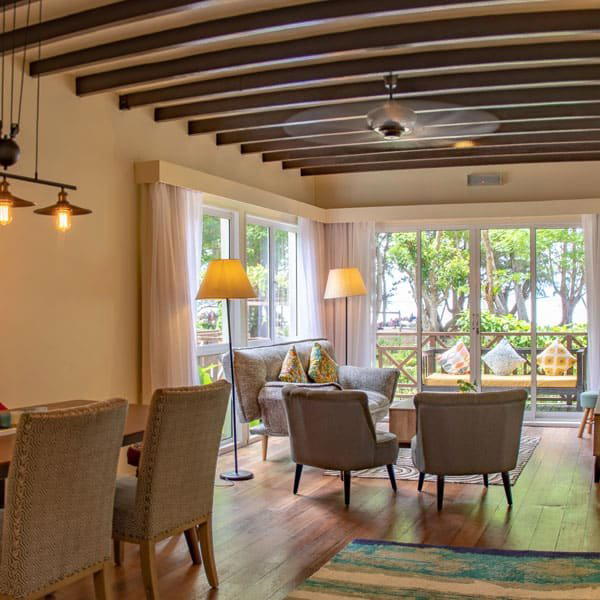
A casual, seafood-focused restaurant atmosphere centered on fresh, organic ingredients and Chinese-Malaysian-inspired cooking, with a direct dining room rather than a formal or elaborate setting.