Alora
Our verdict
Alora occupies a rare position on San Francisco's Embarcadero waterfront, operating from Pier 3 at the Hornblower landing where the bay frames every service hour. The address places it within the city's premium dining corridor, alongside counters and tasting rooms that define Northern California's contemporary restaurant culture. For context on where it sits relative to the broader scene, our San Francisco guide maps the full picture.

Pearl is the En Primeur Club membership app, where members save venues, book tables and use the concierge.

The menu
What to order
- Adana_Kebab
- Chocolate_Baklava
- Hummus
- Spanish_Octopus
The Waterfront Tier: Where San Francisco's Dining Scene Meets the Bay
San Francisco's premium restaurant geography has always been stratified by neighbourhood identity as much as by kitchen credentials. The Financial District and Embarcadero corridor, running from the Ferry Building north toward the piers, occupies a different register than the tasting-menu rooms clustered in SoMa or the chef-driven neighbourhood spots of the Mission. Pier 3 at the Hornblower landing is a specific address in that corridor: a working waterfront location where the bay is a physical presence rather than a postcard backdrop, and where the light shifts from silver morning haze to deep amber at the dinner hour in a way that no inland room can replicate.
Alora sits at that address. The pier setting places it in a small cohort of San Francisco venues where the physical environment does significant editorial work before a single dish or glass arrives. That context matters when assessing what kind of dining experience the room is designed to deliver, and how it compares to the city's other premium formats operating further from the water.
To place Alora accurately, it helps to understand the competitive tier it occupies. San Francisco's top-end restaurant scene is anchored by a handful of internationally recognised rooms. Benu holds three Michelin stars and operates a French-Chinese tasting format that has defined a generation of high-concept dining on the West Coast. Atelier Crenn brings a poetic, produce-led approach to modern French cuisine from a three-star kitchen in Cow Hollow. Quince has built a decade-long reputation in the Jackson Square neighbourhood for Italian-inflected contemporary cooking at the $$$$ price point. Saison represents the fire-led, Californian-progressive wing of that same tier. And Lazy Bear operates a communal tasting format that pulls from the Progressive American tradition.
These rooms collectively define what $$$$ dining means in San Francisco: long tasting menus, serious wine programs, advance booking requirements measured in weeks rather than days, and kitchens that source directly from the region's agricultural infrastructure. The city sits at a natural advantage for this kind of cooking. The proximity to Sonoma and Napa to the north, the Central Valley to the east, and the Pacific coastline means that supply chains are shorter and more direct than in almost any other major American city. That agricultural reality shapes every serious kitchen in the region, from the most decorated tasting room to the casual neighbourhood counter.
For a broader map of how these rooms relate to each other and to the neighbourhoods they occupy, our full San Francisco restaurants guide covers the full spread of the city's dining character.
The Wine List Question: What a Pier 3 Address Implies
In San Francisco's premium dining tier, the wine program is rarely incidental. The city's proximity to Napa and Sonoma means that cellar curation carries particular weight here: a sommelier operating in this market has access to allocation lists, vertical library stock, and direct producer relationships that most American cities simply cannot match. The question for any serious room in this category is not whether wine matters, but how the list is assembled and what it signals about the kitchen's philosophy.
The rooms that have built the strongest reputations in this regard tend to share certain characteristics. They move beyond the expected Napa Cabernet anchor to include Burgundy-adjacent producers, skin-contact and low-intervention California labels, and European selections that offer genuine value at the leading end rather than prestige-label padding. Single Thread Farm in Healdsburg, operating just north of the city, has set a reference point for how a farm-to-table format can integrate wine with the same rigour it applies to produce sourcing. Further afield, Frasca Food and Wine in Boulder has demonstrated that wine-program depth can be a restaurant's defining credential even outside a traditional wine region. These are the comparison points that matter when evaluating what any new entrant to the premium California dining scene brings to the cellar.
Nationally, the rooms that have raised the bar on wine-forward fine dining include Le Bernardin in New York, where the seafood tasting format is matched by a list of genuine depth, and The French Laundry in Napa, where cellar access and sommelier expertise have been central to the identity since the 1990s. Atomix in New York and Smyth in Chicago represent the newer generation of rooms where beverage programs are conceived with the same ambition as the kitchen.
The Embarcadero Dining Character
The Embarcadero is not where San Francisco's most experimental cooking happens. That distinction belongs to the SoMa corridor and the outer neighbourhoods where rent economics allow for greater risk-taking. What the waterfront offers instead is a different kind of premium experience: one where setting amplifies the meal, where the surrounding civic scale of the bay and the Ferry Building create a sense of occasion that kitchen alone cannot manufacture. Rooms in this location tend to attract a slightly different clientele than the destination tasting-menu crowd: visitors staying in the adjacent hotel district, corporate entertaining budgets, and locals marking significant occasions who want the view as part of the equation.
That is not a criticism. It is a description of what waterfront dining in a major city does well, and it is a format with strong precedent. Providence in Los Angeles has shown how a seafood-forward room can carry serious culinary credentials alongside broad accessibility. Addison in San Diego demonstrates that California fine dining away from the San Francisco epicentre can build equivalent depth. The pier location, in other words, is neither a limitation nor an automatic credential: it is a format choice, and the question is what the kitchen and cellar do with it.
Wider Context: Where Alora Sits in American Fine Dining
Internationally-minded rooms operating in scenic American settings have a track record worth noting. Blue Hill at Stone Barns in Tarrytown made the agricultural setting inseparable from the menu's identity. The Inn at Little Washington has used its non-urban location to build a different kind of occasion dining. Emeril's in New Orleans and Atelier Moessmer Norbert Niederkofler in Brunico represent two poles of how fine dining with strong geographic identity can operate across very different scales and traditions. Alora's pier address puts it in a conversation with all of these, in the sense that location is an active ingredient rather than a passive backdrop.
Know Before You Go
- Address: Pier 3, Hornblower Landing, San Francisco, CA 94105
- Location context: Embarcadero waterfront, between the Ferry Building and Fisherman's Wharf
- Price tier: Consistent with the Embarcadero premium dining corridor
- Getting there: The F-line streetcar stops along the Embarcadero; the venue is walkable from several Financial District hotels
- Timing note: Evening service captures the bay's light transition most effectively; weekend lunch is more visitor-oriented in this corridor
Frequently asked questions
What should I order at Alora?
What the pier setting and the broader San Francisco premium dining context suggest is that seafood-forward dishes and California-sourced produce are logical anchors for any kitchen operating at this address. Comparable rooms in the city, including Benu and Atelier Crenn, treat the region's agricultural and coastal supply as the starting point for the menu rather than an afterthought.
Is Alora reservation-only?
What has Alora built its reputation on?
Alora's position at Pier 3 on the Embarcadero places it in one of San Francisco's most visible waterfront settings, which is itself a statement about the kind of experience the venue is designed to deliver. For verified peer comparisons in the city's premium tier, Saison and Benu represent the benchmarks against which any room at this level is measured.
Do they accommodate allergies at Alora?
In San Francisco's premium dining tier, serious tasting-menu rooms routinely collect dietary information at the booking stage and adjust courses accordingly.
What makes Alora's Embarcadero location relevant to the dining experience?
Waterfront dining in San Francisco carries a specific set of expectations that inland tasting rooms do not face: the view and light conditions become part of the assessment, and the proximity to the bay influences what seafood supply chains look like for any serious kitchen at that address. Pier 3 at the Hornblower landing is a working pier address, not a converted warehouse or repurposed civic building, which means the maritime character is direct rather than decorative. For travellers planning an evening around the setting as much as the food, the Embarcadero corridor is broadly comparable in premise to the waterfront dining formats that rooms like Providence in Los Angeles have made work at serious culinary levels further down the California coast.
Budget and Context
Comparable venues nearby, for context on price, style, and recognition.
| Venue | Cuisine | Price | Notes |
|---|---|---|---|
| AloraThis venue (the venue you are viewing) | California Mediterranean | $50–100 | Not listed |
| Medjool | Mediterranean Tapas | Not listed | Mission District, Mediterranean Tapas |
| Penaber Mediterranean meze house | Mediterranean Meze House | $30–50 | Nob Hill, Mediterranean Meze House |
| Boochmania | Levantine Mediterranean with Fermentation | $20–30 | Financial District/South Beach, Levantine Mediterranean with Fermentation |
| Sens | Mediterranean Bistro | $50–100 | Financial District/South Beach, Mediterranean Bistro |
| Coco500 | California/Mediterranean | Not listed | SoMa, California/Mediterranean |
Continue exploring
More in San Francisco
Restaurants in San Francisco
All restaurants in San Francisco →
Bars in San Francisco
All bars in San Francisco →
Details
- Elegant
- Modern
- Sophisticated
- Scenic
- Date Night
- Special Occasion
- Business Dinner
- Waterfront
- Panoramic View
- Craft Cocktails
- Local Sourcing
- Waterfront
- A La Carte
- Small Plates
- Vegetarian Friendly
Current opening hours
- Monday
- 11:30 AM–9 PM
- Tuesday
- 11:30 AM–9 PM
- Wednesday
- 11:30 AM–9 PM
- Thursday
- 11:30 AM–9 PM
- Friday
- 11:30 AM–9 PM
- Saturday
- 11:30 AM–9 PM
- Sunday
- 11:30 AM–9 PM
Hours can change for holidays and private events. Hours as of .
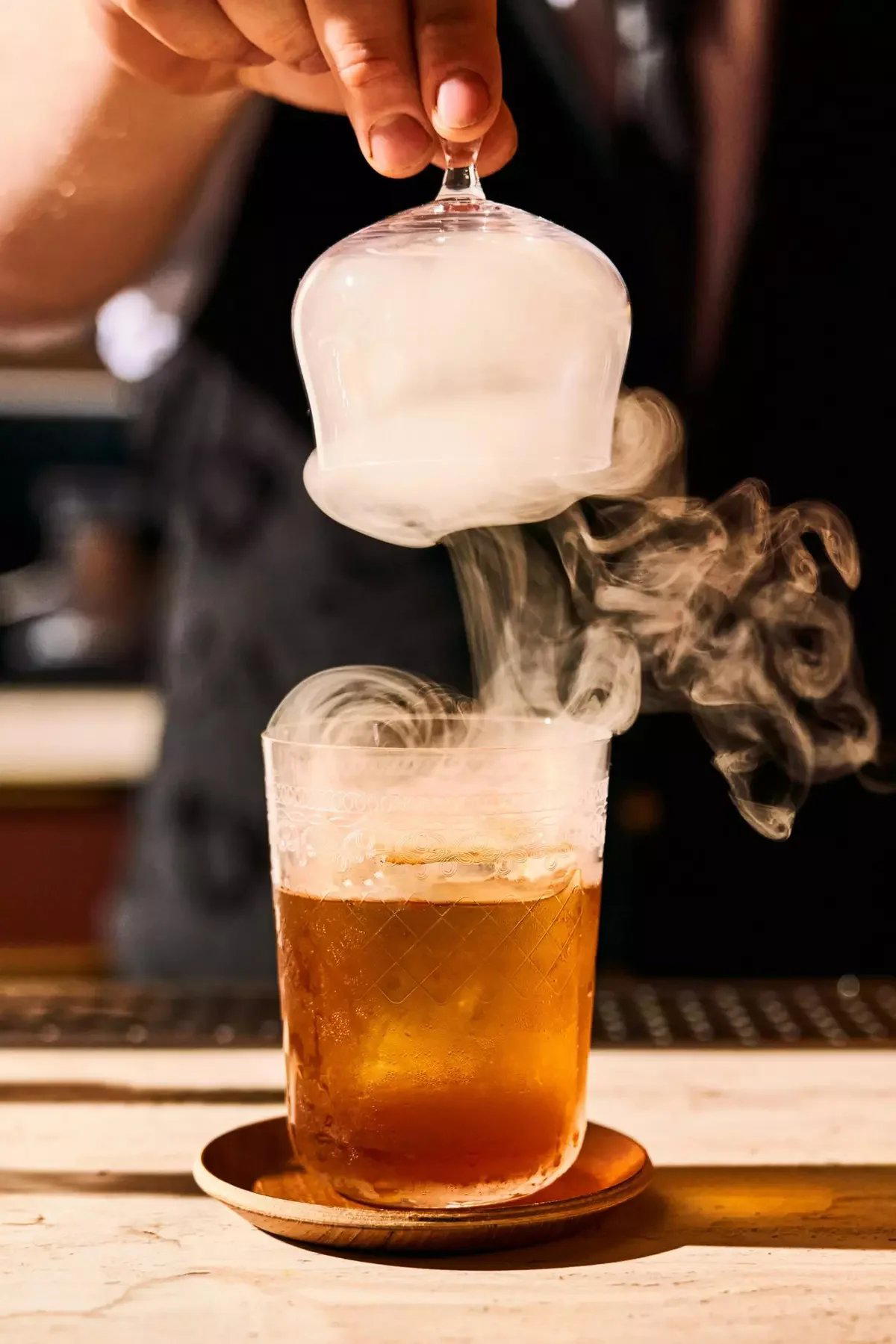
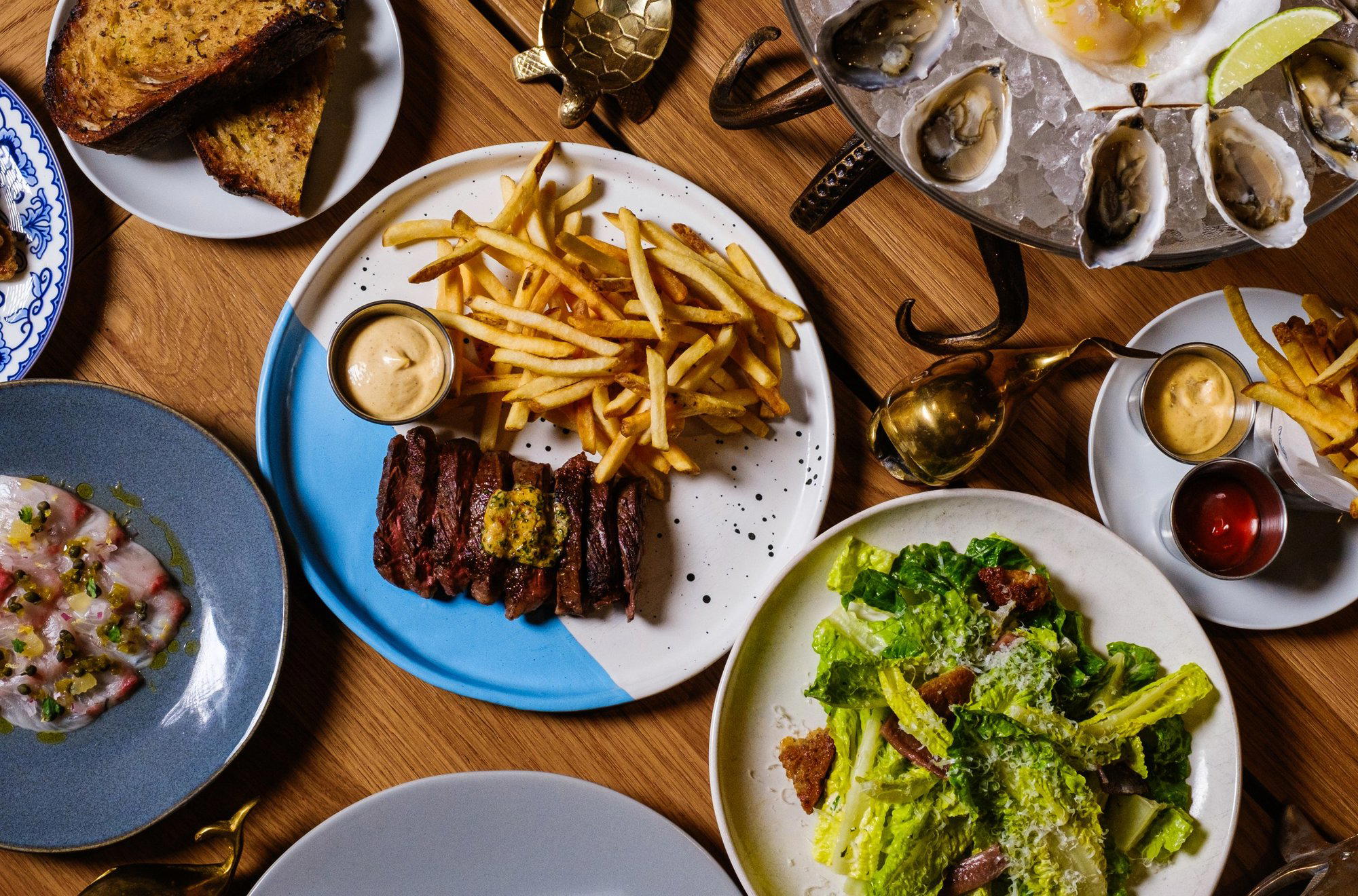
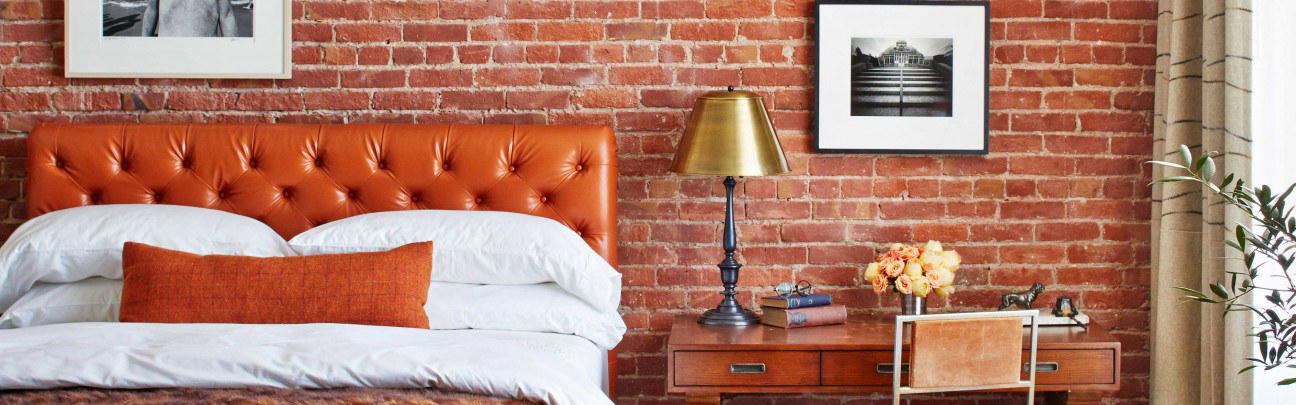
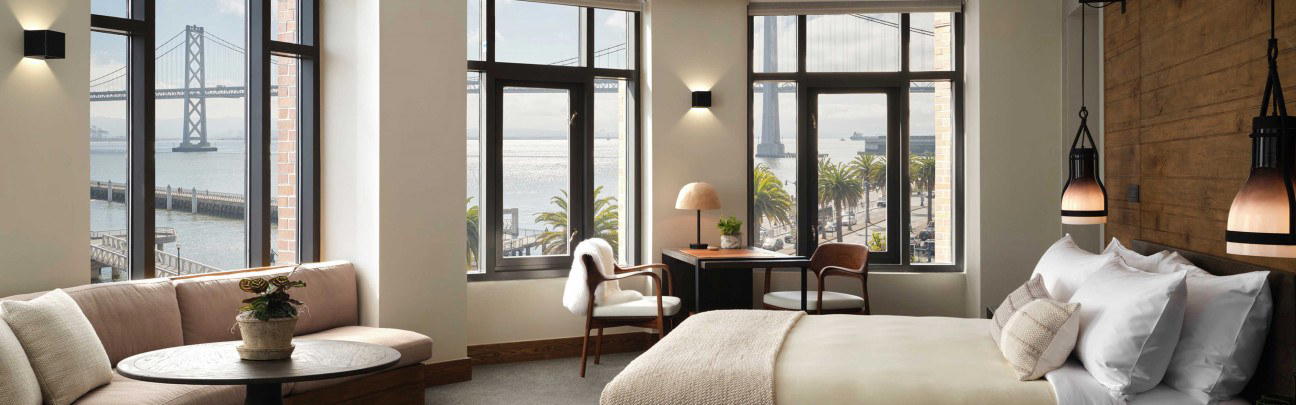
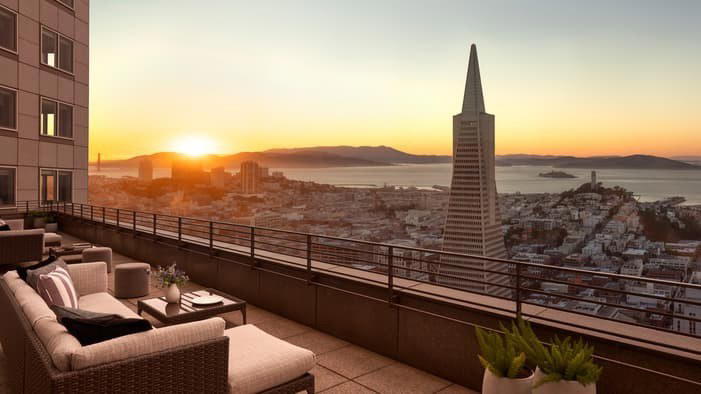
Sophisticated dining room with elegant finishes, trendy cordless table lamps, room-length bar, and waterfront views creating a refined yet convivial atmosphere.