
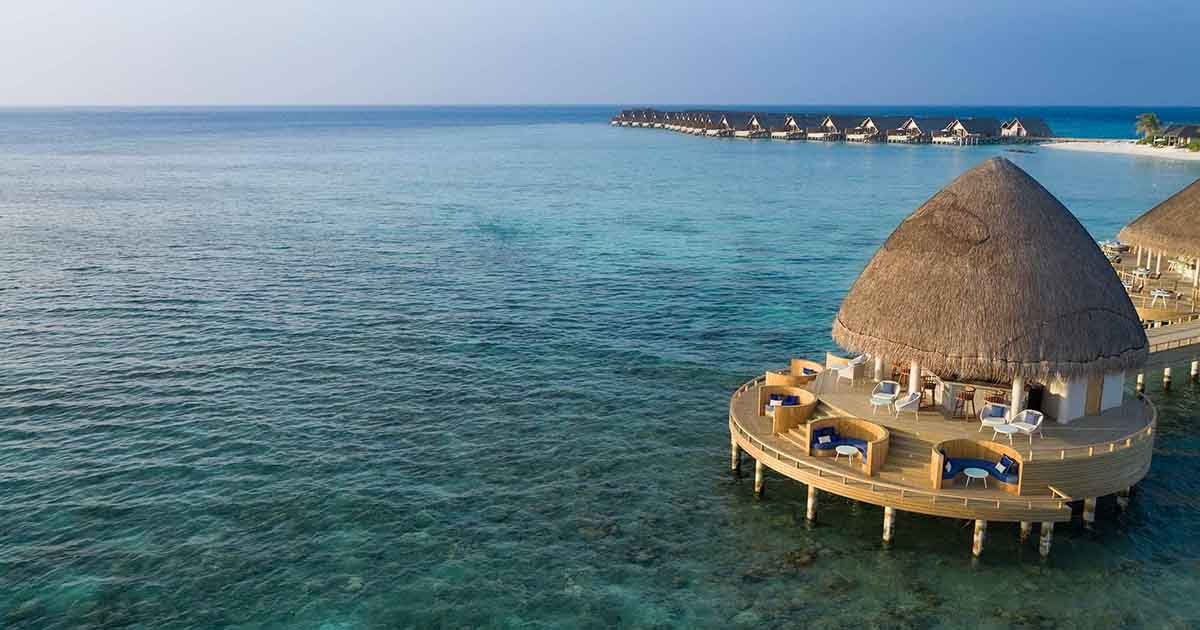
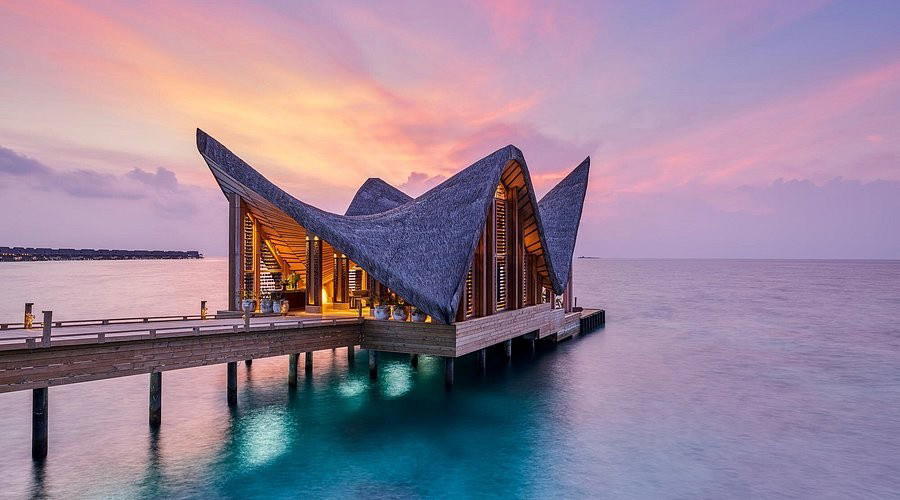
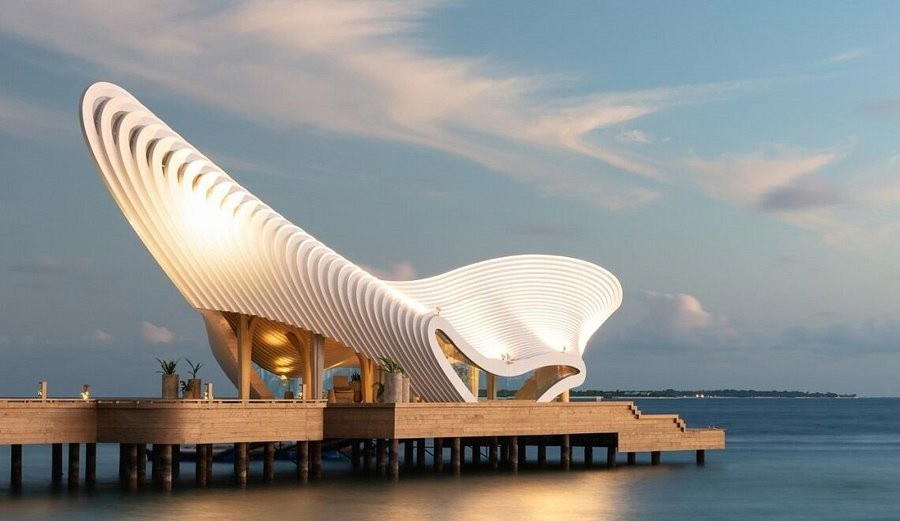
Saoke is JOALI Maldives' Japanese-inflected bar and dining room on Muravandhoo Island, framed as a lantern-lit pier pavilion after dark. Illuminated sake bottle displays and an interlocking geometric wood lattice ceiling define the interior architecture. It sits within a resort category where the ambient design carries as much weight as the menu.
Pearl is the En Primeur Club membership app — saves, bookings, and concierge access live there. Same editors, same standards.
- Address
- Muravandhoo Island
- Phone
- 960-658-4444
- Website
- joali.com
- Directions
- Get directions
 Saves & bookings on Pearl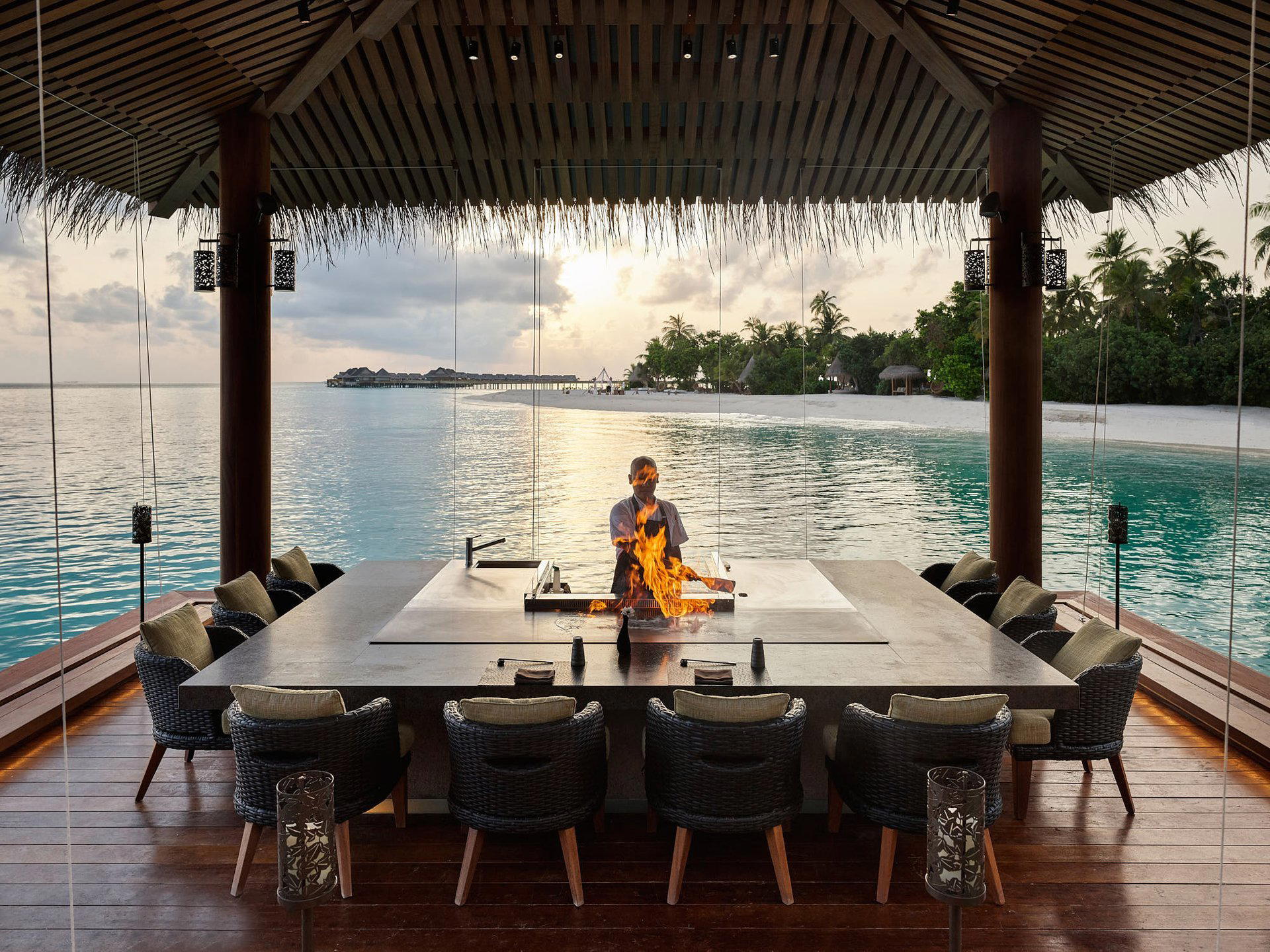
Light at the End of the Pier
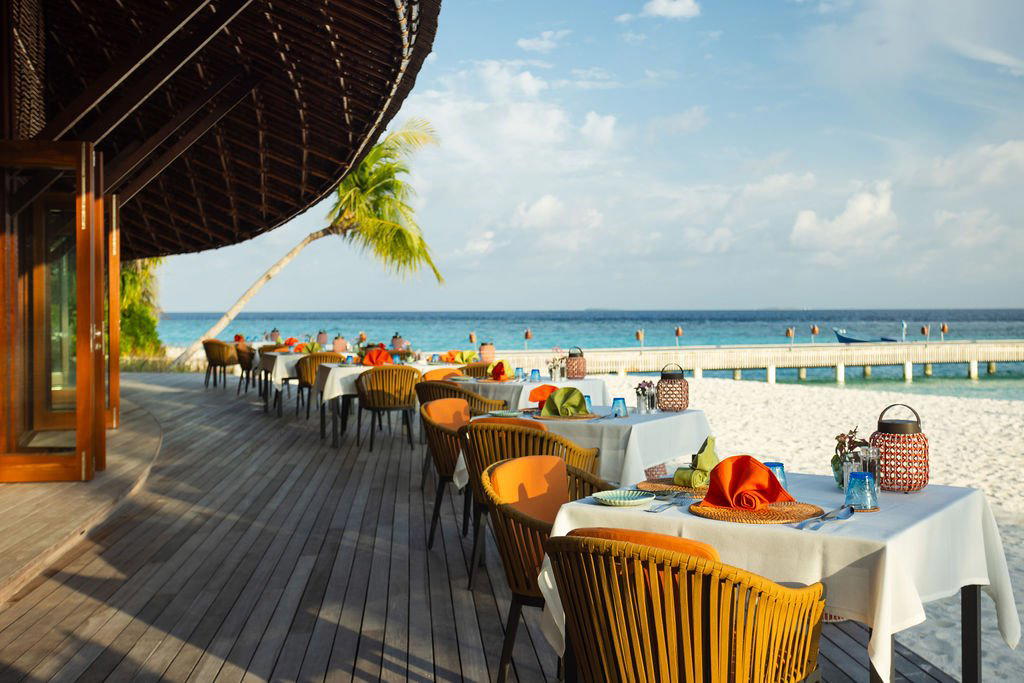
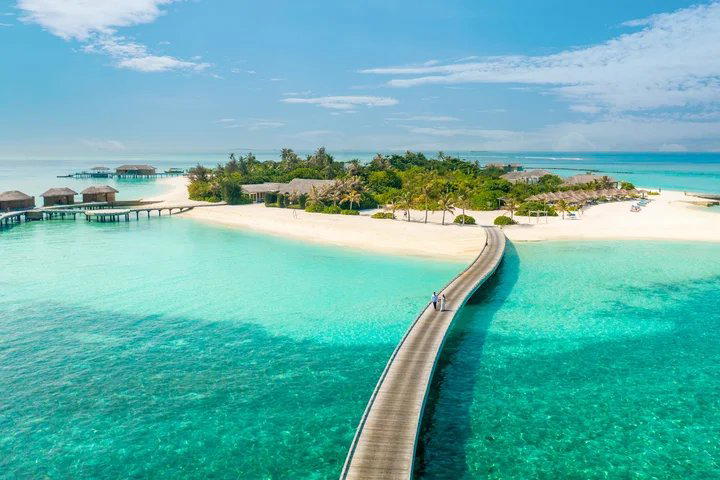
There is a moment, walking the length of JOALI Maldives' pier at dusk, when the Indian Ocean drops to a flat metallic calm and the sky behind Muravandhoo Island turns the colour of oxidised copper. At the far end of the boardwalk, Saoke begins to resolve out of the half-light, a structure that glows with the particular warmth of paper lantern light rather than the cold brightness of a hospitality floodlight. That quality of illumination is a design choice, not an accident, and it signals the register the restaurant intends to hold for the rest of the evening.
In the Maldives, resort dining competes on atmosphere as much as kitchen output. An island property cannot rely on walk-in trade or neighbourhood reputation; every guest arrives through a pre-booked stay, and the dining rooms earn their keep by providing experiences that justify the overall tariff. Within that context, the physical approach to a restaurant, the arrival sequence, the first visual impression, the sensory shift between exterior and interior, matters considerably. Saoke is engineered around exactly that understanding.
Architecture as Menu
Entering Saoke, the first things to register are vertical: illuminated bookcases flanking the entryway, their shelves lined with sake bottles rather than books. The effect is somewhere between a library and a cellar, an arrangement that communicates the restaurant's Japanese orientation before any menu has been opened. Sake collections of this kind are relatively rare in Maldivian resort dining, where wine lists tend to dominate the beverage identity. The presence of a curated bottle display as the primary decorative statement at the threshold sets a clear category expectation.
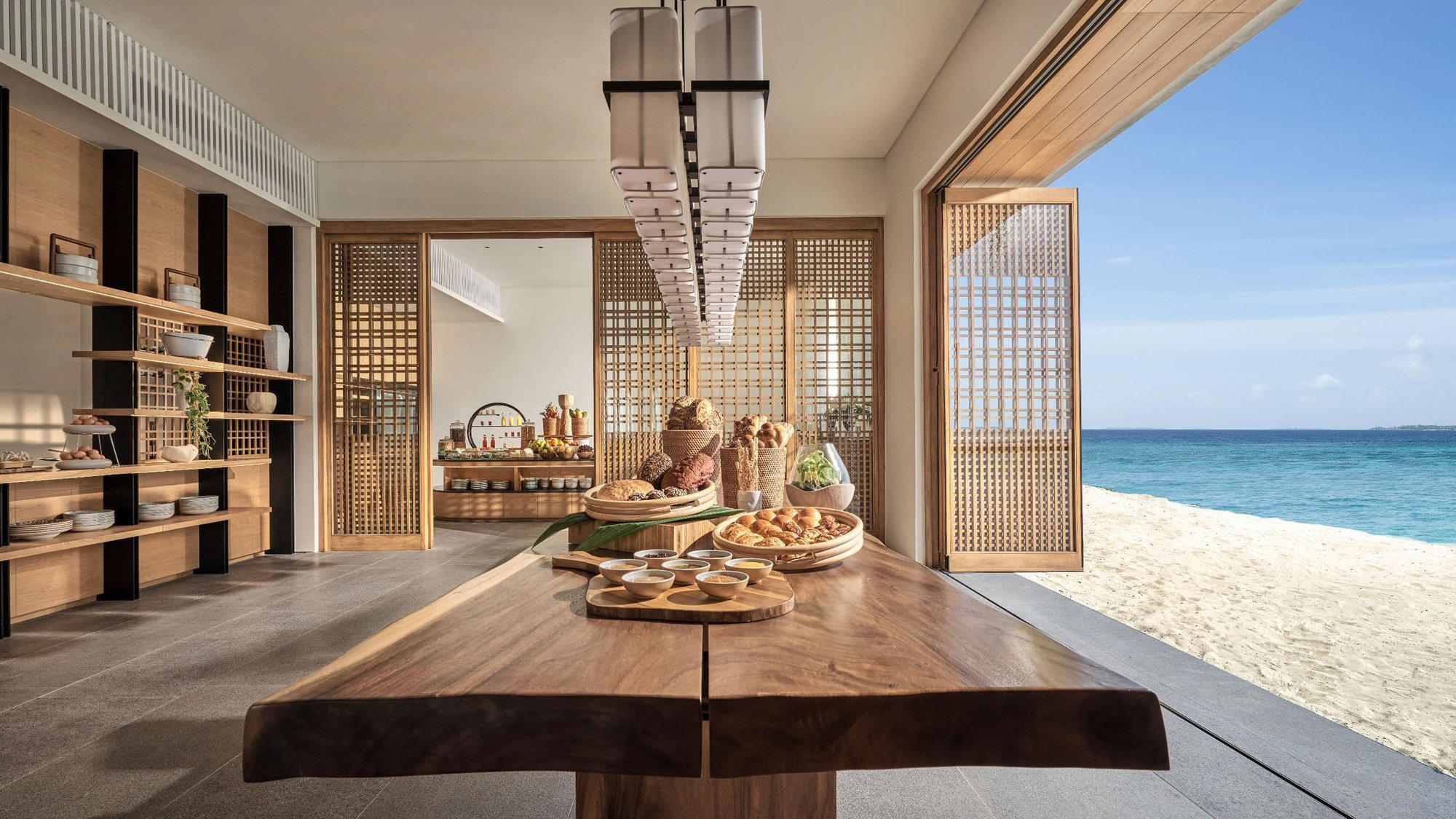
Overhead, a geometric lattice of interlocking wood beams covers the ceiling in a pattern that draws from traditional Japanese joinery principles, a construction method in which structural members interlock without nails or adhesives, creating a dense, shadowplay surface that shifts under directional lighting. In a design context dominated by bleached concrete, rattan, and infinity-edge aesthetics, this kind of ceiling detail reads as a genuine point of differentiation. Resorts like Aragu and IWAU each pursue their own architectural identities; what distinguishes Saoke is the specificity of the Japanese craft vocabulary applied to a building that sits on an equatorial atoll.
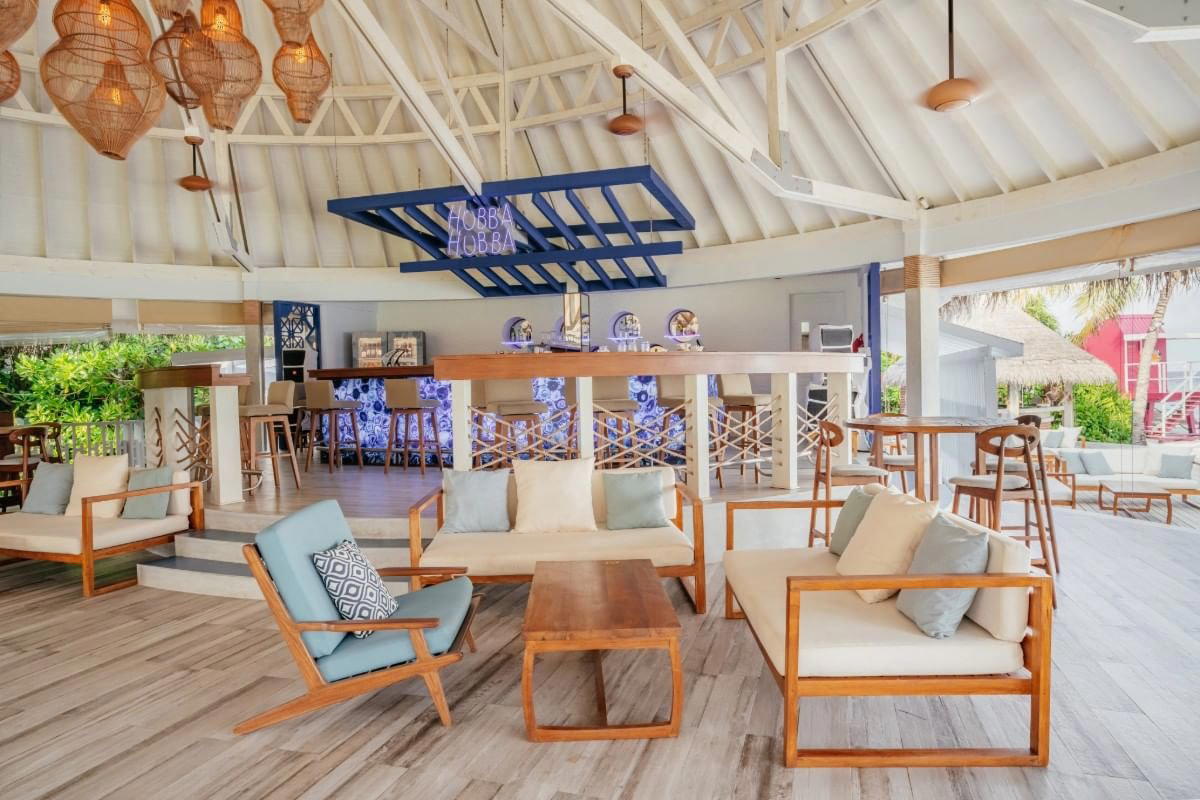
The bar anchors the room. In most resort dining rooms, the bar is peripheral, a pre-dinner staging area that empties once guests move to tables. Here, the sake collection positioned at the entryway and the bar's physical placement suggest it is intended as a destination in its own right, not merely a waiting zone. That configuration changes the rhythm of an evening considerably: it supports a longer drinks-focused visit rather than a linear dinner progression.
Where Saoke Sits in Maldivian Resort Dining
The Maldives resort restaurant category has stratified over the past decade. At one end sit all-day dining rooms that absorb buffet breakfast and casual lunch traffic. At the other end sit specialist restaurant concepts, tighter menus, distinct design identities, reservation-required formats, that function as the culinary anchor of a property's premium positioning. Saoke occupies this specialist tier at JOALI Maldives, operating in the same broader cohort as Jing Restaurant at Constance Halaveli and Alizee Restaurant at Moofushi, venues where a single cuisine identity shapes the full experience from architecture through to plate.
Japanese dining concepts have expanded steadily across Indian Ocean resort properties. The cuisine's structural discipline, clean presentation, ingredient restraint, precision over abundance, translates well to luxury island settings where provenance and quality of raw material are central concerns. Constance Halaveli and Constance Moofushi both operate multi-restaurant formats that address this by rotating a core set of proteins and produce across different dining concepts. A venue like Saoke, with a specific Japanese identity and sake program, commits to a more singular sourcing logic.
The Sake Program
The emphasis on sake as both design motif and beverage identity positions Saoke within a narrower competitive set than most resort restaurants occupy. Sake programs of meaningful depth are rare anywhere outside Japan and a handful of major metropolitan markets, venues like Le Bernardin in New York City or Emeril's in New Orleans have historically anchored their beverage identities around deep wine lists rather than sake. A resort dining room in the Indian Ocean that treats sake as a primary rather than supplementary offering is occupying genuinely specific territory.
The bottles displayed in those illuminated entryway bookcases are not purely decorative. They represent a range that guests are invited to explore across the evening, and the bar position in the room supports exactly that kind of extended engagement. The architectural commitment to the sake identity suggests a collection assembled with some degree of intentionality.
Planning a Visit
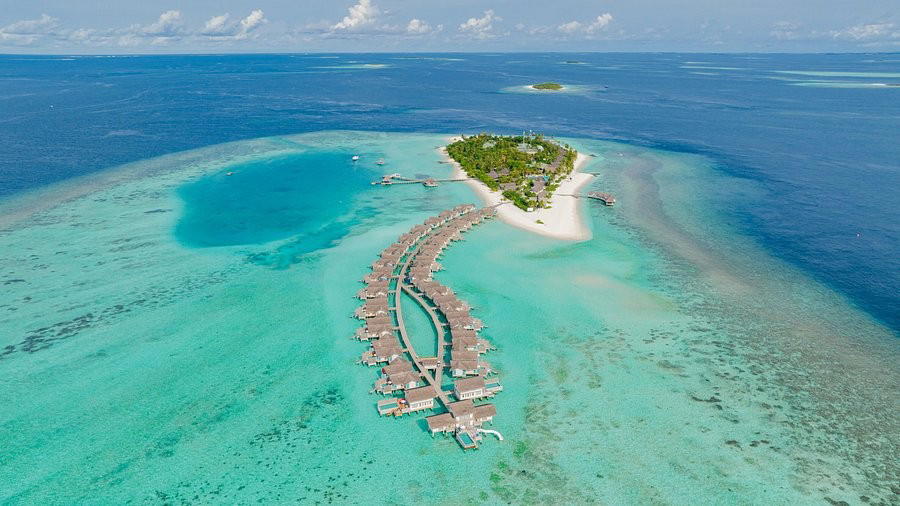
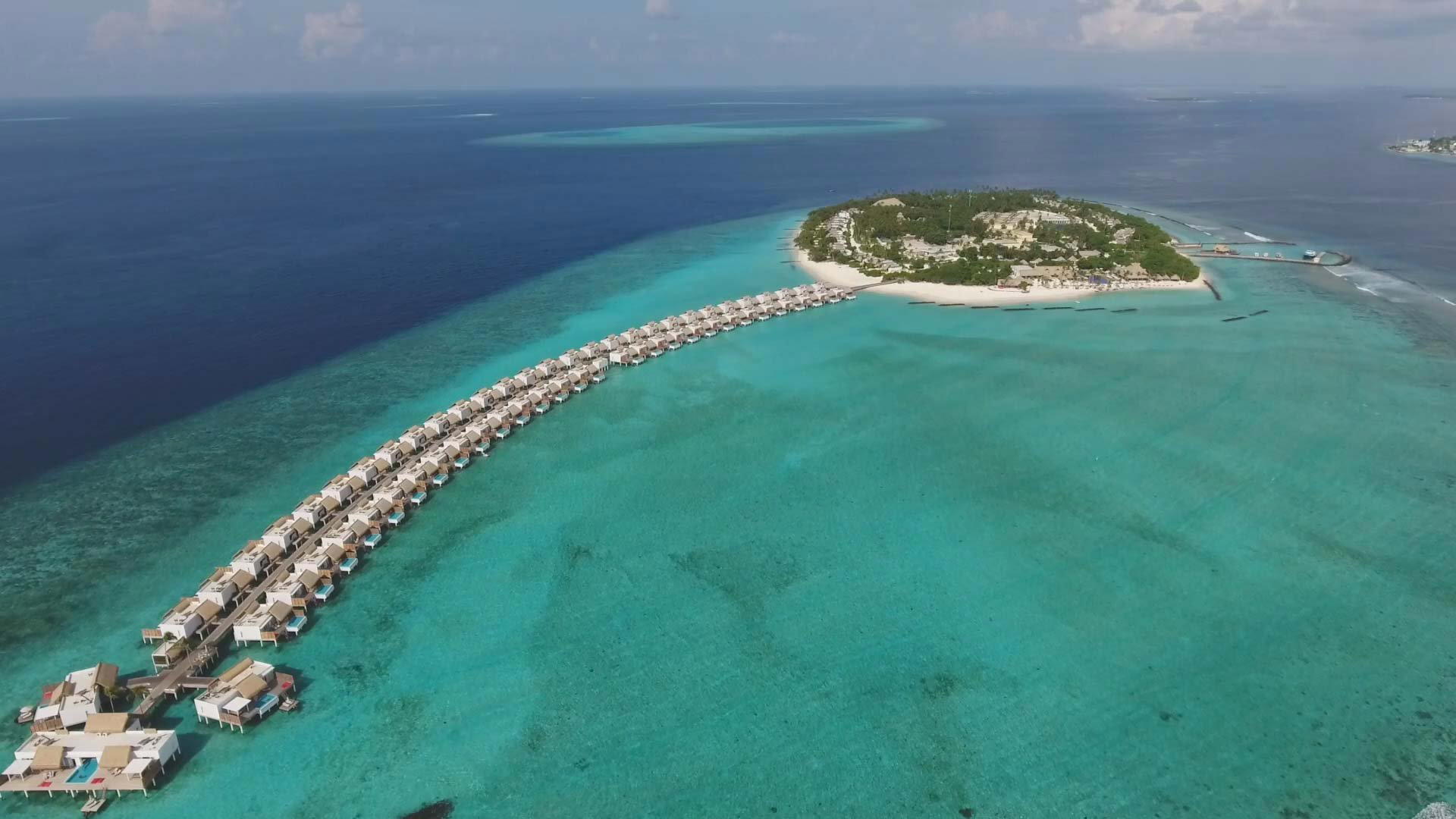
Saoke is on Muravandhoo Island at JOALI Maldives. Reservations are recommended. For further comparisons in the region, Terra Maldives in Ithaafushi, Le 1947 at Cheval Blanc Randheli, Aragu at Velaa Private Island, Edge, and Kuda Villingili in Malé each represent distinct points on the spectrum of Maldivian fine dining.
Comparable Venues
Comparable venues nearby, for context on price, style, and recognition.
| Venue | Cuisine | Price | Notes |
|---|---|---|---|
| SaokeThis venue — the venue you are viewing | Modern Japanese with Nikkei influences | $$$$ | Not listed |
| Constance Moofushi Maldives | Tropical Seafood & International Grill | $$$$ | South Ari Atoll |
| Constance Halaveli Maldives | Asian Fusion and International Beachfront Dining | $$$$ | Halaveli Island |
| Li Long | Modern Chinese Fine Dining | $$$$ | Ithaafushi Island |
| Sea Underwater Restaurant | Modern Underwater Seafood Fine Dining | $$$$ | Kihavah |
| Aragu | Modern European with Maldivian Flair | $$$$ | Noonu Atoll |
Recognition history
Dated appearances from independent guides and award organizations, with the underlying list record or original source where available.
Forbes 4-Star
Forbes

At a Glance
- Elegant
- Sophisticated
- Intimate
- Scenic
- Date Night
- Special Occasion
- Celebration
- Waterfront
- Open Kitchen
- Hotel Restaurant
- Sake Program
- Waterfront
Current opening hours
- Monday
- 7–10:30 PM
- Tuesday
- 7–10:30 PM
- Wednesday
- 7–10:30 PM
- Thursday
- 7–10:30 PM
- Friday
- 7–10:30 PM
- Saturday
- 7–10:30 PM
- Sunday
- 7–10:30 PM
Hours can change for holidays and private events. Last verified .
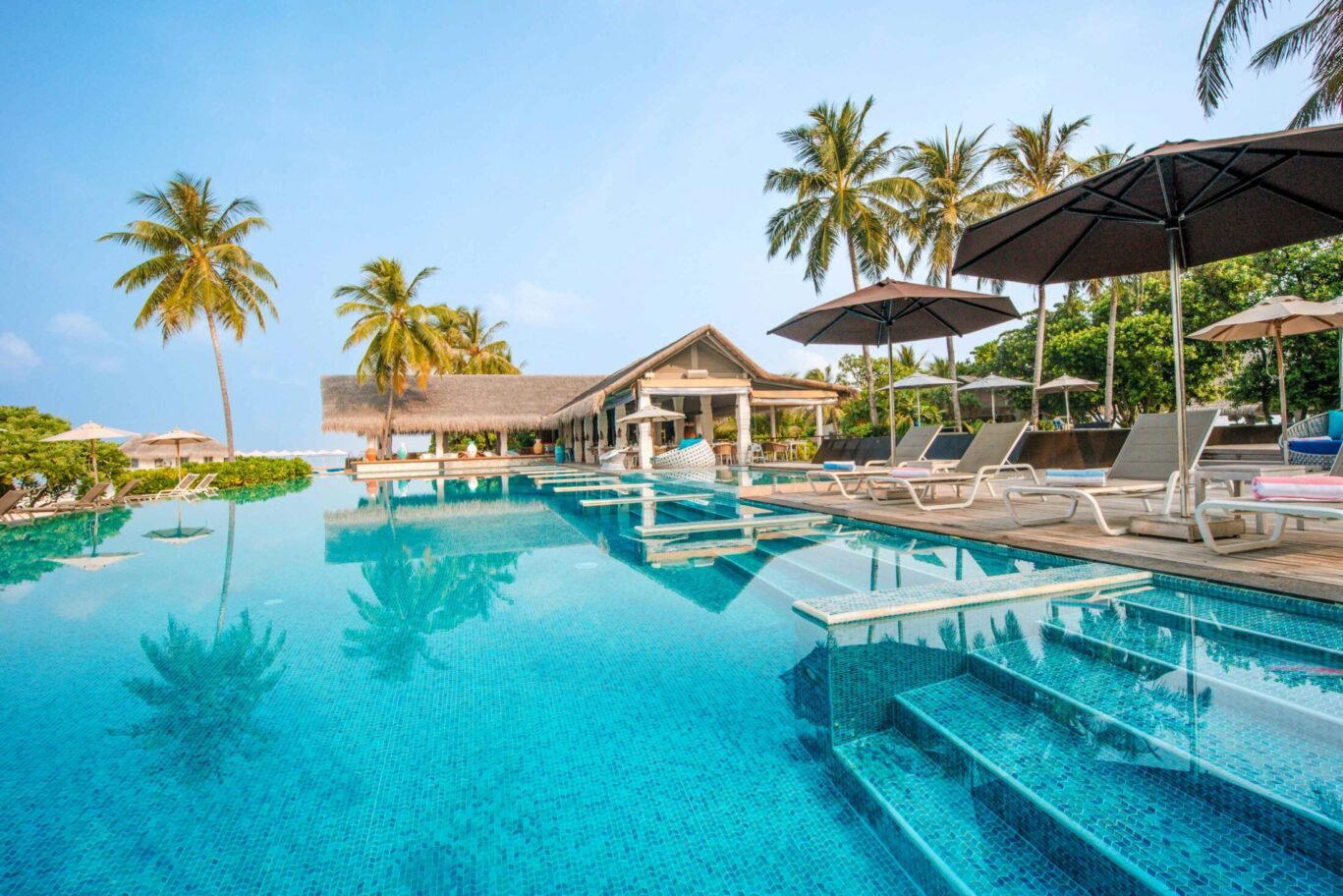
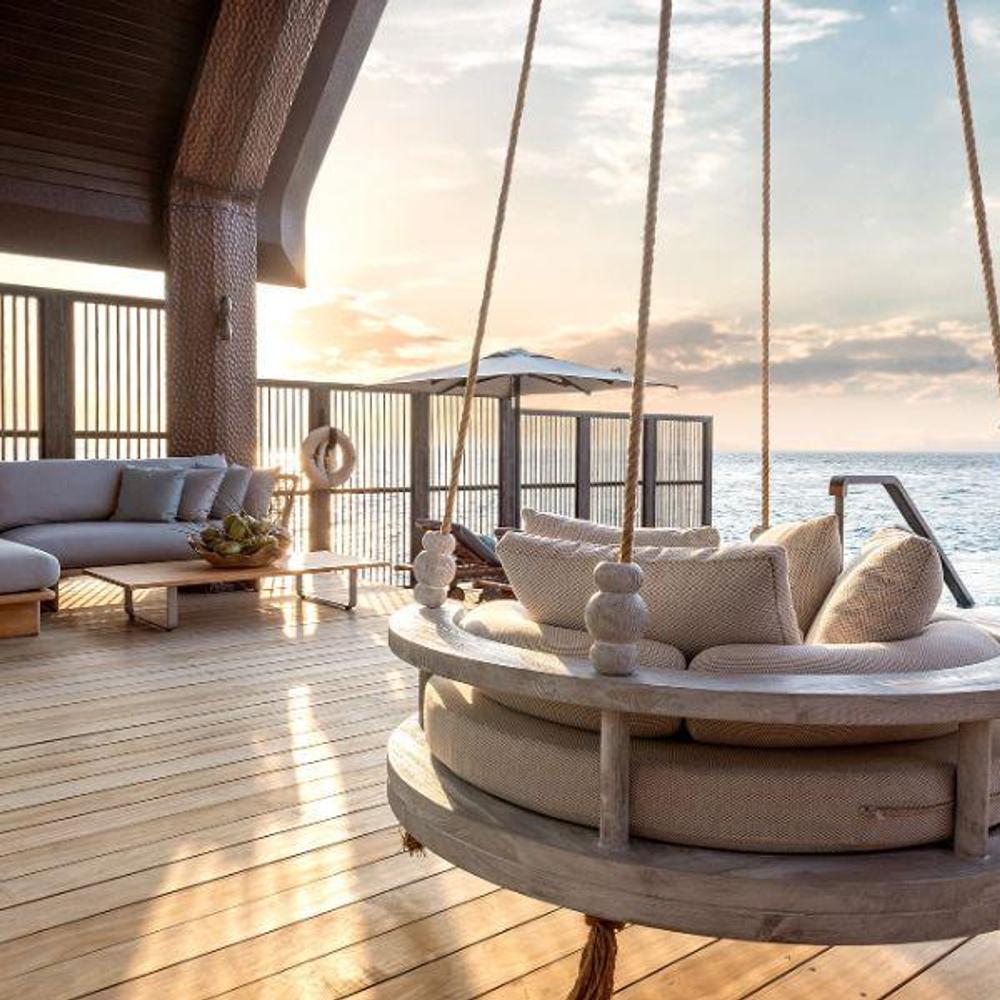
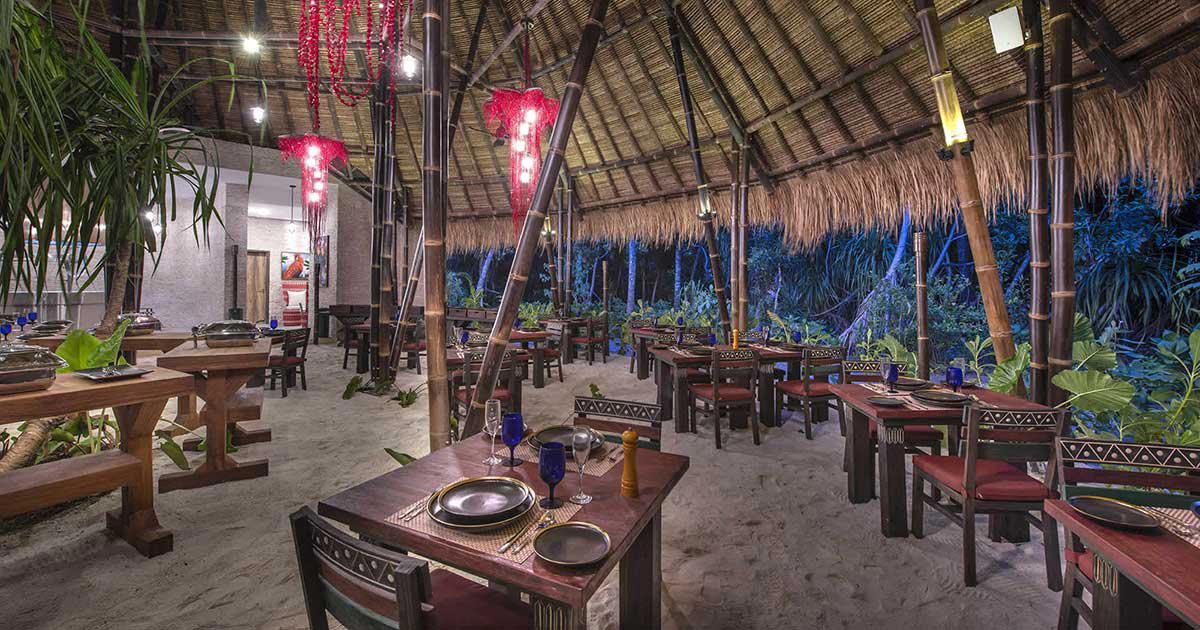
Peaceful pier setting over the water with dramatic night illumination from sake bottles and wooden architecture, creating a serene and dreamlike atmosphere.