Alice
Our verdict
Alice brings Italian cooking into Cambridge’s dining conversation through a lens that suits the city: direct, ingredient-led, and resistant to excess. With no public award tier or chef-driven tasting-menu apparatus defining the experience, the appeal rests on how a familiar cuisine reads in a compact academic city where casual meals, serious restaurants, and neighborhood habits overlap.

Pearl is the En Primeur Club membership app, where members save venues, book tables and use the concierge.

The menu
What to order
- Neapolitan-inspired pizza
- Handmade garganelli with sungold tomatoes
- Stuffed zucchini blossoms
- Seasonal vegetable small plates
- Salumi and formaggi board
Cambridge dining often begins before the plate arrives: brick sidewalks, student traffic, research-lab conversations spilling into dinner, and the practical rhythm of a city that eats early when it has a lecture, late when it has a deadline. Italian cooking fits that setting better than many cuisines because its authority rarely depends on spectacle. Flour, tomato, olive oil, greens, beans, fish, cured meats, and cheese can carry a room when the kitchen understands restraint.
Alice belongs in that conversation as an Italian restaurant in Cambridge, a city where dining culture is pulled between academic routines, late-night habits, and expense-account polish. The useful question is not whether Italian food needs another interpreter. It is whether a restaurant can make simplicity feel intentional rather than thin.
Italian restraint makes sense in a Cambridge dining room
The Italian principle at work here is not minimalism for its own sake. It is the harder discipline of using fewer elements and letting proportion do the work. In Cambridge, that matters. The city has plenty of restaurants built for groups, dates, visiting parents, faculty dinners, and weekday regulars, but the stronger rooms tend to know when to stop decorating the plate or overexplaining the concept.
That is why Alice is more interesting as part of a local pattern than as a stand-alone name. Cambridge rewards restaurants that can be read at two speeds: relaxed enough for a weeknight, serious enough for someone paying attention. Italian cuisine offers that range naturally. A bowl of pasta, a bitter salad, a roasted vegetable, or a plate built around preserved fish can carry as much intent as a longer menu if the kitchen avoids clutter.
The city’s broader restaurant map gives that restraint context. Other Cambridge dining rooms point toward the city’s appetite for contemporary cooking, social high-traffic meals, smaller independent restaurants, and the all-day café culture that still shapes how Cambridge uses hospitality spaces. Alice sits within that wider mix rather than apart from it.
The reputation test is execution, not theatre
For Italian restaurants whose public profile is built through coverage and repeat usefulness, reputation has to be earned in practice. That is a different kind of pressure from a destination tasting-menu room. The food has to survive ordinary decision-making: dinner after work, a meal before a performance, a second visit when novelty has worn off, a table with one guest who wants pasta and another who wants something lighter.
Alice’s cuisine label, Italian, sets expectations that are both generous and unforgiving. Guests know the grammar before they arrive, so the kitchen has less room to hide behind unfamiliarity. Pasta cannot rely on obscurity. Sauces need balance. Acidity, salt, fat, and texture have to land without the cover of elaborate presentation. In this category, confidence is usually quieter: correct cooking, coherent pacing, and a menu that does not confuse abundance with generosity.
Cambridge is also a useful place for this kind of restaurant because the audience is mixed. The same dining room may need to satisfy residents, academics, students with visiting family, and travelers using the city as a base for Boston. That range can flatten restaurants into crowd-pleasing sameness. The better Italian rooms resist by making familiar forms feel edited. Simplicity becomes a filter: what stays on the plate has to justify itself.
For readers mapping the city more broadly, Our full Cambridge restaurants guide gives the dining frame, while Our full Cambridge hotels guide, Our full Cambridge bars guide, Our full Cambridge wineries guide, and Our full Cambridge experiences guide help place dinner inside a wider trip rather than treating it as an isolated reservation.
How Alice fits a wider appetite for unfussy cooking
The renewed appeal of direct cooking is not limited to Cambridge or to Italian menus. Across American dining, some of the more persuasive casual restaurants have moved away from maximalist plating and toward formats that explain themselves quickly. Focused drinking-and-eating rooms, compact handheld formats, and casual neighborhood places all show how clarity can carry everyday dining habits.
That same preference for clarity appears in different settings, from plant-forward cooking to resort dining and from urban neighborhood restaurants to more formal international rooms. The point is not that Alice needs to resemble any of those places. It is that diners increasingly reward restaurants that know what they are trying to be and do not bury the meal under excess explanation.
Alice sits on the Cambridge side of that larger equation: Italian cooking judged less by novelty than by edit, rhythm, and usefulness. The city does not need the restaurant to perform grandeur. It needs the meal to make sense in context, and the most durable Italian restaurants often win by making restraint feel complete.
Frequently asked questions
What style of cooking does Alice do?
Alice serves Italian cuisine.
How hard is it to get a table at Alice?
With Alice in Cambridge and its public profile tied to opening coverage, table access reads as a practical Cambridge dining question rather than something to frame through ranking language. The sensible move is to plan around local dining demand.
What has Alice built its reputation on?
Alice is an Italian restaurant in Cambridge, so its reputation rests on the basics: pacing, restraint, and whether the room earns repeat visits. That is the real test for a place whose appeal depends on execution more than spectacle.
Can I bring kids to Alice?
Alice is in Cambridge and serves Italian cuisine. Check the venue's official channels for current guidance on family dining, reservations, and service details.
What's the vibe at Alice?
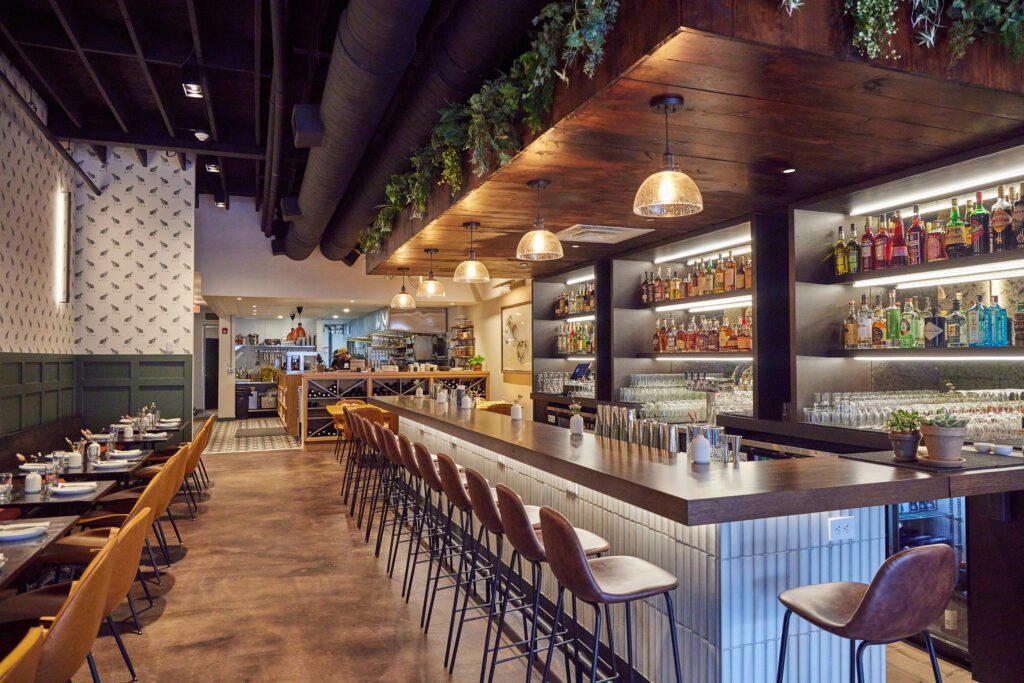
Expect an Italian dining room in Cambridge rather than a high-drama destination. The tone should read as meal-first, shaped more by the room’s everyday use than by spectacle.
Comparable Venues Nearby
Comparable venues nearby, for context on price, style, and recognition.
| Venue | Cuisine | Price | Notes |
|---|---|---|---|
| AliceThis venue (the venue you are viewing) | Modern Italian-Mediterranean Taverna | $30–50 | Not listed |
| Gran Gusto | Traditional Northern & Southern Italian Trattoria with Neapolitan Pizza | $30–50 | Neighborhood Nine |
| Toscano Harvard Square | Traditional Tuscan Italian | $50–100 | West Cambridge |
| Alice & Monarch | Modern Italian-Mediterranean taverna with subterranean dessert & cocktail lounge | $50–100 | Kendall Square |
| Viale | Italian-Inspired Seasonal Trattoria | $50–100 | The Port |
| Trattoria Pulcinella | Authentic Neapolitan Trattoria | $30–50 | Neighborhood Nine |
Continue exploring
More in Cambridge
Restaurants in Cambridge
All restaurants in Cambridge →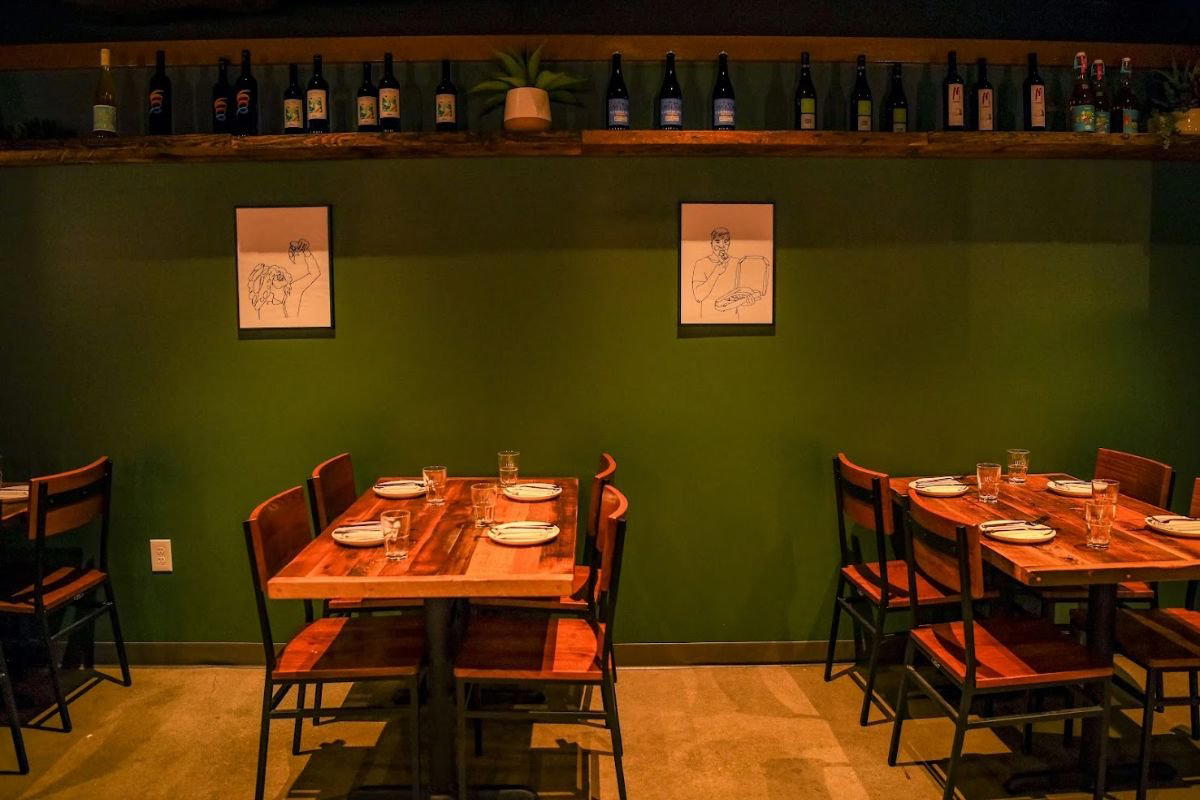

Bars in Cambridge
All bars in Cambridge →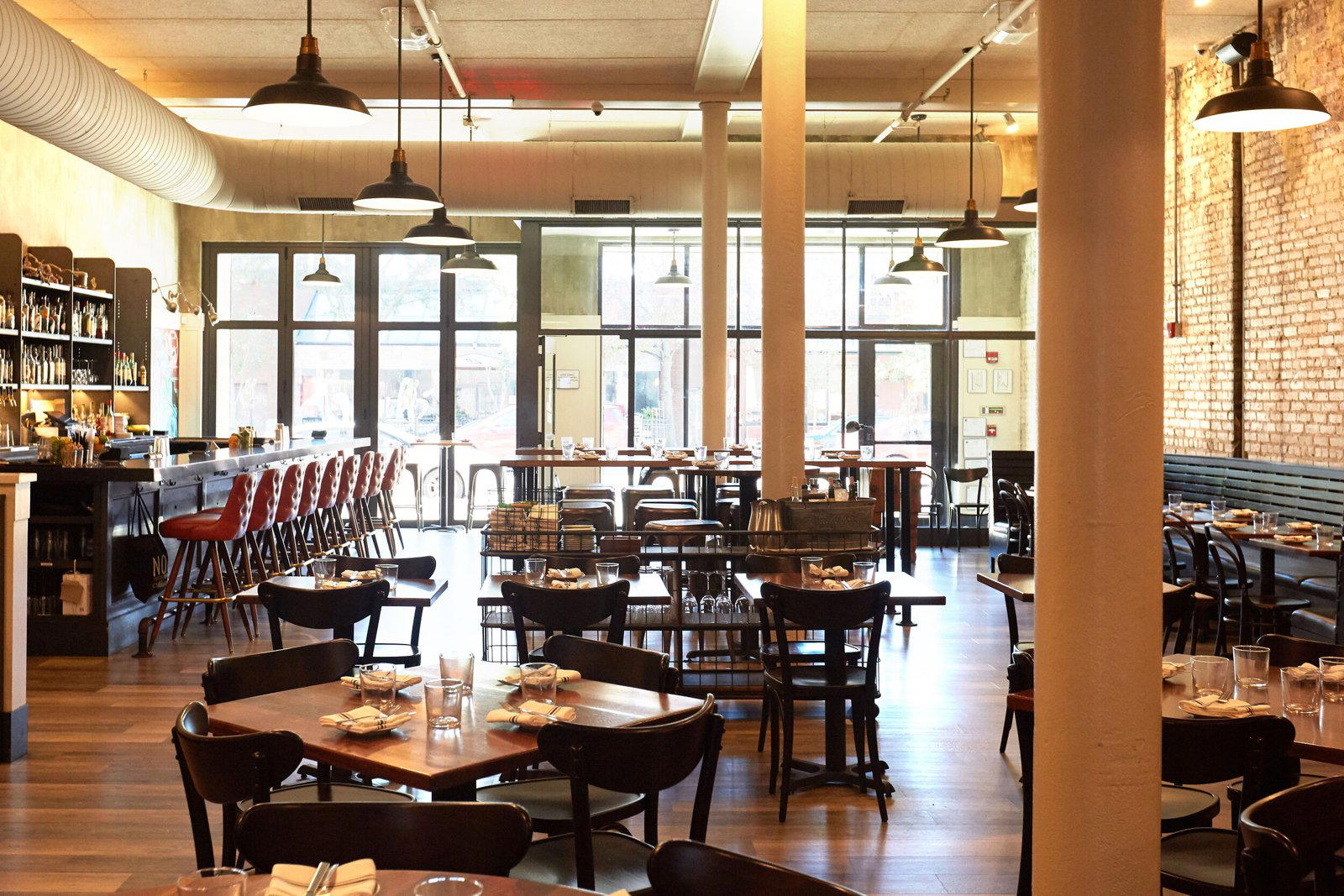
Hotels in Cambridge
All hotels in Cambridge →
Details
- Romantic
- Lively
- Modern
- Cozy
- Trendy
- Intimate
- Date Night
- After Work
- Group Dining
- Celebration
- Casual Hangout
- Late Night
- Private Dining
- Design Destination
- Standalone
- Craft Cocktails
- Zero Proof
- Beer Program
- Farm To Table
- Local Sourcing
- A La Carte
- Small Plates
- Craft Cocktails
- Zero Proof Cocktails
- Beer
- Wine
- Vegetarian Friendly
- Gluten Free Options
Upstairs at Alice feels like a welcoming, greenery-filled, homey taverna with warm, "elevated service given by a friend" and a bustling atmosphere suited to everyday celebrations, while the overall concept leans swanky and date-night friendly thanks to the moody, subterranean dessert bar downstairs.