Alhambra
Our verdict
Alhambra sits in the downtown Washington, D.C. dining orbit, where hotel-adjacent rooms and power-corridor restaurants tend to reveal themselves through menu structure as much as décor. With no public award, chef, price, or cuisine details attached here, the useful read is comparative: assess it against D.C.’s formal dining rooms by format, pacing, and how tightly the menu communicates its point of view.

Pearl is the En Primeur Club membership app, where members save venues, book tables and use the concierge.
The menu
What to order
- Tapas Selection
- Steak Tartare
- Mezze Trio with Persian Rice and choice of protein
- Olive Oil Cake with Pistachio Ice Cream
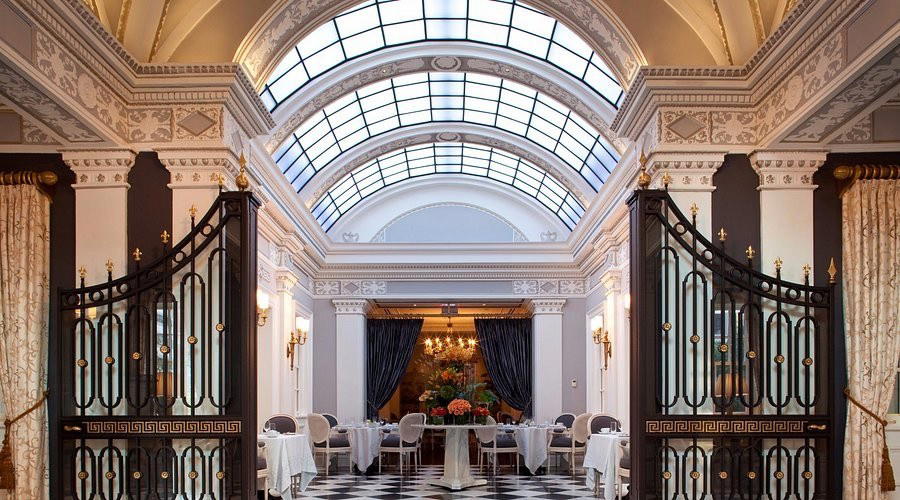
Approaching Alhambra means entering Washington, D.C. dining with context before the first order is placed: city blocks, nearby offices, hotel traffic, and a dining audience that often wants polish without a long explanation. In this setting, atmosphere matters because it signals the kind of meal ahead. A room can lean toward professional formality, after-work efficiency, or destination dining; the menu then has to prove which promise the room is making.
That is the useful lens for Alhambra. With limited public specifics attached here, the restaurant is less credibly judged by biography than by menu architecture: how the courses are grouped, whether the cooking speaks in a clear register, how much decision-making is given to the guest, and whether the format suits Washington’s hybrid crowd of business diners, travelers, and residents who use city restaurants differently across the week.
Washington, D.C. dining is shaped by format as much as cuisine
Washington’s restaurant culture has long split between neighborhood regularity and occasion dining. Some rooms trade on tradition and ceremony, while casual institutions show how a focused format can build its own loyal rhythm in another part of the city. Other Washington, D.C. dining rooms sit in a different city pattern: denser, more social, and less tied to the formal calendar of office Washington.
Alhambra belongs to the Washington, D.C. reading of the city. That does not automatically make the restaurant formal, expensive, or conservative; those details are not publicly fixed here. It does mean the menu has to carry extra responsibility. In this part of D.C. guests often need to understand the restaurant quickly: is the meal built for shared plates, a structured progression, a business dinner, or a longer evening? A coherent menu answers that faster than décor copy ever can.
The menu should be read for sequence, not slogans
Menu architecture is where restaurants in this tier separate themselves. A list of dishes can simply gather categories, or it can create a point of view: cold to hot, vegetable to seafood to meat, snacks to mains, or a tasting-style progression hidden inside à la carte choices. In Washington, this matters because the city supports both conservative ordering habits and adventurous tables, often in the same dining room. The sharper restaurants give both groups a path without diluting the kitchen’s identity.
For Alhambra, the absence of confirmed public details on price range, seat count, and booking format keeps the critical frame practical rather than celebratory. The restaurant should be approached as a Washington, D.C. dining option to evaluate by clarity: whether the menu makes ordering intuitive, whether the room supports a quick professional meal as well as a slower evening, and whether the wine or beverage structure reinforces the cooking rather than sitting beside it as decoration.
Comparison helps. Georgia Brown’s, Shōtō, Isla, Mazi, and The Lafayette are useful city references because they show how different Washington restaurants can set different expectations before a meal begins. Those references are not interchangeable with Alhambra; they show the range of expectations in the same city. A restaurant with limited public specifics has to earn attention through execution, pacing, and a menu that tells guests how to use the room.
How to place Alhambra in a Washington itinerary
For travelers, Alhambra makes the most sense inside a Washington, D.C. day rather than as a stand-alone cross-city pilgrimage. Washington rewards geographic planning: a meal in the city pairs differently with museums, hotel stays, and meetings than a dinner built around another part of town. Readers mapping the broader scene should cross-check Our full Washington, D.C. restaurants guide, then compare nearby hospitality options through Our full Washington, D.C. hotels guide, drinking routes through Our full Washington, D.C. bars guide, regional wine context through Our full Washington, D.C. wineries guide, and cultural planning through Our full Washington, D.C. experiences guide.
The same menu-first logic applies beyond D.C. A compact specialist format asks to be judged differently from a quick-service room, just as other restaurants in other cities each make their case through format before reputation. Within Washington, even unnamed dining rooms remind diners that location, rhythm, and menu design are inseparable. Alhambra’s value lies in how persuasively those pieces align once the meal begins.
Frequently asked questions
What part of town is Alhambra in?
Alhambra is located in Washington, D.C.
How far ahead should I plan for Alhambra?
With only Washington, D.C. to go on, the safest approach is to plan early for peak dinner hours. Washington, D.C. dining can fill around office-close and weekend evenings, so build that into your timing.
What is Alhambra known for?
Alhambra is identified here by its Washington, D.C. location, which makes it easy to place within the city’s dining circuit. In practical terms, that points to a restaurant suited to city plans rather than a destination trip built on unconfirmed specifics.
Is Alhambra allergy-friendly?
No allergy protocol is listed alongside the Washington, D.C. location, so the restaurant should be treated as a case-by-case conversation. Mention any allergies when arranging your visit and confirm how the kitchen handles cross-contact.
Is Alhambra a family-friendly restaurant?
The listing gives Alhambra’s location as Washington, D.C. but no age policy or children’s format. That usually means the setting is better judged by the meal plan and time of day than by a simple yes or no.
What is the atmosphere like at Alhambra?
The Washington, D.C. location places Alhambra within the city’s restaurant landscape. The atmosphere is best judged by the specific meal plan, service time, and how the room feels once you arrive.
Reputation Context
Nearby venues at a similar price tier for orientation.
| Venue | Cuisine | Price | Awards |
|---|---|---|---|
| Alhambra | Contemporary Navarrese | $50–100 | Michelin Plate · Macarfi 8.3 Food Rating |
| Georgia Brown’s | American | Not listed | Michelin Plate |
| Mazi | Creative New American with Greek and Mediterranean influences | $50–100 | Not listed |
| Shōtō | Modern Japanese Robata Grill | $150–200 | Michelin Plate |
| Isla | Caribbean Fusion | $100–150 | Washingtonian 100 Very Best Restaurants #28 |
| The Lafayette | Upscale Contemporary American with French influences | $50–100 | Not listed |
Continue exploring
More in Washington DC
Restaurants in Washington DC
All restaurants in Washington DC →
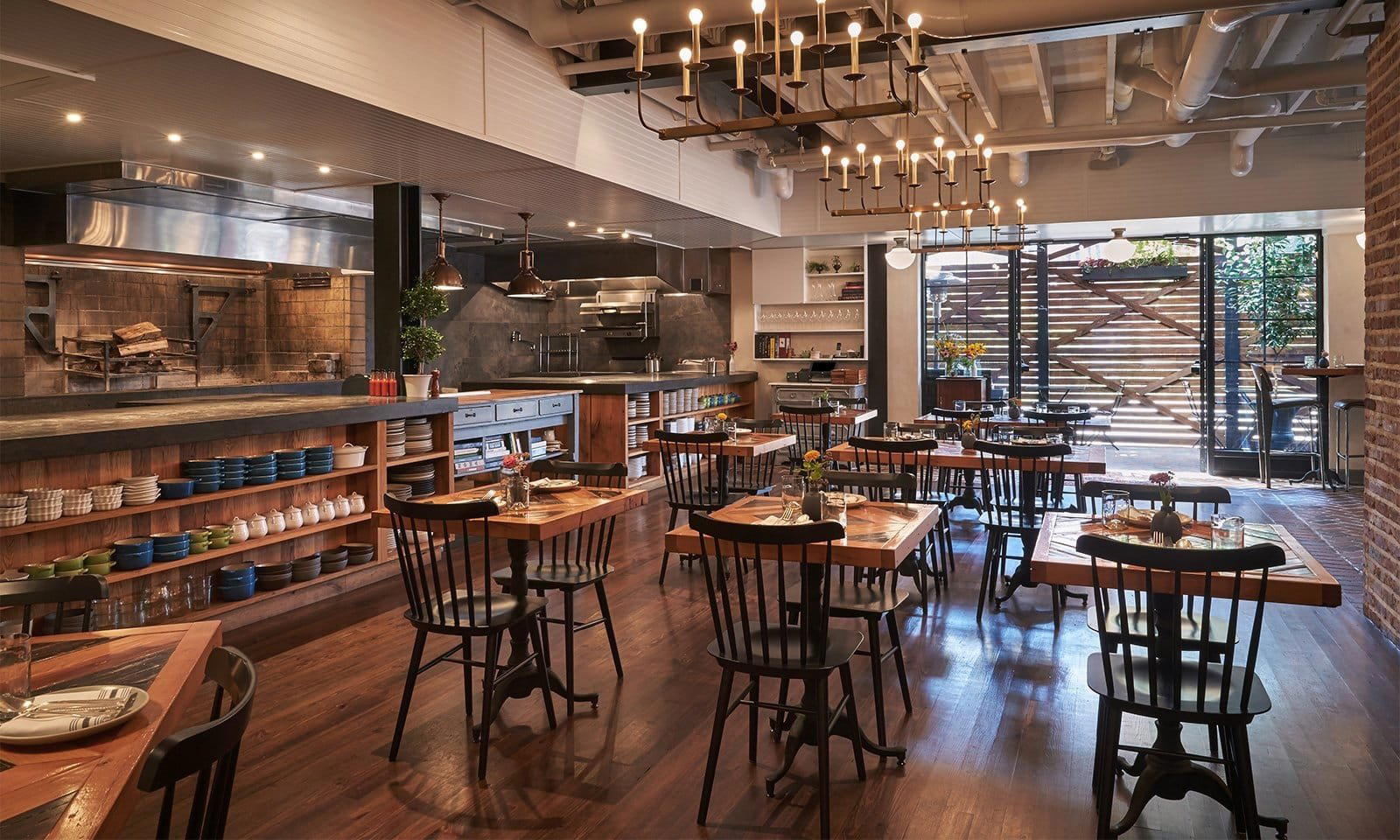
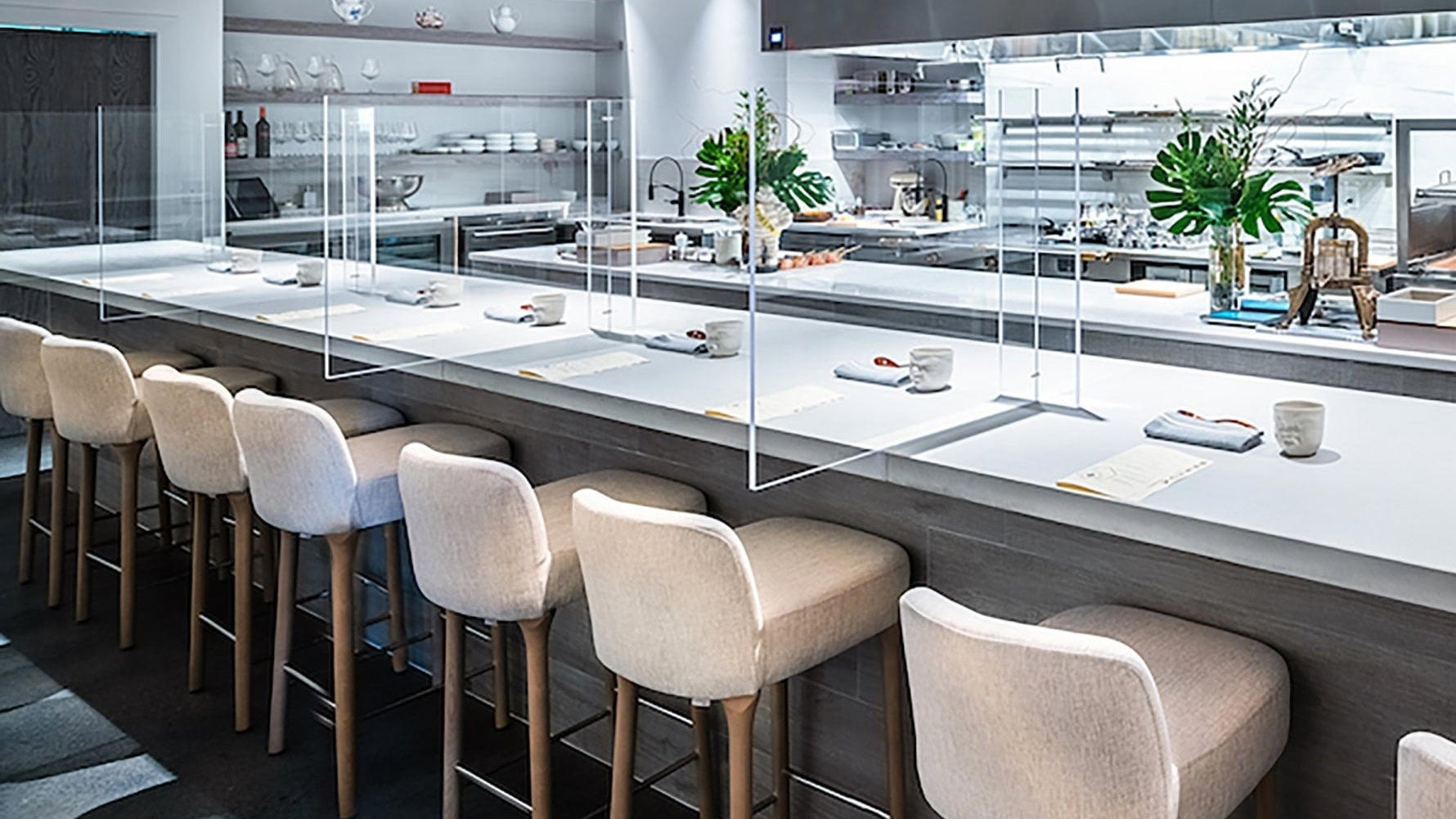
Bars in Washington DC
All bars in Washington DC →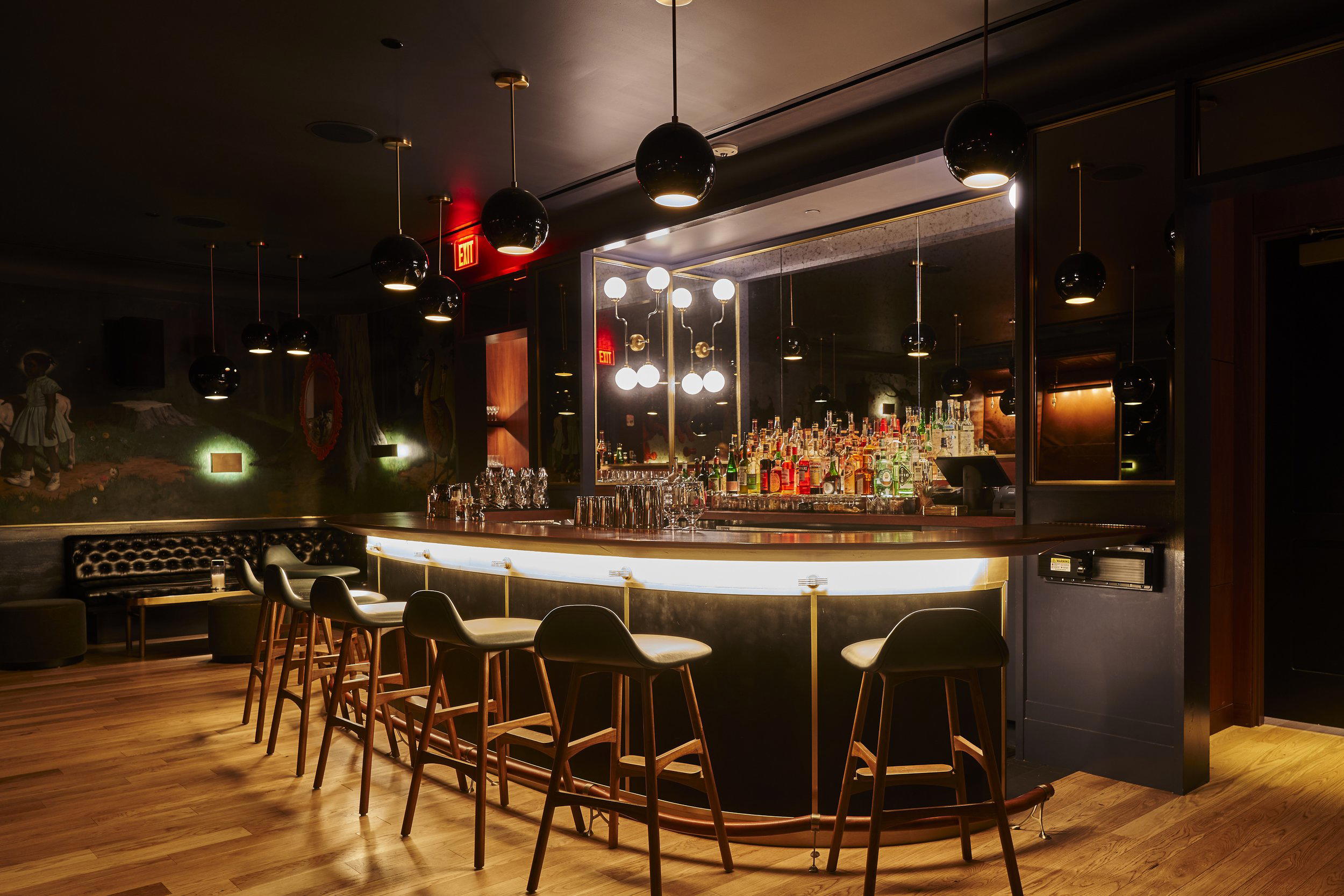
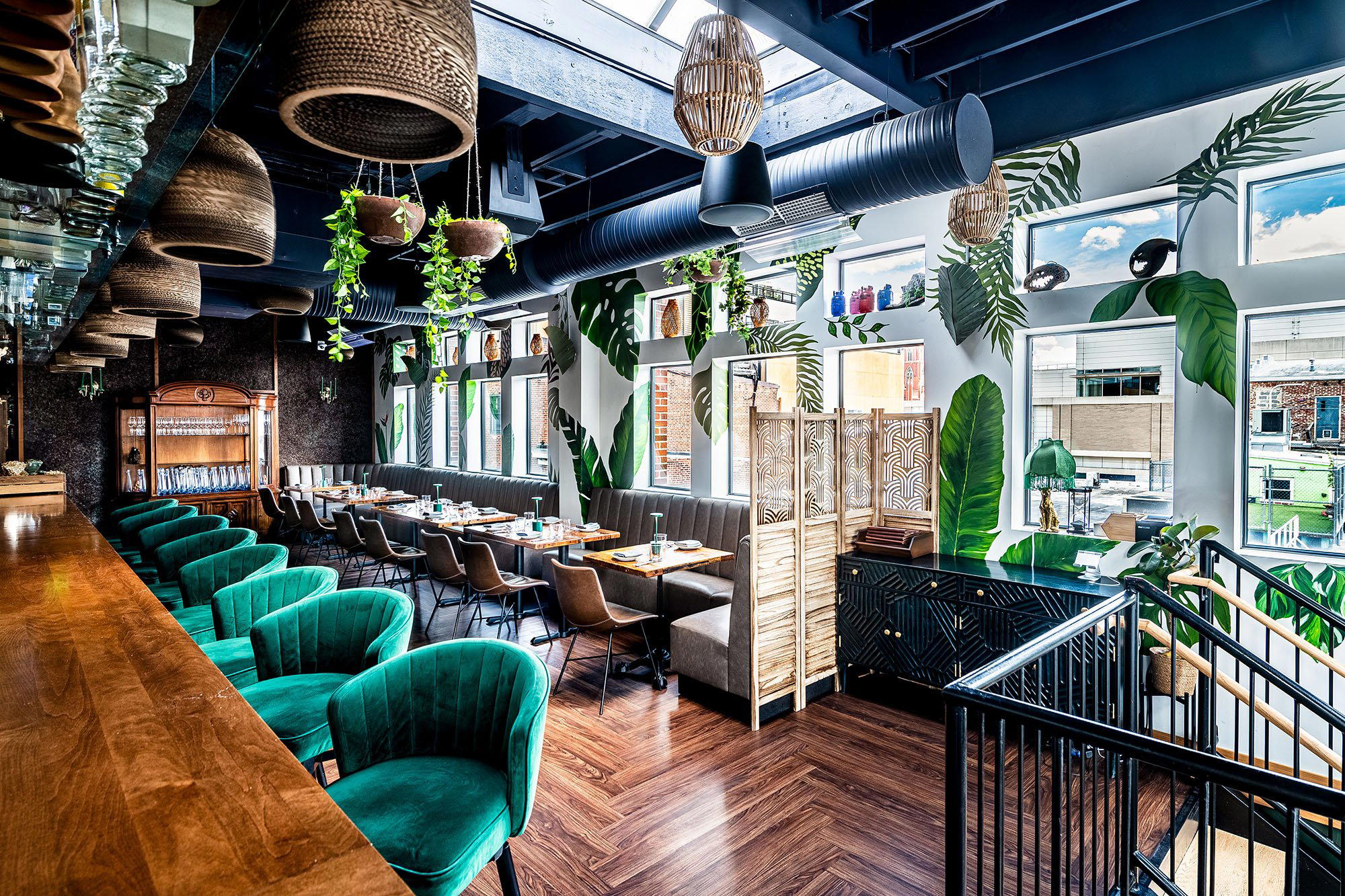
Details
- Elegant
- Sophisticated
- Modern
- Romantic
- Date Night
- Business Dinner
- Celebration
- Special Occasion
- Brunch
- Private Event
- Hotel Restaurant
- Design Destination
- Private Dining
- Historic Building
- Craft Cocktails
- Extensive Wine List
- Local Sourcing
- A La Carte
- Prix Fixe
- Small Plates
- Wine
- Craft Cocktails
- Vegetarian Friendly
- Gluten Free Options
Current opening hours
- Monday
- 7 AM–2 PM
- Tuesday
- 7–11 AM, 11:30 AM–1:30 PM, 5–10 PM
- Wednesday
- 7–11 AM, 11:30 AM–1:30 PM, 5–10 PM
- Thursday
- 7–11 AM, 11:30 AM–1:30 PM, 5–10 PM
- Friday
- 7–11 AM, 11:30 AM–1:30 PM, 5–11 PM
- Saturday
- 7 AM–2 PM, 5–10 PM
- Sunday
- 7 AM–2 PM
Hours can change for holidays and private events. Hours as of .
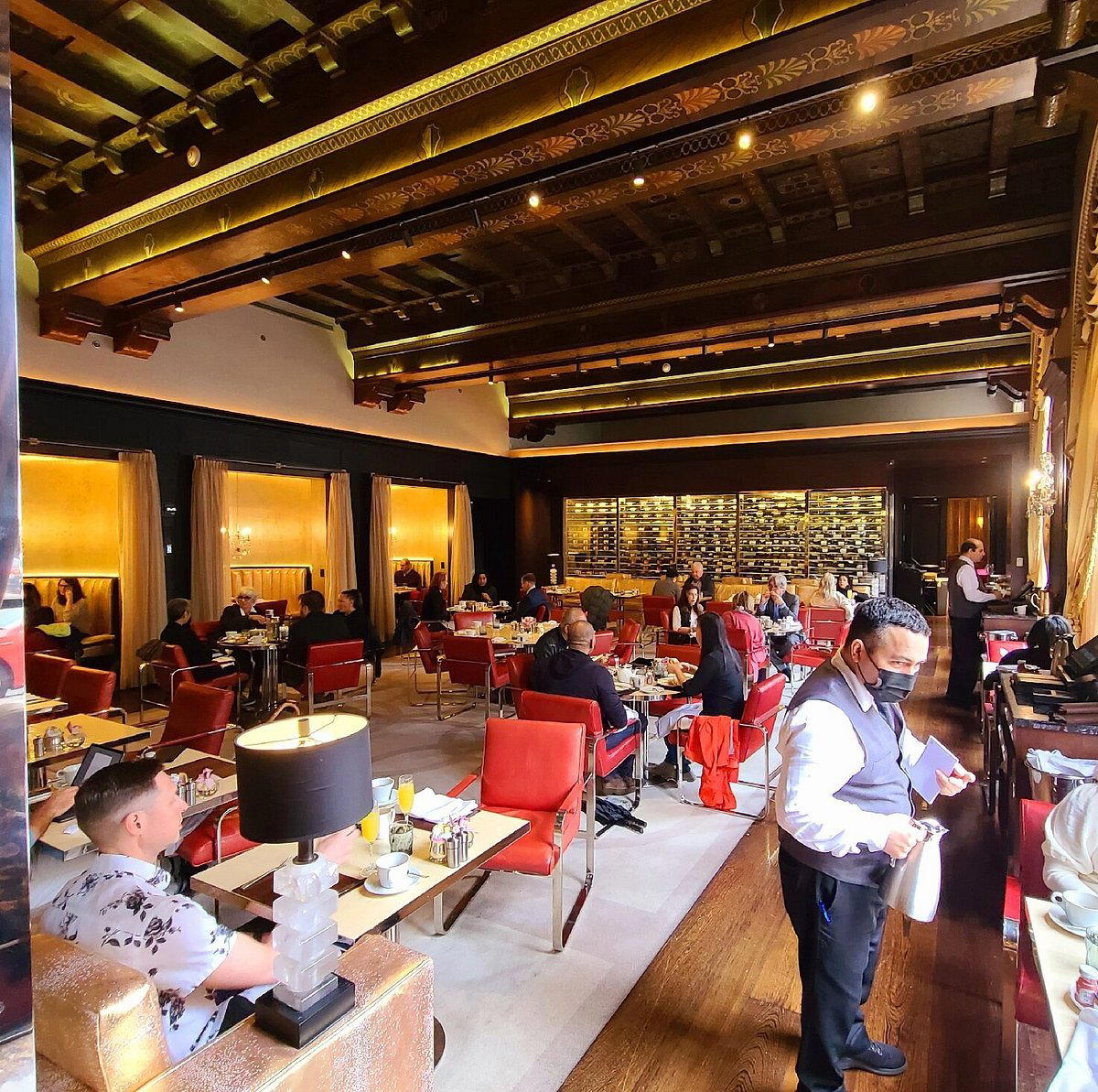
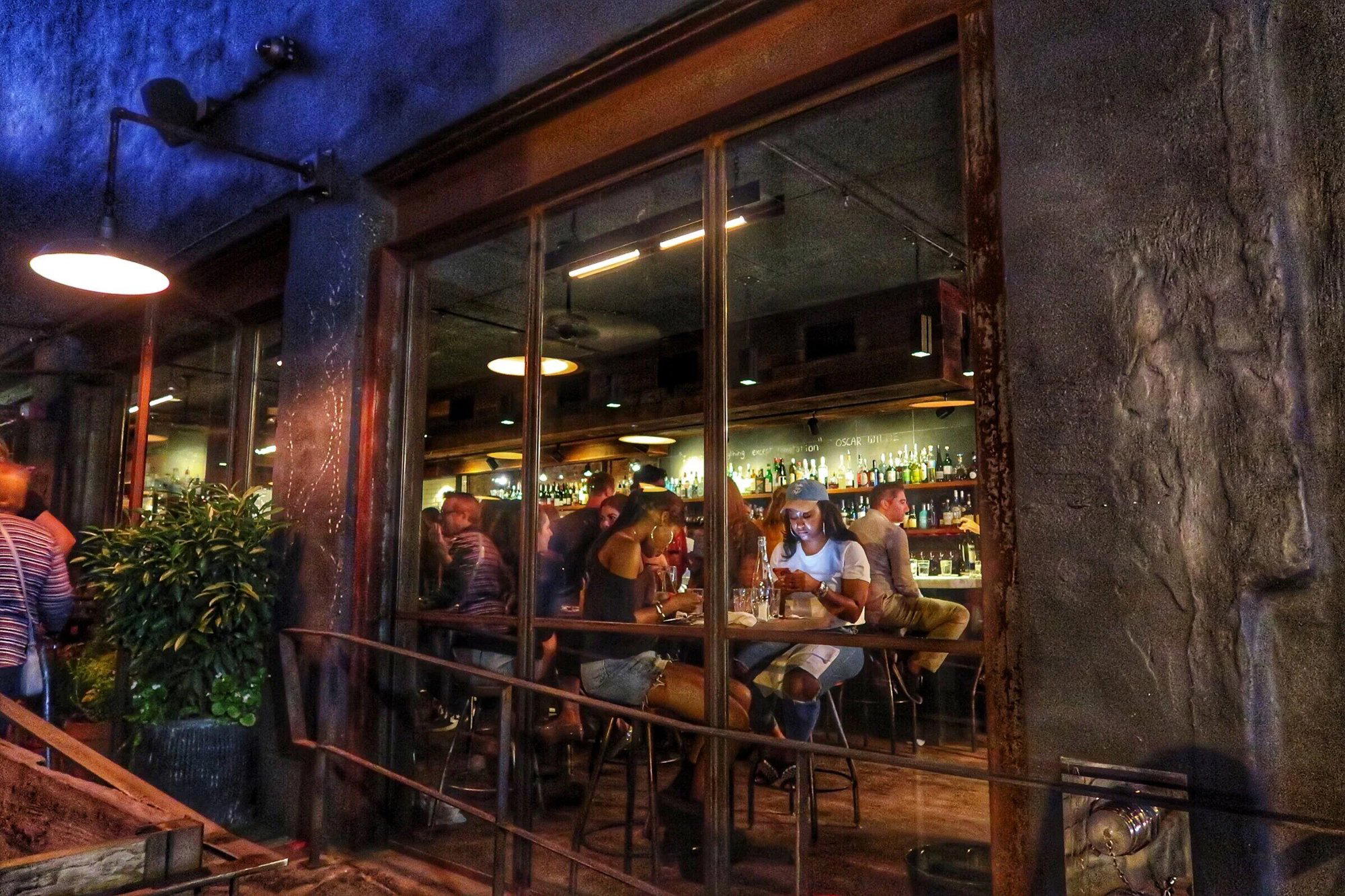
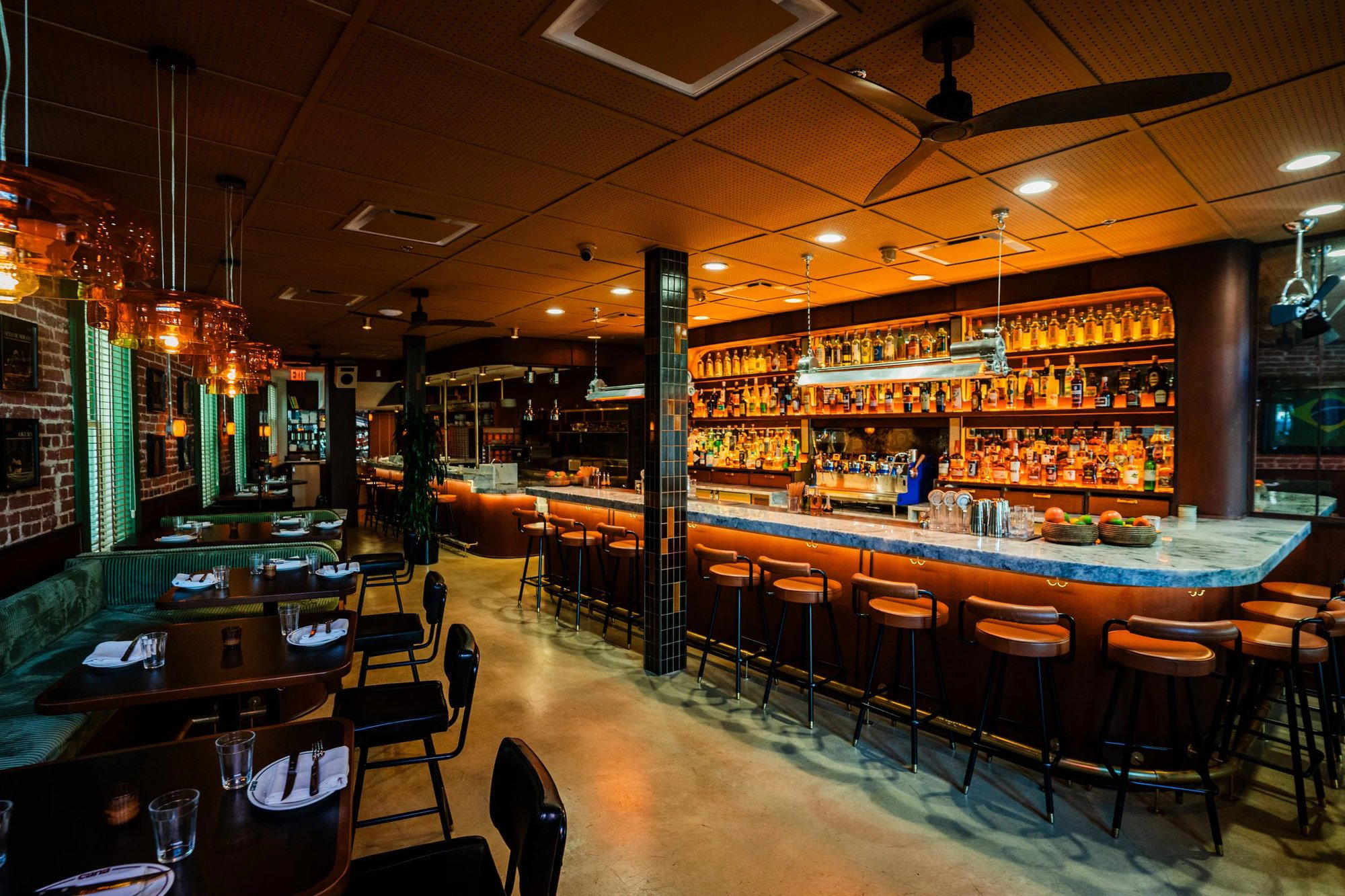
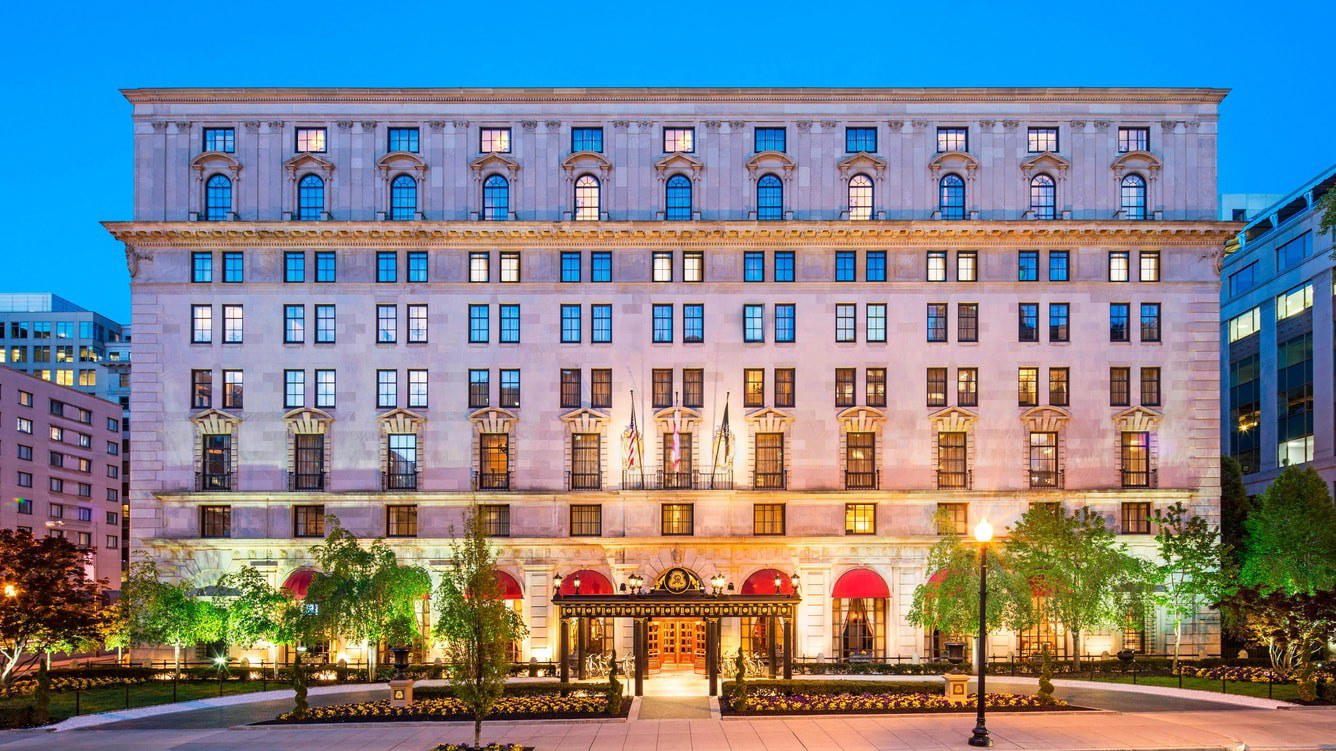
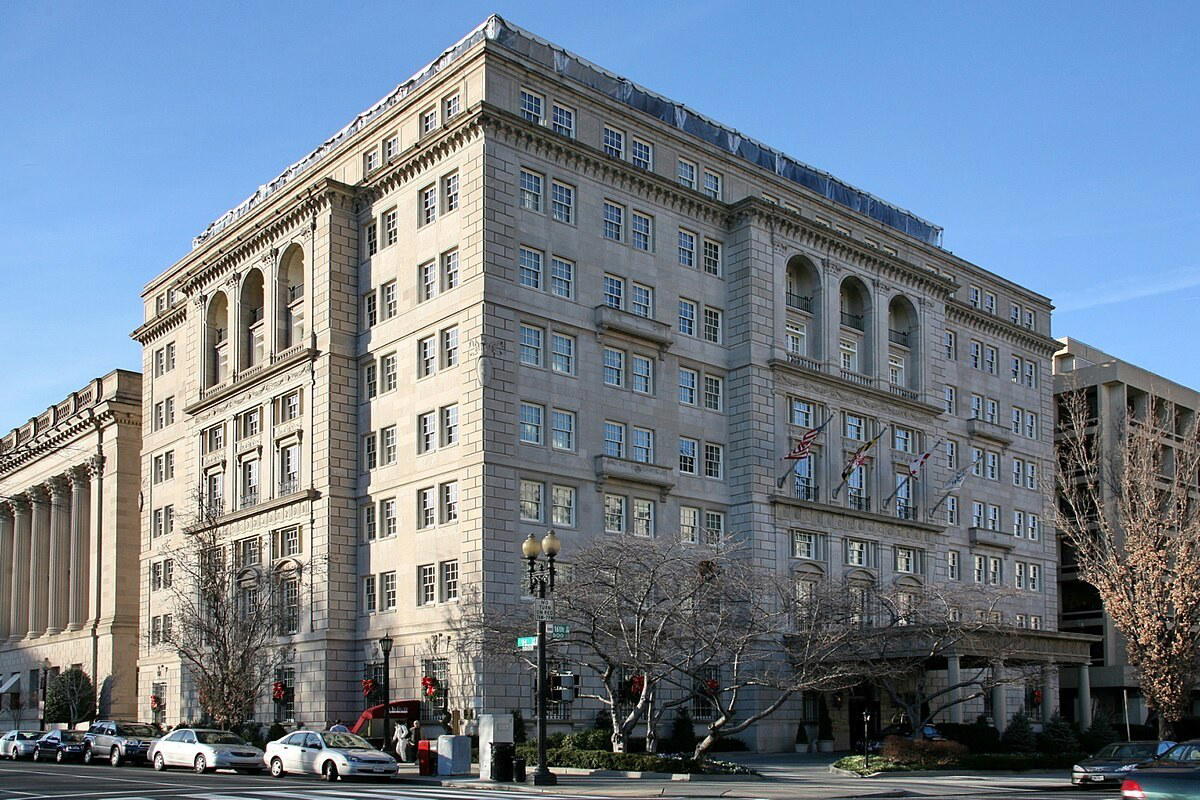
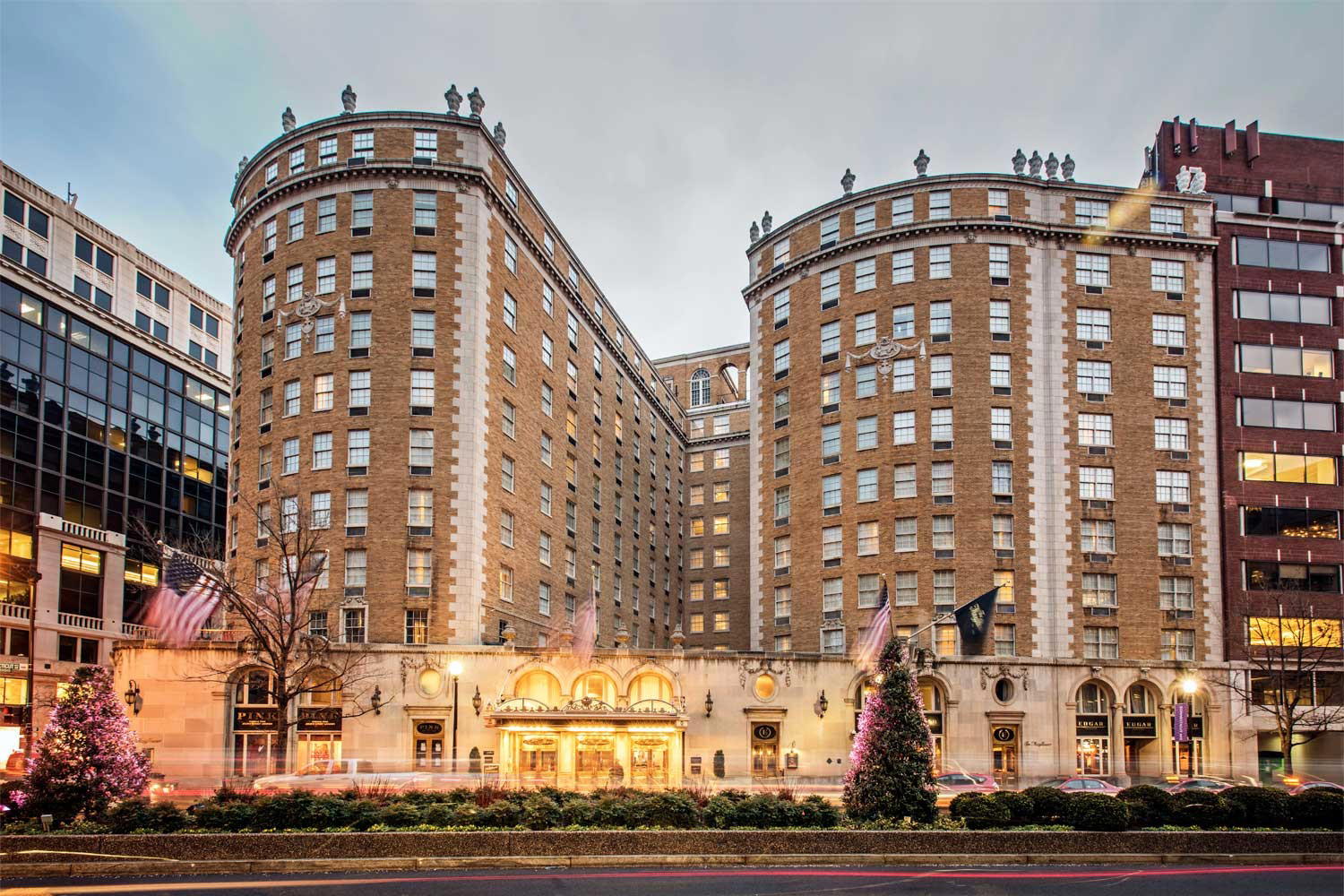
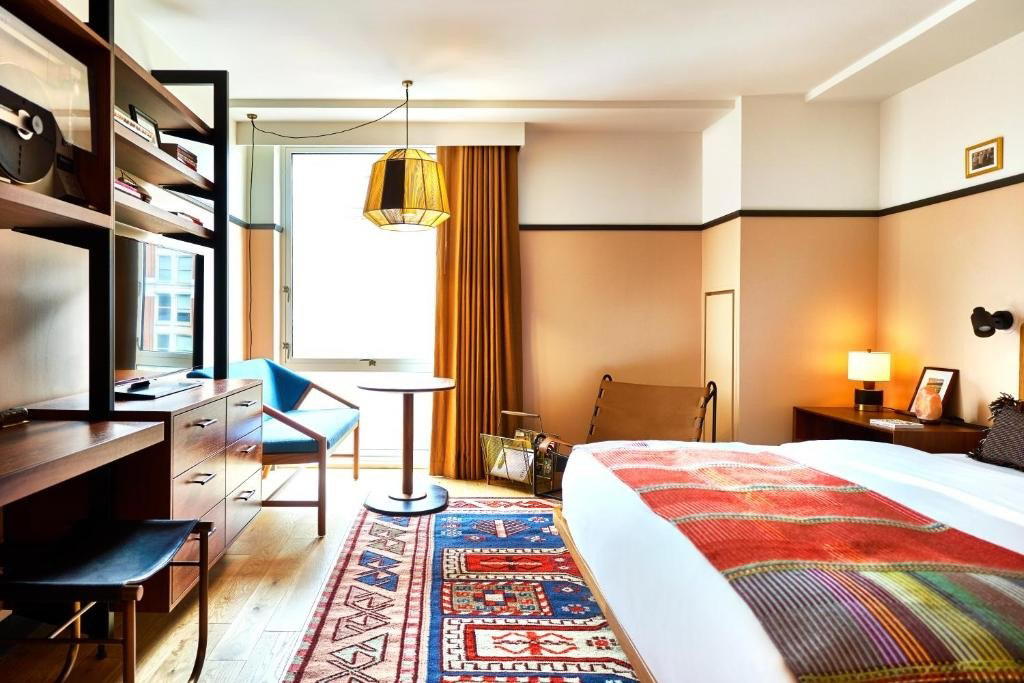
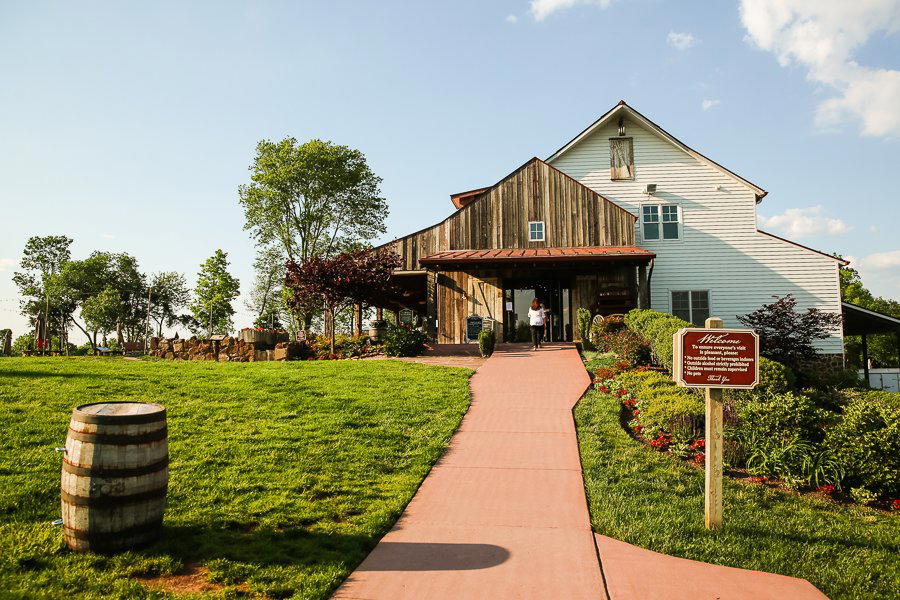
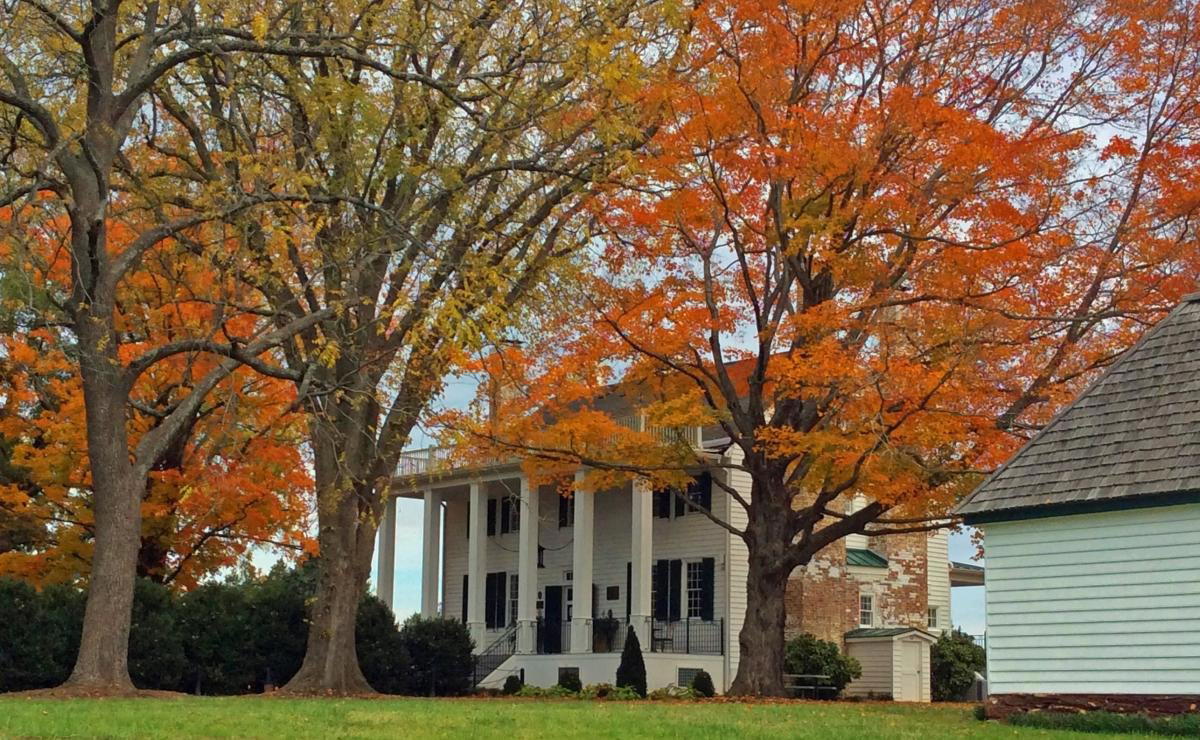
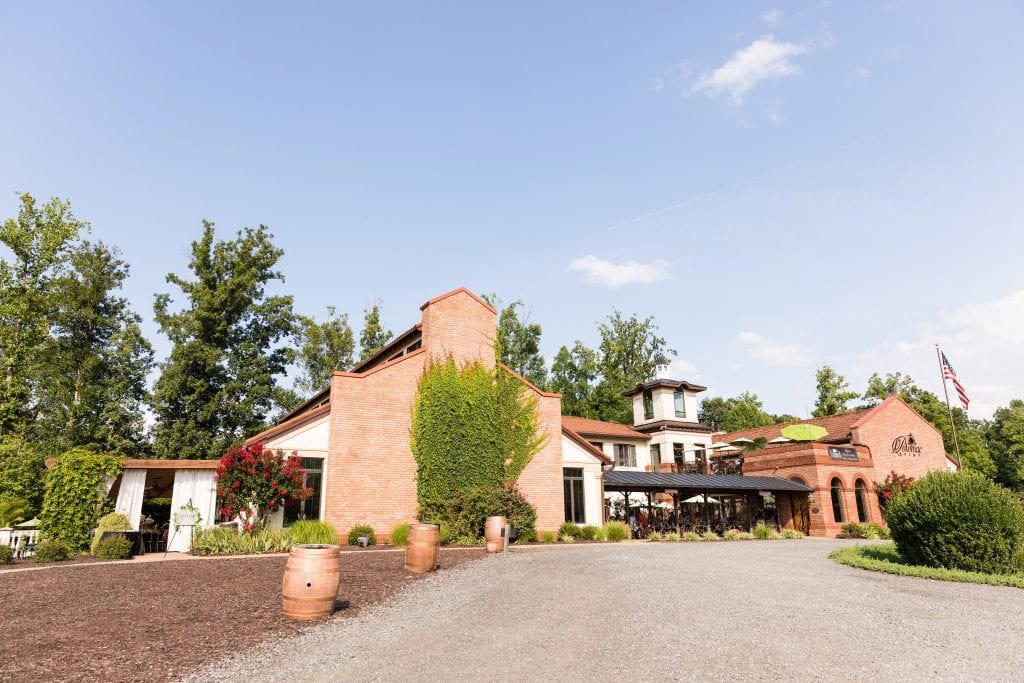
Approachably elegant and sophisticated, with modern décor set within the historic St. Regis hotel, soft lighting, and a calm, polished atmosphere suited to dates and business meals rather than a loud scene.