
ALBALONGA sits in Shinsaibashi’s compact, serious dining tier, where Italian technique meets Osaka’s appetite for seafood and wine-led meals. Its Tabelog Italian WEST 100 selection in 2025, 19-seat scale, counter seating, and sommelier availability put it closer to a specialist urban restaurant than a casual pasta stop.
Pearl is the En Primeur Club membership app — saves, bookings, and concierge access live there. Same editors, same standards.
- Address
- Japan, 〒542-0083 Osaka, Chuo Ward, Higashishinsaibashi, 1 Chome−19−15 2F
- Phone
- +81 6-6258-0118
- Website
- albalonga-italian.com
 Saves & bookings on Pearl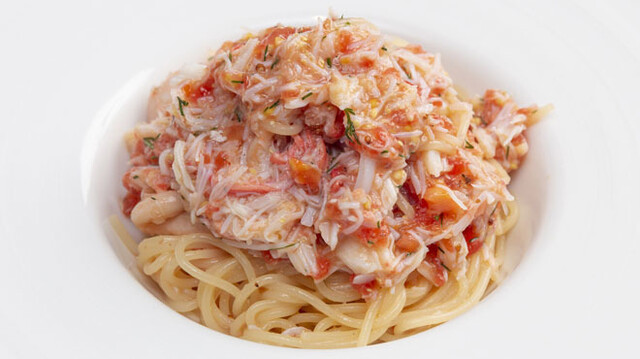
Shinsaibashi dining is rarely grand in the European sense. Restaurants sit upstairs, behind narrow façades, or inside compact commercial blocks; the signal is concentration: a small room, a counter, a wine program, and a kitchen working within tight urban dimensions. ALBALONGA belongs to that Osaka category, where Italian cooking is filtered through local expectations around seafood, seasonality, and polished but not theatrical service.
Osaka has never treated foreign cuisines as museum pieces. French, Italian, Spanish, and Chinese restaurants tend to absorb the city’s produce logic: fish matters, pacing matters, and the meal must suit a dense evening district rather than an isolated resort dining room. Here, Italian is less rustic quotation than adaptation. Pasta, wine, and dining-bar flexibility become a framework for Japanese ingredients and Osaka’s social rhythm.
Italian technique in a city that judges seafood closely
Read ALBALONGA through that intersection of imported method and local product. The restaurant is categorized across Italian, pasta, and dining bar, with a stated emphasis on fish and wine. That says more than a generic cuisine label: it places the kitchen in the Osaka-Italian lane where seafood, seasonal structure, and wine service carry the meal rather than red-sauce nostalgia or heavy trattoria volume.
The Tabelog Italian WEST 100 selection in 2025 gives the restaurant a clear external marker inside western Japan’s Italian field. Tabelog’s Hyakumeiten lists are not Michelin stars and should not be read as the same judgment, but in Japan they matter because they capture category-specific consensus across a highly competitive restaurant culture. Selection in 2021, 2023, and 2025 suggests continuity rather than a single-cycle spike.
That continuity matters in Shinsaibashi, where dining ranges from quick station-area meals to special-occasion rooms. Nearby casual formats such as Danke Shinsaibashi and Le Premier Cafe Shinsaibashi honten answer different needs: coffee, light meals, and neighborhood utility. At the higher spend tier, lumiere operates in a more expensive bracket. ALBALONGA sits between those poles, with the scale and recognition of a specialist restaurant but without positioning itself as a grand dégustation address.
For travelers mapping Osaka through restaurants rather than landmarks, this room explains the city’s middle-high dining strength. The meal is not built around a monument view or hotel lobby polish. It belongs to a local pattern: compact restaurant, ingredient-led cooking, wine interest, and enough structure to suit dates, friends, and family meals without ceremonial formality.
A small-room format, not a banquet-room version of Italian
Capacity changes the experience. A 19-seat restaurant with counter seating cannot behave like a large dining room; timing, table turnover, and the kitchen-guest relationship tighten. Osaka is strong at this scale. Many serious restaurants feel closer to workshops than stages, and Italian cooking benefits from that compression because pasta, fish, and wine can be paced with less lag between kitchen and table.
The room’s usefulness also lies in its range. Private rooms are not part of the format, but private use is available, making the restaurant legible for small-group occasions without becoming a corporate dining room. A non-smoking policy and children being welcome, including babies, preschoolers, and strollers, widen the audience in a way many compact restaurants in Japan do not. That matters in Osaka, where premium dining is not always adult-only.
Wine is not an accessory here. A sommelier and wine-focused listing place the restaurant within a familiar Japanese-Italian model: seasonal cooking supported by bottle selection rather than a purely cocktail or beer-led dining-bar setup. For visitors used to Italian restaurants in Europe or the United States, the difference is calibration. Osaka’s version often feels more precise around seafood and service rhythm, less performative around rusticity, and more comfortable with a small room doing serious work.
Shinsaibashi sharpens the choice. Barbacoa Shinsaibashi ten occupies a meat-forward, higher-energy lane at a similar dinner spend, while Masuda represents a Japanese kaiseki direction entirely. Choosing among them is less about quality than intent: beef and group appetite, Japanese seasonal formality, or Italian technique applied through Osaka’s ingredient sensibility.
Where it fits in an Osaka dining itinerary
Osaka rewards travelers who resist reducing the city to street food. Takoyaki, okonomiyaki, kushikatsu, and department-store basements are part of the grammar, but its serious dining culture is broader and quieter. Shinsaibashi lets a visitor move from retail density to small-format restaurants within minutes, so a room like this suits a night when the plan is dinner first and nightlife second.
Nearby and adjacent Osaka reading can include.cafe, 52CHO-ME BAKERY, 551 Horai (551蓬莱), 99 Pizza Napoletana Gourmet, and a canto (Italian).
For Japan-wide contrast, the useful comparisons are format-matched more than cuisine-matched: compact restaurants and focused concepts shaped by local demand. That broader circuit includes -Grilled beef Sukiyaki- KAMAKURA TANUKIAN 鎌倉 たぬき庵 in Kamakura. 鮪と炭火焼き うお炭 秋葉原店 in Tokyo.know in Kumamoto, (Shoku) Vietnam in Kawasaki, [Curry Senmon Ten] Maruyama Kyoju. in Sapporo, and [ki:] in Kyoto. Overseas Japanese-leaning formats such as Jōdo Saké Bar in Los Angeles and Onigiri Time in Pasadena show how differently Japanese food culture travels when separated from Osaka’s dense neighborhood dining ecology.
The editorial case for ALBALONGA is not that it represents Italian dining in Osaka by itself. It is more specific: a small Shinsaibashi restaurant with fish and wine at its center, recognized within Tabelog’s Italian WEST 100, and useful for travelers who want a Japanese reading of Italian technique rather than a transplanted European script.
Pricing, Compared
Nearby venues at a similar price tier for orientation.
| Venue | Cuisine | Price | Notes |
|---|---|---|---|
| ALBALONGAThis venue — the venue you are viewing | Chūō, Seasonal Italian Fine Dining | $$$ | Not listed |
| PESCE ROSSO | Chūō, Upscale Seasonal Italian | $$$ | Not listed |
| MAKIBI | Kita, Creative Italian | $$$ | Not listed |
| gucite | Kita, Italian Fusion Counter | $$$ | Not listed |
| WINE Shokudo Ono | Not listed | $$$ | Kita, Modern Italian Wine Bistro with Awaji Island Ingredients |
| PIZZERIA NAPOLETANA ASSO DA YAMAGUCHI at Nakazaki-cho | Kita, Authentic Neapolitan Pizzeria | $$ | Not listed |
Recognition history
Dated appearances from independent guides and award organizations, with the underlying list record or original source where available.
Tabelog 100 #4 · No. 4
Tabelog · Tabelog 100 - Italian - WEST - 2025
Continue exploring
More in Osaka
Restaurants in Osaka
Browse all →




Bars in Osaka
Browse all →


Hotels in Osaka
Browse all →



Wineries in Osaka
Browse all →
At a Glance
- Sophisticated
- Quiet
- Elegant
- Intimate
- Classic
- Date Night
- Business Dinner
- Celebration
- Special Occasion
- Group Dining
- Standalone
- Extensive Wine List
- Sommelier Led
- Local Sourcing
Current opening hours
- Monday
- Closed
- Tuesday
- 11 AM–3 PM, 5:30–10 PM
- Wednesday
- 11 AM–3 PM, 5:30–10 PM
- Thursday
- 11 AM–3 PM, 5:30–10 PM
- Friday
- 11 AM–3 PM, 5:30–10 PM
- Saturday
- 11 AM–3 PM, 5:30–10 PM
- Sunday
- Closed
Hours can change for holidays and private events. Last verified .
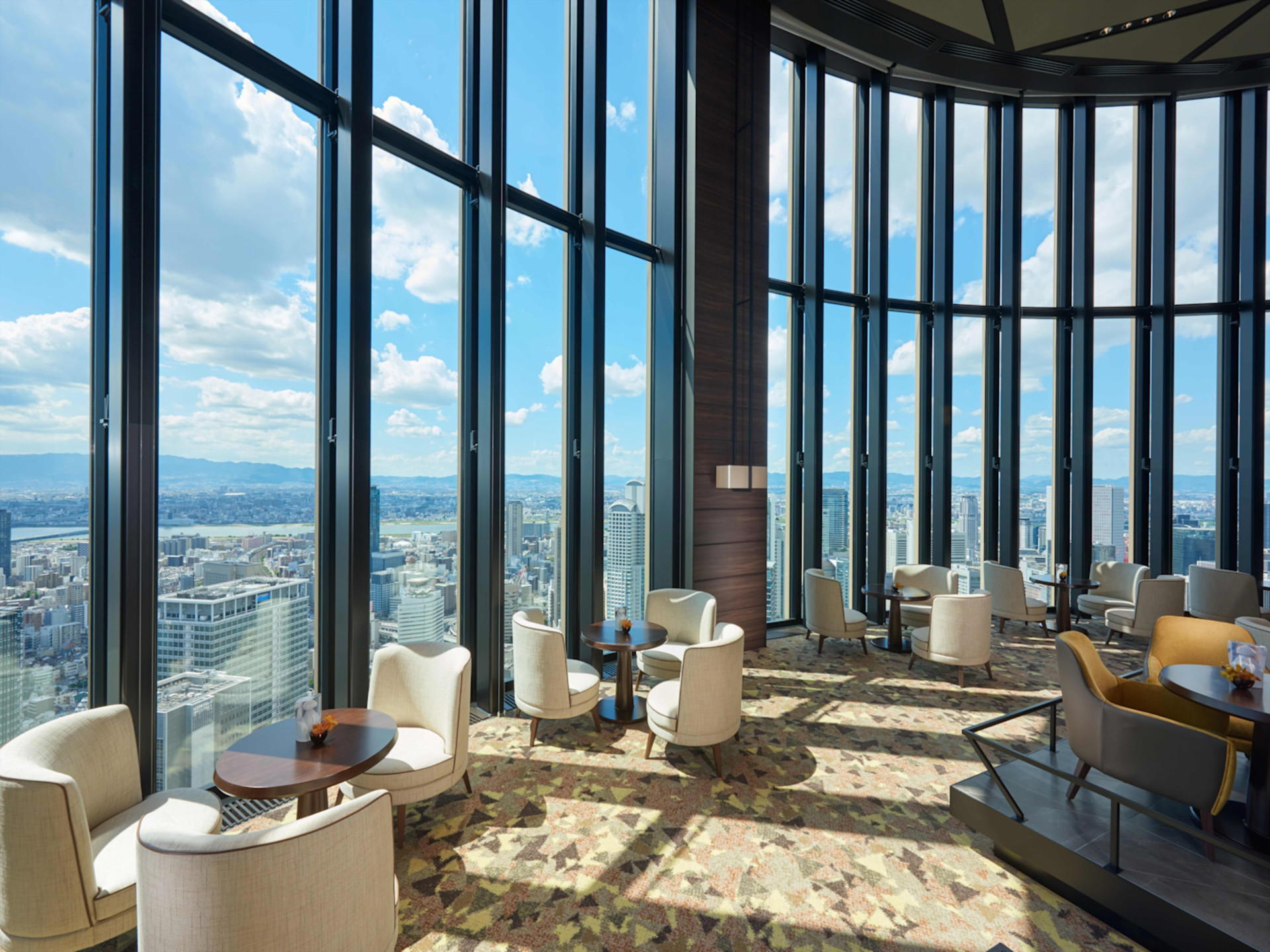
Warm, white-toned interior with a calm, refined atmosphere slightly removed from the street bustle; designed for relaxed lunch and dinner conversations.