Al Ahram
Al Ahram serves Palestinian & Lebanese Middle Eastern food from Zwischen den Toren 10 in Aarau, with counter service and a quick-bite pace that suits lunch or dinner.
Pearl is the En Primeur Club membership app — saves, bookings, and concierge access live there. Same editors, same standards.
- Address
- Zwischen den Toren 10, 5000 Aarau, Switzerland
- Phone
- +41789448011
- Website
- alahram.ch
- Directions
- Get directions
 Saves & bookings on Pearl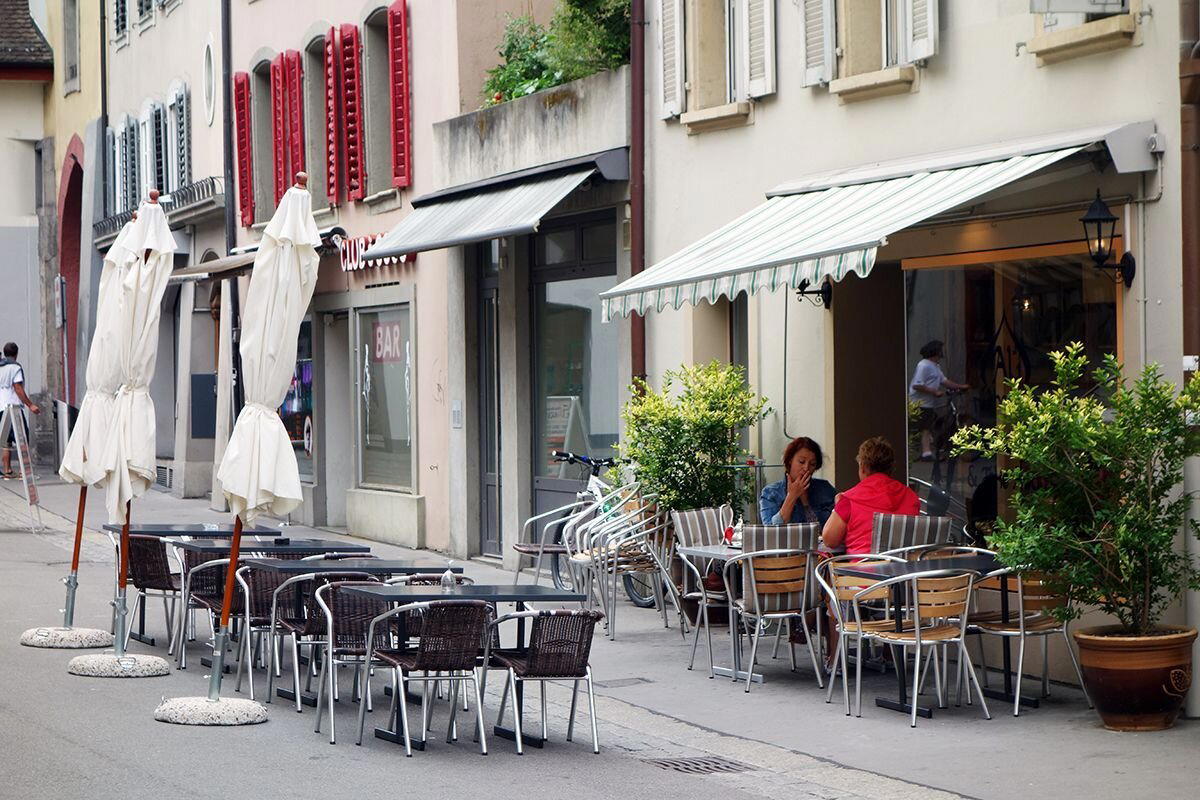
A Middle Eastern Address in the Heart of Canton Aargau
Aarau sits at a junction that often surprises visitors: a medieval old town ringed by a functioning cantonal capital, with a dining scene that reflects the city's quietly cosmopolitan population. Al Ahram, at Zwischen den Toren 10, occupies that specific niche in Aarau's eating landscape, positioned in a part of the city where older commercial streets give way to everyday neighbourhood life rather than tourist-facing hospitality.
The address itself tells part of the story. "Zwischen den Toren" translates loosely to "between the gates," referencing the historic fortifications that once framed this passage through the old city. Streets like this tend to attract restaurants that serve a local clientele first, with walk-in trade rather than reservation-driven covers. That pattern is common across Swiss mid-size cities, where Middle Eastern and North African kitchens have settled into working-class and mixed-use streets rather than the premium dining corridors closer to train stations.
The Sourcing Logic Behind Middle Eastern Kitchens in Switzerland
Middle Eastern cuisine in a landlocked Central European country operates under specific ingredient pressures that shape what ends up on the plate. The pantry staples, dried pulses, spice blends, pomegranate molasses, preserved lemons, tahini, and high-quality olive oil, are widely available through specialist import networks that have expanded considerably across Switzerland over the past two decades. What varies is the freshness of produce sourced locally and the quality of meat, particularly whether it meets halal standards through certified Swiss suppliers or through importers.
For a restaurant like Al Ahram, ingredient sourcing sits at the centre of what the food can achieve. Swiss agricultural standards are among the highest in Europe, which benefits any kitchen drawing on fresh herbs, vegetables, and dairy, but the distance from the Levant or North Africa means that some elements of the cuisine are necessarily mediated through what's available regionally. What separates a kitchen that handles this well from one that does not is whether the core preparations, the slow-cooked meats, the grain dishes, the mezze spreads, are assembled with enough care to compensate for any sourcing distance.
The name Al Ahram itself carries weight in Arabic-speaking culture. It refers to the pyramids, carrying connotations of Egyptian heritage specifically, though the name is also used broadly across the Middle East and North Africa as a trade name for restaurants and cafes. Whether the kitchen here draws primarily from Egyptian, Levantine, or broader pan-Arab tradition is something that becomes clear from the menu itself, and in Aarau's context, that geographic specificity matters to the community of diners who treat the restaurant as a regular rather than occasional destination.
Aarau's Casual Dining Range and Where Al Ahram Sits
Aarau's restaurant scene covers a wide range without reaching the density of larger Swiss cities. At one end, there are casual international formats: BIG BURGER AARAU and MEAT's represent the city's appetite for direct protein-led eating, while Wakara Karaage Foodtruck shows that street food formats with strong sourcing identity can find a foothold here. At the other end, Restaurant Mürset and Zum Schützen anchor the traditional Swiss end of the market. The restaurant occupies a different register entirely, serving a cuisine that none of those venues approach.
That's the practical value of a Middle Eastern kitchen in this city: it fills a category gap rather than competing directly within an existing cluster. Diners looking for mezze, grilled meats prepared with Levantine or North African spice logic, or substantial grain-based dishes have limited alternatives in Aarau. This positioning also means the restaurant's regulars tend to return frequently rather than treating it as an occasional destination, which creates a different kind of hospitality dynamic than a venue angling for tourist trade or special-occasion bookings.
Switzerland's Wider Fine Dining Context
The restaurant operates in a country whose restaurant culture spans an extraordinary range. At the formal end, Switzerland holds some of Europe's most decorated dining rooms: Hotel de Ville Crissier in Crissier, Schloss Schauenstein in Fürstenau, Memories in Bad Ragaz, and Cheval Blanc by Peter Knogl in Basel represent Michelin-level commitments to precision and sourcing discipline that set a national benchmark. Further afield, Maison Wenger in Le Noirmont, Einstein Gourmet in Sankt Gallen, Da Vittorio - St. Moritz in St. Moritz, Mammertsberg in Freidorf, La Table du Valrose in Rougemont, and focus ATELIER in Vitznau extend that conversation across the country's culinary geography. Internationally, the sourcing-led seriousness that defines Swiss dining at its peak finds parallels in places like Le Bernardin in New York City and Lazy Bear in San Francisco, where ingredient provenance is treated as editorial rather than incidental. The restaurant operates in a different register from these rooms, but they share a Swiss context in which food culture is taken seriously at every price point.
Planning a Visit
The restaurant is located at Zwischen den Toren 10 in Aarau's central district, accessible on foot from the main train station in under ten minutes. The restaurant is open Monday from 5:00 PM to 10:30 PM, Tuesday through Saturday from 11:00 AM to 10:30 PM, and closed Sunday. Reservations are recommended.
How It Stacks Up
Comparable venues nearby, for context on price, style, and recognition.
| Venue | Cuisine | Price | Notes |
|---|---|---|---|
| Al AhramThis venue — the venue you are viewing | Palestinian & Lebanese Middle Eastern | $ | Not listed |
| Wakara Karaage Foodtruck | Japanese Karaage | $ | Aarau |
| BIG BURGER AARAU | Premium American Burgers | $$ | Vordere Vorstadt |
| Zum Schützen | Traditional Swiss Cuisine | $$ | Aarau |
| MEAT's | Steakhouse | $$$ | Aarau Altstadt |
| Restaurant Mürset | Classic French-Swiss Bistro | $$$ | Aarau Altstadt |
Continue exploring
More in Aarau
Restaurants in Aarau
Browse all →
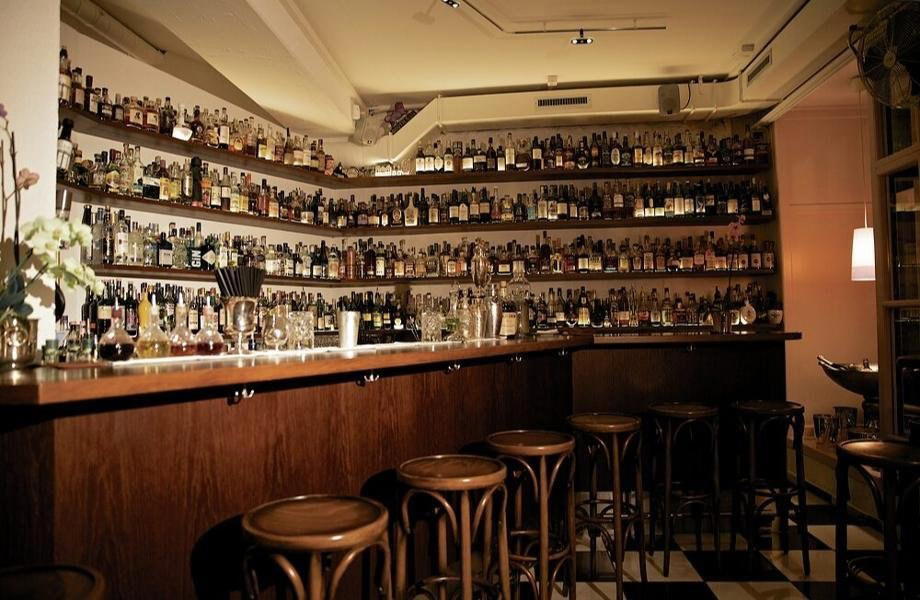
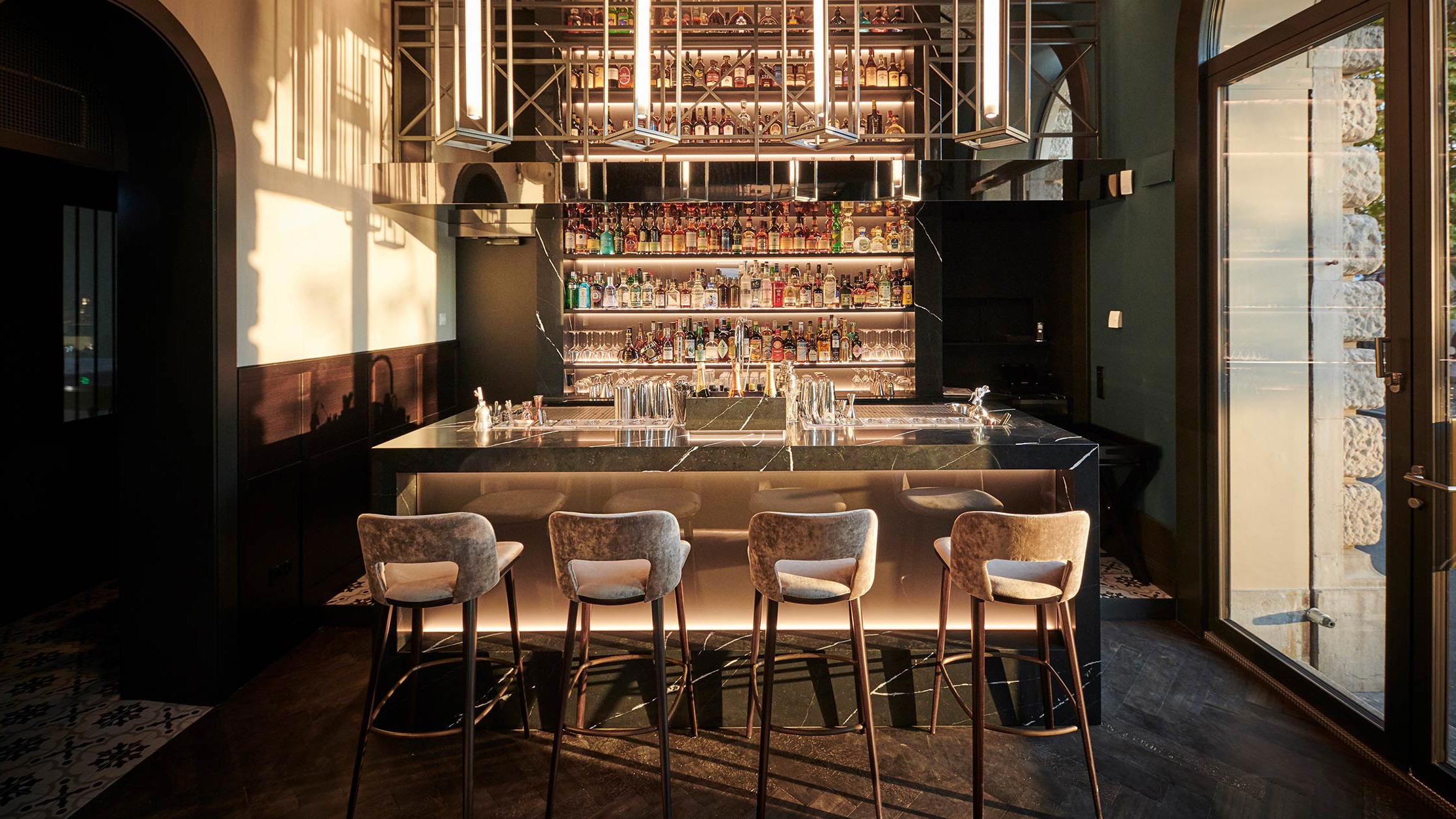
Bars in Aarau
Browse all →
Hotels in Aarau
Browse all →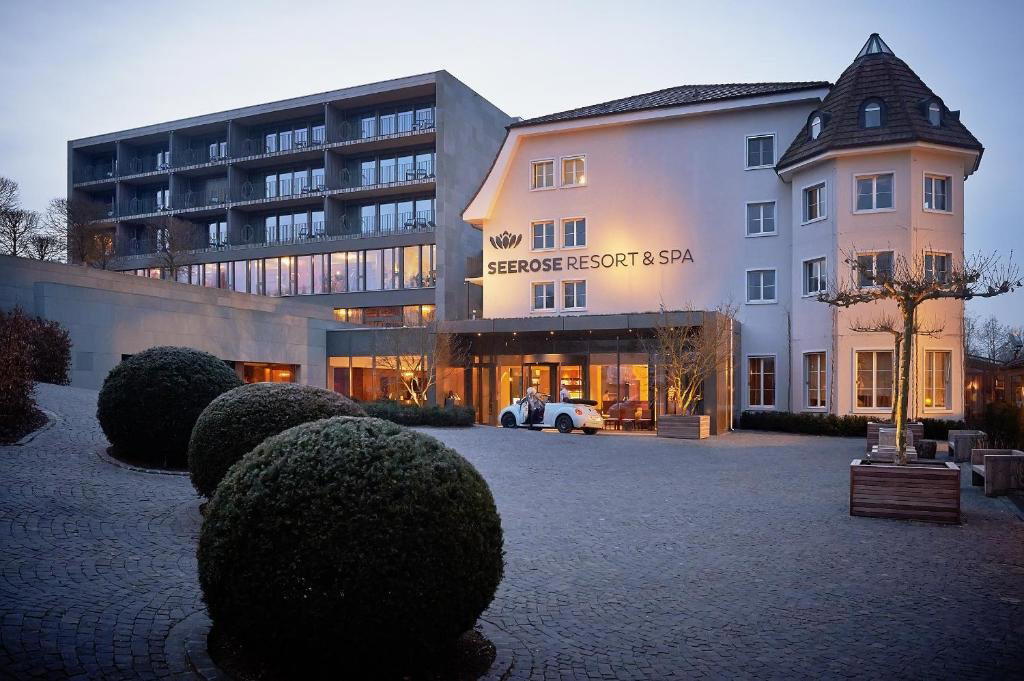
Wineries in Aarau
Browse all →
At a Glance
- Cozy
- Rustic
- Casual Hangout
- Solo
- Group Dining
- Standalone
Current opening hours
- Monday
- 5–10:30 PM
- Tuesday
- 11 AM–10:30 PM
- Wednesday
- 11 AM–10:30 PM
- Thursday
- 11 AM–10:30 PM
- Friday
- 11 AM–10:30 PM
- Saturday
- 11 AM–10:30 PM
- Sunday
- Closed
Hours can change for holidays and private events. Last verified .
Intimate, unpretentious space with minimal decor; cozy indoor seating for 20 and outdoor terrace for 36; simple, focused atmosphere emphasizing fresh food over ambiance.