Aki Japanese Restaurant
Aki Japanese Restaurant sits on North Florida Street in Covington, Louisiana, bringing Japanese culinary tradition to a corner of the Gulf South better known for Cajun and Creole cooking. For a city of Covington's size, a dedicated Japanese kitchen represents a meaningful counterpoint to the regional norm, one worth understanding on its own terms before you book.
Pearl is the En Primeur Club membership app — saves, bookings, and concierge access live there. Same editors, same standards.
- Address
- 510 N Florida St, Covington, LA 70433
- Phone
- +19853025166
- Website
- akicovington.com
- Directions
- Get directions
 Saves & bookings on Pearl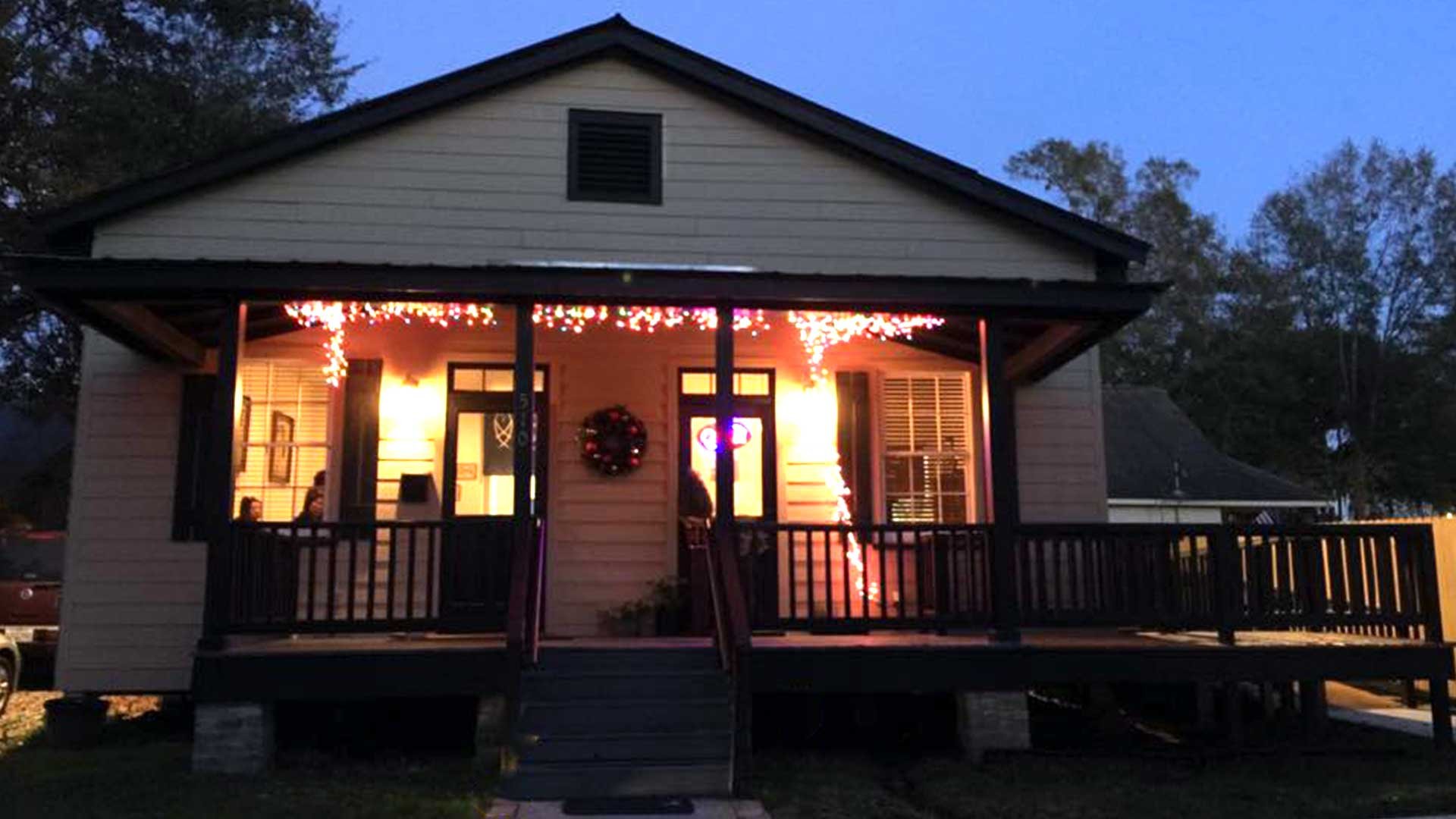
Japanese Cooking in the Gulf South: Where Covington Fits
The North Shore of Lake Pontchartrain has developed a dining scene more layered than its proximity to New Orleans might suggest. Covington, in particular, draws a local population that dines with regularity and expectation, supporting restaurants that would be credible in any mid-sized American city. Within that context, Japanese cooking occupies a specific and somewhat unusual position. The Gulf South's dominant culinary grammar is built around shellfish, roux, and slow-cooked proteins, traditions with deep agricultural and cultural roots. A Japanese kitchen in this environment either retreats into generic pan-Asian compromise or commits to the sourcing discipline and technique that make Japanese food coherent. The latter requires knowing exactly where your fish comes from, how it traveled, and what condition it arrived in. In a region that already produces some of the country's most consequential seafood, Gulf oysters, blue crab, speckled trout, redfish, the sourcing question becomes especially pointed.
Aki Japanese Restaurant, at 510 N Florida St in Covington, sits inside this tension. The address places it in a commercial stretch that has absorbed a range of dining concepts over the years, part of the broader pattern of independent restaurants anchoring Covington's walkable core.
The Sourcing Question: Why It Matters More Here Than Most Places
Japanese cuisine, at its most disciplined, is among the more ingredient-dependent cooking traditions in the world. The gap between a competent Japanese kitchen and a great one is almost entirely explained by sourcing: the provenance of the fish, the quality of the rice, the origin and preparation of the soy. This is the logic that drives the premium tier of American Japanese dining, places like ITAMAE in Miami, which built its identity around a Nikkei framework connecting Japanese technique to South American fish sourcing, or Atomix in New York City, which applies similar sourcing rigor to a modern Korean framework. At the upper register, American restaurants in the Japanese and Asian fine-dining tradition treat provenance as content, something to communicate to the diner, not just manage in the kitchen.
The Gulf Coast presents a genuine opportunity within this framework. Gulf seafood is not a compromise sourcing option; it is, for certain species, the leading available domestic supply. Restaurants like Le Bernardin in New York City and Providence in Los Angeles have long treated American Gulf product as primary sourcing material, not a regional curiosity. A Japanese kitchen in Covington, with direct access to that supply chain, operates with a geographic advantage that kitchens in landlocked markets cannot replicate. Whether Aki's kitchen exploits that proximity fully is a question the menu should answer, but the structural opportunity is real.
The Room and the Register
North Florida Street in Covington functions as one of the city's more active dining corridors, mixing established independents with newer arrivals in a streetscape that rewards walking. Otto's represents the kind of neighborhood anchor that gives the street its dining credibility; Aki occupies a position in a different culinary lane, serving a cuisine category that has limited direct competition in the immediate area.
For first-time visitors, Covington is most naturally accessed by car from New Orleans, crossing the Lake Pontchartrain Causeway, a journey of roughly 45 minutes depending on traffic. The North Shore does not function as a late-night dining destination in the way the city proper does; kitchen hours tend to reflect a dining-out-early culture, so confirming current service times before traveling is advisable.
How Aki Compares in Category Context
Japanese restaurants in smaller American cities occupy a particular competitive position. They rarely face the direct peer pressure of a dense urban Japanese dining scene, no omakase counter two blocks away setting a different price expectation, no ramen specialist defining the noodle standard for the neighborhood. This cuts both ways. It means Aki operates without the ambient quality pressure that shapes kitchens in cities with deep Japanese dining traditions, but it also means that a kitchen committed to doing things properly has significant room to define the category locally.
At the national level, particularly rigorous farm-to-table and ingredient-led restaurants have made sourcing transparency a structural part of the dining experience. Single Thread Farm in Healdsburg and Blue Hill at Stone Barns in Tarrytown both anchor menus to what their immediate agricultural environment produces. Smyth in Chicago applies similar logic in a more urban sourcing context. The principle, that the ingredient's origin is as important as the technique applied to it, is now mainstream in American fine dining, even if its application varies enormously by price tier and format. For Japanese cooking specifically, it has always been foundational; the question is always whether a given kitchen treats it as a marketing position or an operational reality.
Other regionally grounded American restaurants worth studying as context for how cuisine traditions translate into non-native environments include Frasca Food and Wine in Boulder, which brought northern Italian specificity to Colorado, and The Wolf's Tailor in Denver, which built a progressive tasting menu format in a market not traditionally associated with that register. Addison in San Diego and The Inn at Little Washington in Washington demonstrate how destination-quality cooking can operate outside the primary urban dining markets. Lazy Bear in San Francisco, Emeril's in New Orleans, and Oyster Oyster in Washington, D.C. all reflect how a clearly defined culinary position, whether built around sourcing, technique, or local identity, gives a restaurant the coherence that sustains it past its opening year. The French Laundry in Napa and Atelier Moessmer Norbert Niederkofler in Brunico anchor stronger examples from the sourcing-led dining spectrum internationally, setting a reference point for what full commitment to ingredient provenance looks like at the highest tier.
Planning Your Visit
Aki Japanese Restaurant is at 510 N Florida St, Covington, LA 70433. No confirmed website, phone number, or hours data is currently available in public sources. Aki Japanese Restaurant is walk-in friendly, so lunch is direct and dinner is best timed for the posted service window. Covington's dining culture skews toward families and established local regulars, so the room is likely to reflect that demographic mix rather than a destination-dining crowd.
- George roll
- Sexy Girl roll
- Hurricane roll
- V. Roll
- Tiger Roll
- Rachel roll
Side-by-Side Snapshot
Comparable venues nearby, for context on price, style, and recognition.
| Venue | Cuisine | Price | Notes |
|---|---|---|---|
| Aki Japanese RestaurantThis venue — the venue you are viewing | Japanese Sushi | $$ | Not listed |
| Hana | Neighborhood Sushi Bar | $$ | Riverbend |
| Sushi Masa Metairie | Japanese Sushi & Fusion | $$ | Metairie |
| Sneaky Pickle & Bar Brine | Farm-to-Table American with Vegetarian Focus | $$ | Bywater |
| Felipe's Mexican Taqueria | Authentic Mexican Taqueria | $$ | French Quarter |
| NOCHI | New Orleans-Inspired Student-Led Dining | $$ | Arts District |
Continue exploring
More in Covington
Restaurants in Covington
Browse all →
At a Glance
- Cozy
- Intimate
- Date Night
- Casual Hangout
- Family
- Sake Program
Current opening hours
- Monday
- 4:30–8:15 PM
- Tuesday
- 4:30–8:15 PM
- Wednesday
- 4:30–8:15 PM
- Thursday
- 4:30–8:15 PM
- Friday
- 4:30–8:45 PM
- Saturday
- 4:30–8:45 PM
- Sunday
- Closed
Hours can change for holidays and private events. Last verified .
Charming and cozy atmosphere in a quaint converted home with bright lighting and attentive service.