Akashiro Nikkei Sushi
Nikkei cuisine occupies a particular intersection of Japanese technique and Peruvian ingredient logic, and Akashiro Nikkei Sushi brings that framework to North Harbor Boulevard in Fullerton. The format sits within a growing tier of Southern California restaurants treating the Peru-Japan culinary exchange as a serious discipline rather than a novelty. For Orange County diners tracking that tradition, it merits attention.
Pearl is the En Primeur Club membership app — saves, bookings, and concierge access live there. Same editors, same standards.
- Address
- 444 N Harbor Blvd #104, Fullerton, CA 92832
- Phone
- +17145193597
- Website
- akashironikkei.com
- Directions
- Get directions
 Saves & bookings on Pearl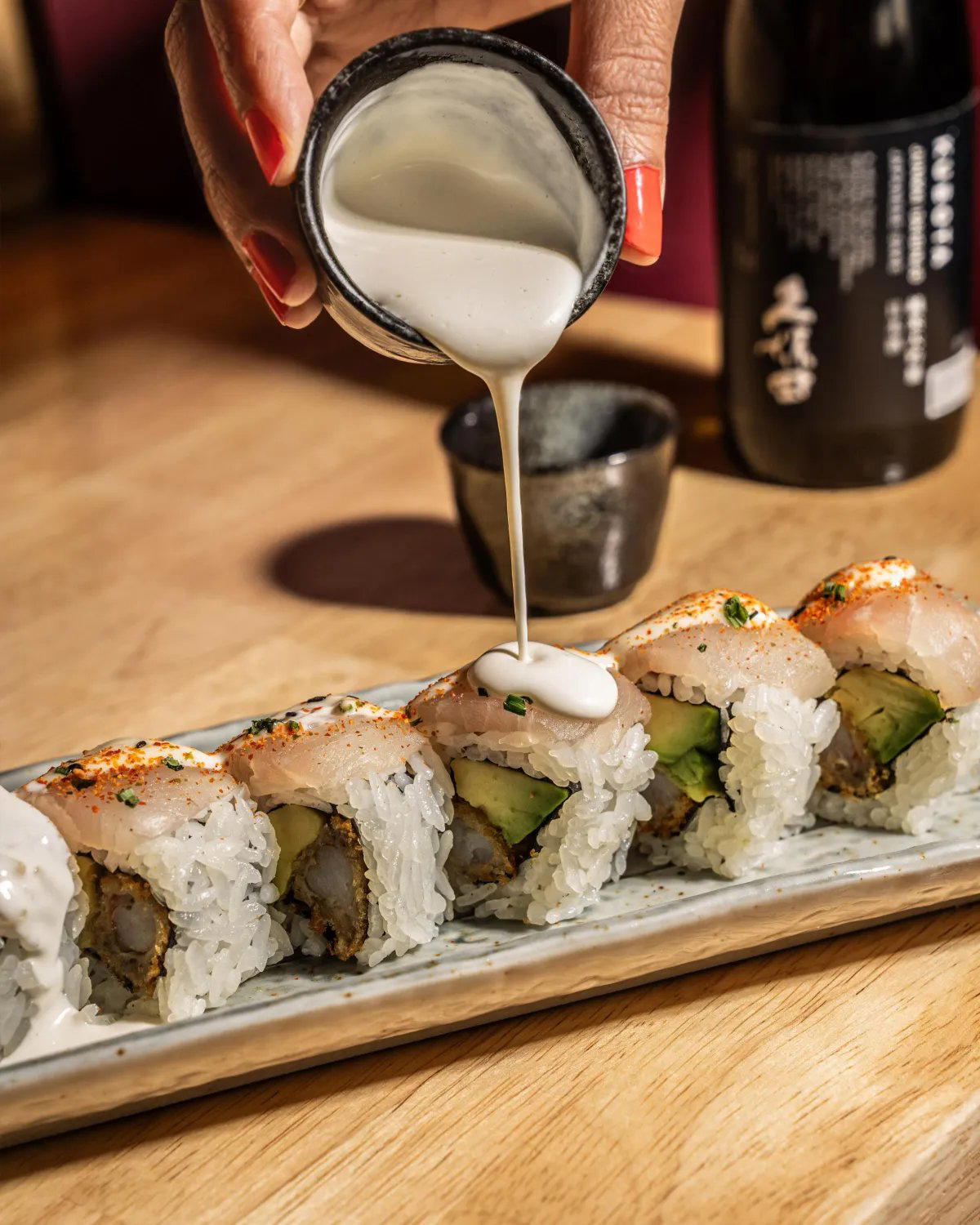
Where Two Culinary Traditions Meet the Southern California Table
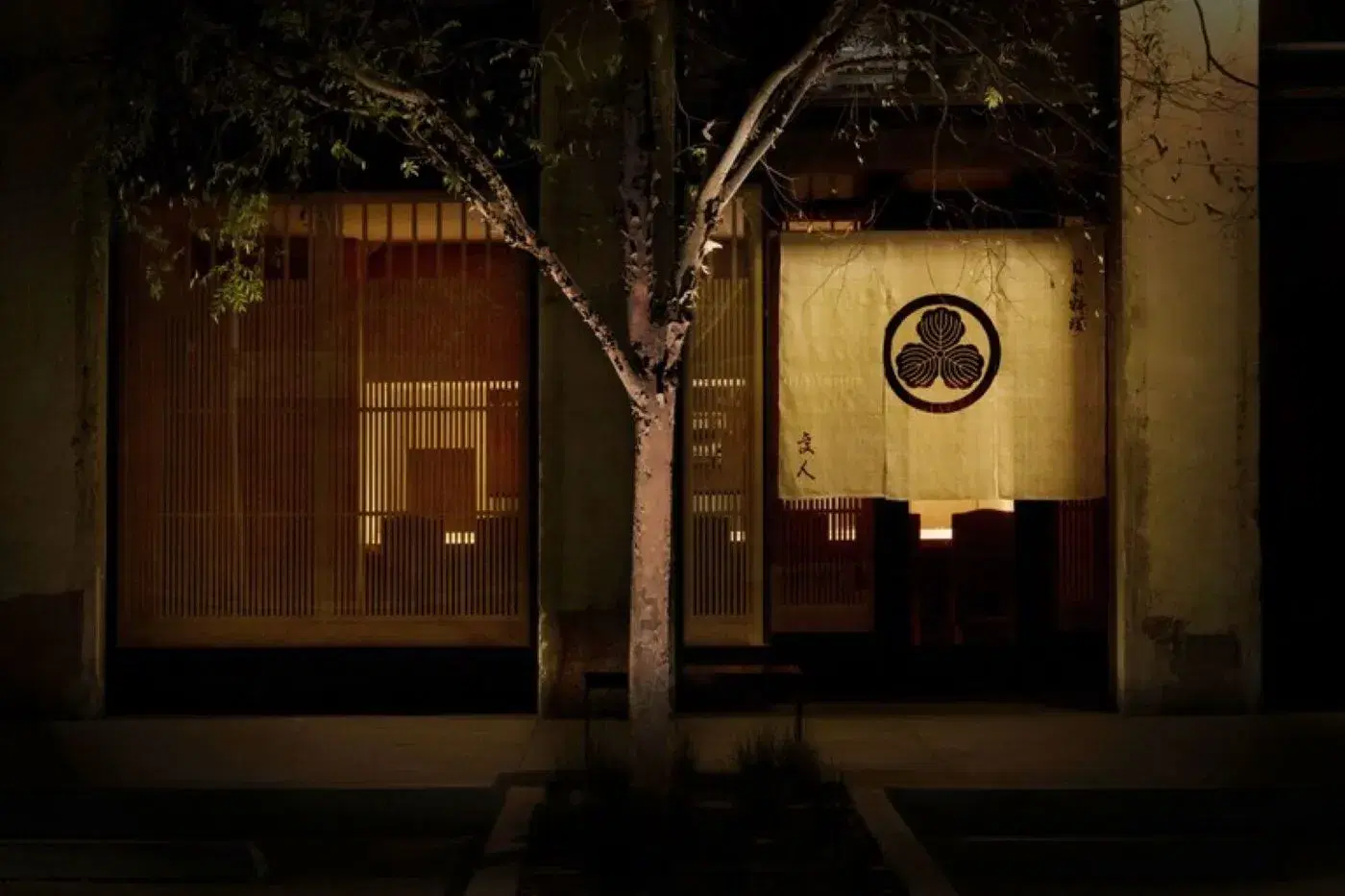
The stretch runs practical and commercial, the kind of corridor where you pass chain signage before noticing the smaller, quieter operations that have quietly built local followings. Akashiro Nikkei Sushi occupies suite 104 in that register, a room-within-a-building format that shapes the approach from the outside: no grand facade, no street-level theatrics, just the interior doing the work once you step through.
That physical modesty is not incidental to what Nikkei cooking is, historically. The cuisine grew out of necessity and adaptation, not proclamation. When Japanese immigrants arrived in Peru in significant numbers from the late nineteenth century onward, the food they built drew on what was available locally: Peruvian chiles, citrus, seafood harvested from Pacific waters that Pacific-facing Japan would have recognized in spirit if not in species. The result was a cuisine that borrowed Japanese knife discipline and fermentation logic, applied it to aji amarillo and leche de tigre, and produced something that neither tradition could claim fully as its own. Nikkei has since moved from community kitchens to serious restaurant programs, and today it sits alongside Spanish-Peruvian and Novoandino cooking as one of the more analytically interesting fusions operating in fine dining. Venues like Providence in Los Angeles have demonstrated how Pacific-facing ingredient sourcing can operate at the highest tiers; Nikkei's logic runs parallel, using the Pacific as both larder and cultural reference point.
The Ingredient Logic Behind Nikkei
The editorial angle most useful for understanding what Akashiro Nikkei Sushi is doing sits in sourcing philosophy rather than individual dish description. Nikkei cooking at its disciplined end requires two distinct supply chains operating in parallel: Japanese-grade fish sourced with the freshness standards that sushi demands, and Peruvian pantry staples, particularly its chile spectrum, that function as seasoning architecture rather than garnish. Aji amarillo brings fruit-forward heat; aji panca delivers a slower, smokier register. These are not interchangeable with Japanese condiments, and a kitchen treating them as such produces something different in character from the tradition Nikkei represents.
Southern California has structural advantages for this kind of sourcing. The region's proximity to Pacific fishing grounds, its established Japanese wholesale distribution networks running through the broader Los Angeles market, and its significant Peruvian immigrant community supporting specialty importers all reduce friction for a kitchen trying to source authentically in both directions. Restaurants like Single Thread Farm in Healdsburg and Blue Hill at Stone Barns in Tarrytown have made sourcing discipline the explicit editorial center of their programs; Nikkei cooking demands a quieter version of the same rigor, since the cuisine only holds together when both sides of its ingredient equation are well-executed.
For a diner ordering sushi at Akashiro, the Nikkei framing means the fish is contextualized differently than at a conventional Japanese counter. Leche de tigre-inflected preparations, tiraditos that owe as much to ceviche as to sashimi, and rolls that incorporate Peruvian flavoring agents rather than defaulting to Japanese pantry standards are the structural markers of the format. The quality of those preparations depends on sourcing at both ends, which is why understanding what Nikkei is, ingredient by ingredient, helps calibrate expectations more usefully than genre labels alone.
Fullerton's Dining Position in Orange County
Fullerton's restaurant scene occupies a particular middle position in Orange County: less destination-driven than coastal cities like Laguna Beach or Newport, but with a steady local dining culture shaped partly by Cal State Fullerton's presence and partly by the city's mixed residential and commercial character. The North Harbor corridor where Akashiro sits shares that character with a range of independent operators. Hidalgo's Cocina & Cócteles represents the Mexican-inflected side of Fullerton's dining range; Kentro Greek Kitchen and Les Amis Restaurant extend the city's reach into Mediterranean traditions. Lagos Mexican Cuisine and Mamma Mia round out a scene that skews toward comfort and familiarity over conceptual ambition.
Within that context, a Nikkei sushi format represents a more specific editorial positioning. It is not the only cross-cultural operation in the city, but the Peru-Japan axis is a narrower niche than the broader Asian-fusion or Pan-Latin categories that appear more frequently at this price tier across Southern California. For diners who have tracked Nikkei cooking through higher-profile venues in Los Angeles or San Francisco, Akashiro offers a version of that tradition at a more accessible address.
Planning Your Visit
Akashiro Nikkei Sushi is located at 444 N Harbor Blvd, suite 104, in Fullerton. The suite-number address signals a shopping center or multi-tenant building format, so allow a moment to locate the specific entrance rather than assuming street-level visibility. Current hours are Tuesday through Sunday from 5:00 PM to 9:30 PM, with Monday closed. Reservations are recommended. For diners comparing against the upper tiers of ingredient-forward American dining, reference points like Le Bernardin in New York City, The French Laundry in Napa, or Addison in San Diego anchor what sourcing-led cooking looks like at its most resourced end; Akashiro operates considerably below that scale and investment, which shapes both the format and the appropriate expectation.
Side-by-Side Snapshot
Comparable venues nearby, for context on price, style, and recognition.
| Venue | Cuisine | Price | Notes |
|---|---|---|---|
| Akashiro Nikkei SushiThis venue — the venue you are viewing | Nikkei Sushi & Peruvian Fusion | $$$ | Not listed |
| The Bowery | Craft Beer Pizza Parlor | $$ | Downtown Fullerton |
| Kentro Greek Kitchen | Contemporary Greek Kitchen | $$ | Downtown Fullerton |
| Summit House | Classic Prime Rib Steakhouse | $$$$ | Vista Park |
| Fortuitous Society | Dining | Not listed | Fullerton |
| Mulberry St. Ristorante | New York-Style Italian | $$ | Downtown Fullerton |
Continue exploring
More in Fullerton
Restaurants in Fullerton
Browse all →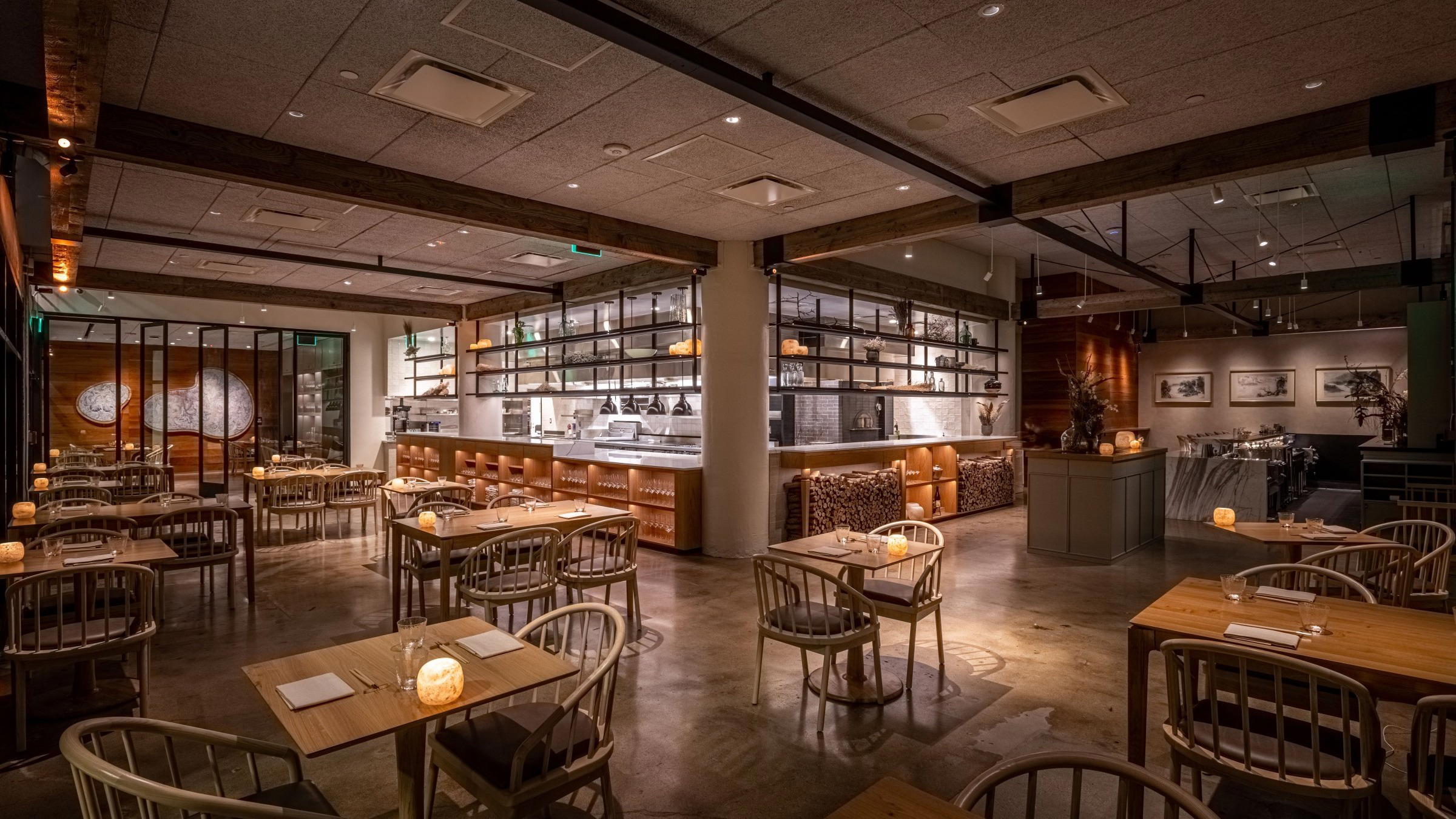
Bars in Fullerton
Browse all →
Hotels in Fullerton
Browse all →
Wineries in Fullerton
Browse all →
At a Glance
- Elegant
- Modern
- Sophisticated
- Date Night
- Special Occasion
- Celebration
- Chefs Counter
- Open Kitchen
Current opening hours
- Monday
- Closed
- Tuesday
- 5–9:30 PM
- Wednesday
- 5–9:30 PM
- Thursday
- 5–9:30 PM
- Friday
- 5–9:30 PM
- Saturday
- 5–9:30 PM
- Sunday
- 5–9:30 PM
Hours can change for holidays and private events. Last verified .
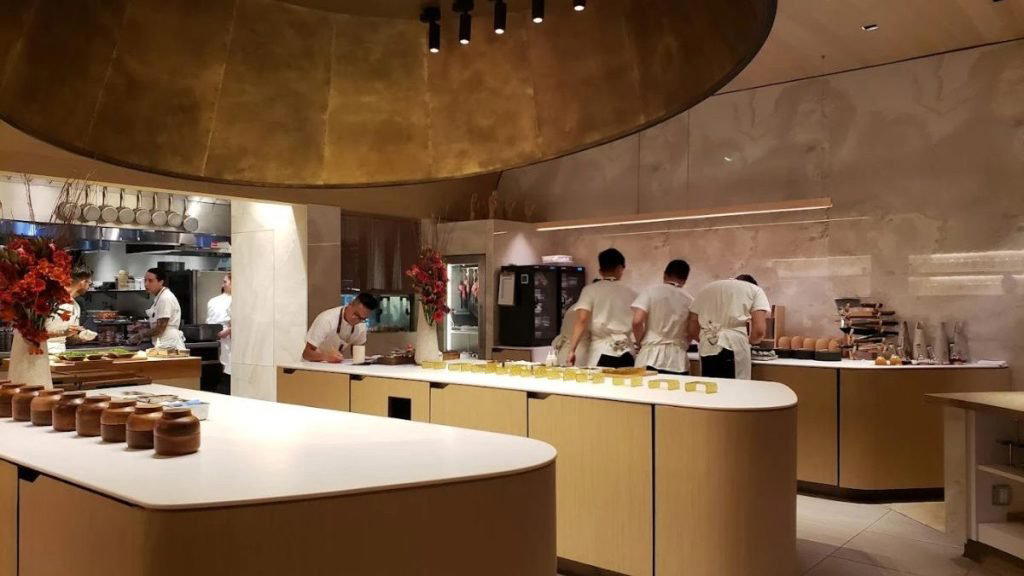
Casual elegant atmosphere with refined sushi bar setting, reflecting the marriage of Japanese and Peruvian culinary traditions.