Adelaide
Adelaide sits on Camino Del Mar in the heart of Del Mar's main corridor, positioned within a coastal California dining scene that has grown increasingly serious about provenance and seasonal sourcing. The restaurant draws from the agricultural richness of the San Diego region, where farm-to-table commitments carry genuine geographic weight rather than marketing language.
Pearl is the En Primeur Club membership app — saves, bookings, and concierge access live there. Same editors, same standards.
- Address
- 1540 Camino Del Mar, Del Mar, CA 92014
- Phone
- +18587936467
- Website
- laubergedelmar.com
- Directions
- Get directions
 Saves & bookings on Pearl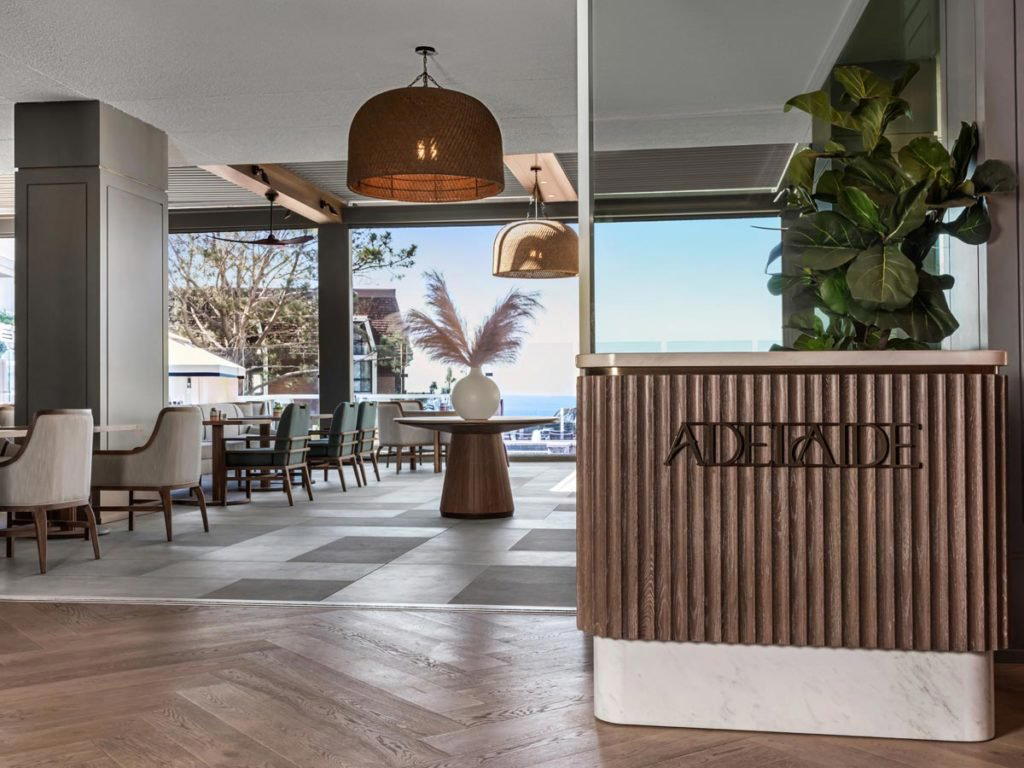
Where the Coast Meets the County's Interior Table
Del Mar's main drag along Camino Del Mar functions less like a beach-town strip and more like a condensed argument for what Southern California dining has become over the past decade. The salt air off the Pacific is present but not dominant; what defines the block at 1540 is proximity to both the water and the inland growing regions that supply much of what reaches San Diego County tables. Adelaide occupies that geographic in-between position as a concept as much as a location, drawing from a coastal setting while grounding its menu in the agricultural surplus that rolls in from Chino Farms, the San Pasqual Valley, and the broader network of small producers that have made this corner of California a sourcing territory for ambitious kitchens.
The dining scene in Del Mar has historically operated in the shadow of San Diego proper, but that relationship has shifted. Restaurants like Jake's Del Mar established the coastal-casual register that defined the town for years, while newer openings have pushed toward something more considered. Adelaide sits within that shift, in a market where guests arrive expecting the produce and proteins of a region that supplies kitchens as demanding as any in the state.
Sourcing as Structure, Not Decoration
The ingredient-first approach that has come to define the serious end of California dining is not a uniform practice. At operations like Single Thread Farm in Healdsburg or Blue Hill at Stone Barns in Tarrytown, sourcing is the explicit architecture of the menu: the farm dictates what is served, and the kitchen's role is to express rather than impose. That model requires a particular kind of supply chain discipline and a willingness to let the growing calendar set the pace. Southern California offers an unusually forgiving version of this constraint. The region's near-year-round growing season means the discipline is less about scarcity management and more about selection, knowing which producer at which moment is producing at a level worth anchoring a dish to.
San Diego County's agricultural output is among the more diverse in California, spanning avocados, citrus, stone fruit, specialty vegetables, and responsibly raised proteins from operations that have supplied the city's better kitchens for years. For a restaurant on Camino Del Mar, access to that supply is a structural advantage. The question any kitchen in this position faces is how directly it translates that advantage into the plate, and how consistently it maintains producer relationships through seasonal variation rather than defaulting to commodity supply when the preferred sourcing becomes inconvenient.
The broader comparable set for ingredient-led California restaurants includes kitchens at different price tiers and formats. Providence in Los Angeles operates at the formal tasting-menu end of the California seafood tradition. Smyth in Chicago uses a similar farm-anchored logic transplanted to a Midwest context. Closer to home, Addison in San Diego holds Michelin recognition and represents the ceiling of fine dining ambition in the county. Adelaide operates in a different register than those rooms, positioned as Del Mar's more accessible version of the sourcing-led ethos rather than as a competitor in the formal tasting-menu tier.
The Del Mar Table in Context
Understanding where Adelaide fits requires a clear read of Del Mar's dining ecology. The town's restaurant stock clusters around a few distinct approaches: oceanview casual with seafood-forward menus, Italian-leaning trattorias, and a smaller set of more program-conscious kitchens. Aqua Mare Cucina Italiana represents the Italian coastal thread. Coral Del Mar and Del Mar Seaside Grill anchor the seafood-with-a-view category. Beeside Balcony Del Mar operates in the casual-outdoor tier that suits Del Mar's race-track season energy.
Adelaide's positioning within that ecology is the question worth asking on arrival. A Camino Del Mar address puts it in the middle of foot traffic from both the village's permanent residents and the seasonal influx that follows the Del Mar Thoroughbred Club's summer meet. That dual audience shapes what any ambitious restaurant here has to balance: the consistency required for regulars who eat out multiple times per week against the appetite for novelty that short-visit guests bring. The kitchens that manage that balance well in coastal California towns tend to do it through menu architecture that rewards both kinds of attention, with familiar entry points on the plate built from sourcing decisions that repay closer inspection.
The California coastal dining tradition that informs this territory draws a long lineage running through the Chez Panisse philosophy, through the produce-driven openings of the 1990s and 2000s, and into the current generation of kitchens that treat local procurement as a non-negotiable rather than a marketing differentiator. Lazy Bear in San Francisco and The French Laundry in Napa represent different expressions of that tradition at its most formal. The mid-range expression of the same values is where most diners actually encounter it, in rooms that do not require a tasting-menu commitment but where the sourcing decisions are visible in what arrives at the table.
Planning Your Visit
Adelaide is located at 1540 Camino Del Mar, Del Mar, CA 92014, in the central village corridor that runs parallel to the 101 and within walking distance of the train platform and the beach access points that define the neighborhood's geography. Del Mar's compact village layout means the restaurant is reachable on foot from most of the town's accommodation options. Given the town's pronounced seasonal traffic patterns around the summer racing meet at the Del Mar Fairgrounds, advance planning is the more reliable approach from July through September.
Comparison Snapshot
Comparable venues nearby, for context on price, style, and recognition.
| Venue | Cuisine | Price | Notes |
|---|---|---|---|
| AdelaideThis venue — the venue you are viewing | Coastal California Seafood | $$$$ | Not listed |
| Poseidon | Oceanfront Seafood | $$$ | Del Mar |
| Viewpoint Brewing Co. | Modern American Gastropub | $$ | Del Mar |
| Del Mar Seaside Grill | Mediterranean Grill with Mexican Influences | $$$ | Del Mar Village |
| Sbicca | New American California Bistro | $$$ | Del Mar |
| Jake's Del Mar | New American Seafood & Steakhouse | $$$ | Del Mar |



At a Glance
- Elegant
- Sophisticated
- Scenic
- Date Night
- Special Occasion
- Brunch
- Waterfront
- Terrace
- Hotel Restaurant
- Craft Cocktails
- Local Sourcing
- Sustainable Seafood
- Waterfront
Current opening hours
- Monday
- 7 AM–3 PM, 5–9 PM
- Tuesday
- 7 AM–3 PM, 5–9 PM
- Wednesday
- 7 AM–3 PM, 5–9 PM
- Thursday
- 7 AM–3 PM, 5–9 PM
- Friday
- 7 AM–3 PM, 5–10 PM
- Saturday
- 7 AM–3 PM, 5–10 PM
- Sunday
- 7 AM–3 PM, 5–9 PM
Hours can change for holidays and private events. Last verified .
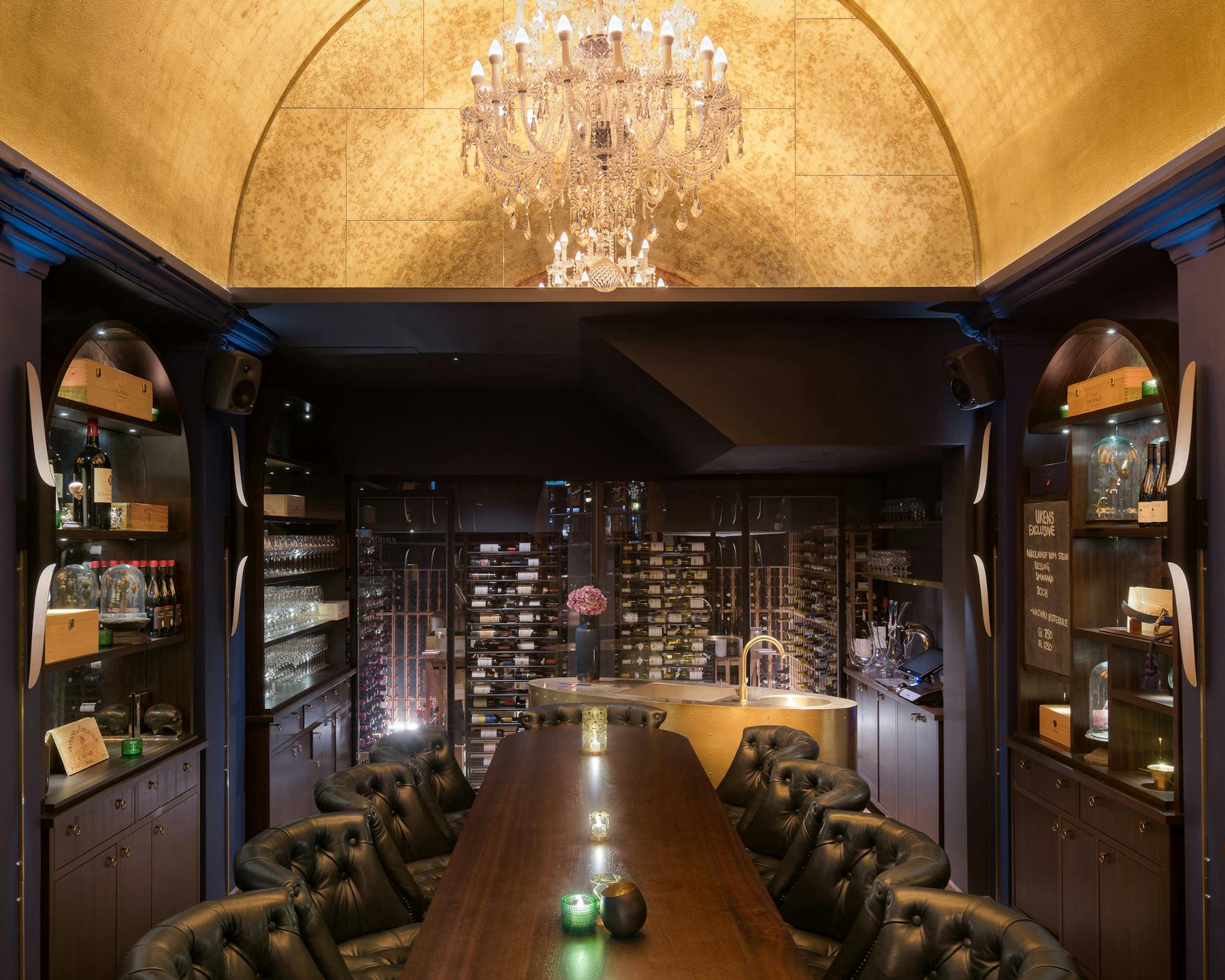
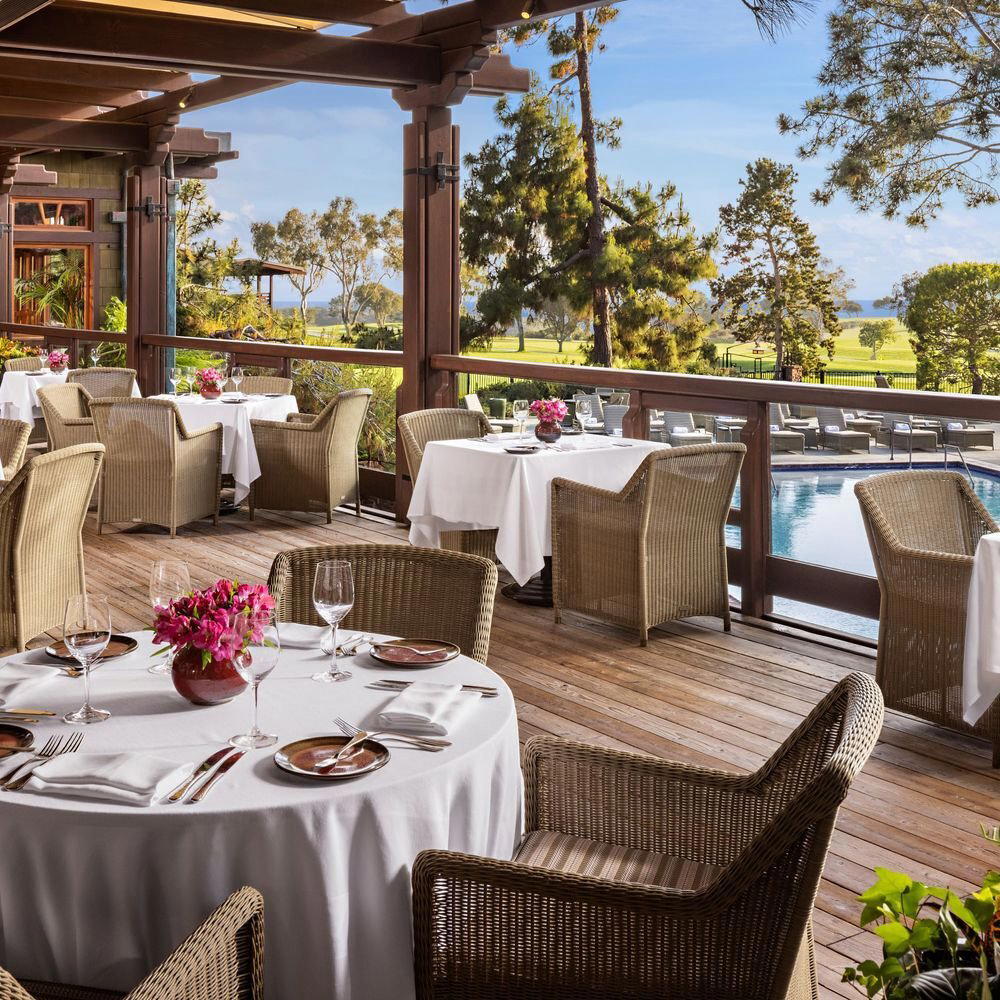
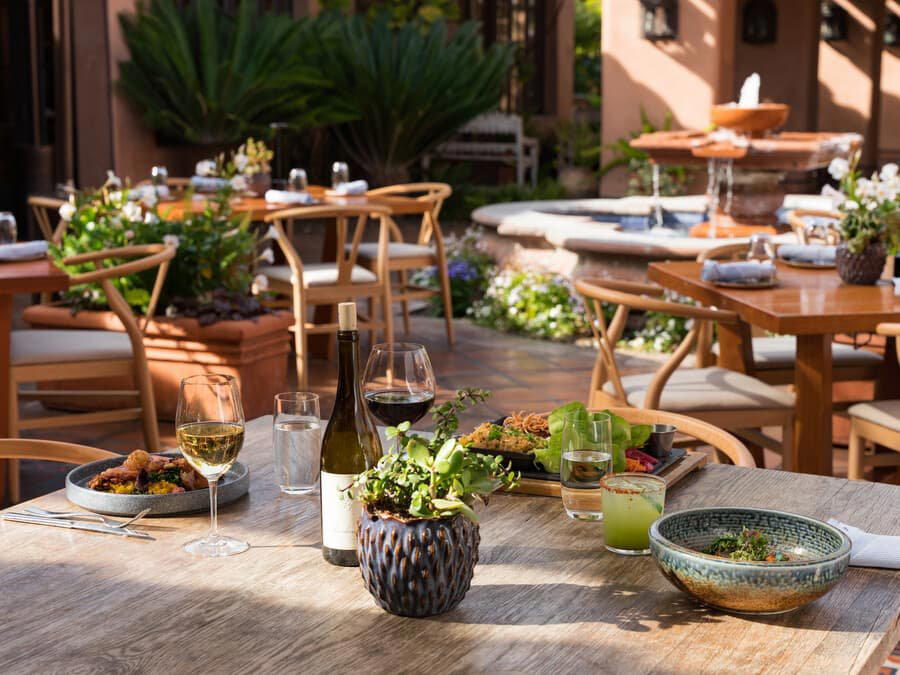
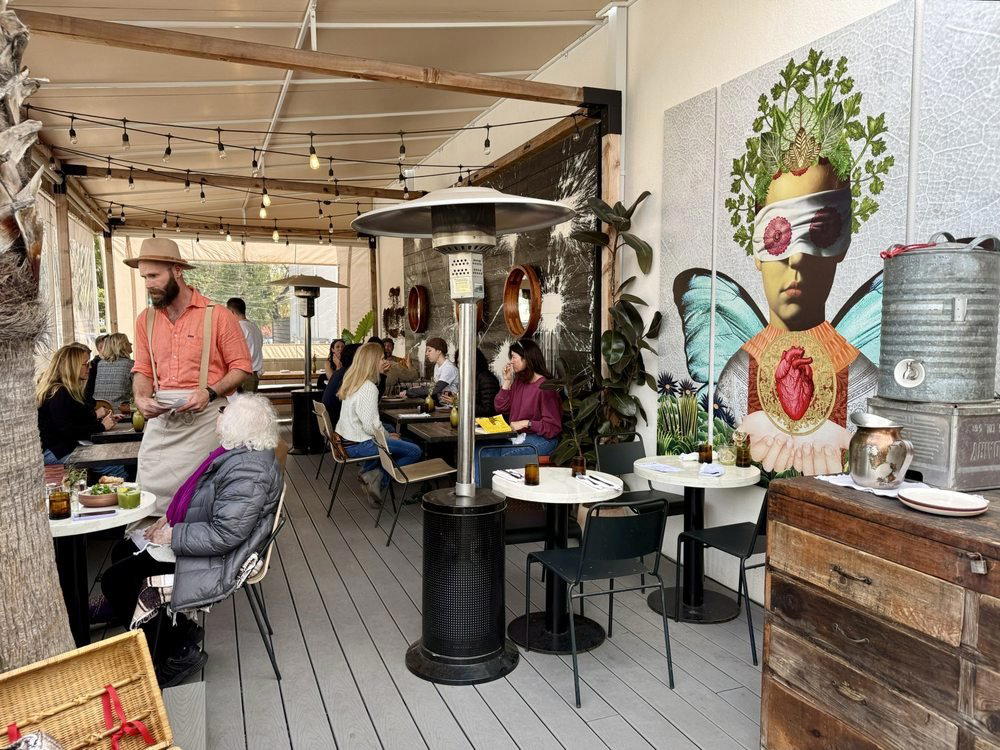
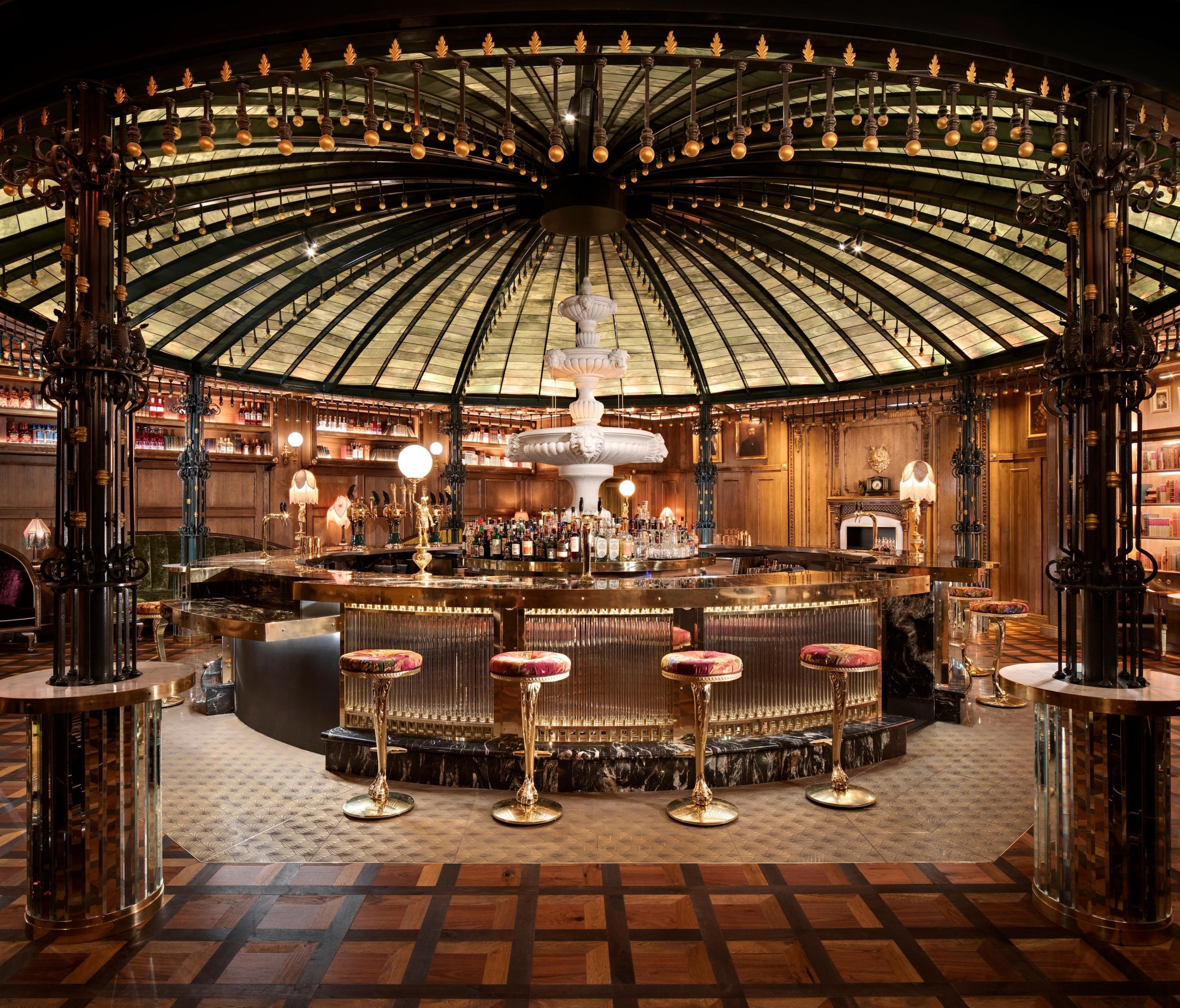
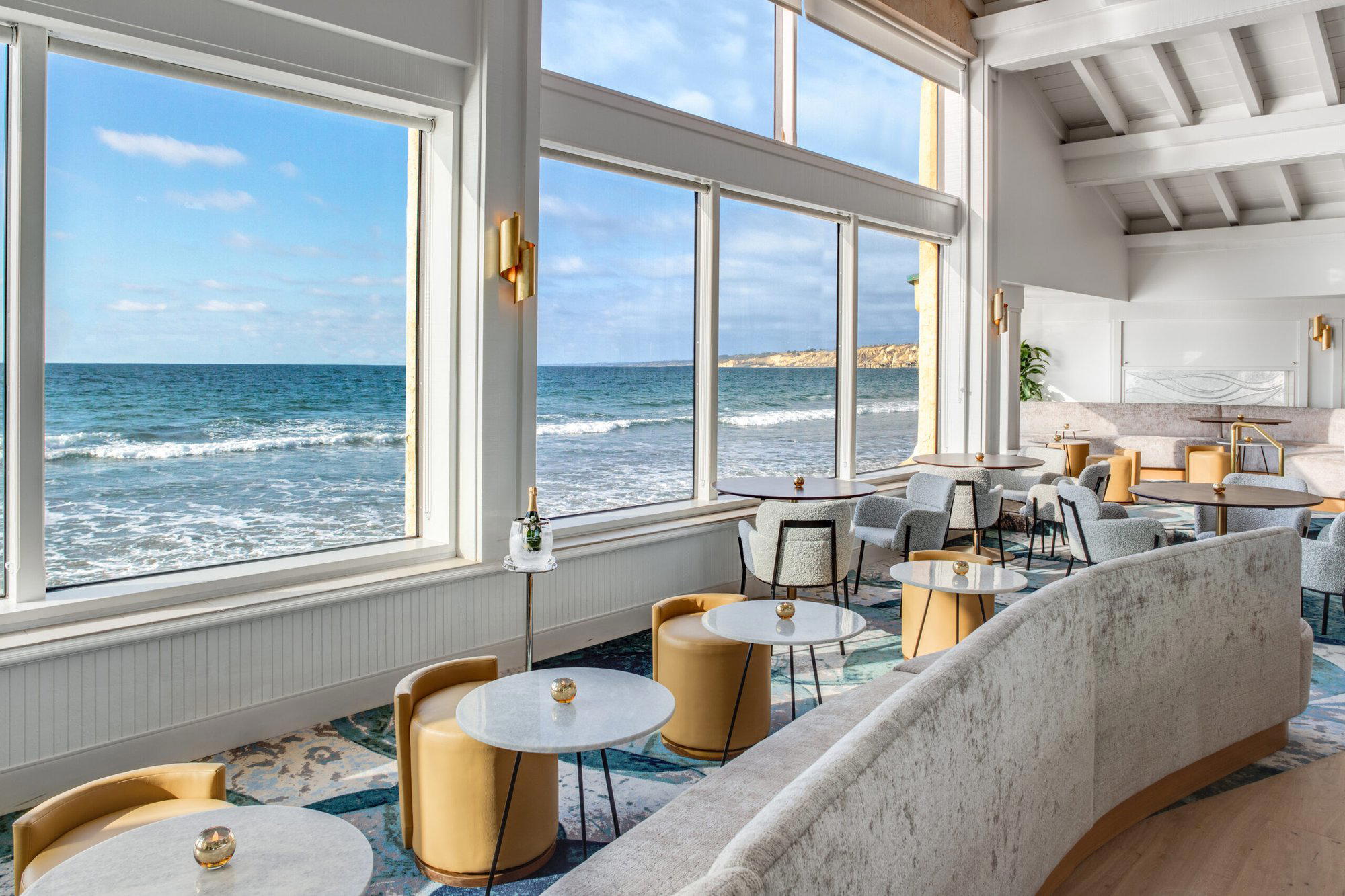
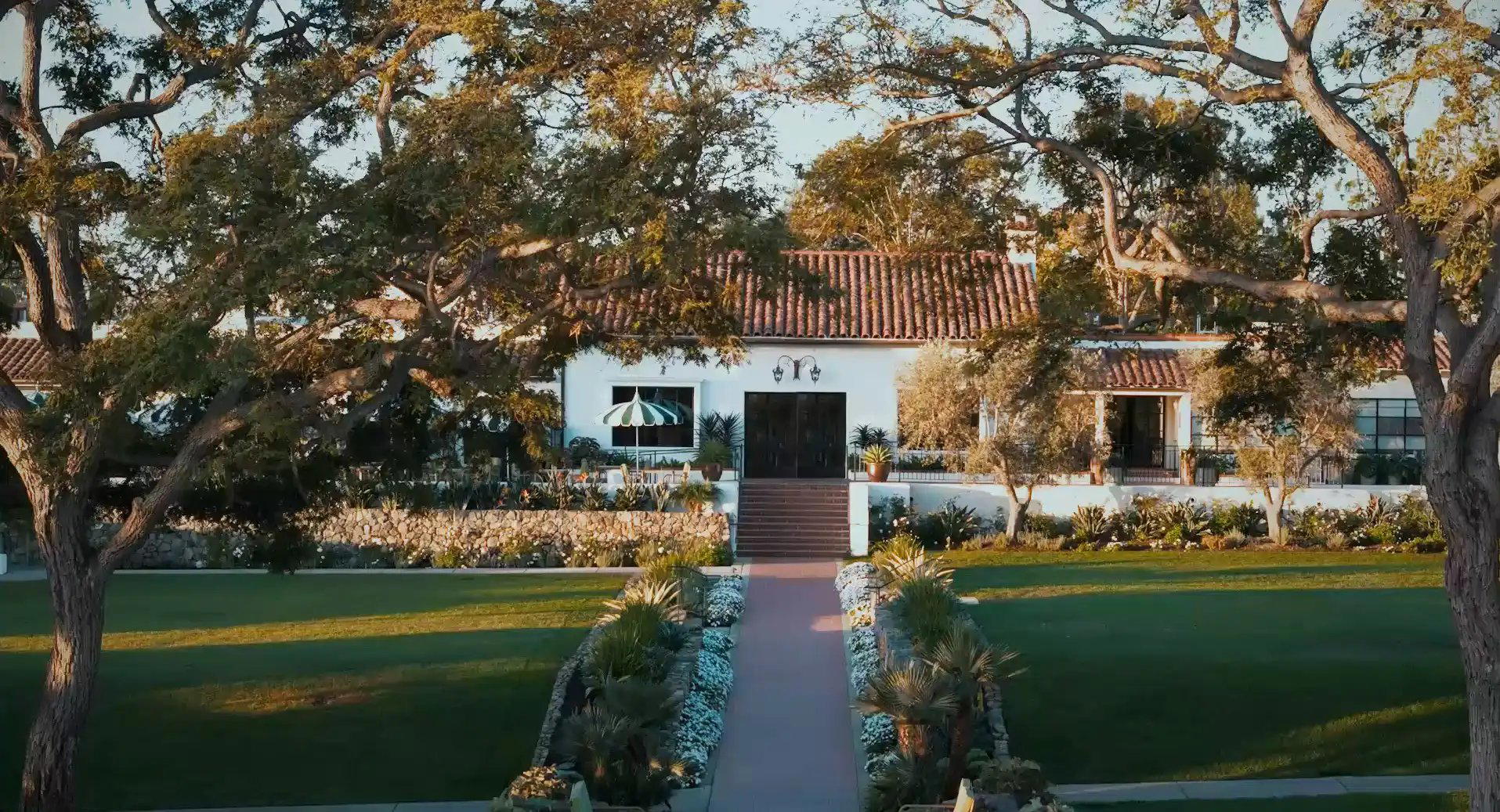
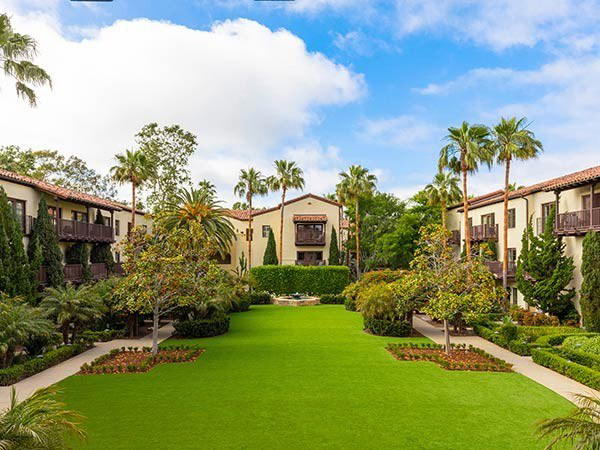
Refined and polished atmosphere with spectacular ocean views and outdoor seating.