
add: PAINDUCE belongs to Osaka’s serious bakery-café tier rather than the convenience-snack circuit. Its Tabelog Bread WEST “Tabelog 100” selections in 2020 and 2022 place it among Kansai bakeries with sustained local recognition, while the Yodoyabashi setting makes it especially useful for a composed lunch, café stop, or takeout bread run between Kitahama and central Osaka.
- Address
- 大阪府大阪市中央区北浜4-3-1 淀屋橋odona 2F
- Phone
- +81662230300
- Website
- painduce.com
 Saves & bookings on Pearl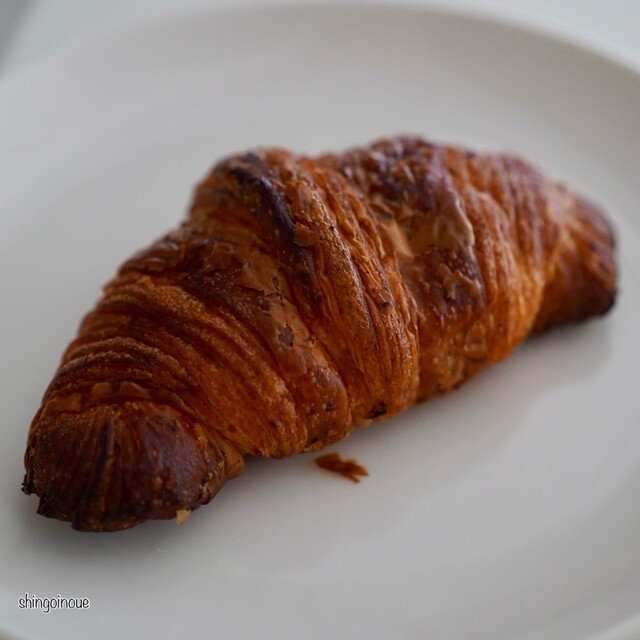
Yodoyabashi’s dining rhythm is different from the neon appetite of Namba or the station-led sprawl of Umeda. Here, office towers, river walks, galleries, and department-store polish create a weekday pattern built around precision: coffee before meetings, lunch that does not sprawl, and the kind of bakery counter where the decision has to be made quickly because the queue behind it is also on a schedule. In that setting, add: PAINDUCE reads as part of Osaka’s quieter bread culture, a category that rewards repeat custom more than spectacle.
Osaka is often reduced to takoyaki, okonomiyaki, and late-night drinking food, but the city’s bakery scene has its own hierarchy. The serious addresses tend to sit between French technique, Japanese portion logic, and café usefulness. The result is less about grand dining theatre than about daily calibration: bread for home, sandwiches for lunch, coffee or wine when the format stretches into café service. Selection for Tabelog Bread WEST “Tabelog 100” in 2020 and 2022 gives this address a clear public credential inside that category, especially in a region where bakery loyalty is intensely local.
Osaka bread culture, seen through a Yodoyabashi bakery-café
The stronger bakery-cafés in Kansai rarely behave like pastry boutiques alone. They need to work across several occasions without blurring into a generic café. add: PAINDUCE sits in that practical middle: bread, sandwich, and café categories under one roof, with wine and cocktails listed alongside the daytime format. That breadth matters in Yodoyabashi, where a bakery has to serve commuters, office lunches, casual meetings, and takeout customers without asking everyone to commit to a full restaurant meal.
The scale is part of the read. A 30-seat room keeps the experience closer to a compact urban café than a destination restaurant, and the takeout component is not incidental. In Japan, where department-store food halls and station bakeries set a high baseline for convenience, recognition in a dedicated bread list signals a more deliberate operation. The useful comparison is not with Osaka’s tasting-menu rooms, but with other specialist daytime addresses that earn repeat attention through consistency and category focus.
That distinction helps separate the city’s bread addresses from its broader casual-food map. 551 Horai (551蓬莱) occupies a different Osaka register, built around portable comfort and mass affection; 52CHO-ME BAKERY points toward the city’s bakery depth;.cafe speaks to the café side of the same everyday economy. Seen together, they show how Osaka’s casual dining culture is not a single lane but a set of highly specific formats, each with its own rules.
The appeal is format discipline, not chef mythology
There is no need to force a chef-origin story onto this kind of place. The more interesting point is how Osaka diners use it. Bakery-cafés in business districts succeed when they compress choice, speed, and comfort into a room that can handle both solo customers and small groups. The category rewards visible abundance, but it also punishes confusion. Bread has to function at the counter, sandwiches have to make sense as lunch, and café service has to support lingering without turning the room into a lounge.
That is where the recognition carries weight. Tabelog’s Bread WEST list is not a Michelin-style fine-dining signal; it is a category-specific marker that places a bakery in a regional conversation about craft, reliability, and diner enthusiasm. For travelers who build itineraries around restaurants, that difference is useful. A bakery stop should not be judged by the same criteria as a canto (Italian), 99 Pizza Napoletana Gourmet, atelier HANADA by Morimoto, or PRESQU'ÎLE. It earns its place by being easy to fit into a day and serious within its own lane.
Yodoyabashi also changes the mood. The neighbourhood sits between commercial Osaka and the more restrained Kitahama/Nakanoshima axis, so eating here often feels planned rather than impulsive. A bakery-café with takeout and seated service suits that geography. It can operate as breakfast-adjacent errand, lunch solution, afternoon pause, or a low-key alternative when the city’s heavier restaurant formats feel excessive. That flexibility is not a lack of ambition; in this category, it is the point.
How to place it in an Osaka itinerary
The smartest use is to treat add: PAINDUCE as a daytime anchor rather than a headline dinner. Its value is highest when paired with nearby cultural or business-district movement: a Kitahama walk, Nakanoshima museum time, or a pause before crossing into Umeda. Travelers chasing only counter dining and late-night izakaya energy may underrate it. Travelers who understand Japanese bakery culture will see the signal: a specialist address, sustained recognition, and a format that lets Osaka’s everyday food intelligence come through without ceremony.
For a wider Osaka plan, the category pairs well with deeper restaurant mapping in Our full Osaka restaurants guide, hotel positioning in [Our full Osaka hotels guide](), drinking routes in [Our full Osaka bars guide](), regional context in [Our full Osaka wineries guide](), and cultural planning in Our full Osaka experiences guide. Outside Osaka, the same casual-specialist lens helps read -Grilled beef Sukiyaki- KAMAKURA TANUKIAN 鎌倉 たぬき庵 in Kamakura. 鮪と炭火焼き うお炭 秋葉原店 in Tokyo.know in Kumamoto, (Shoku) Vietnam in Kawasaki, [[Curry Senmon Ten] Maruyama Kyoju. in Sapporo](https://www.enprimeurclub.com/restaurants/curry-senmon-ten-maruyama-kyoju-1054392), [[ki:] in Kyoto](https://www.enprimeurclub.com/restaurants/ki-26035998), [Jōdo Saké Bar in Los Angeles](), and [Onigiri Time in Pasadena]().
The editorial read is simple: this is not Osaka at full volume. It is Osaka in its disciplined daily mode, where bread, café service, and neighbourhood utility carry more meaning than a dramatic dining-room narrative. For travelers who want the city beyond its loudest food clichés, that makes the stop more revealing than its modest format suggests.
Comparison Snapshot
Comparable options at the same price tier.
| Venue | Cuisine | Price | Awards | Notes |
|---|---|---|---|---|
| add: PAINDUCE | Modern Japanese-European bakery café | $$ | , | Chūō |
| Takamura Wine & Coffee Roasters | Specialty coffee bar & wine shop | $$ | , | Nishi |
| CHOCOLATIER PALET D'OR Oosaka | Artisanal chocolate cafe & dessert bar | $$ | , | Kita |
| MONDIAL KAFFEE 328 | Specialty Coffee & Café with House-Roasted Beans and Sweets | $$ | , | Nishi |
| Poussin | Pudding & Cake Shop | $$ | , | Nishi |
| Ult Coffee Roasters | Specialty Coffee Roasters | $$ | , | Kyomachibori |
Recognition history
Dated appearances from independent guides and award organizations, with the underlying list record or original source where available.
Tabelog 100 #73 · No. 73
Tabelog · Tabelog 100 - Bread - WEST - 2022
Continue exploring
More in Osaka
Restaurants in Osaka
Browse all →



Bars in Osaka
Browse all →


Hotels in Osaka
Browse all →



Wineries in Osaka
Browse all →
At a Glance
- Cozy
- Modern
- Trendy
- Solo
- Casual Hangout
- After Work
- Standalone
- Local Sourcing
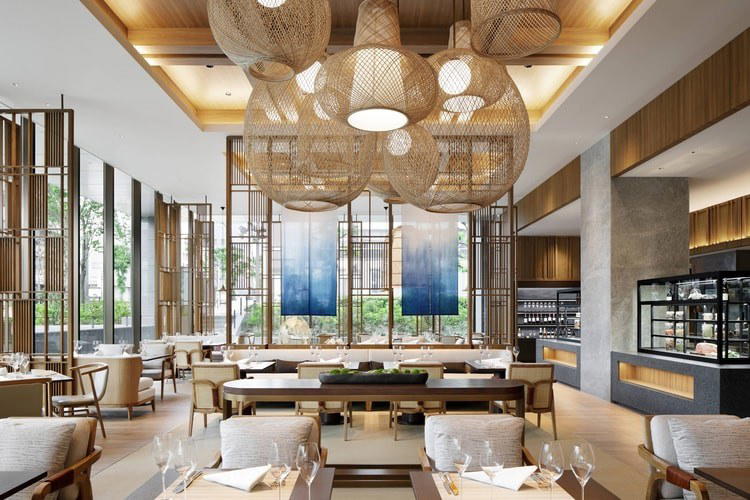
Bright, casual station-front bakery with a modern display of breads and a relaxed café feel suited to a quick stop rather than long stays.