Aces foodcraft

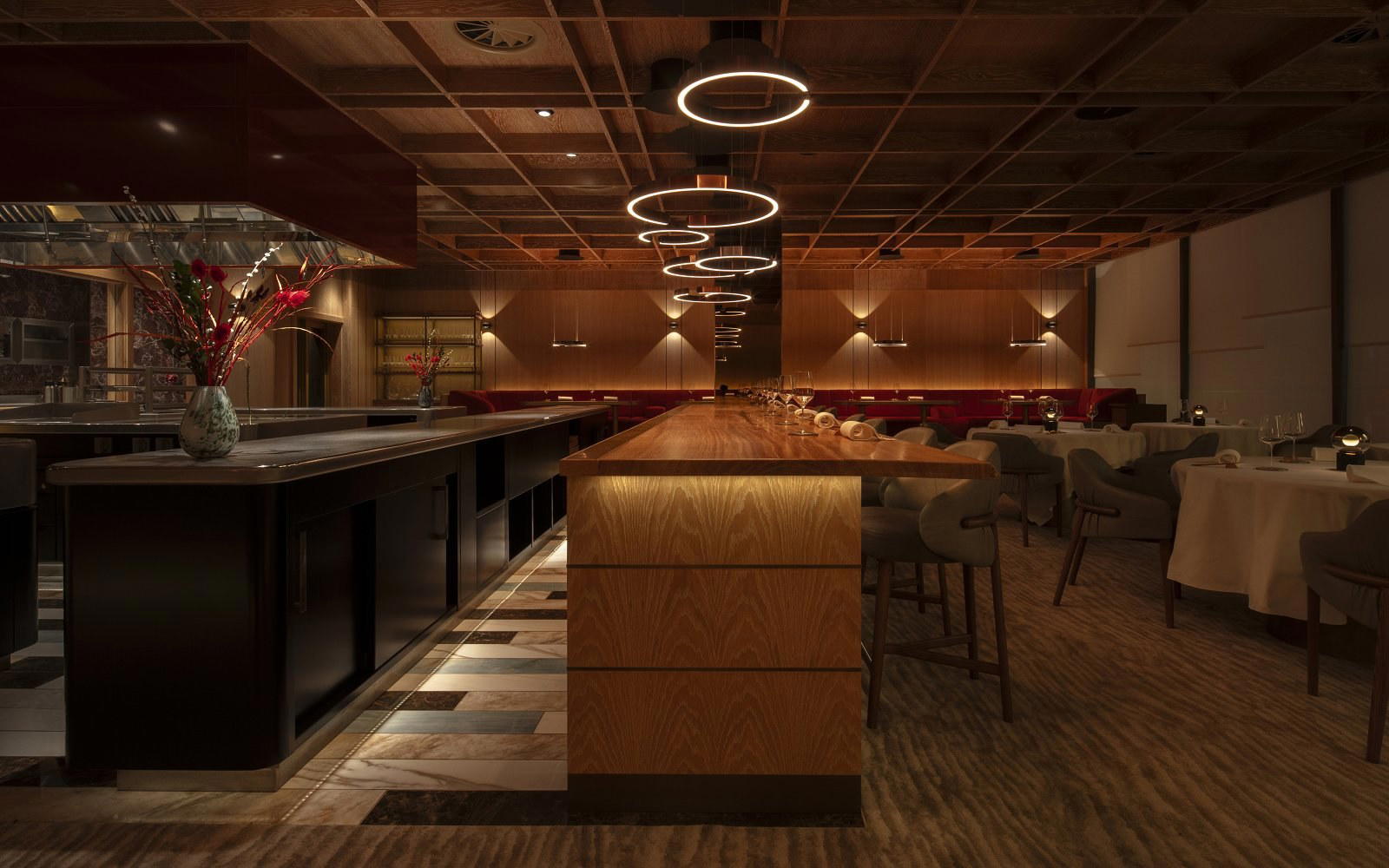
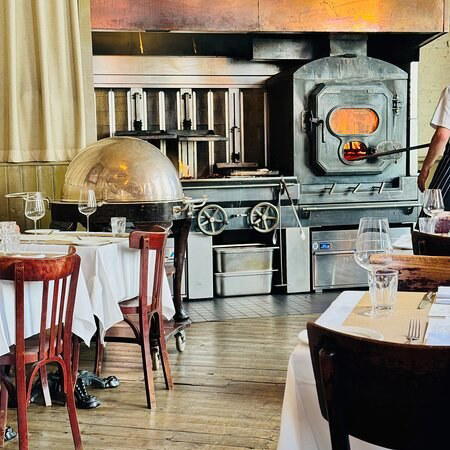
Aces foodcraft occupies a quiet Fitzrovia corner at 8 Pearson Square, where a raised, spot-lit open kitchen anchors the room. The format centers on ingredient traceability and short supply chains, a growing thread in London's mid-market dining scene that prizes transparency over theatrics.
Pearl is the En Primeur Club membership app — saves, bookings, and concierge access live there. Same editors, same standards.
- Address
- 8 Pearson Square, Fitzrovia, London, Greater London, W1T 3BF, GBR
- Phone
- +44 7943 320401
- Website
- guide.michelin.com
 Saves & bookings on Pearl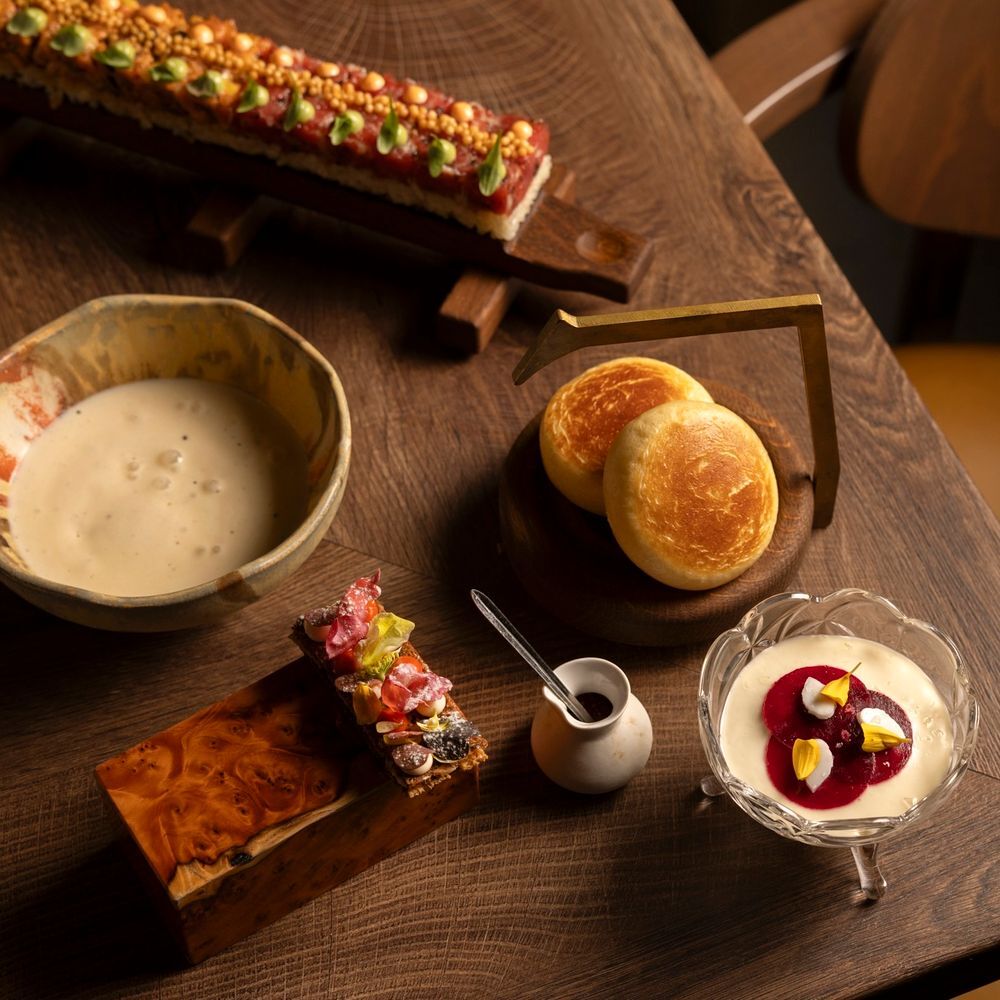
Aces foodcraft sits on Pearson Square in Fitzrovia, a low-traffic stretch between Tottenham Court Road and Great Portland Street that has quietly filled with neighbourhood-focused operations over the past five years. The raised, spot-lit open kitchen commands the dining room, a deliberate architectural choice that signals the kitchen as protagonist rather than backdrop. Counter seating faces the pass, table seating wraps the perimeter, and sight lines converge on prep stations rather than service staff. This setup aligns with a broader London shift toward transparency: diners want to see butchery, vegetable prep, and plating in real time, and Aces foodcraft delivers that visibility without the price premium of West End omakase formats.
The menu draws from short supply chains, a positioning shared by peers like 081 Pizzeria Peckham and 10 Greek Street, where ingredient sourcing functions as both operational philosophy and marketing signal. Aces foodcraft builds its programme around direct relationships with farms and fishmongers within a tighter radius than most competitors at this scale, a model that trades menu flexibility for provenance clarity. Seasonal rotation is structural rather than stylistic: when a supplier's yield drops or a catch window closes, dishes disappear mid-service. That cadence suits regulars more than one-time visitors, and the kitchen makes no concession to menu predictability.
The Kitchen and Supply Chain
Fitzrovia's dining identity has stratified over the past decade. High-capacity operations cluster near Goodge Street (64 Goodge Street operates in that zone), while smaller-format venues anchor the residential blocks west of Cleveland Street. The restaurant occupies the latter tier, where seat counts stay low, covers turn slowly, and kitchen teams skew toward chefs who left larger brigades to control their own sourcing. The open-kitchen format at the restaurant functions as both theatre and accountability: diners see which vegetables arrive whole, which proteins are broken down in-house, and how much mise-en-place prep happens on-site rather than off-premise. That visibility matters in a city where "farm-to-table" claims often mask commissary reliance.
The ingredient-sourcing model here prioritizes direct procurement over distributor convenience. Fish arrives daily from day-boat operators rather than wholesale aggregators, a practice that narrows species variety but improves traceability. Vegetables come from a rotating roster of farms within a two-hour drive, and the menu reflects what those farms harvest rather than what diners expect to find in any given season. This approach mirrors the supply discipline seen at 101 Pimlico Road and 104, where ingredient availability dictates menu structure and chefs resist the temptation to source out-of-season produce from long-haul suppliers.
Format and Competitive Context
The restaurant operates in a crowded mid-market segment where differentiation increasingly hinges on operational transparency rather than chef biography or cuisine taxonomy. The kitchen does not lock into a single culinary tradition, no fixed French, Italian, or Modern European designation, and that flexibility allows the team to follow ingredient logic rather than stylistic convention. A spring menu might lean Mediterranean if the vegetable haul skews toward agretti and artichokes; autumn service could pivot toward root vegetables and game if the supply network delivers venison and pheasant. This fluidity aligns with London's post-pandemic dining pattern, where diners tolerate, and often prefer, menu ambiguity if it signals ingredient integrity.
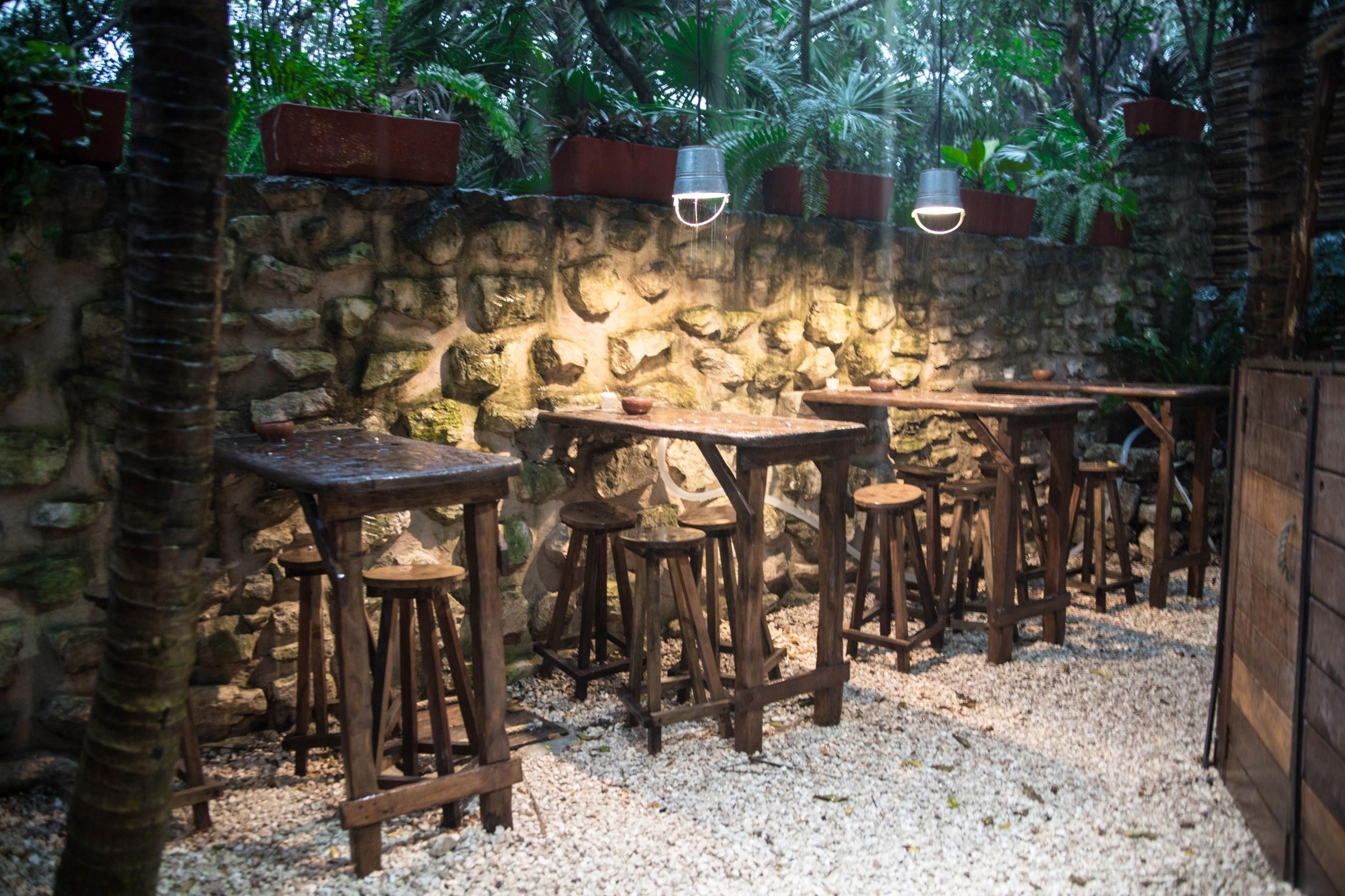
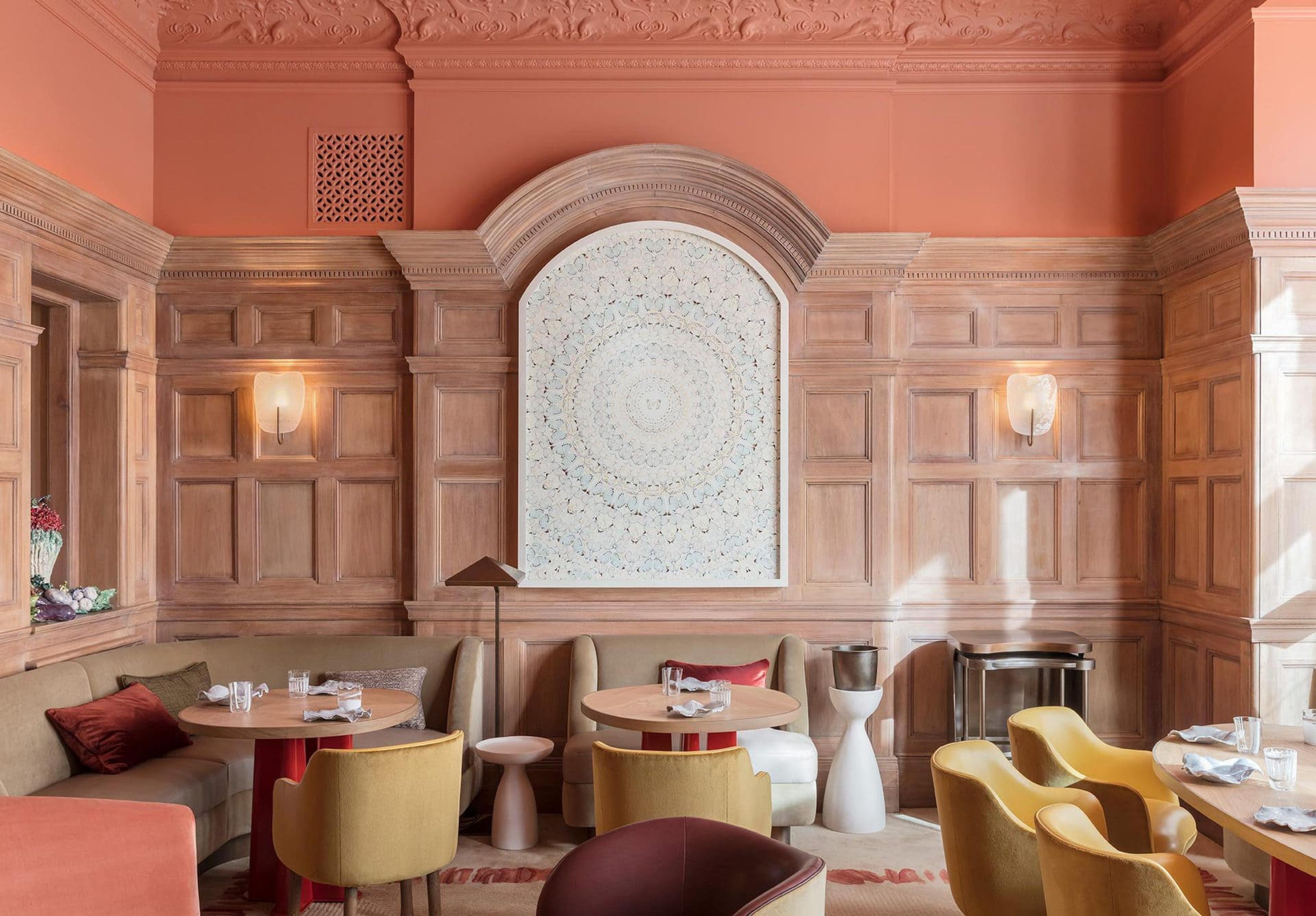
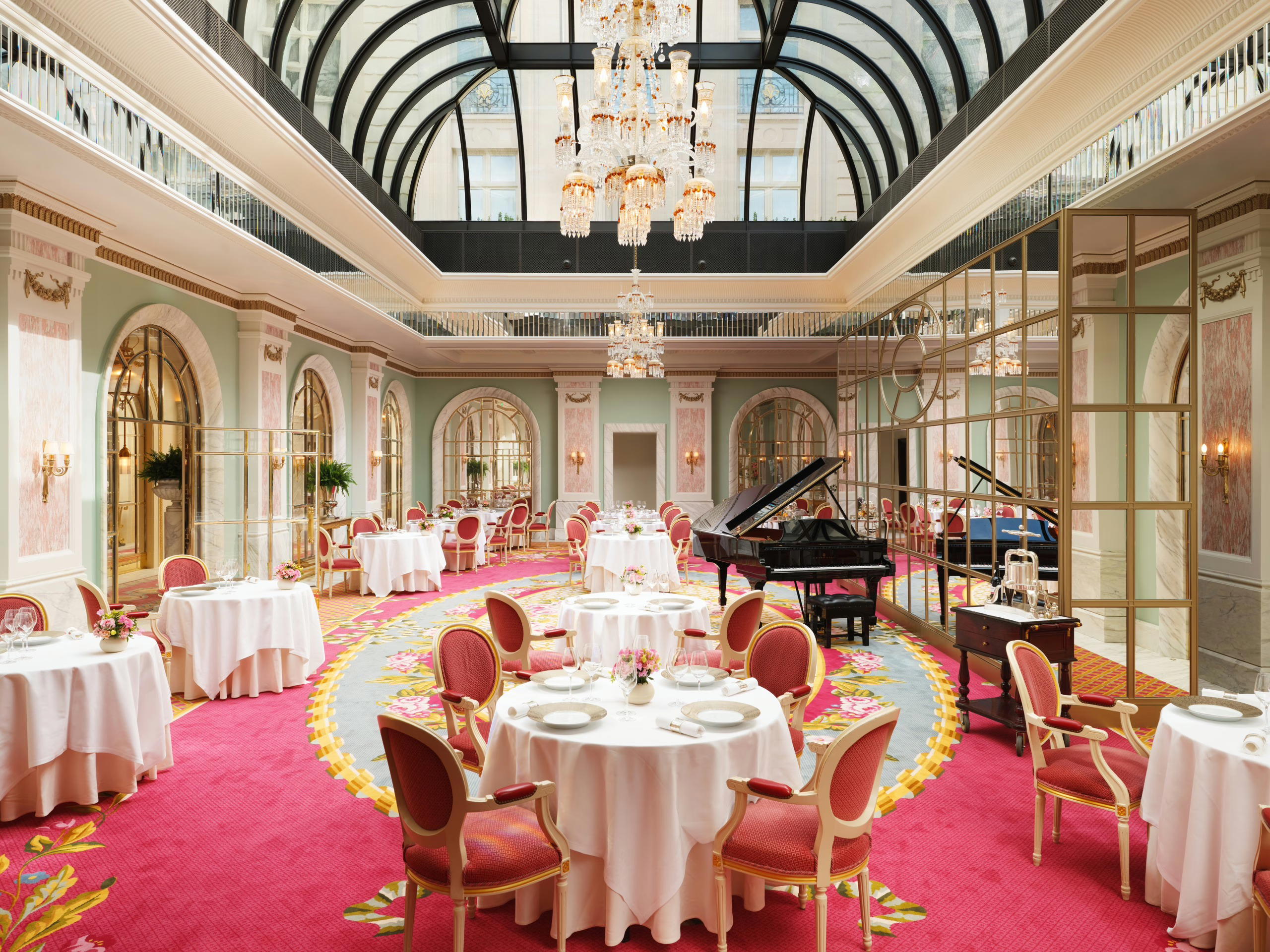
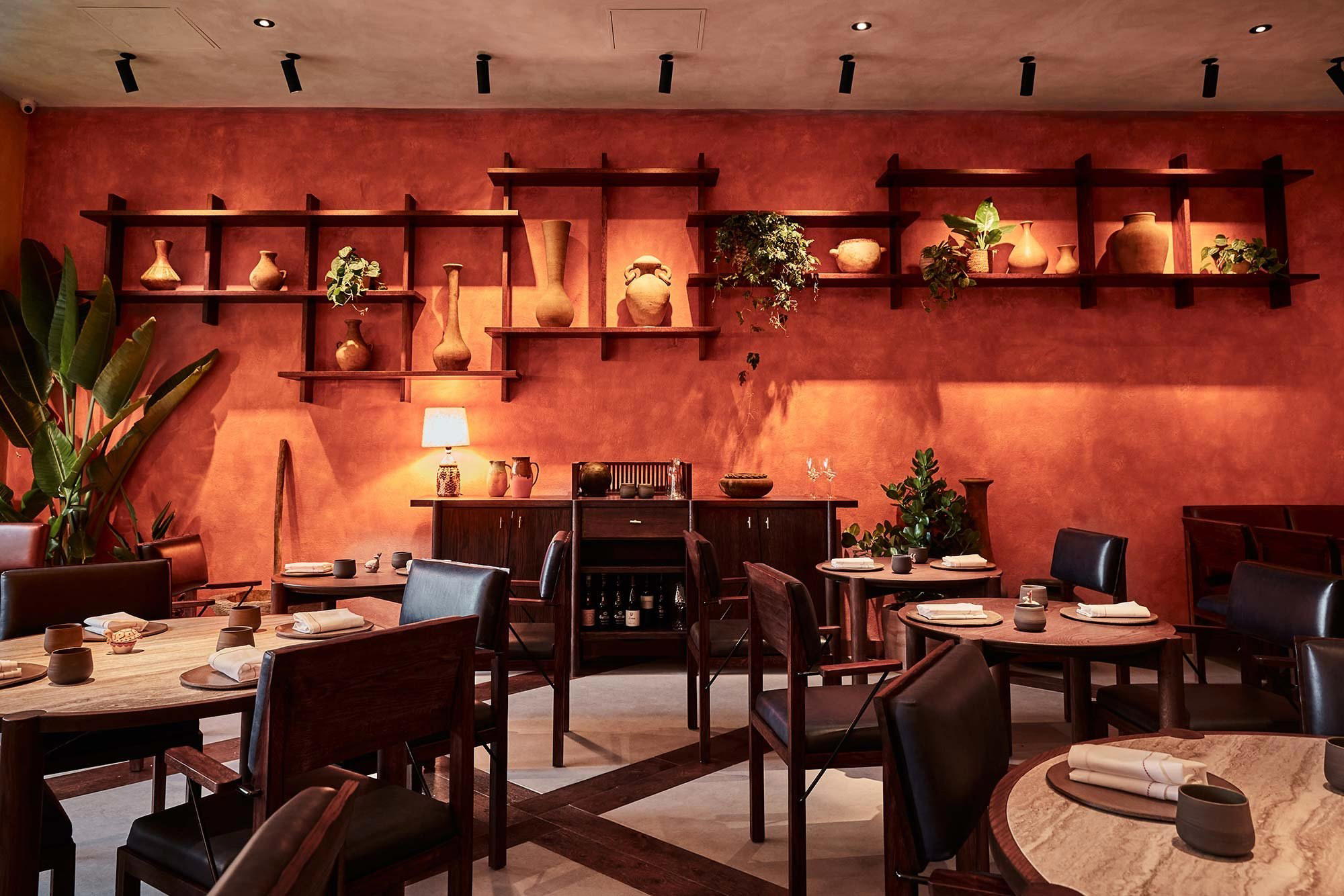
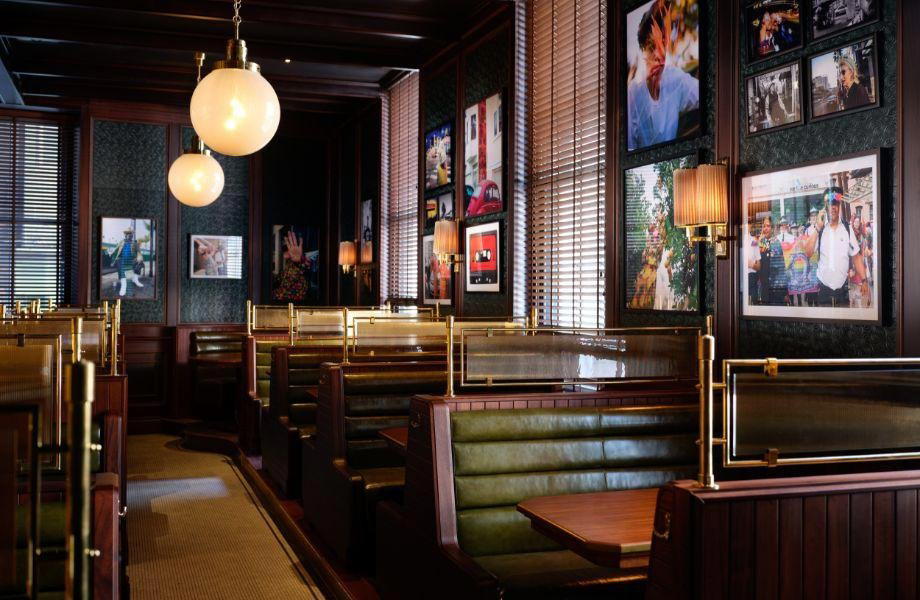
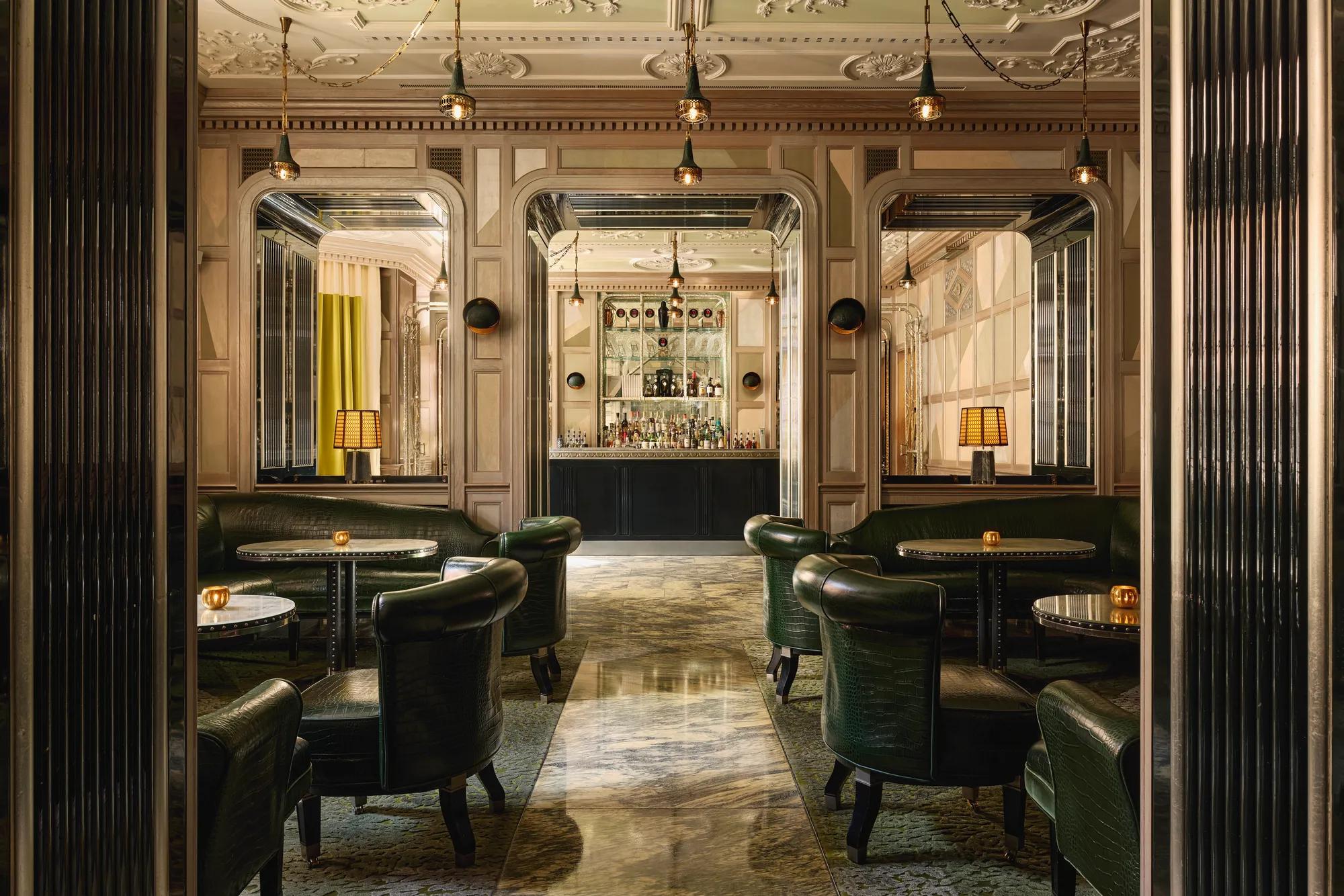
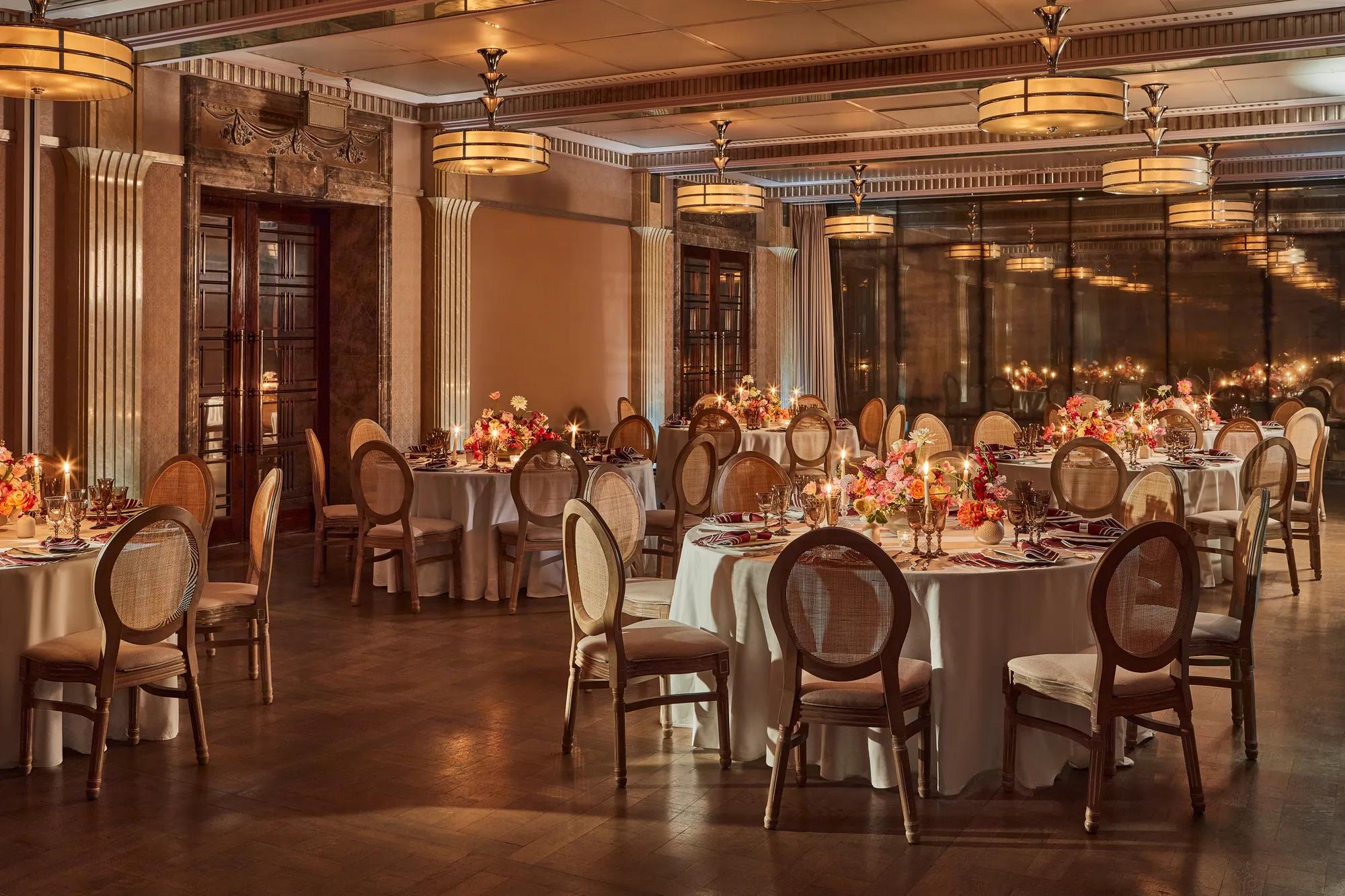
The room itself avoids the polished minimalism common to Fitzrovia's higher-priced operations. Finishes lean industrial: exposed brick, concrete floors, and open shelving that doubles as pantry storage. Lighting focuses on the kitchen rather than the dining floor, a spatial hierarchy that reinforces the ingredient-first positioning. Service style stays informal, no tableside trolleys, no sommelier ritual, and the front-of-house team fields ingredient questions with granular detail about farm names, catch methods, and aging protocols. That level of specificity appeals to the same diner cohort that fills 116 at The Athenaeum and seeks operational substance over service polish.
London's ingredient-focused dining tier now includes venues across a wide price spectrum, from neighbourhood spots like 1 York Place in Bristol to higher-priced formats like "8" By Andrew Sheridan in Liverpool. The restaurant sits closer to the accessible end of that range, where ingredient traceability does not automatically command premium pricing. The operation prioritizes supply-chain transparency without layering on tasting-menu ceremony or multi-course pacing, a trade-off that keeps covers affordable but limits the kitchen's ability to showcase technical range across extended sequences.
The Fitzrovia location offers logistical advantages: Goodge Street and Warren Street stations sit within five minutes' walk, and the square itself remains pedestrian-friendly despite its proximity to Tottenham Court Road's traffic corridor. The neighbourhood's dining density means the restaurant competes for the same repeat-visit audience as 10 Tib Lane and 11th and Social in their respective cities, venues where ingredient sourcing and kitchen transparency function as primary draw rather than secondary feature.
For diners prioritizing provenance over polish, the restaurant delivers a format that aligns operational practice with stated values. The open kitchen ensures accountability, the ingredient roster rotates with genuine seasonality, and the menu structure follows supply logic rather than culinary dogma. That approach carries trade-offs, menu unpredictability, limited stylistic flourish, and a room that favours function over atmosphere, but for the cohort that values ingredient integrity above all else, those trade-offs read as features rather than flaws.
Explore more London dining options in our full London restaurants guide, or browse London hotels, bars, wineries, and experiences. Further afield, consider 'Seasgair' by Michel Roux Jr in Fort William, 1215 in Egham, or ingredient-focused formats like Jōdo Saké Bar in Los Angeles and Onigiri Time in Pasadena.
Comparable Spots, Quickly
Comparable venues by cuisine and price in the same metro.
| Venue | Cuisine | Price | Awards |
|---|---|---|---|
| Aces foodcraft | The raised, spot-lit open kitchen, enveloped... | This venue | |
| Motorino | |||
| Percy & Founders | |||
| 64 Goodge Street | French | £££ | French, £££ |
| Barrica | |||
| The Restaurant at Sanderson |
Recognition history
Dated appearances from independent guides and award organizations, with the underlying list record or original source where available.
Michelin Plate
Michelin · 2026 Michelin Plate
At a Glance
- Sophisticated
- Modern
- Intimate
- Low Profile Address
- Date Night
- Business Dinner
- Special Occasion
- Chefs Counter
- Open Kitchen
- Design Destination
- Standalone
- Craft Cocktails
- Local Sourcing
- Farm To Table
Current opening hours
- Monday
- Closed
- Tuesday
- 5:30–10 PM
- Wednesday
- 5:30–10 PM
- Thursday
- 12–2:30 PM, 5:30–10 PM
- Friday
- 12–2:30 PM, 5:30–10 PM
- Saturday
- 12–2:30 PM, 5:30–10 PM
- Sunday
- Closed
Hours can change for holidays and private events. Last verified .
A polished, produce-led dining room with a theatrical open kitchen, creating an intimate and performance-like atmosphere.