Sé Anar

Our verdict
A few streets from Pleasure Beach, Sé Anar brings serious subcontinental cooking to Blackpool's Highfield Road. The name translates loosely as 'At the sign of the pomegranate', and the menu moves between Kashmiri pulao, Rajasthani-Kolkata lamb, and Darjeeling chicken momo with a confidence that the seaside town's dining scene rarely sees. The supper club and Indian breakfast programme add further reasons to return.

Pearl is the En Primeur Club membership app, where members save venues, book tables and use the concierge.
The menu
What to order
- Yakni Kashmiri Pulao
- Irache Dry-Roast Beef Curry
- Sarson Prawns
- Darjeeling Chicken Momo
- Lehsuni Houmous
- Onion Bhaji
- Afghan Chicken Curry
- Pistachio Crème Brûlée
Where Blackpool's Dining Rarely Goes
Blackpool's food reputation has long been anchored to the seafront: fish and chips, arcades, candyfloss, and the kind of crowd-volume catering that treats throughput as the primary metric. The town's proximity to the M6 corridor and its weekend visitor numbers have made it fertile ground for chain restaurants, but they have not historically encouraged the kind of neighbourhood cooking that locals actually depend on. That is what makes Highfield Road, a residential stretch a few minutes from the South Promenade, a more interesting address than it first appears.
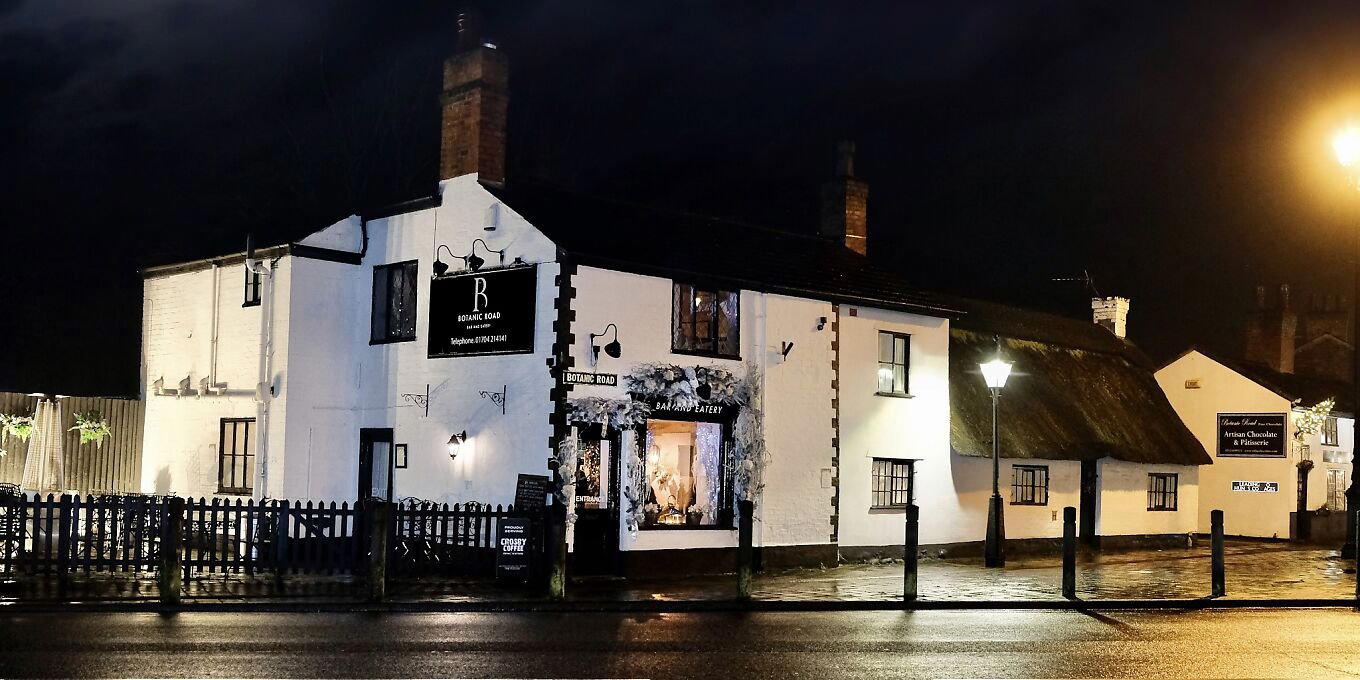
Sé Anar sits at number 107, behind a leafy-green frontage that signals something quieter and more considered than the Pleasure Beach end of town. The name translates loosely from Persian and Urdu as 'At the sign of the pomegranate', and the pomegranate does more than decorate the shopfront. It appears in the cooking, most visibly in the lehsuni houmous, textured with garlic oil and finished with the sharp pop of pomegranate seeds, served alongside tandoori roti. That dish, more than almost any other on the menu, illustrates the kitchen's approach: ingredients chosen for what they bring to a dish's structure, not for novelty or spectacle.
The Subcontinent as Source Material
Indian regional cooking has always been ingredient-led in ways that are easy to overlook from the outside. The difference between a Kashmiri pulao and a Bengali biryani is not simply technique; it is a specific set of aromatic relationships, built from ingredients that carry geographic and seasonal meaning. Restaurants that compress this into a single curry-house idiom lose the thread. Those that engage with it properly tend to produce food that reads differently course by course.
Sé Anar works across a broad regional canvas. The yakni Kashmiri pulao, a rice dish cooked in spiced broth and served straight from the stove, draws on a tradition of restraint in which the cooking liquid does the seasoning. The Irache dry-roast beef curry with mustard seeds belongs to a coastal south Indian register, where dry-roasting brings out fat and bitterness in the spice rather than building a sauce. Sarson prawns in coconut milk and poppy seeds occupy a different geography again, referencing the mustard-and-fish cultures of Bengal and Orissa. A special family-style lamb curry takes influences from both Rajasthan and Kolkata, placing it in the cooking tradition of the spice-trade routes that connected landlocked and coastal India.
This is not fusion in the contemporary sense. It is a menu that acknowledges India's culinary plurality and uses regional specificity as its organising principle. In a town where Indian restaurants have historically defaulted to a generic Anglo-Indian menu, that represents a distinct position. Locals who have described the restaurant as an invaluable local resource and noted that it 'brings something a bit different to the local area' are responding, in part, to this. The cooking is steeped in ancestral traditions and executed with flair, according to the restaurant's own positioning, a claim the menu's regional breadth supports.
How the Menu Is Structured to Share
The menu is designed around a logic of togetherness rather than individual plates. Sharing platters anchor the format, and the kitchen leans into the idea that Indian food is at its finest when it moves around a table. Starters extend from Darjeeling chicken momo, dumplings that carry a northeastern Indian and Tibetan influence, to tandoori wings and the garlic-oil houmous already noted. Naan breads and parathas run as accompaniments to main dishes rather than as afterthoughts.
Desserts hold to India's aromatic classics: mango and cashew kulfi, a 'tres leches' kheer that applies a Latin American layering logic to rice pudding, and a pistachio crème brûlée that bridges French technique and South Asian flavour. The wine list offers varietal options that do the job without demanding attention, while cocktails run to the fruity side, consistent with Blackpool's visitor preferences.
The Supper Club and Breakfast Programme
Two formats extend Sé Anar beyond its à la carte offer. The supper club has built a strong local following and represents the kind of event-driven dining that tends to take root in neighbourhoods rather than tourist strips. These evenings presumably allow the kitchen to explore specific regional or thematic territory in more depth than the standard menu permits, though the exact format and schedule should be confirmed directly with the restaurant.
The Indian breakfast and brunch offer is a more unusual proposition, particularly in a Lancashire seaside town. Naan rolls, chilli cheese toast, pav bhaji, and Indo-Chinese noodle-based masala Maggie, the latter a subcontinental street-food staple that has its own cult following in India, served alongside chai and lassi, constitute a morning programme with genuine regional grounding. Pav bhaji, the Mumbai street-food dish of spiced mashed vegetables with soft bread rolls, and masala Maggie, which adapts instant noodles in a distinctly desi direction, sit alongside each other because they both belong to the broader category of Indian popular food, not because they are from the same place.
Across the UK, Indian restaurants that take breakfast seriously remain relatively uncommon. The format tends to appear either in cities with large South Asian communities or in restaurants willing to invest in a morning trade that requires a different operation from an evening service. Sé Anar's decision to maintain this offer speaks to its positioning as a genuine neighbourhood resource rather than a destination-only venue.
Where It Sits in the UK Indian Dining Picture
The UK Indian restaurant scene at the top of the market has moved significantly in the last decade. Opheem in Birmingham holds a Michelin star and works at a level of technique and sourcing that defines the current ceiling for South Asian fine dining in England. Venues at that level are doing something categorically different from neighbourhood restaurants, and it would be a category error to compare them directly.
What is more useful is to understand that strong neighbourhood Indian cooking, rooted in regional specificity rather than Anglo-Indian convention, is still less common outside London and the major northern cities than the density of Indian restaurants in the UK might suggest. Blackpool is not Birmingham or Manchester, and the bar for regional specificity in subcontinental cooking is lower on the Lancashire coast. Within that context, a restaurant that moves between Kashmiri, south Indian, Bengali, and Rajasthani registers on a single menu, and that maintains a supper club alongside a morning programme, is offering something the town's dining scene does not replicate elsewhere.
For visitors arriving via the M55 or by train into Blackpool North and planning a meal that moves away from the seafront strip, Highfield Road is a short drive or taxi ride from both the centre and the South Promenade. The restaurant's family-oriented format and sharing-platter structure make it a practical option for groups of varying sizes. Booking ahead is advisable, particularly for the supper club evenings, which should be contacted directly for dates and availability.
Sé Anar is one address in our full Blackpool restaurants guide. For a broader picture of the town, see also our full Blackpool hotels guide, our full Blackpool bars guide, our full Blackpool experiences guide, and our full Blackpool wineries guide. For a point of comparison on how regional Indian cooking has been treated at the fine-dining level elsewhere in the UK, Opheem in Birmingham is the relevant reference point. Further afield, Moor Hall in Aughton and L'Enclume in Cartmel represent the northwest England fine-dining tier for those planning a wider regional itinerary. Other UK reference points for serious destination dining include The Ledbury in London, Waterside Inn in Bray, Gidleigh Park in Chagford, Hand and Flowers in Marlow, hide and fox in Saltwood, Le Manoir aux Quat' Saisons in Great Milton, Midsummer House in Cambridge, and Restaurant Sat Bains in Nottingham. International comparators for seriously considered neighbourhood-anchored dining can be found at Le Bernardin in New York City and Emeril's in New Orleans.
Frequently asked questions
Does Sé Anar work for a family meal?
It's designed for exactly that. The menu is structured around sharing platters rather than individual plates, and the restaurant is noted for its family atmosphere. The kitchen also runs a dedicated family-style lamb curry that draws on Rajasthan and Kolkata influences, which gives groups a natural centrepiece dish.
Is Sé Anar better for a quiet night or a lively one?
Both formats exist here. The à la carte evenings tend toward a neighbourhood-restaurant warmth rather than high-volume noise. The supper club, which has built a strong local following, shifts the energy considerably and is the better choice if you want something more event-like.
Has Sé Anar won any awards?
Sé Anar has received recognition including: A few blocks from the South Promenade and the thrills and spills of Blackpool's Pleasure Beach, this neighbourhood Indian restaurant is everybody's idea of an invaluable local resource and ‘brings something a bit different to the local area….
What do people recommend at Sé Anar?
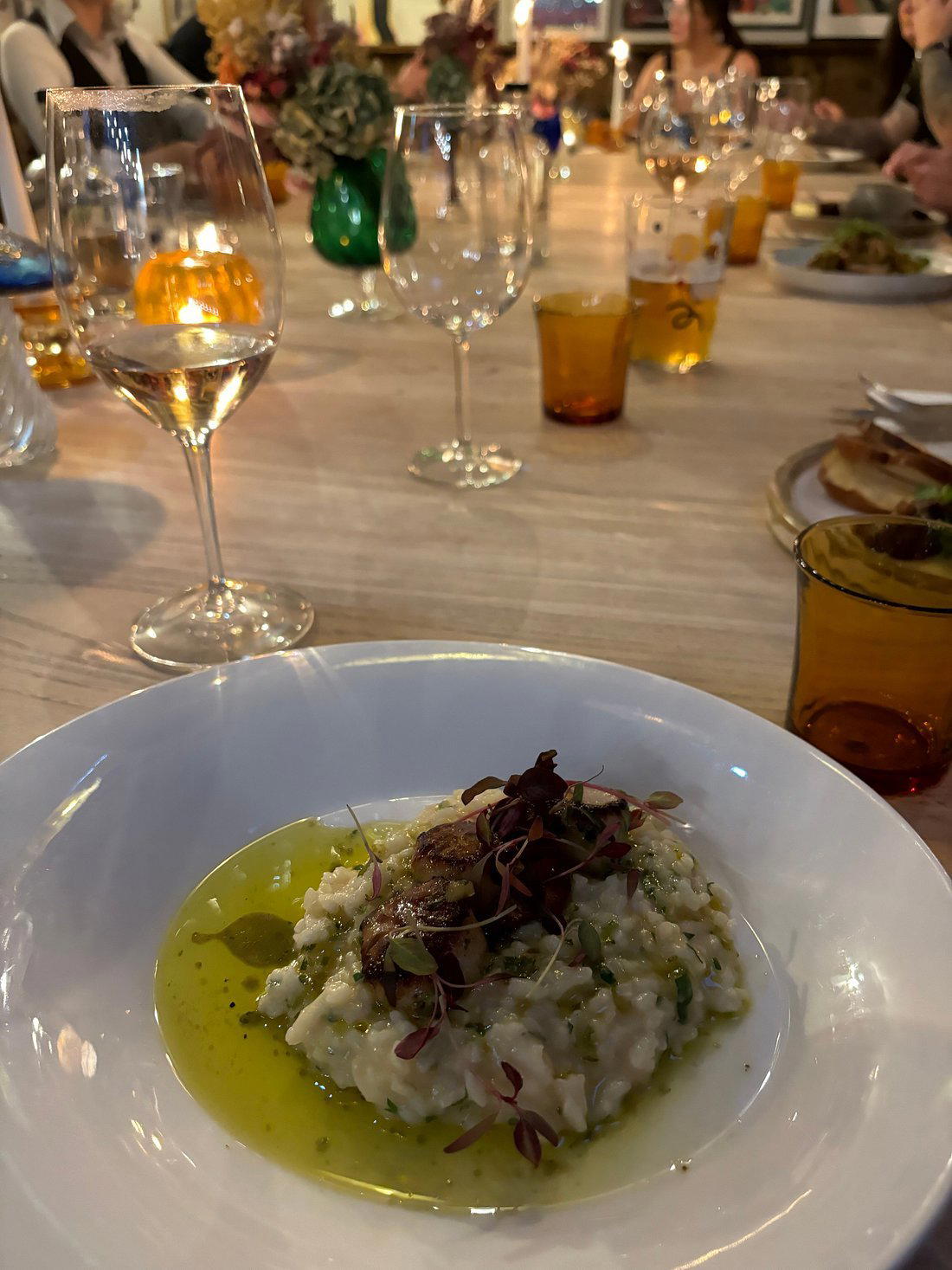
The lehsuni houmous, textured with garlic oil and pomegranate seeds, served with tandoori roti, draws consistent attention, as does the yakni Kashmiri pulao served straight from the stove. The Darjeeling chicken momo and sarson prawns in coconut milk and poppy seeds are also frequently cited. On the dessert side, the pistachio crème brûlée and 'tres leches' kheer (rice pudding) represent the kitchen's more playful side.
What's the address for Sé Anar?
Sé Anar is located at 107 Highfield Rd, Blackpool FY4 2JE, United Kingdom, Blackpool.
What makes Sé Anar worth seeking out?
Most Indian restaurants in Blackpool operate within a narrow comfort-food range; Sé Anar runs against that by cooking from specific regional traditions, Kashmiri, Rajasthani, and Kolkata influences appear across the menu, rather than a pan-Indian greatest-hits format. The addition of a supper club and a proper Indian breakfast programme (pav bhaji, masala Maggie, naan rolls with chai) means the kitchen is doing more than a standard dinner-only operation.
At-a-Glance Comparison
Comparable venues nearby, for context on price, style, and recognition.
| Venue | Cuisine | Price | Notes |
|---|---|---|---|
| Sé AnarThis venue (the venue you are viewing) | Contemporary Indian with European Influences | $30–50 | Not listed |
| Turtle Bay Blackpool | Caribbean Jerk & Island Cuisine | $20–30 | Blackpool Promenade |
| Ambrosini's | Authentic Italian Trattoria | $20–30 | Harrowside |
| BURGERHAIN [ORIGINAL] TM | Smash Burgers | $10–20 | Blackpool Central |
| La Bottega | Authentic Southern Italian & Sicilian | $30–50 | Blackpool |
| Le Sorelle Italian Restaurant and Takeaway | Authentic Italian Trattoria | $20–30 | Squires Gate |
Recognition history
Dated appearances from independent guides and award organizations, with the underlying list record or original source where available.
The Good Food Guide Good Food Guide Best Local Restaurant
The Good Food Guide
Full recognition history (2 entries)
The Good Food Guide GFG Good
The Good Food Guide
Continue exploring
More in Blackpool
Restaurants in Blackpool
All restaurants in Blackpool →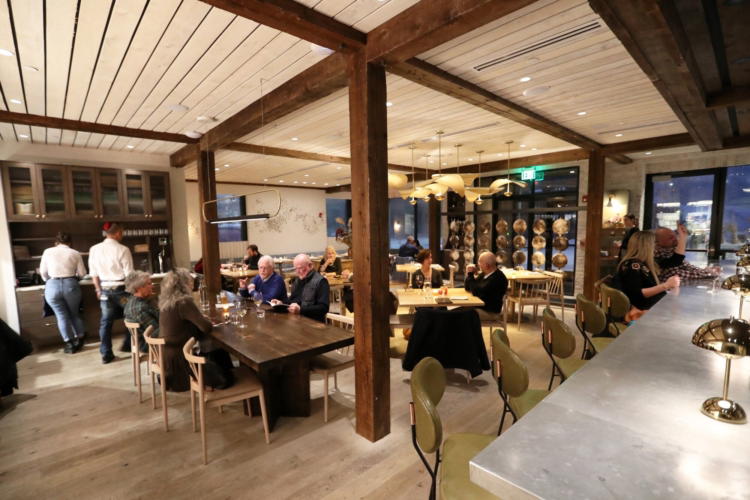

Details
- Intimate
- Cozy
- Elegant
- Sophisticated
- Date Night
- Family
- Group Dining
- Celebration
- Special Occasion
- Standalone
- Open Kitchen
- Craft Cocktails
- Beer Program
- Extensive Wine List
- Local Sourcing
- Organic
- A La Carte
- Family Style
- Set Menu
- Craft Cocktails
- Wine
- Beer
- Vegetarian Friendly
- Allergy Accommodating
Current opening hours
- Monday
- Closed
- Tuesday
- Closed
- Wednesday
- Closed
- Thursday
- 5–10 PM
- Friday
- 5–10 PM
- Saturday
- 5–10 PM
- Sunday
- Closed
Hours can change for holidays and private events. Hours as of .
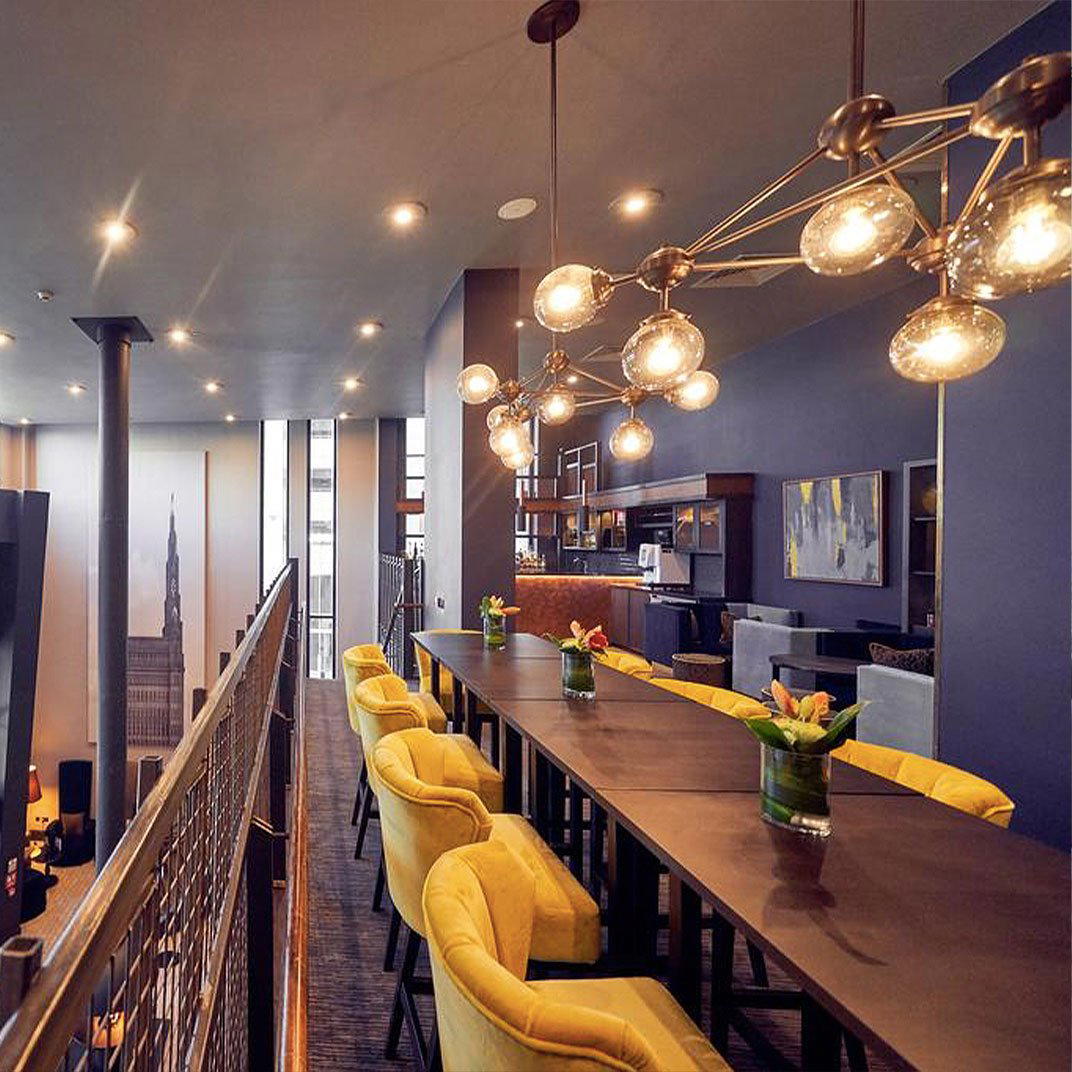
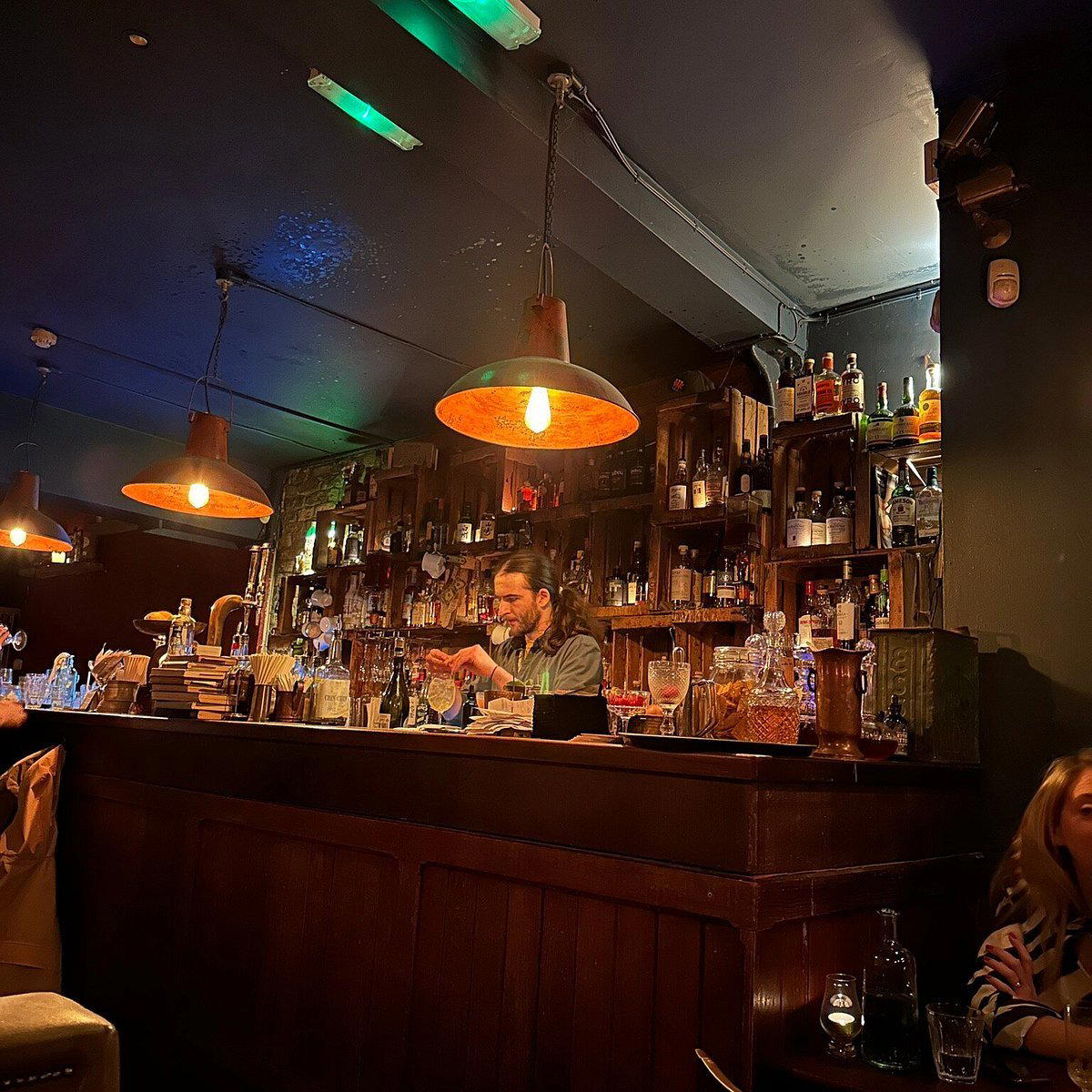
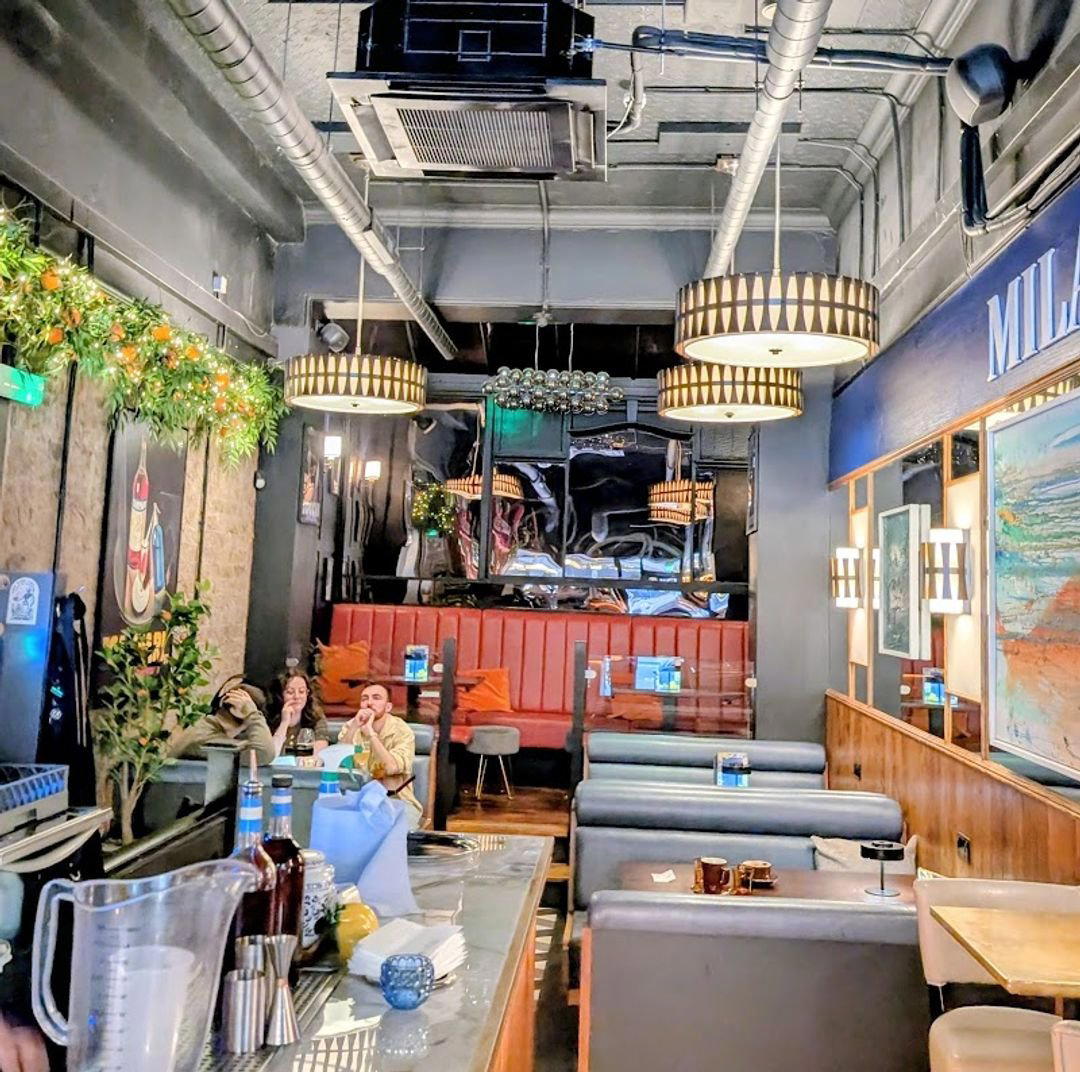
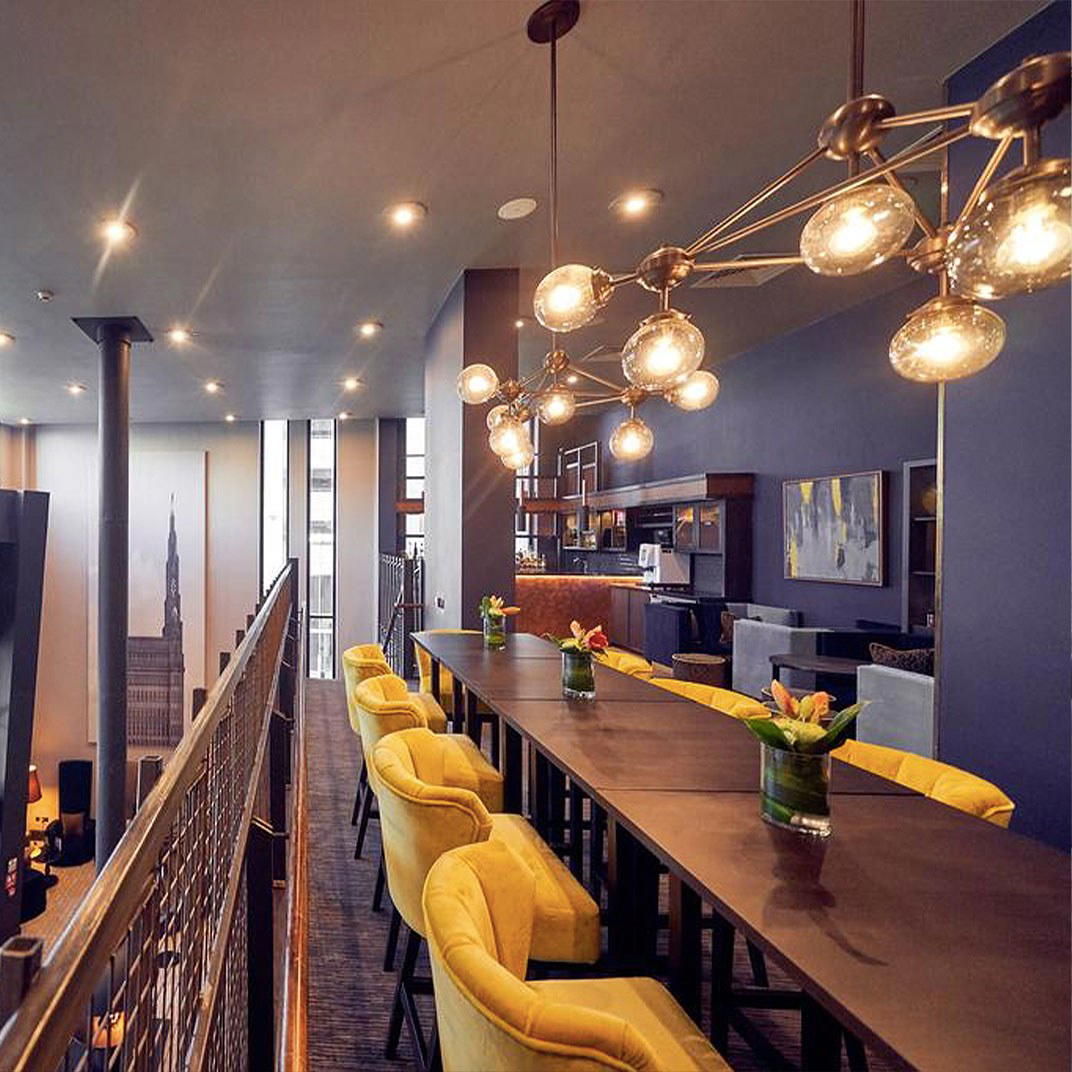
Warm, welcoming, and intimate with elegant modern decor, Northern Soul music, high and low tables creating a comfortable yet sophisticated atmosphere that makes guests feel like family.