
Tabelog 100 #99
Our verdict
Takamatsu’s small-counter dining has a sharper register than the city’s udon reputation suggests, and Koryori Yarn sits squarely in that more exacting tier. The four-seat counter works in a Creative and Italian idiom, with Tabelog 100 Innovative / Creative cuisine recognition in 2025 and pricing that places it well above casual Kagawa meals.

Pearl is the En Primeur Club membership app, where members save venues, book tables and use the concierge.
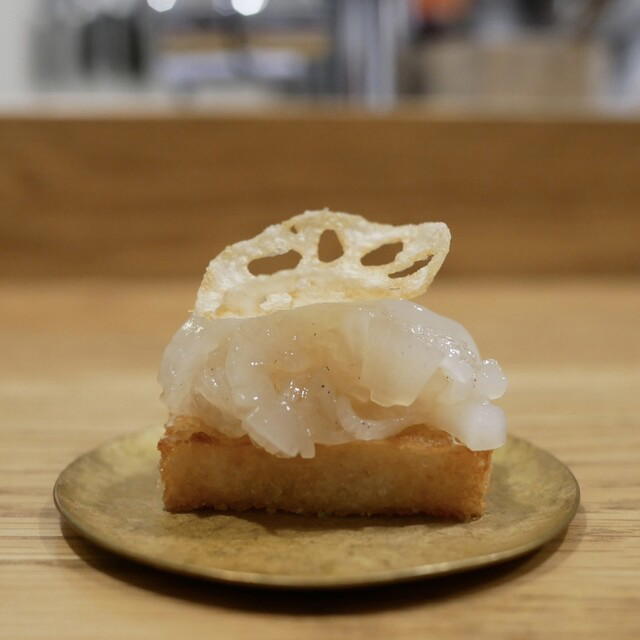
The menu
What to order
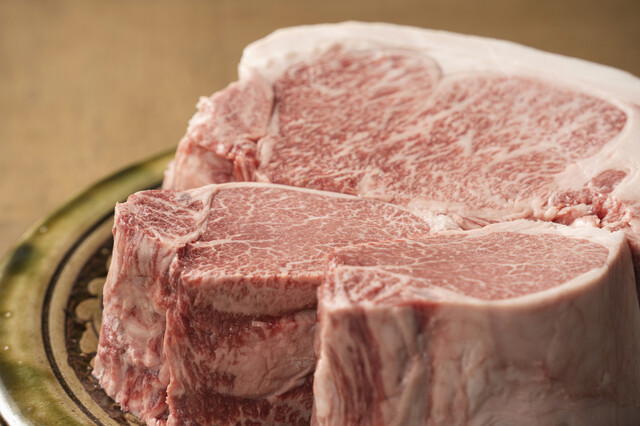
- Olive pork from Kagawa
- Seasonal course menu using Shikoku ingredients
Takamatsu is not only a city of grand dining rooms. It is compact, practical, and closely scaled: station streets, small storefronts, and restaurants where the room matters less than the discipline inside. That scale suits Koryori Yarn. A focused restaurant changes dinner’s social contract; there is little room for vague promises, and every decision must justify its place.
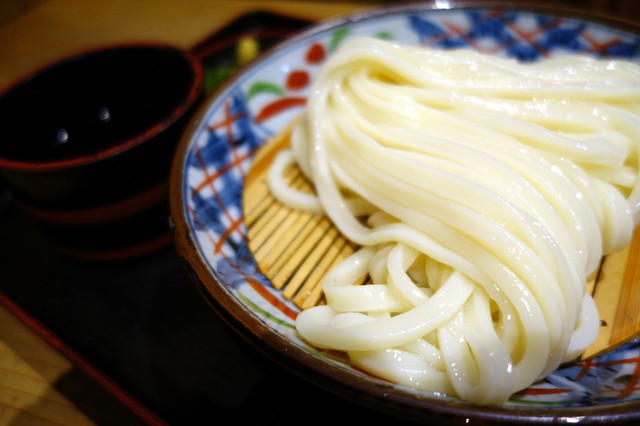
Takamatsu is better known to travelling diners as an udon city, where wheat, dashi, and speed shape everyday rhythm. True, but incomplete. Kagawa’s dining culture also has a smaller, more ambitious register, where meals can move beyond the noodle-shop template into contemporary formats. Koryori Yarn belongs there: listed in Creative and Italian categories rather than orthodox washoku, priced for a planned meal rather than a casual stop between ferries.
A small counter in a city better known for udon
The useful reading is scale. Koryori Yarn’s format makes it one of Takamatsu’s more concentrated dining propositions, closer to a focused cooking room than a broad, conventional restaurant. In a large city, that might signal designed exclusivity; in Takamatsu, it also signals another use of local food culture. The listing places it between Creative and Italian categories without needing to reduce the restaurant to one simple label.
The JPY 10,000 to JPY 14,999 price band for both lunch and dinner separates it from the city’s everyday staples. Kagawa’s casual udon circuit remains one of Japan’s great value propositions, and Takamatsu has many low-cost everyday references. Koryori Yarn is not competing for the same decision. It asks what happens when a city associated with quick, elemental food also supports a restaurant built around a slower, more deliberate meal structure.
That matters because regional Japanese dining no longer divides neatly between tradition and Western influence. Creative and Italian cooking in Japan often works well when the format is allowed to be specific rather than generic. No particular dish needs to be assumed to understand the appeal: a defined price tier, a Takamatsu setting, and categories that let the restaurant sit outside the most expected local idioms.
Recognition that places Takamatsu in Japan's creative-dining conversation
The strongest public signal is Tabelog’s 2025 Hyakumeiten recognition for Koryori Yarn, with the restaurant listed in Creative and Italian categories. Tabelog is not a Michelin-style star system, but in Japan it carries weight among diners tracking regional restaurants, especially outside the largest metropolitan markets. A 3.86 score also places the restaurant in a serious bracket on a platform where high ratings are hard to accumulate.
The recognition says something about Takamatsu. Creative dining in Japan is often discussed through Tokyo, Kyoto, Osaka, and a few destination rural restaurants, yet prefectural capitals are increasingly interesting because their dining scenes are less abstract. In Kagawa, the surrounding region gives restaurants a strong local context. A restaurant in Creative and Italian categories can be part of that context without becoming a tourist-facing showcase.
Compared with nearby Takamatsu references such as 両忘, Peking, Kawafuku Honten, and ミオ・パエーゼ, the distinction is not cuisine alone but intent. Kawafuku Honten sits closer to everyday city eating; Koryori Yarn sits in the planned-dinner lane. Neither is more culturally valuable. The rhythms differ: quick local comfort on one side, focused contemporary dining on the other.
Readers mapping the city should treat this as one node, not the whole story. Takamatsu runs from udon shops to traditional dining rooms, casual counters, and specialist restaurants like this one; Our full Takamatsu restaurants guide is the better frame for seeing those choices side by side. For planning beyond dinner, Our full Takamatsu hotels guide, Our full Takamatsu bars guide, Our full Takamatsu wineries guide, and Our full Takamatsu experiences guide give the city wider travel context.
Who this counter makes sense for
This is a focused-format choice, better understood as a planned meal than a spontaneous everyday stop. It suits diners seeking a more deliberate experience rather than a broad, flexible dining room. The appeal is not breadth of facilities but focus: a Takamatsu restaurant operating in a defined price band and contemporary category.
The practical details matter because format defines the experience. The location is Takamatsu. The listed budget is Dinner: JPY 10,000 - JPY 14,999; Lunch: JPY 10,000 - JPY 14,999. Its public recognition, category, and rating are the more reliable planning anchors than assumptions about amenities, seating, or payment. Travellers should confirm current booking and service details directly before planning around a meal.
For travellers comparing Japanese regional dining formats, useful reference points do not need to be outside Kagawa. Other Takamatsu dining rooms may offer casual comfort, traditional pacing, or familiar regional cooking, while Koryori Yarn occupies a more focused lane. The comparison shows how specific Koryori Yarn is: not a broad Japanese restaurant, not a casual regional stop, but a Takamatsu restaurant where the listed Creative and Italian categories carry the evening.
Frequently asked questions
Is Koryori Yarn child-friendly?
Confirm current child policies directly with the restaurant before booking. It is best understood as a planned Takamatsu dining choice rather than a flexible family dining room.
What's the vibe at Koryori Yarn?
The format is focused and deliberate. In Takamatsu, that reads as a restaurant built for a planned meal rather than a casual drop-in decision.
What should I budget for a meal at Koryori Yarn?
The listed budget is Dinner: JPY 10,000 - JPY 14,999; Lunch: JPY 10,000 - JPY 14,999.
Where is Koryori Yarn located?
Takamatsu.
What's the best way to book Koryori Yarn?
Use the restaurant's official channels and plan ahead. The listed price band and recognition make it a meal worth arranging deliberately rather than treating as a casual last-minute stop.
Comparison Snapshot
Comparable venues by cuisine and price in the same metro.
| Venue | Cuisine | Price | Awards | Notes |
|---|---|---|---|---|
| Koryori YarnThis venue (the venue you are viewing) | Innovative Japanese Koryori Omakase | $100–150 | Tabelog 100 #99 | Not listed |
| Gyoza Ya | Gyoza specialty shop | $10–20 | Tabelog 100 #33 | Takamatsu |
| Udon Sakaeda | Sanuki Udon | $1–10 | Tabelog 100 #42 | Takamatsu |
| Teuchi Udon Hariya | Traditional Sanuki Udon Counter | $10–20 | Tabelog 100 #66 | Takamatsu |
| Teuchi Udon Masuya | Traditional Sanuki Udon | $1–10 | Tabelog 100 #55 | Takamatsu |
| Utsumi Udon | Sanuki Udon | $1–10 | Tabelog 100 #41 | Takamatsu |
Recognition history
Dated appearances from independent guides and award organizations, with the underlying list record or original source where available.
Tabelog 100 #99 · No. 99
Tabelog · Tabelog 100 - Innovative / Creative cuisine - 2025
Continue exploring
More in Takamatsu
Restaurants in Takamatsu
All restaurants in Takamatsu →
Bars in Takamatsu
Browse all →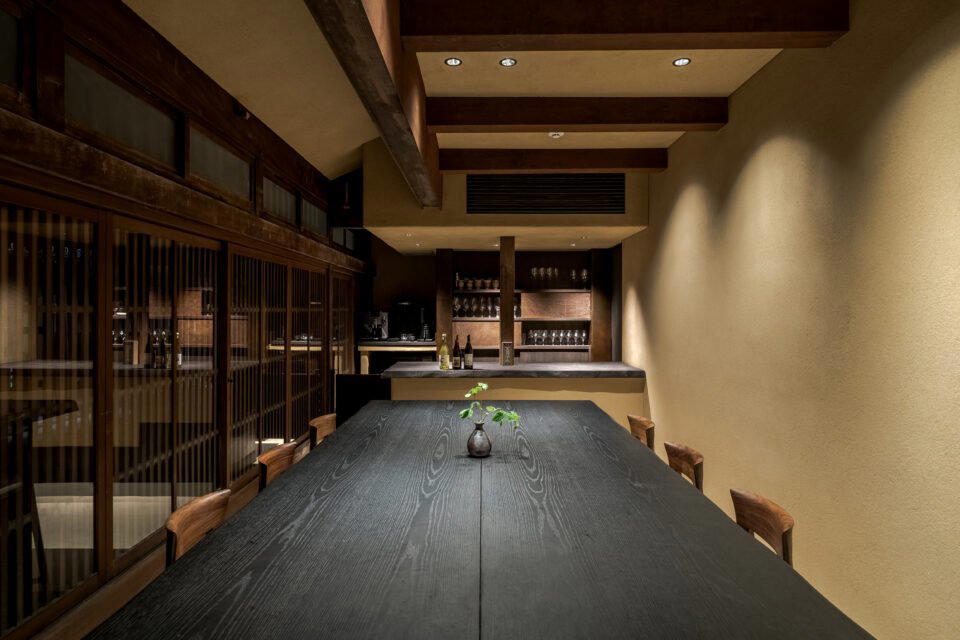

Koryori Yarn
The wine
- Extensive wine list
- Sake program
- Craft cocktails
Details
- Intimate
- Elegant
- Cozy
- Date Night
- Special Occasion
- Celebration
- Business Dinner
- Solo
- Chefs Counter
- Standalone
- Design Destination
- Sake Program
- Craft Cocktails
- Extensive Wine List
- Local Sourcing
- Tasting Menu
- Omakase
- Set Menu
- Counter Dining
- Sake
- Wine
- Cocktails
- Allergy Accommodating
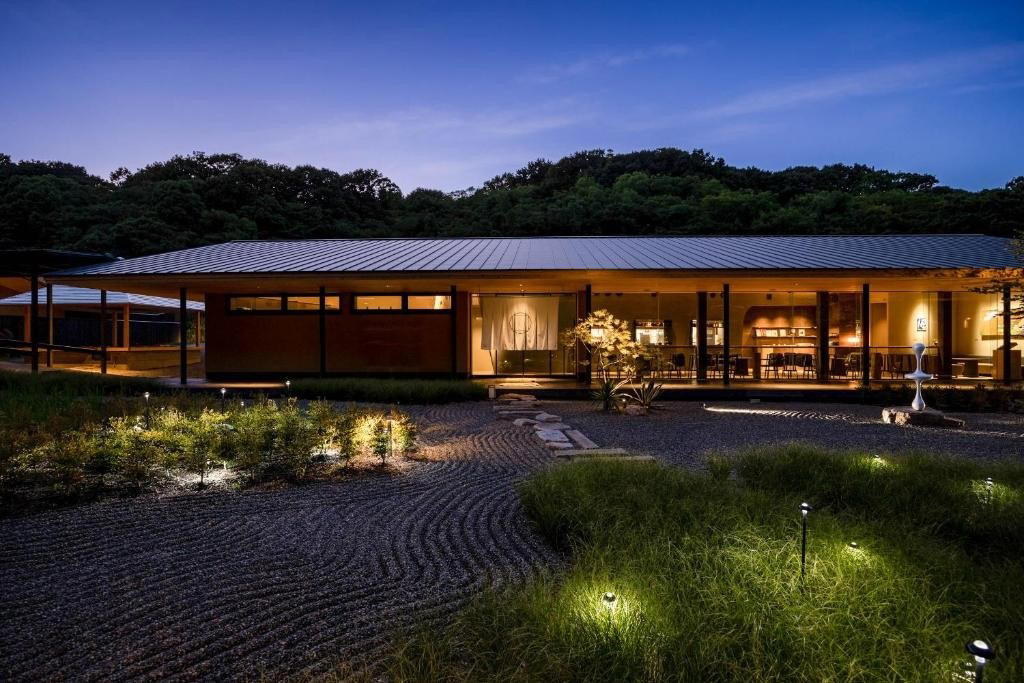
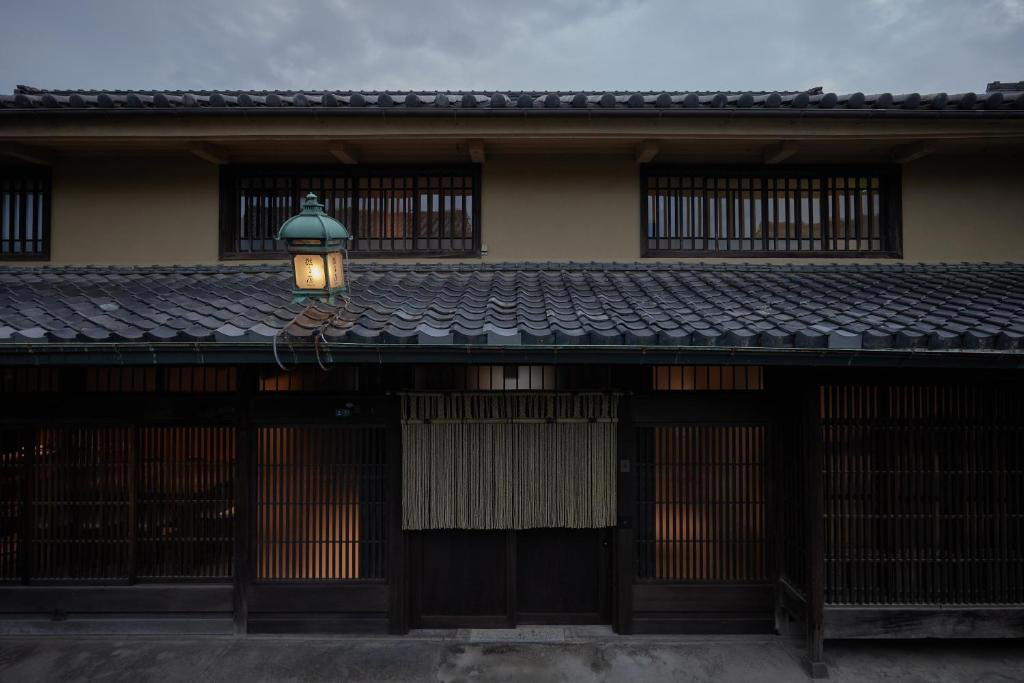
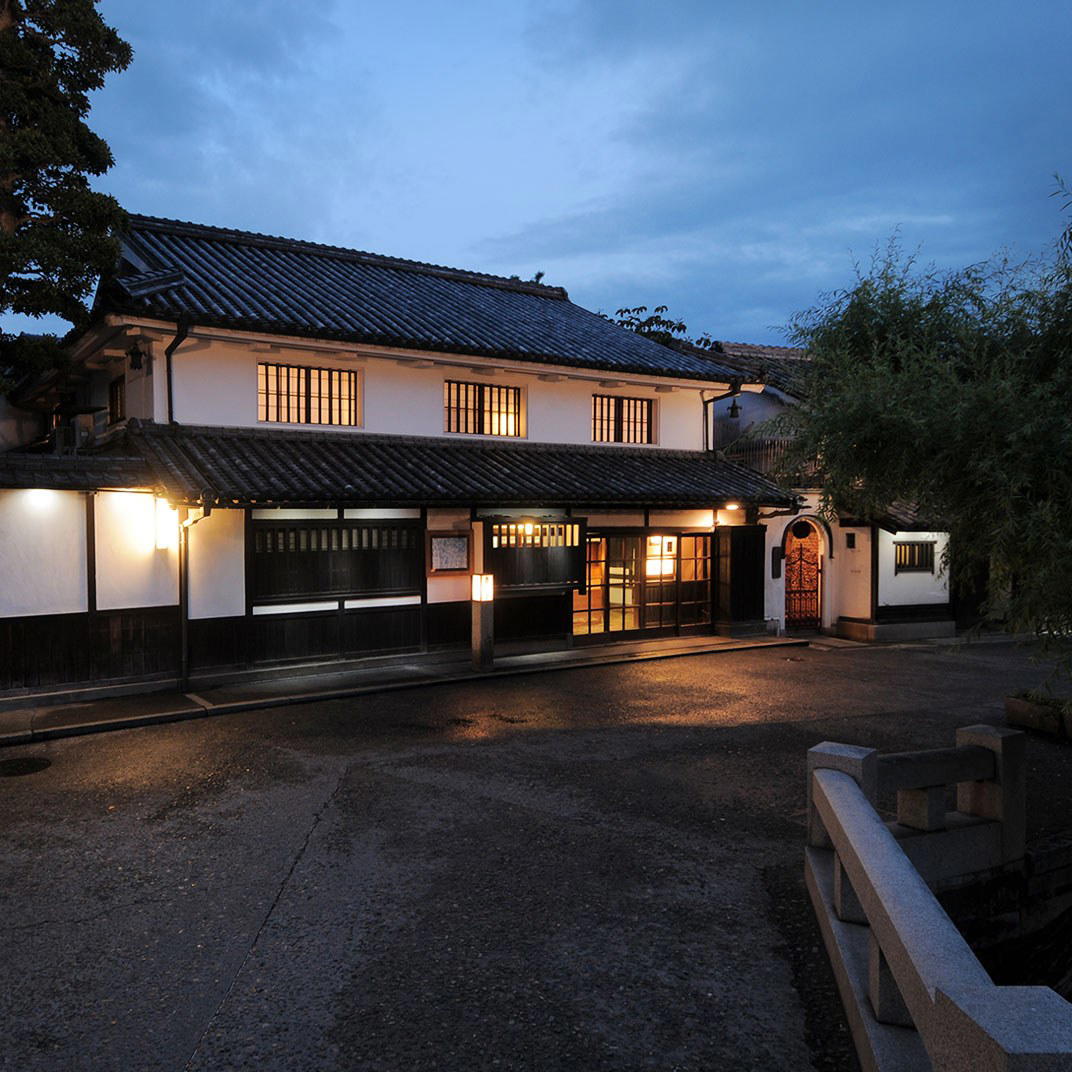
Refined, quietly elegant counter-style atmosphere with an adult-oriented feel, focusing attention on the chef’s cooking and seasonal ingredients rather than on a loud or busy dining room.