Skip to Main Content
Nashville Hot Chicken

Google: 4.3 · 504 reviews

← Collection
Price≈$15
Dress CodeCasual
ServiceCounter Service
NoiseLively
CapacitySmall

400 Degrees sits on Peabody Street in Nashville, a city whose dining scene has shifted from meat-and-three staples toward a more ambitious, sustainability-aware register. With limited public data available, the address alone places it in a neighbourhood conversation worth tracking for travelers who follow where Nashville's next chapter is being written.

Pearl is the En Primeur Club membership app — saves, bookings, and concierge access live there. Same editors, same standards.

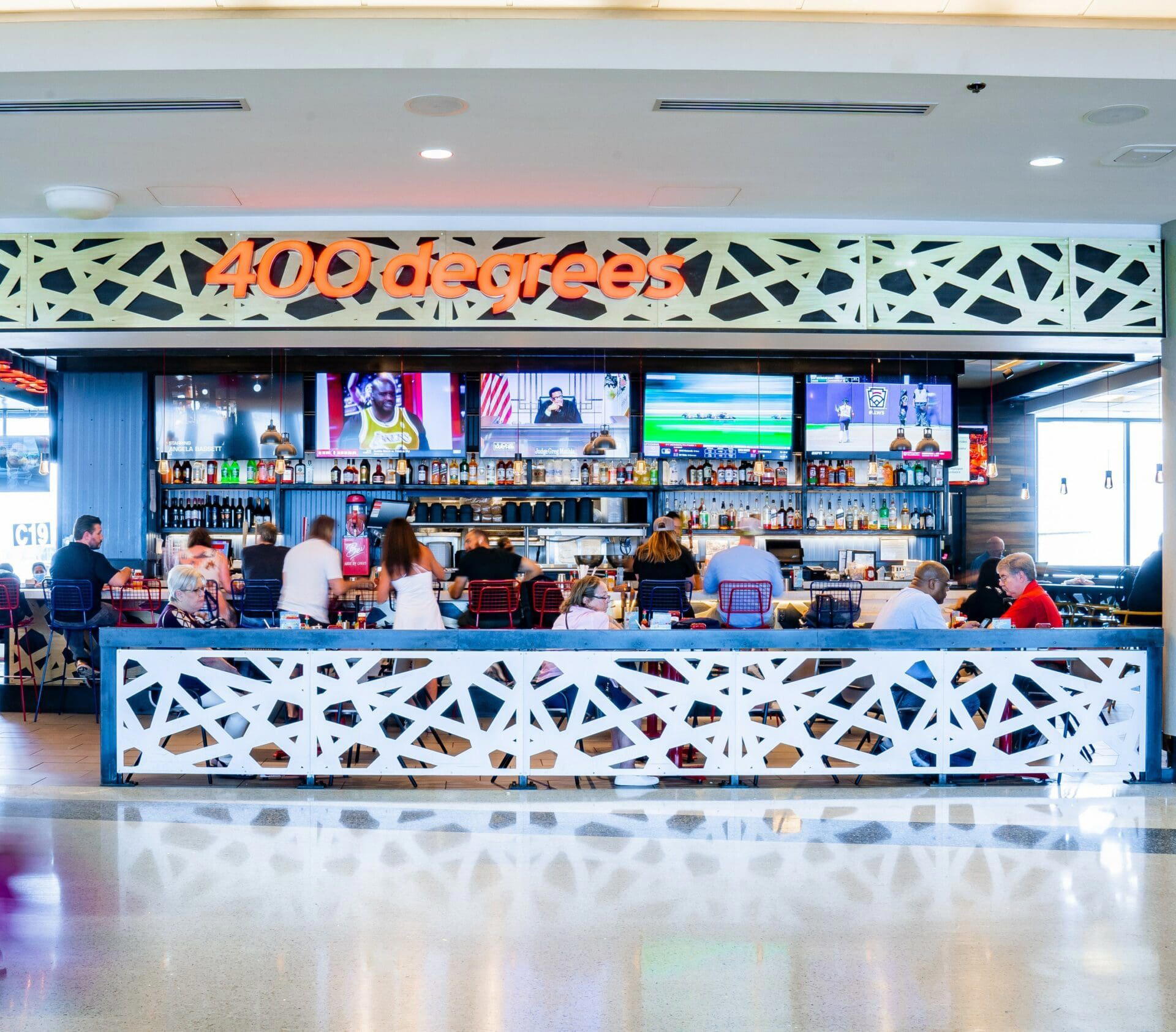
400 Degrees restaurant in Nashville, United States
About

Where Peabody Street Fits Into Nashville's Evolving Dining Map

Nashville's restaurant geography has reorganized itself considerably over the past decade. The honky-tonk corridor still draws foot traffic, but the city's more considered dining choices have migrated toward neighbourhoods that reward intentional exploration. Peabody Street, where 400 Degrees is addressed at number 319, sits south of downtown in a stretch of Nashville that has absorbed both longtime residents and newer operators drawn by lower overhead and a different kind of clientele. In a city where Bastion has made the case for ambitious contemporary cooking in an unconventional space, and where Locust has pushed progressive flavour combinations into the mainstream conversation, addresses like this one carry context. They signal a venue operating outside the obvious tourist circuit, which in Nashville increasingly means operating for the city itself.

That shift matters to travelers who want to eat where Nashville actually eats, rather than where Nashville performs itself for visitors. The south-of-downtown corridor has attracted operators who are less interested in neon-sign aesthetics and more focused on the kind of food that reflects where American dining is heading: sourcing with accountability, formats that respect the ingredient as much as the plate, and a relationship with the local food economy that goes beyond menu copy. Understanding 400 Degrees requires understanding that context first.

Nashville and the Sustainability Conversation in American Dining

Across American cities, the most consequential shift in restaurant culture over the past fifteen years has not been a technique or a cuisine — it has been sourcing ethics. Restaurants that once distinguished themselves through luxury ingredients have increasingly found that the provenance story matters as much as the product itself. This is the framework in which venues like Blue Hill at Stone Barns in Tarrytown built their reputations, and it is the same framework that has filtered down from destination dining into everyday neighbourhood operations. Single Thread Farm in Healdsburg and Lazy Bear in San Francisco represent the high-investment end of that spectrum, where farm integration and waste reduction become structural commitments rather than marketing language.

Nashville is not immune to this shift. The city's dining scene, long defined by barbecue traditions, hot chicken, and the meat-and-three format, has developed a secondary tier of operators who take ingredient transparency seriously. The question with any newer Peabody Street address is where it positions itself along that spectrum: whether it treats sustainability as a point of differentiation or as an operating baseline. The distinction matters because it determines what kind of supply chain relationships the kitchen maintains, what seasonal flexibility looks like on the menu, and how the venue responds when a particular ingredient is unavailable or out of season.

For context across the national scene, Providence in Los Angeles has built a long record around sustainable seafood sourcing, while Addison in San Diego integrates regional California agriculture into a fine-dining format. In the South, that conversation is evolving at its own pace, shaped by different agricultural traditions, different supply chains, and a dining public that is increasingly asking the same questions its counterparts in coastal cities have been asking for years.

Placing 400 Degrees in Nashville's Competitive Register

Nashville's current dining tier structure runs from the ambitious tasting-menu format represented by The Catbird Seat down through neighbourhood-anchored operators like 12 South Taproom and Grill, with a meaningful middle layer of venues that have carved out specific identities without chasing awards or press cycles. Peninsula demonstrates how Southern American cooking can carry weight in that middle tier without sacrificing ambition.

400 Degrees, at its Peabody Street address, occupies a part of the city where the pressure to perform for a tourist audience is lower. That can be an asset: kitchens operating without the overhead of a high-visibility location often have more latitude to make sourcing decisions that prioritize ethics over cost efficiency, to change the menu when supply dictates it, and to develop relationships with producers that require longer commitment horizons. Whether 400 Degrees has taken that latitude and applied it in a sustainability-forward direction is a question the venue's own public record will need to answer as more information becomes available. What the address implies is at least the possibility of that kind of operation.

For travelers calibrating Nashville against other American dining cities, it is worth noting that cities like New York, Chicago, and Washington have had longer to develop their sustainability-aware dining cultures. Atomix in New York City and Alinea in Chicago represent the technical extreme of the American fine-dining spectrum, while The Inn at Little Washington has long emphasized its regional Virginia sourcing as a defining characteristic. Le Bernardin in New York City and Emeril's in New Orleans each represent a different relationship between chef reputation and ingredient sourcing philosophy. Nashville, and specifically its south-side operators, is working through a version of the same questions those cities resolved in earlier cycles. That makes this a moment worth paying attention to for anyone tracking where Southern dining is heading. For a broader orientation, our full Nashville restaurants guide maps the current scene across neighbourhoods and formats.

Planning a Visit: What to Know Before You Go

319 Peabody Street places 400 Degrees in a part of Nashville that is walkable from parts of the Gulch and accessible by ride-share from downtown without significant transit friction. Because phone, website, hours, and booking method are not publicly confirmed in available records, travelers should verify current operating details directly before building an itinerary around this address. This is not unusual for neighbourhood operators who update their presence through social media rather than maintaining formal web infrastructure. The practical approach is to check current platforms for hours confirmation and any reservation requirements before visiting, particularly on weekend evenings when south Nashville venues tend to fill without much advance notice. Price range and dress code details are similarly unconfirmed, which suggests a relaxed format — but that should be verified rather than assumed.

Signature Dishes
Leg QuarterBreast QuarterWings
Frequently asked questions

A Pricing-First Comparison

A quick peer check to anchor this venue’s price and recognition.

At a Glance
Vibe
  • Lively
  • Casual
Best For
  • Casual Hangout
Experience
  • Standalone
Dress CodeCasual
Noise LevelLively
CapacitySmall
Service StyleCounter Service
Meal PacingQuick Bite

Casual, no-frills hot chicken spot with a focus on bold, spicy flavors in a lively takeout-friendly setting.

Signature Dishes
Leg QuarterBreast QuarterWings