20° RESTOBAR


A Michelin Plate-recognised Spanish contemporary restobar at Mutter-Ey-Platz in Düsseldorf's Altstadt fringe, 20° RESTOBAR holds consecutive Michelin Plate acknowledgements for 2024 and 2025. Priced at the €€ tier, it occupies an accessible position in a city dominated by starred French and fusion formats. For Iberian-influenced cooking in a city short on Spanish options, it earns its place on any considered itinerary.
Pearl is the En Primeur Club membership app — saves, bookings, and concierge access live there. Same editors, same standards.
- Address
- Mutter-Ey-Platz 3, Neubrückstraße, 40213 Düsseldorf, Germany
- Phone
- +49 172 8902320
- Website
- speisekartenweb.de
- Directions
- Get directions
 Saves & bookings on Pearl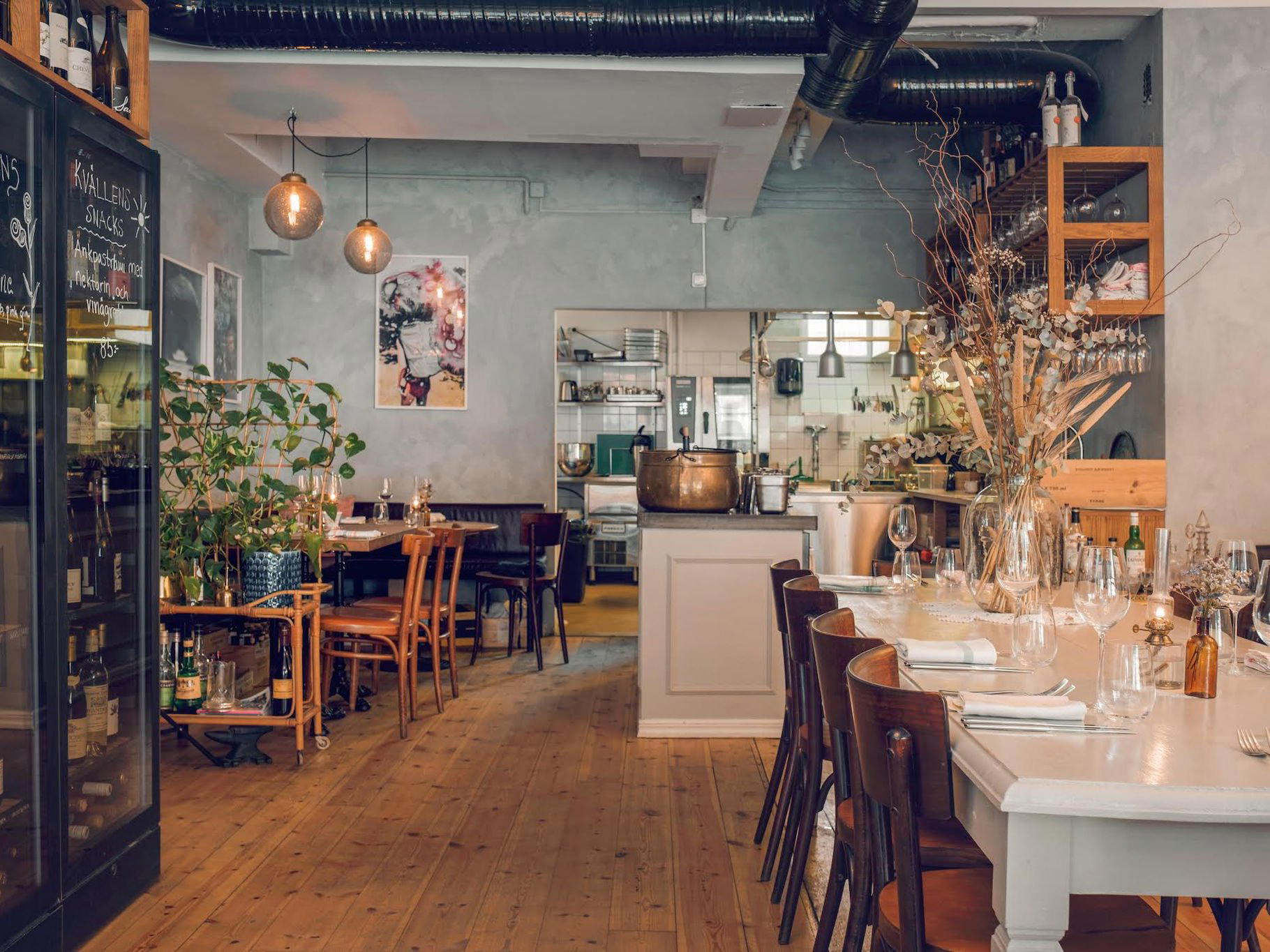
Spain in the Rhine: How Iberian Cooking Finds Its Footing in Düsseldorf
Düsseldorf's dining identity has long been anchored by German classics and a cluster of high-investment French and contemporary European formats. The city's Michelin-starred tier, represented by addresses such as Im Schiffchen, 1876 Daniel Dal-Ben, Jae, and LA VIE by thomas bühner, sits almost entirely in the €€€€ bracket. Spanish contemporary cooking occupies a narrower lane in this city, and 20° RESTOBAR, positioned at Mutter-Ey-Platz 3 on the Altstadt fringe, represents one of the few addresses in that lane to receive formal Michelin recognition. Consecutive Michelin Plate awards in 2024 and 2025 signal that the kitchen is producing food worth tracking, even if it has not yet crossed into star territory.
Mutter-Ey-Platz itself sits at the edge of the old town, far enough from the tourist-heavy Bolkerstraße corridor to attract a local crowd but close enough to the Rhine promenade to pull visitors who do their research in advance. The square carries associations with early twentieth-century Düsseldorf bohemian culture, and the address gives the restobar a slightly different character from the glass-and-concrete venues clustered near the Medienhafen. At €€, it also occupies a different price position from the starred neighbours, making it accessible for a mid-week dinner rather than a special-occasion reservation.
The Curing Tradition Behind Spanish Contemporary Menus
To understand why Spanish contemporary cooking carries a distinct identity in Germany's dining scene, it helps to trace what that cuisine actually carries with it. The foundations of the Spanish table are older and more specific than the general category of "Mediterranean cuisine" suggests. Jamón ibérico and jamón serrano are not garnishes or afterthoughts; they represent centuries of agricultural and gastronomic tradition rooted in the dehesa — the oak-forested pastures of Extremadura, Andalusia, and Salamanca where Ibérico pigs range freely and are finished on acorns before slaughter.
The curing process itself is a study in controlled time and environment. A jamon ibérico de bellota from the highest classification tier will spend a minimum of three years in a secadero, losing moisture slowly in a temperature-graduated process that concentrates fat, deepens flavour, and develops the marbled, translucent appearance that distinguishes the finest legs. The fat at these quality levels is genuinely different from any other cured product: high in oleic acid due to the acorn diet, it melts at close to body temperature and coats the palate in a way that has no direct equivalent in German or French charcuterie traditions.
In Spain, the serving of jamón is itself a ritual: the jamonero locks the leg into a stand called a jamonera, and the cortador works lengthwise across the maza — the meatier side, producing wafer-thin slices of even width that are traditionally served at room temperature, never refrigerated after cutting. The correct serving temperature is the difference between a plate of jamón that performs and one that simply sits. This kind of disciplinary specificity is what separates Spanish contemporary kitchens that take the Iberian pantry seriously from those that treat it as a flavour shortcut.
In a European context, venues that engage seriously with this tradition, whether in Spain, Germany, or further afield, tend to use the curing craft as a starting point for a broader editorial on the Spanish larder: Manchego at various ages, pimentón de la Vera, preserved peppers from Lodosa, Arbequina oil from the Priorat. Spanish contemporary cooking, at its most coherent, is less about novelty and more about articulating why those raw materials need no improvement, only presentation. For a comparative reference point of how Spanish contemporary translates across borders, Molino de Urdániz in Taipei and El Jardín de Orfila in Madrid offer useful benchmarks in very different contexts.
What the Michelin Plate Signals in the Current German Context
The Michelin Plate, introduced as a formal category distinct from stars and Bib Gourmand, identifies restaurants where the inspectors found food of a consistent quality worth acknowledging, without awarding full star status. In Germany's competitive Michelin landscape, home to addresses like Aqua in Wolfsburg, Schwarzwaldstube in Baiersbronn, Vendôme in Bergisch Gladbach, ES:SENZ in Grassau, JAN in Munich, and CODA Dessert Dining in Berlin, the Plate carries more weight as a signal of kitchen consistency than casual readers sometimes assume. It is awarded annually, so two consecutive Plates for 2024 and 2025 at 20° RESTOBAR indicate that the quality has held rather than peaking once.
For a Spanish contemporary venue in a city where the category has little competition, back-to-back Plate recognition also implies that the inspectors are returning, which itself speaks to reliability over spectacle. Michelin does not award Plates to venues that produce one strong season; the expectation is that the food performs across multiple visits and over time.
Finding 20° RESTOBAR: Approach and Practicalities
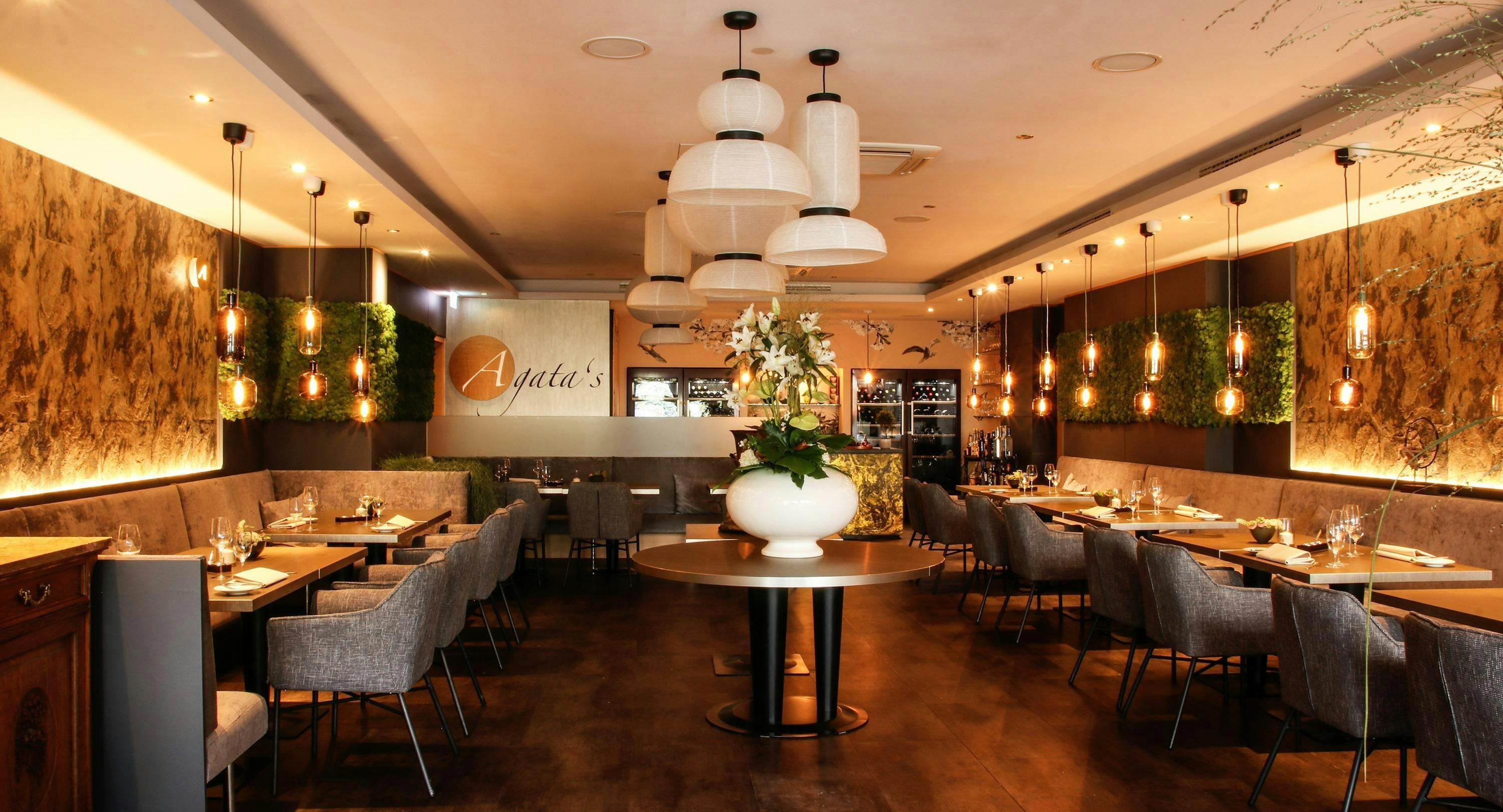
20° RESTOBAR sits at Mutter-Ey-Platz 3, Neubrückstraße, in the 40213 postal zone, central Düsseldorf, close to the Altstadt and within walking distance of the Rhine embankment. The €€ price positioning means this is a venue where a full dinner with drinks remains accessible relative to the city's starred tier, most of which operates at €€€€. For context within Düsseldorf's wider dining scene, Agata's represents another independently-minded address in the city worth noting in the same visit window.
Given the consecutive Michelin recognition, booking ahead is advisable, particularly for Thursday through Saturday evenings when Altstadt-area footfall increases substantially. The restobar format, a hybrid of restaurant service and bar programming common in Spanish hospitality, typically allows for more flexible drop-in culture at the bar than the dining room proper, though this is subject to specific house policy.
For those building a longer Düsseldorf itinerary, the EP Club's full Düsseldorf restaurants guide covers the complete range of tracked venues across all price tiers, alongside the Düsseldorf hotels guide, bars guide, wineries guide, and experiences guide.
A Pricing-First Comparison
| Venue | Cuisine | Price | Awards |
|---|---|---|---|
| 20° RESTOBARThis venue — the venue you are viewing | Spanish Contemporary | €€ | Michelin Plate (2025); Michelin Plate (2024) |
| Im Schiffchen | Contemporary European, Classic Cuisine | €€€€ | Michelin 1 Star |
| 1876 Daniel Dal-Ben | Creative | €€€€ | Michelin 1 Star |
| Jae | Fusion | €€€€ | Michelin 1 Star |
| Le Flair | Mediterranean Cuisine | €€€ | Michelin 1 Star |
| Nagaya | Japanese | €€€€ | Michelin 1 Star |
Recognition history
Dated appearances from independent guides and award organizations, with the underlying list record or original source where available.
Falstaff Bar - 88 Falstaff Points
Falstaff
Michelin Plate
Michelin · 2026 Michelin Plate
Michelin Plate
Michelin
Michelin Plate
Michelin
Continue exploring
More in Düsseldorf
Restaurants in Düsseldorf
Browse all →
Bars in Düsseldorf
Browse all →
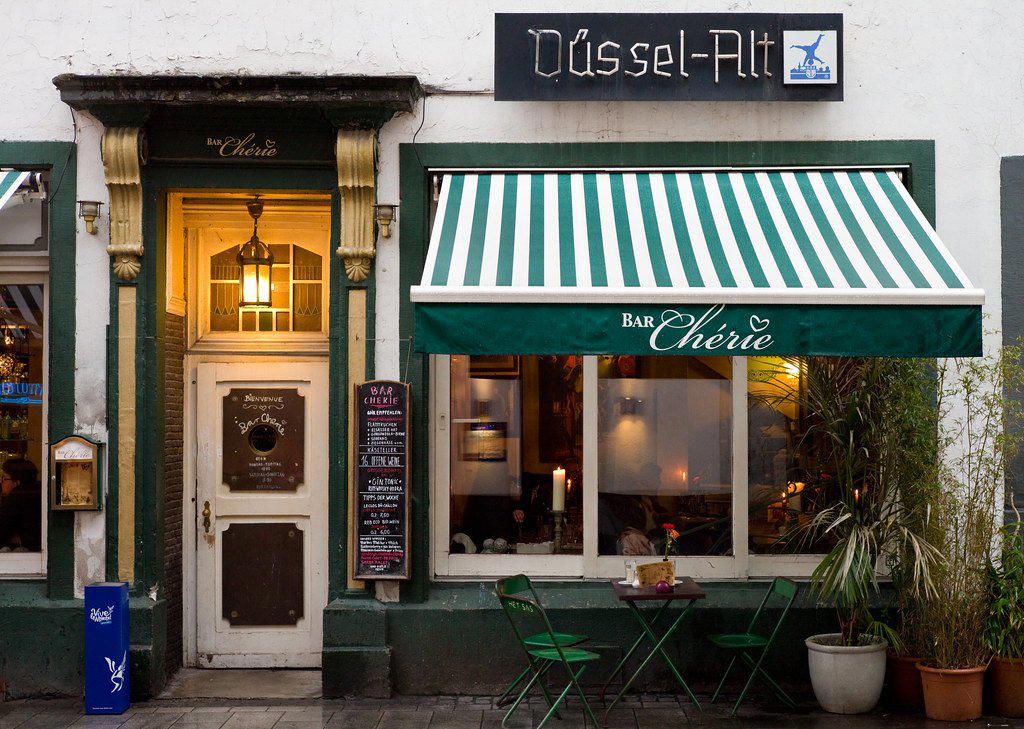
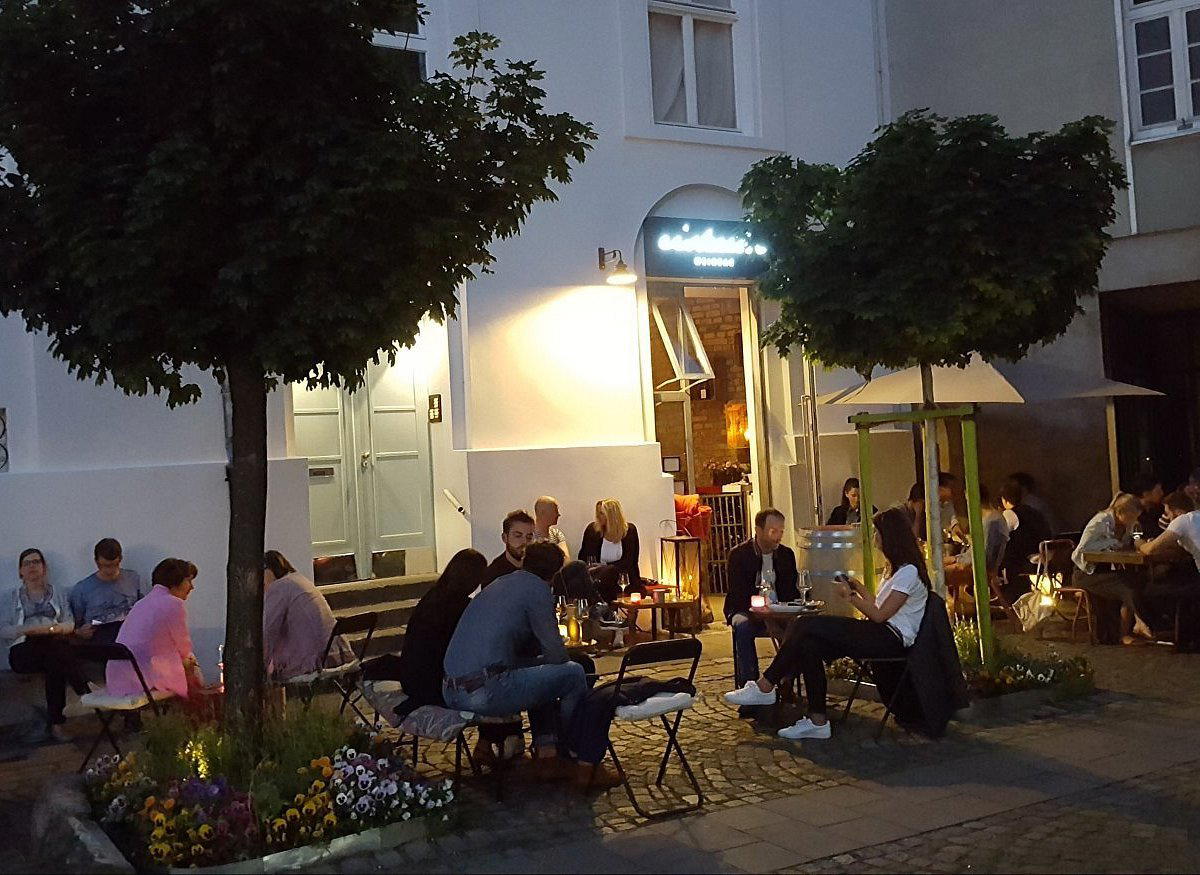
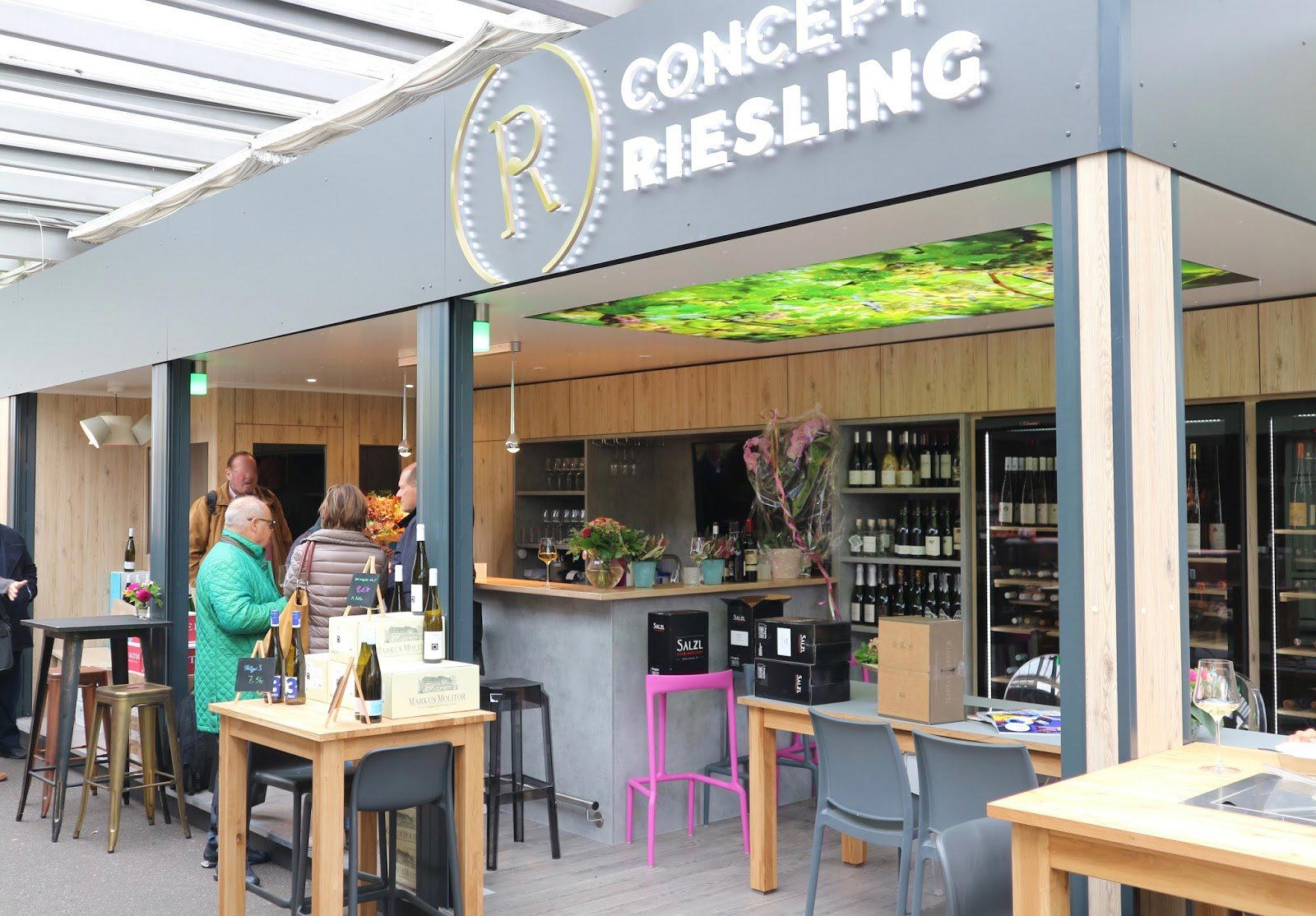
Hotels in Düsseldorf
Browse all →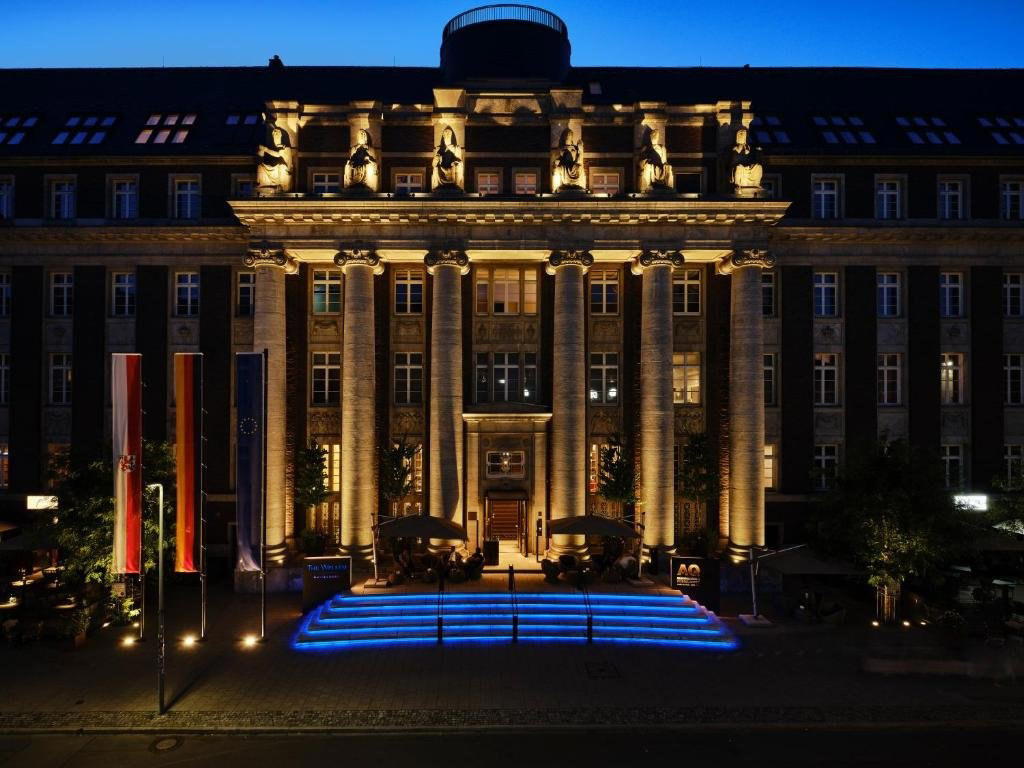
Wineries in Düsseldorf
Browse all →
At a Glance
- Lively
- Modern
- Elegant
- Trendy
- Date Night
- Group Dining
- Casual Hangout
- Terrace
- Courtyard
- Open Kitchen
- Craft Cocktails
Current opening hours
- Monday
- 6 p.m.–12 a.m.
- Tuesday
- 5 p.m.–1 a.m.
- Wednesday
- 5 p.m.–1 a.m.
- Thursday
- 5 p.m.–1 a.m.
- Friday
- 5 p.m.–1 a.m.
- Saturday
- 12:30 p.m.–1 a.m.
- Sunday
- Closed
Hours can change for holidays and private events. Last verified .
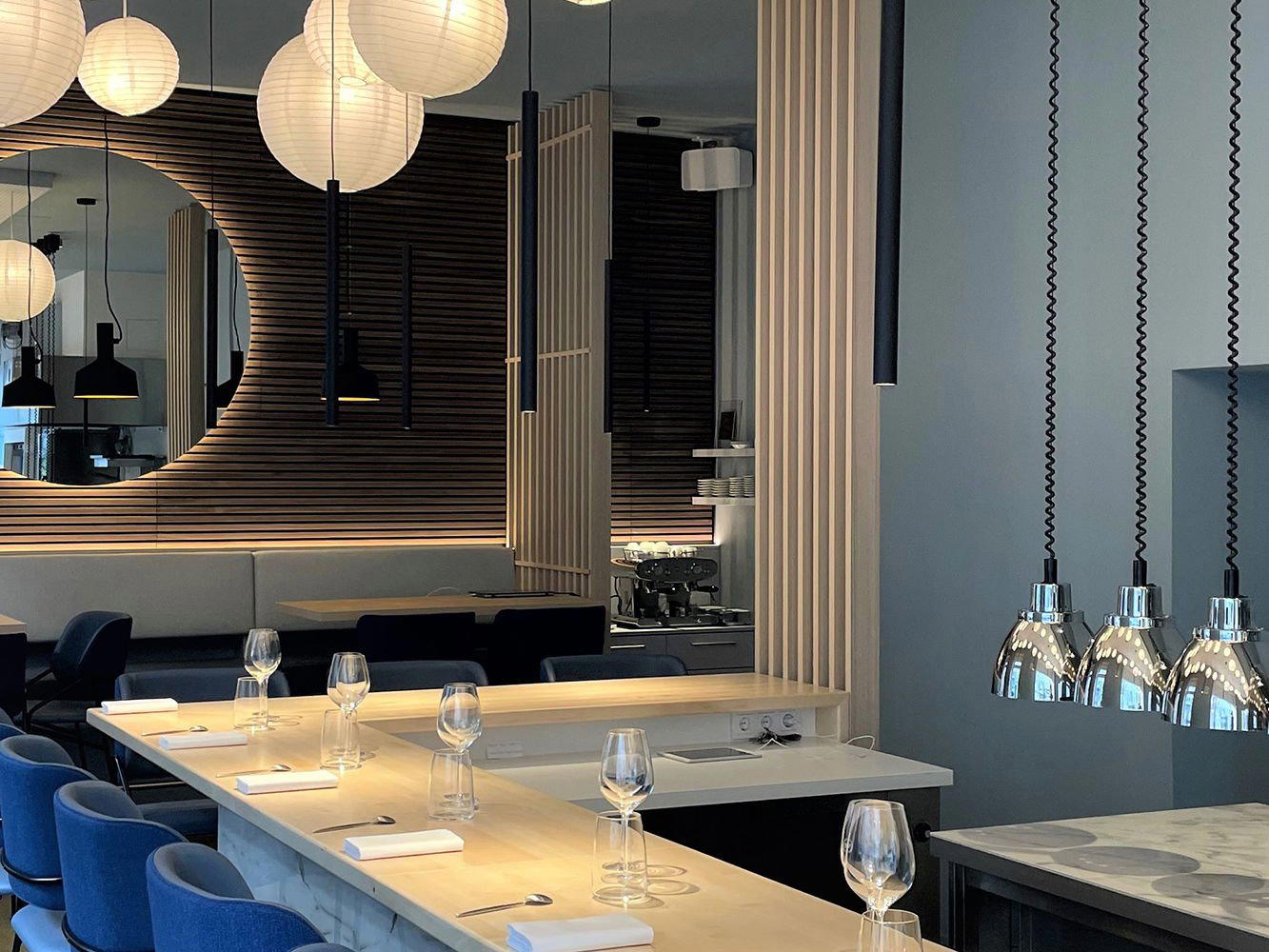
Pleasantly lively atmosphere with modern, stylish decor, cozy inner courtyard, and terrace lighting for a Mediterranean feel.
Know Before You Go
- Getting there
- Mutter-Ey-Platz 3, Neubrückstraße, 40213 Düsseldorf, Germany