Our verdict
1929 sits in Paris’s 16th arrondissement at a private-area address on Avenue de la Porte Molitor, a setting that places it away from the city’s usual restaurant circuits. With no public cuisine category, chef, price range, hours, or awards listed in the available record, the useful reading is contextual: this is a discreet Paris address to assess through setting, access, and sourcing questions before booking.

Pearl is the En Primeur Club membership app — saves, bookings, and concierge access live there. Same editors, same standards.
The menu
What to order
- French poultry club sandwich
- Caesar salad (vegetarian / vegan variations)
Behind the Gates of Western Paris
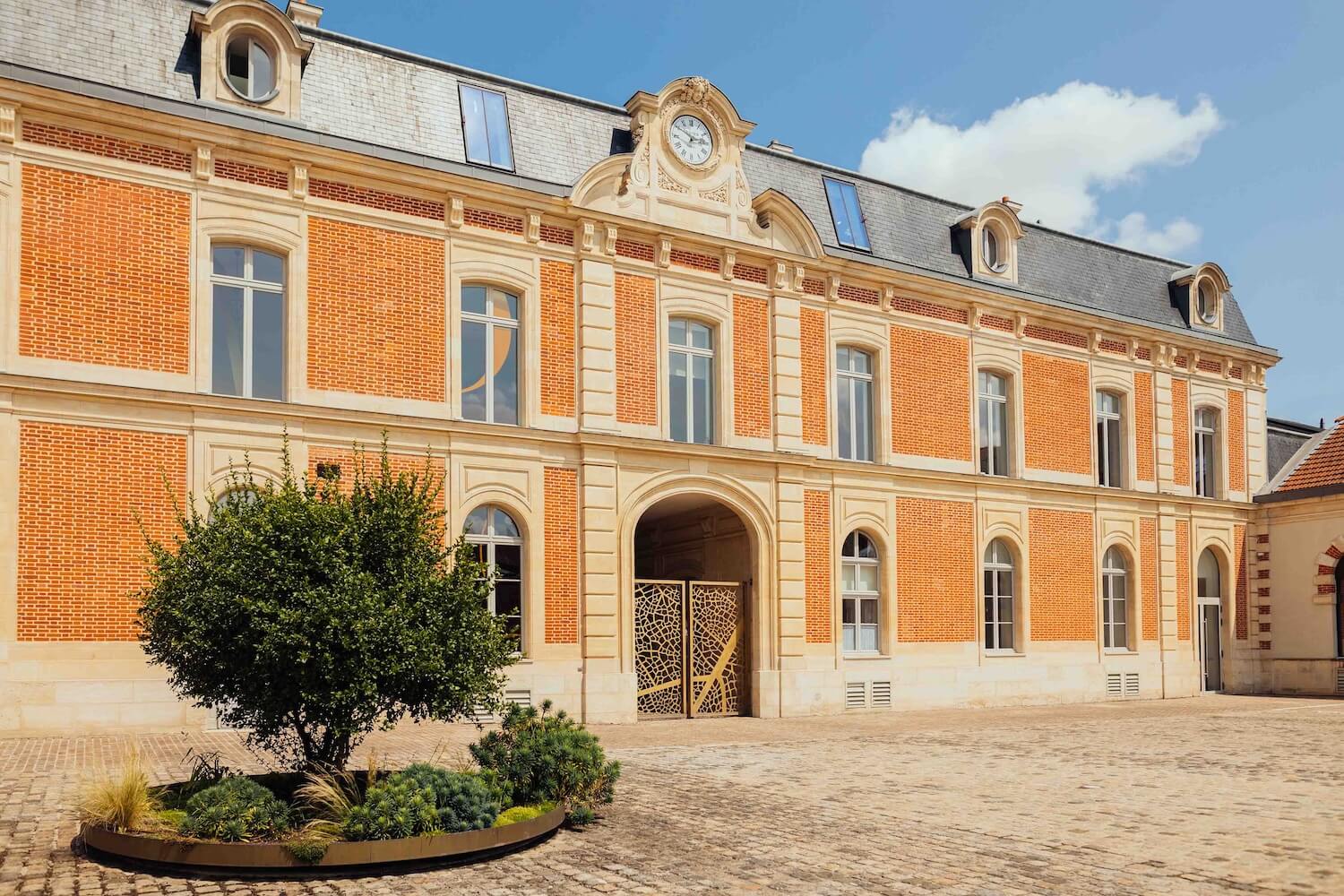
Approaching Avenue de la Porte Molitor means entering a different Paris from the postcard axis of grand dining. The 16th arrondissement is broad, residential, and controlled in rhythm: embassies, private clubs, stadium edges, apartment blocks with deep courtyards, and streets that feel designed for arrival rather than wandering. 1929 is listed at 16 Av. de la Prte Molitor, 75016 Paris, with the additional note “private area,” and that detail matters more than any decorative adjective. In a city where restaurant identity is often announced through a glowing frontage, a terrace line, or a maître d’ visible from the pavement, a private-area address changes the contract. The first question is not what to order, but how the place is accessed, what level of privacy shapes the room, and how much of the experience depends on prior arrangement.
Paris dining usually rewards visibility. The grand hotel tables near the Champs-Élysées, the Left Bank vegetable temples, and the Marais institutions all trade partly on public presence. A private address in the 16th works differently. It belongs to a quieter category of Paris hospitality in which setting and discretion carry as much weight as menu language. The available record for 1929 does not list cuisine type, chef, price range, hours, phone number, website, awards, seat count, or booking method. That absence should not be dressed up as mystery. It should be read as a practical warning and an editorial clue: the planning burden sits with the diner, and the meal cannot be judged in advance by the usual signals of Michelin stars, published menus, chef lineage, or tasting-menu price.
Sourcing Is the Question to Ask First
The assigned lens for 1929 is ingredient sourcing, and Paris is a useful city for that discussion because sourcing is not a decorative concern here. It is the grammar of serious cooking. The capital’s restaurant culture has long depended on a chain of producers, fishmongers, market specialists, butchers, affineurs, bakers, and vegetable growers feeding kitchens that range from palace dining rooms to spare counter restaurants. When a restaurant publishes its suppliers, the reader can place it within a known French hierarchy: line-caught fish from Atlantic ports, poultry from Bresse, vegetables from Île-de-France growers, cheeses from named affineurs, citrus and herbs chosen for season rather than spectacle. When those details are not available, the intelligent move is to ask before committing, especially at a private-area address where walk-in assessment is unlikely.
That sourcing question is not snobbery. It affects what sort of Paris meal the diner is actually buying. A kitchen built around market purchasing behaves differently from one built around imported luxury markers. A room focused on private entertaining may value consistency, controlled service, and recognizable products. A chef-led contemporary French table may place more emphasis on short seasonal windows and visible producer relationships. Since 1929’s record does not identify cuisine or chef, no specific ingredient claim can be made. The useful comparison is structural: in Paris
For reference, ingredient-led Paris dining can take several forms. Arpège (Creative) is inseparable from the city’s vegetable conversation, while Alléno Paris au Pavillon Ledoyen (Creative) belongs to the polished, high-investment end of the capital’s contemporary dining spectrum. Kei (Contemporary French, Modern Cuisine) shows how Paris absorbs non-French technique into a French luxury framework, and L'Ambroisie (French, Classic Cuisine) remains a reference point for classical formality. Le Cinq - Four Seasons Hôtel George V (French, Modern Cuisine) represents the palace-hotel model, where service infrastructure is part of the proposition.
The 16th Arrondissement Context
The western edge of Paris has a dining personality distinct from the centre. The 16th arrondissement is not short on money, but its restaurant culture is less performative than the Right Bank luxury corridor and less bohemian than the eastern neighbourhoods that drive much of the city’s natural-wine and small-plates conversation. Around Porte Molitor, the urban references are sport, private residences, and institutional Paris rather than the dense café theatre of Saint-Germain-des-Prés or the market energy around Aligre. That geography shapes expectations. A meal here is likely planned, not accidental. It is less about drifting in after gallery hours and more about a fixed address, an arranged evening, and a group that knows where it is going.
This matters for travellers because Paris can mislead through its restaurant shorthand. A central postcode does not guarantee better cooking, and a western private address does not automatically mean a grand formal table. The difference lies in evidence. Publicly documented restaurants let diners assess cuisine, chef, awards, price, and reservation difficulty before spending time or social capital on a booking. That makes it unsuitable for travellers who need a clearly defined French tasting menu, a published à la carte structure, or award-backed certainty. It may suit diners already connected to the venue or those comfortable confirming the meal format directly.
How to Read the Missing Signals
In restaurant writing, absence is often more revealing than description. No listed awards means there is no basis here to connect 1929 to Michelin, World’s 50 Best Restaurants, or other formal recognition. No listed chef means the kitchen cannot be assessed through training history or prior addresses. No listed cuisine type means the page cannot responsibly call it French, contemporary, creative, or international. No listed price range means travellers should avoid assuming either value or luxury. No listed hours or booking method means the practical step is direct verification before arranging transport across the city.
That is not a dismissal. It is a different kind of recommendation logic. Paris has many rooms that function through networks, members, private events, or limited-access formats, and they do not always publish the same information as a restaurant competing for global visitors. But an EP Club reader should not be asked to accept opacity as quality. The better standard is simple: if the venue cannot provide sourcing detail, menu format, price guidance, and access instructions in advance, it is not the right choice for a tightly scheduled Paris dining night. If those details are confirmed privately, the address becomes more viable, especially for diners staying in western Paris or arranging a meal near the Porte Molitor side of the city.
Paris Comparisons Beyond the Capital
French destination dining has a strong rural and regional counterweight to Paris. Travellers who choose a private Paris address over a documented destination table should understand what they are trading. Flocons de Sel in Megève ties mountain location to regional produce and resort-season travel. Troisgros - Le Bois sans Feuilles in Ouches sits inside a long family history of French modern cooking. Mirazur in Menton draws meaning from the borderland between sea, garden, and the Italian frontier. Paul Bocuse - LAuberge du Pont de Collonges in Collonges-au-Mont-dOr belongs to the old Lyonnais model of grande cuisine as national memory.
Other French references sharpen the same point. Bras in Laguiole is inseparable from Aubrac; Auberge de l'Ill in Illhaeusern reflects Alsace’s deep restaurant tradition; La Table du Castellet in Le Castellet connects Provençal setting with high-form dining; Auberge du Vieux Puits in Fontjoncouse shows how remote locations can build national pull through cooking rather than foot traffic. Georges Blanc in Vonnas and Le 1947 à Cheval Blanc in Courchevel represent two different forms of French luxury: family-rooted village hospitality and Alpine palace precision. In that context, a private Paris address must earn confidence through information, because it does not automatically carry the narrative force of place that these regional houses do.
Internationally, the same sourcing and documentation question appears in different forms. Benu in San Francisco sits in a city where tasting-menu culture often speaks through technique and cross-cultural reference, while Le Bernardin in New York City is tied to seafood discipline and a long-established service model. These comparisons are not substitutes for Paris, but they clarify the reader’s decision. Published credentials, cuisine identity, and format make a restaurant easier to assess across borders. 1929, from the supplied data, remains an address-led proposition rather than a fully legible restaurant proposition.
Planning a Meal at 1929
Planning should start with the address: 16 Av. de la Prte Molitor, 75016 Paris, in a private area. Because no phone number, website, booking method, opening hours, dress code, seat count, price range, or cuisine type is listed in the record, diners should confirm every operational detail before making plans around the meal. That includes access instructions, whether identification is required at entry, whether the venue is open to non-members or outside guests, the meal format, dietary accommodation, estimated spend, payment method, and cancellation terms. For travellers, this is not a casual Left Bank reservation to slot between museums. It is a western Paris commitment that should be treated as an arranged appointment.
The strongest use case is a diner who already has a reason to be in the 16th arrondissement or has direct confirmation from the venue or host. The weakest use case is a visitor seeking a clearly documented Paris dining trophy with visible awards and a published chef profile. For that, Our full Paris restaurants guide is the better starting point, because the city has enough documented high-level tables to match almost any brief: classic French ceremony, contemporary tasting menus, palace dining, vegetable-led cooking, and international technique refracted through French service. 1929 belongs in a narrower file: discreet, address-specific, and dependent on pre-arrival clarity.
Frequently asked questions
Is 1929 good for families?
The record for 1929 in Paris gives an address, 16 Av. de la Prte Molitor, but no child policy or hours.
What kind of setting is 1929?
1929 is listed at 16 Av. de la Prte Molitor in Paris and marked as a private area venue. That points to a low-visibility setting in the 16th arrondissement rather than a street-facing dining room.
Is 1929 in Paris a private-area restaurant in the 16th arrondissement?
de la Prte Molitor, 75016 Paris, and notes “private area.” That places it in the western side of Paris, where access details matter as much as the room itself.
What's the must-try dish at 1929?
The only firm anchors are the Paris address and the venue name, 1929.
| Venue | Cuisine | Price | Awards | Notes |
|---|---|---|---|---|
| 1929This venue — the venue you are viewing | Modern European Hotel Restaurant | $50–100 | Not listed | Not listed |
| Plénitude | Modern French Sauce-Led Fine Dining | $300–500 | 3 Michelin Stars · World's 50 Best #14 | Contemporary French |
| Pierre Gagnaire | Avant-Garde French Fine Dining | $200–300 | 3 Michelin Stars · World's 50 Best #17 | French, Creative |
| Alléno Paris au Pavillon Ledoyen | Modern French Fine Dining | $150–200 | 3 Michelin Stars · World's 50 Best #79 | Creative |
| Kei | Modern French with Japanese Influences | $300–500 | 3 Michelin Stars · World's 50 Best #93 | Contemporary French, Modern Cuisine |
| Le Cinq - Four Seasons Hôtel George V | Modern French Fine Dining | $300–500 | 3 Michelin Stars · World's 50 Best #24 | French, Modern Cuisine |
Continue exploring
More in Paris
Restaurants in Paris
All restaurants in Paris →
Bars in Paris
All bars in Paris →
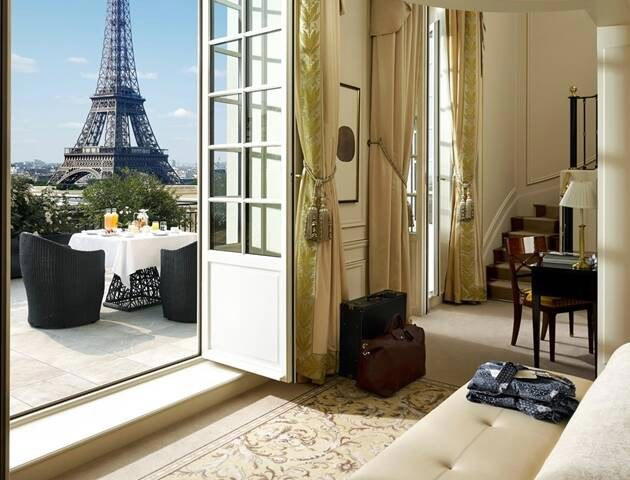
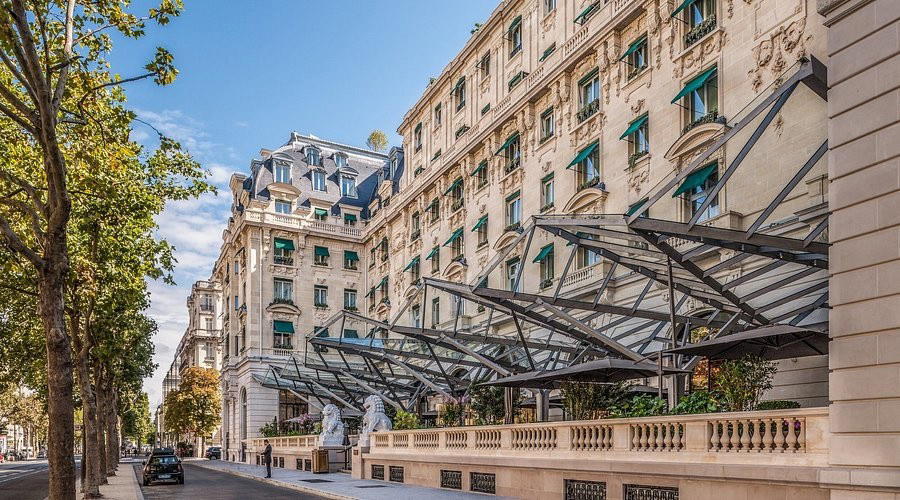
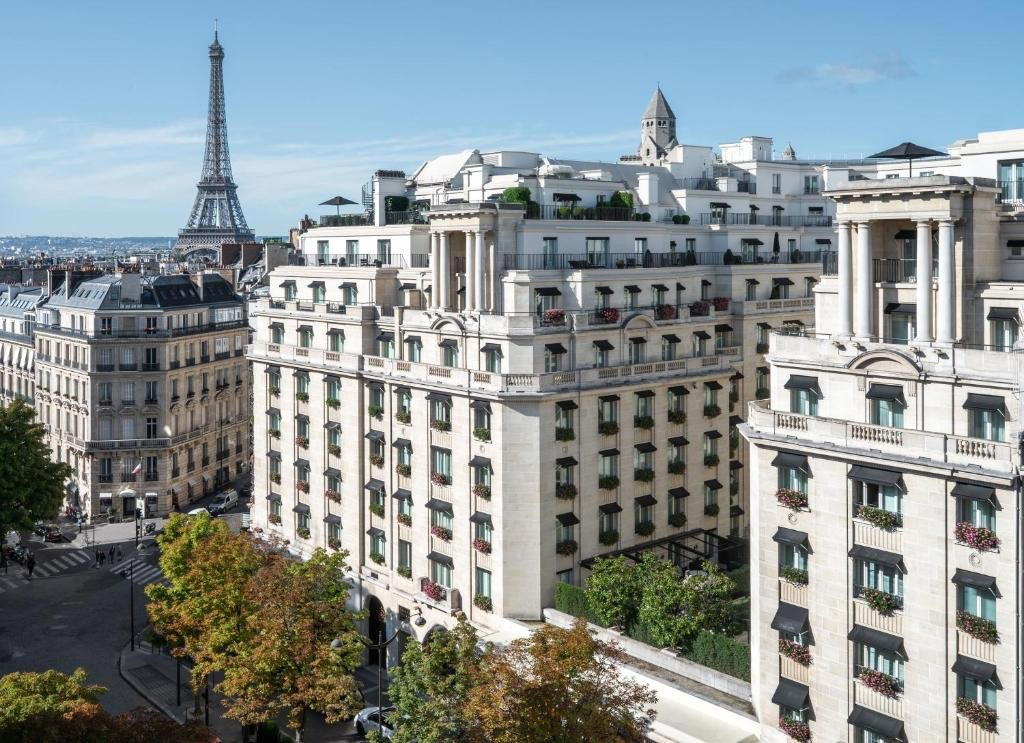
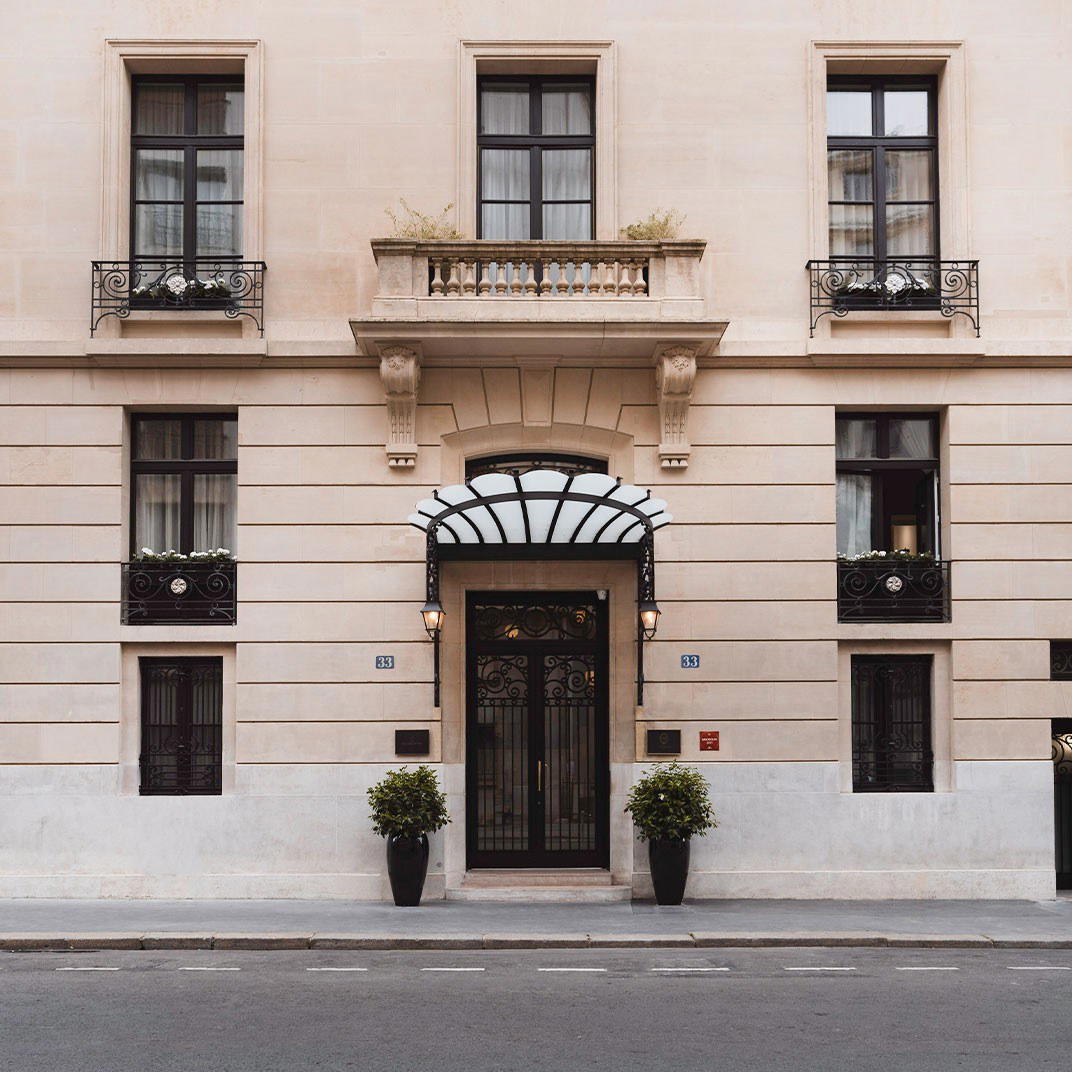
1929
The wine
- Wine program
- Curated wine list
- Extensive wine list
- Craft cocktails
Details
- Elegant
- Modern
- Scenic
- Sophisticated
- Classic
- Date Night
- Business Dinner
- Group Dining
- Casual Hangout
- After Work
- Solo
- Hotel Restaurant
- Terrace
- Courtyard
- Design Destination
- Extensive Wine List
- Craft Cocktails
- Waterfront
- A La Carte
- Wine
- Cocktails
- Vegetarian Friendly
- Vegan Options
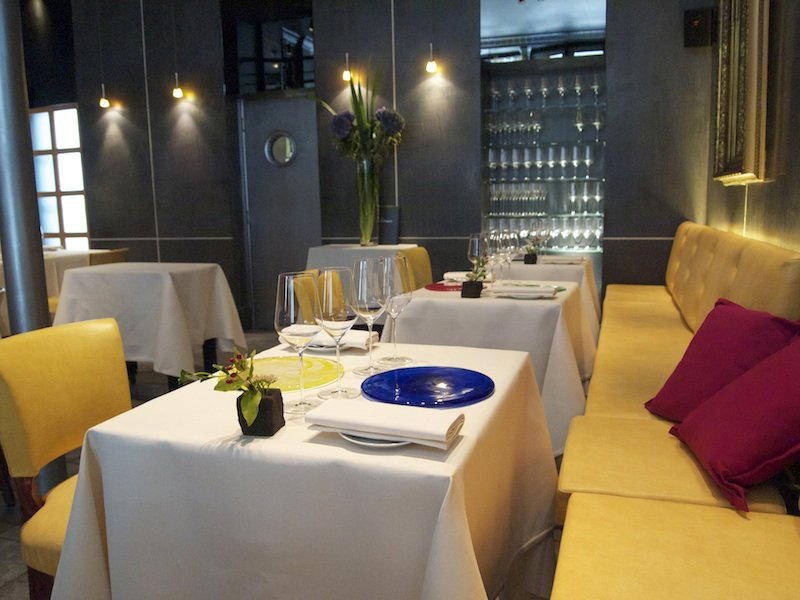
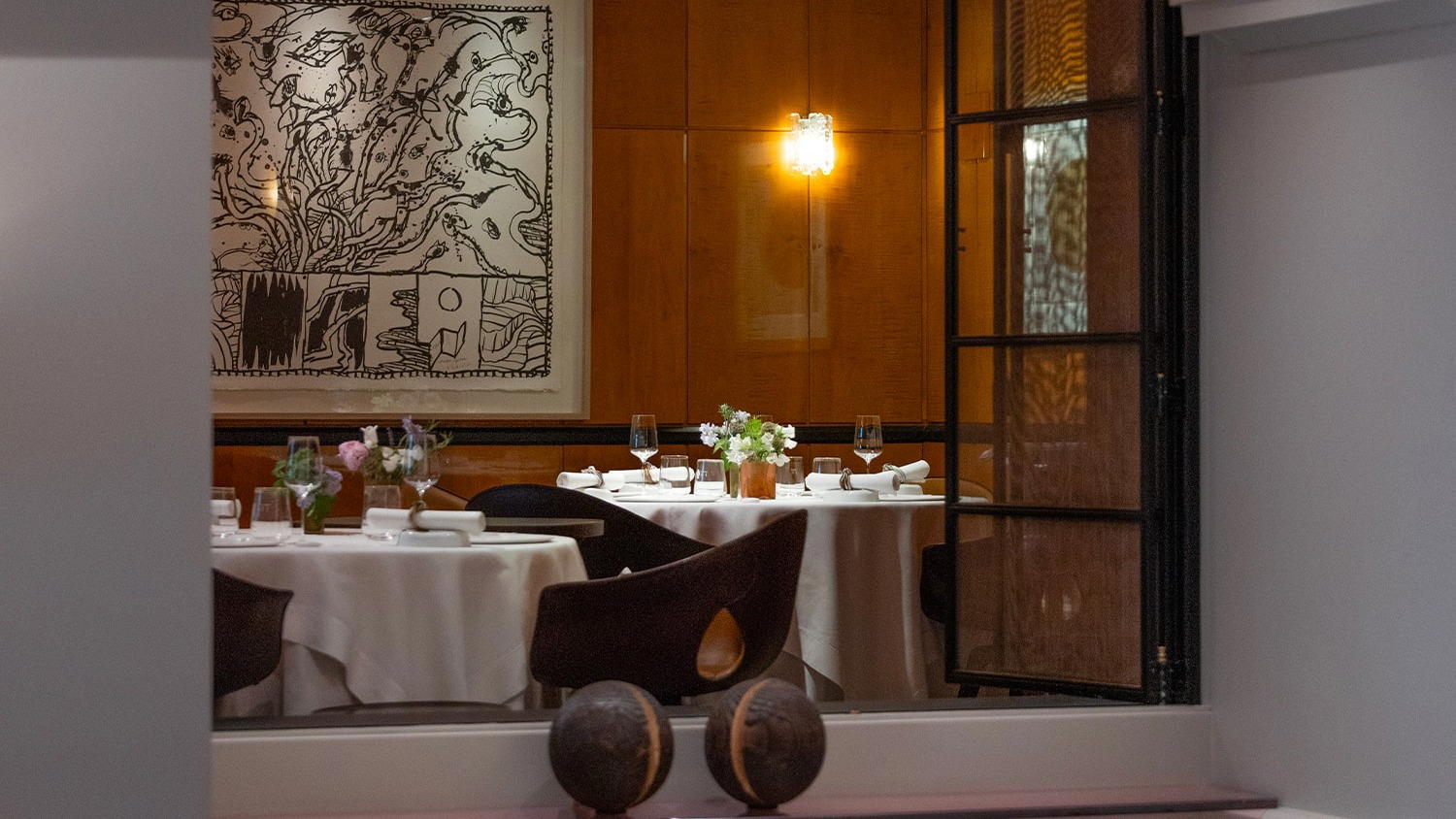
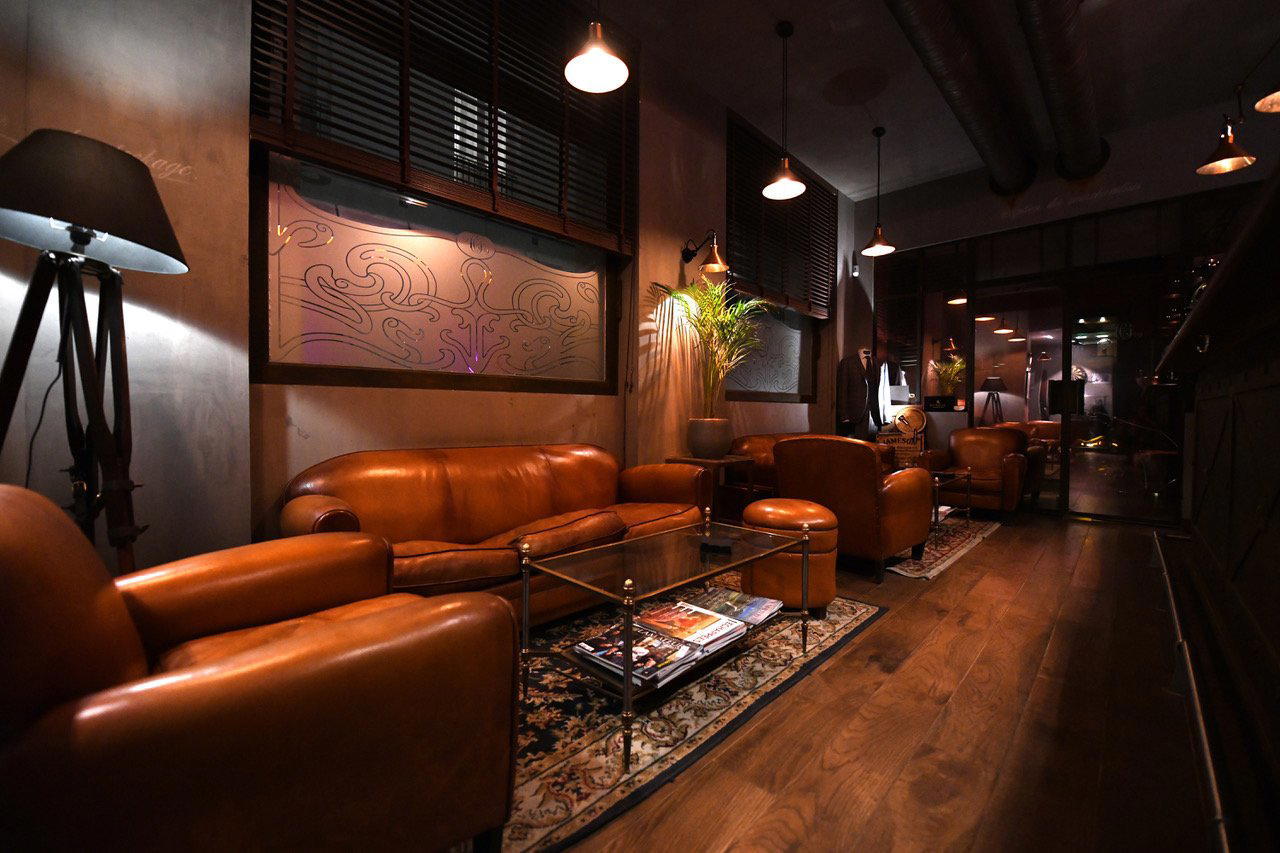
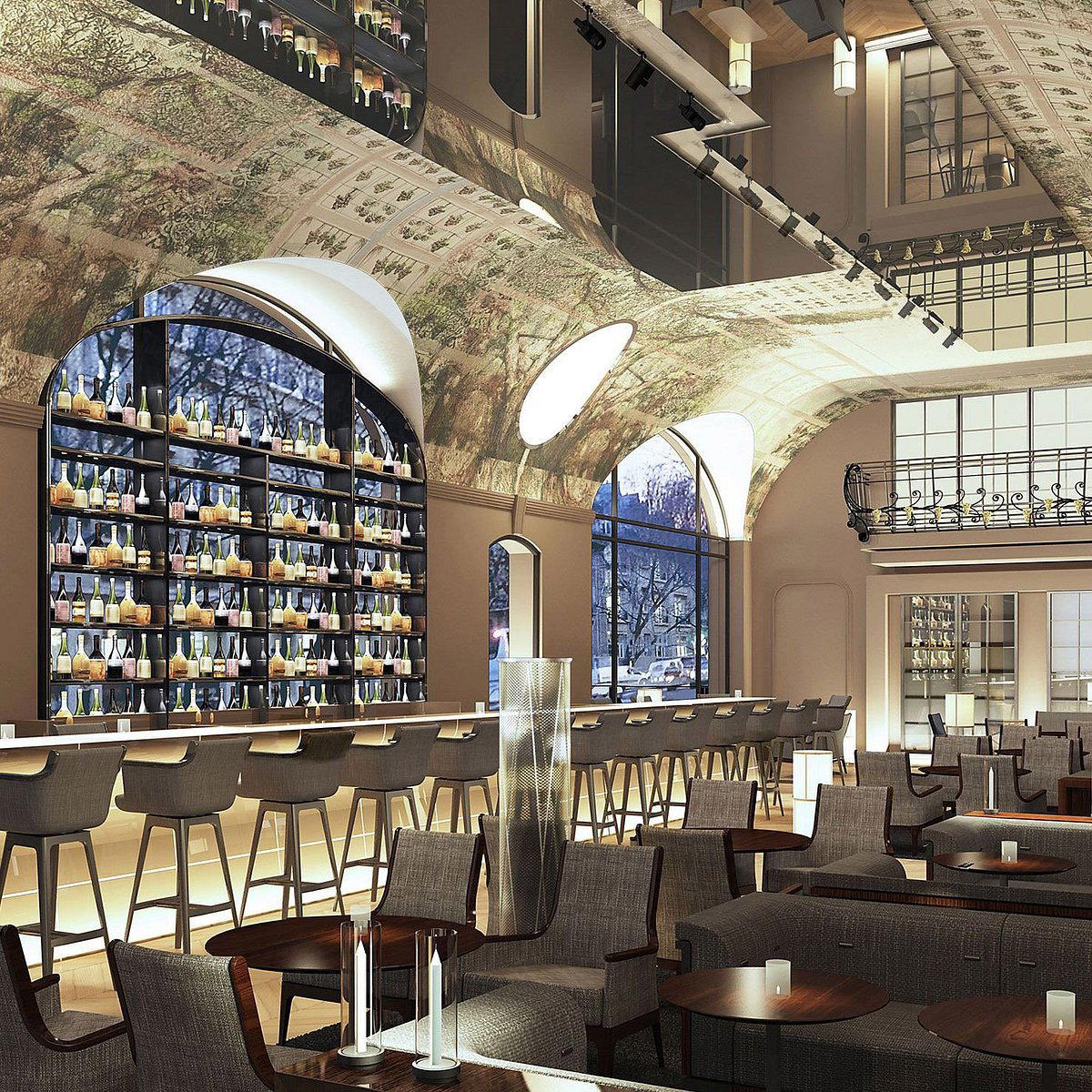
Refined hotel-restaurant atmosphere with bright pool views by day and softer, lounge-like lighting at night; a calm, polished space suited to relaxed meals and drinks rather than a noisy brasserie feel.