1928
Our verdict
Dining Inside a Station That History Left Behind The Canfranc International Railway Station opened in 1928, briefly ranking among the largest train stations in Europe and serving as a transit point between France and Spain across the Pyrenees. After decades of disuse following a bridge collapse on the French side in 1970, the building stood frozen in a kind of architectural amber, its ornate facade and 241-metre platform canopy intact but silent. The Royal Hideaway Hotel's conversion of that space into a functioning hotel and restaurant complex is among the more considered acts of heritage rehabilitation in northern Spain. 1928, the restaurant, takes its name from the station's founding year, and the physical environment does most of the storytelling before a plate arrives. Entering through the hotel's preserved station hall, the proportions are immediately disorienting in the way that repurposed monumental architecture tends to be: ceilings scaled for a crowd of departing passengers, ironwork details built to impress the cross-border traveller. The dining room sits within that frame, drawing on the Belle Époque bones of the building while orienting the experience around the valley and the mountains it opens toward. For a region like the Huelva Pyrenees, where restaurants of this register are rare, the setting alone positions 1928 in a category with few direct regional comparators. Aragón's Larder and Why Geography Matters Here Spain's fine-dining conversation clusters predictably around the Basque Country, Catalonia, and Madrid. Arzak in San Sebastián, El Celler de Can Roca in Girona, and Azurmendi in Larrabetzu operate within a well-mapped critical and cultural infrastructure. Aragón, by contrast, sits outside that circuit. That distance from the recognized clusters is not purely a disadvantage: the Pyrenean valleys above Jaca and Canfranc produce lamb, game, wild mushrooms, and river fish in conditions shaped by altitude and seasonal extremes that lowland kitchens cannot replicate from local supply chains. The sourcing logic for a restaurant at this latitude is direct in principle and demanding in practice. Mountain lamb from the Hecho and Ansó valleys carries a specific character from the high pastures, distinct from the broad category of Spanish cordero. Wild boar, trout from Pyrenean rivers, and foraged fungi from the beech and pine forests above the station arrive with provenance that the kitchen cannot manufacture through technique alone. Ingredient sourcing at altitude is always a constraint first and a distinction second: the supply is seasonal, volume-limited, and dependent on weather in ways that lowland kitchens are not. What 1928 does with that constraint is, in part, what defines its position within our full Canfranc-Estación restaurants guide. This sourcing frame is more familiar in Alpine contexts, where restaurants at elevation across France, Austria, and Switzerland have long built tasting menus around the specificity of mountain produce. In Spain, the model is rarer. Restaurants like Casa Marcial in Arriondas operate in a similar register in Asturias, drawing from a circumscribed regional larder, and Cenador de Amós in Villaverde de Pontones applies comparable localism in Cantabria. Both are Michelin-starred operations anchored in their region's agricultural identity. 1928 sits in that broader tradition of northern Spanish restaurants that treat geography as the primary kitchen argument. Where 1928 Sits in the Wider Spanish Scene Spain's highest-decorated kitchens share a tendency toward technical ambition paired with ingredient specificity. Martin Berasategui in Lasarte-Oria, Mugaritz in Errenteria, and Cocina Hermanos Torres in Barcelona each represent different interpretations of what it means to cook with regional depth at an international level. Further south, Aponiente in El Puerto de Santa María, Noor in Córdoba, and Quique Dacosta in Dénia are operating from entirely different ingredient geographies but with a similarly place-anchored logic. Atrio in Cáceres offers perhaps the closest structural parallel: a hotel restaurant in a heritage building in a Spanish city that sits outside the primary fine-dining circuits, earning critical recognition through the quality of what arrives on the plate rather than through geographic proximity to established clusters. DiverXO in Madrid and Ricard Camarena in València operate in larger urban contexts, but their insistence on singular ingredient logic remains a consistent through-line in Spanish restaurants of ambition. For international reference points, the hotel-restaurant-as-destination format has deep precedents. Le Bernardin in New York City and Lazy Bear in San Francisco both demonstrate how a focused format with clear sourcing logic can generate sustained recognition independent of location advantage. The comparison is useful because Canfranc-Estación's remoteness is not incidental context: it is the operating condition. Reaching the restaurant requires either the scenic road from Jaca, roughly 30 kilometres south, or rail access via Zaragoza, with the single-track line through the Aragón valley making arrival feel proportionate to the building's own interrupted history. The Cross-Border Dimension The station's original purpose was to connect Spain and France across the Somport pass. That connection remains partly functional and very much present in the hotel's identity. The Canfranc tunnel road is open year-round, and the French ski resorts of the Aspe valley sit within reach on the northern side. The result is a dining address that draws from two culinary traditions geographically: Aragonese mountain produce from the south and Bearnaise influences from the Pyrenean French side. Whether the kitchen formalizes that cross-border logic in its menus is a question of execution rather than available inspiration. The station itself makes the argument structurally, in its architecture and its history, before the food needs to. The companion restaurant Canfranc Express, also within the hotel complex, operates in a more casual register, handling the everyday dining volume that a hotel of this type requires. 1928 sits above that tier in format and ambition, which is the standard split in hotel dining between a workhorse all-day offer and a destination dining room that requires a separate booking decision. Planning a Visit Canfranc-Estación is not a restaurant you pass on the way to somewhere else. The town sits at roughly 1,190 metres above sea level in the Aragón Pyrenees, accessible from Jaca by road or from Zaragoza by the regional rail line that terminates at the station. Reservations for 1928 should be made through the Royal Hideaway Hotel directly, with the understanding that the hotel's room inventory and the dining room are part of the same booking calculus: most diners at this level are staying on-site, and the experience is designed around that assumption. Winter access is direct given the tunnel road, and the ski season in the broader region from roughly December through March brings the highest demand period. Summer bookings in July and August, when the valley is at its most accessible by foot and road, represent the alternative peak. Dress code and precise pricing are best confirmed at booking, as both are subject to the hotel's current positioning. Frequently Asked Questions Would 1928 be comfortable with kids? Probably not the right call. Canfranc-Estación is a remote mountain destination, and 1928 sits in the formal hotel dining tier, which in Spain at this price register tends toward a quiet adult atmosphere that does not accommodate children well. Is 1928 better for a quiet night or a lively one? If the venue holds Michelin recognition or operates at the level its hotel positioning suggests, the atmosphere will be structured and low-key by design. Canfranc-Estación's location reinforces that: this is not a city dining room where table energy fluctuates with the street. Plan for a considered, slow-paced dinner rather than a high-energy evening. at 1928? Follow the mountain produce. In a kitchen at this altitude and address, the Pyrenean lamb and any foraged or game elements on the menu are the most geographically specific choices available, and specificity is the point of eating here rather than in a city. Ask the front-of-house which ingredients are sourced locally that week, as mountain supply is seasonal and the answer will change. Is Canfranc-Estación worth traveling to purely for dinner at 1928? The station building and its setting make a compelling case for at least one night rather than a single-meal visit. The Royal Hideaway Hotel's renovation of the 1928 station is among the most significant heritage hotel projects in Aragón, and the combination of architectural experience, mountain valley access, and a formal dining room at this level creates a trip with multiple justifications beyond the meal itself. Booking a room alongside the restaurant reservation is the standard approach for visitors arriving from outside the region.

Pearl is the En Primeur Club membership app, where members save venues, book tables and use the concierge.
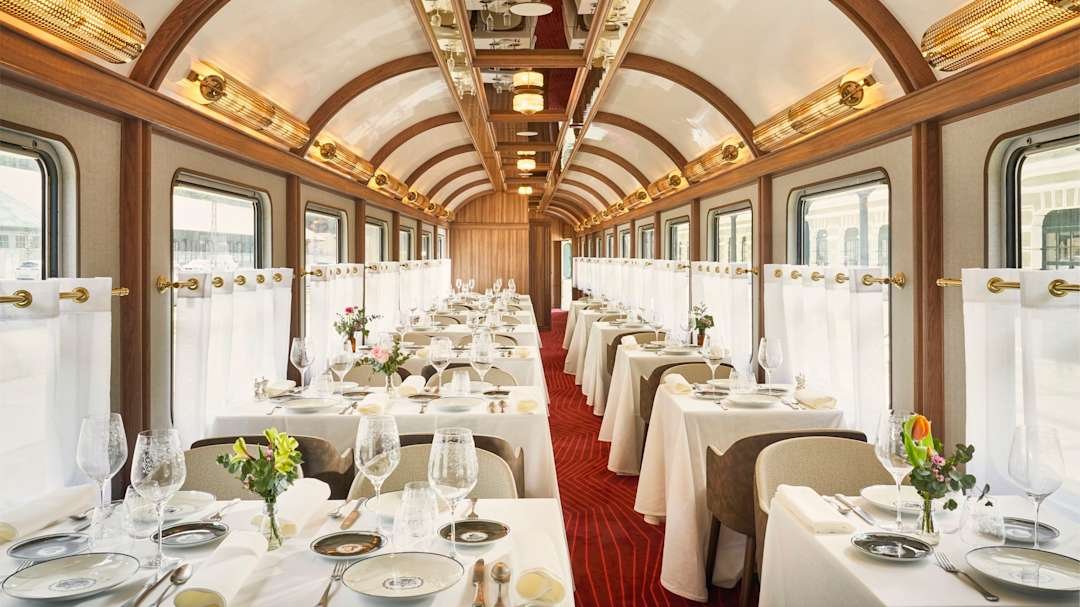
Dining Inside a Station That History Left Behind
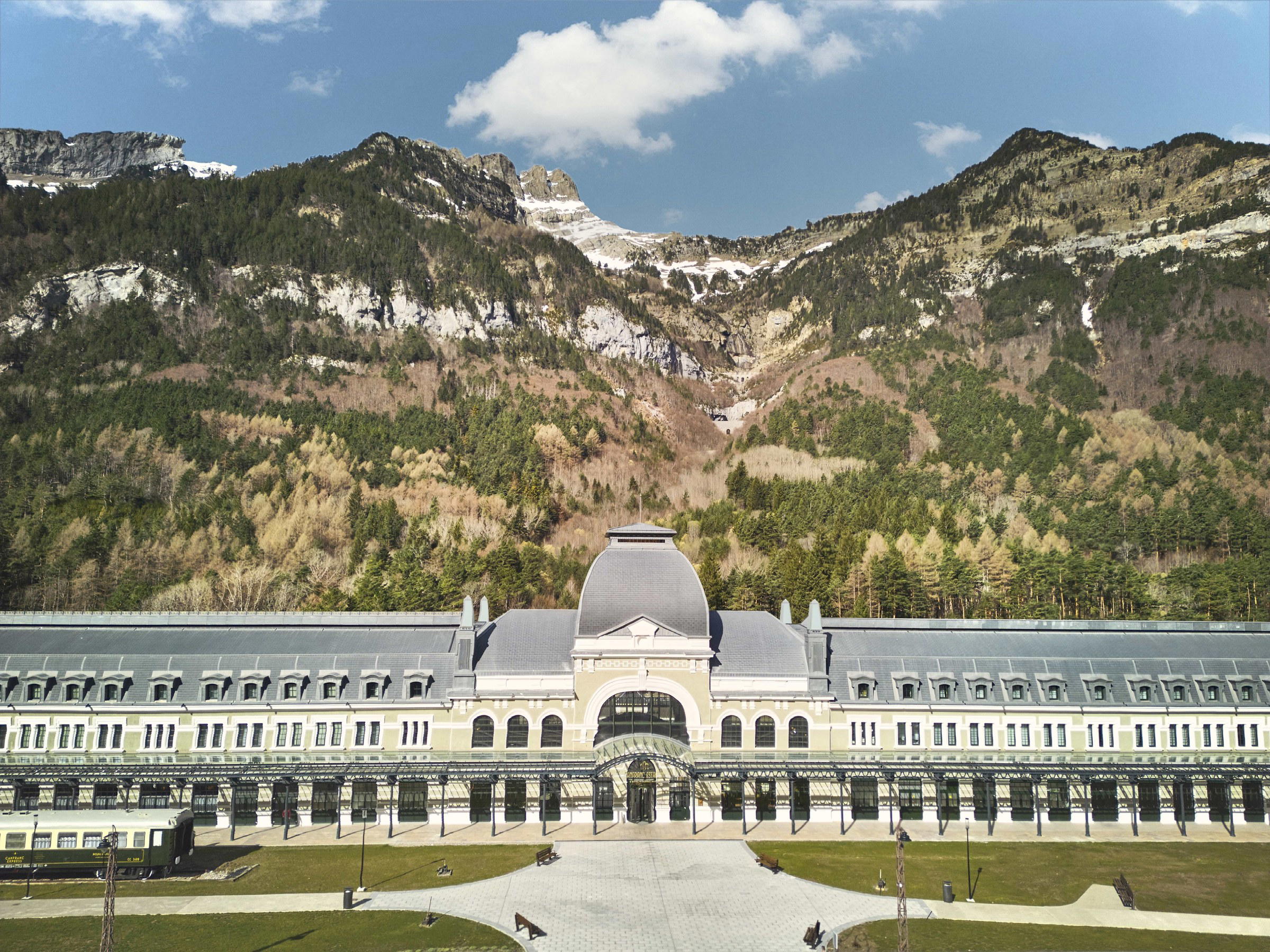
The Canfranc International Railway Station opened in 1928, briefly ranking among the largest train stations in Europe and serving as a transit point between France and Spain across the Pyrenees. After decades of disuse following a bridge collapse on the French side in 1970, the building stood frozen in a kind of architectural amber, its ornate facade and 241-metre platform canopy intact but silent. The Royal Hideaway Hotel's conversion of that space into a functioning hotel and restaurant complex is among the more considered acts of heritage rehabilitation in northern Spain. 1928, the restaurant, takes its name from the station's founding year, and the physical environment does most of the storytelling before a plate arrives.
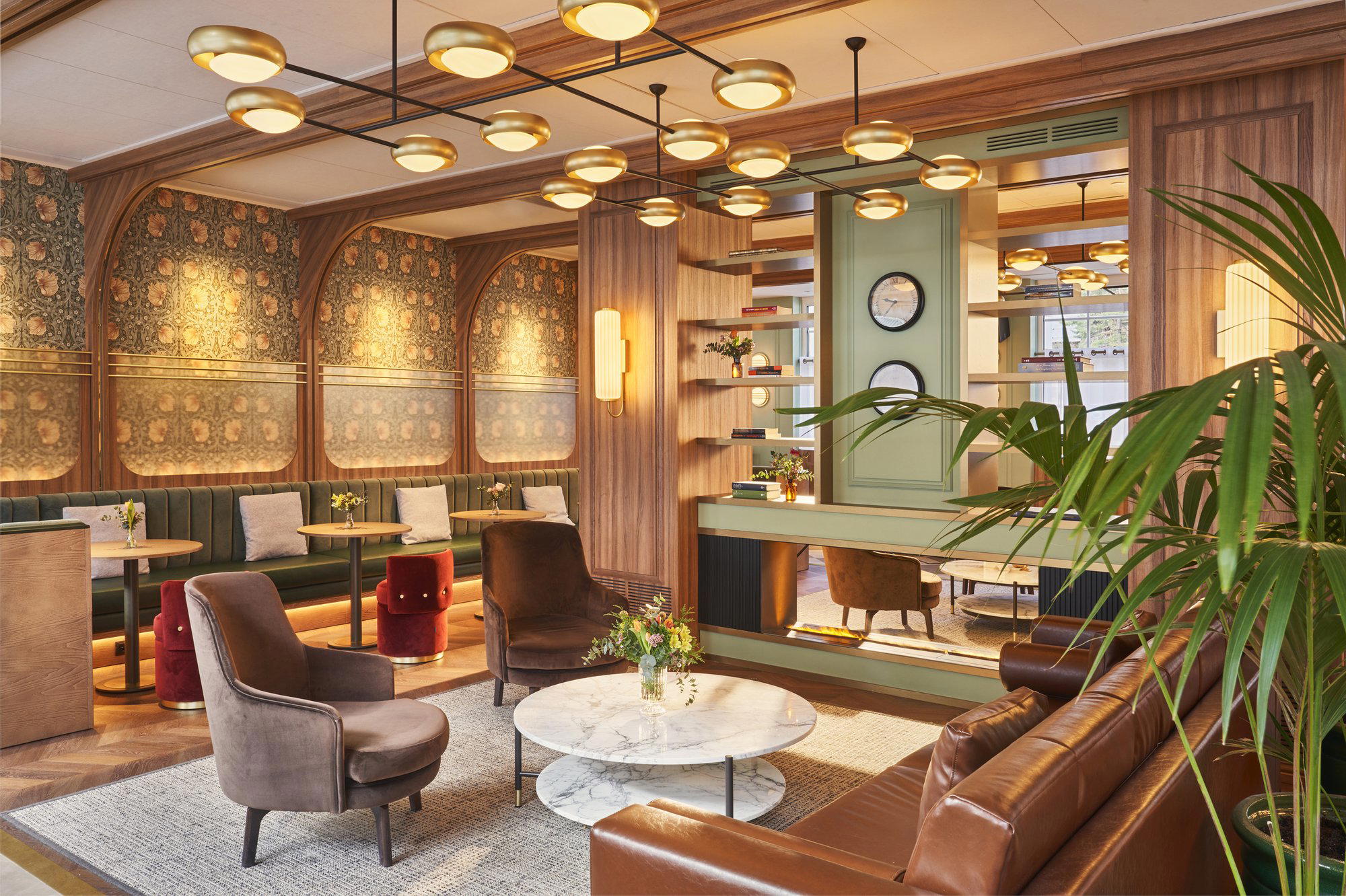
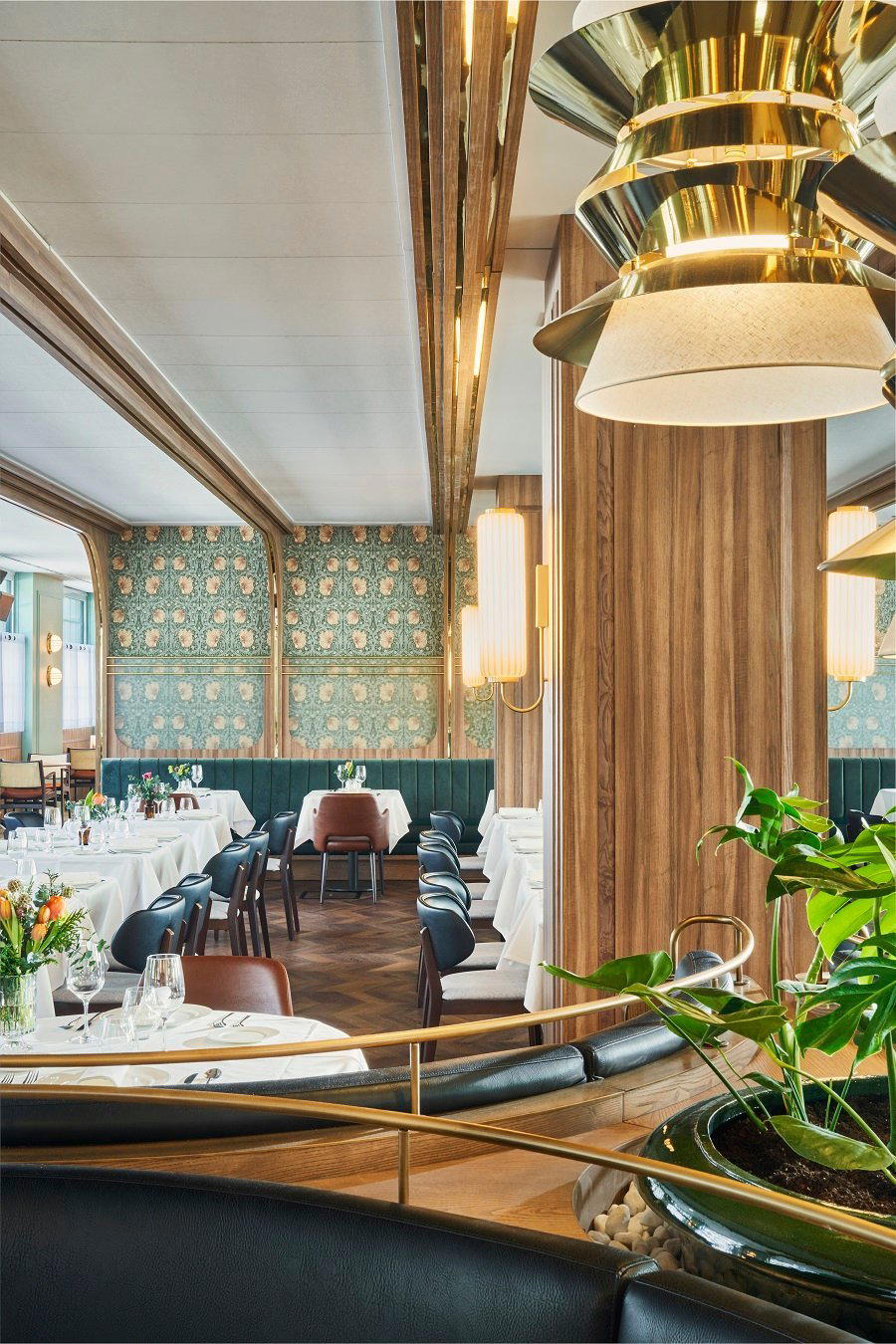
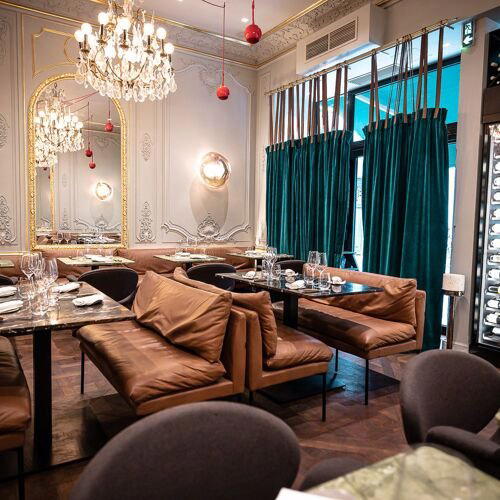
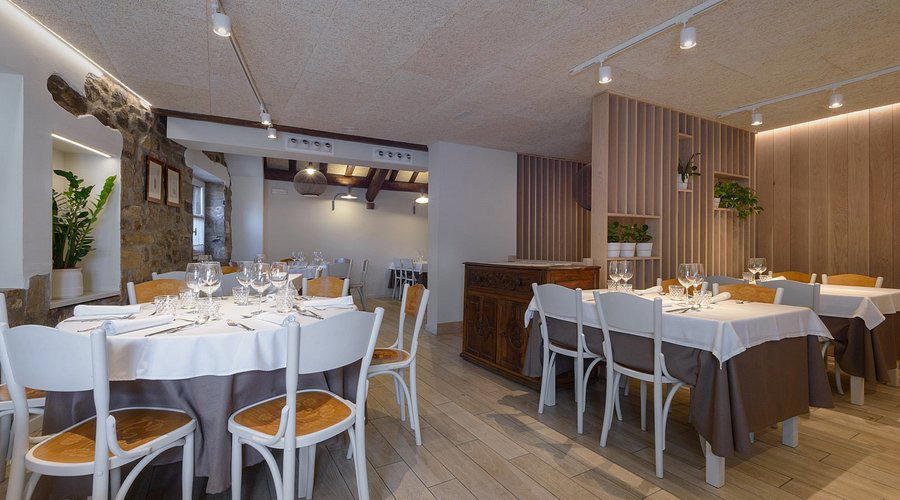
Entering through the hotel's preserved station hall, the proportions are immediately disorienting in the way that repurposed monumental architecture tends to be: ceilings scaled for a crowd of departing passengers, ironwork details built to impress the cross-border traveller. The dining room sits within that frame, drawing on the Belle Époque bones of the building while orienting the experience around the valley and the mountains it opens toward. For a region like the Huelva Pyrenees, where restaurants of this register are rare, the setting alone positions 1928 in a category with few direct regional comparators.
Aragón's Larder and Why Geography Matters Here
Spain's fine-dining conversation clusters predictably around the Basque Country, Catalonia, and Madrid. Arzak in San Sebastián, El Celler de Can Roca in Girona, and Azurmendi in Larrabetzu operate within a well-mapped critical and cultural infrastructure. Aragón, by contrast, sits outside that circuit. That distance from the recognized clusters is not purely a disadvantage: the Pyrenean valleys above Jaca and Canfranc produce lamb, game, wild mushrooms, and river fish in conditions shaped by altitude and seasonal extremes that lowland kitchens cannot replicate from local supply chains.
The sourcing logic for a restaurant at this latitude is direct in principle and demanding in practice. Mountain lamb from the Hecho and Ansó valleys carries a specific character from the high pastures, distinct from the broad category of Spanish cordero. Wild boar, trout from Pyrenean rivers, and foraged fungi from the beech and pine forests above the station arrive with provenance that the kitchen cannot manufacture through technique alone. Ingredient sourcing at altitude is always a constraint first and a distinction second: the supply is seasonal, volume-limited, and dependent on weather in ways that lowland kitchens are not. What 1928 does with that constraint is, in part, what defines its position within our full Canfranc-Estación restaurants guide.
This sourcing frame is more familiar in Alpine contexts, where restaurants at elevation across France, Austria, and Switzerland have long built tasting menus around the specificity of mountain produce. In Spain, the model is rarer. Restaurants like Casa Marcial in Arriondas operate in a similar register in Asturias, drawing from a circumscribed regional larder, and Cenador de Amós in Villaverde de Pontones applies comparable localism in Cantabria. Both are Michelin-starred operations anchored in their region's agricultural identity. 1928 sits in that broader tradition of northern Spanish restaurants that treat geography as the primary kitchen argument.
Where 1928 Sits in the Wider Spanish Scene
Spain's highest-decorated kitchens share a tendency toward technical ambition paired with ingredient specificity. Martin Berasategui in Lasarte-Oria, Mugaritz in Errenteria, and Cocina Hermanos Torres in Barcelona each represent different interpretations of what it means to cook with regional depth at an international level. Further south, Aponiente in El Puerto de Santa María, Noor in Córdoba, and Quique Dacosta in Dénia are operating from entirely different ingredient geographies but with a similarly place-anchored logic. Atrio in Cáceres offers perhaps the closest structural parallel: a hotel restaurant in a heritage building in a Spanish city that sits outside the primary fine-dining circuits, earning critical recognition through the quality of what arrives on the plate rather than through geographic proximity to established clusters. DiverXO in Madrid and Ricard Camarena in València operate in larger urban contexts, but their insistence on singular ingredient logic remains a consistent through-line in Spanish restaurants of ambition.
For international reference points, the hotel-restaurant-as-destination format has deep precedents. Le Bernardin in New York City and Lazy Bear in San Francisco both demonstrate how a focused format with clear sourcing logic can generate sustained recognition independent of location advantage. The comparison is useful because Canfranc-Estación's remoteness is not incidental context: it is the operating condition. Reaching the restaurant requires either the scenic road from Jaca, roughly 30 kilometres south, or rail access via Zaragoza, with the single-track line through the Aragón valley making arrival feel proportionate to the building's own interrupted history.
The Cross-Border Dimension
The station's original purpose was to connect Spain and France across the Somport pass. That connection remains partly functional and very much present in the hotel's identity. The Canfranc tunnel road is open year-round, and the French ski resorts of the Aspe valley sit within reach on the northern side. The result is a dining address that draws from two culinary traditions geographically: Aragonese mountain produce from the south and Bearnaise influences from the Pyrenean French side. Whether the kitchen formalizes that cross-border logic in its menus is a question of execution rather than available inspiration. The station itself makes the argument structurally, in its architecture and its history, before the food needs to.
The companion restaurant Canfranc Express, also within the hotel complex, operates in a more casual register, handling the everyday dining volume that a hotel of this type requires. 1928 sits above that tier in format and ambition, which is the standard split in hotel dining between a workhorse all-day offer and a destination dining room that requires a separate booking decision.
Planning a Visit
Canfranc-Estación is not a restaurant you pass on the way to somewhere else. The town sits at roughly 1,190 metres above sea level in the Aragón Pyrenees, accessible from Jaca by road or from Zaragoza by the regional rail line that terminates at the station. Reservations for 1928 should be made through the Royal Hideaway Hotel directly, with the understanding that the hotel's room inventory and the dining room are part of the same booking calculus: most diners at this level are staying on-site, and the experience is designed around that assumption. Winter access is direct given the tunnel road, and the ski season in the broader region from roughly December through March brings the highest demand period. Summer bookings in July and August, when the valley is at its most accessible by foot and road, represent the alternative peak. Dress code and precise pricing are best confirmed at booking, as both are subject to the hotel's current positioning.
Frequently asked questions
Would 1928 be comfortable with kids?
Probably not the right call. Canfranc-Estación is a remote mountain destination, and 1928 sits in the formal hotel dining tier, which in Spain at this price register tends toward a quiet adult atmosphere that does not accommodate children well.
Is 1928 better for a quiet night or a lively one?
If the venue holds Michelin recognition or operates at the level its hotel positioning suggests, the atmosphere will be structured and low-key by design. Canfranc-Estación's location reinforces that: this is not a city dining room where table energy fluctuates with the street. Plan for a considered, slow-paced dinner rather than a high-energy evening.
at 1928?
Follow the mountain produce. In a kitchen at this altitude and address, the Pyrenean lamb and any foraged or game elements on the menu are the most geographically specific choices available, and specificity is the point of eating here rather than in a city. Ask the front-of-house which ingredients are sourced locally that week, as mountain supply is seasonal and the answer will change.
Is Canfranc-Estación worth traveling to purely for dinner at 1928?
The station building and its setting make a compelling case for at least one night rather than a single-meal visit. The Royal Hideaway Hotel's renovation of the 1928 station is among the most significant heritage hotel projects in Aragón, and the combination of architectural experience, mountain valley access, and a formal dining room at this level creates a trip with multiple justifications beyond the meal itself. Booking a room alongside the restaurant reservation is the standard approach for visitors arriving from outside the region.
Continue exploring
More in Canfranc-Estación
Details
- Elegant
- Well Known
- Intimate
- Sophisticated
- Historic
- Scenic
- Special Occasion
- Date Night
- Historic Building
- Hotel Restaurant
- Sommelier Led
- Local Sourcing
- Mountain
- Tasting Menu
- Gluten Free Options
Current opening hours
- Monday
- 7:45–9:15 PM
- Tuesday
- 7:45–9:15 PM
- Wednesday
- 7:45–9:15 PM
- Thursday
- 7:45–9:15 PM
- Friday
- 7:45–9:15 PM
- Saturday
- 7:45–9:15 PM
- Sunday
- 7:45–9:15 PM
Hours can change for holidays and private events. Hours as of .
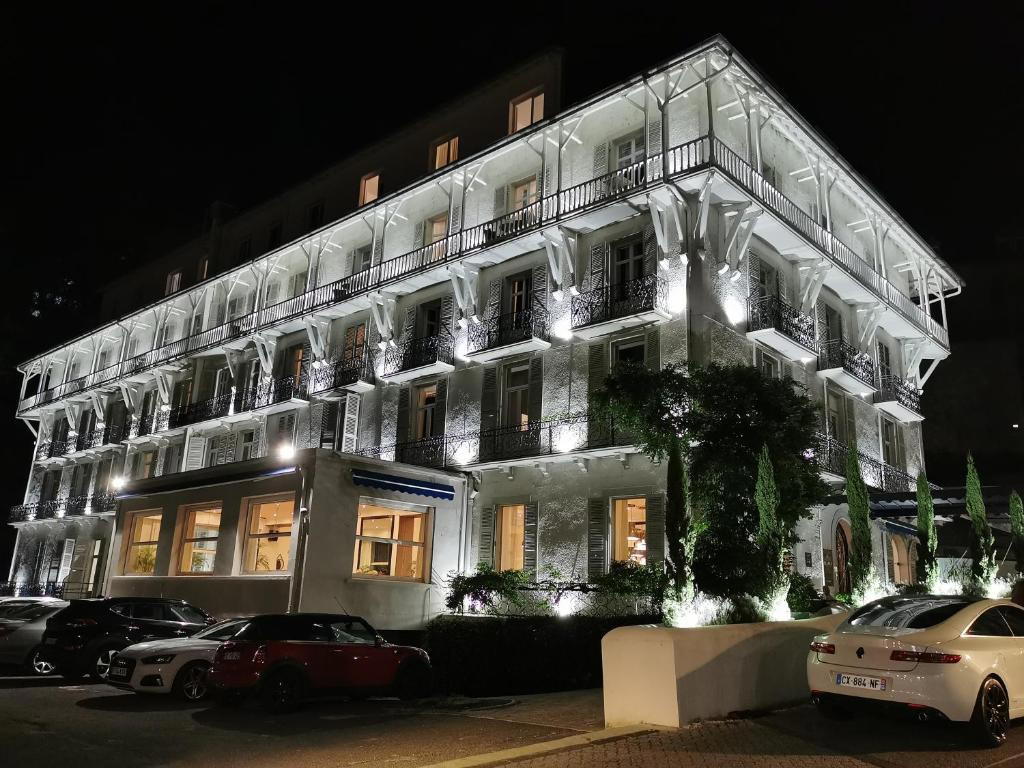
Ornate art deco grandeur with historic train carriage ambiance, evoking glamorous past train journeys amid Pyrenean mountain views.