1906
Where the Ayrshire Coast Meets the Table The approach to Trump Turnberry along the Maidens Road gives you the measure of what awaits before you reach the door. The Firth of Clyde opens to the west, Ailsa Craig sits on the horizon like a punctuation mark, and the hotel's white facade rises above the links in a way that signals this is not a casual stop. 1906, the resort's principal dining room, takes its name from the year the original hotel opened, a detail that situates the restaurant within a building whose relationship with this coastline predates almost every comparable dining address in Scotland. That historical weight is worth holding onto, because it shapes how the kitchen operates. Resort dining at this tier — coastal Scotland, a property with serious infrastructure and a guest list that skews toward destination visitors — tends to pull hard on the local larder. There is good reason for that. Ayrshire produces some of Scotland's most documented agricultural output: the county's beef and dairy credentials are traceable and well-regarded in professional kitchens across the UK. The West Coast waters add another layer, with shellfish and fin fish sourced from particularly productive cold-water fishing grounds in northern Europe. The Sourcing Logic Behind a Coastal Kitchen The broader pattern among Scotland's serious dining addresses, from Restaurant Andrew Fairlie in Auchterarder to The Glenturret Lalique in Crieff, is a consistent emphasis on Scottish produce as the foundational argument. What changes between them is the accent: Andrew Fairlie works classical French technique across Scottish materials; The Glenturret Lalique pursues a more contemporary idiom. Coastal restaurants in this tier, particularly those attached to destination hotels, have a different opportunity and a different obligation. Proximity to source matters here in a way it does not in Glasgow or Edinburgh. A kitchen sitting minutes from working harbours and active farming land carries a sourcing logic that inland addresses have to manufacture or import. That same principle applies across the UK's hotel-anchored fine dining rooms. Gidleigh Park in Chagford draws on Devon's agricultural depth; Moor Hall in Aughton works the Lancashire and Cheshire supply lines; Le Manoir aux Quat'Saisons in Oxford has built its sourcing identity around a kitchen garden that now defines how the restaurant is discussed. In each case, the origin story of the ingredient carries editorial weight on the menu. On the Ayrshire coast, that story writes itself: the beef, the shellfish, the game from surrounding estates, and the dairy that made this county's agricultural reputation centuries before any hotel stood here. Setting, Scale, and the Resort Dining Context Hotel restaurants at major golf resorts occupy a specific and sometimes underappreciated position in the UK dining hierarchy. The guest mix skews international, Turnberry draws visitors from the United States, the Middle East, and across Europe, particularly during major golf events, and the dining room has to operate with a breadth that a chef-owned standalone rarely needs to consider. That breadth is both a constraint and a commercial reality. Where a restaurant like L'Enclume in Cartmel or Ynyshir Hall in Machynlleth can build a singular, demanding menu format around a self-selecting clientele, a resort dining room needs to function across breakfast, lunch, dinner, and event formats without losing its identity at any of those moments. The physical setting at 1906 anchors the experience in a way that no amount of menu engineering can replicate. The views across the links toward the lighthouse and the Firth are a material part of the proposition. British coastal hotel dining has a long tradition of treating the room itself as an argument, the panorama at Waterside Inn in Bray along the Thames, the riverside position of Midsummer House in Cambridge, and Turnberry's version of that argument is hard to contest. The Firth of Clyde at dusk, with Ailsa Craig holding its position twelve miles offshore, is a view that earns its place in the evening without any additional theatre required. How 1906 Sits Among UK Fine Dining Addresses CORE by Clare Smyth and Restaurant Sat Bains in Nottingham operate in a different register, chef-owned, awards-driven, with tasting menus as the primary format. Shaun Rankin at Grantley Hall in Ripon offers a closer structural analogy: a fine dining room inside a luxury hotel estate, positioned to serve both destination guests and a wider regional audience. Hand and Flowers in Marlow and hide and fox in Saltwood represent the other end of the spectrum, where intimacy and format precision take precedence over scale. Internationally, the tension between resort scale and culinary ambition plays out in rooms like Le Bernardin in New York City and Lazy Bear in San Francisco, both of which demonstrate that format discipline can coexist with a wide operational footprint. For Turnberry specifically, the relevant comparison is the category of Scottish resort dining rather than the wider UK fine dining ladder. Within Scotland, the combination of landscape, provenance, and hospitality infrastructure at this address represents a proposition that few properties can assemble in a single location. See our full Turnberry restaurants guide for further context on what this part of Ayrshire offers beyond the resort itself. There are also useful comparisons further afield in the British Isles. Opheem in Birmingham and Midsummer House in Cambridge both demonstrate how a strong regional identity, when applied with consistency, carries more lasting critical weight than technical ambition alone. On the Ayrshire coast, the regional identity is not manufactured: it is embedded in the soil, the sea, and the century-old agricultural tradition that this part of Scotland has always traded on. Planning a Visit 1906 sits within the Trump Turnberry resort at Maidens Road, Turnberry, Girvan KA26 9LT. The address is most practically reached by car from Glasgow, approximately an hour's drive south along the A77. Visitors combining dinner with a stay on the property can treat the dining room as part of a broader resort experience; those driving from outside the area should factor in the coastal road's evening light, which adds its own argument for arriving before dark. Booking through the resort's central reservations is the standard approach for hotel dining at this tier, and given Turnberry's profile as a destination golf and hospitality address, securing a table in advance is advisable during the summer months and around any tournament calendar. The Ayrshire coast operates on a seasonal rhythm, with the warmest and longest days running from May through September, when the views across the Firth carry their fullest weight. Frequently Asked Questions Is 1906 child-friendly?At a resort of Turnberry's price point and formal setting, 1906 is better suited to adult dining than to families with young children.What kind of setting is 1906?If you are staying at Trump Turnberry or visiting the Ayrshire coast for golf, 1906 operates as a full-service resort dining room with views over the links and the Firth of Clyde; if you are making a standalone dining trip from Glasgow or Edinburgh, the drive is justified by the combination of coastal setting and a kitchen drawing on one of Scotland's strongest agricultural regions.What should I eat at 1906?The Ayrshire coast gives the kitchen a clear directive: lead with the local. Shellfish from the West Coast waters and beef from the surrounding county represent the strongest sourcing argument on this stretch of coastline, and any serious menu at this address should reflect that.Should I book 1906 in advance?Yes: if you are visiting during the golf season or at peak summer, Turnberry's status as a destination resort means dining availability tightens quickly; booking ahead is the pragmatic approach regardless of when you plan to visit.Is 1906 connected to the history of the Turnberry hotel, and does that heritage shape the dining experience?The name references 1906, the year the original Turnberry hotel opened, which places the dining room within a building that has served this stretch of the Ayrshire coast for over a century. That longevity is relevant to the sourcing story: the agricultural and fishing traditions the kitchen draws on predate the hotel itself, and the address carries a depth of regional context that newer restaurant openings in Scotland cannot replicate.
Pearl is the En Primeur Club membership app — saves, bookings, and concierge access live there. Same editors, same standards.
- Address
- Maidens Rd, Turnberry, Girvan KA26 9LT, United Kingdom
- Phone
- +44 1655 334088
- Website
- trumphotels.com
- Directions
- Get directions
 Saves & bookings on Pearl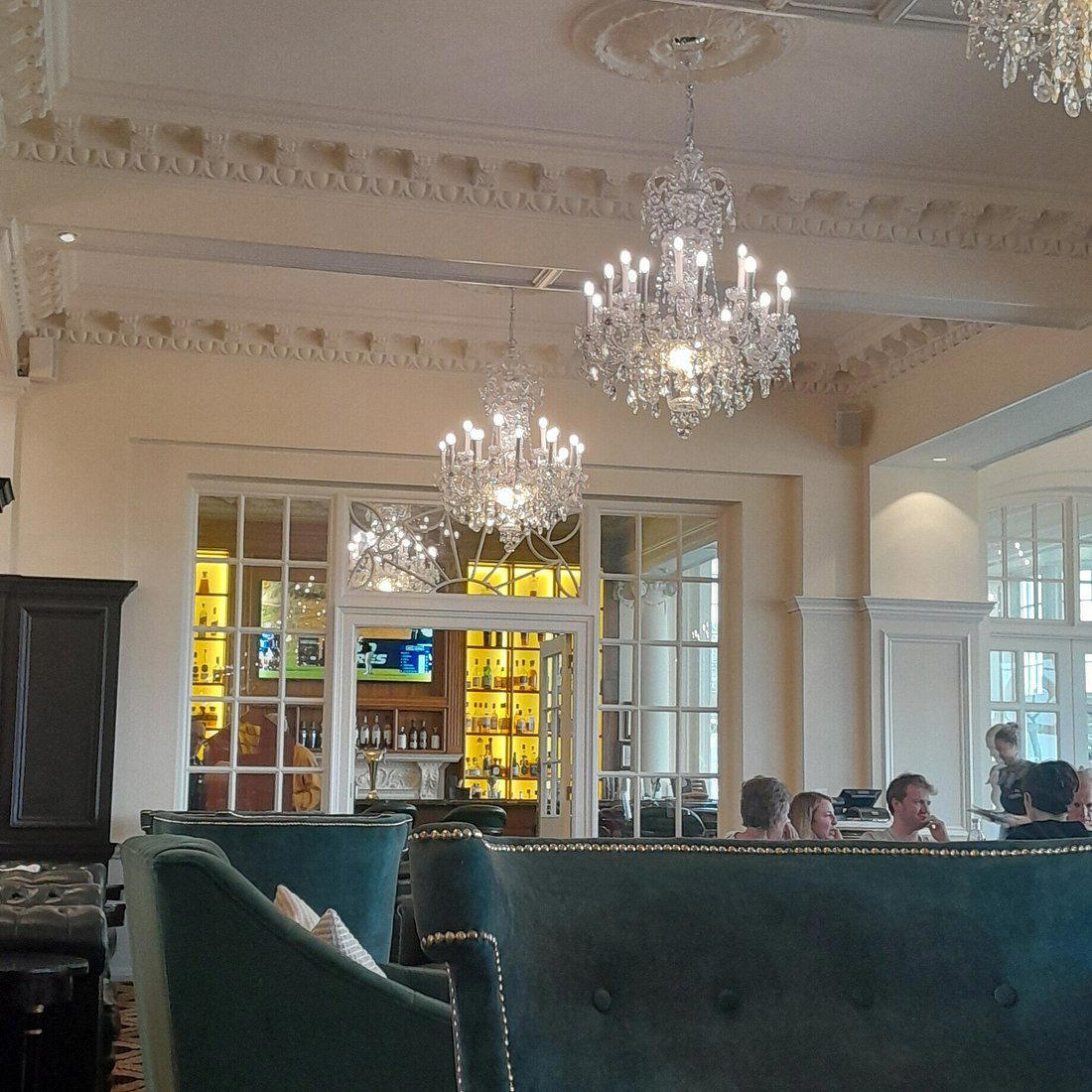
Where the Ayrshire Coast Meets the Table
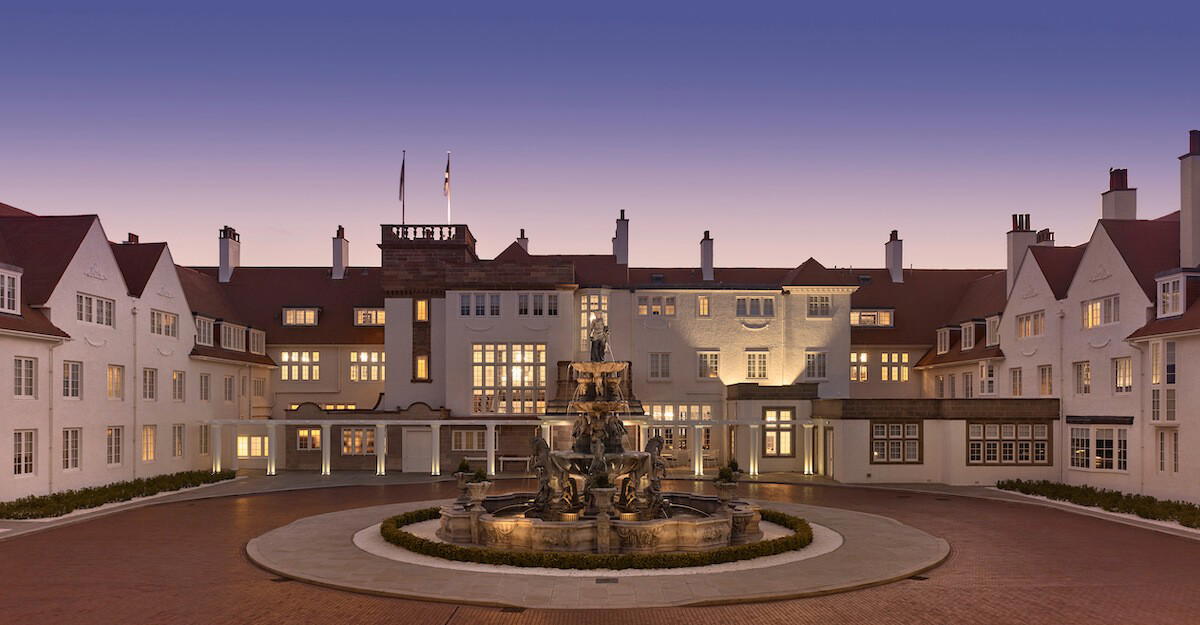
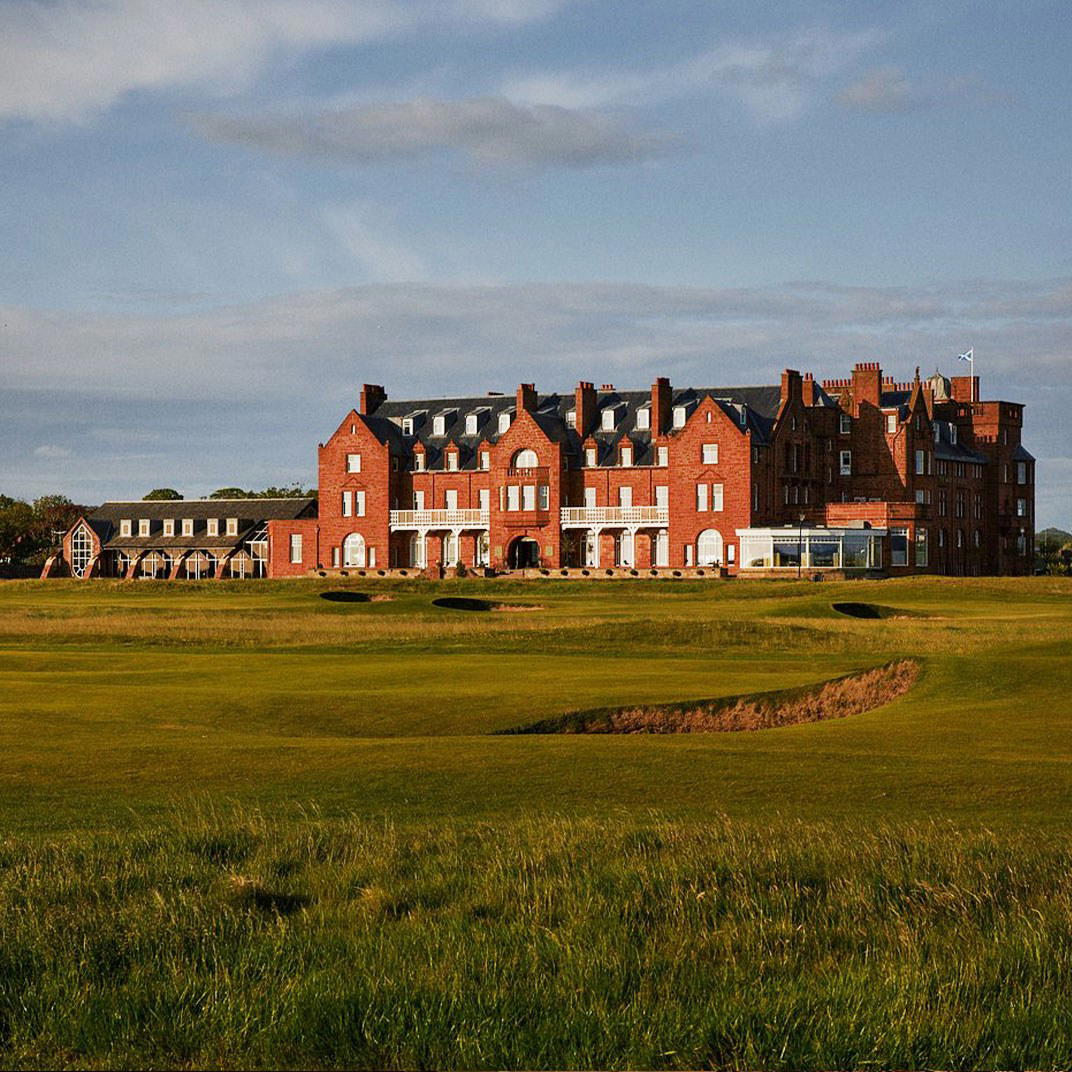
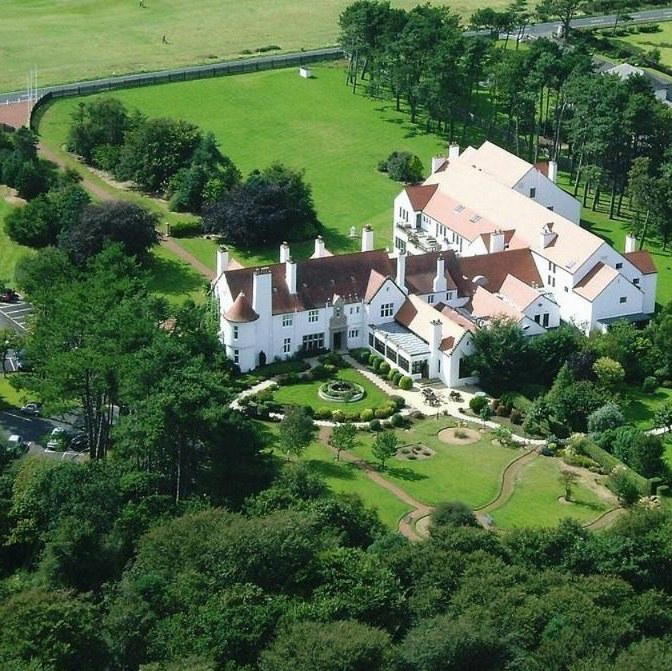
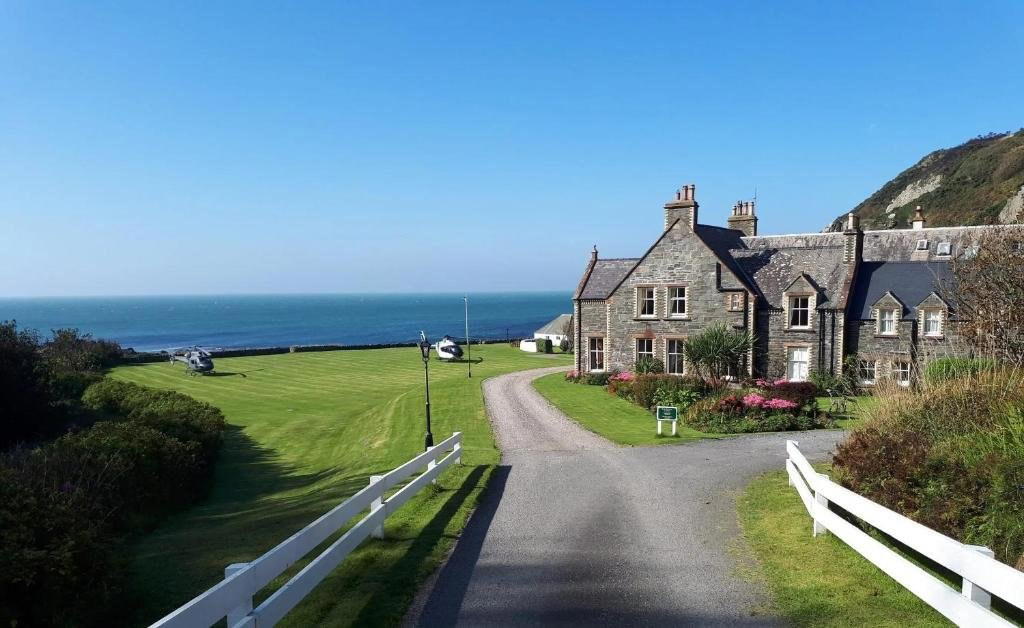
The approach to Trump Turnberry along the Maidens Road gives you the measure of what awaits before you reach the door. The Firth of Clyde opens to the west, Ailsa Craig sits on the horizon like a punctuation mark, and the hotel's white facade rises above the links in a way that signals this is not a casual stop. 1906, the resort's principal dining room, takes its name from the year the original hotel opened, a detail that situates the restaurant within a building whose relationship with this coastline predates almost every comparable dining address in Scotland.
That historical weight is worth holding onto, because it shapes how the kitchen operates. Resort dining at this tier — coastal Scotland, a property with serious infrastructure and a guest list that skews toward destination visitors — tends to pull hard on the local larder. There is good reason for that. Ayrshire produces some of Scotland's most documented agricultural output: the county's beef and dairy credentials are traceable and well-regarded in professional kitchens across the UK. The West Coast waters add another layer, with shellfish and fin fish sourced from particularly productive cold-water fishing grounds in northern Europe.
The Sourcing Logic Behind a Coastal Kitchen
The broader pattern among Scotland's serious dining addresses, from Restaurant Andrew Fairlie in Auchterarder to The Glenturret Lalique in Crieff, is a consistent emphasis on Scottish produce as the foundational argument. What changes between them is the accent: Andrew Fairlie works classical French technique across Scottish materials; The Glenturret Lalique pursues a more contemporary idiom. Coastal restaurants in this tier, particularly those attached to destination hotels, have a different opportunity and a different obligation. Proximity to source matters here in a way it does not in Glasgow or Edinburgh. A kitchen sitting minutes from working harbours and active farming land carries a sourcing logic that inland addresses have to manufacture or import.
That same principle applies across the UK's hotel-anchored fine dining rooms. Gidleigh Park in Chagford draws on Devon's agricultural depth; Moor Hall in Aughton works the Lancashire and Cheshire supply lines; Le Manoir aux Quat'Saisons in Oxford has built its sourcing identity around a kitchen garden that now defines how the restaurant is discussed. In each case, the origin story of the ingredient carries editorial weight on the menu. On the Ayrshire coast, that story writes itself: the beef, the shellfish, the game from surrounding estates, and the dairy that made this county's agricultural reputation centuries before any hotel stood here.
Setting, Scale, and the Resort Dining Context
Hotel restaurants at major golf resorts occupy a specific and sometimes underappreciated position in the UK dining hierarchy. The guest mix skews international, Turnberry draws visitors from the United States, the Middle East, and across Europe, particularly during major golf events, and the dining room has to operate with a breadth that a chef-owned standalone rarely needs to consider. That breadth is both a constraint and a commercial reality. Where a restaurant like L'Enclume in Cartmel or Ynyshir Hall in Machynlleth can build a singular, demanding menu format around a self-selecting clientele, a resort dining room needs to function across breakfast, lunch, dinner, and event formats without losing its identity at any of those moments.
The physical setting at 1906 anchors the experience in a way that no amount of menu engineering can replicate. The views across the links toward the lighthouse and the Firth are a material part of the proposition. British coastal hotel dining has a long tradition of treating the room itself as an argument, the panorama at Waterside Inn in Bray along the Thames, the riverside position of Midsummer House in Cambridge, and Turnberry's version of that argument is hard to contest. The Firth of Clyde at dusk, with Ailsa Craig holding its position twelve miles offshore, is a view that earns its place in the evening without any additional theatre required.
How 1906 Sits Among UK Fine Dining Addresses
CORE by Clare Smyth and Restaurant Sat Bains in Nottingham operate in a different register, chef-owned, awards-driven, with tasting menus as the primary format. Shaun Rankin at Grantley Hall in Ripon offers a closer structural analogy: a fine dining room inside a luxury hotel estate, positioned to serve both destination guests and a wider regional audience. Hand and Flowers in Marlow and hide and fox in Saltwood represent the other end of the spectrum, where intimacy and format precision take precedence over scale. Internationally, the tension between resort scale and culinary ambition plays out in rooms like Le Bernardin in New York City and Lazy Bear in San Francisco, both of which demonstrate that format discipline can coexist with a wide operational footprint.
For Turnberry specifically, the relevant comparison is the category of Scottish resort dining rather than the wider UK fine dining ladder. Within Scotland, the combination of landscape, provenance, and hospitality infrastructure at this address represents a proposition that few properties can assemble in a single location. See our full Turnberry restaurants guide for further context on what this part of Ayrshire offers beyond the resort itself.
There are also useful comparisons further afield in the British Isles. Opheem in Birmingham and Midsummer House in Cambridge both demonstrate how a strong regional identity, when applied with consistency, carries more lasting critical weight than technical ambition alone. On the Ayrshire coast, the regional identity is not manufactured: it is embedded in the soil, the sea, and the century-old agricultural tradition that this part of Scotland has always traded on.
Planning a Visit
1906 sits within the Trump Turnberry resort at Maidens Road, Turnberry, Girvan KA26 9LT. The address is most practically reached by car from Glasgow, approximately an hour's drive south along the A77. Visitors combining dinner with a stay on the property can treat the dining room as part of a broader resort experience; those driving from outside the area should factor in the coastal road's evening light, which adds its own argument for arriving before dark. Booking through the resort's central reservations is the standard approach for hotel dining at this tier, and given Turnberry's profile as a destination golf and hospitality address, securing a table in advance is advisable during the summer months and around any tournament calendar. The Ayrshire coast operates on a seasonal rhythm, with the warmest and longest days running from May through September, when the views across the Firth carry their fullest weight.
Continue exploring
More in Turnberry
Restaurants in Turnberry
Browse all →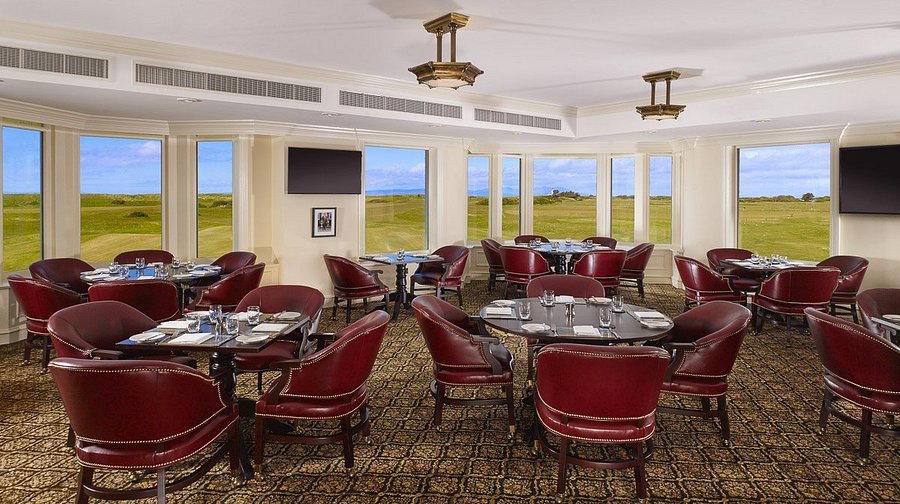
At a Glance
- Elegant
- Sophisticated
- Classic
- Scenic
- Ornate
- Special Occasion
- Date Night
- Business Dinner
- Panoramic View
- Private Dining
- Hotel Restaurant
- Extensive Wine List
- Local Sourcing
- Sustainable Seafood
- Farm To Table
- Waterfront
Current opening hours
- Monday
- 7–10 AM, 7:06–9 PM
- Tuesday
- 7–10 AM, 7:06–9:30 PM
- Wednesday
- 7–10 AM, 7:06–9:30 PM
- Thursday
- 7–10 AM, 7:06–9:30 PM
- Friday
- 7–10 AM, 7:06–9:30 PM
- Saturday
- 7–10 AM, 7:06–9:30 PM
- Sunday
- 7–10 AM, 7:06–9:30 PM
Hours can change for holidays and private events. Last verified .
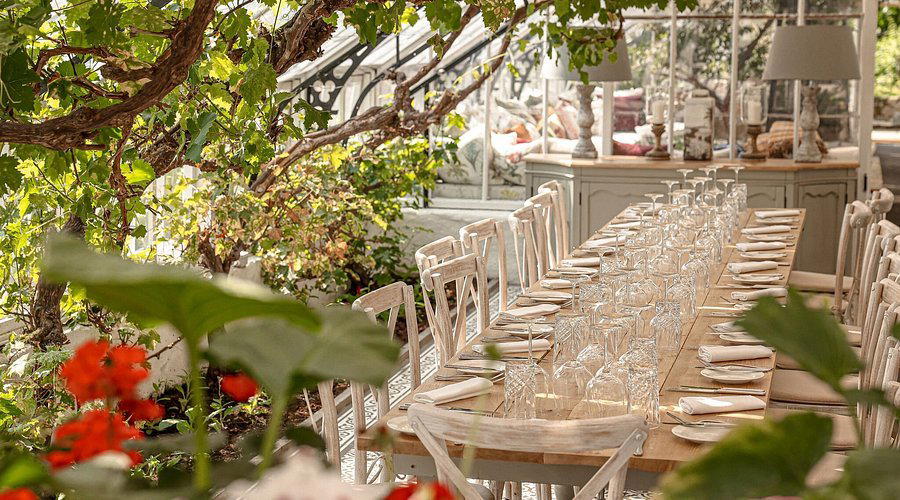
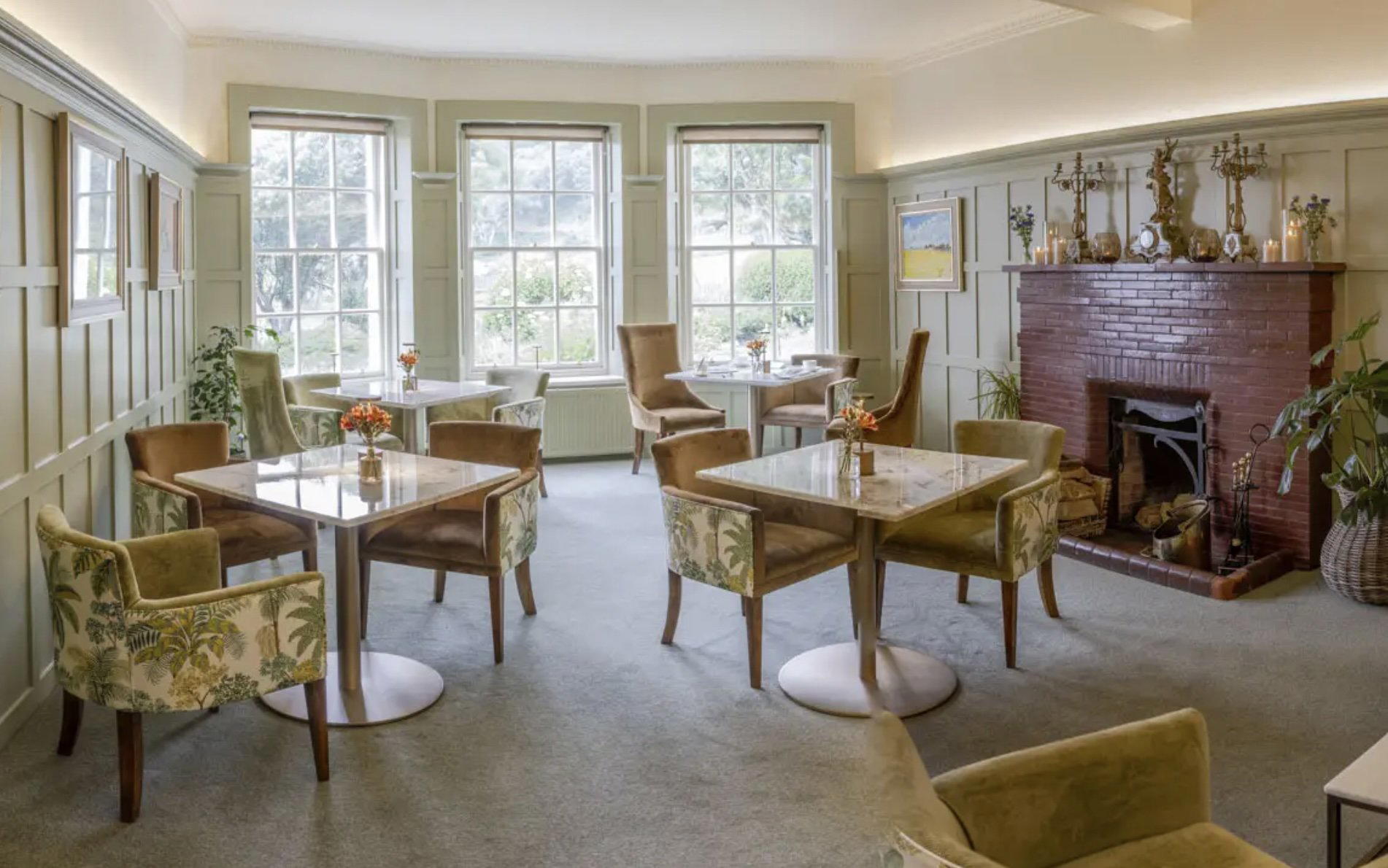
Luxurious dining room with picture windows offering far-reaching views of the Firth of Clyde and championship golf courses, elegant and sophisticated atmosphere.