1739
Our verdict
Where Casco Viejo's Colonial Grid Meets a Modern Sourcing Argument Casco Viejo operates as Panama City's most concentrated block of historical architecture, street-level ambition, and culinary ambition pulling in the same direction. The neighbourhood's grid of 17th and 18th-century stone buildings has, over the past decade, become the address of choice for restaurants that want the weight of place behind them. On the corner of Avenida A and Calle 8, the address itself carries the year the barrio was founded: 1739. That date is not decoration. It frames the dining room's central argument, which is that Panama's position as a crossroads between oceans and continents has always produced an unusual larder, and that cooking here is most honest when it reflects that geography directly. The physical approach to the space involves the sensory layering that Casco does better than any other Panama City neighbourhood: salt air from the Bay of Panama, the faint percussion of the city's traffic settling behind colonial facades, and the abrupt shift in scale as you move from wide boulevard to narrow interior. Casco restaurants that understand the neighbourhood use that contrast. The street-level presence here is modest in the way that addresses with genuine historical roots tend to be, letting the building do the framing rather than compensating with exterior signage. Panama's Larder: What Two Oceans and the Darién Produce To understand what a sourcing-focused kitchen in Panama City is working with, it helps to think about the geography before thinking about the menu. Panama sits at the biological crossroads between North and South American flora and fauna, with Pacific and Caribbean coastlines producing markedly different seafood. The Pacific side yields corvina, pargo, and a range of shellfish shaped by cooler, nutrient-dense upwellings. The Caribbean side produces lobster, snapper varieties, and fish with flavour profiles closer to what you find in the wider West Indian tradition. Inland, the highlands around Boquete and Cerro Punta produce vegetables and coffee at altitude, while the lowland provinces supply tropical fruit, root vegetables, and indigenous grain varieties that rarely appear on urban menus. This is the context in which restaurants like Maito (Panamanian) have made careers: treating Panama's biodiversity as a sourcing advantage rather than a limitation. The conversation around Panamanian cuisine has matured substantially since the mid-2010s, when a handful of chefs began insisting that the country's cooking did not need to borrow its prestige from European or North American frameworks. That argument has since taken root, and Casco Viejo has become its most visible stage. Casco Viejo restaurants now occupy a distinct bracket within Panama City's dining scene. The neighbourhood's combination of protected architecture, tourism infrastructure, and a resident population of architects and creative professionals has created demand for restaurants that operate at a certain level of finish. Caleta and Atope represent different facets of that bracket, the former more seafood-focused, the latter more technique-forward. BRIO Brasserie and Umi Restaurante Bar Izakaya extend the range into European brasserie and Japanese formats respectively, illustrating how broadly Casco has diversified its offering. Within that context, an address anchored by a founding date and positioned at the corner of Avenida A and Calle 8 is making a specific claim about rootedness. The sourcing angle places it in the same conversation as restaurants in other cities where provenance has become the central editorial point: kitchens like Arpège in Paris, where the garden dictates the menu, or CORE by Clare Smyth in London, where British producers are credited as primary collaborators. The mechanism is different in Panama, where the biodiversity is wilder and less codified, but the underlying argument, that the kitchen's first obligation is to understand and represent its immediate geography, is the same. What the Menu Logic Suggests In kitchens where ingredient sourcing is the organising principle, the menu tends to move with the supply chain rather than against it. Expect the Pacific coast to be more present than the Caribbean, simply because Panama City faces west, but Caribbean ingredients have a way of appearing as accents rather than headlines. Root vegetables from the interior, plantain preparations that reference Afro-Caribbean tradition, and seafood that changes with the season are the structural grammar of this kind of cooking. The highest-signal dishes in sourcing-led kitchens are usually the simplest: preparations where the ingredient quality is the point and technique serves as framing rather than the main event. For useful comparison, Receta Michilá in Isla Carenero demonstrates what this approach looks like when applied to the Bocas del Toro archipelago's Caribbean bounty, a useful counterpoint to the Pacific-tilted sourcing that defines most Panama City kitchens. Internationally, the sourcing conversation has analogues in restaurants as different in scale as Osteria Francescana in Modena and Lazy Bear in San Francisco, both of which treat regional identity as the foundation rather than the garnish. Planning Your Visit Casco Viejo is most navigable on foot once you are in the neighbourhood, but the taxi ride from Miraflores or the banking district takes fifteen to twenty minutes depending on traffic. The address at Avenida A and Calle 8 sits close to the Plaza de Francia end of the barrio, which is among the better-preserved and better-lit parts of the old city. Evening visits to Casco benefit from arriving before dark to see the architecture in full light. Booking ahead is advisable for any Casco restaurant operating at this address and positioning, since the neighbourhood draws both visitors and residents on weekends and the dining rooms here tend to run at capacity. Check the current booking method directly, as contact details were not available at publication. For a broader view of Panama City's dining scene, our full Panama City restaurants guide covers the range from Casco Viejo to El Carmen, where Los Tarascos Mexicanos represents the neighbourhood's more casual register. Frequently Asked Questions Is 1739 child-friendly?Casco Viejo restaurants at this tier tend to run a full dinner service with a pace and noise level that suits adults more naturally than young children, though Panama City dining culture is generally more inclusive of families than its European counterparts. If you are travelling with children, an earlier seating on a weekday gives more flexibility. The neighbourhood itself is walkable and visually engaging for curious older children.How would you describe the vibe at 1739?The address in Casco Viejo's colonial grid sets a tone that is historical without being fusty. Panama City's dining culture has shifted toward rooms that are serious about food without demanding formality from guests, and Casco in particular attracts a cosmopolitan mix of residents, regional visitors, and international travellers. Expect an atmosphere that is engaged and deliberate rather than celebratory or loud.What should I order at 1739?In kitchens framed around Panamanian sourcing, the proteins and preparations closest to the local supply chain are usually the most telling: Pacific coast seafood, highland vegetables, and dishes that reference indigenous or Afro-Caribbean culinary traditions. Avoid defaulting to the safest option on any sourcing-led menu; the dishes that look most specific to the region are generally the reason to be there. For a sense of how Panama City's leading kitchens approach local cuisine, Maito provides a useful benchmark for the category.Is 1739 reservation-only?Casco Viejo restaurants operating at this address and positioning in Panama City generally require advance booking, particularly on weekends when the neighbourhood draws significant foot traffic alongside seated diners. Without a confirmed walk-in policy available at publication, booking ahead is the safer approach.What makes 1739's location on Avenida A significant for understanding the restaurant?Avenida A runs along the southern edge of Casco Viejo with direct views toward the Bay of Panama, placing the restaurant physically at the meeting point of the neighbourhood's colonial history and its maritime geography. That adjacency to the sea is not incidental in a kitchen organised around Panamanian sourcing, since the Pacific coast fishery that supplies much of Panama City's leading seafood is visible from that stretch of the barrio. The address reinforces, rather than merely frames, the restaurant's editorial position within Panama City's growing canon of place-specific cooking, a conversation that also includes peers like Atope and Caleta.

Pearl is the En Primeur Club membership app, where members save venues, book tables and use the concierge.
The menu
What to order
- Smoked rack of lamb
- Grouper bouillabaisse
- Escargot
- Steak tartare
- French onion soup
Where Casco Viejo's Colonial Grid Meets a Modern Sourcing Argument
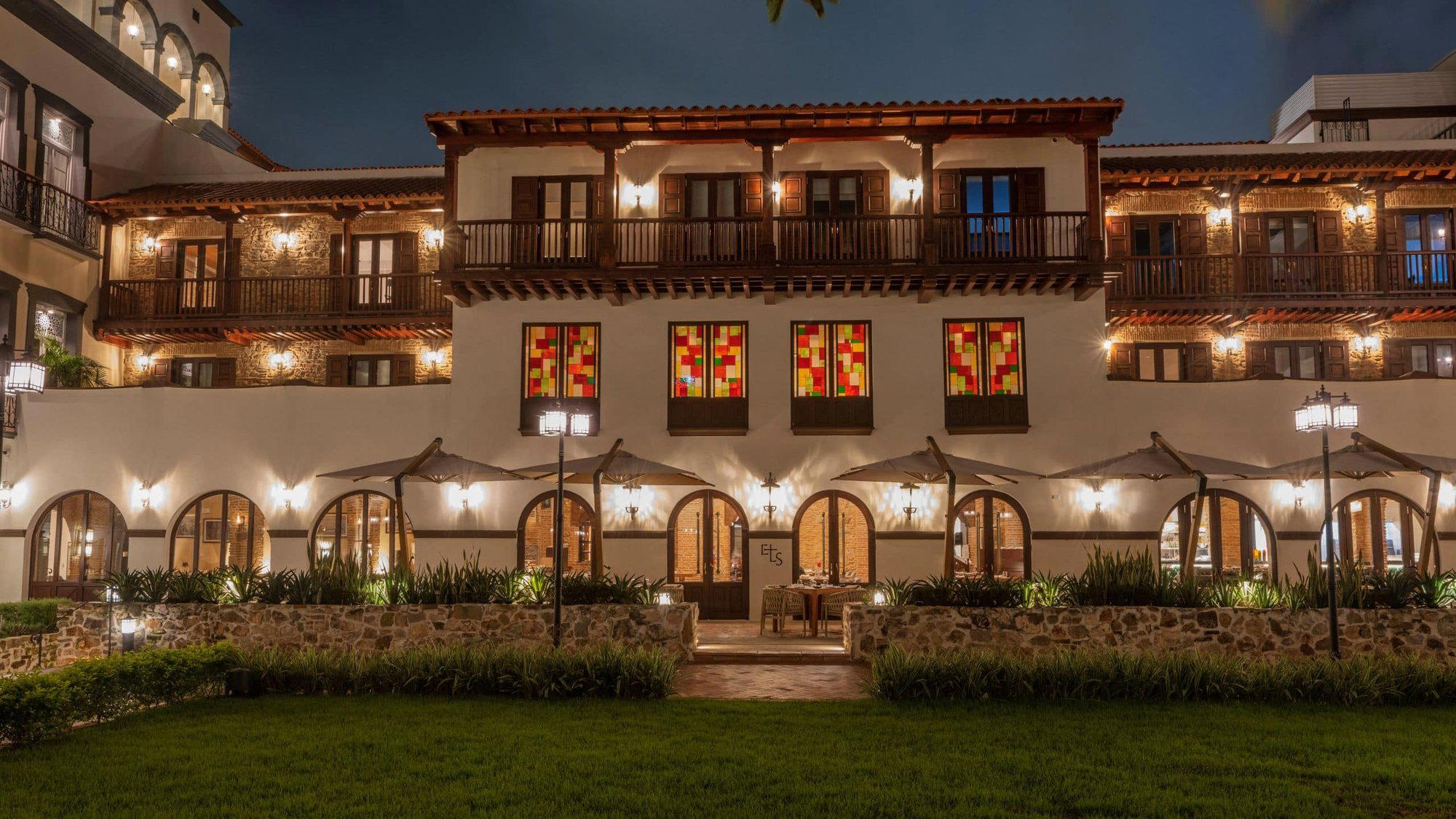
Casco Viejo operates as Panama City's most concentrated block of historical architecture, street-level ambition, and culinary ambition pulling in the same direction. The neighbourhood's grid of 17th and 18th-century stone buildings has, over the past decade, become the address of choice for restaurants that want the weight of place behind them. On the corner of Avenida A and Calle 8, the address itself carries the year the barrio was founded: 1739. That date is not decoration. It frames the dining room's central argument, which is that Panama's position as a crossroads between oceans and continents has always produced an unusual larder, and that cooking here is most honest when it reflects that geography directly.
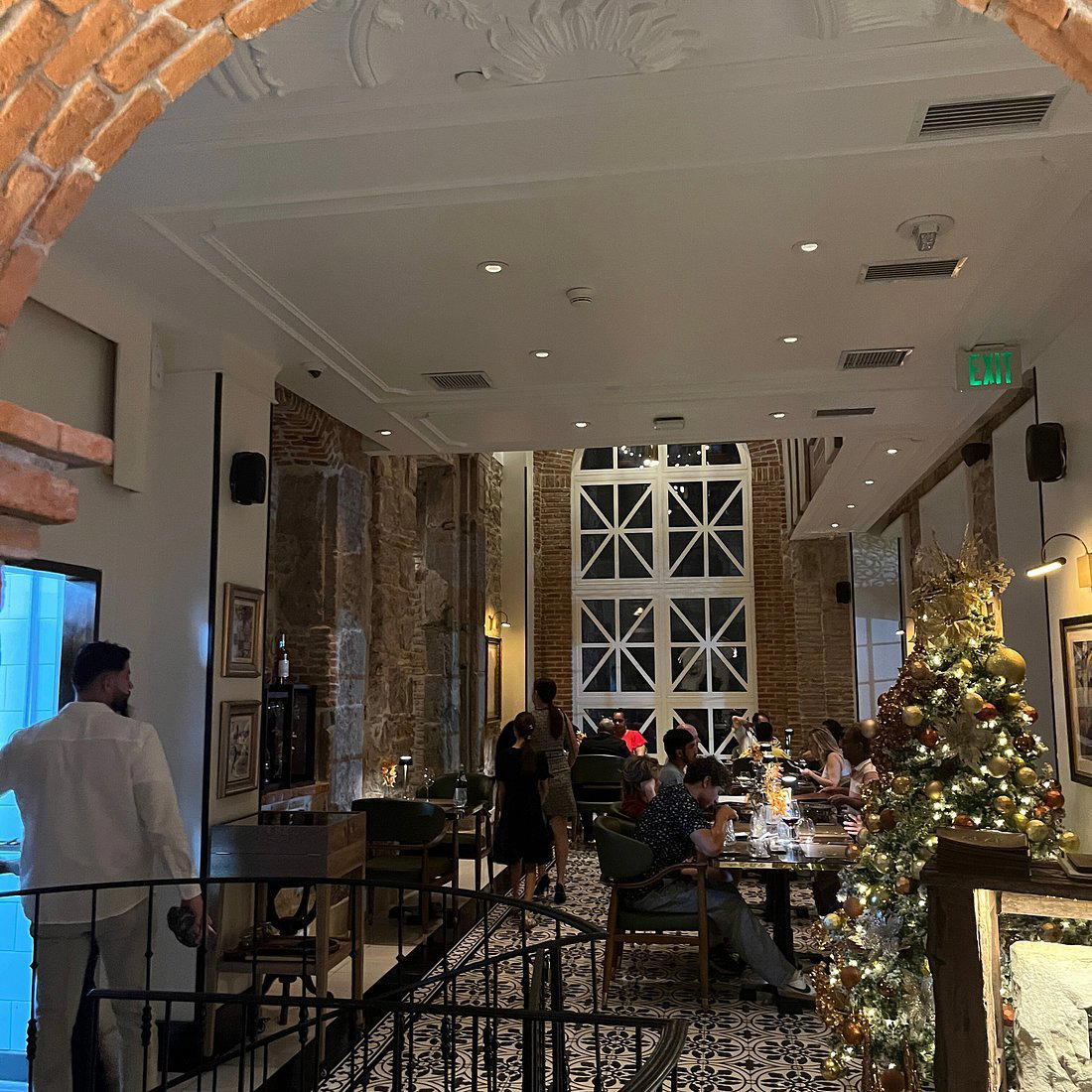
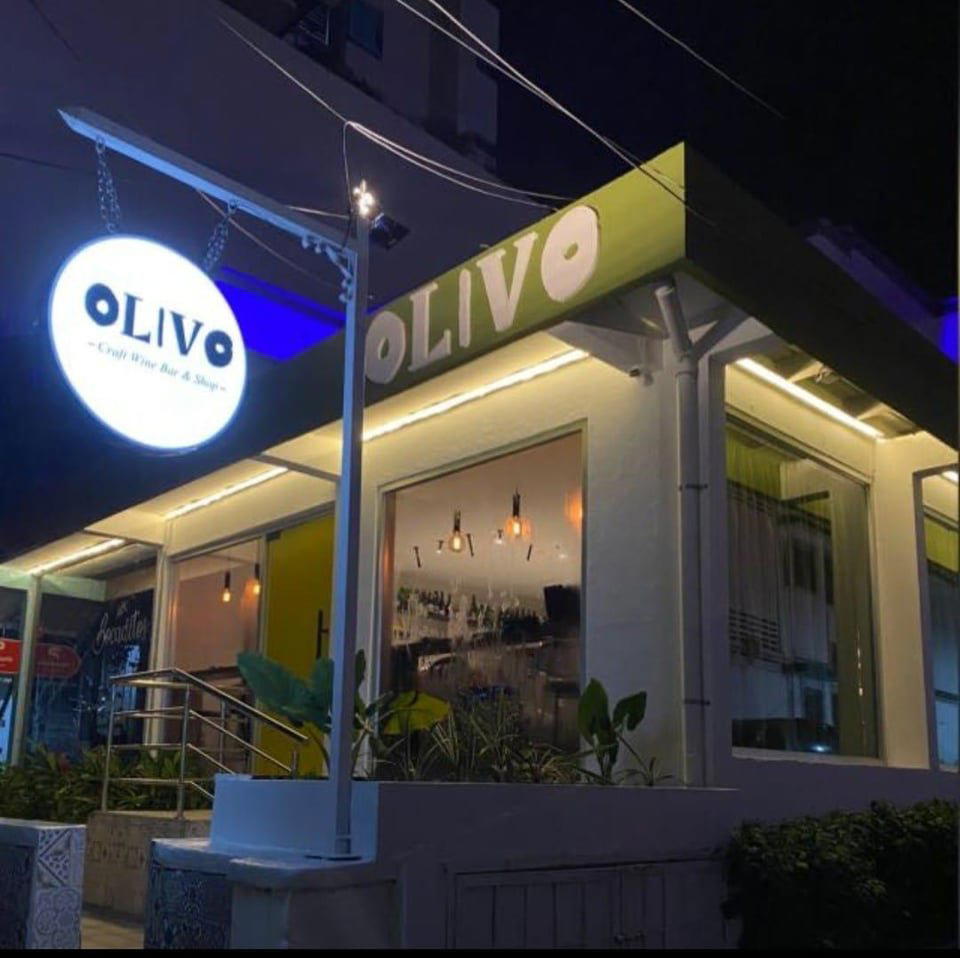
The physical approach to the space involves the sensory layering that Casco does better than any other Panama City neighbourhood: salt air from the Bay of Panama, the faint percussion of the city's traffic settling behind colonial facades, and the abrupt shift in scale as you move from wide boulevard to narrow interior. Casco restaurants that understand the neighbourhood use that contrast. The street-level presence here is modest in the way that addresses with genuine historical roots tend to be, letting the building do the framing rather than compensating with exterior signage.
Panama's Larder: What Two Oceans and the Darién Produce
To understand what a sourcing-focused kitchen in Panama City is working with, it helps to think about the geography before thinking about the menu. Panama sits at the biological crossroads between North and South American flora and fauna, with Pacific and Caribbean coastlines producing markedly different seafood. The Pacific side yields corvina, pargo, and a range of shellfish shaped by cooler, nutrient-dense upwellings. The Caribbean side produces lobster, snapper varieties, and fish with flavour profiles closer to what you find in the wider West Indian tradition. Inland, the highlands around Boquete and Cerro Punta produce vegetables and coffee at altitude, while the lowland provinces supply tropical fruit, root vegetables, and indigenous grain varieties that rarely appear on urban menus.
This is the context in which restaurants like Maito (Panamanian) have made careers: treating Panama's biodiversity as a sourcing advantage rather than a limitation. The conversation around Panamanian cuisine has matured substantially since the mid-2010s, when a handful of chefs began insisting that the country's cooking did not need to borrow its prestige from European or North American frameworks. That argument has since taken root, and Casco Viejo has become its most visible stage.
Casco Viejo restaurants now occupy a distinct bracket within Panama City's dining scene. The neighbourhood's combination of protected architecture, tourism infrastructure, and a resident population of architects and creative professionals has created demand for restaurants that operate at a certain level of finish. Caleta and Atope represent different facets of that bracket, the former more seafood-focused, the latter more technique-forward. BRIO Brasserie and Umi Restaurante Bar Izakaya extend the range into European brasserie and Japanese formats respectively, illustrating how broadly Casco has diversified its offering.
Within that context, an address anchored by a founding date and positioned at the corner of Avenida A and Calle 8 is making a specific claim about rootedness. The sourcing angle places it in the same conversation as restaurants in other cities where provenance has become the central editorial point: kitchens like Arpège in Paris, where the garden dictates the menu, or CORE by Clare Smyth in London, where British producers are credited as primary collaborators. The mechanism is different in Panama, where the biodiversity is wilder and less codified, but the underlying argument, that the kitchen's first obligation is to understand and represent its immediate geography, is the same.
What the Menu Logic Suggests
In kitchens where ingredient sourcing is the organising principle, the menu tends to move with the supply chain rather than against it. Expect the Pacific coast to be more present than the Caribbean, simply because Panama City faces west, but Caribbean ingredients have a way of appearing as accents rather than headlines. Root vegetables from the interior, plantain preparations that reference Afro-Caribbean tradition, and seafood that changes with the season are the structural grammar of this kind of cooking. The highest-signal dishes in sourcing-led kitchens are usually the simplest: preparations where the ingredient quality is the point and technique serves as framing rather than the main event.
For useful comparison, Receta Michilá in Isla Carenero demonstrates what this approach looks like when applied to the Bocas del Toro archipelago's Caribbean bounty, a useful counterpoint to the Pacific-tilted sourcing that defines most Panama City kitchens. Internationally, the sourcing conversation has analogues in restaurants as different in scale as Osteria Francescana in Modena and Lazy Bear in San Francisco, both of which treat regional identity as the foundation rather than the garnish.
Planning Your Visit
Casco Viejo is most navigable on foot once you are in the neighbourhood, but the taxi ride from Miraflores or the banking district takes fifteen to twenty minutes depending on traffic. The address at Avenida A and Calle 8 sits close to the Plaza de Francia end of the barrio, which is among the better-preserved and better-lit parts of the old city. Evening visits to Casco benefit from arriving before dark to see the architecture in full light. Booking ahead is advisable for any Casco restaurant operating at this address and positioning, since the neighbourhood draws both visitors and residents on weekends and the dining rooms here tend to run at capacity. Check the current booking method directly, as contact details were not available at publication.
For a broader view of Panama City's dining scene, our full Panama City restaurants guide covers the range from Casco Viejo to El Carmen, where Los Tarascos Mexicanos represents the neighbourhood's more casual register.
Frequently asked questions
Is 1739 child-friendly?
How would you describe the vibe at 1739?
What should I order at 1739?
Is 1739 reservation-only?
What makes 1739's location on Avenida A significant for understanding the restaurant?
Continue exploring
More in Panama City
Restaurants in Panama City
All restaurants in Panama City →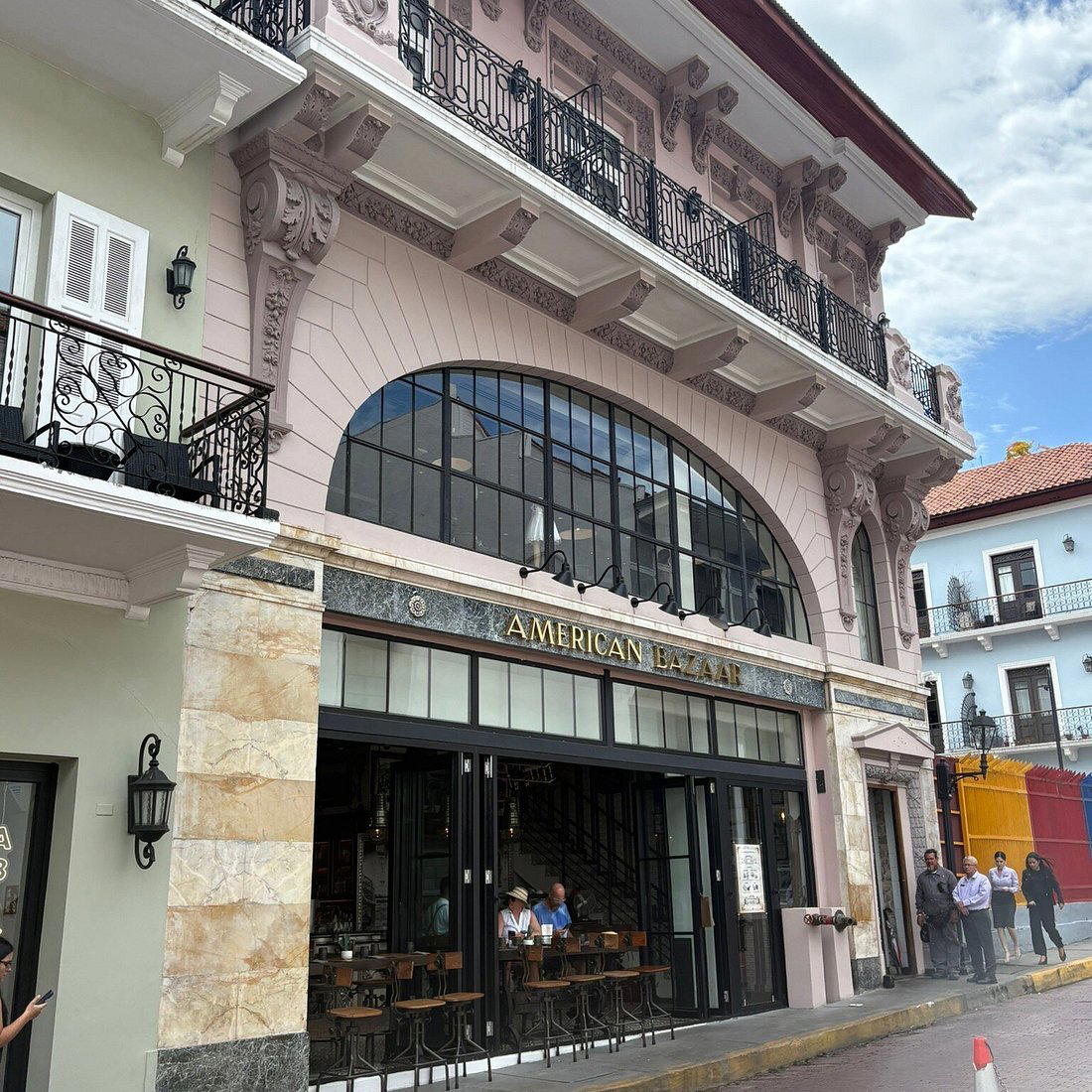
Bars in Panama City
All bars in Panama City →
1739
The wine
- Wine program
- Deep wine list
- Extensive wine list
- Sommelier-led
Details
- Elegant
- Sophisticated
- Romantic
- Historic
- Intimate
- Date Night
- Special Occasion
- Celebration
- Wine Cellar
- Historic Building
- Hotel Restaurant
- Extensive Wine List
- Sommelier Led
- A La Carte
- Wine
Charming historic ambiance with high intricate ceilings, black and white photos of Panamanian icons, dimly lit candles, and a nostalgic ornate feel reminiscent of a Beauty and the Beast castle.