Ammi
Drinking at Altitude: Panama City's Rooftop Bar Tier Panama City's bar scene has undergone a quiet reorganisation over the past decade. The ground-floor cantina and the hotel lobby pour still exist, but a distinct upper tier has emerged: rooftop operations that treat the Pacific skyline as part of the offering and build their back bars accordingly. These venues compete less on food or volume and more on spirits selection, glassware discipline, and the particular quality of sitting above a city that operates, climatically and commercially, at an intensity most Central American capitals do not. Ammi occupies a rooftop address on Calle 1a Oeste in the Provincia de Panamá, a location that places it within the older, denser grain of the city rather than the glass-tower corridor of Punta Pacífica. That positioning matters. Rooftop bars in the financial district tend to lean on the skyline as their primary credential; bars in the older neighbourhoods have to earn their standing through the programme itself. The Back Bar as Editorial Statement Across the Americas, the most interesting bar programmes of the past five years have treated spirits curation the way serious restaurants treat their wine lists: as an argument, not an inventory. The question is not how many bottles sit on the shelf but what the selection implies about the bar's point of view. Is there depth in aged agricole rum from Martinique alongside Panamanian seco? Does the mezcal selection run past the entry-level certified names? Is there any evidence that the person building the list has spent time in conversation with producers rather than distributors? Panama is a useful place to ask these questions. The country produces its own sugar-cane spirit in seco, which remains largely unknown outside the isthmus, and sits at the crossroads of Caribbean rum culture and the broader Latin American spirits tradition. A bar that takes its back bar seriously here has material to work with that most North American or European programmes would envy. The challenge is resisting the easy path of stocking the international prestige bottles and calling it done. Ammi's rooftop format aligns it with the small cohort of Panama City venues treating the back bar as the main event. For comparison, Olivo Wine Bar & Shop approaches curation from a wine-first perspective, while Tántalo Hotel / Kitchen / Roofbar layers its drinks programme against a broader hospitality operation. Ammi's rooftop-only format concentrates the proposition. Where This Fits in the Regional Conversation The appetite for serious cocktail bars in smaller Latin American capitals has grown considerably since around 2018, driven partly by the expansion of bartender exchange programmes and partly by a generation of local drinkers who travelled and came back with expectations the old scene could not meet. Panama City, with its unusual concentration of transient high-income professionals and its position as a regional hub, was always likely to develop faster than its neighbours in this regard. The hemispheric reference points are worth naming. Café La Trova in Miami demonstrated how a bar rooted in a specific cultural tradition could achieve both critical recognition and commercial success. Jewel of the South in New Orleans showed how deep archival research into a city's own drinking history could become a programme in itself. Superbueno in New York City built its identity around Latin American spirits at a moment when the category was being taken seriously for the first time in a major Anglo-American market. Panama City has its own set of reference venues. Maito Restaurante has set the tone for locally anchored hospitality, and Acua Pool & Lounge occupies a different tier of the open-air drinking scene. Ammi sits in a space between these poles: more drinks-focused than a pool lounge, more atmospheric than a restaurant bar. See the full Panama City restaurants and bars guide for broader context on how these venues map against each other. The Rooftop Format: What It Asks of the Programme Open-air rooftop bars in tropical climates operate under specific constraints that shape what a good spirits programme looks like in practice. Heat affects carbonation in tall drinks faster than in a controlled interior. Natural light in the evening hours changes how colour and clarity read in the glass. Ambient noise levels often make conversation about what you are drinking harder than at a counter seat indoors. The bars that handle this well tend to simplify their format rather than fight these conditions. Shorter menus, stronger emphasis on stirred and spirit-forward drinks that hold up across a wider temperature range, and a back bar organised for speed and clarity rather than maximalist display. The parallels with how serious cocktail programmes operate in other warm-climate cities are instructive: Bar Leather Apron in Honolulu has built its reputation on exactly this kind of disciplined restraint, and Julep in Houston demonstrates how a defined spirits focus creates a coherent identity even in a dense market. The rooftop format at Ammi functions as both its strongest asset and its clearest editorial constraint. The physical experience of the space, looking out over a city that sits at the junction of two oceans and operates as a transit point for a significant share of global container trade, is not incidental. It frames every drink differently than a basement bar in a Northern European city frames it. The Parlour in Frankfurt and Kumiko in Chicago operate in contexts where interior design and controlled atmosphere carry the spatial argument; at Ammi, the city itself does that work. Planning a Visit Ammi's address on Calle 1a Oeste places it in a part of Panama City where foot traffic drops sharply after business hours, making a taxi or ride-share the practical arrival method for most visitors. The rooftop format means evening visits, particularly in the dry season months between January and April, offer the most comfortable conditions. Panama City's wet season brings heavy rainfall that can arrive without much warning, which is worth factoring into timing if the open-air element matters to your experience. Frequently Asked Questions What's the general vibe of Ammi?Ammi operates as a rooftop bar on Calle 1a Oeste in Panama City, positioned in the tier of venues where spirits curation and an open-air city view are the primary draws rather than food or entertainment programming. The setting places it in conversation with other serious drinking destinations in the capital, and its atmosphere reflects the denser, older part of the city rather than the high-rise financial district.What should I try at Ammi?Given the back-bar emphasis of Ammi's format, spirits-forward drinks are the natural starting point. Panama's own seco and the broader Caribbean rum tradition provide the most locally grounded entry into the programme.What makes Ammi worth visiting?The rooftop position in a non-tourist part of Panama City, combined with a programme that appears to treat the back bar as a curation exercise rather than a convenience, makes Ammi a reference point for the style of serious open-air drinking that has defined the capital's recent bar development. Visitors who have spent time at comparable programmes across the region will find the context familiar; first-time visitors to Panama City will find it a useful lens on how the local bar scene has developed.Is Ammi a good option for exploring Panamanian spirits like seco?Panama's native cane spirit, seco herrerano, remains largely absent from international cocktail menus despite being deeply embedded in local drinking culture. A rooftop bar with a back-bar curation focus in Panama City is one of the more natural settings for encountering it in a cocktail context rather than as a straight pour. No specific seco-based cocktails are confirmed in Ammi's current programme, but the venue's positioning within Panama City's serious drinking tier makes it a reasonable place to ask about local spirits specifically.

Pearl is the En Primeur Club membership app, where members save venues, book tables and use the concierge.
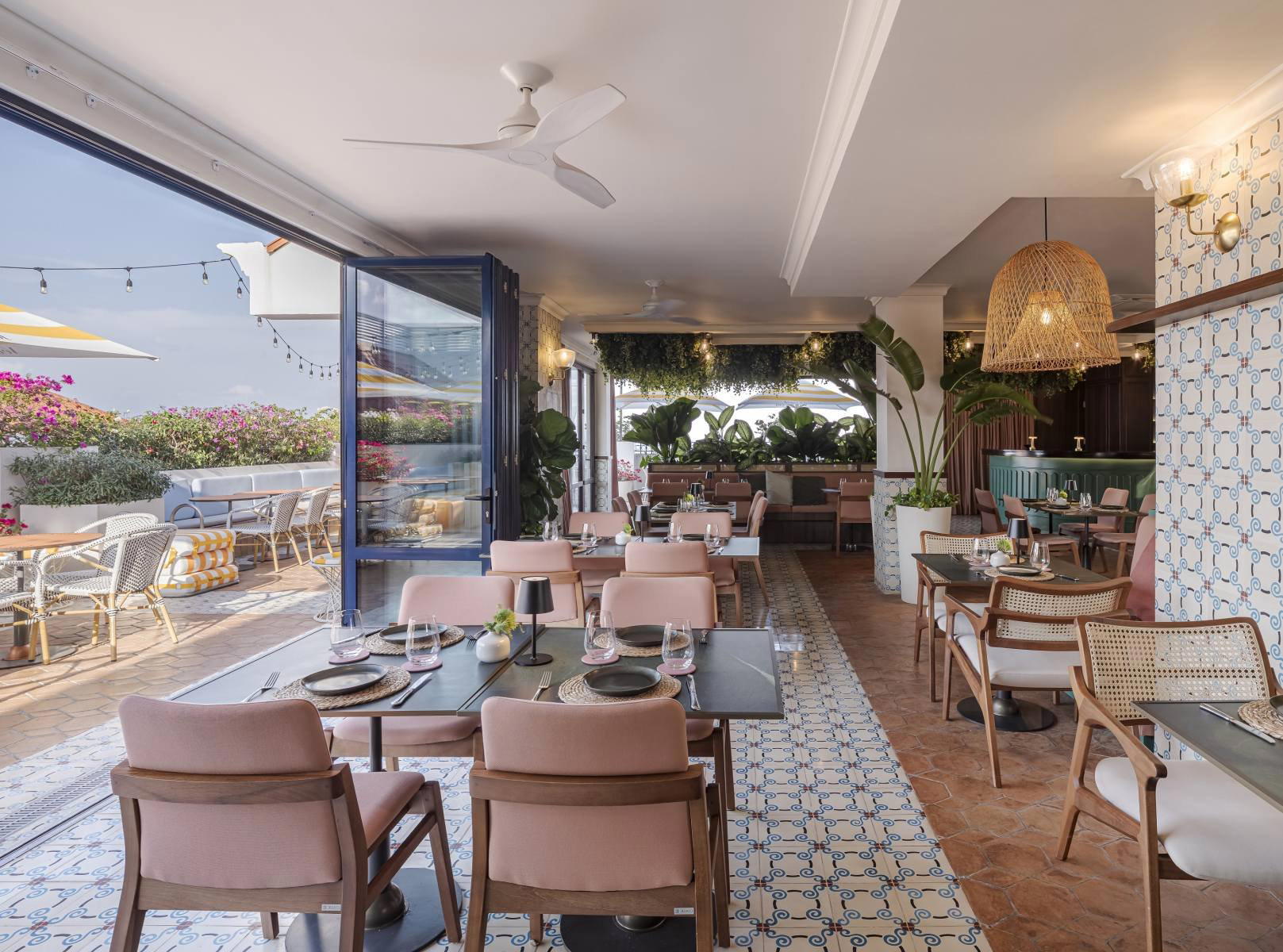
Drinking at Altitude: Panama City's Rooftop Bar Tier
Panama City's bar scene has undergone a quiet reorganisation over the past decade. The ground-floor cantina and the hotel lobby pour still exist, but a distinct upper tier has emerged: rooftop operations that treat the Pacific skyline as part of the offering and build their back bars accordingly. These venues compete less on food or volume and more on spirits selection, glassware discipline, and the particular quality of sitting above a city that operates, climatically and commercially, at an intensity most Central American capitals do not.
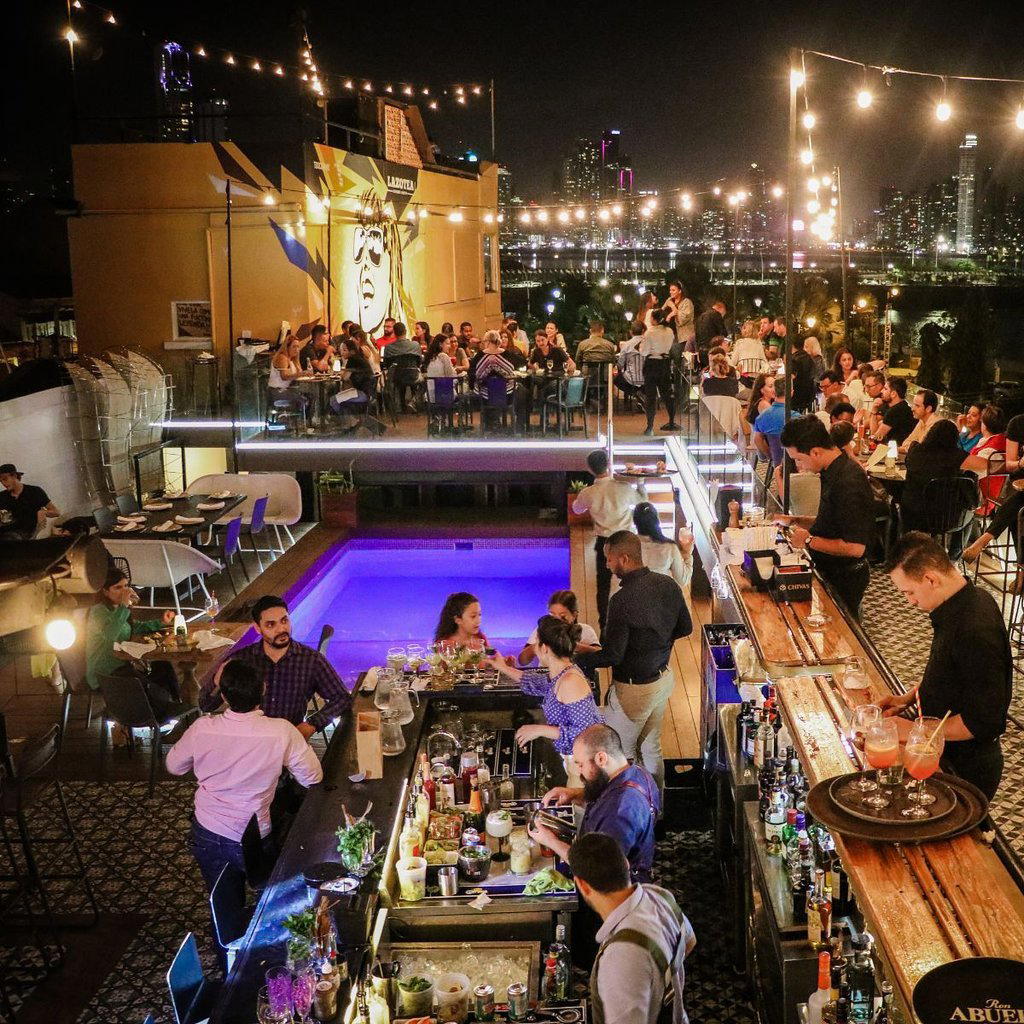
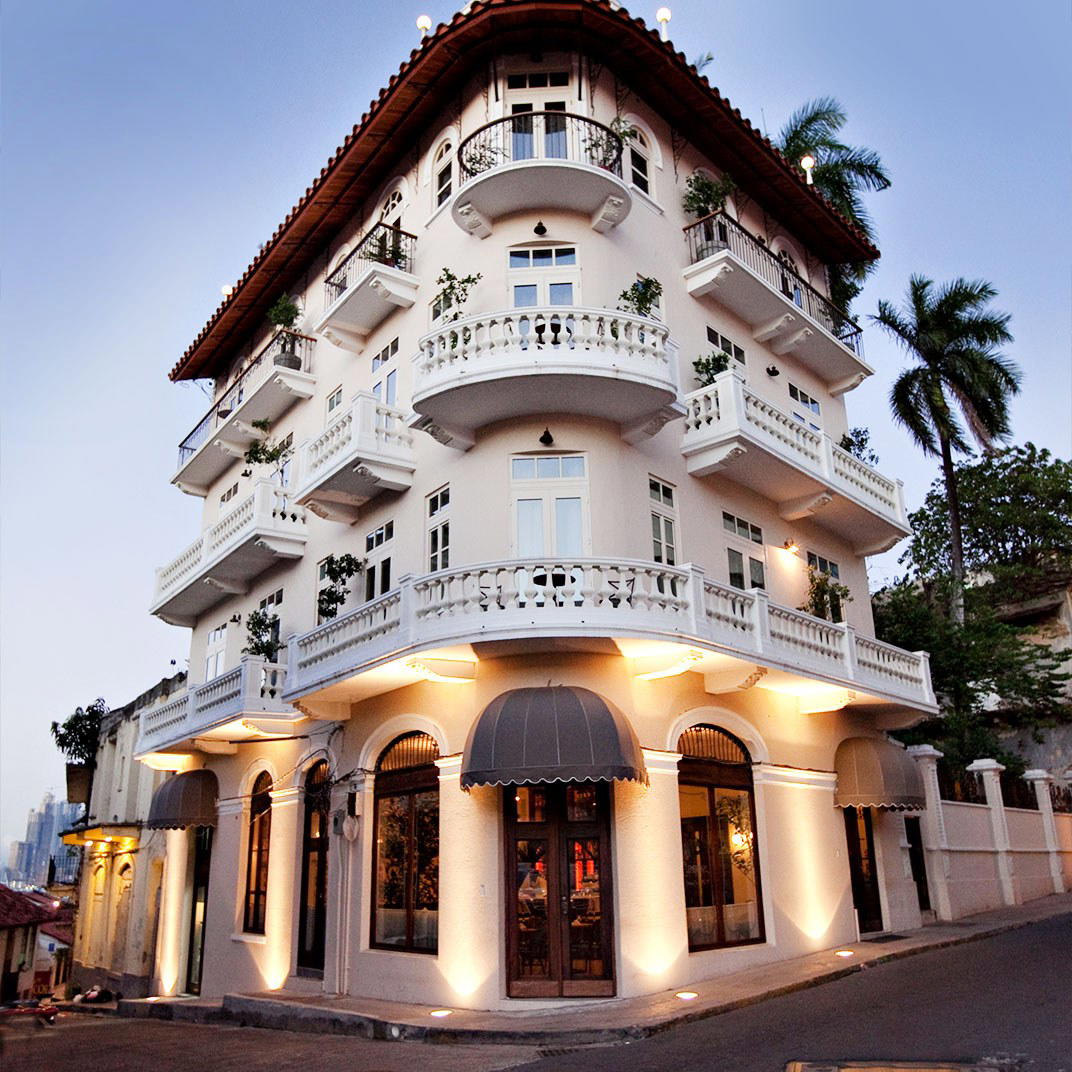
Ammi occupies a rooftop address on Calle 1a Oeste in the Provincia de Panamá, a location that places it within the older, denser grain of the city rather than the glass-tower corridor of Punta Pacífica. That positioning matters. Rooftop bars in the financial district tend to lean on the skyline as their primary credential; bars in the older neighbourhoods have to earn their standing through the programme itself.
The Back Bar as Editorial Statement
Across the Americas, the most interesting bar programmes of the past five years have treated spirits curation the way serious restaurants treat their wine lists: as an argument, not an inventory. The question is not how many bottles sit on the shelf but what the selection implies about the bar's point of view. Is there depth in aged agricole rum from Martinique alongside Panamanian seco? Does the mezcal selection run past the entry-level certified names? Is there any evidence that the person building the list has spent time in conversation with producers rather than distributors?
Panama is a useful place to ask these questions. The country produces its own sugar-cane spirit in seco, which remains largely unknown outside the isthmus, and sits at the crossroads of Caribbean rum culture and the broader Latin American spirits tradition. A bar that takes its back bar seriously here has material to work with that most North American or European programmes would envy. The challenge is resisting the easy path of stocking the international prestige bottles and calling it done.
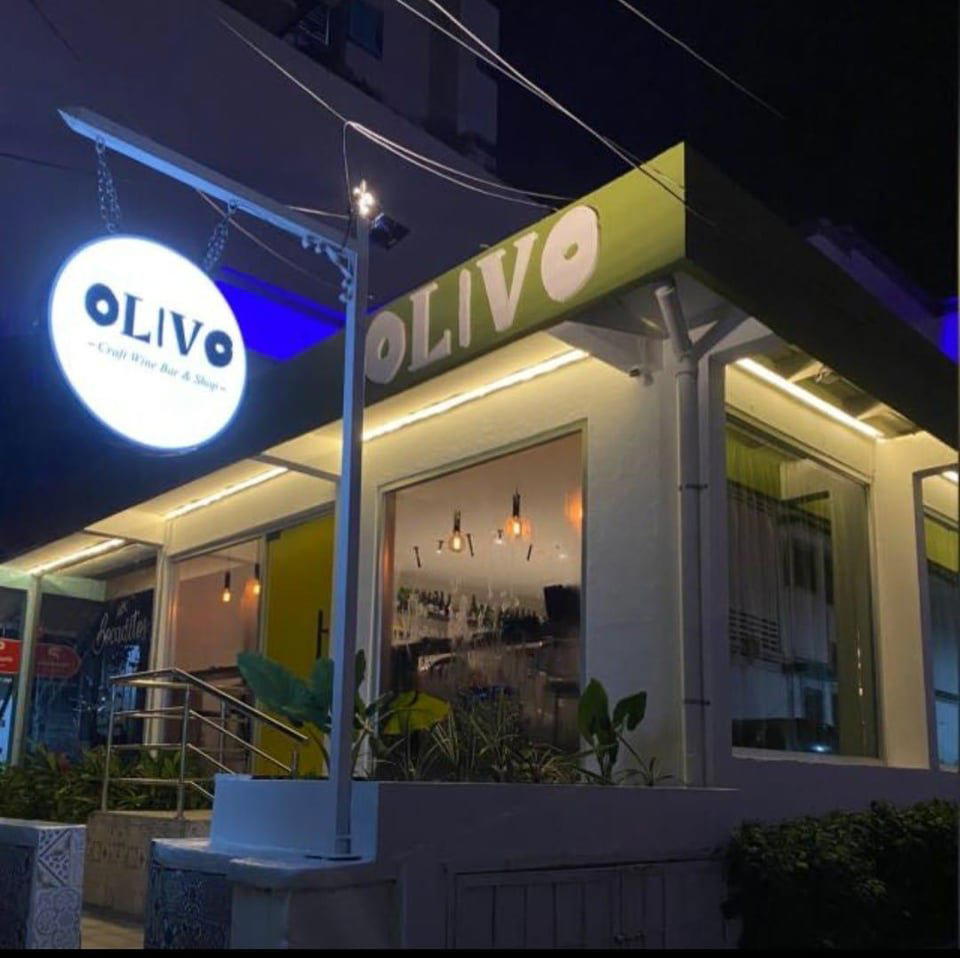
Ammi's rooftop format aligns it with the small cohort of Panama City venues treating the back bar as the main event. For comparison, Olivo Wine Bar & Shop approaches curation from a wine-first perspective, while Tántalo Hotel / Kitchen / Roofbar layers its drinks programme against a broader hospitality operation. Ammi's rooftop-only format concentrates the proposition.
Where This Fits in the Regional Conversation
The appetite for serious cocktail bars in smaller Latin American capitals has grown considerably since around 2018, driven partly by the expansion of bartender exchange programmes and partly by a generation of local drinkers who travelled and came back with expectations the old scene could not meet. Panama City, with its unusual concentration of transient high-income professionals and its position as a regional hub, was always likely to develop faster than its neighbours in this regard.
The hemispheric reference points are worth naming. Café La Trova in Miami demonstrated how a bar rooted in a specific cultural tradition could achieve both critical recognition and commercial success. Jewel of the South in New Orleans showed how deep archival research into a city's own drinking history could become a programme in itself. Superbueno in New York City built its identity around Latin American spirits at a moment when the category was being taken seriously for the first time in a major Anglo-American market.
Panama City has its own set of reference venues. Maito Restaurante has set the tone for locally anchored hospitality, and Acua Pool & Lounge occupies a different tier of the open-air drinking scene. Ammi sits in a space between these poles: more drinks-focused than a pool lounge, more atmospheric than a restaurant bar. See the full Panama City restaurants and bars guide for broader context on how these venues map against each other.
The Rooftop Format: What It Asks of the Programme
Open-air rooftop bars in tropical climates operate under specific constraints that shape what a good spirits programme looks like in practice. Heat affects carbonation in tall drinks faster than in a controlled interior. Natural light in the evening hours changes how colour and clarity read in the glass. Ambient noise levels often make conversation about what you are drinking harder than at a counter seat indoors.
The bars that handle this well tend to simplify their format rather than fight these conditions. Shorter menus, stronger emphasis on stirred and spirit-forward drinks that hold up across a wider temperature range, and a back bar organised for speed and clarity rather than maximalist display. The parallels with how serious cocktail programmes operate in other warm-climate cities are instructive: Bar Leather Apron in Honolulu has built its reputation on exactly this kind of disciplined restraint, and Julep in Houston demonstrates how a defined spirits focus creates a coherent identity even in a dense market.
The rooftop format at Ammi functions as both its strongest asset and its clearest editorial constraint. The physical experience of the space, looking out over a city that sits at the junction of two oceans and operates as a transit point for a significant share of global container trade, is not incidental. It frames every drink differently than a basement bar in a Northern European city frames it. The Parlour in Frankfurt and Kumiko in Chicago operate in contexts where interior design and controlled atmosphere carry the spatial argument; at Ammi, the city itself does that work.
Planning a Visit
Ammi's address on Calle 1a Oeste places it in a part of Panama City where foot traffic drops sharply after business hours, making a taxi or ride-share the practical arrival method for most visitors. The rooftop format means evening visits, particularly in the dry season months between January and April, offer the most comfortable conditions. Panama City's wet season brings heavy rainfall that can arrive without much warning, which is worth factoring into timing if the open-air element matters to your experience.
Ammi
Featured Guides
Continue exploring
More in Panama City
Bars in Panama City
All bars in Panama City →
Restaurants in Panama City
All restaurants in Panama City →
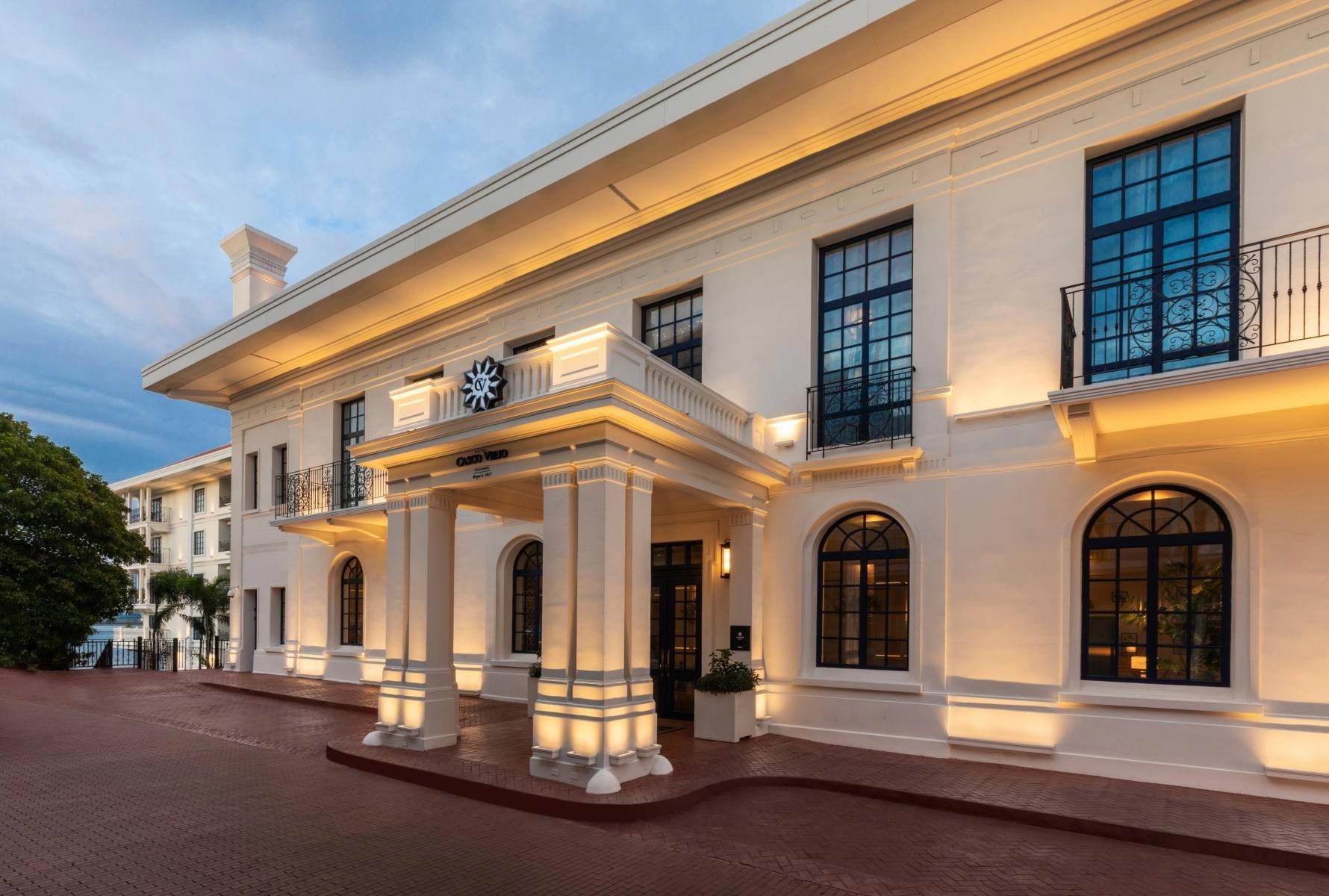
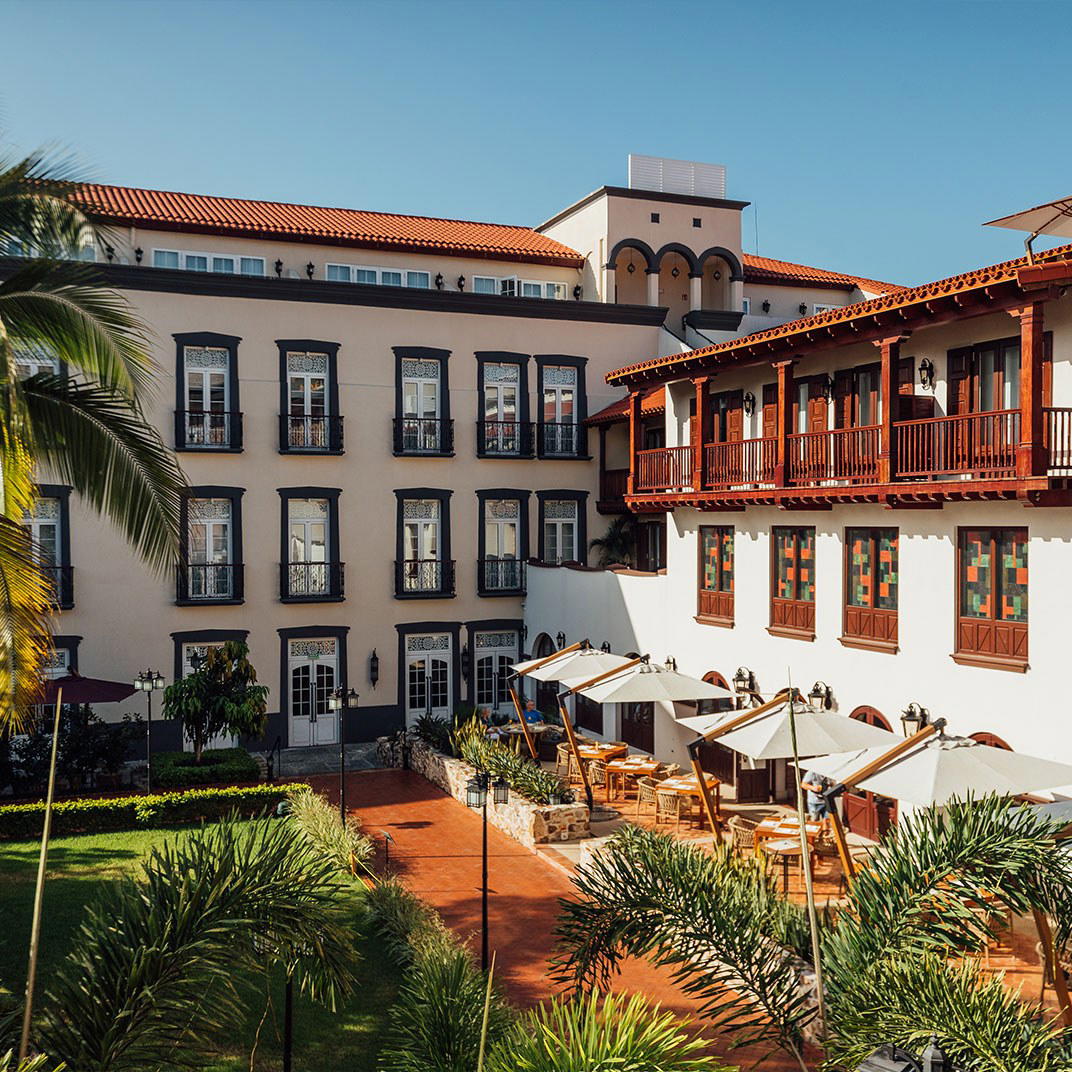
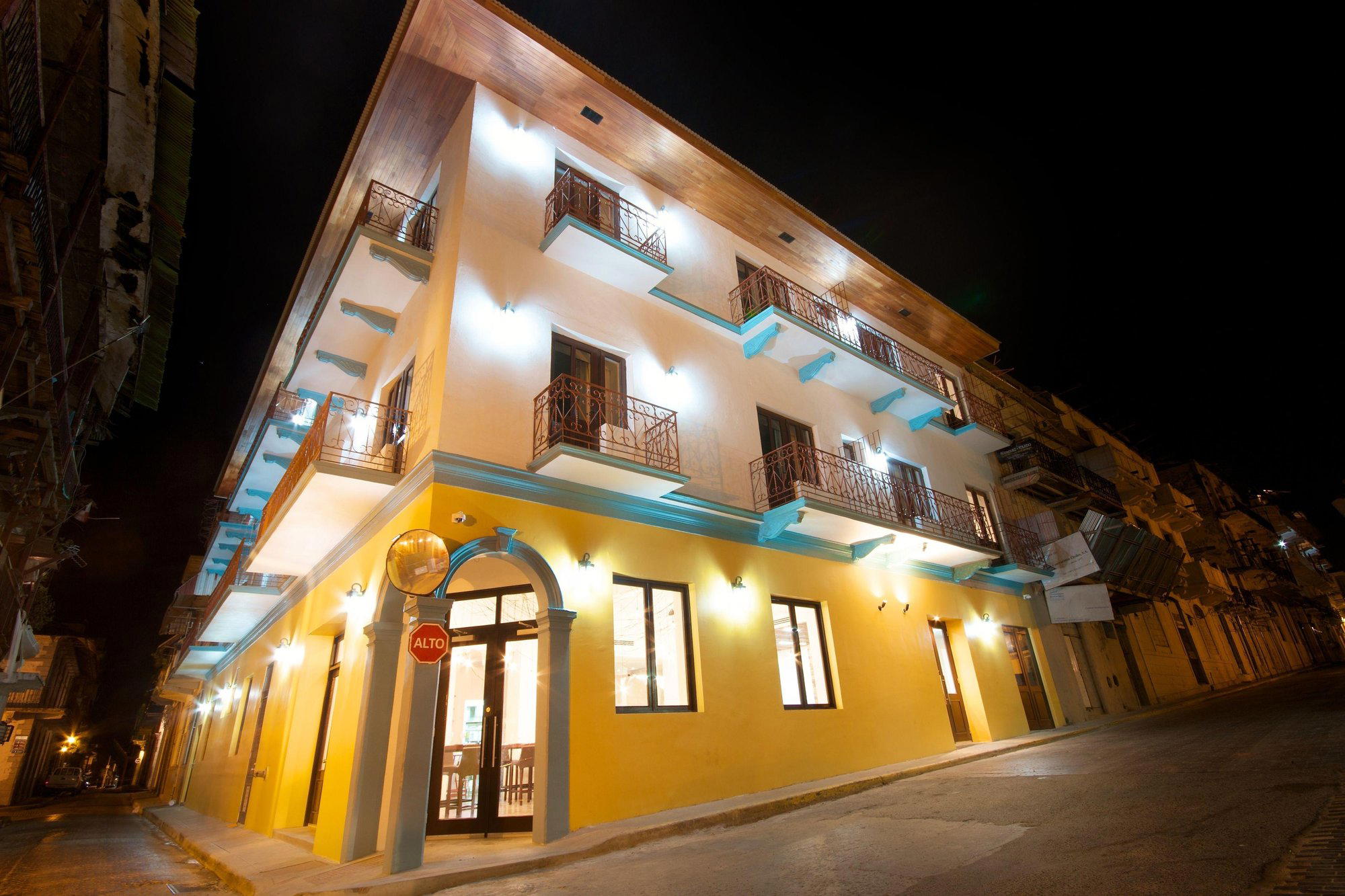
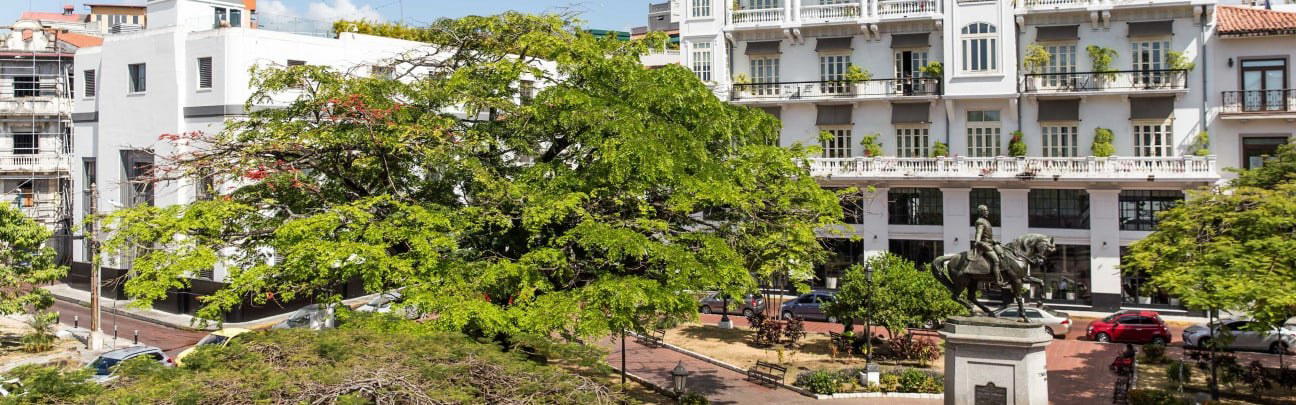
Ammi
The drinks
- Craft cocktails
- Classic cocktails
Signature drinks: Dragon Legend, La Reina, Agatha Christie's Cocktail, Mariamulata, Ammi Spritz.
Details
- Lively
- Romantic
- Elegant
- Scenic
- Energetic
- Sophisticated
- Date Night
- After Work
- Late Night
- Group Outing
- Celebration
- Special Occasion
- Rooftop
- Live Music
- Waterfront
- Panoramic View
- Hotel Bar
- Design Destination
- Outdoor Terrace
- Seated Bar
- Lounge Seating
- Private Rooms
- Craft Cocktails
- Classic Cocktails
- Rum
- Gin
- Waterfront
- Skyline
Current opening hours
- Monday
- 5 PM–12 AM
- Tuesday
- 5 PM–12 AM
- Wednesday
- 5 PM–12 AM
- Thursday
- 5 PM–12 AM
- Friday
- 3 PM–12:30 AM
- Saturday
- 3 PM–12:30 AM
- Sunday
- 3–11 PM
Hours can change for holidays and private events. Hours as of .