Arcano
Where Panama City's Cocktail Ambition Concentrates Panama City's bar culture has undergone a quiet but measurable shift in recent years. The template that dominated for most of the 2000s, hotel lobby pours and raucous Casco Viejo rum spots, has given way to a smaller, more deliberate tier of venues where the drink itself is the reason to be there. Arcano sits in that emerging tier. The address, on C. 1a Oeste in the Panamá province, places it within reach of the old city's creative gravity without being absorbed by its tourist metabolism. Approaching the space, the register changes before you reach the door. The lighting is controlled, the sound level calibrated for conversation. This is not accidental: bars that take their programmes seriously tend to share a certain environmental grammar, one that signals to the room that what is happening behind the counter warrants attention. Arcano reads that way. The interior asks you to slow down and pay attention, which is the right condition for drinking well. The Cocktail Programme as Editorial Statement Across Latin America, the most interesting cocktail programmes of the past decade have done one of two things: they have either reached toward European technique, clarifications, fat-washing, extended carbonation, or they have turned inward, grounding the glass in local botanicals, indigenous ferments, and regional sugar-cane traditions. Panama sits at a geographic crossroads that makes both directions available, and the better bars here have begun exploiting that position deliberately. Arcano's programme operates within that context. Panama has its own rum lineage, its own tropical fruit inventory, and a coffee culture centred on highland Geisha production from Chiriquí that few bars anywhere in the world have meaningfully worked into a cocktail format. The opportunity for a technically informed programme to draw on genuinely local material here is larger than in most cities. Bars in comparable positions globally, places like Bar Leather Apron in Honolulu or Kumiko in Chicago, have shown that regional ingredient specificity, when handled with precision, creates a drink identity that cannot be replicated elsewhere. That is the standard against which serious programmes in Panama City are now being measured. The Latin American cocktail reference points that matter most to this conversation are places like Café La Trova in Miami, which brought Cuban bar tradition into a technically rigorous format, and Superbueno in New York City, where Latin flavour logic was applied to a contemporary cocktail structure. Both demonstrated that regional identity and technical ambition are not in tension. The same argument is being made, at different levels of development, across Panama City's small but active specialist bar scene. Panama City's Bar Tier and Where Arcano Sits The city's bar offer currently spans several distinct strata. At one end, the pool-bar and hotel-lounge format, represented by venues like Acua Pool & Lounge, serves the leisure and corporate travel market with accessible, high-volume programming. At the other, a smaller cluster of independent operations targets a clientele that reads drinks lists the way a food-focused diner reads a tasting menu. Ammi operates in a similarly considered register, and the wine-led Olivo Wine Bar & Shop addresses a segment that wants programme depth over volume. Arcano's position in this ecosystem leans toward the specialist end of that spectrum. The comparison that matters for understanding this tier is not with Panama's tourist-facing bars but with the independent cocktail operations that have emerged in other mid-sized Latin American cities over the past decade. Bogotá, Lima, and Mexico City each developed a cohort of technically serious, low-capacity bars ahead of Panama City, and the progression that followed in those cities, wider recognition, international press, eventual awards attention, is the trajectory that Panama's better bars are now at the early stages of replicating. The timeline in Panama is compressed by the city's connectivity: as a transit hub with direct flights to most of the Americas and a growing international business base, bars here gain external exposure faster than their counterparts in more isolated cities. Restaurants that have done the harder editorial work of building a coherent food identity alongside the drink programme, Maito Restaurante is the clearest example in Panama City, have shown that the market for considered, locally rooted hospitality is real and sustainable here. The food-and-drink ecosystems of cities like Houston, where Julep built a serious whiskey programme inside a coherent Southern identity, or New Orleans, where Jewel of the South operates at the intersection of historical tradition and technical rigour, offer useful models for how specialist drink venues develop authority over time. The Parlour in Frankfurt demonstrates the same pattern in a European context: sustained programme focus, over years rather than seasons, is what separates a bar with a good opening from one with a lasting reputation. Planning Your Visit Arcano's C. 1a Oeste location places it within the older western edge of Panama City, accessible from Casco Viejo on foot or by short taxi or app-based ride. The area rewards those willing to approach an evening without a fixed itinerary: the concentration of independent venues here means that a night built around Arcano can expand naturally into the neighbourhood. For a fuller orientation to what the city's food and drink scene currently offers, the EP Club Panama City guide maps the scene across categories and price points. Confirm current hours directly before visiting. Frequently Asked Questions What do regulars order at Arcano? Ask the bartender what is in season and what the programme considers its current centrepiece. What should I know about Arcano before I go? Arcano operates in a specialist register within Panama City's bar scene, which means the experience is calibrated for guests who are there to drink attentively rather than to use the bar as background to another agenda. The city itself is a transit hub with direct connectivity across the Americas, making it genuinely accessible for visitors building a short layover into a deliberate bar itinerary. Do they take walk-ins at Arcano? Check current access arrangements directly before your visit. The EP Club Panama City guide offers additional context on the city's venues. Is Arcano suitable for someone who wants to understand Panama's local drink traditions rather than international cocktail formats? Panama sits at a geographic and agricultural intersection that gives its serious bar programmes access to ingredients such as rum, Geisha coffee, and tropical botanicals that are genuinely specific to the isthmus. Bars in Arcano's category, operating in the specialist tier of Panama City's cocktail scene, are the most likely venues to treat those local materials as the primary creative material rather than as garnish to a European-derived template. For a visitor whose interest is in the drink culture of the region rather than a globally reproducible cocktail experience, this is the tier of the market that merits attention.

Pearl is the En Primeur Club membership app, where members save venues, book tables and use the concierge.
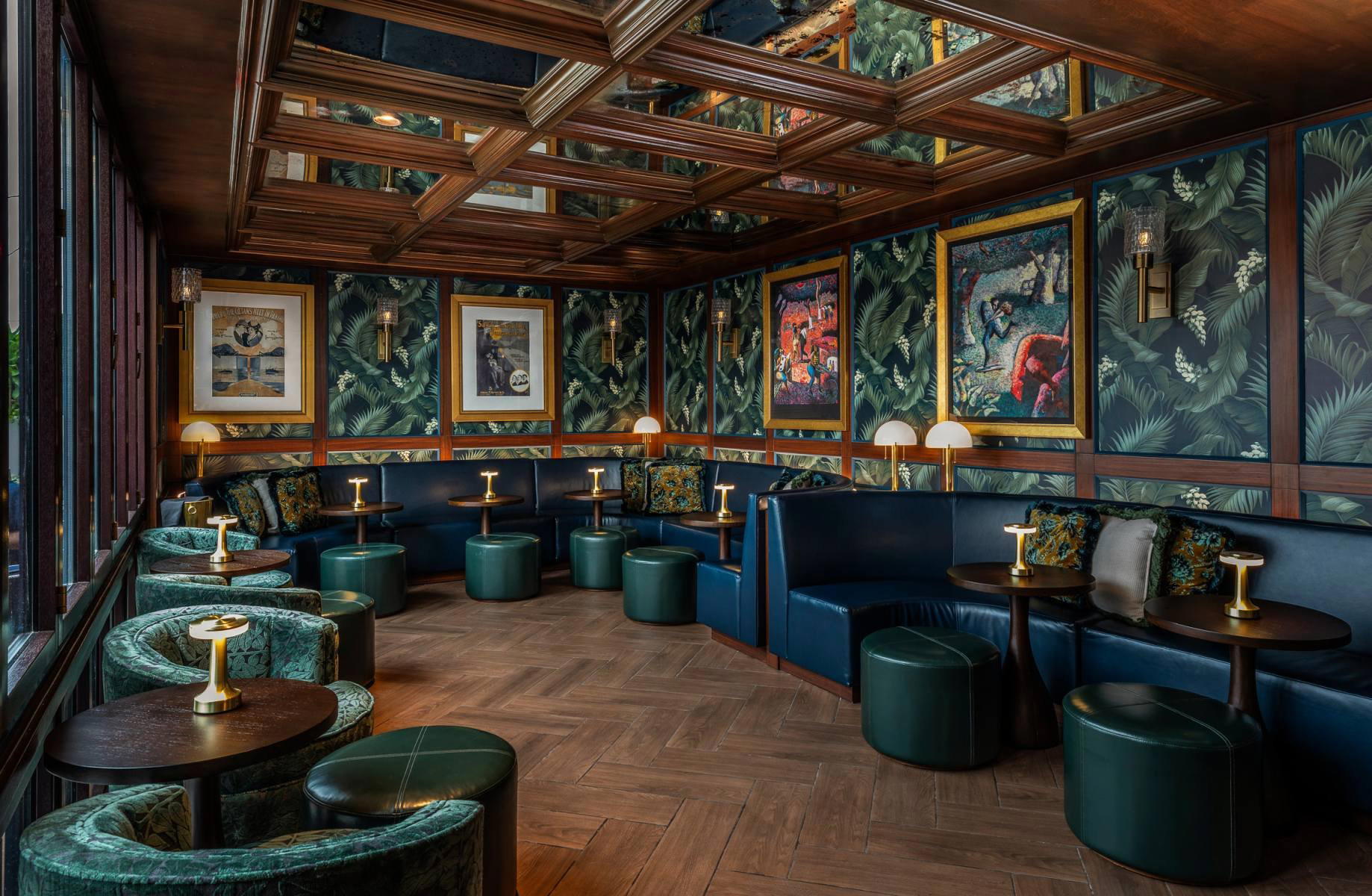
Where Panama City's Cocktail Ambition Concentrates
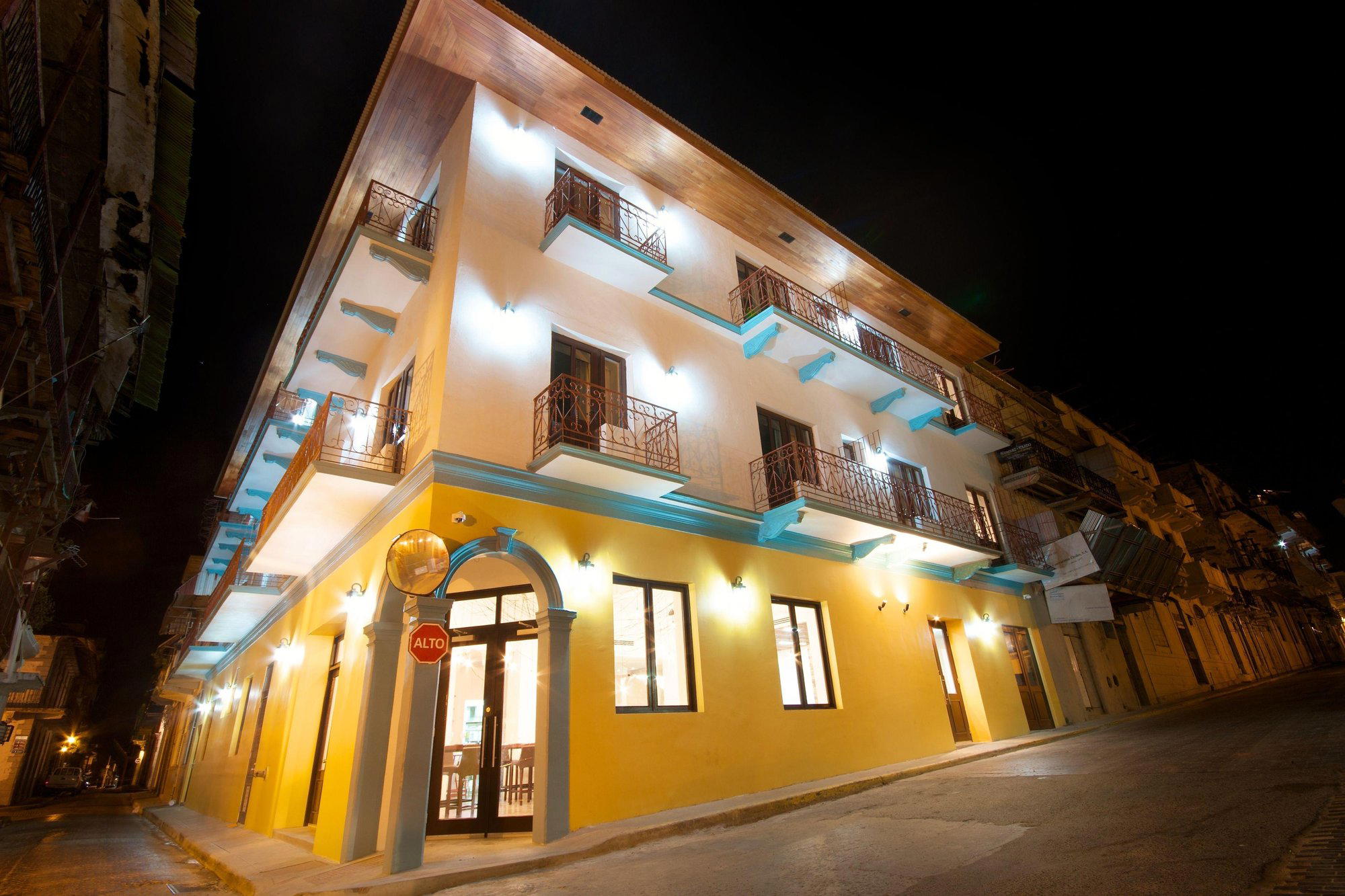
Panama City's bar culture has undergone a quiet but measurable shift in recent years. The template that dominated for most of the 2000s, hotel lobby pours and raucous Casco Viejo rum spots, has given way to a smaller, more deliberate tier of venues where the drink itself is the reason to be there. Arcano sits in that emerging tier. The address, on C. 1a Oeste in the Panamá province, places it within reach of the old city's creative gravity without being absorbed by its tourist metabolism.
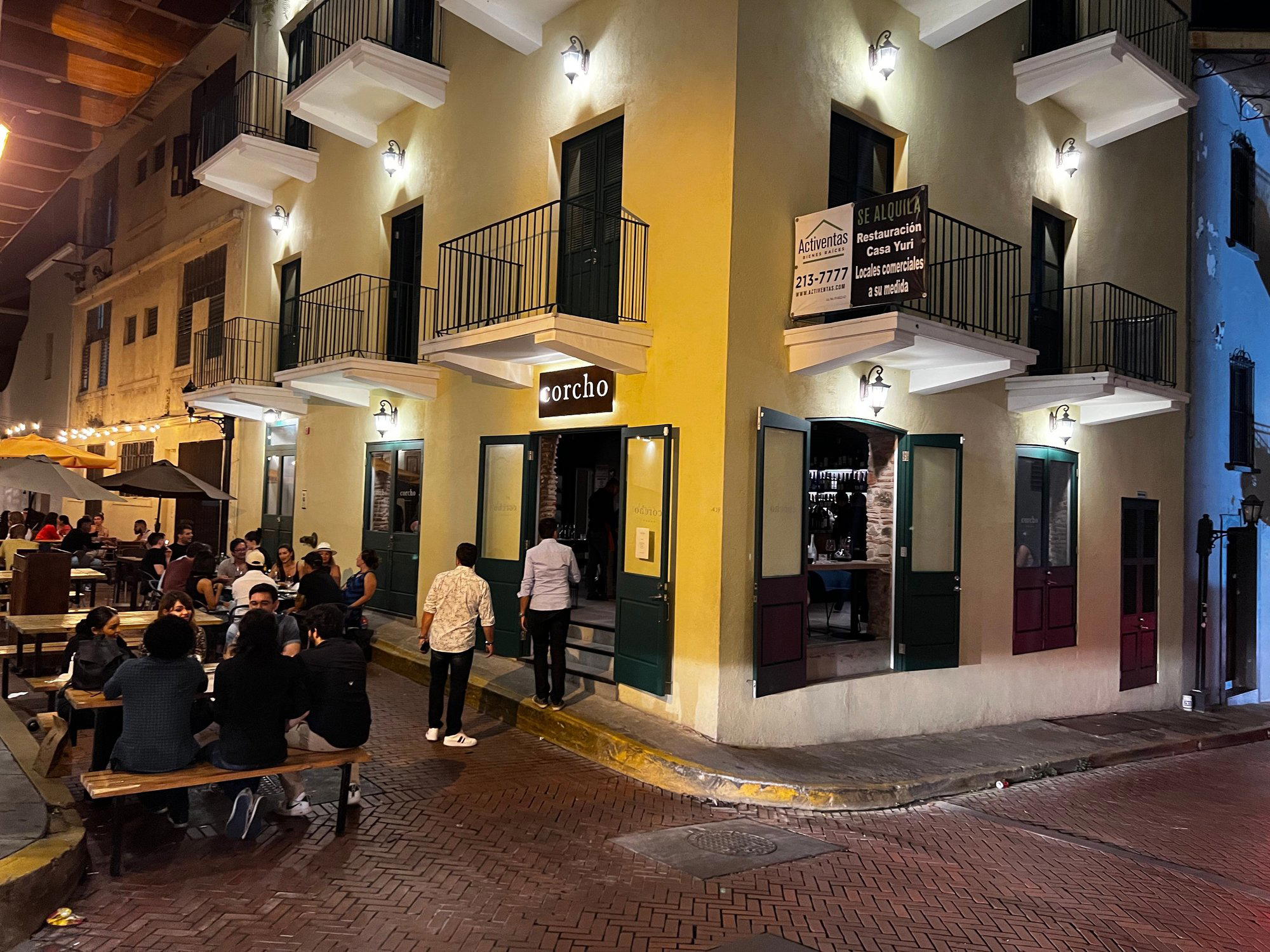
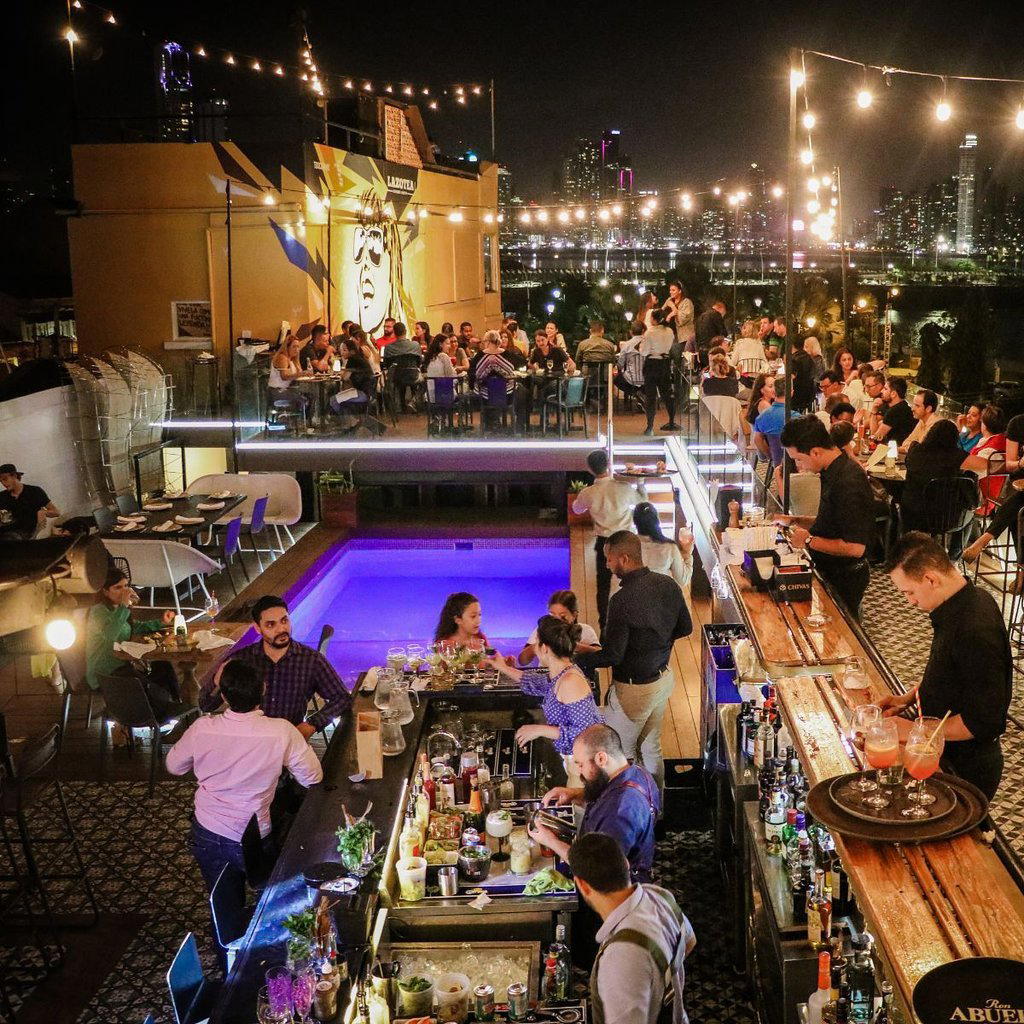
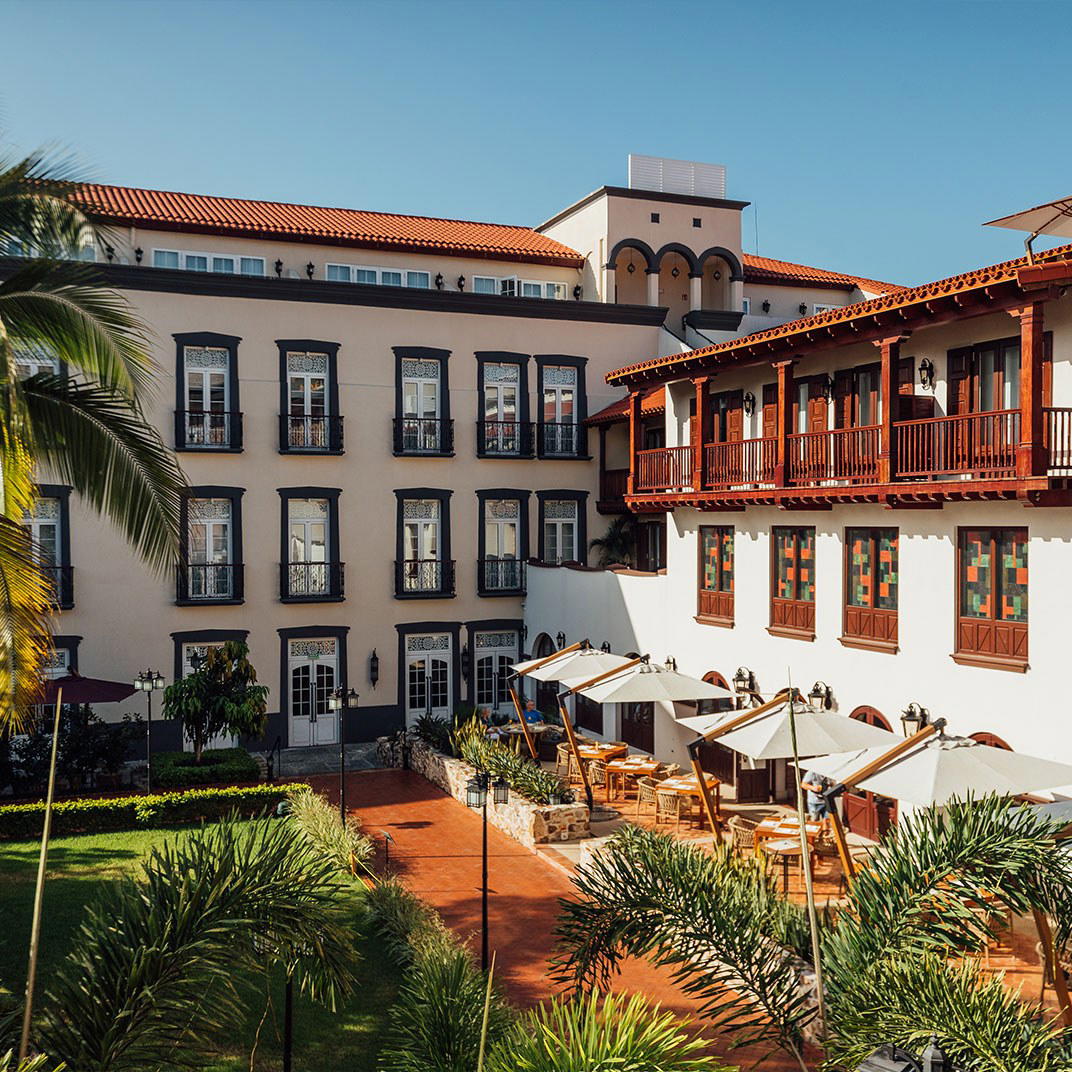
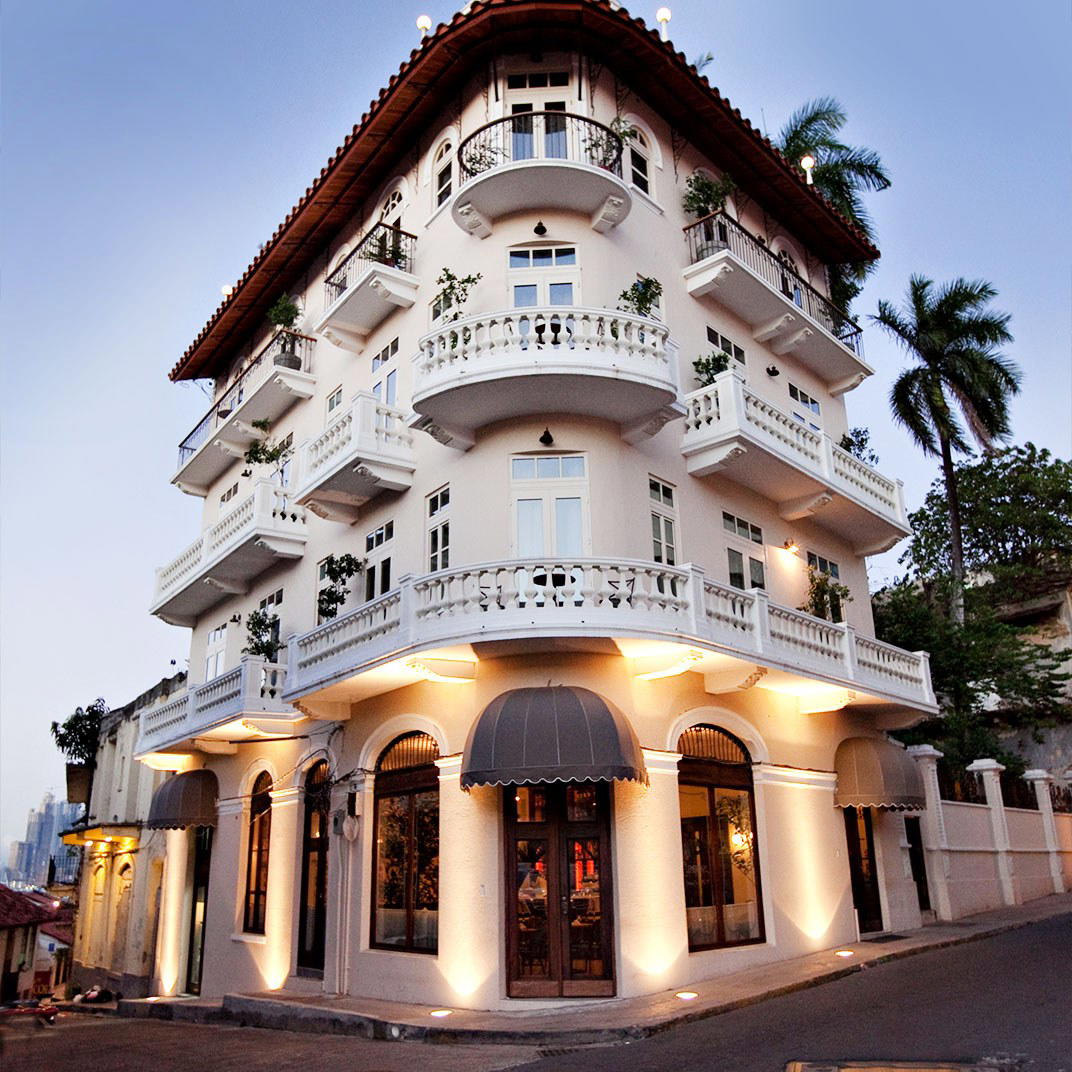
Approaching the space, the register changes before you reach the door. The lighting is controlled, the sound level calibrated for conversation. This is not accidental: bars that take their programmes seriously tend to share a certain environmental grammar, one that signals to the room that what is happening behind the counter warrants attention. Arcano reads that way. The interior asks you to slow down and pay attention, which is the right condition for drinking well.
The Cocktail Programme as Editorial Statement
Across Latin America, the most interesting cocktail programmes of the past decade have done one of two things: they have either reached toward European technique, clarifications, fat-washing, extended carbonation, or they have turned inward, grounding the glass in local botanicals, indigenous ferments, and regional sugar-cane traditions. Panama sits at a geographic crossroads that makes both directions available, and the better bars here have begun exploiting that position deliberately.
Arcano's programme operates within that context. Panama has its own rum lineage, its own tropical fruit inventory, and a coffee culture centred on highland Geisha production from Chiriquí that few bars anywhere in the world have meaningfully worked into a cocktail format. The opportunity for a technically informed programme to draw on genuinely local material here is larger than in most cities. Bars in comparable positions globally, places like Bar Leather Apron in Honolulu or Kumiko in Chicago, have shown that regional ingredient specificity, when handled with precision, creates a drink identity that cannot be replicated elsewhere. That is the standard against which serious programmes in Panama City are now being measured.
The Latin American cocktail reference points that matter most to this conversation are places like Café La Trova in Miami, which brought Cuban bar tradition into a technically rigorous format, and Superbueno in New York City, where Latin flavour logic was applied to a contemporary cocktail structure. Both demonstrated that regional identity and technical ambition are not in tension. The same argument is being made, at different levels of development, across Panama City's small but active specialist bar scene.
Panama City's Bar Tier and Where Arcano Sits
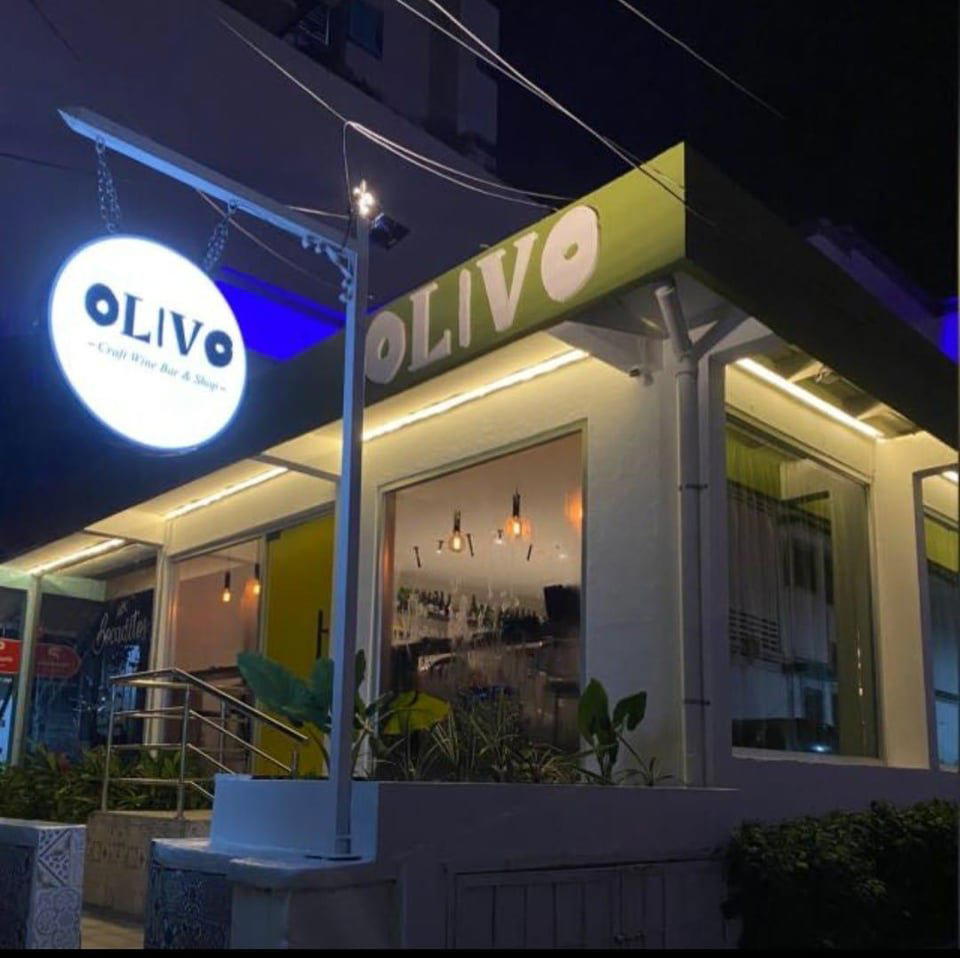
The city's bar offer currently spans several distinct strata. At one end, the pool-bar and hotel-lounge format, represented by venues like Acua Pool & Lounge, serves the leisure and corporate travel market with accessible, high-volume programming. At the other, a smaller cluster of independent operations targets a clientele that reads drinks lists the way a food-focused diner reads a tasting menu. Ammi operates in a similarly considered register, and the wine-led Olivo Wine Bar & Shop addresses a segment that wants programme depth over volume. Arcano's position in this ecosystem leans toward the specialist end of that spectrum.
The comparison that matters for understanding this tier is not with Panama's tourist-facing bars but with the independent cocktail operations that have emerged in other mid-sized Latin American cities over the past decade. Bogotá, Lima, and Mexico City each developed a cohort of technically serious, low-capacity bars ahead of Panama City, and the progression that followed in those cities, wider recognition, international press, eventual awards attention, is the trajectory that Panama's better bars are now at the early stages of replicating. The timeline in Panama is compressed by the city's connectivity: as a transit hub with direct flights to most of the Americas and a growing international business base, bars here gain external exposure faster than their counterparts in more isolated cities.
Restaurants that have done the harder editorial work of building a coherent food identity alongside the drink programme, Maito Restaurante is the clearest example in Panama City, have shown that the market for considered, locally rooted hospitality is real and sustainable here. The food-and-drink ecosystems of cities like Houston, where Julep built a serious whiskey programme inside a coherent Southern identity, or New Orleans, where Jewel of the South operates at the intersection of historical tradition and technical rigour, offer useful models for how specialist drink venues develop authority over time. The Parlour in Frankfurt demonstrates the same pattern in a European context: sustained programme focus, over years rather than seasons, is what separates a bar with a good opening from one with a lasting reputation.
Planning Your Visit
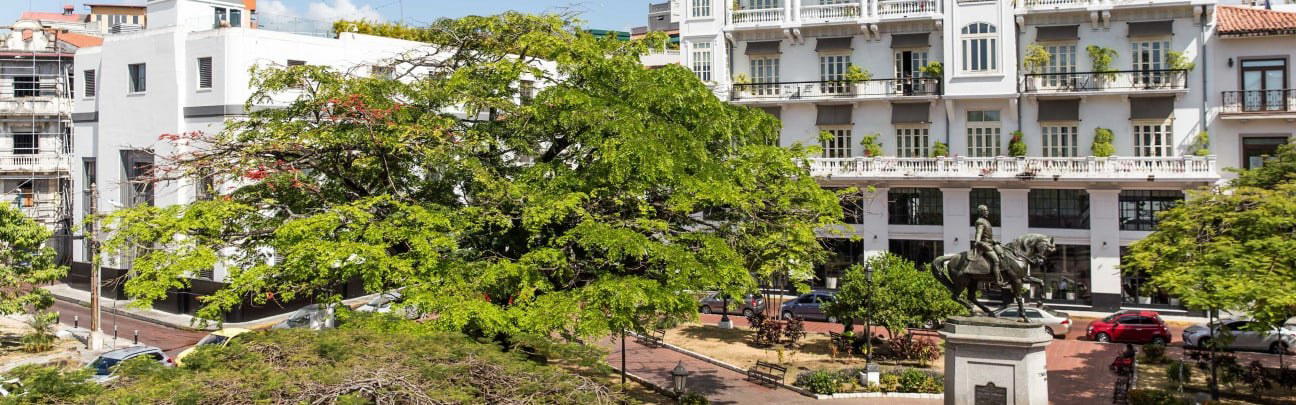
Arcano's C. 1a Oeste location places it within the older western edge of Panama City, accessible from Casco Viejo on foot or by short taxi or app-based ride. The area rewards those willing to approach an evening without a fixed itinerary: the concentration of independent venues here means that a night built around Arcano can expand naturally into the neighbourhood. For a fuller orientation to what the city's food and drink scene currently offers, the EP Club Panama City guide maps the scene across categories and price points. Confirm current hours directly before visiting.
Continue exploring
More in Panama City
Bars in Panama City
All bars in Panama City →
Restaurants in Panama City
All restaurants in Panama City →
Details
- Intimate
- Sophisticated
- Classic
- Date Night
- After Work
- Late Night
- Special Occasion
- Group Outing
- Speakeasy
- Hotel Bar
- Design Destination
- Historic Building
- Seated Bar
- Lounge Seating
- Rum
- Craft Cocktails
- Classic Cocktails
- Skyline
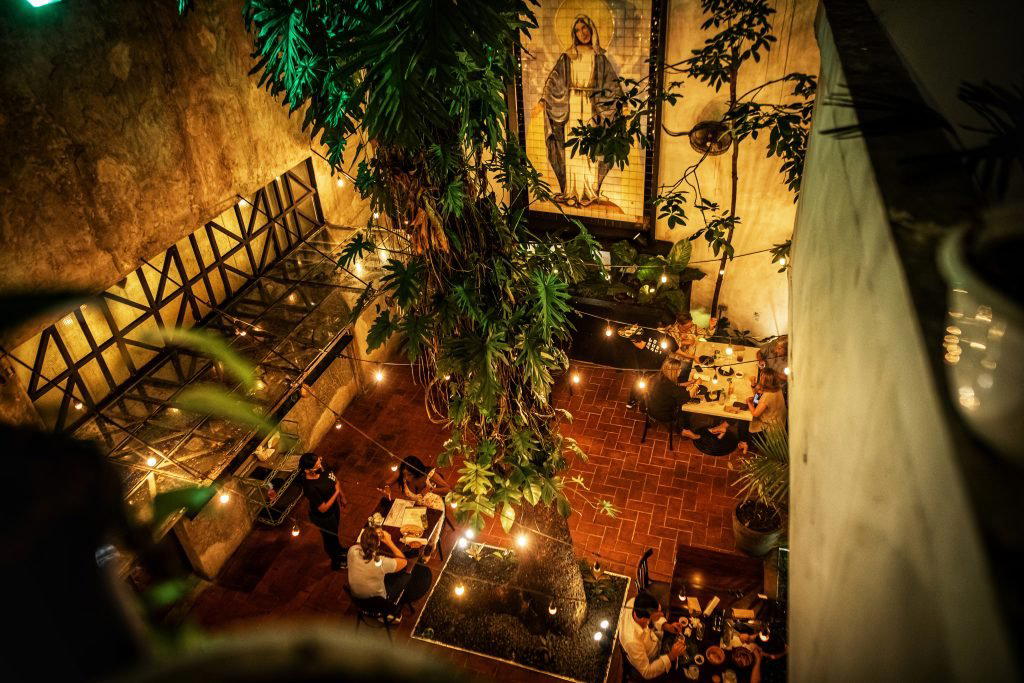
Hidden, intimate speakeasy atmosphere with vintage tropical sophistication and a mysterious, club-like feel.