American Bazaar
Our verdict
American Bazaar belongs to Casco’s old-quarter dining circuit, where Panama City’s cooking is shaped by port history, Caribbean supply routes, and a growing interest in provenance. With no public awards or chef-led tasting format attached, its value sits in how it fits the neighbourhood: a restaurant to read against the city’s market-driven, cross-cultural table rather than as a trophy booking.

Pearl is the En Primeur Club membership app, where members save venues, book tables and use the concierge.
The menu
What to order
- Burgers
- Crab cakes
- Fish tacos
- Steaks (picanha, entraña)
- BBQ plates
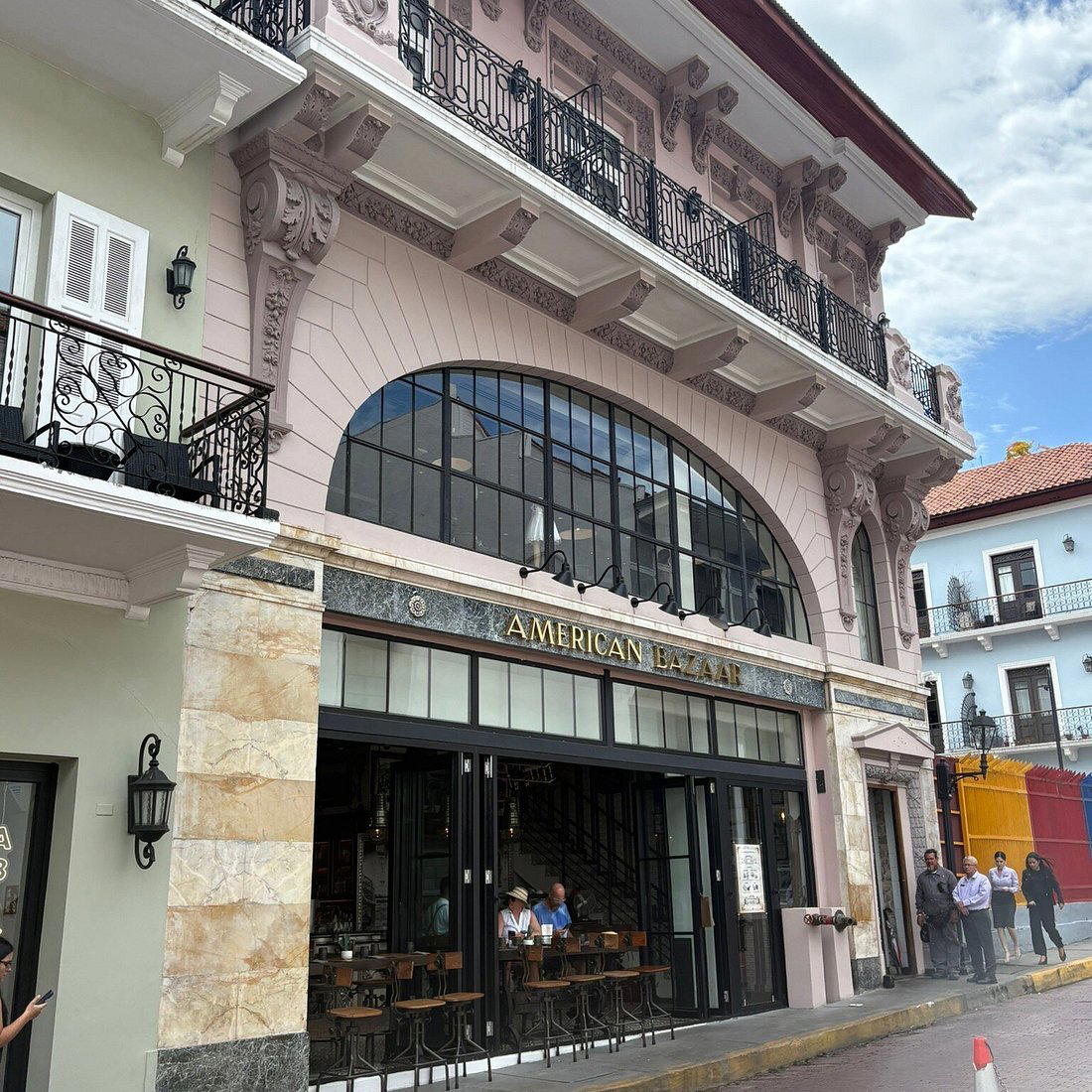
Panama City is at its strongest when the city does some of the work before dinner: historic facades, narrow pavements, taxi horns, humid air from the bay, and a rhythm that shifts block by block between residents, hotel guests, bar traffic, and late tables. American Bazaar sits inside that capital-city circuit, where Panama City restaurants are judged less by formality than by how clearly they understand the country’s position as a crossroads. The better question here is not whether the room belongs to a single culinary school, but whether it makes sense in a city fed by two oceans, canal-era migration, Caribbean pantry habits, and produce moving in from interior provinces.
Panama City dining works when the market, not the concept, leads
Panama’s restaurant culture has been moving away from generic international polish and toward sharper readings of local supply. That shift matters because the country’s food identity is not built from one tidy canon. Seafood from the Pacific and Caribbean, tropical fruit, corn, rice, plantain, ají, coconut, and Chinese, Afro-Caribbean, Spanish, Jewish, and American influences all sit in the same urban conversation. In Panama City, the risk is theme-park dining: rooms that sell the setting before they say much about the food. The stronger restaurants use the city as a stage, then let sourcing and restraint carry the meal.
American Bazaar should be read in that context. Its public profile does not hinge on a named chef, award trail, published tasting-menu structure, or declared price tier, so the editorial weight falls on fit rather than trophy signals. That is not a weakness in Panama City, where many useful meals happen outside the award economy. It does mean expectations should be set differently from restaurants built around fixed menus, chef biographies, or international rankings. For readers comparing Panama City options, 1739, American Bazaar, El Santuario, Hari's, La Panadería, and Luigi's give a useful spread of how the city handles dining at different levels of polish, local reference, and social tempo.
Ingredient identity in a port city is about movement
Ingredient sourcing in Panama City is never only a farm-to-table talking point. The capital’s table is shaped by movement: fish landing from different coasts, produce arriving from cooler highland zones, pantry habits carried by immigrant communities, and the old canal economy that made imported tastes feel local over time. A restaurant in Panama City can lean into that condition without turning it into a lecture. The more convincing approach is practical: let seafood, fruit, heat, acid, starch, and spice read as part of daily urban eating rather than as decorative evidence of place.
That is the lens to bring to American Bazaar. The name suggests a broad, mixed reference point rather than a narrow regional kitchen, and in Panama City that breadth can work when the cooking avoids anonymity. The city has enough restaurants chasing international familiarity; the more interesting ones use global forms to frame local supply. A raw-bar gesture, a grill section, a rice dish, a citrus-driven plate, or a casual shared-table format can all say something about Panama if the produce and seasoning are handled with intent. Specific dishes are not the point here. The useful reading is whether the restaurant belongs to the Panama City conversation around access, energy, and provenance.
For a wider sense of how Panama’s dining map changes outside the capital, compare Panama City with other coastal and island dining addresses across the country. Those references matter because sourcing feels different on the coast, in island communities, and in the capital. Panama City compresses those influences into a denser, more social dining pattern, which is why a room such as American Bazaar should be judged by how naturally it absorbs that movement rather than by how neatly it fits a single category.
How to place it in a Panama City night
The sensible use case is a Panama City evening built around the city rather than a single destination meal. American Bazaar is better understood as part of a night that may include drinks, a walk, or another stop nearby. That puts it in a different category from restaurants whose appeal depends on long reservation lead times, formal service choreography, or a chef-counter format.
Readers planning the wider trip should use Our full Panama City restaurants guide alongside Our full Panama City hotels guide, Our full Panama City bars guide, Our full Panama City wineries guide, and Our full Panama City experiences guide. For contrast beyond Panama, other dining rooms in major cities show how immigrant foodways and casual formats read differently when the city, supply chain, and audience change. That comparison helps keep American Bazaar in proportion: its interest is tied to Panama City’s own port-city mix, not to borrowed benchmarks from elsewhere.
The verdict is measured: American Bazaar is a Panama City play for diners who want the capital’s port-city mix without treating dinner as an awards exercise. Go in with flexible expectations, pay attention to how the kitchen handles local ingredients and cross-cultural references, and let the city supply the rest of the evening’s momentum.
Frequently asked questions
Would American Bazaar be comfortable with kids?
Its Panama City location makes it practical for a family stop before the night gets late. In Panama City, the smoother choice is usually an earlier seating rather than a long, late dinner.
Is American Bazaar better for a quiet night or a lively one?
Panama City can lean toward an active evening, and American Bazaar fits that rhythm more naturally than a hushed, formal room. The Panama City location points to a night built around the city rather than a subdued destination dinner.
Where exactly is American Bazaar?
American Bazaar is located in Panama City.
Should I book American Bazaar in advance?
Advance planning makes sense if the evening centers on American Bazaar. Panama City dining tends to be busiest when the night is in full swing.
Snapshot
Comparable venues by cuisine and price in the same metro.
| Venue | Cuisine | Price |
|---|---|---|
| American BazaarThis venue (the venue you are viewing) | American grill & bar in historic Casco Viejo | $20–30 |
| 1739 | Modern French Bistro | $50–100 |
| El Santuario | International fusion with Panamanian, Asian, Spanish & Indian influences | $50–100 |
| Hari's | Mexican, Peruvian and Japanese Fusion | Not listed |
| La Panadería | Gluten-Free Artisanal Bakery | Not listed |
| Luigi's | Modern Italian Cucina Povera | $30–50 |
Continue exploring
More in Panama City
Restaurants in Panama City
All restaurants in Panama City →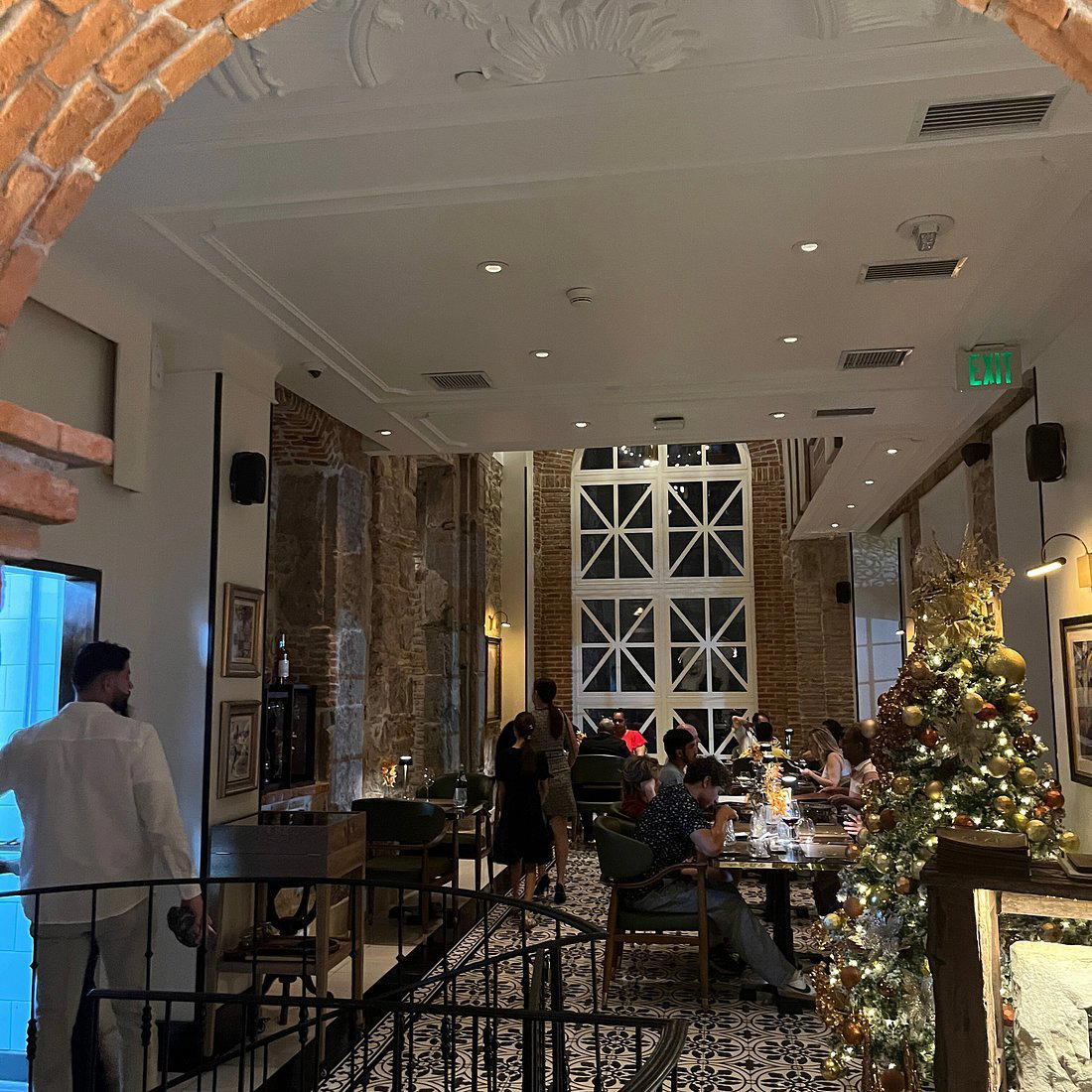
Bars in Panama City
All bars in Panama City →
Details
- Trendy
- Lively
- Cozy
- Casual Hangout
- After Work
- Group Dining
- Date Night
- Celebration
- Late Night
- Historic Building
- Design Destination
- Hotel Restaurant
- Beer Program
- Craft Cocktails
- Street Scene
- A La Carte
- Craft Beer
- Cocktails
- Wine
- Pescatarian Friendly
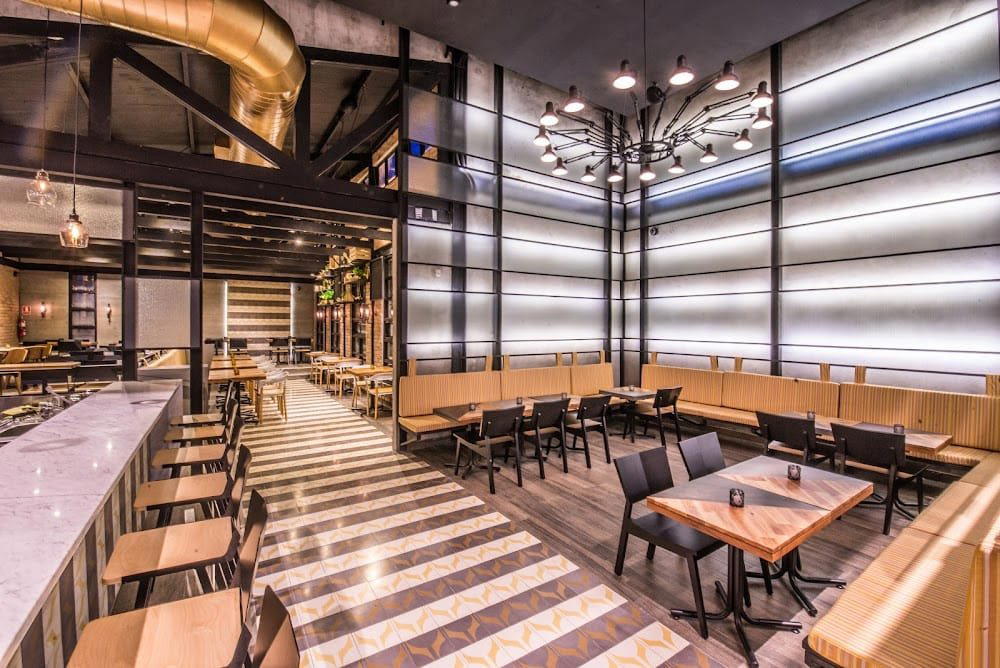
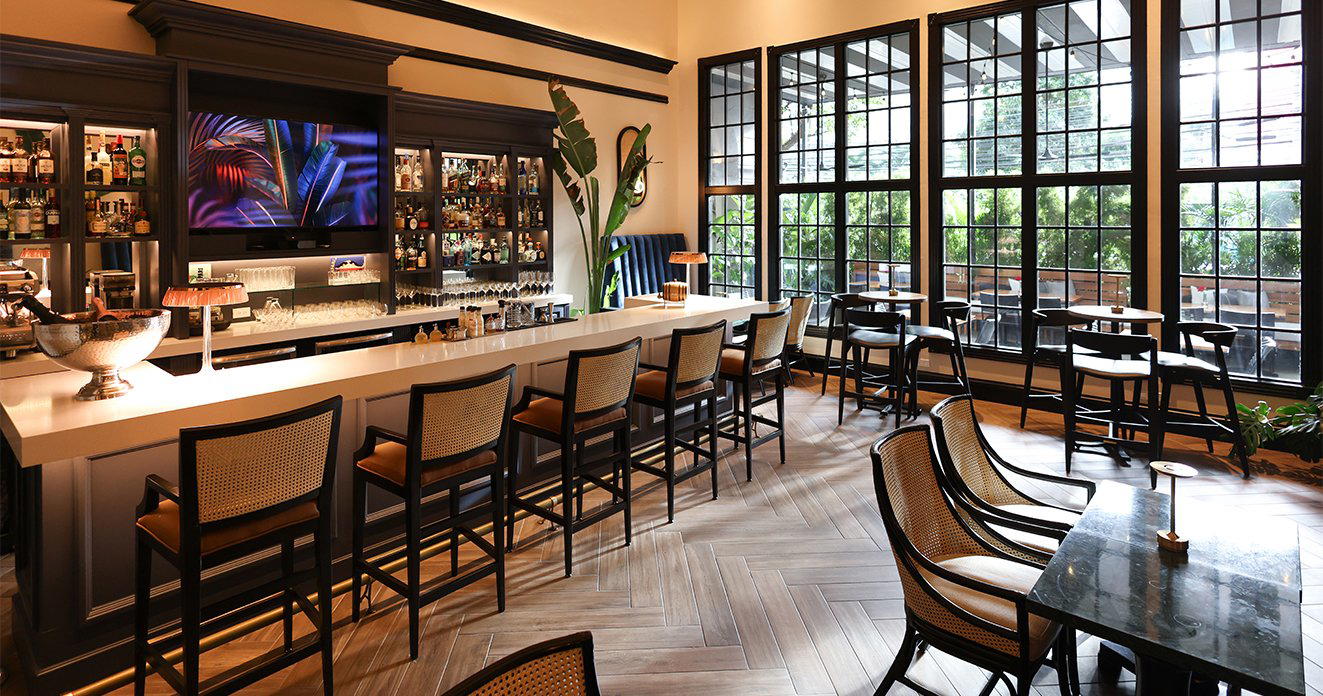
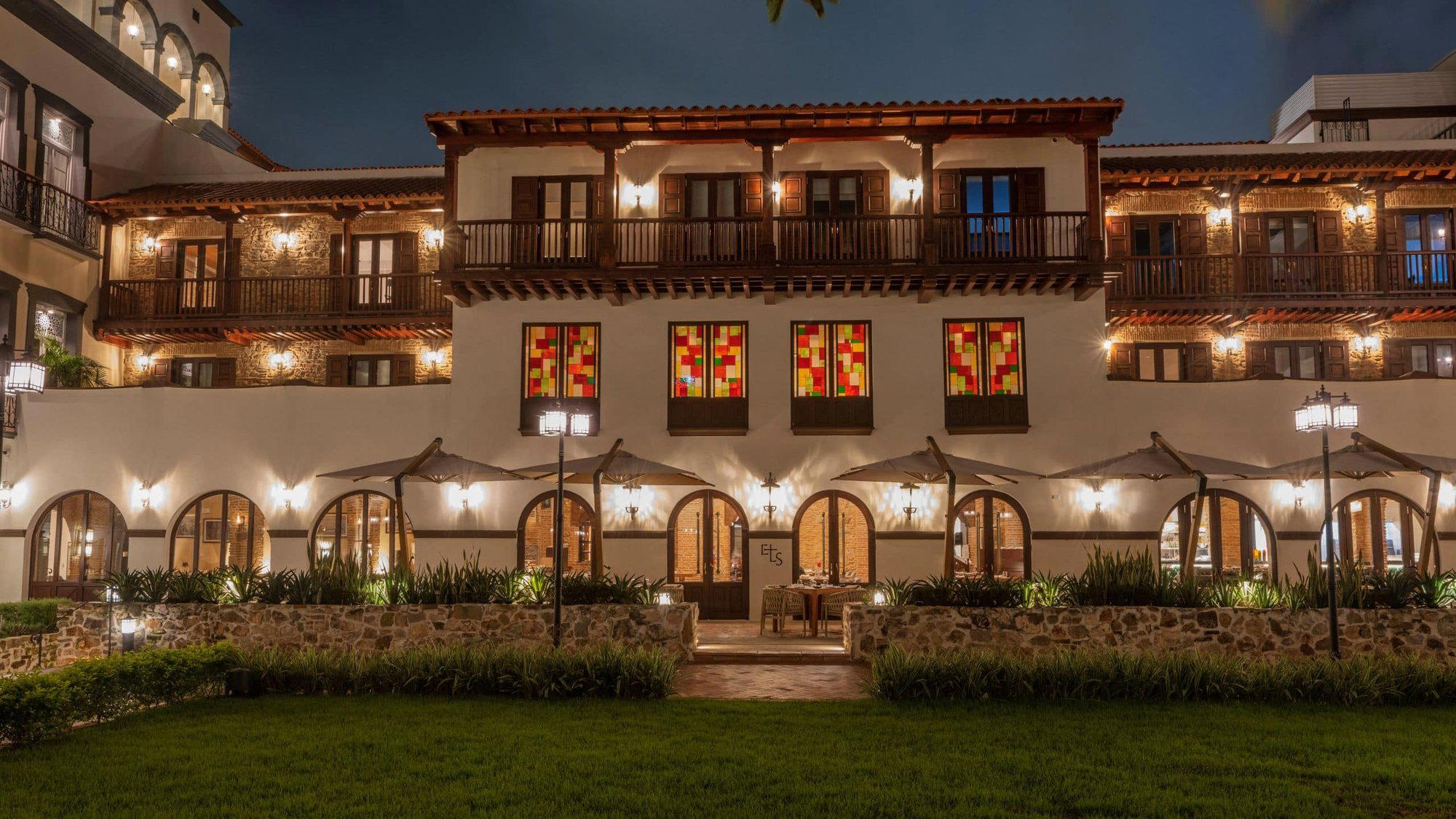
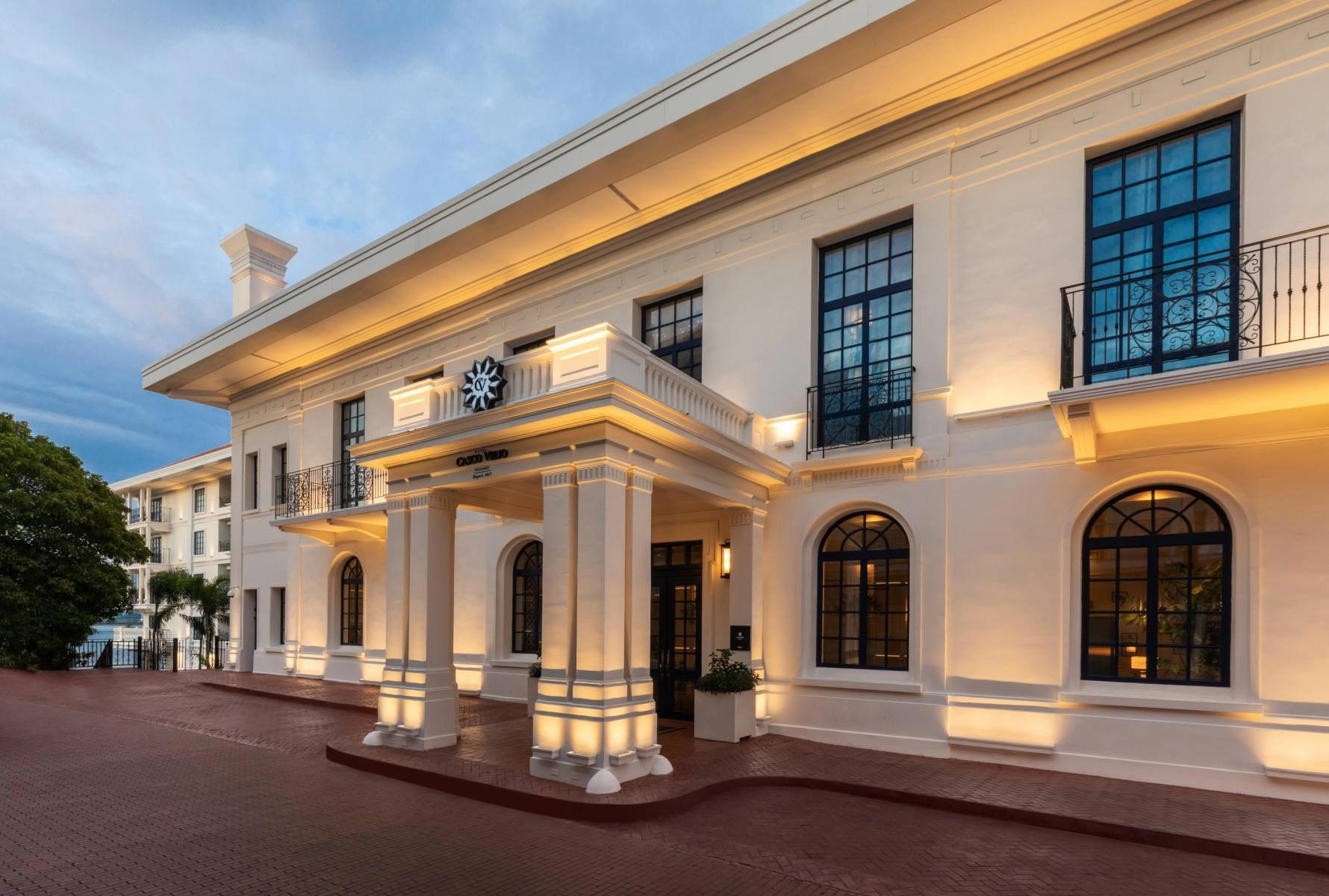
Casual and buzzy with friendly, attentive service, stylish decor that nods to a vintage department-store inside historic ruins, lively music that can be loud at midday but a more relaxed, atmospheric feel in the evening, and some upstairs seating overlooking a church across the street.