Ô Bois Sauvage

A Michelin Bib Gourmand holder for 2024 and 2025, Ô Bois Sauvage brings regional Alpine cooking to the village of Hérémence in Switzerland's Valais canton. At the €€ price point, it represents what the Bib Gourmand category was designed to recognise: serious kitchen craft without the tasting-menu price tag. Chef Gwenaël anchors the menu in local produce and mountain tradition.
Pearl is the En Primeur Club membership app — saves, bookings, and concierge access live there. Same editors, same standards.
- Address
- Chem. des Mélèzes 26, 1987 Hérémence, Switzerland
- Phone
- +41 79 436 68 37
- Website
- leboissauvage.ch
- Directions
- Get directions
 Saves & bookings on Pearl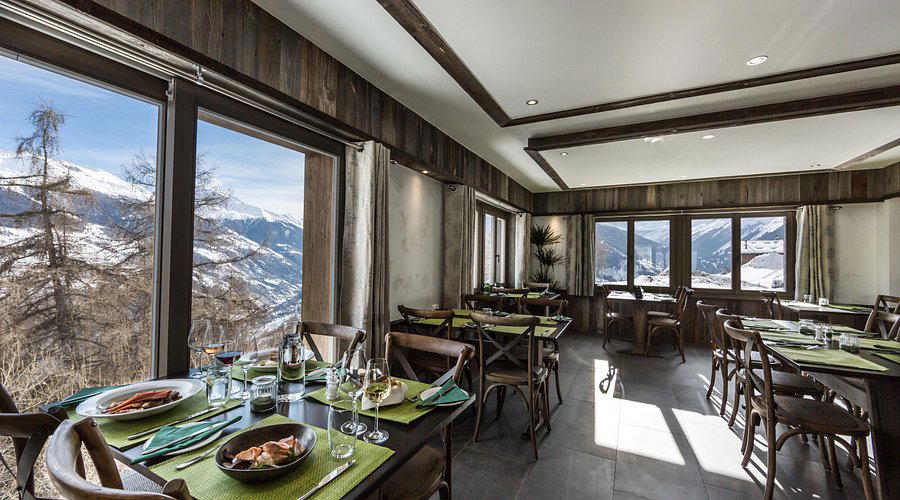
Where Alpine Cooking Earns Its Recognition
The road into Hérémence climbs steadily from the Rhône valley floor, passing through the terraced vineyards that define the lower Valais before the landscape shifts to larches and stone walls. By the time you reach the village, sitting above 1,300 metres in the Val d'Hérens, the culinary context has changed entirely. This is not the Switzerland of grand hotel dining rooms or urban tasting menus. It is a working mountain community, and the cooking that thrives here is tied directly to that fact. Ô Bois Sauvage, its name translating roughly to "the wild wood", sits within this setting, and it is the setting that explains everything about how the food is framed.
Michelin's Bib Gourmand designation, awarded to Ô Bois Sauvage in both 2024 and 2025, exists precisely to surface this category of restaurant: skilled kitchens where the price-to-quality relationship is the point. The Bib is not a consolation prize below the stars. It identifies restaurants where the inspectors found cooking that met their standards without the infrastructure of a full fine-dining operation. In the Alps, where provisions are seasonal, supply chains are short, and the kitchen brigade is often small, that recognition carries particular weight.
Chef Gwenaël and the Logic of Regional Cooking at Altitude
Switzerland's most decorated tables, Hotel de Ville Crissier in Crissier, Schloss Schauenstein in Fürstenau, Cheval Blanc by Peter Knogl in Basel, operate at a price tier and a logistical scale that is simply incompatible with a mountain village of Hérémence's size. The more useful comparison is with other chef-led regional kitchens operating in similarly remote Alpine settings, places where the chef's background functions as a form of cultural translation between the produce available and the diner sitting down.
Chef Gwenaël leads the kitchen at Ô Bois Sauvage. In the context of Valais regional cooking, what matters more than biography is orientation: the decision to cook in a place like Hérémence is itself a statement about where creative energy is directed. Kitchens at this altitude and this price point (the €€ bracket places it in the mid-range, accessible to residents and visitors alike) do not attract or retain serious cooks by accident. The Bib Gourmand, awarded across two consecutive years, is one reliable external signal that the cooking here is consistent and purposeful. Consistency across two inspection cycles is harder to sustain than a single strong performance.
The editorial angle here is not the chef's personal background for its own sake. It is what the choice to cook regionally in the Valais reveals about a broader pattern in Swiss dining. As the upper tier of Swiss restaurants has moved toward increasingly technique-heavy, produce-agnostic menus, a parallel track of chef-led regional houses has maintained the thread between Alpine terroir and the plate. Fahr in Künten-Sulz and Gannerhof in Innervillgraten operate within a similar logic, and Michelin's Bib recognition across all three suggests that inspectors are actively tracking this tier as a distinct and valued category.
The Valais Table: What Regional Cuisine Means Here
The Valais is Switzerland's largest canton by area and one of its most internally varied. Below 800 metres, the valley floor produces Fendant and Cornalin; above 1,500 metres, the diet shifts to preserved meats, aged cheeses, dried rye bread, and the slow-braised preparations that make sense when heat and fuel are managed carefully. The regional cuisine here is not a marketing category. It is an adaptive response to a specific environment, one that predates tourism and persists because it is genuinely suited to the conditions.
What this means at the table is that the ingredient list tends to be short and the technique applied to each ingredient tends to be deliberate. Alpine dairy, wild herbs from the high pastures, game during the autumn season, and preserved preparations across the winter months form the backbone of serious Valais cooking. These are not exotic ingredients. Their interest lies in provenance and handling. A kitchen earning consistent Michelin recognition in this context is one that understands how to make that case clearly on the plate.
Placing Ô Bois Sauvage in the Swiss Alpine Dining Map
It is worth mapping where the restaurant sits relative to other acclaimed Swiss tables that operate in mountain or smaller-town settings. Memories in Bad Ragaz, 7132 Silver in Vals, and Da Vittorio in St. Moritz all operate in non-urban Alpine settings but at the starred level and at price points two or three tiers above the €€ bracket. focus ATELIER in Vitznau and IGNIV Zürich by Andreas Caminada represent the urban end of the contemporary Swiss fine-dining conversation. Einstein Gourmet in Sankt Gallen and Colonnade in Lucerne operate in mid-sized city contexts. None of these are direct peers.
The closest comparison for the restaurant is the Bib Gourmand tier in mountain Valais: small, chef-driven rooms where the Michelin recognition is specifically for value and quality in combination. L'Atelier Robuchon in Geneva represents the other end of the Swiss French-speaking dining spectrum entirely. The restaurant is the Valais alternative to that conversation: the argument that serious cooking does not require a city address or a starred infrastructure.
Planning a Visit: What to Know Before You Go
Hérémence is accessible by road from Sion, the nearest city of scale, which sits roughly 25 kilometres to the northwest in the Rhône valley. The village is not on a rail line; a car is the practical necessity for reaching it. Given the altitude and the mountain setting, seasonal access conditions apply in winter, and the broader Val d'Hérens area draws visitors primarily for skiing and summer hiking. Timing a meal at the restaurant around those activity windows makes logistical sense.
At the €€ price range, the restaurant is positioned as an accessible option rather than an occasion-only destination. For visitors exploring the Valais more broadly, the combination of the wine culture in the valley below and the Alpine cooking at altitude makes a structured day or overnight worthwhile. For visitors exploring the Valais more broadly, the combination of the wine culture in the valley below and the Alpine cooking at altitude makes a structured day or overnight worthwhile.
Fast Comparison
Comparable venues nearby, for context on price, style, and recognition.
| Venue | Cuisine | Price | Awards | Notes |
|---|---|---|---|---|
| Ô Bois Sauvage | Modern French-Swiss Fine Dining | $$$ | Bib Gourmand | Hérémence |
| Là-Haut | Modern French Bistronomy | $$$ | Bib Gourmand | Chardonne |
| L'instinct | Swiss-French Brasserie with Grilled Meats | $$$ | Michelin Plate | Granges |
| Sonnenhof | Swiss-Italian-French Bistro | $$$ | Michelin Plate | Saanen |
| Tout un Monde | Modern Locavore French | $$$ | Michelin Plate | Grandvaux |
| Le Bistrot des Ours | French-Swiss Alpine Bistro | $$$ | Michelin Plate | Crans-Montana |
Recognition history
Dated appearances from independent guides and award organizations, with the underlying list record or original source where available.
Michelin Bib Gourmand
Michelin
Michelin Bib Gourmand
Michelin
Continue exploring
More in Hérémence
Restaurants in Hérémence
Browse all →
Bars in Hérémence
Browse all →
At a Glance
- Modern
- Elegant
- Scenic
- Cozy
- Date Night
- Special Occasion
- Terrace
- Panoramic View
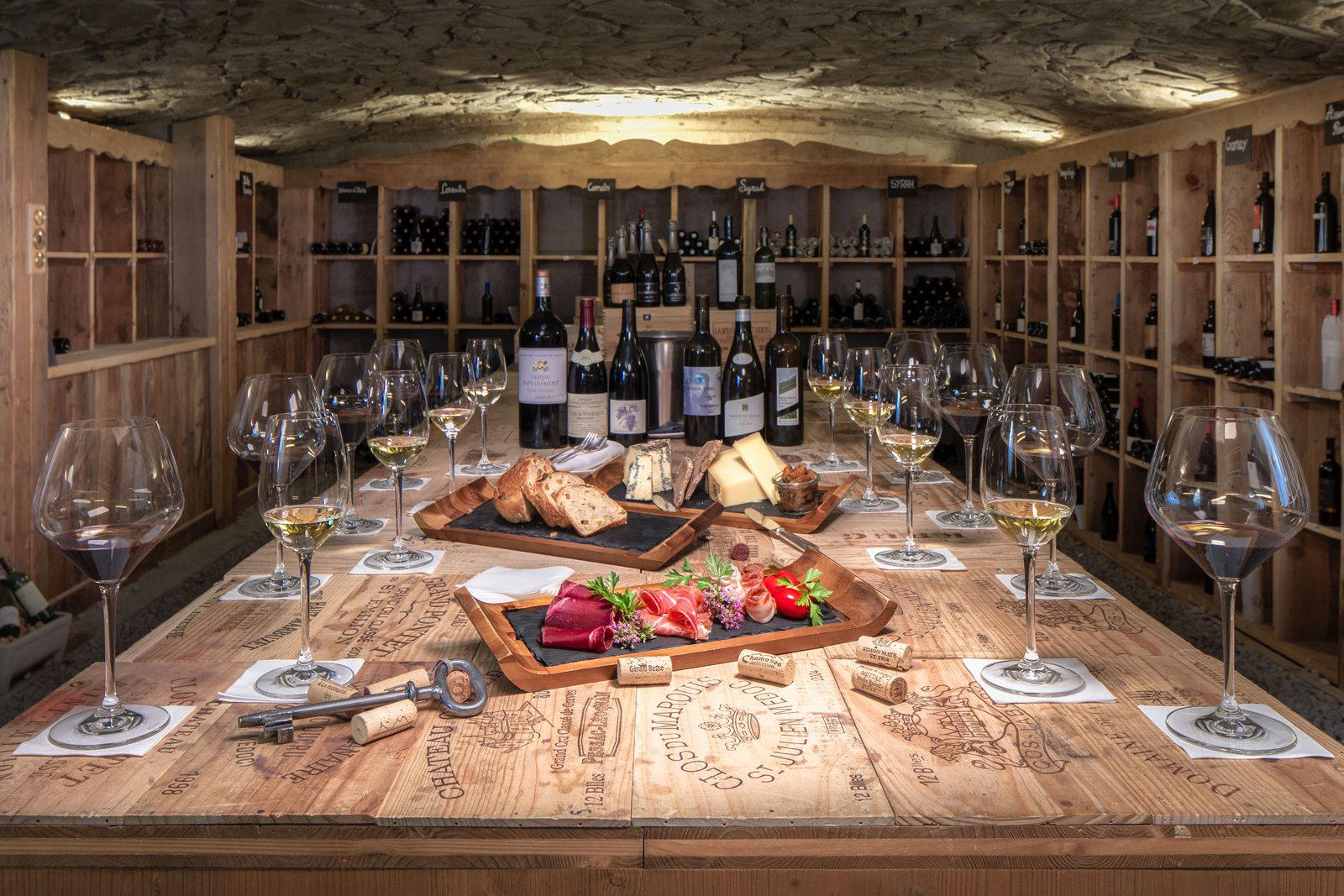
- Extensive Wine List
- Local Sourcing
- Mountain
Current opening hours
- Monday
- Closed
- Tuesday
- Closed
- Wednesday
- 11:30 AM–2 PM, 6–9 PM
- Thursday
- 11:30 AM–2 PM, 6–9 PM
- Friday
- 11:30 AM–2 PM, 6–9 PM
- Saturday
- 11:30 AM–2 PM, 6–9 PM
- Sunday
- 11:30 AM–2 PM, 6–9 PM
Hours can change for holidays and private events. Last verified .
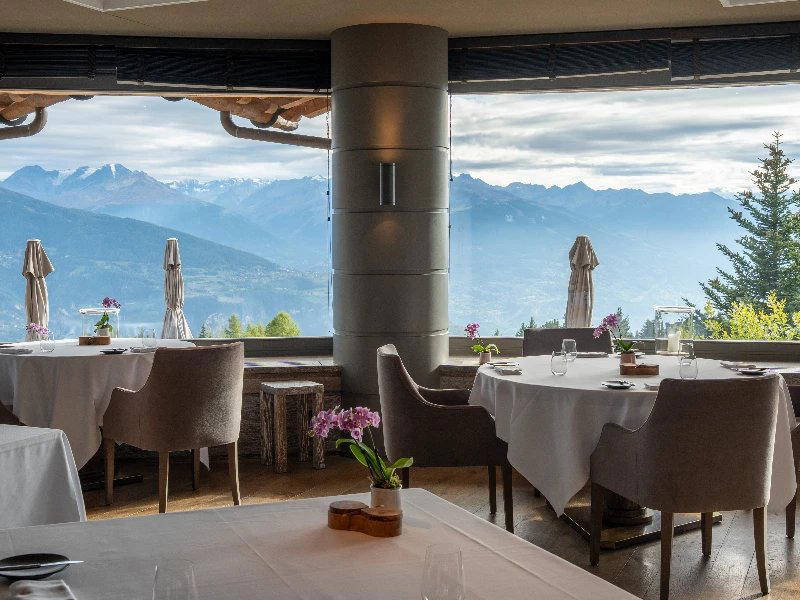
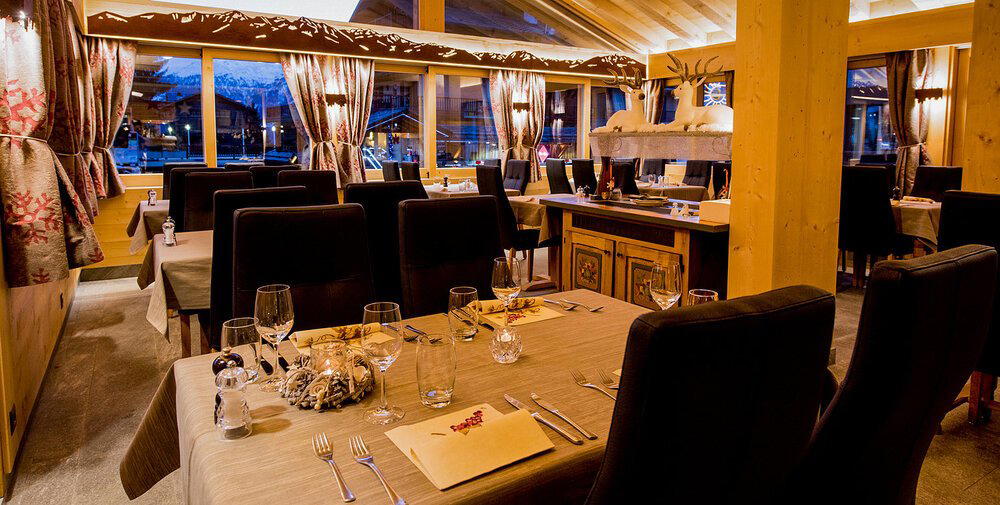
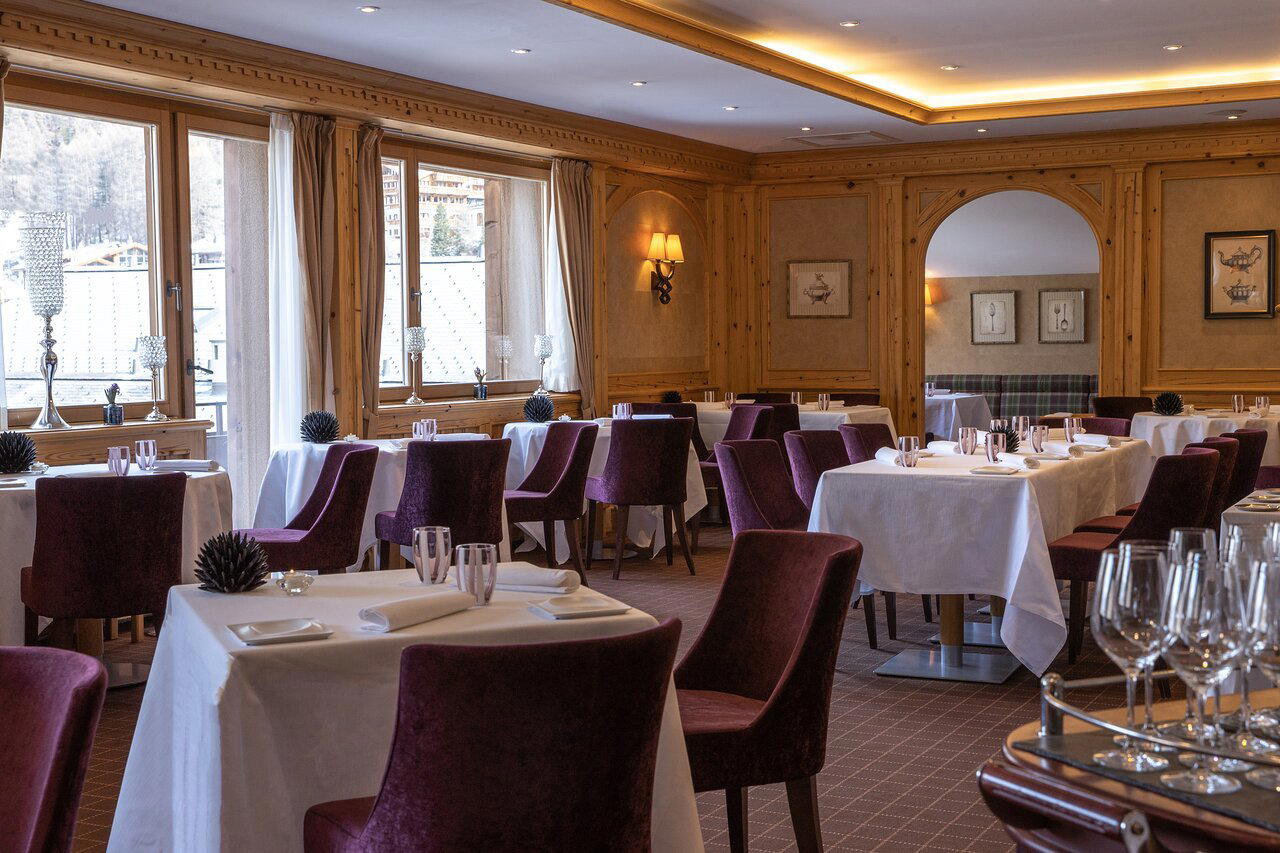
Modern and relaxed indoor atmosphere with beautiful mountain views, warm and professional service.