Castellinuzza

Falstaff Winery - 2 Stars
Castellinuzza is a small family-run winery and agriturismo in Greve in Chianti, shaped by the cooler Lamole hills and a traditional Chianti Classico vocabulary of Sangiovese, Canaiolo and concrete aging. The interest here is terroir rather than spectacle: high-altitude vineyards, a historic cellar and a quiet rural setting make it a grounded Tuscan wine stop.

Pearl is the En Primeur Club membership app, where members save venues, book tables and use the concierge.
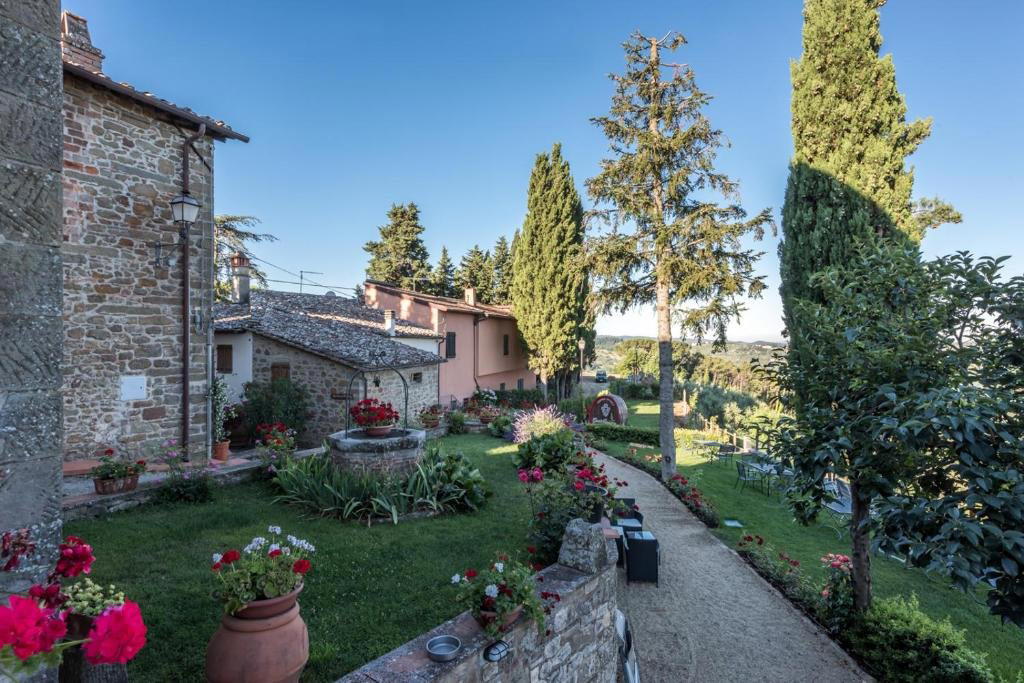
The approach to the Lamole hills changes the register of Chianti Classico. Greve in Chianti can feel broad and sun-warmed in the valley, but higher ground tightens the frame: vineyard rows, olive trees, chestnut margins and long views toward the Tuscan interior. Castellinuzza belongs to that smaller, hill-country reading of the appellation, where altitude, stone and family continuity matter more than architectural theatre.
Chianti Classico is often discussed through the size and polish of its estates, yet some of its more instructive addresses are modest farms where the vineyard scale forces clarity. Here, production is tied to a small historic family estate with about 9 hectares in total, including 3.5 hectares of vines and 2 hectares of olive trees. The format is not built around volume. It is built around the relationship between Sangiovese, slope and the older agricultural rhythms of this part of Tuscany.
Lamole altitude gives Sangiovese a cooler Chianti register
The strongest reason to pay attention is place. Lamole sits in the higher reaches of the Chianti Classico zone, and that altitude changes what Sangiovese can say. Cooler conditions slow ripening and preserve freshness, while the local mix of Galestro, Alberese and sand gives the wines a firmer mineral line than richer valley-floor expressions. This is not the plush, oak-framed side of Chianti Classico; it is the leaner, more lifted register of hill fruit.
The estate works principally with Sangiovese, with Chianti Classico DOCG as the key frame. Traditional Canaiolo appears in the blend, keeping the wine anchored in the region’s older grammar rather than in a modern international style. Concrete aging is the more telling choice. In a category where barrique influence can pull attention toward texture and sweetness, concrete keeps the emphasis on fruit shape, acidity and soil tone.
Castellinuzza’s scale also shapes the tasting logic. A small estate cannot hide behind breadth of portfolio, so the interest sits in repetition and nuance: how Sangiovese behaves on these slopes, how a family cellar preserves regional practice, and how an agriturismo folds wine into the life of the farm rather than treating it as a separate performance.
A historic farm format, not a showroom winery
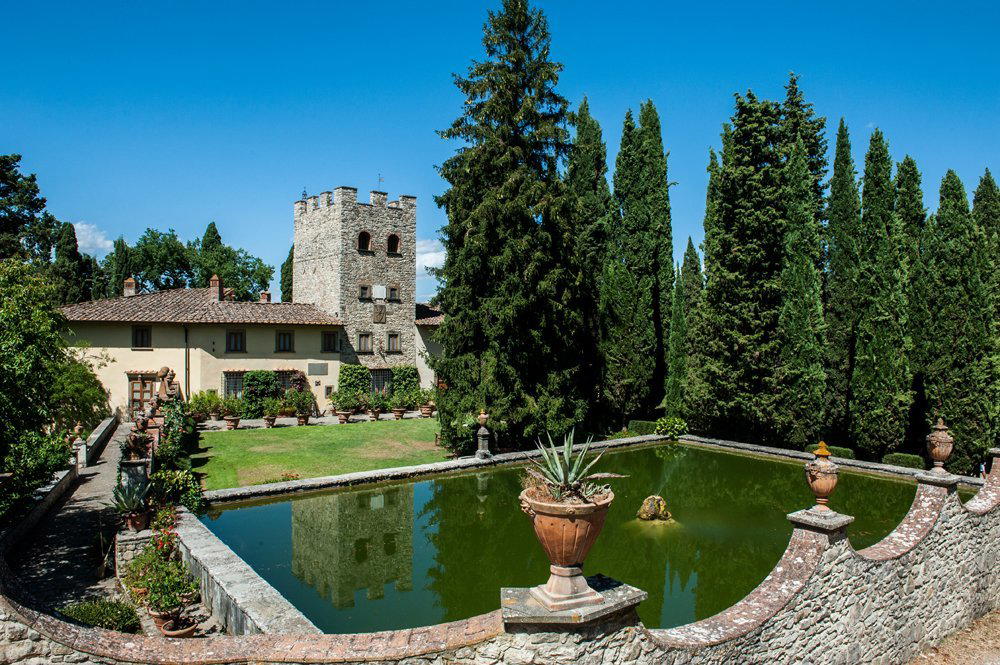
The property’s roots reach back to the 1400s, with a cellar associated with 1200, and that history matters because it is functional rather than decorative. The mood is rural and quiet: simple interiors, hillside views, vineyard and garden outlooks, and the slower pace of an agriturismo with six suites. It is a useful corrective to the more polished end of Tuscan wine tourism, where the visit can become detached from the work of farming.
The Coccia family’s stewardship gives the estate its continuity, with Paolo Coccia named as winemaker. The family purchased the land in 1962 after a background in sharecropping, a detail that places the estate inside a wider Tuscan transition from mezzadria agriculture to small-producer ownership. That history should not be romanticized into nostalgia; it explains why the property reads as a working farm first and hospitality address second.
Food pairing is part of the experience, and that matters in Chianti Classico because Sangiovese is rarely at its most convincing in isolation. The grape’s acidity, tannin and savoury edge make sense with Tuscan cooking, especially dishes built around bread, beans, grilled meat, olive oil and hard cheeses. Castellinuzza’s wine education angle is strongest when the tasting is read through that table culture: wine as a partner to food, not an object pulled out for ceremony.
How to place it within a Greve in Chianti wine itinerary
Greve in Chianti rewards travellers who resist treating the area as a single postcard. Its wineries range from larger estates to farm-scale producers, and the contrast is the point. For a broader local frame, use Our full Greve in Chianti wineries guide, then compare different expressions of the commune through addresses such as Ambrogio e Giovanni Folonari Tenute, Antico Borgo di Sugame, Azienda Agricola La Torraccia di Presura, Basilica Cafaggio and Cafaggio.
The wider travel decision is whether to make wine the centre of the day or build it into a slower Chianti stay. Greve supports both. Dining context sits in Our full Greve in Chianti restaurants guide, while overnights are better planned through Our full Greve in Chianti hotels guide. For a fuller itinerary, add Our full Greve in Chianti bars guide and Our full Greve in Chianti experiences guide.
Castellinuzza is also a useful reference point for travellers following small-producer wine culture beyond Tuscany. The same question, how a producer’s place and scale shape the glass, carries across different regions: 3GP SRL in Treviso, 47 Anno Domini in Trebaseleghe, A Mano Wine in Noci, »der Steiner« Hans Steiner in Podersdorf am See and & Handwein in Mannheim all make more sense when read through local conditions rather than generic wine tourism.
The editorial case is clear: this is a Chianti Classico address for travellers who want Lamole’s altitude, Sangiovese’s regional discipline and a farm-based tasting format in the same frame. It is not the choice for spectacle. It is the choice for understanding how a small hillside estate can turn a familiar appellation into something more specific.
Recognition history
Dated appearances from independent guides and award organizations, with the underlying list record or original source where available.
Falstaff Winery - 2 Stars
Falstaff
Continue exploring
More in Greve in Chianti
Wineries in Greve in Chianti
All wineries in Greve in Chianti →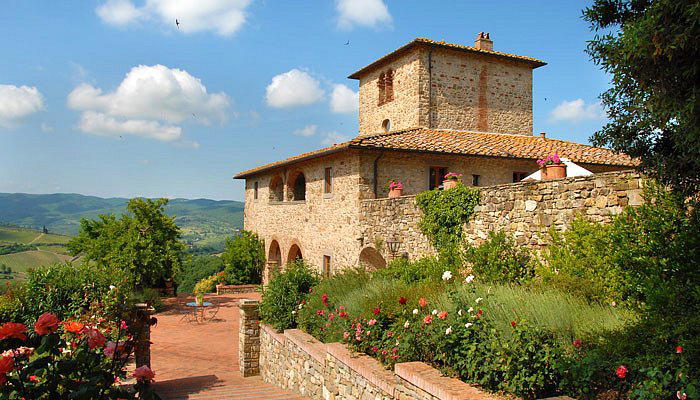
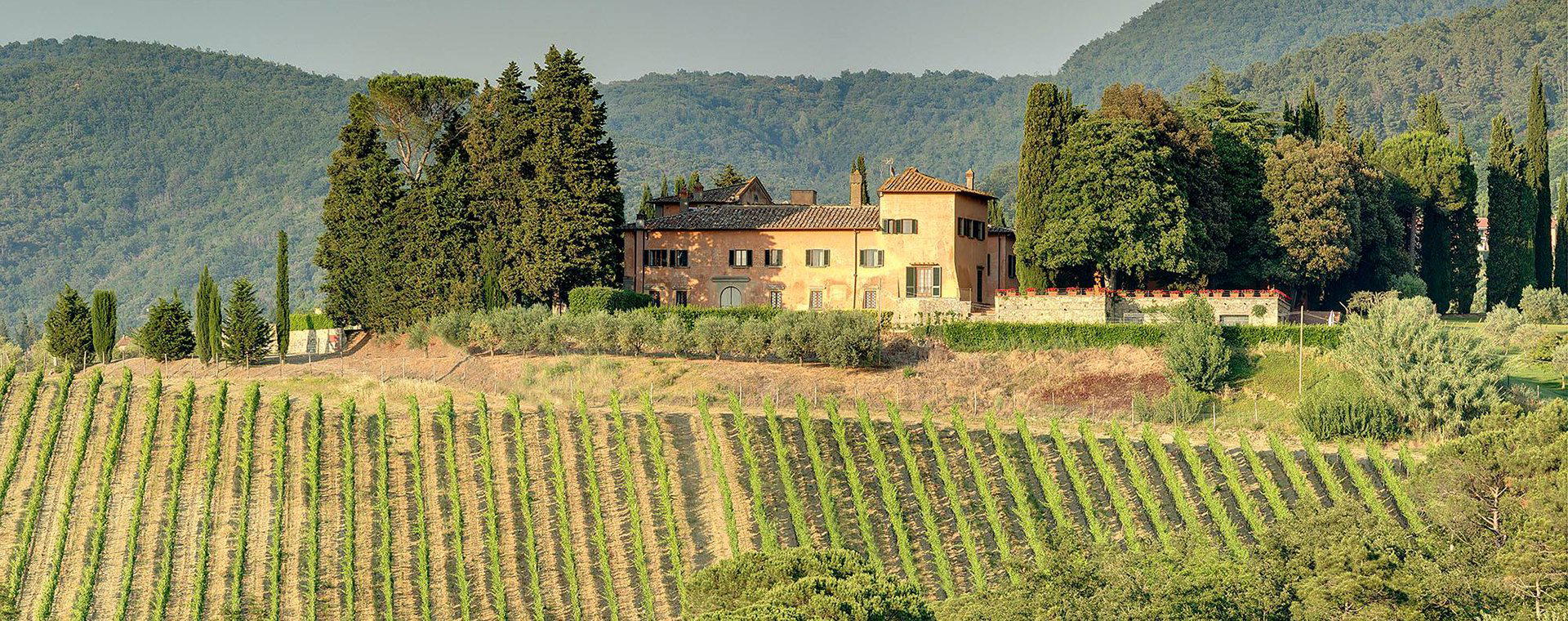
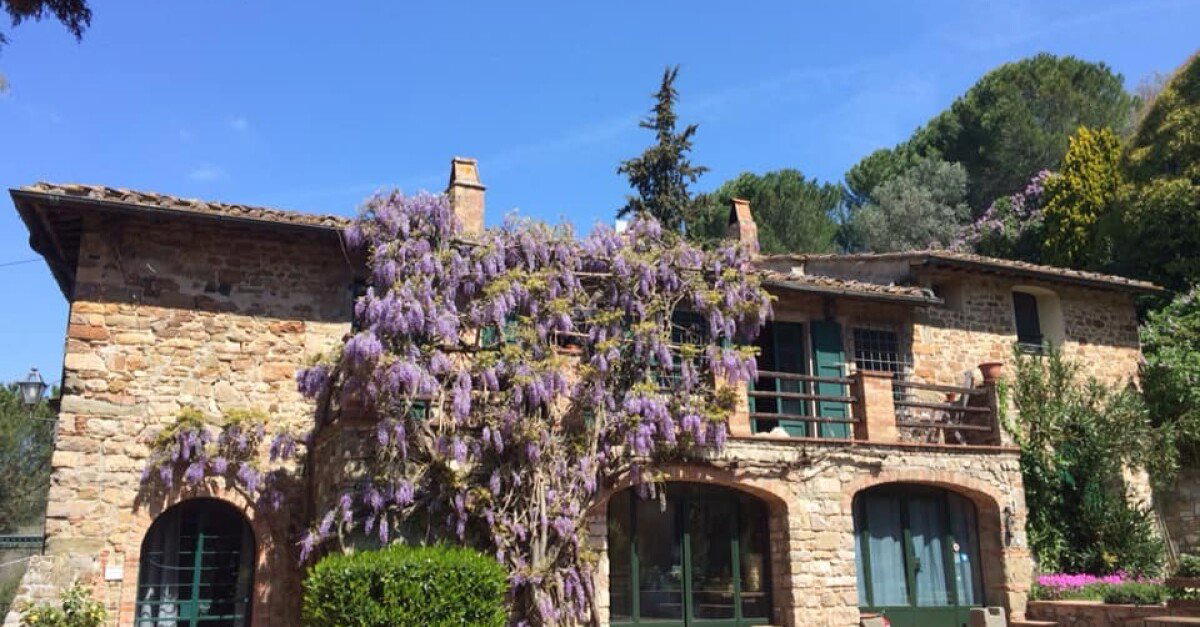
Bars in Greve in Chianti
All bars in Greve in Chianti →
Details
- Scenic
- Rustic
- Classic
- Romantic
- Cozy
- Romantic Getaway
- Group Outing
- Family
- Wine Education
- Special Occasion
- Solo Exploration
- Estate Grounds
- Panoramic View
- Historic Building
- Vineyard Tour
- Private Tasting
- Terrace
- Vineyard
- Mountain
- Garden
- Sangiovese
- Still Red
- Estate Tasting
- Tour & Tasting
- Private Tasting
- Food Paired Tasting
- Italian
- English
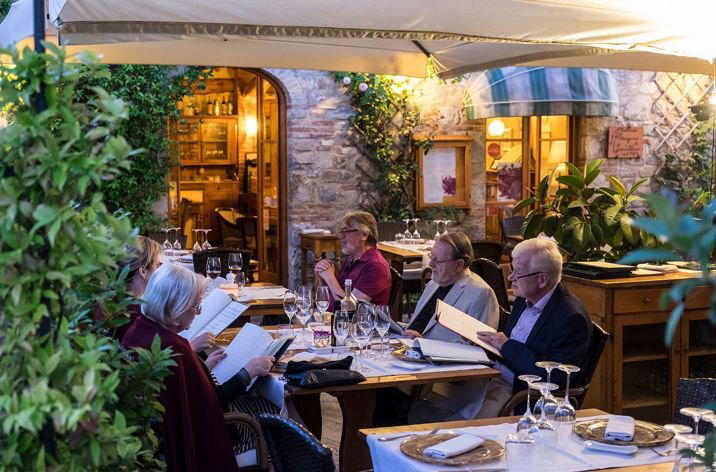
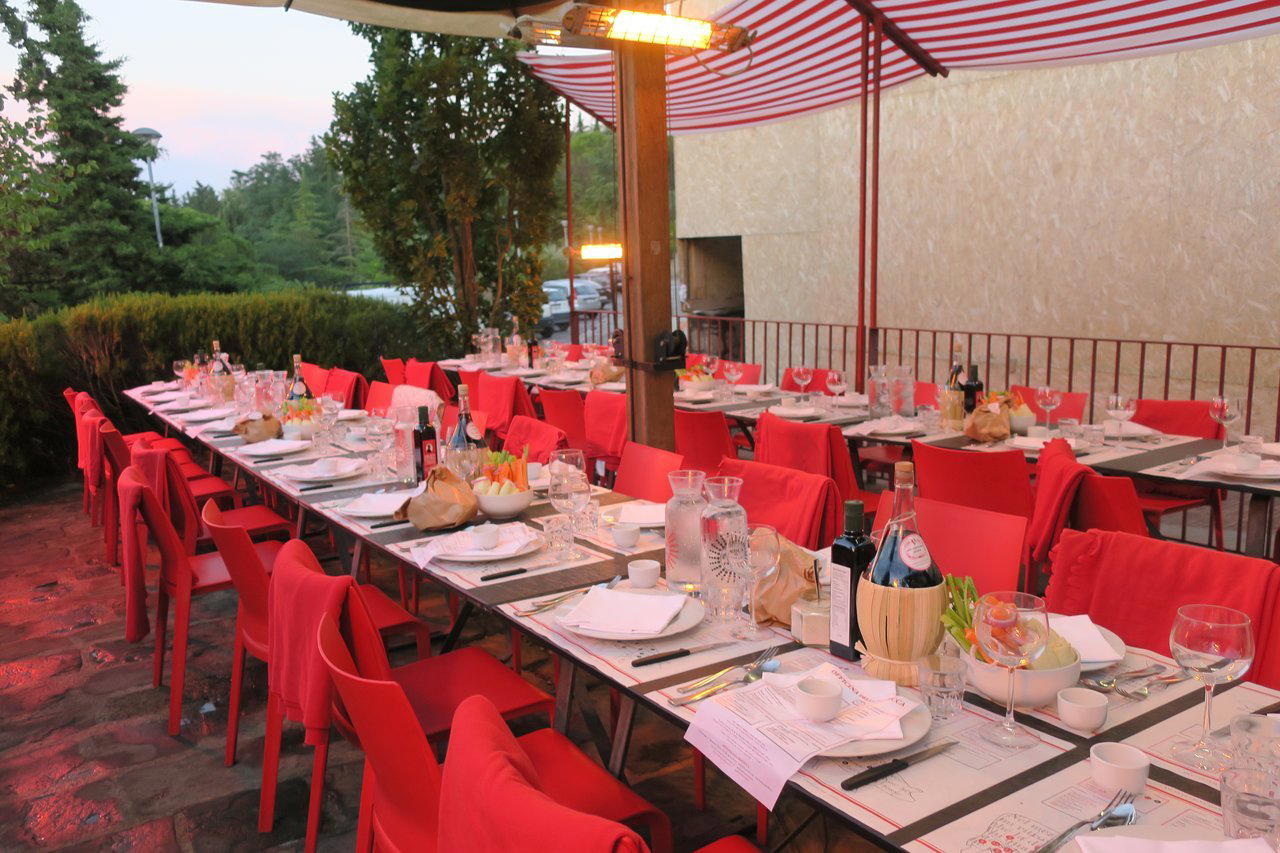
Historic family-run Tuscan winery and agriturismo with a warm, homely feel, simple rustic interiors, and tranquil countryside atmosphere overlooking vineyards and rolling Chianti hills.