Xpace Cultural Centre occupies a converted space on Lansdowne Avenue in Toronto's Parkdale-adjacent west end, operating as an artist-run centre that programs exhibitions, performances, and community events. The programming calendar shifts considerably between daytime and evening, with afternoon hours drawing studio-oriented visitors and night events pulling a broader arts-community crowd. For Toronto's independent cultural scene, it represents the kind of low-overhead, high-intentionality model that larger institutions rarely replicate.
Pearl is the En Primeur Club membership app — saves, bookings, and concierge access live there. Same editors, same standards.
- Address
- 303 Lansdowne Ave Unit 2, Toronto, ON M6K 2W4, Canada
- Phone
- +1 416 551 5465
- Website
- xpace.info
- Directions
- Get directions
 Saves & bookings on Pearl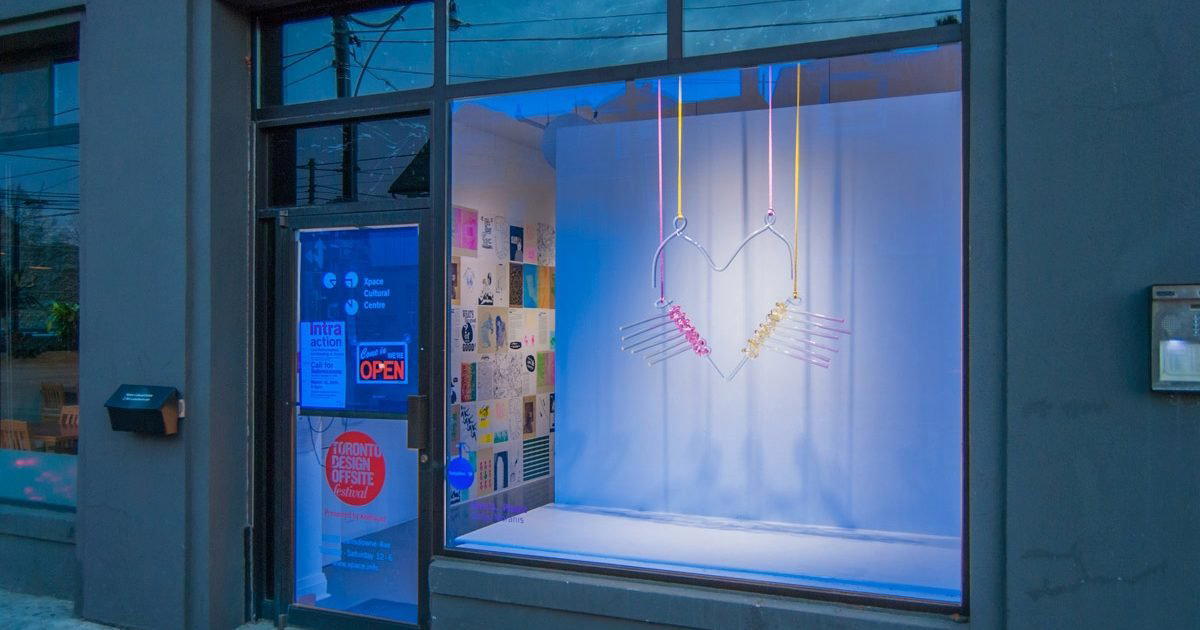
West-End Toronto's Artist-Run Model, Examined
Toronto's independent cultural infrastructure has long been shaped by a tension between institutional scale and grassroots programming depth. On one side sit the major galleries and anchor venues with permanent collections and donor-funded calendars. On the other, a network of artist-run centres keeps the city's experimental and emerging work visible, operating on constrained budgets, flexible mandates, and a programming logic that responds to practitioners rather than audiences. Xpace Cultural Centre, at 303 Lansdowne Avenue in the city's west end, is a Toronto cultural centre. It is a working example of how artist-run centres function in a city where commercial real estate pressure has made independent cultural space increasingly difficult to sustain.
Lansdowne Avenue sits in a stretch of Toronto that connects Parkdale to the Lower Junction and Roncesvalles corridors, neighbourhoods that have absorbed successive waves of studio migration as artists displaced from Liberty Village and Queen West moved further west in search of affordable square footage. The cultural centre's position on this strip is less accident than symptom: artist-run centres in Toronto have consistently anchored themselves to areas where working artists actually live and produce, rather than where cultural tourism concentrates.
Daytime Programming: The Working-Hours Register
The divide between daytime and evening at venues like Xpace is more pronounced than it appears from outside. During afternoon hours, artist-run centres typically function closer to resource hubs, the audience is practitioners, not spectators. Visits during this register tend to be purposeful: someone checking out a current exhibition on their own terms, a visiting artist or curator reviewing work, or a student from one of the city's art schools using the programming as part of a broader research circuit. The pace is quiet, the engagement direct, and the curatorial context is accessible without mediation.
This daytime mode tends to favour the kind of exhibition work that rewards close, slow attention rather than crowd-friendly spectacle. Artist-run centres historically have presented work that commercial galleries will not take on: early-career artists without market traction, experimental formats, politically pointed content, or medium-specific practices that don't photograph well for social media. During the quieter parts of the day, that programming comes through clearly without the noise of an opening event around it.
For visitors staying in Toronto's central accommodation belt, the Four Seasons Hotel Toronto, Park Hyatt Toronto, or Hotel, Toronto, getting to Lansdowne Avenue requires a deliberate trip west, roughly twenty minutes by transit from the Bloor-Yonge corridor. That distance is the point: venues like Xpace are not on the tourist circuit, and their programming reflects that independence.
Evening Programming: A Different Audience Contract
Evening openings and events at artist-run centres operate under a different social logic. The opening-night format, which remains the primary occasion on which a broader public engages with gallery programming across the city, functions as much as community event as art viewing. The audience at a west-end artist-run centre opening will typically include the exhibiting artists' peers, adjacent practitioners from music, writing, and performance communities, and a contingent of regulars who follow the centre's programming over time rather than engaging with individual shows opportunistically.
That community density creates a different kind of encounter with the work. Context travels by word of mouth in rooms like this, and conversations between strangers at an opening often carry more curatorial information than a wall text. For visitors new to the scene, attending an evening event at Xpace offers access to the working social fabric of Toronto's independent arts community in a way that a museum visit, however well-curated, rarely does.
Toronto's broader independent arts calendar clusters evening events around Thursday and Friday openings, with Saturday afternoon hours serving as the gallery-circuit window for those doing rounds across multiple venues. Checking Xpace's current programming calendar before visiting is essential: artist-run centres run on project-based schedules rather than permanent-collection hours, and the difference between an active installation period and a between-shows gap is significant for what the visit delivers.
Where Xpace Sits in Toronto's Cultural Infrastructure
Artist-run centres in Canada operate within a distinct funding framework, partly supported by public arts councils, that has allowed a network of these spaces to persist in major cities even as commercial gallery economics have tightened. That structural context matters for understanding what Xpace is and what it is not. It is not a commercial gallery with a sales function. It is not a municipal cultural facility with a broad-public programming mandate. It occupies a specific niche: professionally run, practitioner-governed, and oriented toward artistic experimentation over institutional visibility.
This places it in a peer group that includes other Toronto artist-run centres rather than the city's major museums or commercial gallery districts. For a visitor whose cultural travel typically involves properties like Fogo Island Inn in Joe Batt's Arm, where architecture and art are embedded into a remote community context, or design-forward accommodation like the Ace Hotel Toronto and 1 Hotel Toronto, engaging with spaces like Xpace adds a layer to a Toronto itinerary that no flagship institution provides.
Visitors assembling a broader Canadian arts and culture circuit might also find useful parallels at Clayoquot Wilderness Lodge in Tofino, where programming and environment intersect deliberately, or in Quebec's cultural stays at Manoir Hovey in North Hatley and Hotel Le Germain Montreal in Montreal. The artist-run centre model, however, is specifically urban and specifically Toronto in its current form.
Planning a Visit
Xpace Cultural Centre is located at 303 Lansdowne Avenue, Unit 2, in Toronto's west end. Given the project-based programming structure, the first step before visiting is confirming what is currently on, artist-run centres do not maintain continuous public hours in the way commercial galleries or museums do. Transit access from central Toronto is direct via the 501 Queen streetcar or the 47 Lansdowne bus. For visitors based at hotels like Bisha Hotel Toronto, Fairmont Royal York, or The Hazelton Hotel, the trip west is manageable and pairs well with time in the Roncesvalles or Parkdale neighbourhoods. There is no admission charge typical of artist-run centres, though donations support programming. Evenings during openings require no advance booking. Our full Toronto restaurants guide covers dining options in the surrounding neighbourhood.
Credentials Lens
Comparable venues nearby, for context on price, style, and recognition.
| Venue | Cuisine | Price | Awards | Notes |
|---|---|---|---|---|
| Xpace Cultural CentreThis venue — the venue you are viewing | Artist-run cultural centre | $ | Not listed | Not listed |
| North by Northeast | Extended-stay apartment hotel | $$ | 3-Star | Riverdale |
| SoHo Hotel Toronto | Hotel | Not listed | Not listed | Entertainment District |
| The Rex Hotel Jazz and Blues Bar | Historic boutique hotel with live jazz venue | $$ | 2-Star | Queen West |
| Fairmont Royal York | Hotel | Not listed | Not listed | Entertainment District |
| Gladstone House | Historic boutique with contemporary artistic renovations | $$ | Not listed | West Queen West |
Continue exploring
More in Toronto
Hotels in Toronto
Browse all →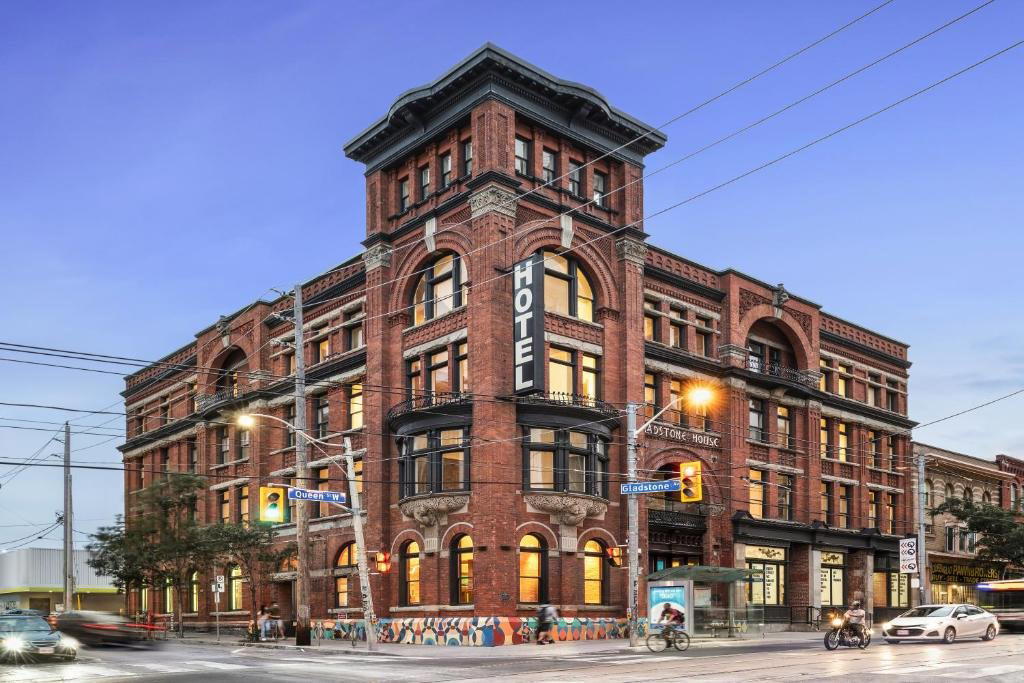
Bars in Toronto
Browse all →
Restaurants in Toronto
Browse all →

At a Glance
- Modern
- Trendy
- Industrial
- Bohemian
- Historic Building
Current opening hours
- Monday
- Closed
- Tuesday
- Closed
- Wednesday
- 12–6 PM
- Thursday
- 12–6 PM
- Friday
- 12–6 PM
- Saturday
- 12–6 PM
- Sunday
- Closed
Hours can change for holidays and private events. Last verified .
Contemporary gallery space with experimental installations like glittering red foam floors and dark teal walls fostering creative world-building.